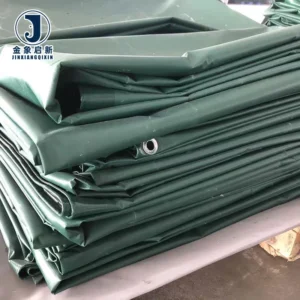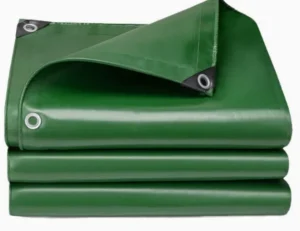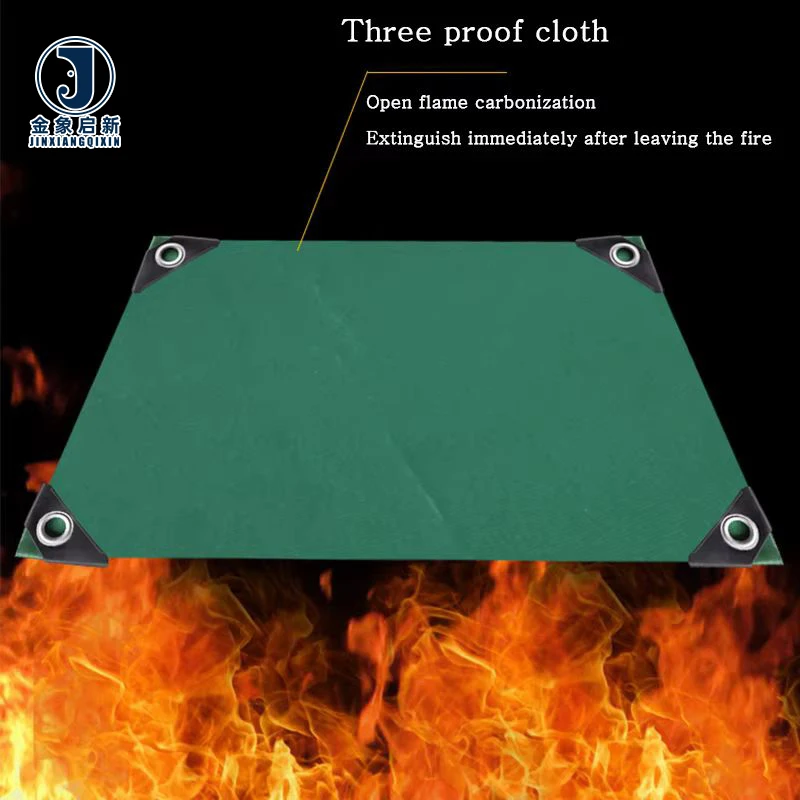
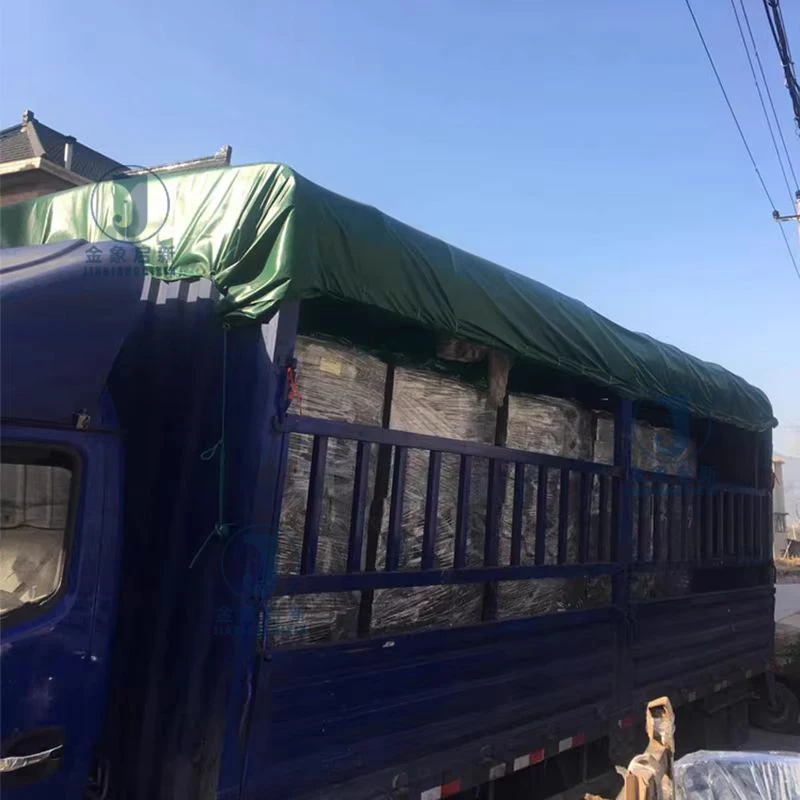
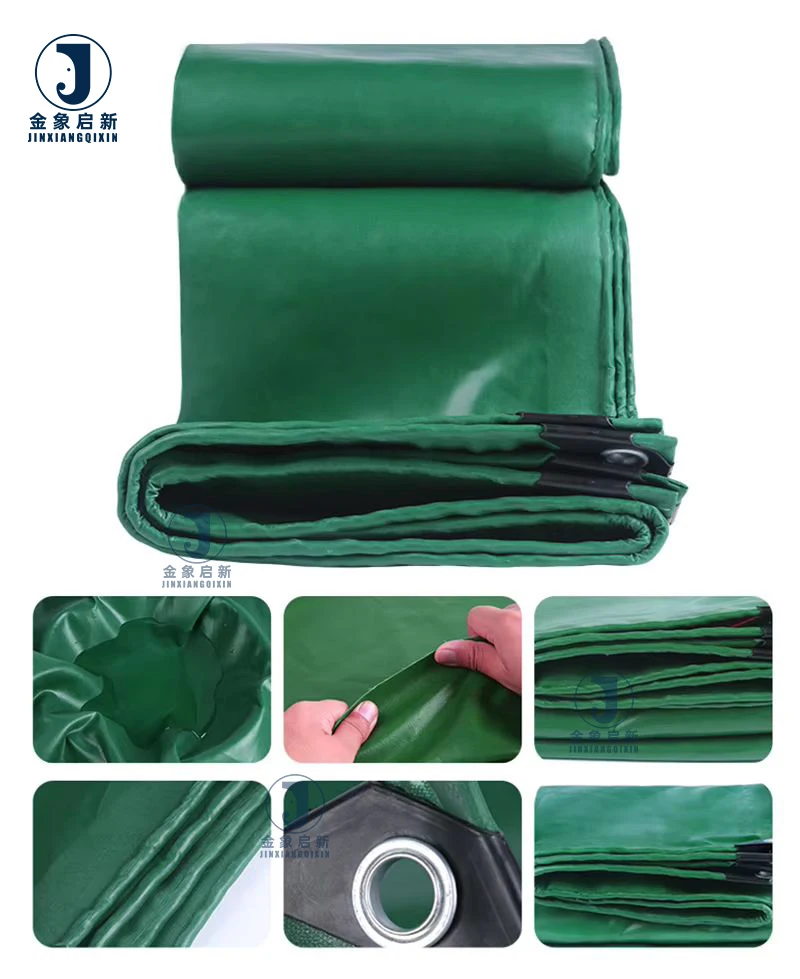
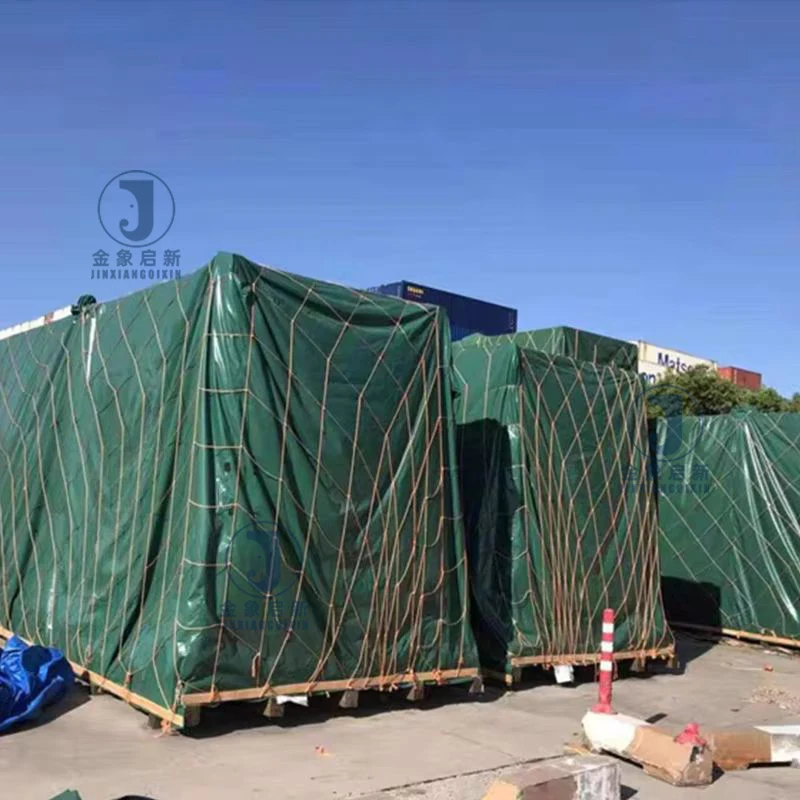
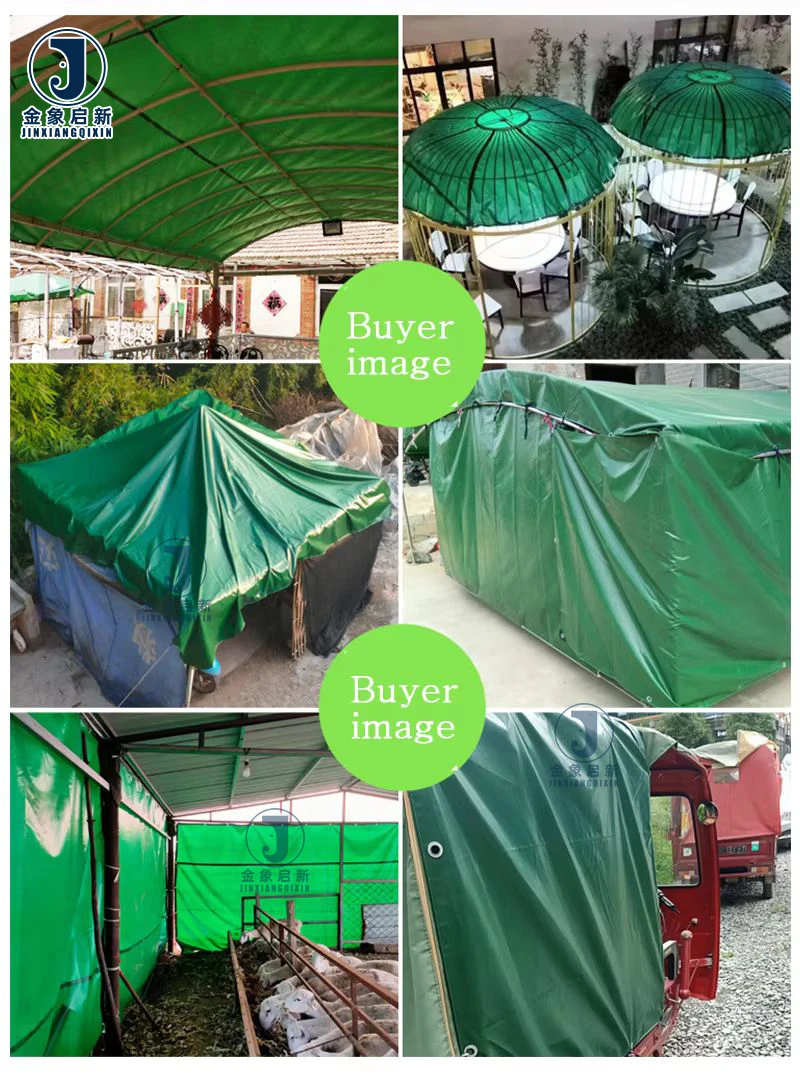
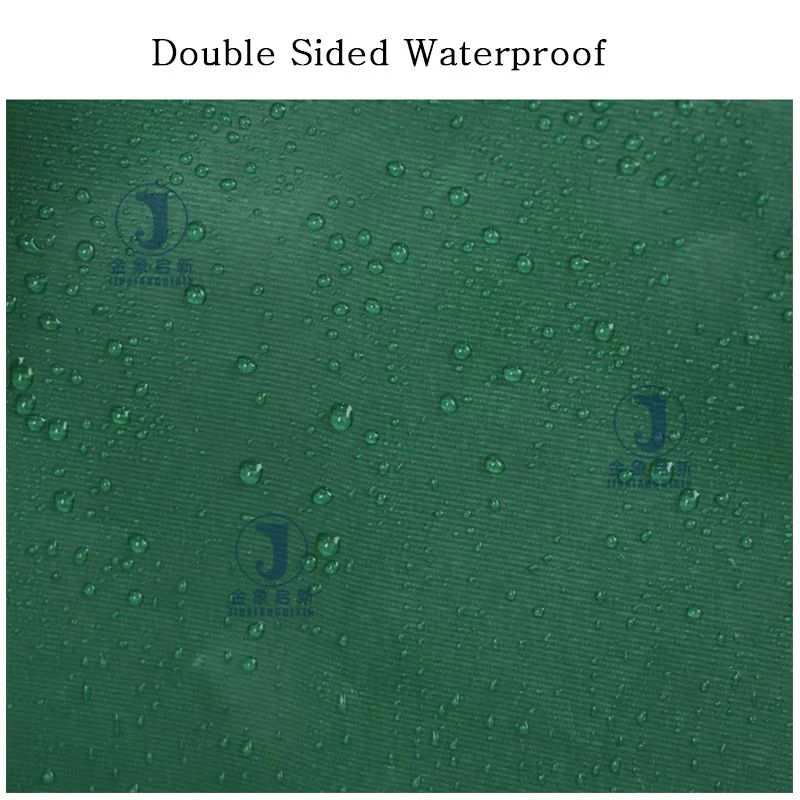
PVC Coated Tarpaulin — 700gsm / 850gsm / 900gsm options with flame retardant, anti-static, anti-cold and anti-mildew treatments for truck and trailer cargo covers.
- Base fabric denier and weave matched to tensile and tear demands of your specific trailer model
- Coating weight and adhesion controlled in-house for consistent GSM roll to roll
- Welded seam strength verified at load-flex zones where covers fail first
Three full production lines with 36 equipment sets deliver bulk capacity on schedule, while 100% pre-shipment inspection confirms every specification before dispatch.
Description
In-House Coating Control — every roll of PVC coated tarpaulin truck cover runs through our own coating lines with gram weight verified at the reel, not just stated on the invoice.
Technical Specifications
| Parameter | Value |
|---|---|
| Product Type | PVC Coated Tarpaulin |
| Material | PVC Coated Fabric |
| Weight Options | 700gsm, 850gsm, 900gsm |
| Treatment Options | Flame Retardant (grade not stated); Anti-Static (grade not stated); Anti-cold; Anti-mildew |
| Customization | Size, color, GSM, printing available |
| Standards | ISO, CE |
Application Suitability
| Application | Exposure & Requirement |
|---|---|
| Truck and trailer cargo cover | Constant flexing at load points, road debris abrasion, prolonged UV and rain exposure, wind lift on highways |
| Logistics fleet load protection | Repeated tie-down strap tension, daily folding and unfolding, multi-year weather cycling |
| Transport equipment weather cover | Static outdoor storage, dust and moisture ingress prevention, occasional handling and repositioning |
Why Quoted GSM Often Fails the Weigh-In at Your Dock
GSM on paper means nothing if the roll that arrives weighs less than what you paid for.
I have seen heavy-grade coated rolls come in under the quoted weight because the coating formula was stretched with filler to hit the target thickness without the target mass. The fabric looks right on the table, but it tears at the eyelet under a loaded strap. Buyers who specify a PVC coated tarpaulin truck cover aftermarket supplier without demanding per-roll weight verification end up absorbing the loss [NEED_CITE: pre-shipment inspection protocols for coated fabric rolls per ISO standards].
Matching Base Fabric Denier to the Load Profile
The base fabric carries the mechanical load while the PVC coating provides weather protection. A higher denier yarn in the warp and weft directions increases tear propagation resistance, which matters at the flex points where the cover wraps over a sharp-edged load. Selecting the right denier depends on whether the cover will see daily rigging or seasonal use.
How Coating Weight Relates to Real-World Durability
Coating weight, separate from base fabric weight, determines how much PVC sits on each side of the weave. Heavier coating fills the interstices completely, preventing water wicking through the fabric structure. On a PVC coated tarpaulin truck cover aftermarket supplier order, verifying total GSM against the coating-to-base ratio gives you a reliable picture of long-term weather resistance [NEED_CITE: coating adhesion and peel strength test methods for PVC coated fabrics].
Reading the Specification Sheet Beyond the Headline Number
GSM tells you mass per square metre but not how that mass is distributed. A 700gsm fabric with a tight base weave and balanced coating will outperform a 900gsm fabric made with an open weave padded with excess coating filler. Tensile and tear performance depend on the base fabric construction, while abrasion and UV resistance depend on the coating formulation and any surface treatment applied.
What Happens When Welded Seams Fail Before the Fabric Does
Heat-welded seams are the structural backbone of any finished truck cover. If the welding temperature or dwell time is not calibrated to the specific coating formulation, the seam peels under load while the surrounding fabric remains intact. This failure mode shows up at the high-stress flex zones where the cover bends over the trailer edge. I have traced seam failures back to incorrect heat settings on the welding bar, not to the fabric itself [NEED_CITE: weld strength testing for PVC coated fabric joints].
Why This Production Setup Covers Your PVC Tarpaulin Requirement
Coating, cutting, welding, and finishing all happen on our own production lines, which means one team is accountable from raw yarn to packed roll. Three full production lines support bulk volume without splitting your order across subcontractors. The R&D team develops custom samples within days so you can verify hand feel, colour, and weld behaviour before committing to a production run. Dedicated QA inspection checks every roll against the stated specification before it leaves the floor.
Documentation & Verification
- Material specification sheet confirming base fabric denier, coating weight, and total GSM per roll
- Weight verification per roll against the stated GSM before dispatch
- Test report for flame retardant and anti-static grades where applicable to your market
- ISO and CE certificates covering the production management system
- Pre-shipment inspection record with photographs of roll labels and packing
Fabrication, Handling & Storage
- Heat welding parameters must match the PVC coating formulation to prevent seam delamination at flex zones
- Reinforcement patches applied at high-stress eyelet and tie-down points distribute strap load across the base fabric weave
- Rolls stored upright on pallets to avoid flat-spot deformation of the coating surface
- Cold-weather handling requires gradual unfolding to prevent coating crack on anti-cold treated grades
- Cutting layout planned to minimize off-cuts and maximize yield from each roll width
What We Need to Quote Your Cover Correctly
Send us the trailer dimensions or roll width and length you need, along with the target GSM range and any treatment requirements for your destination market. If you need finished covers, provide the vehicle model so we can map the cut pattern and reinforcement points. Colour references or Pantone codes help us confirm batch consistency before production starts.
Frequently Asked Questions
Q: How is GSM verified on each roll before shipment?
A: Every roll is weighed and measured on our inspection line, and the actual GSM is recorded against the quoted value. We include the weight verification data in the pre-shipment inspection record so you can cross-check on arrival. Rolls that fall outside the agreed tolerance are pulled before packing.
Q: Can flame retardant performance be backed by a test report?
A: Flame retardant treatment is available in different grades depending on your market requirements. We supply a test report with the specific classification achieved. Confirm the standard your end user or local regulation requires — such as B1, M2, or NFPA 701 — so we run the correct formulation.
Q: How do you keep colour consistent across multiple rolls in one order?
A: All rolls in a single production run use the same coating batch and colour master. We check each roll against the approved colour reference under controlled lighting during inspection. If your order spans multiple production runs, we retain the batch formula to match the original reference.
Q: What reinforcement options are available at high-stress points?
A: We apply extra PVC patches and reinforced webbing at eyelet rows, tie-down zones, and any flex points identified in the cut pattern. The reinforcement material and welding parameters are matched to the base fabric GSM to ensure the patch bonds fully without creating a stiff spot that cracks.
Q: What lead time should I plan for custom sizing and colour?
A: Lead time depends on whether you need roll stock in standard widths or finished covers cut to specific trailer dimensions. Custom colours and printed branding add time for sample approval before the full run. We confirm the schedule at quotation stage once the specification is locked.
Related products
-
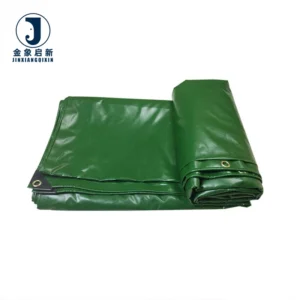
500gsm MULTI-PURPOSE Green Waterproof Green Tarp for Emergency Rain Shelter. Outdoor Cover
¥7.72 Select options This product has multiple variants. The options may be chosen on the product page -

PVC Coated Tarpaulin PVC Fabric Tarpaulinheavy duty fire retardant waterproof pvc coated tarpaulin rolling pvc tarp
¥1.00 Select options This product has multiple variants. The options may be chosen on the product page -
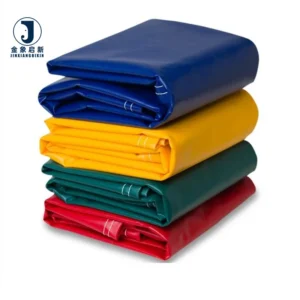
Heavy Duty Waterproof PVC Tarpaulin Roll Cover for Truck Tent Outdoor Storage and Industrial Use
¥1.48 Add to cart -
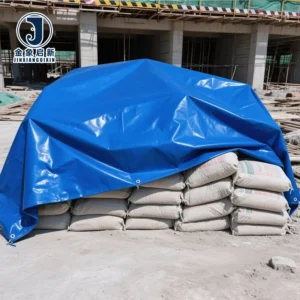
Wholesale Pvc Tarpaulin Wear-resistant Waterproof Multi-purpose Heat-resistant Tarpaulin
¥2.00 Add to cart