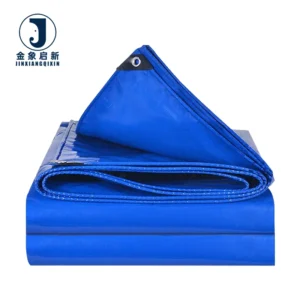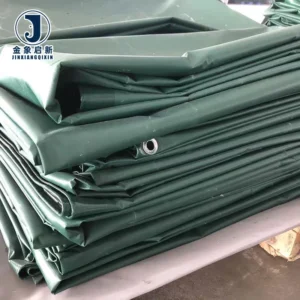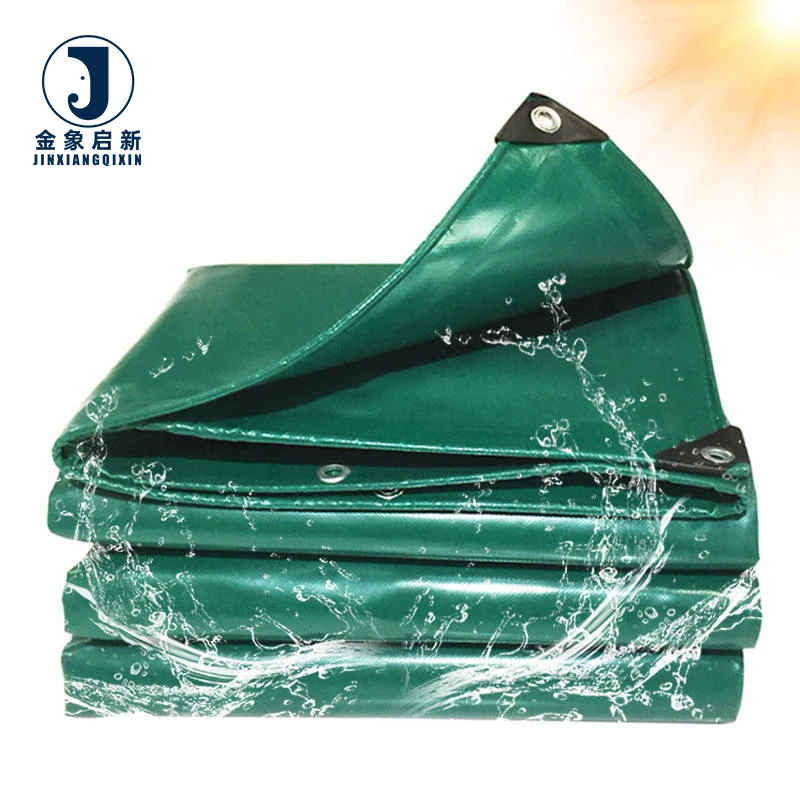
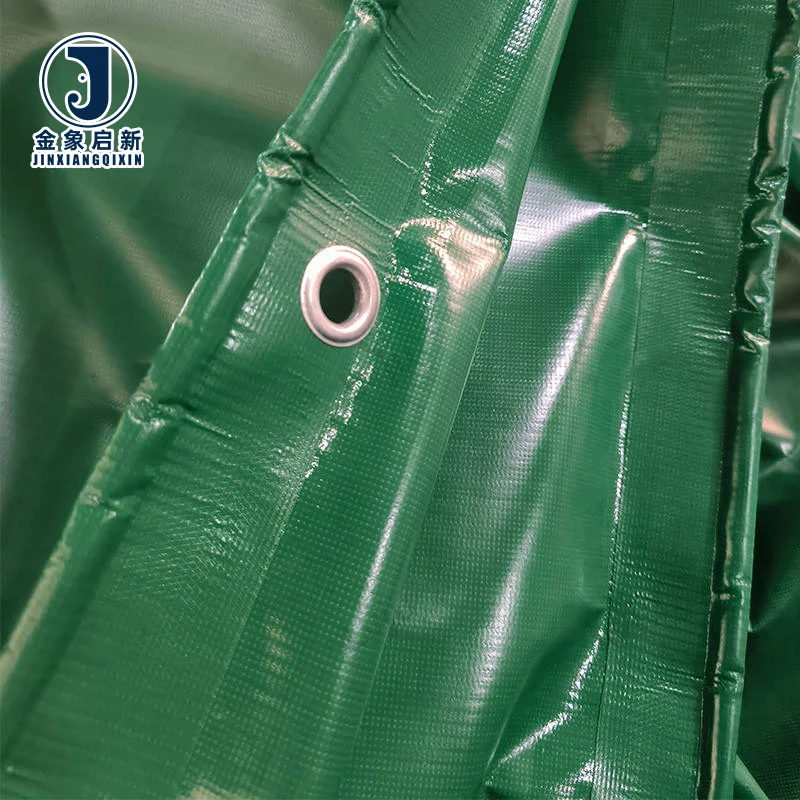
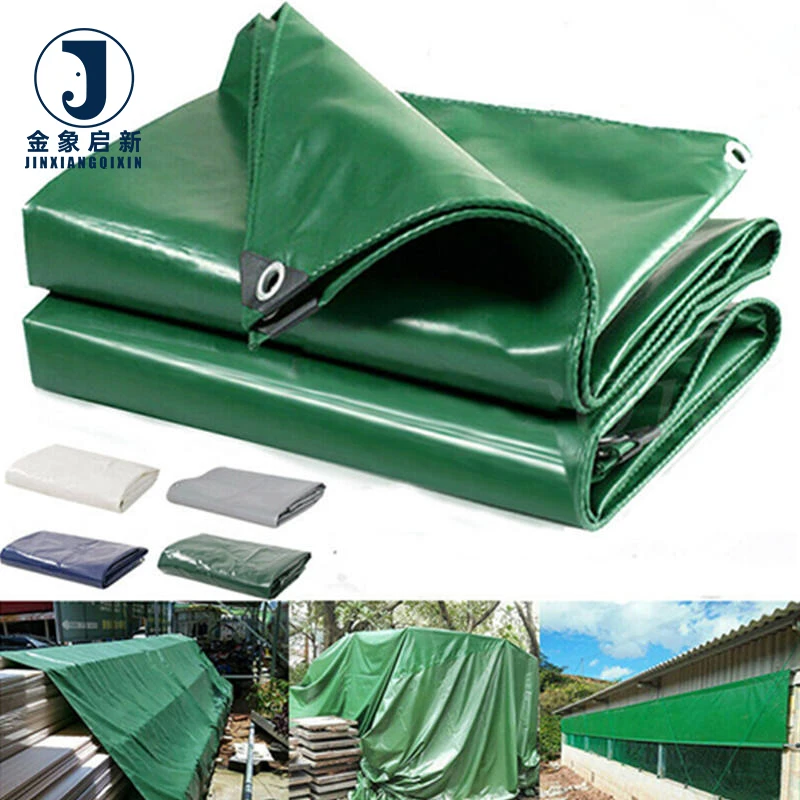
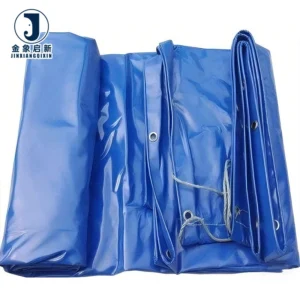
PVC Coated Tarpaulin 350–900 gsm, polyester base fabric with double-sided PVC coating and heat-sealed seamless edge finishing.
- The complete tarpaulin range with full custom sizing, treatment and finishing — specify GSM, yarn count and density to match tensile requirements, not just weight.
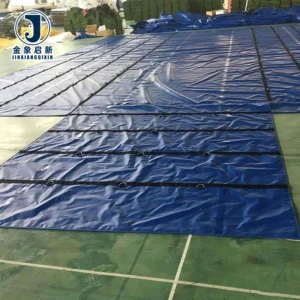
- High-frequency hot melt welding and reinforced corners ensure seams outlast the fabric at flex points.
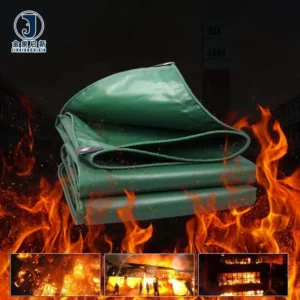
- Anti-UV and fire retardant treatments available with test reports on request.
Thirty years of coating process control, 100% pre-shipment inspection and a 10-person R&D team backing every custom order.
Description
Coated Fabric Process Control — thirty years focused on PVC coating weight and adhesion means the 350 to 900 GSM range is verified per roll, not averaged across a batch.
Technical Specifications
| Parameter | Value |
|---|---|
| Product Type | PVC Coated Tarpaulin |
| Weight Options | 350 GSM, 400 GSM, 420 GSM, 500 GSM, 600 GSM, 650 GSM, 750 GSM, 900 GSM |
| Base Fabric Denier | 500D×840D, 500D×1000D, 1000D×1000D, 1000D×1300D, 1300D×1300D, 1000D×2000D |
| Mesh Count | 30×19, 20×20, 30×15 |
| Total Thickness | 0.29 mm, 0.32 mm, 0.38 mm, 0.44 mm, 0.46 mm, 0.55 mm, 0.65 mm |
| Coating Material | PVC (double-sided) |
| Tensile Strength (Warp/Weft) | 1650/1600 N up to 3900/3500 N (test basis not stated in source) |
| Welding Methods | High frequency hot melt, hot air, sewing |
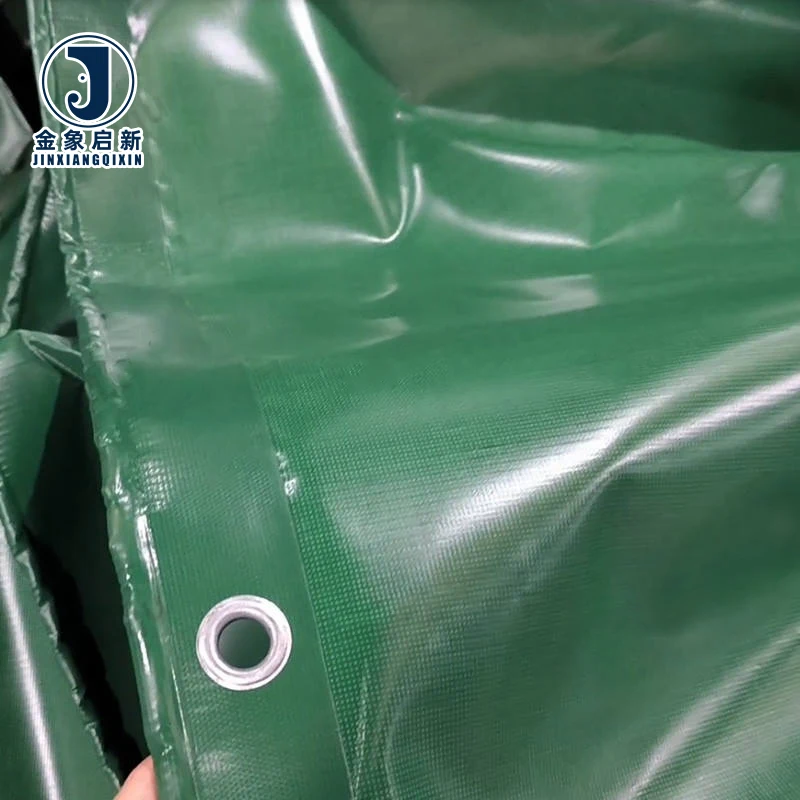
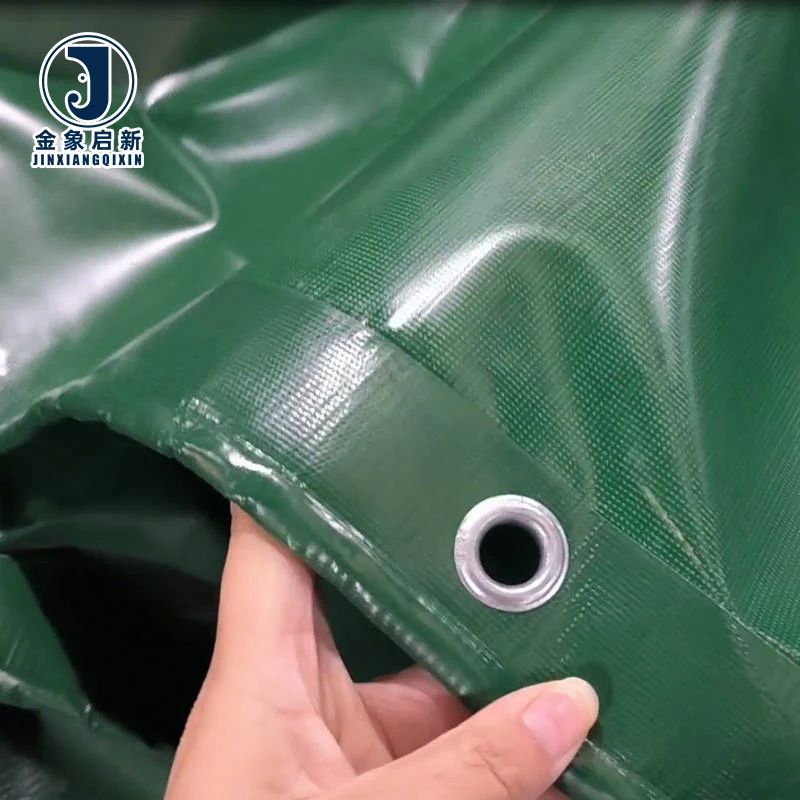
| Edge Finishing | High temperature heat sealed seamless edge wrapping |
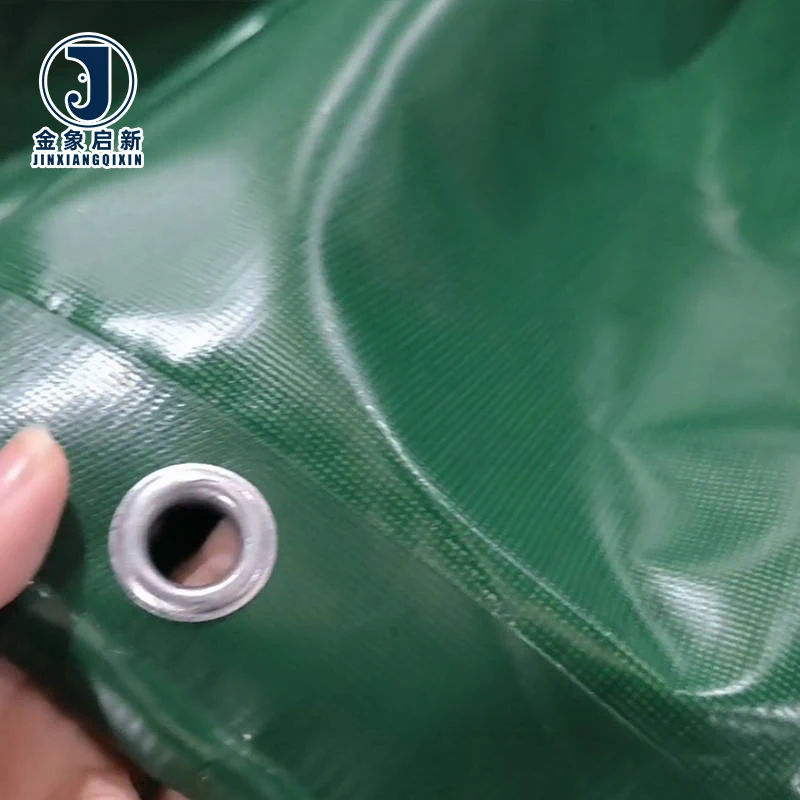
| Eyelets | 3 cm enlarged aluminum alloy buttonhole |
| Rope | 5 mm thick rope without splicing |
| Density (PVC) | 1.15–2.00 g/cm³ |
| Softening Temperature | ≥ 80 °C |
| Melting Point | 212 °C |
| Brittle Temperature | ≤ -50 to -60 °C |
| Key Features | Waterproof, fire retardant (grade not stated), anti-UV (test basis not stated), heavy metal free, anti-mildew, flexible, self-clean |
| Printing | Printable, customized |
| Standards | ISO, CE |
Application Suitability
| Application | Exposure & Requirement |
|---|---|
| Truck and trailer side curtains | Constant flexing at load points, road spray, UV exposure, abrasion from tie-down straps |
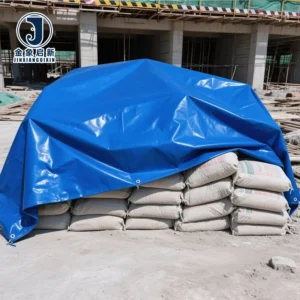
| Pallet and equipment covers | Static outdoor storage, wind uplift on edges, forklift handling abrasion |
| Outdoor event tents (block-out) | Full sun and rain cycles, crowd contact, flame retardant compliance for public assembly |
| Awnings and pergola covers | Permanent horizontal UV exposure, water pooling risk, wind-driven flapping fatigue |
| Inflatable and membrane structures | Internal air pressure stress, double-curved seam loading, UV and thermal cycling |
| Construction site shelters | Debris impact, wind loading on large panels, fire safety requirements for enclosed work zones |
Why Stated GSM Without a Test Report Is a Procurement Risk
Specifying a PVC coated tarpaulin by weight alone does not guarantee the mechanical performance your application demands — the base fabric denier, mesh count and coating adhesion together determine how the material behaves under real load.
Buyers routinely receive rolls that measure lighter than the quoted GSM, or that pass a weight check but fail at the weld line when the cover flexes under a loaded trailer. The discrepancy often surfaces only after installation, when seam failure or tearing at the eyelet forces an unplanned replacement. [NEED_CITE: tensile and tear test methods for coated fabrics per ISO 1421] A material specification sheet backed by pre-shipment inspection records closes this gap before the container ships.
Matching Grade to the Load Path
The eight weight grades in this PVC coated tarpaulin range each pair a specific base fabric denier with a matched mesh count and coating thickness. A 500 GSM grade built on 1000D×1000D polyester behaves differently under point load than a 500 GSM grade on a lighter weave, even though the scale reads the same. For truck side curtains that flex hundreds of times per trip, the denier and pick density matter as much as the stated weight.
Treatment Claims Versus Documented Grades
Fire retardant and anti-UV treatments are available across the range, but the grade must match your market’s regulatory or project specification. When sourcing PVC coated tarpaulin for public assembly tents or mining ventilation enclosures, request the test report referencing the applicable standard before confirming the order — a quotation that says "FR treated" without a grade leaves compliance to chance. [NEED_CITE: DIN 4102 fire classification for building materials]
What the Tensile and Tear Numbers Actually Mean
Tensile strength values from 1650/1600 N to 3900/3500 N reflect the combined effect of base fabric construction and PVC coating penetration. Higher denier yarns (1300D×1300D, 1000D×2000D) resist tear propagation across the weave, while tighter mesh counts (30×19) distribute load more evenly between warp and weft. A heavy-duty 900 GSM grade with 0.65 mm thickness and 1000D×2000D base fabric suits applications where the cover must span unsupported distances under wind load, while a 350 GSM grade on 500D×840D works for short-term protective wrapping and lightweight pallet covers. The brittle temperature of ≤ -50 to -60 °C and softening point at ≥ 80 °C define the operating envelope for cold-chain transport and hot-climate static installations. [NEED_CITE: brittle temperature testing for flexible PVC compounds per ISO 188]
The Hidden Cost of a Specification That Doesn’t Travel With the Order
Colour variation between rolls in the same shipment becomes visible the moment two panels hang side by side on a structure or a fleet of trailers. Welded seams that fail before the fabric does typically trace back to incorrect hot-melt parameters for the specific GSM and coating formulation, not to a fabric defect. When eyelets pull through at the hem, the root cause is often an undersized reinforcement patch relative to the tie-down tension. [NEED_CITE: seam failure analysis in flexible coated fabric assemblies] These problems are preventable when the specification sheet, colour reference and fabrication instructions travel with the production order from sample approval through dispatch.
Why Fabricators and Fleet Operators Source This Range Here
Three full production lines and 36 sets of professional equipment support bulk roll output with consistent coating weight across the run, reducing the batch-to-batch variation that causes problems at the welding table. A 10-person R&D team handles material selection, custom sizing and pattern printing, developing physical samples within days so you can verify weight, colour and finish before committing to bulk. Dedicated QA/QC at every production stage with full pre-shipment inspection means the documentation you receive — specification sheet, test reports where applicable, inspection record — reflects the actual rolls in your container, not a generic template.
Documentation & Verification
- Material specification sheet stating exact GSM, base fabric denier and coating weight per roll
- Test report for fire retardant or anti-UV grades referencing the applicable standard
- Pre-shipment inspection record with weight and dimension verification before dispatch
- Roll packing list with colour reference and batch traceability for multi-roll orders
- ISO and CE certificates covering the production facility and coating process
- Certificate of origin and customs documentation for cross-border shipment
Fabrication, Handling & Storage
- Set high-frequency welder dwell time and pressure to match the specific GSM grade, as coating thickness from 0.29 mm to 0.65 mm requires different energy input.
- Position 3 cm aluminum alloy eyelets with reinforced PVC patches at tie-down points to prevent pull-through under strap tension.
- Store rolls upright on end cores to avoid flat spots that create permanent crease lines in heavier grades above 650 GSM.
- Allow cold-stored rolls to reach ambient temperature before unrolling; PVC becomes brittle below -50 °C and may crack if flexed while frozen.
- Use the heat-sealed seamless edge wrapping as the primary hem; avoid re-slitting factory edges where possible to maintain waterproof integrity.
Getting Your Specification Right Before the First Roll Is Produced
Share the end-use environment — truck side curtain, static awning, temporary construction enclosure — along with the exposure conditions and any regulatory requirements for your market. Specify the exact finished dimensions, eyelet spacing and colour reference so the sample matches production intent. Let us know whether you need cut-to-size finished covers or roll stock for your own fabrication line, and whether a physical sample for weight and finish approval is required before the production run.
Frequently Asked Questions
Q: What GSM grade should I specify for a truck side curtain versus a static warehouse cover?
A: Truck side curtains flex constantly and need a base fabric that resists fatigue cracking at the weld line, typically a mid-to-heavy grade on a 1000D construction. Static warehouse covers can use a lighter grade since the load is primarily wind uplift and UV. Share your vehicle model and tie-down configuration so the correct weight and mesh count are matched.
Q: How is colour consistency controlled across multiple rolls in one order?
A: Each production run uses a single mixed batch of PVC compound referenced to your colour standard. The pre-shipment inspection includes a visual panel comparison from the first and last roll in the batch. If your project requires panels to hang side by side, request a colour approval sample before the full run proceeds.
Q: What fire retardant documentation can you provide for my market?
A: Fire retardant treatment is available across the range, and the specific grade must align with your local building or vehicle safety code. Request the test report referencing the applicable standard during the inquiry stage so we confirm the correct formulation before production begins.
Q: What is the sample process for custom width, colour or printed branding?
A: Submit your size, colour reference and print artwork requirements. The R&D team develops a physical sample showing the exact GSM, finish and print quality for your approval. Once you sign off on the sample, bulk production follows using the same material batch and print setup to ensure consistency.
Q: What eyelet spacing and hem reinforcement options are available for heavy-duty covers?
A: The standard configuration uses 3 cm enlarged aluminum alloy eyelets with heat-sealed seamless edge wrapping and 5 mm rope reinforcement. Spacing can be adjusted to match your tie-down pattern, and additional PVC reinforcement patches can be applied at high-load corners and stress concentration points.
Related products
-
PVC Coated Tarpaulin PVC Fabric Tarpaulinheavy duty fire retardant waterproof pvc coated tarpaulin rolling pvc tarp
¥1.00 Select options This product has multiple variants. The options may be chosen on the product page -
Heavy Duty Outdoor Tarpaulin Thickened for Outdoor Waterproof Large Tarpaulin with 3 Meter Width
¥7.78 Add to cart -
PVC Fabric Material Woven Tarpaulin Waterproof Woven Fabric Tarpaulin
¥0.50 Add to cart -
Wholesale Pvc Tarpaulin Wear-resistant Waterproof Multi-purpose Heat-resistant Tarpaulin
¥2.00 Add to cart