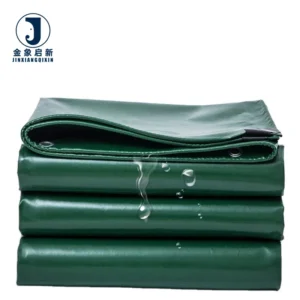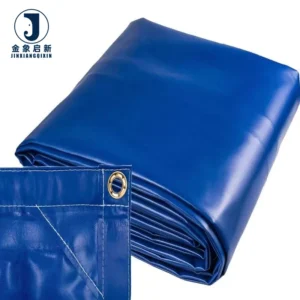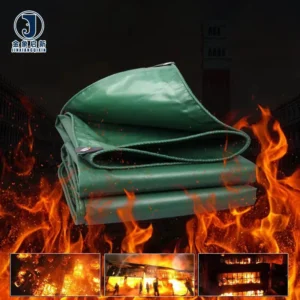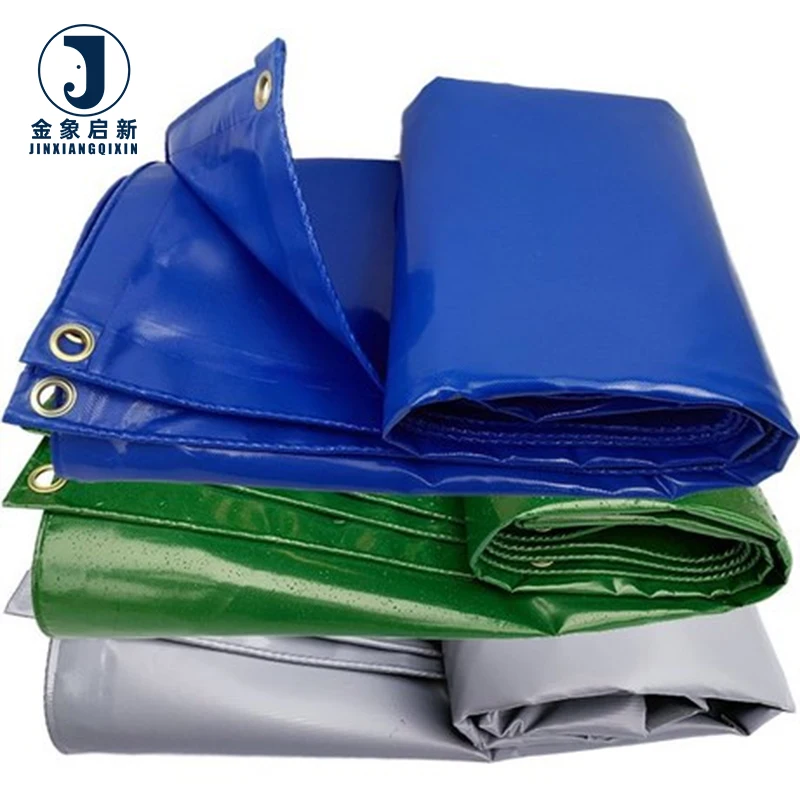
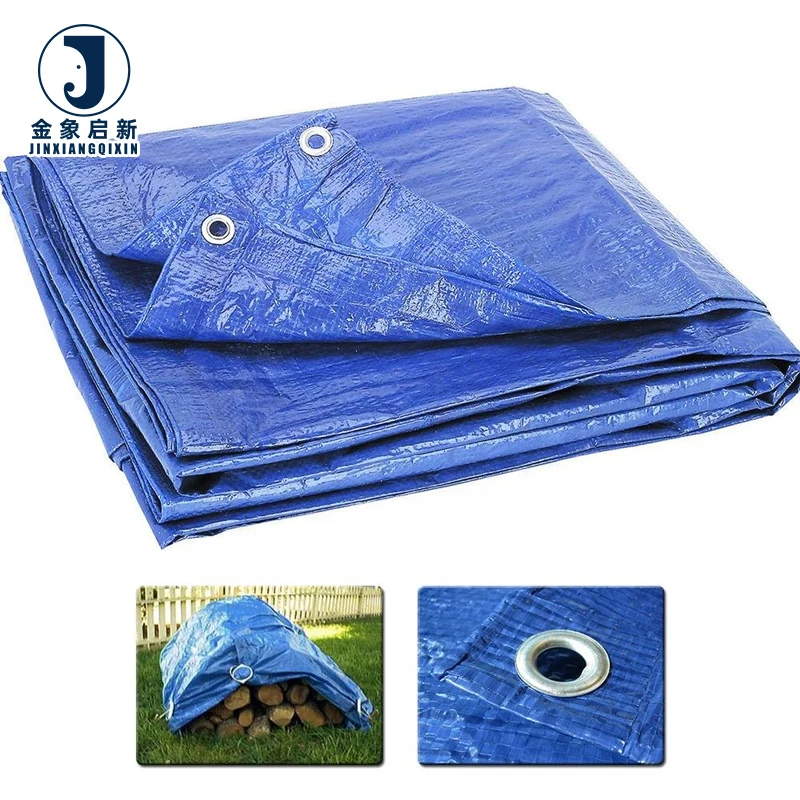
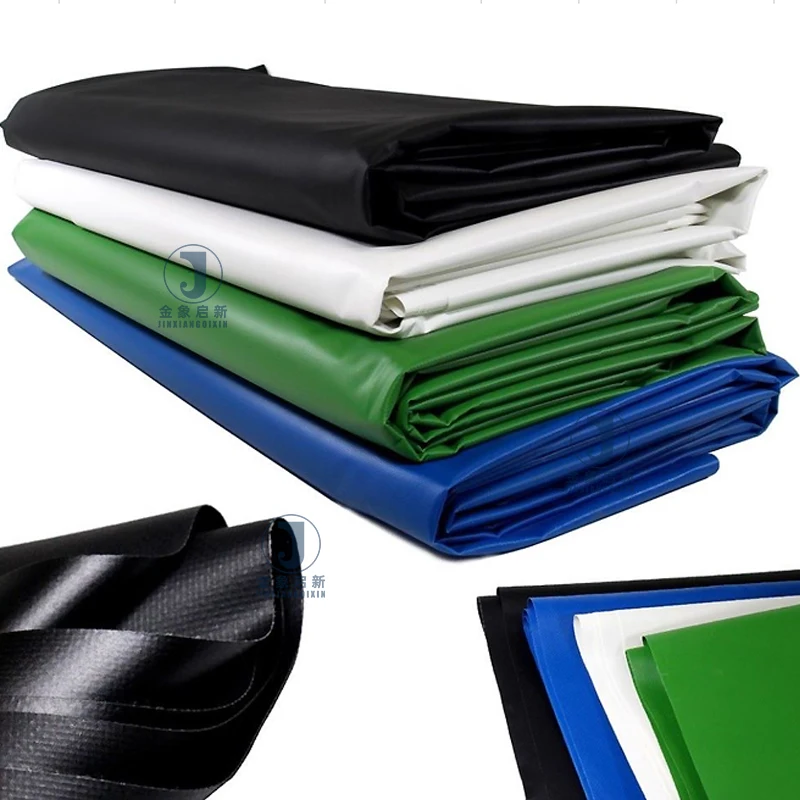
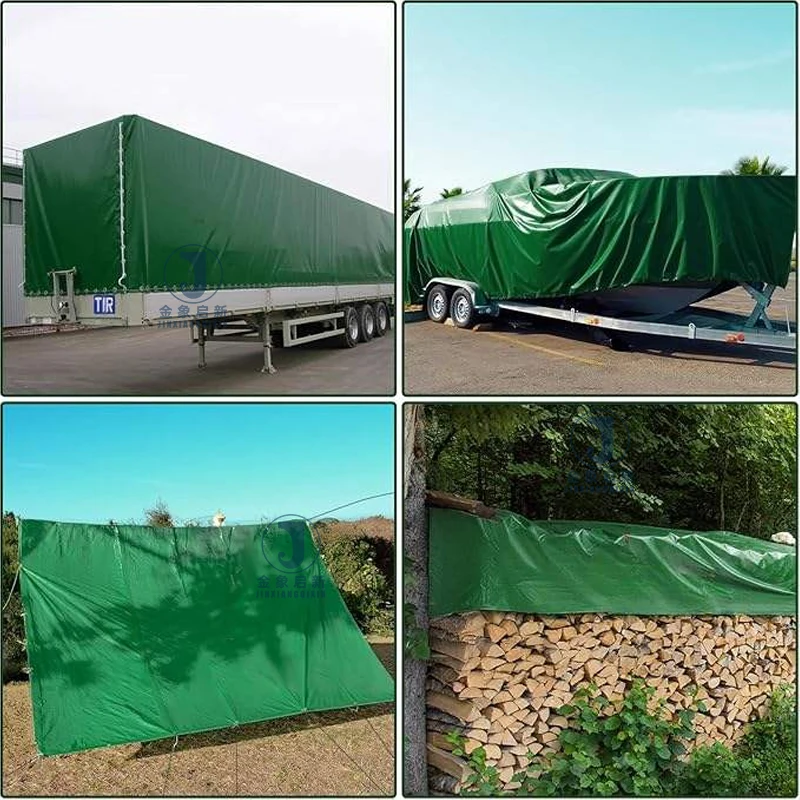
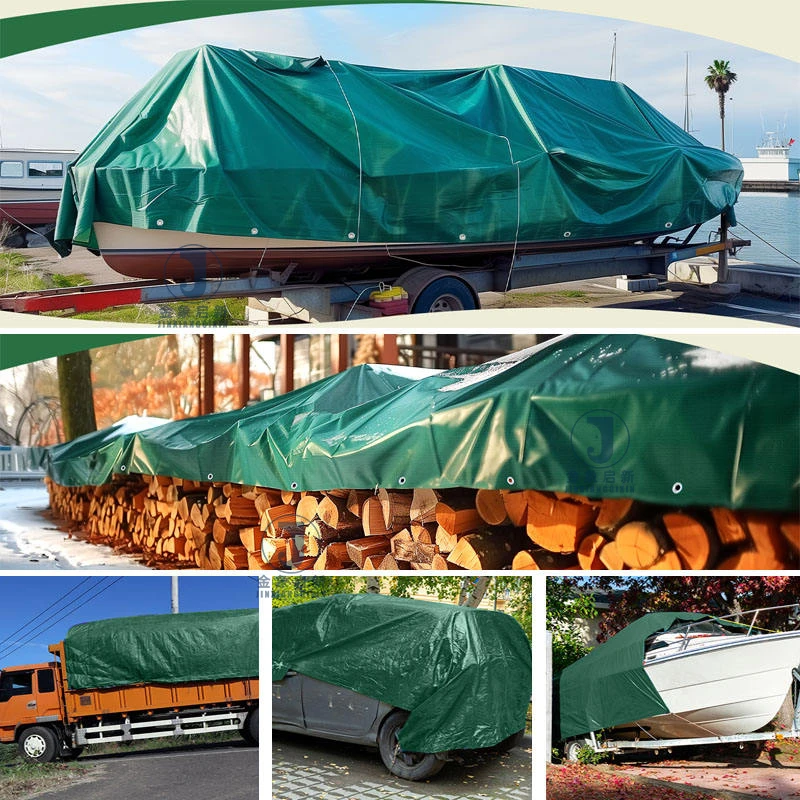
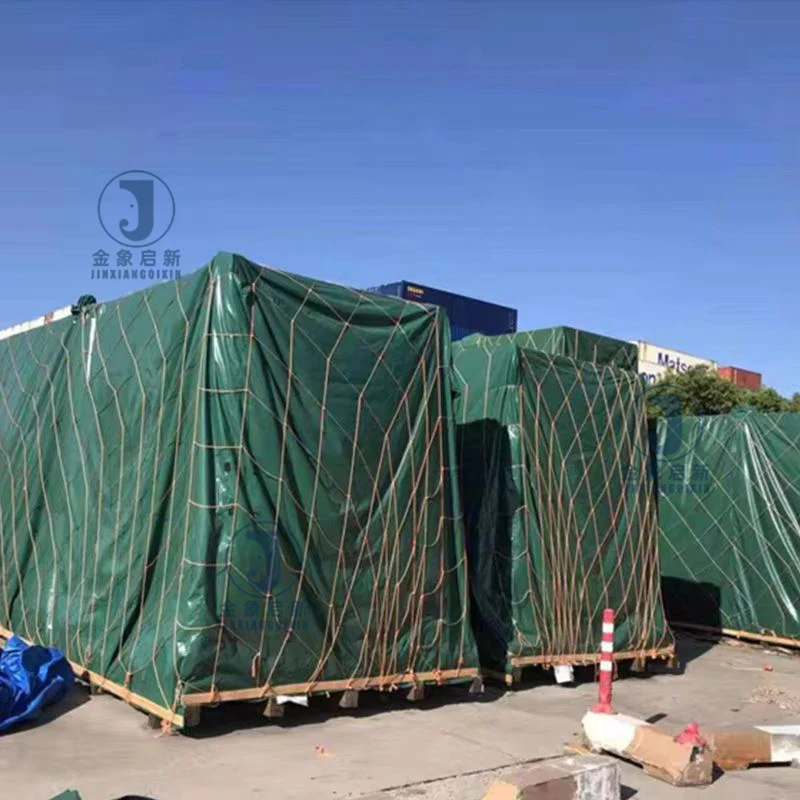
PVC Coated Tarpaulin with 500D×500D polyester base, 450-900 g/m² weight range, smooth leather-like surface — engineered for truck, trailer and industrial covers requiring waterproof, flame retardant and anti-UV performance. Our complete catalogue covers every PVC coated fabric grade from lightweight to heavy-duty, with full customisation across width, colour, eyelet placement and branding print. Three dedicated production lines and 100% pre-shipment inspection ensure roll-to-roll consistency on every order.
Description
Deep Process Control Over Coating Weight — Every roll of PVC Coated Tarpaulin is produced with documented coating adhesion and GSM verification, ensuring the material you receive matches the specification you approved.
Technical Specifications
| Parameter | Value |
|---|---|
| Product Type | PVC Coated Tarpaulin |
| Base Fabric Denier | 500D-500D |
| Coating Material | PVC & Polyester |
| Thickness Measurement | 450-900 g/m² |
| Waterproof | Yes |
| Flame Retardant | available in flame retardant grades — confirm the grade required for your market |
| UV Treatment | available in anti-UV grades — specify test basis at inquiry |
| Surface Characteristics | Smooth, leather-like texture |
| Service Life | suited to extended outdoor exposure |
| Repairability | hot air weldable |
| Abrasion Resistance | very strong |
| Key Features | Water Resistant, Flame Retardant, Anti-UV |
Application Suitability
| Application | Exposure & Requirement |
|---|---|
| Truck and trailer load covering | constant flexing, road abrasion, UV exposure, tie-down tension at eyelet points |
| Construction site and equipment covers | prolonged outdoor weathering, puncture risk from machinery edges, dust and debris |
| Tent and awning fabrication | repeated folding and unfolding, wind load, colour consistency across panels |
| Agricultural and aquaculture stock covers | permanent moisture contact, biological contamination, UV degradation |
| Wood and machinery protection | long-term static storage, condensation, surface scratching |
Why the GSM on the Quote Does Not Guarantee the Fabric You Receive
A quoted GSM means nothing without roll-level verification before the material leaves the factory.
Many tarpaulin buyers have experienced the gap between what the quotation stated and what arrived on the dock. The material feels lighter, the weld seams separate under the first real load, and by then the container is already two weeks at sea. The root cause is rarely fraud — it is the absence of a documented inspection step that ties each roll back to the material specification sheet. When sourcing a PVC Coated Tarpaulin custom manufacturer, the critical question is not what GSM is claimed, but how that claim is verified on every single roll before it is packed. [NEED_CITE:]
How Base Fabric Denier Shapes Real-World Performance
The 500D-500D polyester base fabric used in this PVC Coated Tarpaulin provides the structural skeleton that carries tensile and tear loads. Denier alone does not determine strength — the weave density and the coating penetration between yarns are equally important. A tightly woven 500D base, when properly coated on both sides, distributes stress across multiple yarns rather than concentrating it at a single point, which is why this construction handles the repeated flex cycles of a truck side curtain without developing micro-tears along the warp.
Coating Adhesion and What It Means for Fabrication
Double-sided PVC coating must bond firmly to the polyester base to survive hot-air welding and field repairs. When coating adhesion is weak, the PVC layer delaminates at the weld line before the base fabric reaches its tensile limit. This PVC Coated Tarpaulin is produced with controlled coating weight and adhesion parameters, meaning fabricated seams — whether welded or sewn — hold as long as the parent material. For manufacturers building tents, awnings or inflatable structures, this consistency across the roll is what prevents warranty claims on finished goods. [NEED_CITE:]
Reading the Specification Sheet Beyond GSM
The 450-900 g/m² range covers multiple weight grades within this product family. Selecting the right grade depends on the mechanical load the fabric will carry and the expected service environment. A heavier grade adds coating mass, which improves abrasion resistance and puncture protection but also increases roll weight and handling difficulty on site. The 500D-500D base fabric remains constant across these grades, so tensile strength stays comparable — what changes is surface durability and stiffness. Buyers should request a material specification sheet that states the exact GSM, coating weight and base fabric denier for the grade they are ordering, rather than treating the range as a single specification.
The Hidden Cost of Skipping Batch Colour Verification
When a tent or awning manufacturer orders multiple rolls and the colour shifts from one roll to the next, the panels look mismatched once installed side by side. The entire installation may need to be replaced, not because the fabric failed mechanically, but because the visual consistency was never checked before shipment. Colour variation between rolls in the same order is a recurring complaint among tarpaulin distributors, and it originates in inconsistent pigment dosing during the coating stage. Requesting pre-shipment inspection records with colour reference data is the simplest way to catch this before the rolls are loaded into the container. [NEED_CITE:]
Why Sourcing This PVC Coated Tarpaulin Here Makes Sense
Three full production lines and 36 sets of professional equipment provide the capacity to run large-volume orders with consistent output quality. A dedicated 10-person R&D team handles material selection, custom sizing and sample development, so specifications can be locked in before bulk production begins. Every roll undergoes 100% pre-shipment inspection with documented results — not random sampling, but a full check against the stated GSM and colour reference. Samples for custom requirements are developed within days, letting you approve the exact material before committing to a container load. Nearly 30 years of focused coated fabric production means the process variables that cause field failures are controlled at the source, not caught after the fact.
Documentation & Verification
- Material specification sheet stating exact GSM, base fabric denier and coating weight per roll
- Test reports for flame retardant and anti-UV grades supplied when applicable to your market
- Pre-shipment inspection record with weight verification against stated specification
- ISO and CE certificates included with customs documentation package
- Roll packing list with colour reference for batch-to-batch traceability
- Certificate of origin and full customs support for international dispatch
Fabrication, Handling & Storage
- Hot-air weld the PVC coating at recommended temperature to match the parent fabric tensile strength
- Reinforce eyelet and hem zones to distribute tie-down tension across the 500D-500D base yarns
- Store rolls upright on pallets to prevent permanent creasing in the PVC coating layer
- Avoid unfolding the tarpaulin below the low-temperature flexibility threshold to prevent coating crack
- Clean with mild detergent only — solvents may degrade the PVC surface and leather-like texture
- Repair field damage by hot air welding compatible PVC patches over the affected area
What to Include in Your Inquiry
Specify the application and exposure conditions so the correct weight grade within the 450-900 g/m² range can be recommended. State your target market and any fire classification or UV test standard your end-use requires. Provide the required width, roll length and annual volume, along with colour references or printing requirements if batch consistency across multiple shipments is critical.
Frequently Asked Questions
Q: How is GSM verified before shipment and what documents come with each order?
A: Every roll is weighed and measured during pre-shipment inspection. A material specification sheet stating the exact GSM, base fabric denier and coating weight accompanies the shipment, along with the inspection record. This lets you confirm the material matches the quotation without relying on random sampling after the container arrives at your warehouse.
Q: Which flame retardant grades are available and how do I choose the right one?
A: Flame retardant treatment is available in multiple grades. The correct grade depends on your local building code, transport regulation or end-customer specification. State the required standard at the inquiry stage so the appropriate formulation and test report can be prepared alongside your material specification sheet.
Q: How is colour consistency controlled when I order multiple rolls?
A: Pigment dosing is controlled during the coating stage and verified against a colour reference at pre-shipment inspection. Each roll is logged with its colour reference on the packing list, allowing you to trace any panel back to its production batch if a visual mismatch appears during installation.
Q: What custom sizing, finishing and printing options can I request?
A: Custom width, length, eyelet placement, reinforced hems and pattern printing are all supported. The 10-person R&D team develops samples within days so you can approve the exact configuration before bulk production. Minimums and lead times depend on the combination of custom features requested.
Q: How do I request a sample and how long does it take?
A: Submit your application, required GSM, treatment needs and colour reference. A sample reflecting your specification is developed within days for your approval. Once you confirm the sample, bulk production proceeds with the same process parameters, ensuring the production rolls match the approved sample.
Related products
-
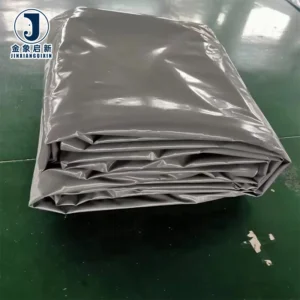
630 Gsm Blue/Grey/Orange Pvc Tarpaulin Roll Pvc Tarpaulin Truck Tarpaulin Pvc Coated Tarpaulin
¥1.66 Add to cart -
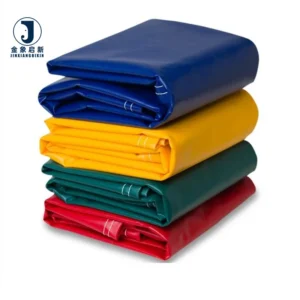
Heavy Duty Waterproof PVC Tarpaulin Roll Cover for Truck Tent Outdoor Storage and Industrial Use
¥1.48 Add to cart -
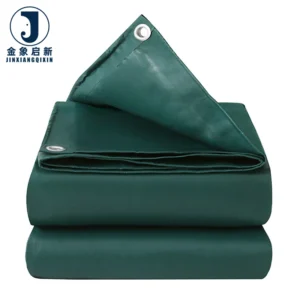
Secure Green PVC Coated Blackout Tarpaulin Truck Tent Cover Anti-Aging Waterproof Folding Design Breathable Woven Technics
¥0.83 Select options This product has multiple variants. The options may be chosen on the product page -
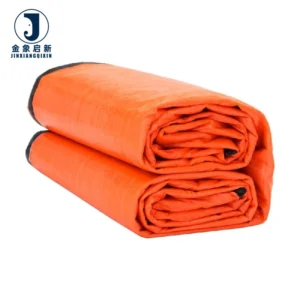
Factory 12ftx20ft Construction Cold Weather Insulated Pe Tarps Poly Tarp Heavy Duty Concrete Curing Blanket Tarpaulin Roll Sheet
¥0.66 Add to cart