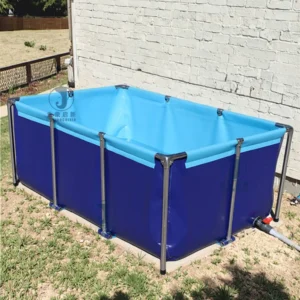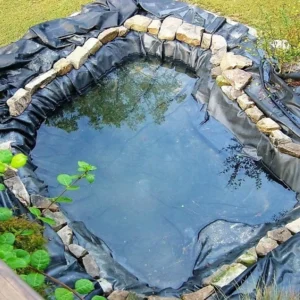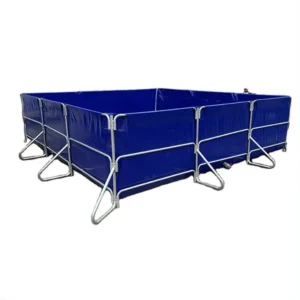
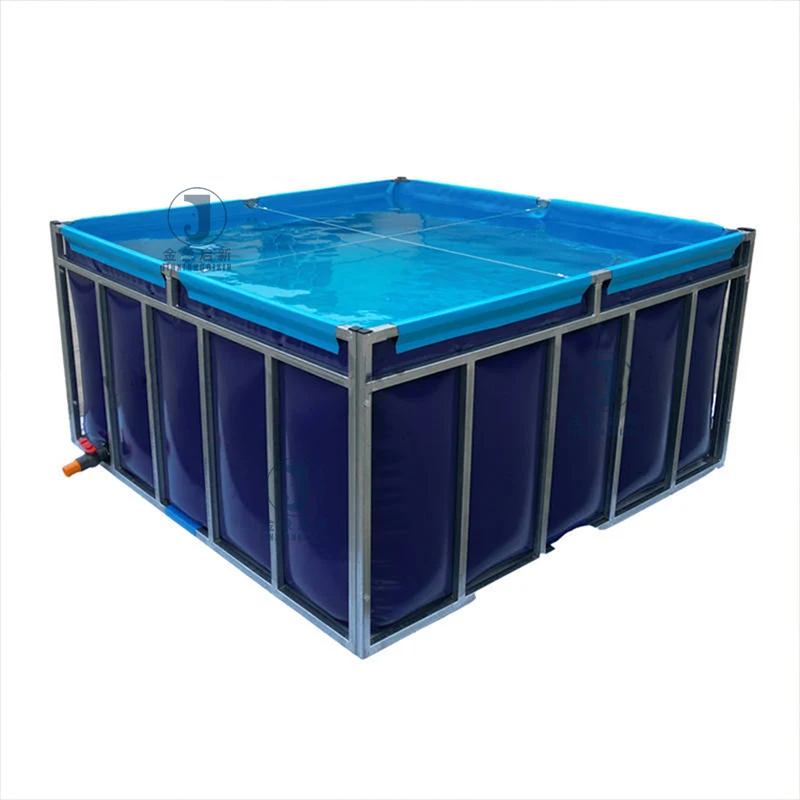
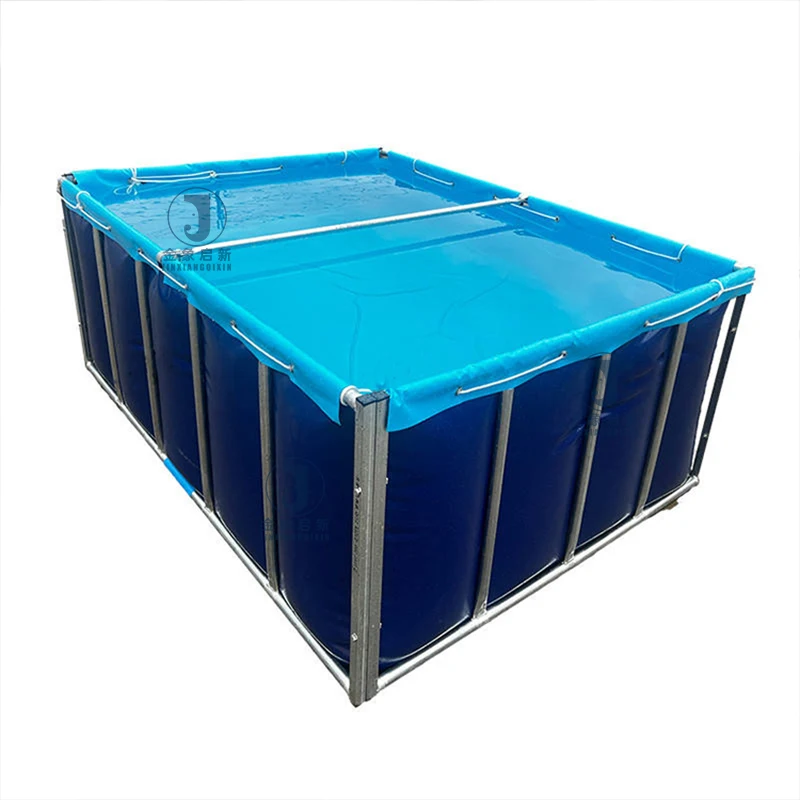
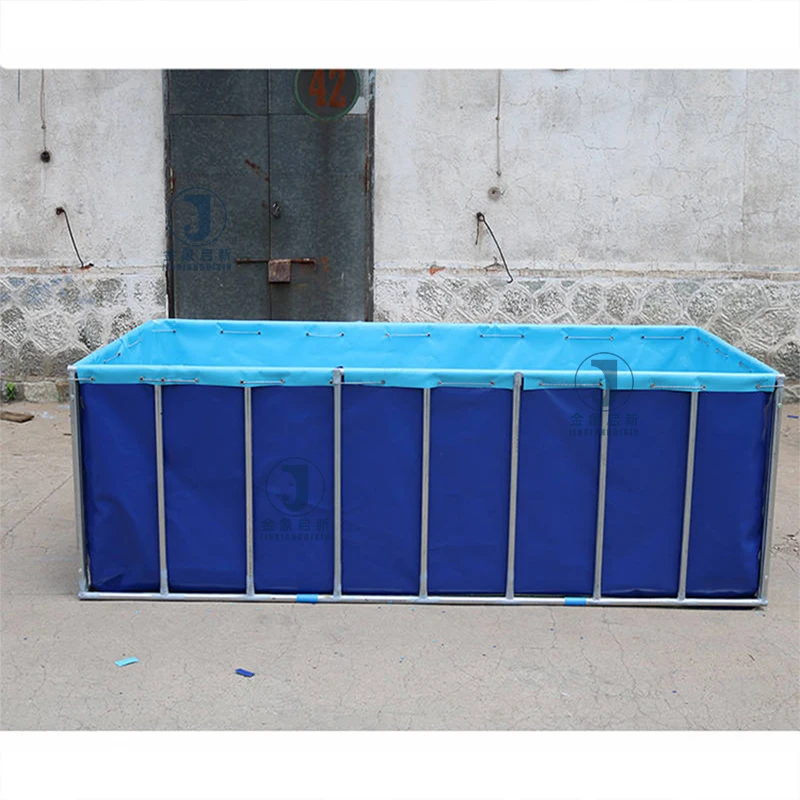
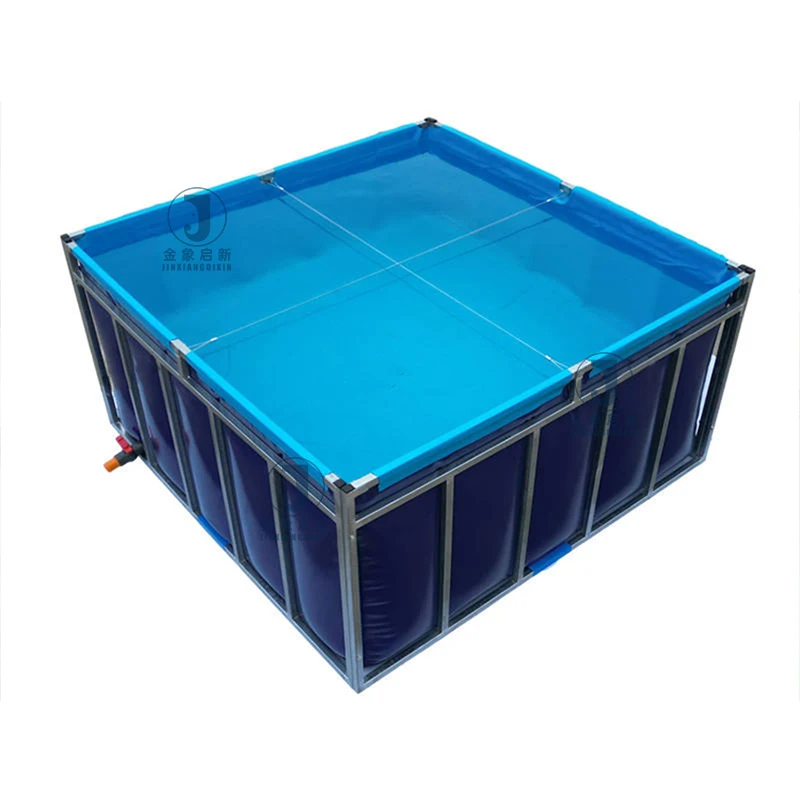
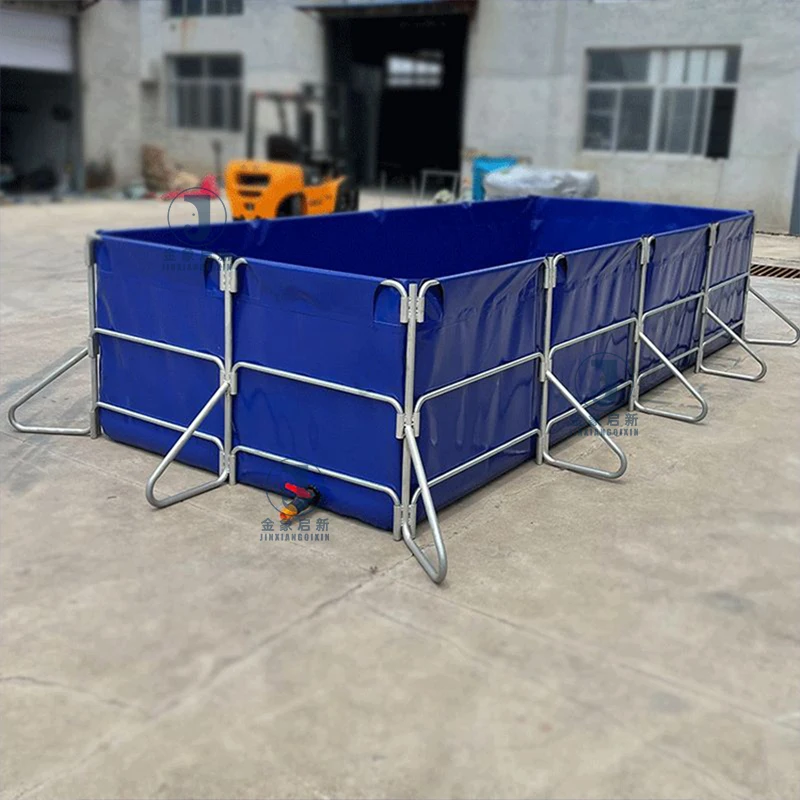
PVC Fish Pond Liner, PVC coated polyester mesh, 350-750gsm weight range, 2-2.1m roll width. Hot-melt coating technology ensures strong adhesion between base fabric and PVC layers, maintaining flexibility across temperature changes while supporting custom widths for large aquaculture installations. Backed by 30 years of coated fabric expertise with full inspection documentation and verified material specifications before every shipment.
Description
Coating Process Control — every roll of PVC pond liner is weighed and inspected before dispatch, with GSM verified against the quotation to prevent under-coated material from reaching your site.
Technical Specifications
| Parameter | Value |
|---|---|
| Product Type | PVC Tarpaulin Pond Liner |
| Base Fabric | PVC coated high-strength polyester mesh fabric |
| Weight Options | 350gsm / 420gsm / 500gsm / 550gsm / 600gsm / 750gsm |
| Thickness Options | 0.32mm / 0.35mm / 0.4mm / 0.45mm / 0.5mm / 0.65mm |
| Roll Size | 2m × 75m / 2.1m × 50m |
| Custom Size | Available per customer requirements |
| Color Options | Blue / Red / Yellow / Light blue / Grey (customizable) |
| Coating Technology | Laminated & Hot-melt coating |
| Key Features | Waterproof, UV resistant, anti-mildew, anti-static, cold crack resistant; flame retardant options available — confirm the grade required for your market |
| Certifications | ISO, CE |
Application Suitability
| Application | Exposure & Requirement |
|---|---|
| Fish farming ponds | Permanent water immersion, biological load, sediment abrasion on pond floor |
| Aquaculture hatchery tanks | Constant water contact, chemical treatment exposure, frequent cleaning cycles |
| Agricultural water reservoirs | Sunlight exposure, seasonal temperature swings, soil chemistry contact |
| Landscape water features | Visible surface requiring colour consistency, UV exposure, algae resistance |
| Tarpaulin distributor stock | Roll-to-roll consistency, batch colour matching, container loading efficiency |
Why Weight Claims Without Inspection Records Leave Your Pond Exposed
A quoted GSM figure means nothing if the roll that arrives weighs less than agreed.
I have seen it happen on other product lines — the purchase order specifies one weight, and the material on the scale tells a different story. When a PVC pond liner aftermarket supplier states 550gsm but delivers closer to 480gsm, the coating layer is thinner than designed. That means less UV protection embedded in the surface, lower puncture resistance against sharp substrate, and a shorter interval before the base fabric is exposed to water [NEED_CITE: tensile and tear test methods for coated fabrics per ISO 1421]. For aquaculture operators, an underweight liner can mean premature failure mid-season, draining a stocked pond for emergency repairs. The gap between quotation and delivery is where margins disappear and trust breaks down.
How Coating Adhesion Affects Long-Term Water Containment
The bond between the PVC coating and the polyester mesh base determines whether the liner delaminates after extended submersion. Hot-melt coating technology fuses the polymer layer into the fabric structure under heat and pressure, creating adhesion that resists peeling even when the material flexes against an uneven pond bed. A PVC pond liner aftermarket supplier using laminated construction must ensure the bonding layer is uniform across the full width, because any weak zone becomes a separation point once hydrostatic pressure pushes the liner against the substrate.
Batch Consistency Across Multi-Roll Pond Orders
When a fish farm expands or a reservoir project covers several hectares, multiple rolls go into the same installation. Colour variation between rolls is immediately visible once the liner is filled with water and viewed from the bank. Our production process controls pigment dosing at the mixing stage, matching each batch against the approved colour reference before coating begins. This matters especially for landscape contractors who install decorative ponds where the visible surface must read as uniform. Requesting a pre-production sample from the same batch run gives you a physical reference to hold against the delivered rolls [NEED_CITE: colour fastness testing for PVC coated fabrics].
Reading the Spec Sheet Beyond the GSM Number
The weight of a PVC pond liner tells you the combined mass of base fabric and coating, but it does not tell you the ratio between them. A 600gsm liner could have a heavier base mesh with thinner coating, or a lighter mesh with thicker coating — and the performance differs substantially. Heavier base fabric means higher tensile and tear strength, which matters when the liner must span an uneven subgrade without stretching. Thicker coating provides more material to resist abrasion from gravel or root intrusion. The thickness values from 0.32mm to 0.65mm correspond to different balances of these two factors, so specifying both GSM and thickness together narrows the result. Coating technology also plays a role: hot-melt coated material tends to have better peel strength than simple lamination, which affects how well the layers hold together during thermal welding of field seams. Width options at 2m and 2.1m determine how many panels must be joined for a given pond footprint, directly influencing the total weld length on site.
The Cost of Ignoring Colour and Thickness Tolerances
A distributor who orders three rolls of grey PVC pond liner for stock and receives noticeably different shades across the batch faces a choice: ship mismatched product and field complaints, or absorb the return cost. Similarly, a liner that arrives below the stated thickness may pass initial installation but develop pinholes where the coating is too thin to resist substrate pressure. Weld seams are another failure origin — if the material surface chemistry varies between rolls, heat welding parameters that work on one panel may produce a weak bond on the next. These are not theoretical risks; they are documented causes of containment failure in lined water bodies [NEED_CITE: common failure modes in geomembrane pond liners]. Catching these issues at the factory gate costs far less than draining a stocked pond to replace the liner.
Why Buyers Source PVC Pond Liner Through This Production Line
Direct process control over coating weight and adhesion means the GSM on the spec sheet is the GSM on the roll, checked at multiple production stages rather than sampled once per batch. Three full production lines with 36 sets of professional equipment support the volume required for multi-container pond liner orders without shifting your production slot. The 10-person R&D team develops custom colour matches and non-standard widths within days, providing a physical sample for approval before the main run begins. Dedicated QA/QC at every stage catches thickness drift and coating defects before they reach the packing area. Every roll ships with a pre-shipment inspection record, so you have documentation showing the material was verified, not just claimed.
Documentation & Verification
- Material specification sheet listing GSM, base fabric denier, and coating type for each pond liner roll
- UV and flame retardant test reports provided where applicable to the quoted grade
- Pre-shipment inspection record confirming weight and thickness per roll
- Roll packing list detailing dimensions, colour, and batch reference for each unit
- ISO and CE certificates covering the production facility and product compliance
- Certificate of origin and customs documentation for cross-border pond liner shipments
Fabrication, Handling & Storage
- Hot-air welding at temperatures suited to the PVC coating formulation — test on a scrap piece of the same GSM first
- Overlap seams by at least 50mm on 750gsm liner to ensure full bond width under hydrostatic load
- Store rolls upright on pallets to prevent flat spots that become permanent creases in 0.65mm material
- Allow cold-stored rolls to reach ambient temperature before unrolling to avoid coating micro-cracking
- Clean installed liner with mild detergent; avoid solvent-based cleaners that attack the PVC surface layer
- Repair field punctures using a patch of matching PVC pond liner material welded over the damaged area
What We Need to Quote Your Pond Liner Requirement
Provide the pond dimensions, intended water depth, and subgrade condition so we can recommend the appropriate GSM and thickness from the available range. Specify your colour preference and whether you need rolls in standard 2m or 2.1m width, or a custom width to reduce field welding. Confirm whether flame retardant certification is required for your market, and state the volume and delivery timeline.
Frequently Asked Questions
Q: How do you verify the GSM weight matches the quotation?
A: Each roll is weighed during production and again before packing. The pre-shipment inspection record documents the actual weight per roll against the stated GSM, so you receive written confirmation that the PVC pond liner matches your purchase order specification rather than relying on a single batch sample taken at the start of the run.
Q: Can you provide test reports for UV resistance and flame retardancy?
A: Where the quoted specification includes UV or flame retardant treatment, test reports are supplied with the shipment documentation. These reports reference the specific test standard and grade. If your project requires a particular certification, confirm the grade needed so we match the formulation to your compliance requirement.
Q: What is the minimum order for custom width or colour?
A: Custom widths and colours are available with minimums that depend on the specific GSM and coating type. We develop a sample roll or swatch for your approval before running the full order. Contact us with your required dimensions, colour reference, and quantity to receive a quotation with lead time and minimum stated clearly.
Q: How do you ensure colour consistency across multiple rolls?
A: Pigment is dosed at the mixing stage against the approved colour reference, and the coated surface is checked under controlled lighting before the roll is wound. For multi-roll PVC pond liner orders, we run the same batch coating through to completion to minimise variation, and we can hold a reference sample for comparison on delivery.
Q: What certifications come with the shipment?
A: Each shipment includes ISO and CE certificates covering the production facility and product. Depending on your market and the specifications ordered, the documentation package may also include test reports, material specification sheets, and a certificate of origin. Confirm your documentation requirements at the inquiry stage so everything is prepared before dispatch.
Related products
-
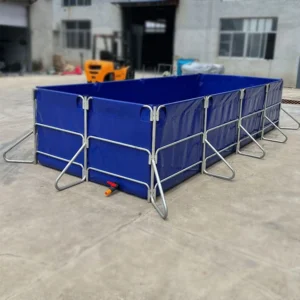
Foldable Circular Rectangular PVC Tarpaulin Fish Pond Tarpaulin for Fish tank
¥0.53 Select options This product has multiple variants. The options may be chosen on the product page -
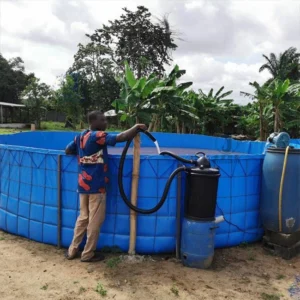
PVC Tarpaulin 0.65mm Industrial Woven Fabric Plain Style Waterproof Coating for Fish Pond Tank Pool From Vietnam
¥0.50 Add to cart -
Inflatable Swimming Pool Cover Rainproof Ground Outdoor Bathtub Waterproof Coated Blackout Organic Plain Tarpaulin Boys Girls PE
¥1.00 Select options This product has multiple variants. The options may be chosen on the product page -
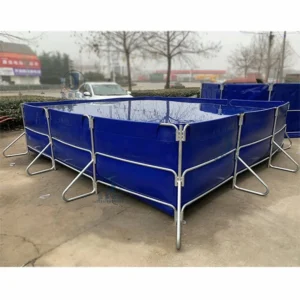
Foldable Circular Rectangular PVC Tarpaulin Fish Pond Tarpaulin for Fish tank
¥0.53 Select options This product has multiple variants. The options may be chosen on the product page