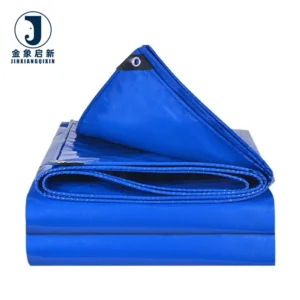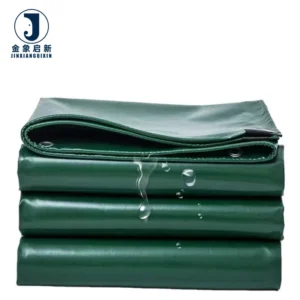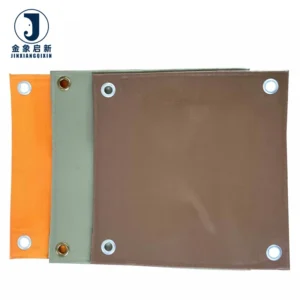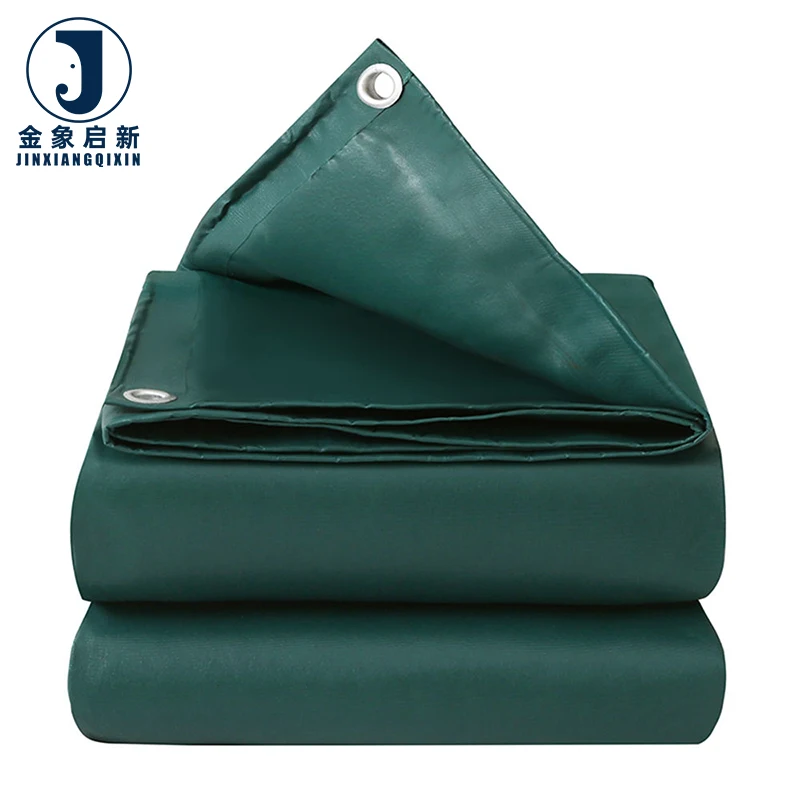
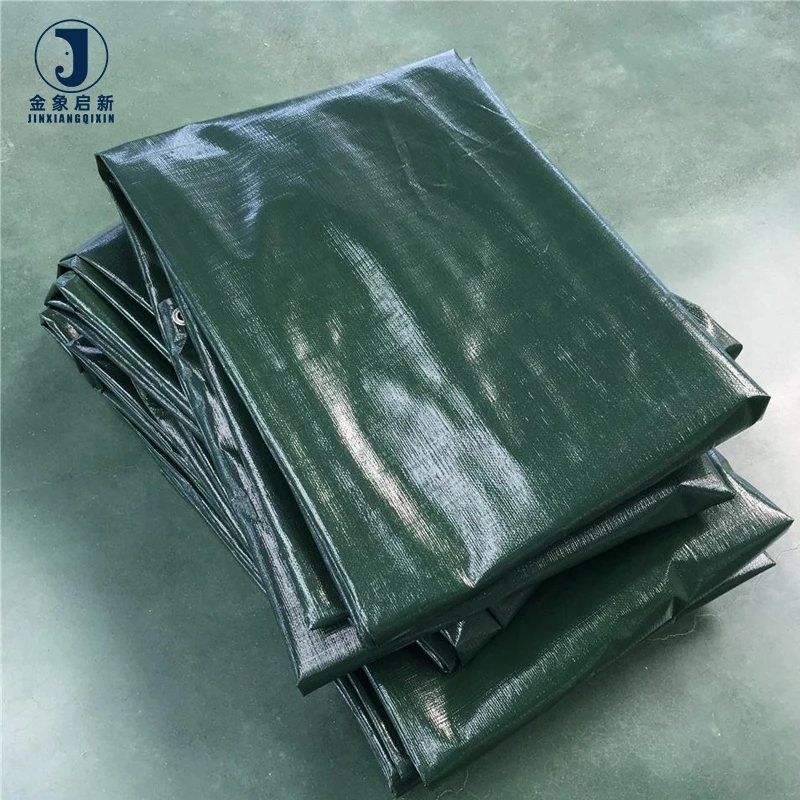
PVC Coated Blackout Tarpaulin — 350gsm to 750gsm, high-tenacity polyester mesh base with hot-melt coating and laminated technology for superior adhesion and welded seam strength.
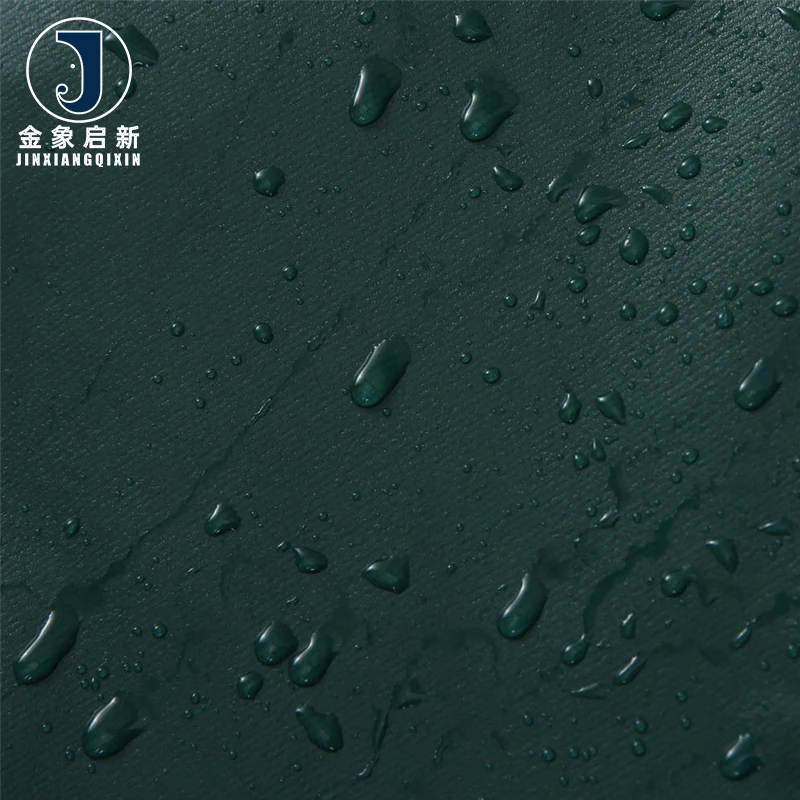
- Waterproof, UV-resistant and cold-crack resistant for long-term outdoor exposure
- Flame retardant, anti-static, anti-mildew and anti-cold treatments available with test reports on request
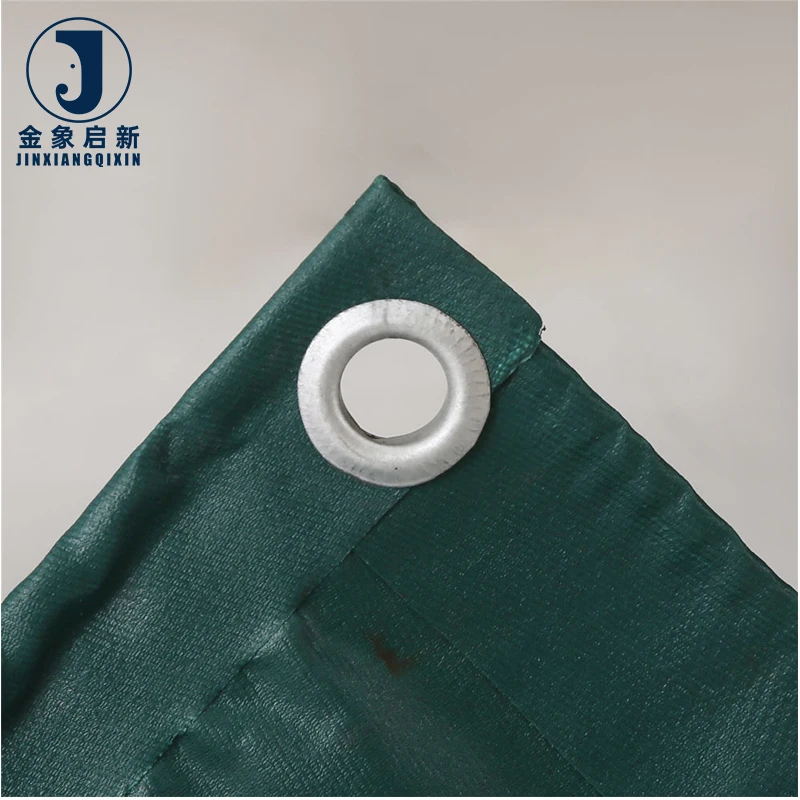
- Custom widths, colors and finished cut sizes with reinforced hems and eyelets
Dedicated QA/QC verifies GSM and coating weight at every stage, backed by 100% pre-shipment inspection to ensure roll-to-roll consistency.
Description
Precision Coating Control — Every roll undergoes weight verification at multiple production stages to ensure the stated GSM matches what arrives at your facility.
Technical Specifications
| Parameter | Value |
|---|---|
| Product Type | PVC Coated Tarpaulin |
| Material Composition | PVC coating on high-strength polyester mesh fabric |
| Available Weight Grades | 350gsm / 420gsm / 500gsm / 550gsm / 600gsm / 750gsm |
| Total Thickness Range | 0.32mm / 0.35mm / 0.4mm / 0.45mm / 0.5mm / 0.65mm |
| Coating Method | Laminated technology & Hot-melt Coating technology |
| Standard Roll Sizes | 2m width × 75m length / 2.1m width × 50m length |
| Finish Product Sizing | Custom cut items or inventory roll stock |
| Color Options | Blue / Red / Yellow / Light blue / Grey (Customized) |
| Key Features | Waterproof, sunproof, cold crack resistance, anti-mildew, best color fastness, outstanding tearing strength for welding |
| Special Treatments | Flame retardant (grade not stated), anti-static (surface resistance not stated) — confirm the grade required for your market |
| Service Life | 3-7 years under normal circumstances (source value — verify against application conditions) |
| Certifications | ISO, CE |
Application Suitability
| Application | Exposure & Requirement |
|---|---|
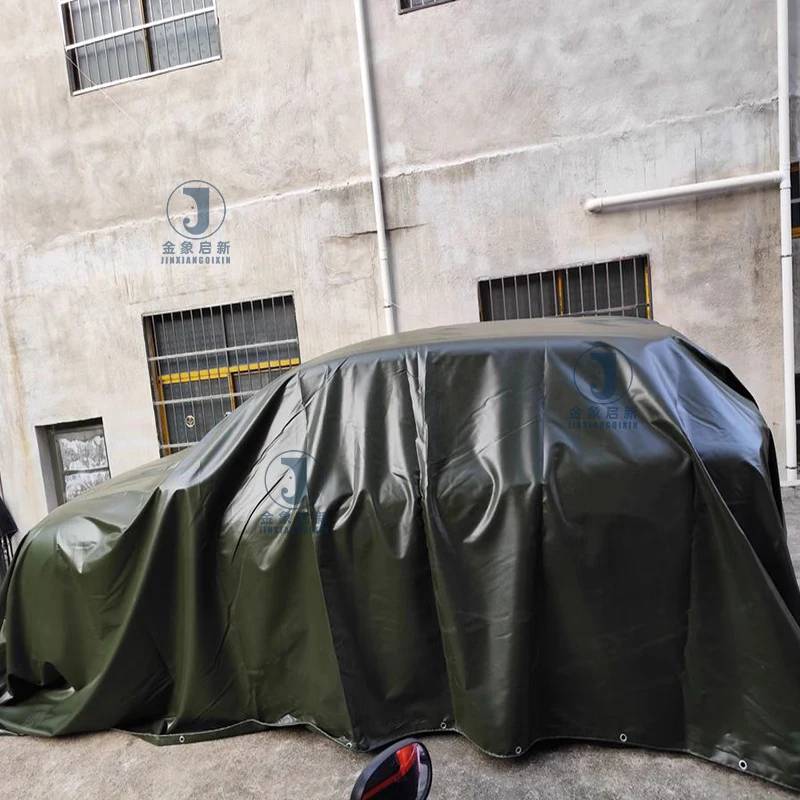
| Truck side curtains and cargo covers | Constant flexing at hinges, road debris abrasion, prolonged UV exposure, wind load tension at eyelet points |
| Construction site enclosures and scaffolding wraps | Wind-driven rain, scaffold tube abrasion, repeated installation and teardown, UV degradation over project duration |
| Tent and temporary structure fabric | Tension at ridge poles and guy rope points, packed and unfolded repeatedly, weather exposure at events or remote sites |
| Equipment and machinery covers | Outdoor storage exposure, dust and moisture ingress prevention, UV degradation on idle plant |
| Agricultural and aquaculture pond liners | Permanent water contact, soil chemistry interaction, puncture risk from substrate irregularities |
| Marine and offshore maintenance covers | Salt spray exposure, high wind loads, UV intensity at sea level |
Why Arriving Rolls Sometimes Measure Lighter Than Quoted
Weight consistency depends on process control at every coating stage, not just the number on the quotation.
When a PVC coated tarpaulin roll arrives at your warehouse and a sample cut weighs less than the GSM you paid for, the discrepancy rarely stems from a single mistake. It typically traces back to inconsistent coating application across the production line, where edge zones or roll transitions receive thinner layers. [NEED_CITE: coating weight variation in PVC tarpaulin manufacturing] Buyers who specify based on price-per-kilogram often discover that the lighter roll also tears more easily at welded seams, because the base fabric received less coating penetration. This PVC coated tarpaulin manufacturer addresses the issue through dedicated QA/QC checkpoints that verify coating weight before the roll leaves the facility.
Coating Weight and Adhesion: What Holds the Layers Together
The bond between PVC coating and polyester mesh determines whether the fabric delaminates under tension or holds through years of flex cycles. This PVC coated tarpaulin range uses both laminated technology and hot-melt coating methods, each producing different adhesion characteristics. Hot-melt coating penetrates the mesh structure more deeply, creating mechanical interlock that resists peel forces at welded seams. Laminated construction offers a smoother surface profile, which matters when the fabric will receive pattern printing or needs a uniform appearance across large installed areas.
How GSM, Thickness, and Base Fabric Interact in Practice
Selecting the correct grade requires understanding that weight alone does not predict performance. A 350gsm fabric at 0.32mm thickness suits light-duty equipment covers and temporary enclosures where the primary load is wind pressure on flat panels. Moving to 550gsm or 600gsm at 0.45mm to 0.5mm provides the tearing strength needed for truck side curtains that flex constantly during transit. The 750gsm grade at 0.65mm targets heavy-duty applications like permanent structure covers or pond liners where puncture resistance and long-term water containment are the governing requirements. [NEED_CITE: relationship between GSM and tensile strength in coated polyester fabrics] Each grade in this PVC coated tarpaulin range pairs its coating weight with a matched base fabric denier and weave density.
Reading the Specification Sheet: What the Numbers Actually Mean
The coating method listed on a material specification sheet tells you how the PVC bonds to the polyester mesh, which directly affects field performance. Hot-melt coating produces higher adhesion strength between layers, meaning the welded seams on a finished truck cover are less likely to peel before the fabric itself reaches end of life. Laminated technology creates a more consistent surface thickness, reducing the risk of thin spots that become failure initiation points under sustained tension. The base fabric construction — yarn denier and weave density — governs how a tear propagates once started; a tighter weave with higher-denier yarns slows tear extension across the panel. Surface finish, whether glossy or matte, influences how dirt adheres and how easily the fabric cleans during service. Available flame retardant grades address specific market compliance requirements, though the applicable standard must be confirmed before specifying — request the test report for your target jurisdiction’s fire classification. Roll width options of 2m and 2.1m affect cutting yield when fabricating finished covers; wider stock reduces the number of welded seams needed for large panels, while narrower stock may suit smaller items with less offcut waste.
The Hidden Cost of Specifying on Price Per Kilogram Alone
When procurement decisions rest solely on achieving the lowest cost per kilogram of coated fabric, the material arriving on site often carries less coating than what was discussed during quotation. [NEED_CITE: coating weight verification failures in tarpaulin procurement] The base fabric may be the same denier, but reduced PVC content means thinner coverage over the yarn intersections, leaving the mesh more exposed to UV degradation and moisture penetration. Welded seams on lighter-coated fabric fail sooner because there is less material at the joint to absorb flex stress. Colour consistency between rolls also suffers when coating application is rushed to hit a target weight — visible variation appears once panels are installed side by side on a scaffolding wrap or truck curtain.
Why Sourcing This PVC Coated Tarpaulin Range Here
Three full production lines and 36 sets of professional equipment provide the capacity to fulfil container-load orders of roll stock with consistent lead times. The 10-person R&D team develops samples for custom colour, width, and printed branding within days rather than weeks, so you can verify appearance and weight before committing to production volume. Dedicated QA/QC personnel inspect every roll at multiple production stages, not only at final packing — coating weight is checked during application, not inferred from the finished roll. Material specification sheets accompany each shipment, stating the GSM, base fabric construction, and coating method so you can verify the product against your original requirement. Custom sizing from roll stock to finished cut panels with welded hems and reinforcement is handled within the same production workflow, eliminating the coordination gap between fabric supplier and converter.
Documentation & Verification
- Material specification sheet stating GSM, base fabric denier, coating method and colour reference for each roll
- Pre-shipment inspection record confirming coating weight verification against the ordered grade
- UV and flame retardant test reports included where special treatments are specified on the purchase order
- ISO and CE certificates provided with documentation package for customs and site compliance
- Roll packing list with individual roll identification matching the production batch record
- Certificate of origin and customs support documentation for international PVC coated tarpaulin shipments
Fabrication, Handling & Storage
- Hot-melt coated grades require adjusted welding temperature and dwell time compared to laminated construction — test seam peel strength before production runs
- Reinforce eyelet zones with additional PVC patches when fabricating truck curtains from 350gsm or 420gsm grades to prevent pull-through under tie-down tension
- Store rolls vertically on end cores rather than flat-stacked to prevent permanent creasing across the 2m or 2.1m width
- Allow cold-stored rolls to reach ambient temperature before unrolling to avoid coating crack at the fold line in anti-cold treated grades
- Clean glossy-finish surfaces with mild detergent only; solvent-based cleaners can soften the PVC coating and reduce surface tension
- When cutting panels from roll stock, orient the warp direction along the primary load axis to maximise tear resistance at stress points
Before You Request a Quotation
Provide the application type and exposure conditions so we can recommend the appropriate GSM grade and special treatment combination from the available range. Specify whether you need roll stock in standard 2m × 75m or 2.1m × 50m format, or finished cut panels with welded hems and reinforcement at load points. Confirm any flame retardant or anti-static requirements applicable in your target market, along with the compliance standard you need documented. Custom PVC tarpaulin orders benefit from early colour reference submission to ensure batch consistency across your full order volume.
Frequently Asked Questions
Q: How do I verify the GSM of PVC coated tarpaulin I ordered matches what arrives?
A: Every roll undergoes coating weight verification during our pre-shipment inspection process. You receive an inspection record documenting the measured weight against the ordered GSM grade. Upon arrival, you can cut a measured sample from any roll and weigh it on a calibrated scale to cross-check. We recommend sampling from the roll centre rather than the outer wrap, where tension during winding can slightly compress the coating.
Q: Can I get flame retardant or anti-static certification with my PVC coated tarpaulin shipment?
A: Both flame retardant and anti-static treatments are available across the PVC coated tarpaulin range. The specific grade must be confirmed at inquiry stage based on your target market’s fire classification requirements and the test standard applicable to your project. The corresponding test report is then included in your documentation package alongside the material specification sheet and pre-shipment inspection record.
Q: What is the typical lead time on custom width, colour or printed PVC coated tarpaulin rolls?
A: Custom colour matching and non-standard widths require dedicated production line allocation, so lead times extend beyond standard inventory roll dispatch. The R&D team develops colour samples for approval before full production runs, adding a sample development cycle to the overall timeline. Printed branding rolls require artwork confirmation and print plate preparation. Submit your requirements early to allow time for sample approval without compressing the production schedule.
Q: How do you ensure colour consistency across multiple rolls in one PVC coated tarpaulin order?
A: All rolls within a single order are produced from the same coating batch using matched pigment formulations. Colour reference standards are checked at the coating stage and again during pre-shipment inspection before container loading. If your project requires panels installed side by side — such as scaffolding wraps or large tent structures — specify this at inquiry so we can allocate rolls from the same production run and document the batch consistency on your inspection record.
Related products
-
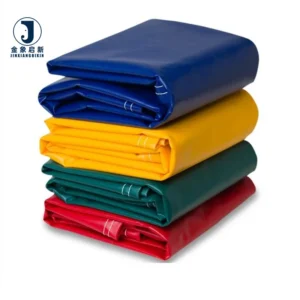
Heavy Duty Waterproof PVC Tarpaulin Roll Cover for Truck Tent Outdoor Storage and Industrial Use
¥1.48 Add to cart -
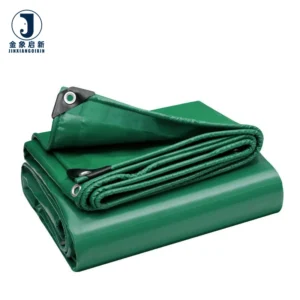
Factory Direct 20×30 Feet 13mil Heavy-Duty Vinyl Tarps PVC Tarpaulin for Firewood Roof Camping Patio Pool Boat Dump Trailer
¥2.60 Add to cart -
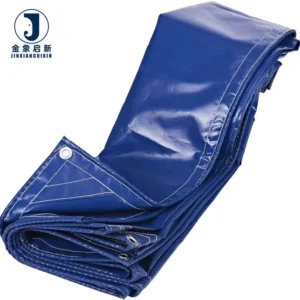
Hotsale Custom China Supplier Super Strength Industrial Grade 680GSM RIPSTOP PVC Tarpaulin for Builders Roof Tarp and Sheeting
¥2.80 Add to cart -
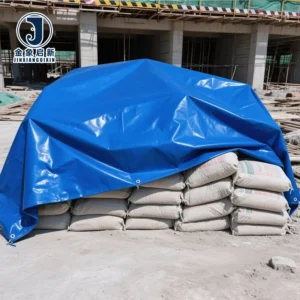
Wholesale Pvc Tarpaulin Wear-resistant Waterproof Multi-purpose Heat-resistant Tarpaulin
¥2.00 Add to cart