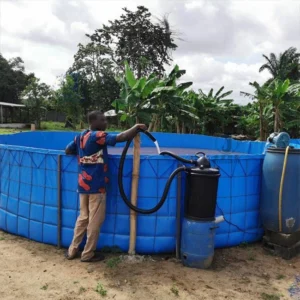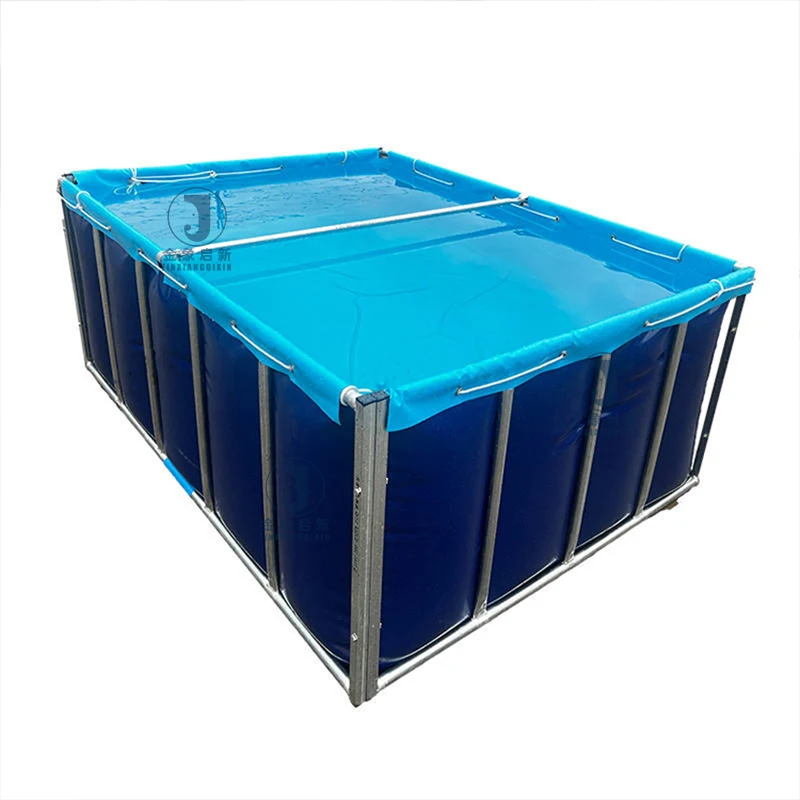
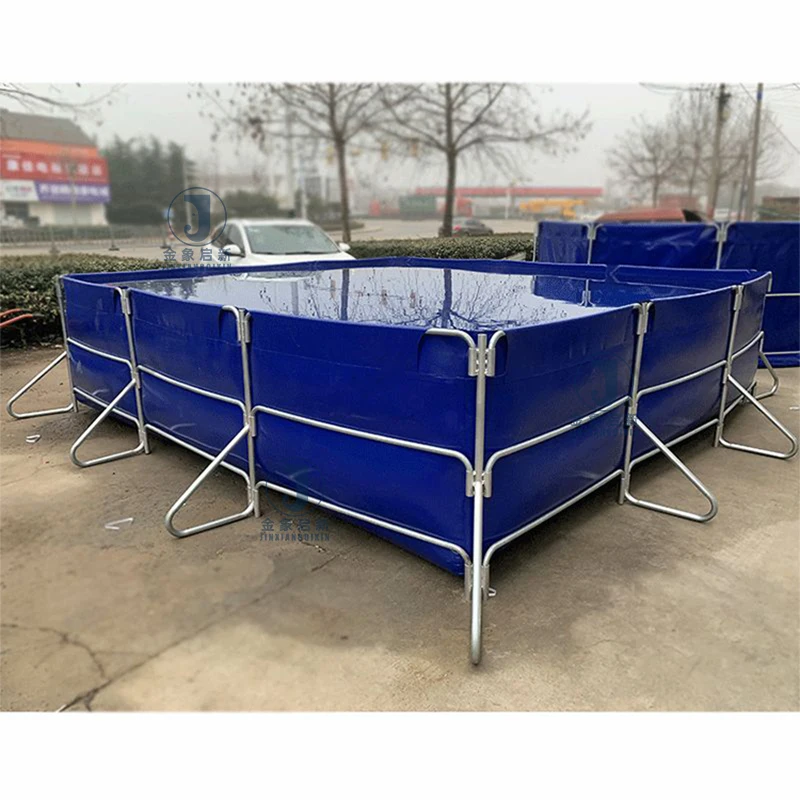
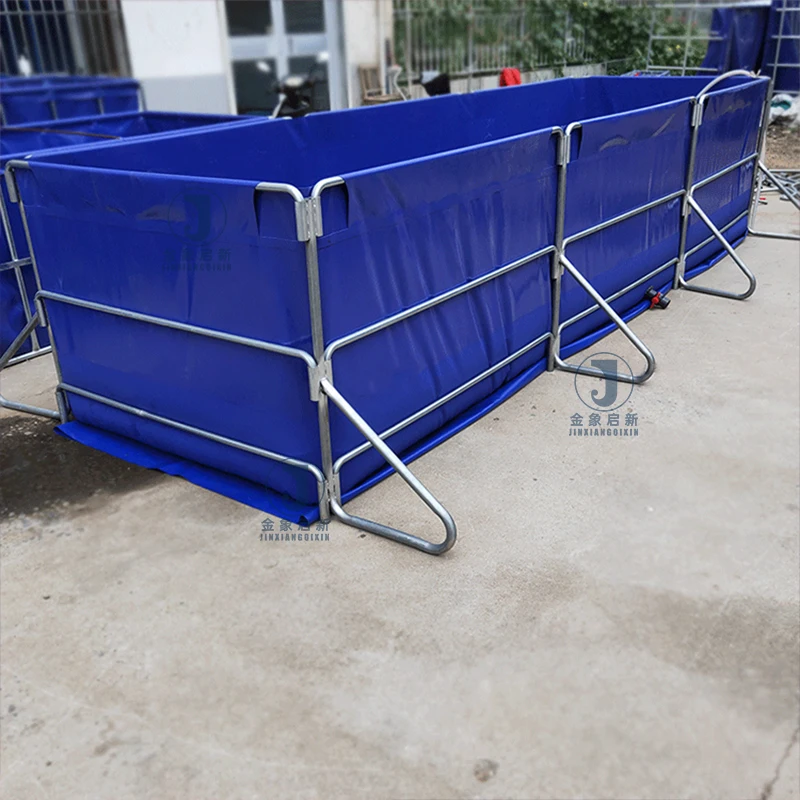
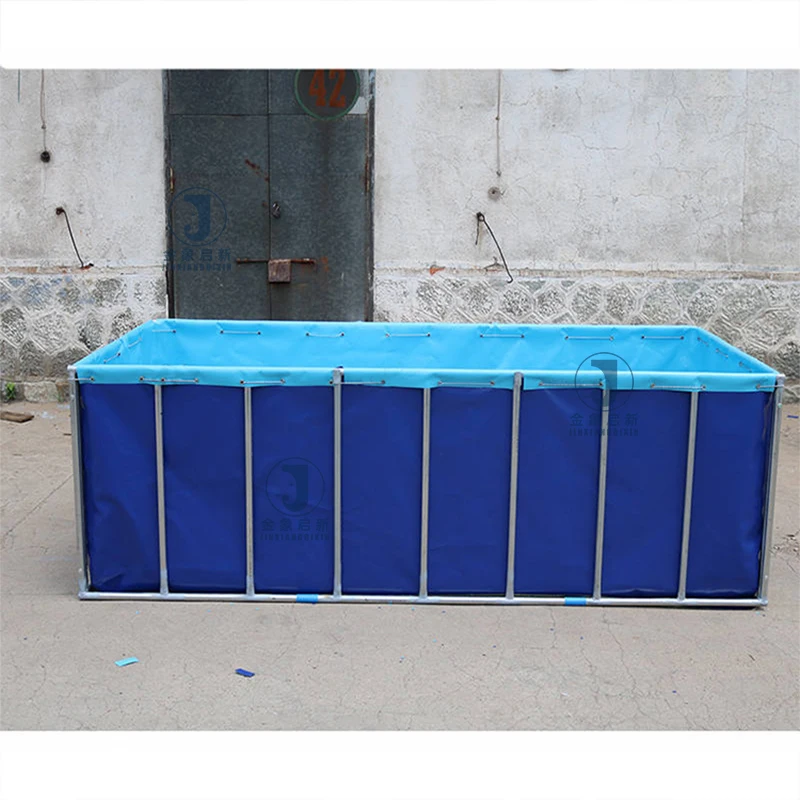
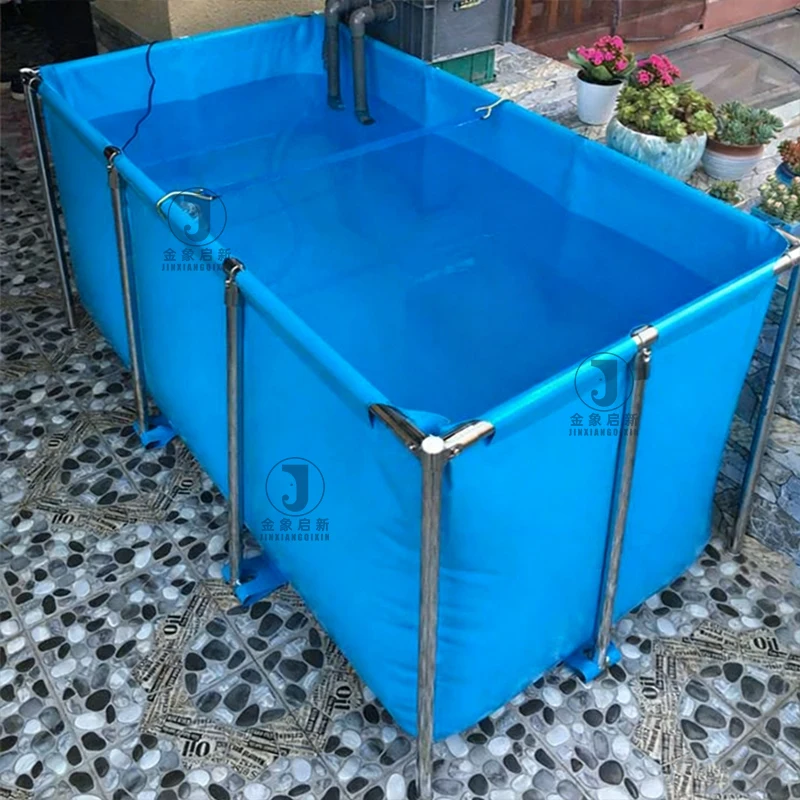
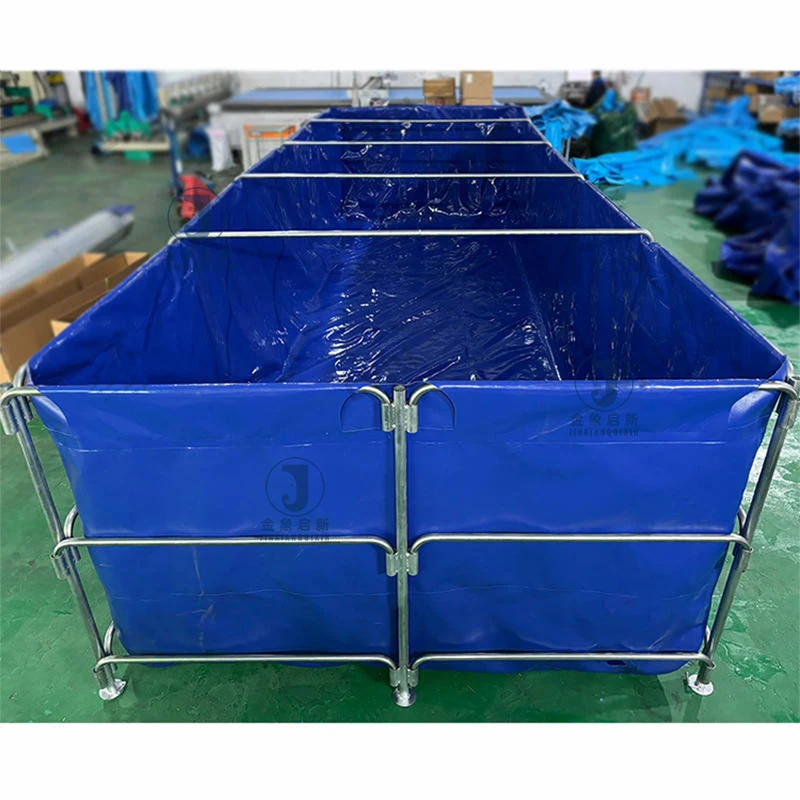
PVC Fish Pond Liner Tarpaulin, 350–750 GSM, 0.32–0.65mm Thickness — hot-melt coated and laminated onto high-tenacity polyester mesh for strong PVC-to-fabric adhesion and reliable heat-welded seams.
- Roll widths from 2m to 2.1m, custom cut sizes available for backyard ponds to commercial aquaculture reservoirs
- Anti-mildew, cold-crack resistant, and waterproof finish with best color fastness across rolls
- Full custom GSM, color, width, and reinforcement options confirmed at sample stage before bulk production
Backed by nearly 30 years of coated fabric process control, dedicated QA at every production stage, and 100% pre-shipment inspection to ensure quoted specs match delivered material.
Description
Proven Coating Expertise — Nearly 30 years focused on coated fabric production with deep process control over lamination adhesion and hot-melt coating consistency for PVC tarpaulin used in water containment applications.
Technical Specifications
| Parameter | Value |
|---|---|
| Product Type | PVC Coated Tarpaulin |
| Material | PVC + High-strength polyester mesh fabric |
| Coating Technology | Laminated technology & Hot-melt coating technology |
| Weight (GSM) | 350gsm / 420gsm / 500gsm / 550gsm / 600gsm / 750gsm |
| Total Thickness | 0.32mm / 0.35mm / 0.4mm / 0.45mm / 0.5mm / 0.65mm |
| Roll Size | 2m width × 75m length / 2.1m width × 50m length |
| Finish Product Size | Custom cut sizes or sold by inventory roll |
| Color Options | Blue / Red / Yellow / Light blue / Grey (Customized) |
| Key Features | Cold crack resistance, anti-mildew, anti-static treatment (grade not stated), waterproof, sunproof (test basis not stated), high color fastness, outstanding tearing strength for welding |
| Special Treatments | Flame retardant, anti-static, anti-cold, anti-mildew, 3P — confirm grade required for your market |
Application Suitability
| Application | Exposure & Requirement |
|---|---|
| Fish pond and aquaculture liner | Permanent water immersion, soil chemistry contact, puncture risk from substrate and aquatic equipment |
| Above-ground metal frame swimming pool | Continuous water load, flex at frame joints, UV exposure, frequent drainage and refill cycles |
| Agricultural water reservoir | Long-term weathering, algae and mildew growth, wind-driven abrasion against embankments |
| Irrigation pond containment | Seasonal temperature swings, sediment load, mechanical damage from pump and pipe installations |
Why GSM Alone Does Not Define Pond Liner Performance
Adhesion between the PVC coating and the base fabric determines whether a liner survives the first fill, not the weight stamp on the label.
A heavy-grade PVC coated tarpaulin can still delaminate at the weld line if the bonding process was rushed or the coating formulation was off. I have seen coated rolls arrive at the quoted GSM yet fail during seam welding because the PVC layer peeled away from the polyester mesh under heat. The pond liner then leaks at the most stressed point — exactly where two panels join and the water pressure concentrates [NEED_CITE: tensile and tear test methods for coated fabrics per ISO 1421]. Buyers who specify only by weight, without verifying coating adhesion and weld compatibility, expose their installation to early failure.
Coating Technology and Seam Integrity for Water Containment
The laminated and hot-melt coating processes used for this PVC coated tarpaulin manufacturer range produce a direct bond between the PVC layers and the high-tenacity polyester mesh, which is critical when heat-welding panels into a finished pond liner. Strong interlayer adhesion means the welded seam can approach the tear strength of the parent fabric rather than becoming the weakest link. For fabricated above-ground pools and large aquaculture ponds, this difference determines whether the liner holds through seasonal expansion and contraction cycles.
Choosing the Correct Grade for Your Water Application
Not every pond demands the heaviest fabric available. A decorative garden pond with a stable substrate and minimal mechanical risk may perform well at 350gsm or 420gsm, while a commercial aquaculture reservoir exposed to aeration equipment, harvesting nets, and wind-driven wave action typically calls for 600gsm or 750gsm. Matching the grade to the actual mechanical and environmental load avoids both over-specification costs and under-performance failures [NEED_CITE: industry guidelines on PVC liner thickness selection for aquaculture].
Understanding the Specification Sheet Beyond Marketing Claims
GSM and total thickness are linked but not interchangeable — two fabrics at 550gsm can differ in thickness depending on whether the base fabric carries more of the weight or the PVC coating does. A thicker coating generally improves puncture resistance, while a denser base fabric contributes more to tensile and tear strength. The laminated and hot-melt coating methods listed for this range influence how those two components interact: hot-melt coating tends to produce a more integrated structure with better peel strength, which directly affects how well the material holds up during hot-air welding on site. Width options at 2m and 2.1m affect panel layout — a wider roll can reduce the number of longitudinal welds in a large pond, lowering both labor time and the total seam length exposed to water pressure.
The Hidden Cost of Specification Mismatches in Pond Liners
When a pond liner fabric arrives with inconsistent color across rolls, the visual mismatch becomes obvious only after the panels are welded and installed side by side — forcing either a costly replacement or an accepted defect. Similarly, if the cold crack resistance claimed at quotation stage is not backed by a documented test, the liner can become brittle and crack at fold lines during winter drainage, particularly in climates with sub-zero nights. Weld seam failure at flex points — where the liner meets the metal frame or where the pond floor transitions to the wall — is the most common leak source, and it traces back to either incorrect welding temperature or a fabric whose coating formulation does not suit the welder’s settings [NEED_CITE: common failure modes in PVC coated fabric welding].
Why Fabricators and Contractors Source This PVC Tarpaulin Here
The coating formulation and lamination process are controlled in-house across three full production lines, giving consistent roll-to-roll adhesion quality that directly supports reliable welding. A dedicated 10-person R&D team handles custom sizing, color matching, and sample development — samples for custom pond liner specifications are typically turned around within days rather than weeks. Every roll goes through QA/QC at each production stage, with 100% pre-shipment inspection that verifies GSM and color against the purchase order. Custom widths and lengths are available without the prohibitive minimums that block smaller pond projects. Roll packing lists, certificates of origin, and full customs documentation ship with every dispatch, reducing import clearance friction.
Documentation & Verification
- Material specification sheet stating exact GSM, base fabric, and coating type per order
- Weight verification per roll against the stated GSM before dispatch
- UV and flame retardant test reports supplied where applicable to grade ordered
- Pre-shipment inspection record covering color consistency and coating adhesion
- Certificate of origin and customs support documentation included with each shipment
- Roll packing list detailing dimensions, weight, and roll count for container loading
Fabrication, Handling & Storage
- Hot-air welding at temperatures matched to the laminated PVC coating grade to prevent delamination at seams
- Reinforce hem and eyelet zones with additional PVC strip overlays to distribute tie-down loads on above-ground pool frames
- Store rolls horizontally on pallets in covered areas to prevent permanent creasing across the polyester mesh base
- Unroll and allow cold-stored fabric to acclimatize before fabrication to restore flexibility from cold crack resistant formulation
- Clean installed pond liners with neutral pH solutions to preserve anti-mildew treatment and surface color fastness
- Plan panel cutting layout around 2m or 2.1m roll widths to minimize offcut waste and reduce total weld seam count
What We Need to Quote Your Pond Liner Project
Provide the intended application — fish pond, above-ground pool, or reservoir — along with the dimensions and whether you need roll stock or finished cut panels with hems and eyelets. Specify the target GSM or thickness grade, color requirement, and any special treatment your local regulations demand such as flame retardant certification. Include your estimated annual volume so we can confirm lead time and production scheduling.
Frequently Asked Questions
Q: What GSM should I specify for a fish pond versus a large commercial reservoir?
A: Smaller fish ponds with stable substrates often use 350gsm to 500gsm, while commercial reservoirs exposed to equipment traffic and wave action typically require 600gsm or 750gsm. We recommend sending your pond dimensions and site conditions so our R&D team can confirm the appropriate grade before you commit to a full order.
Q: Can I get a sample before committing to a full roll order?
A: Yes. Samples in your required GSM, color, and treatment combination are developed within days. This lets you test weld compatibility and verify material feel before placing a bulk order, reducing the risk of specification mismatch on a container-load scale.
Q: How do you guarantee the GSM matches the quotation on arrival?
A: Every roll undergoes 100% pre-shipment inspection where actual GSM is measured and recorded. A material specification sheet and inspection report ship with your order, so you can cross-reference the documented weight against what was agreed at the quotation stage.
Q: What special treatments are available for outdoor pond use?
A: The range supports flame retardant, anti-static, anti-cold, and anti-mildew treatments. Confirm the specific grade or test standard required by your market — we will supply the corresponding test report with your shipment where applicable to the grade ordered.
Q: What is the typical service life under continuous water exposure?
A: Under normal circumstances, the expected service life falls in the range of 3–7 years depending on grade selection, installation quality, and environmental exposure. Choosing a higher GSM and ensuring proper weld seam integrity are the two most effective ways to extend liner longevity in the field.
Related products
-
PVC Tarpaulin Roll for Fish Pond Lining & Aquaculture Tanks-Anti-Bacteria Abrasion-Resistant Medium Weight
¥0.53 Add to cart -
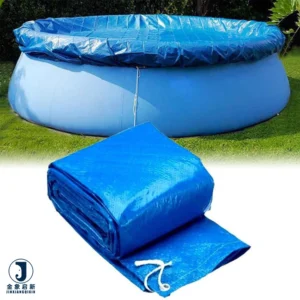
Inflatable Swimming Pool Cover Rainproof Ground Outdoor Bathtub Waterproof Coated Blackout Organic Plain Tarpaulin Boys Girls PE
¥1.00 Select options This product has multiple variants. The options may be chosen on the product page -
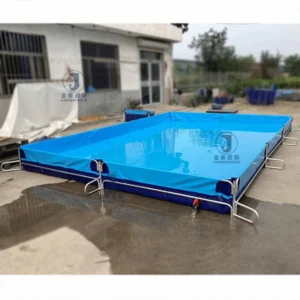
Anti-leaking Durable PVC Tarpaulin Fish Pond Liner Plastic Fish Ponds Foldable Aquaculture Pond Tanks for Fish
¥153.00 Add to cart -
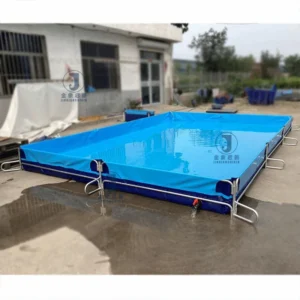
Custom PVC Tarpaulin for Fish Pond – Full Range
Read more