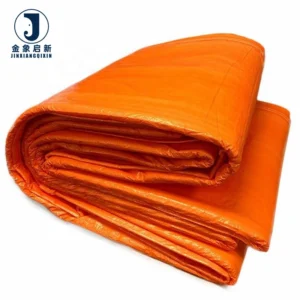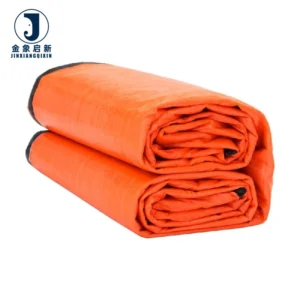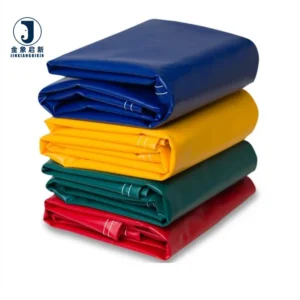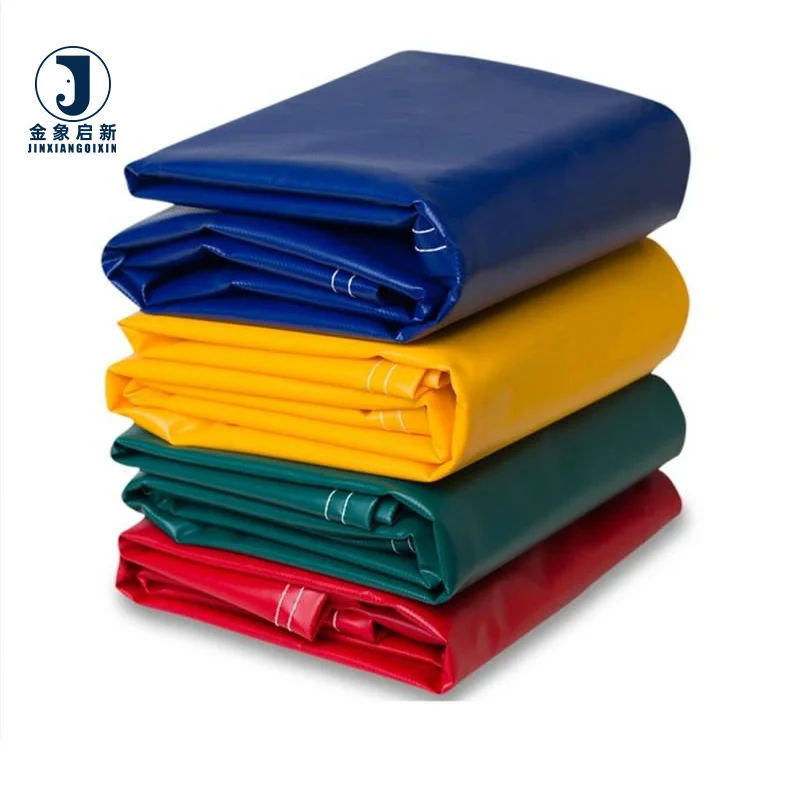
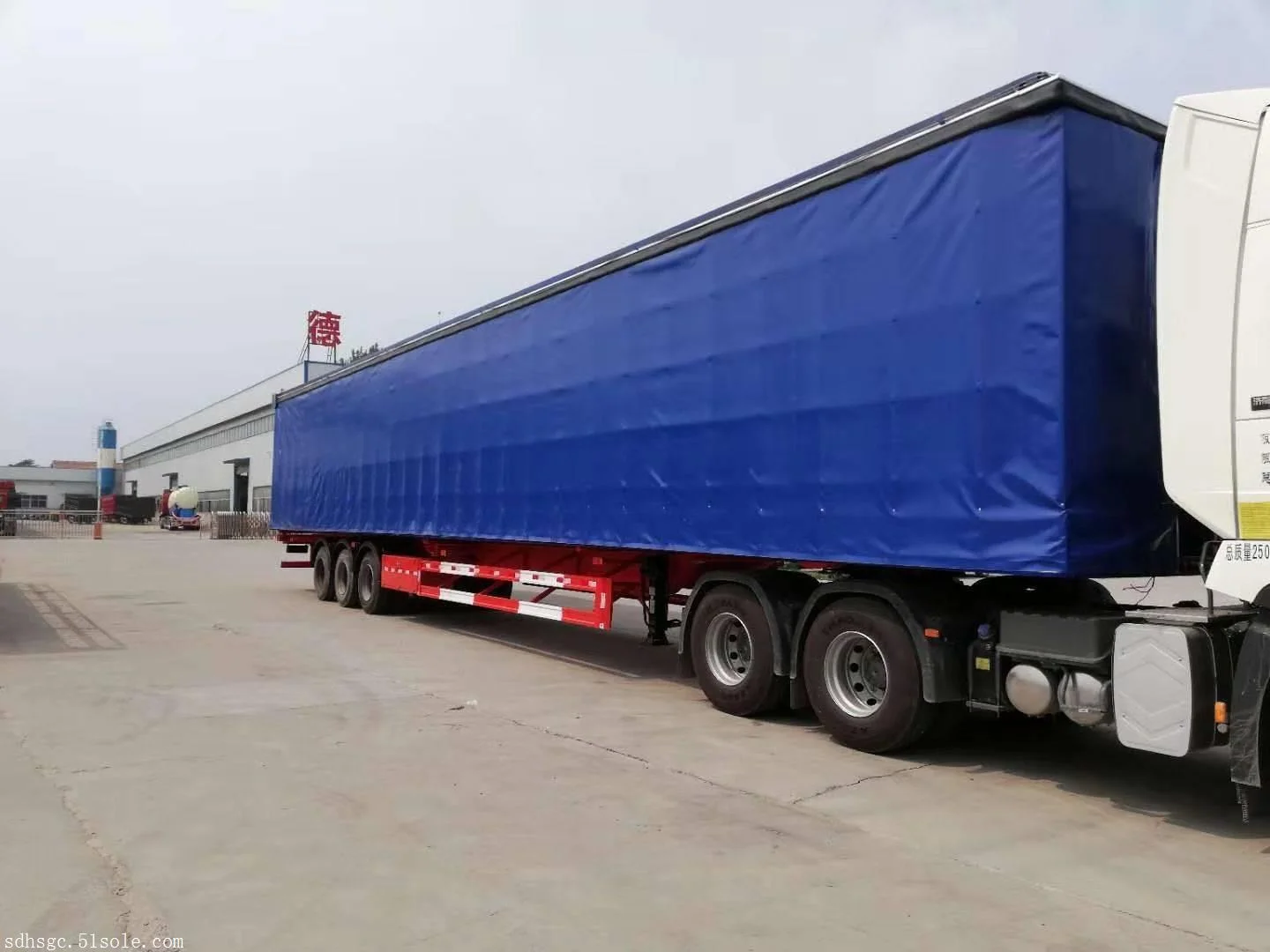
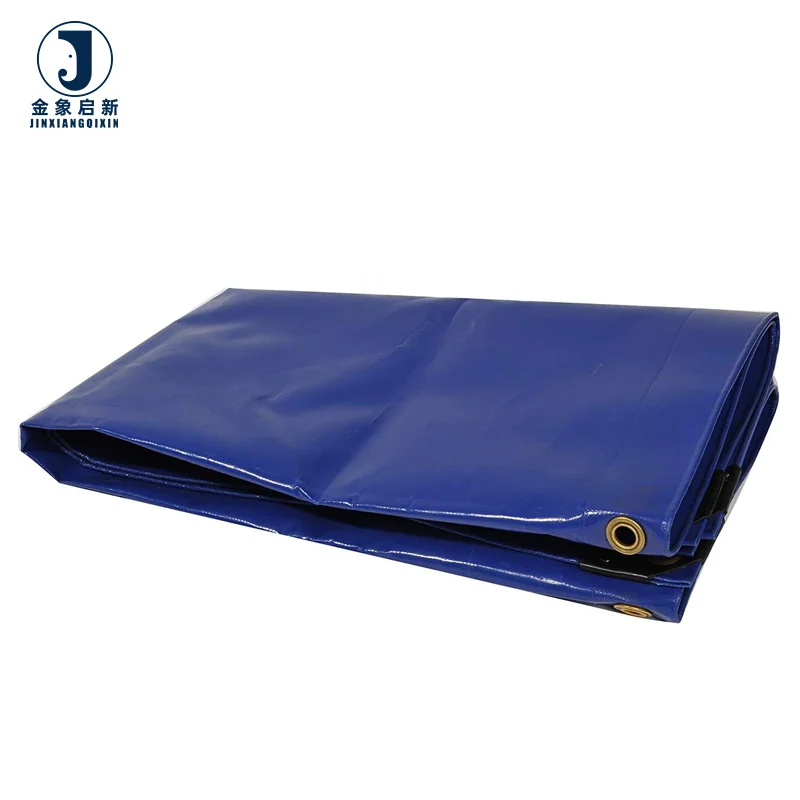
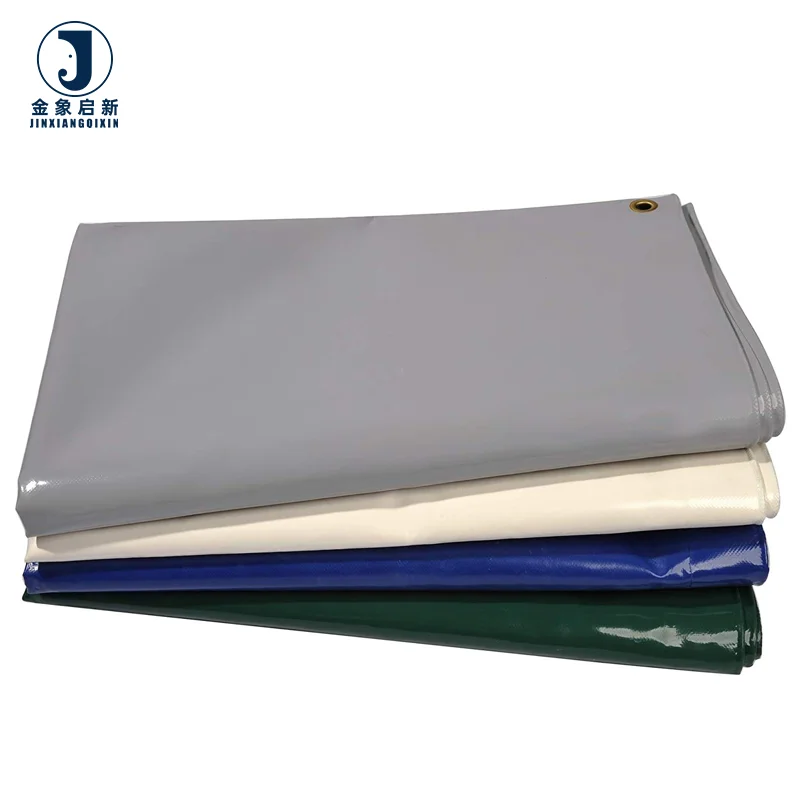
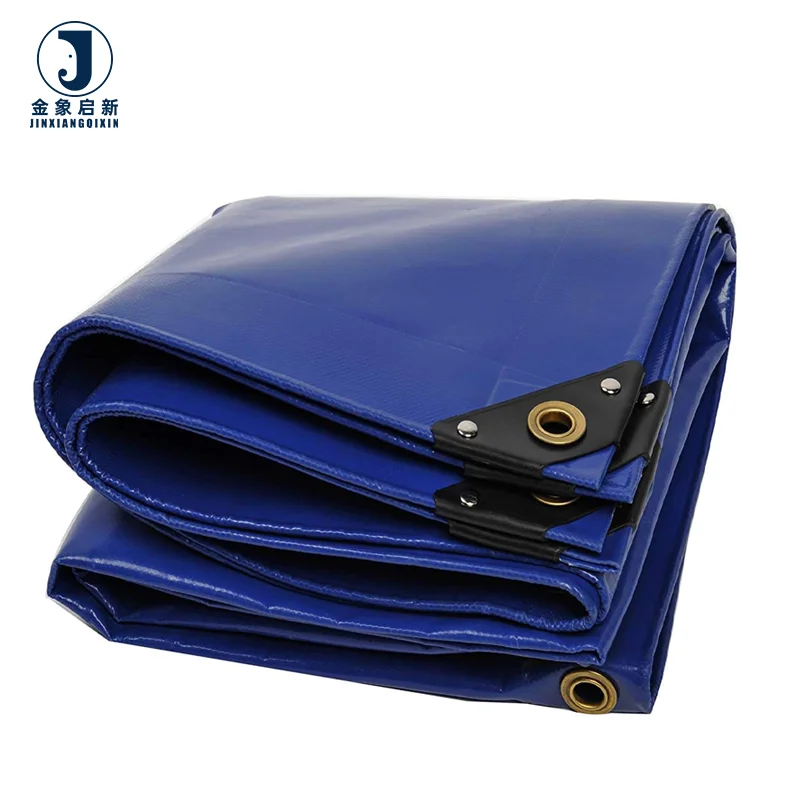
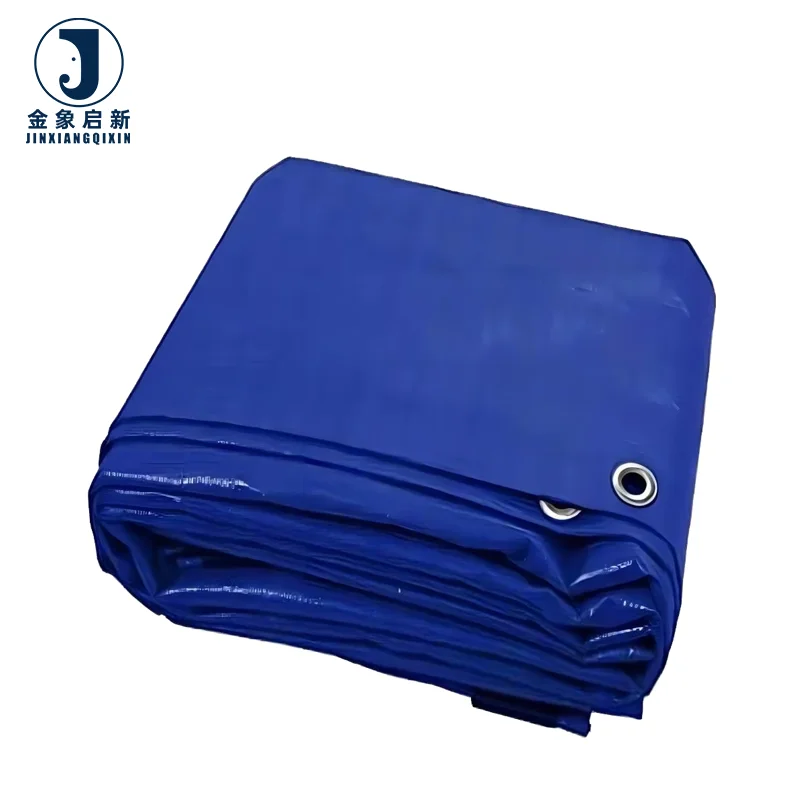
PVC Coated Tarpaulin with 500gsm–1000gsm weight range, waterproof, anti-UV and fire retardant treatment options, custom printable surface for truck covers, side curtains, outdoor tents and industrial shelters.
- Designed for transport fleets and construction contractors evaluating material specification against real-world flex, abrasion and weather exposure at seam and eyelet stress points.
- Deep coating process control ensures stated GSM matches delivered roll, backed by 100% pre-shipment inspection and sample development within days.
Description
Deep Process Control — Coating weight and adhesion verified at every production stage, ensuring the GSM on your specification sheet matches the roll that arrives.
Technical Specifications
| Parameter | Value |
|---|---|
| Product Type | PVC Coated Tarpaulin |
| Coating Material | PVC |
| Base Fabric Denier | 500D×840D / 500D×1000D / 1000D×1000D / 1000D×1300D / 1300D×1300D / 1000D×2000D |
| Weight (GSM) | 350gsm / 400gsm / 420gsm / 500gsm / 600gsm / 650gsm / 750gsm / 900gsm |
| Total Thickness | 0.29mm / 0.32mm / 0.38mm / 0.44mm / 0.46mm / 0.55mm / 0.65mm |
| Mesh Count | 30×19 / 20×20 / 30×15 |
| Tensile Strength | 50–80 MPa (test standard not stated) |
| Warp Strength | 1650N – 3900N (test standard not stated) |
| Weft Strength | 1600N – 3500N (test standard not stated) |
| Brittle Temperature | ≤ -50°C to -60°C |
| Softening Temperature | ≥ 80°C |
| Melting Point | 212°C |
| Joining Methods | High frequency hot melt / Hot air welding / Sewing |
| Flame Retardant | Available in flame retardant grades — confirm the grade required for your market |
| UV Treatment | Anti UV treatment available (test basis not stated) |
| Anti-Mildew | Treated |
| Key Features | Waterproof, Heavy Metal Free, Flexible, Self-cleaning surface |
| Eyelet & Hem | 3cm aluminum alloy eyelets, 5mm splicing-free rope, heat-sealed edge wrapping, reinforced corners |
| Printing | Printable, custom patterns and branding available |
Application Suitability
| Application | Exposure & Requirement |
|---|---|
| Truck & trailer side curtains | Constant flexing at load points, road debris abrasion, daily UV exposure, repeated tie-down stress at eyelets |
| Pallet and equipment covers | Outdoor stacking, forklift handling abrasion, rain and dust ingress prevention |
| Outdoor event tents and awnings | Prolonged sun exposure, wind uplift tension on frame contact points, block-out opacity requirements |
| Inflatable and membrane structures | Internal air pressure tension, seam integrity under continuous stress, weather exposure on all faces |
| Construction site shelters | Scaffold contact abrasion, wind-driven rain, UV degradation over multi-month site use |
| Agricultural rain shelters and pond liners | Permanent moisture contact, soil chemistry exposure, puncture risk from substrate |
Why the Quoted GSM Does Not Guarantee Fabric Strength
GSM tells you the weight per square metre, not how the yarn is woven or how the coating bonds to the base fabric.
A PVC coated tarpaulin can arrive at the stated weight yet underperform because the base fabric density was reduced to compensate for a heavier coating layer. The result is a roll that meets the scale but tears more easily at the flex points where truck curtains and tensioned awnings fail first. We have seen buyers receive rolls where the PVC coated tarpaulin felt substantial in hand yet split along the warp within the first season of road use. [NEED_CITE: tensile and tear test methods for coated fabrics per ISO 1421]
The only reliable approach is to review both the base fabric denier and the mesh count alongside the GSM, then verify with a pre-shipment sample that the coating adhesion holds under a peel test.
What the Denier Range Means for Your Application
The base fabric in this PVC coated tarpaulin range spans from 500D×840D through 1000D×2000D. Lighter deniers serve pallet covers and short-term shelters where flexibility and foldability matter more than sustained load-bearing. Heavier deniers — particularly the 1000D×1300D and 1300D×1300D options — suit truck side curtains and transport covers where the fabric flexes thousands of times over a single journey and must resist tear propagation at tie-down points.
Coating Adhesion and Joining Method Selection
Three joining methods are available: high frequency hot melt, hot air welding, and sewing. The correct choice depends on your fabrication setup and the end-use stress profile. High frequency welding produces a bond that often exceeds the base fabric strength, making it the preferred method for truck curtains and inflatable structures where seam failure is not acceptable. Sewn seams with heat-sealed overlays work for applications where field repairability is a priority. The coating formulation on this PVC coated tarpaulin is engineered to respond consistently to each method across the full GSM range. [NEED_CITE: hot air versus high frequency welding parameters for PVC coated polyester]
Reading the Specification Sheet Beyond GSM
Weight per square metre alone is an incomplete specification. A 650gsm fabric with a 1000D×1000D base and 20×20 mesh count will behave differently from a 650gsm fabric built on a 500D×1000D base with 30×19 mesh. The first relies on thicker yarns for tensile resistance; the second distributes load through a denser weave. Total thickness — ranging here from 0.29mm to 0.65mm — correlates with puncture resistance and stiffness, which directly affect how the fabric handles on a fabrication table and how it drapes over irregular loads. Always cross-reference denier, mesh count, and thickness together rather than selecting on GSM alone.
The anti-UV and flame retardant treatments are available in multiple grades. Because regulatory requirements differ between markets — a construction membrane in Europe may need classification per DIN 4102, while a tent in North America may reference NFPA 701 — confirm the specific grade and test report your application requires before placing a bulk order. [NEED_CITE: flame retardant classification systems for coated technical textiles]
The Hidden Cost of Specifying on Price Alone
When a roll arrives lighter than the quoted GSM, the immediate consequence is reduced tensile and tear performance — but the downstream cost is far greater. A truck curtain that splits along a welded seam during transit damages the cargo it was meant to protect. An awning panel that shows colour variation between adjacent rolls forces a complete reinstallation rather than a simple panel swap. Ventilation ducts lacking the required fire retardant certification halt a site inspection and delay handover. Each of these failures traces back to insufficient verification at the specification stage, not to the material cost itself.
Why Buyers Source This PVC Coated Tarpaulin Here
Coating weight is controlled at every production stage across three full coating lines, so the GSM stated on your material specification sheet is the GSM that ships. The 10-person R&D team develops samples within days for custom width, colour, and print requirements, letting you approve the exact material before committing to bulk. Dedicated QA and QC inspectors conduct 100 percent pre-shipment inspection, catching coating adhesion issues, colour drift, and eyelet alignment faults before they leave the factory. The range covers the full product family — from lightweight covers to heavy-duty transport grades — meaning one supplier handles your entire PVC coated tarpaulin requirement without juggling multiple sources. ISO and CE certifications back the documentation package, and roll-to-roll colour consistency is maintained through controlled pigment batching.
Documentation & Verification
- Material specification sheet stating verified GSM, base fabric denier, coating type, and colour reference with every quotation
- UV and flame retardant test reports provided where applicable to your specified grade
- 100 percent pre-shipment inspection record included with each dispatch
- Roll packing list with exact weight, dimensions, and roll count for container planning
- Certificate of origin and customs documentation for international shipments
Fabrication, Handling & Storage
- High frequency welding suits the heavier deniers in this range; adjust dwell time to coating thickness between 0.29mm and 0.65mm
- Heat-sealed edge wrapping prevents fraying at hems; specify the 5mm splicing-free rope for load-bearing tie-down edges
- Store rolls upright on pallets to avoid flat-spot deformation that affects unrolling and fabrication alignment
- Clean with mild detergent only; solvents may degrade the PVC coating surface and compromise printed branding adhesion
- Field repairs respond well to hot air patch welding on matching GSM material from the same production batch
- When cutting panels from roll stock, nest patterns to minimise waste — custom widths are available to reduce offcut
What to Include in Your Enquiry
To match the correct PVC coated tarpaulin grade to your application, share the end-use environment and primary stress factors — whether the fabric will face constant flexing, static tension, or abrasion. Specify your target market so we can align flame retardant and UV treatment grades to local compliance requirements. Indicate whether you need roll stock or finished cut sizes with eyelets and hems, along with your annual volume estimate. If custom colour or printed branding is required, request a sample for approval before production.
Frequently Asked Questions
Q: How is GSM verified and what documentation arrives with the shipment?
A: Each roll is weighed against the stated GSM during pre-shipment inspection. You receive a material specification sheet confirming the base fabric denier, coating type, colour reference, and verified weight. The dispatch package includes the inspection record, roll packing list, certificate of origin, and any applicable UV or flame retardant test reports matching your specified grade.
Q: What flame retardant grades and UV treatment levels are available?
A: Multiple flame retardant and UV treatment options exist across the range, but the correct grade depends on your market regulations — for example DIN 4102 classification in Europe or NFPA 701 in North America. Request the specific test report for your required grade before confirming your order, and our R&D team will match the formulation to your compliance target.
Q: How do I specify custom size, eyelet spacing, colour, and print?
A: Provide your panel dimensions, preferred eyelet interval, Pantone or RAL colour reference, and artwork files for any printed branding. The 10-person R&D team produces a sample within days for your approval. Minimum order quantities vary by customisation level — roll stock in standard grades carries lower minimums than custom-colour or printed runs.
Q: How is batch-to-batch colour consistency controlled across multiple rolls?
A: Pigment batches are mixed and controlled per production run to minimise drift between rolls in the same order. For large orders spanning multiple production runs, we recommend requesting a reference swatch from the first batch and approving subsequent runs against it. The pre-shipment inspection record documents colour consistency across the full dispatch.
Q: What joining methods work best for different end-use applications?
A: High frequency hot melt welding delivers the strongest bond and suits truck curtains and inflatable structures. Hot air welding works for field-repairable seams on construction covers and awnings. Sewing with heat-sealed overlays provides flexibility for tent fabrication. The joining method should match both the base fabric denier and the stress profile of the final application.
Related products
-
JX Fireproof 500gsm 600gsm Customizable PVC Tarpaulin Waterproof Truck Cargo Cover
¥0.79 Select options This product has multiple variants. The options may be chosen on the product page -
PVC Fabric Material Woven Tarpaulin Waterproof Woven Fabric Tarpaulin
¥0.50 Add to cart -
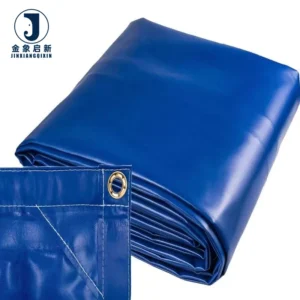
Heavy Duty Outdoor Tarpaulin Thickened for Outdoor Waterproof Large Tarpaulin with 3 Meter Width
¥7.78 Add to cart -
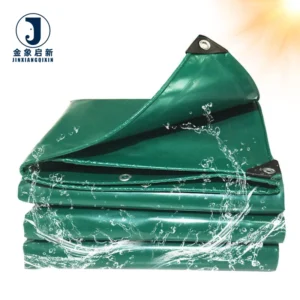
Waterproof Heavy Duty Tarpaulin Water Proof Cover Tarpaulin Manufacturer
¥1.48 Add to cart