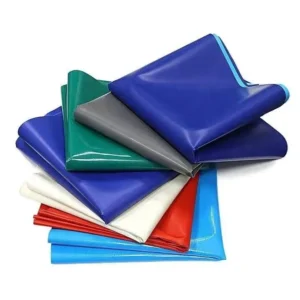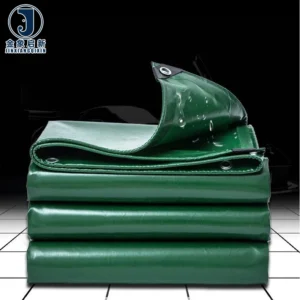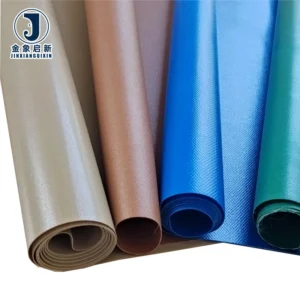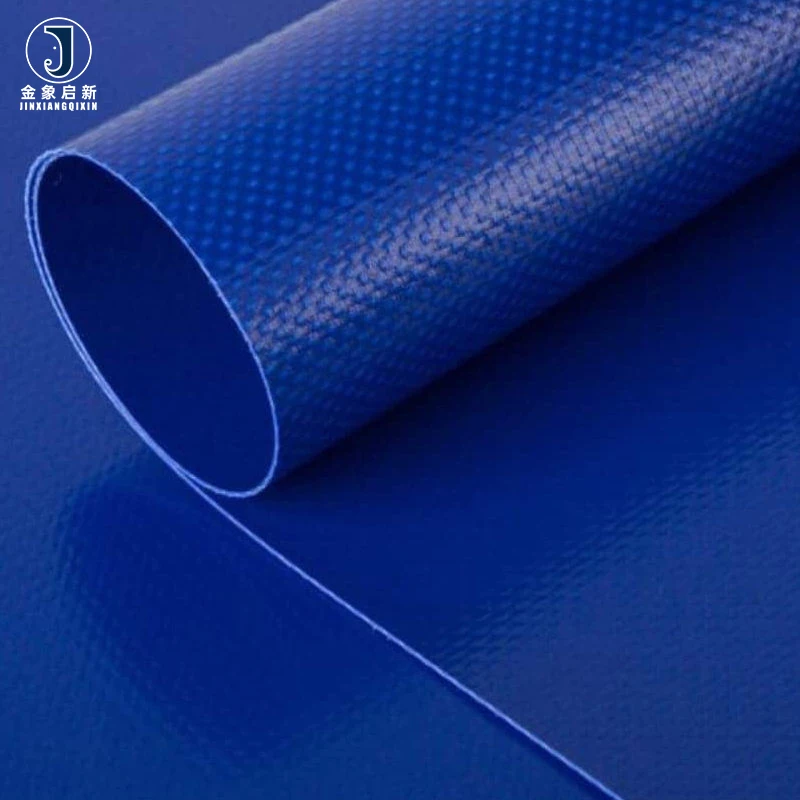
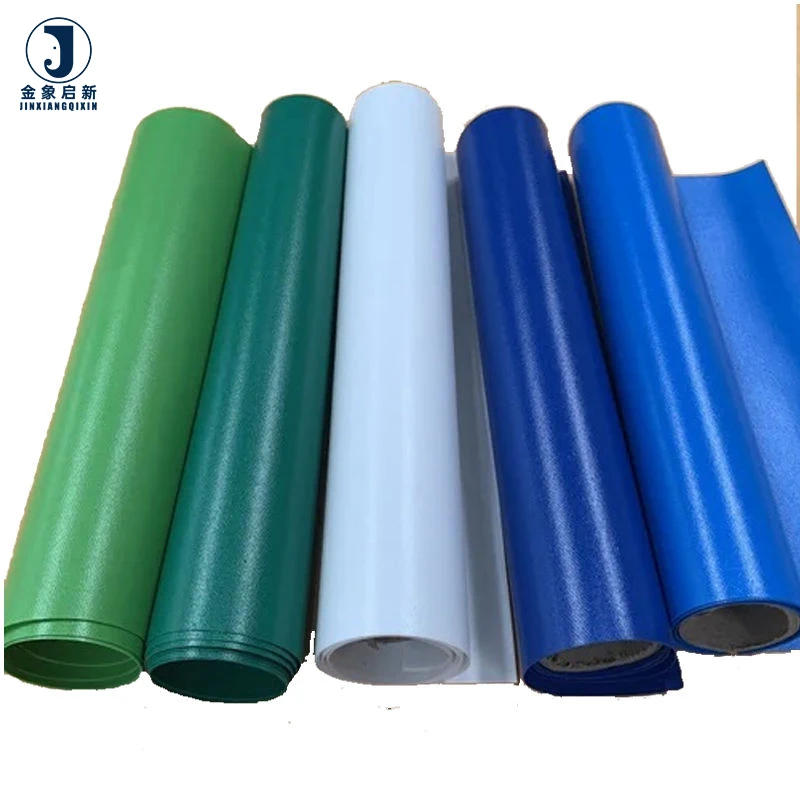
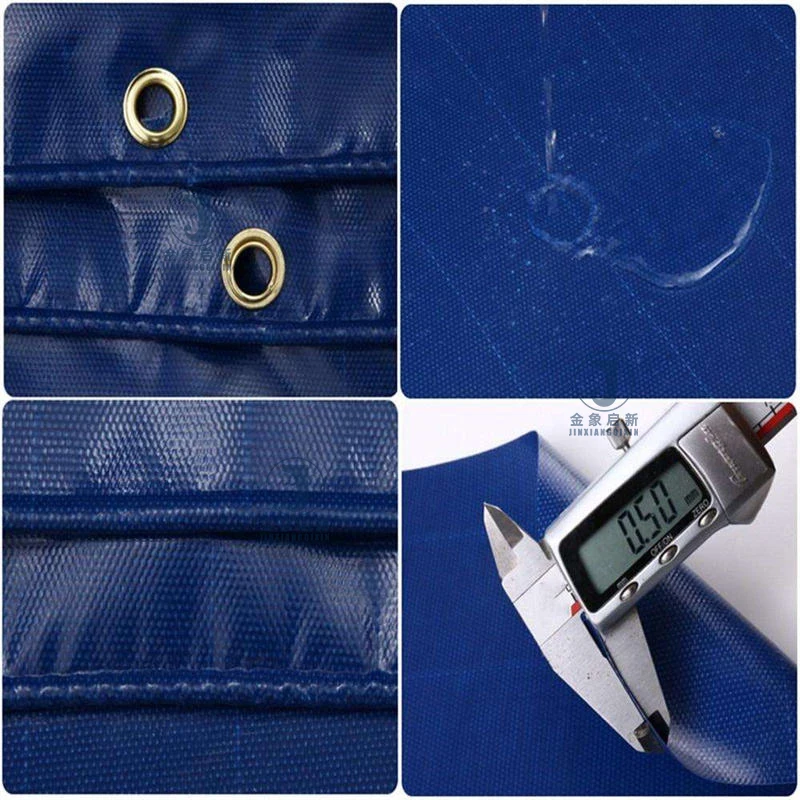
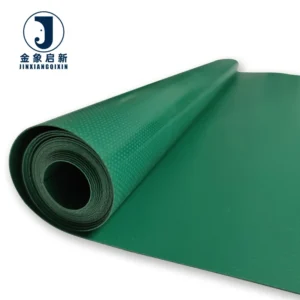
Heavy Duty PVC Coated Tarpaulin Roll — 500gsm-1000gsm polyester base with double-sided PVC coating, smooth leather-like surface finish.
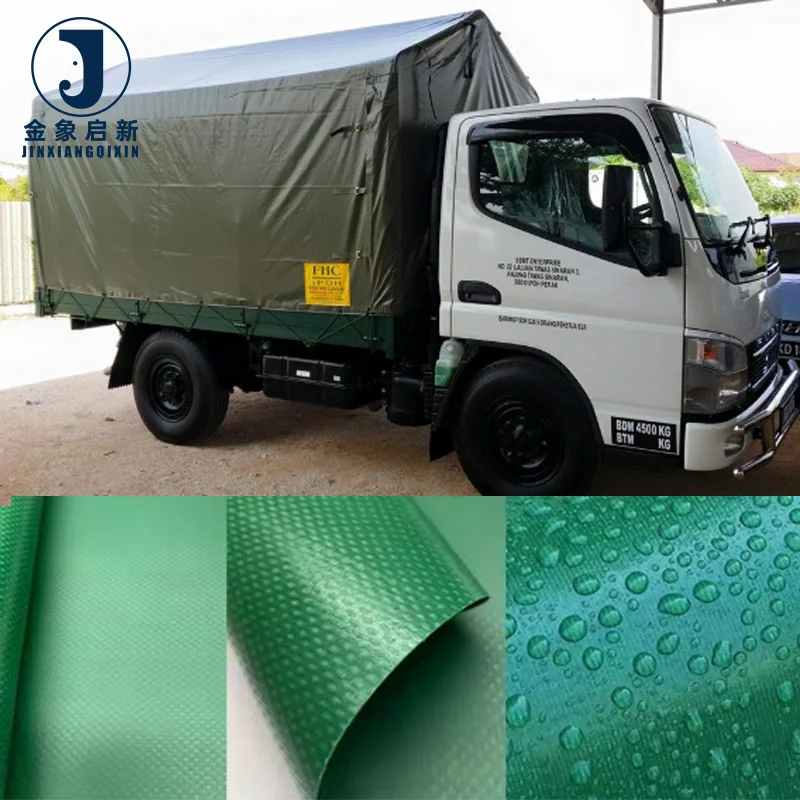
- Engineered for truck trailer side curtains and top roof covers where flex-point abrasion and weld seam integrity determine service life
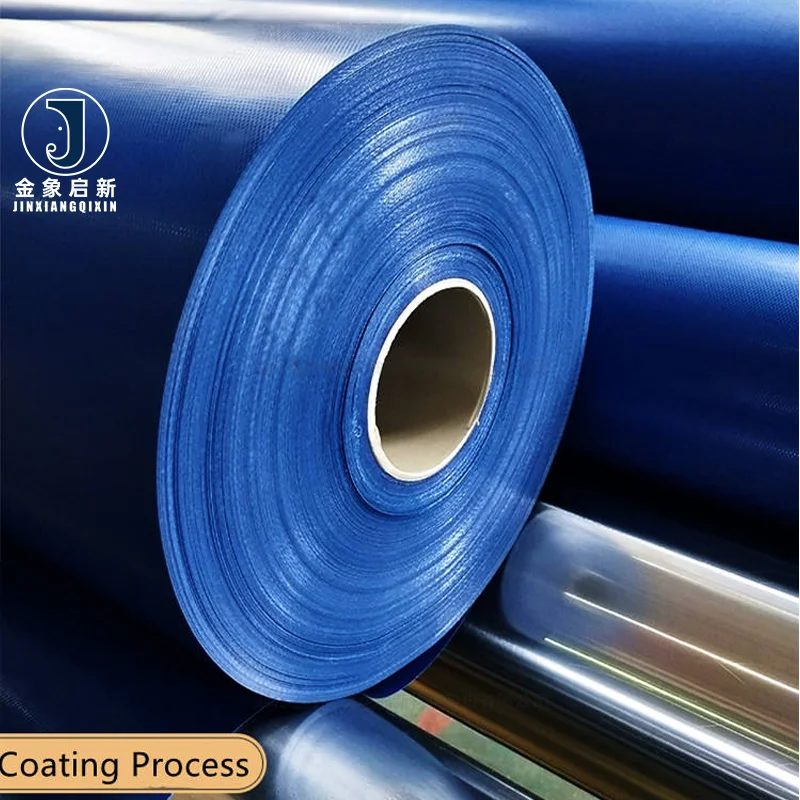
- Coating weight and adhesion controlled at every stage across 3 production lines, ensuring batch-to-batch consistency roll after roll
Description
Proven Coating Control — Deep process mastery over PVC adhesion and weight consistency across every roll, verified before dispatch with documented GSM checks for each batch.
Technical Specifications
| Parameter | Value |
|---|---|
| Product Type | PVC Coated Tarpaulin |
| Material Composition | Polyester Base Fabric + Double-Sided PVC Coating |
| Weight Options | 610 GSM, 650 GSM, 800 GSM (range 500–1000 GSM available) |
| Coating Method | High Frequency Hot Melt / Hot Air Welding / Sewing |
| Density | 1.15–2.00 g/cm³ |
| Tensile Strength | 50–80 MPa (standard not stated in source) |
| Brittle Temperature | ≤ -50 to -60 ℃ |
| Softening Temperature | ≥ 80 ℃ |
| Melting Point | 212 ℃ |
| Surface Finish | Smooth, leather-like texture |
| Key Features | Waterproof, Fire Retardant (grade not stated), Anti UV (test basis not stated), Heavy Metal Free, Anti Mildew, Flexible, Self Clean |
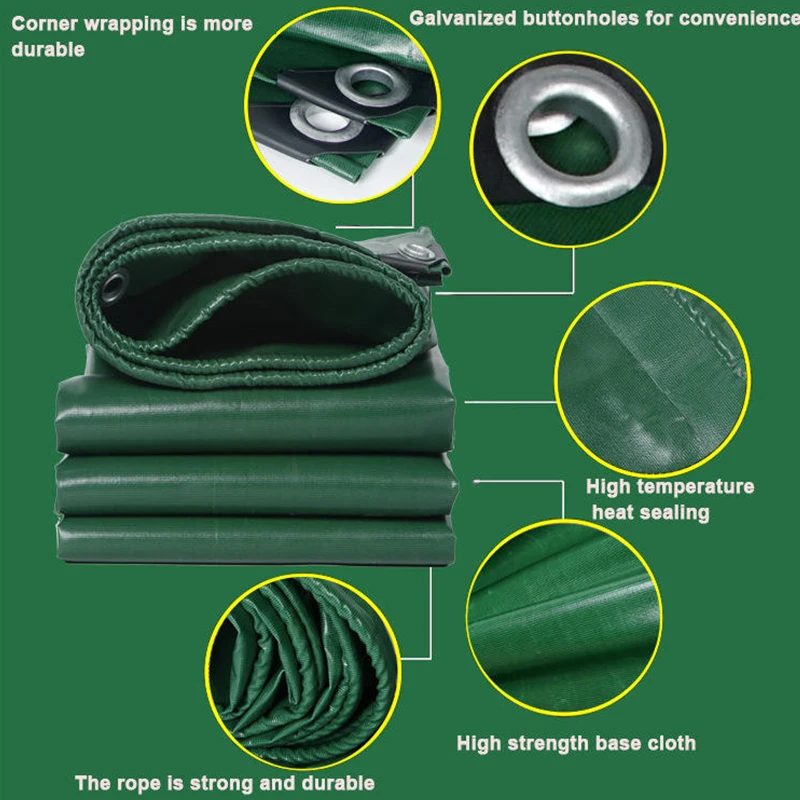
| Eyelet Option | Brass eyelets every 1 meter |
| Edge Reinforcement | Reinforced edges on all four sides |
| Printing | Printable, Customized |
| Standards | ISO, CE |
Application Suitability
| Application | Exposure & Requirement |
|---|---|
| Truck and trailer side curtains | Constant flexing at load points, road debris abrasion, prolonged UV exposure, rain and wind pressure at highway speeds |
| Pallet and equipment covers | Forklift contact abrasion, outdoor storage weathering, repeated handling and folding |
| Outdoor event tents and awnings | Direct sun exposure, wind uplift tension, rain pooling on horizontal spans, block-out light requirements |
| Construction site enclosures | Dust containment, scaffold contact abrasion, UV degradation over project timelines, temporary weather shelter |
| Inflatable and membrane structures | Internal air pressure tension, welded seam integrity, puncture resistance during installation |
Why the Quoted GSM Is Not the Whole Story for PVC Coated Tarpaulin
Weight alone does not determine how the fabric performs under load — base fabric density and coating adhesion are equally critical.
A PVC coated tarpaulin roll stamped at 650 GSM can still fail prematurely if the coating separates from the base fabric at the weld line or if the yarn count in the polyester scrim is too low to resist tear propagation. Buyers who specify only by weight often discover that rolls from different suppliers at the same GSM behave very differently during fabrication and in service. The real measure of a coated fabric’s capability lies in how the coating bonds to the base cloth, how the scrim distributes stress across the weave, and whether the stated weight is consistently maintained from the first meter to the last [NEED_CITE: tensile and tear test methods for coated fabrics per ISO 1421].
How Polyester Scrim Density Affects Tear Behaviour
The polyester base fabric inside this PVC coated tarpaulin determines how a puncture or cut propagates under tension. A tightly woven scrim with higher denier yarns distributes stress across multiple intersecting threads, preventing a small tear from running across the full panel. This is why two fabrics at the same 650 GSM can show very different tear resistance — the one with a denser, heavier base cloth will hold up better under the dynamic loads experienced on truck side curtains and tensioned structures.
Coating Adhesion and Weld Line Integrity
Double-sided PVC coating applied through controlled hot melt or hot air processes creates the bond that holds the fabric together at its most vulnerable point: the welded seam. When adhesion between coating and scrim is insufficient, the weld line peels apart before the fabric body fails — a common failure mode on trailer curtains where flexing concentrates stress at every seam. Consistent coating weight and proper thermal control during joining are what keep the weld as strong as the surrounding material [NEED_CITE: coated fabric peel strength and weld integrity testing methods].
Reading the Temperature Range in Practice
The stated brittle temperature of ≤ -50 to -60 ℃ and softening temperature of ≥ 80 ℃ define the operating envelope for this material. Below the brittle point, the PVC coating loses flexibility and can crack when folded or impacted — relevant for winter logistics in cold climates. Above the softening point, the coating becomes pliable enough to deform under sustained load. For most outdoor and transport applications across temperate and tropical markets, this range provides sufficient margin, but fabricators working in extreme environments should verify performance at their specific operating temperatures.
The Hidden Cost of Specifying by Price per Kilogram
When a buyer selects PVC coated tarpaulin material based solely on the lowest cost per kilogram, the supplier may compensate by reducing coating thickness or using a lighter base scrim while still quoting the target GSM through filler loading. The result is a roll that passes the weight check on a scale but lacks the tensile and tear performance needed for demanding applications. Colour variation between rolls in the same shipment is another symptom of inconsistent process control — visible only after the fabric is installed side by side on a truck or structure, when replacement is costly and delays are already accumulating [NEED_CITE: batch colour consistency standards for coated textiles].
What Process Control Means for Your Rolls
Nearly thirty years focused on coated fabric production has built the process discipline needed to maintain coating weight and adhesion consistency across full production runs. Three dedicated production lines equipped with 36 sets of professional equipment support bulk volume while allowing grade changes between orders. A ten-person R&D team handles material selection, custom sizing, pattern printing and sample development in-house, so specification questions are resolved before production begins. Every roll undergoes inspection at each production stage, with full pre-shipment verification confirming that weight, colour and surface quality match the order specification.
Documentation & Verification
- Material specification sheet stating GSM, base fabric type and coating weight for each roll in the shipment
- Test report for UV resistance and flame retardant grades where applicable, referenced to the batch supplied
- Pre-shipment inspection record confirming weight verification and colour consistency roll by roll
- Roll packing list with certificate of origin and customs documentation for export clearance
- ISO and CE certification documents included with the shipping package
Fabrication, Handling & Storage
- Hot air welding parameters should be adjusted to the specific GSM grade selected — test a sample strip before full production runs
- Brass eyelets at 1-meter intervals require reinforced PVC patches at each insertion point to prevent pull-through under tie-down tension
- Store rolls upright on pallets in dry conditions to avoid permanent creasing and pressure marks on the coating surface
- Unroll and allow the material to relax at ambient temperature before cutting, especially after cold-weather transport
- Clean surfaces with mild detergent and soft cloth — avoid solvent-based cleaners that can degrade the PVC coating finish
- Repair minor field damage by hot air welding a patch of matching PVC coated tarpaulin material over the affected area
What to Include in Your Inquiry
Provide the end-use application and the environmental conditions the fabric will face — including expected UV exposure, temperature range, and any fire safety requirements in your target market. Specify whether you need rolls at standard widths or custom dimensions, along with colour references and any printed branding requirements. Indicate your annual volume and whether you require finished cut-and-sewn panels or roll stock only, so we can recommend the appropriate GSM grade and production approach for your operation.
Frequently Asked Questions
Q: How is GSM verified on each roll before shipment?
A: Every roll is weighed and measured against the material specification sheet during pre-shipment inspection. The recorded GSM for each roll is documented in the inspection report included with your shipment, so you can verify on arrival that the weight matches what was quoted.
Q: What UV and flame retardant test reports are available?
A: Test reports for UV resistance and flame retardant grades are supplied where applicable to your selected specification. The specific grade and test standard depend on your market requirements — confirm the compliance standard needed for your region when placing your inquiry.
Q: Can I mix different GSM grades and colours in one container?
A: Mixed loads of different weight grades and colours can be consolidated into a single container shipment. Each roll is individually labelled and listed on the packing document so you can identify and allocate stock to different projects or customers on arrival.
Q: What custom widths and print options are available?
A: Custom widths, lengths, colours and pattern printing are handled by the in-house R&D team. Provide your dimension requirements and artwork files with your inquiry. Minimum quantities apply for custom specifications — confirm the threshold for your specific combination at the quotation stage.
Q: How are samples developed before bulk production?
A: Samples are developed within days based on your specification requirements, including GSM grade, colour, surface finish and any printed design. Approve the physical sample before bulk production begins to ensure the production run matches your confirmed standard.
Related products
-
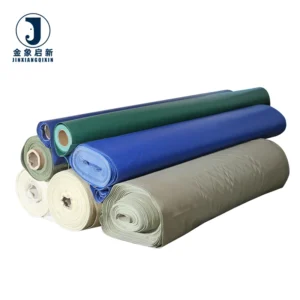
Awning and Tents Waterproof Fabric PVC Tarpaulin
¥1.50 Add to cart -
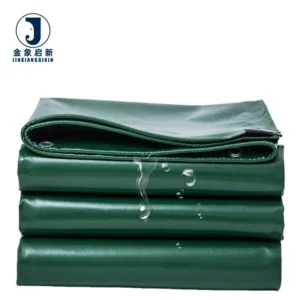
PVC Tarpaulin Industry Fabric PVC Tarpaulin 620gsm for Fish Pond Factory Swimming Pools Cover PE Tarpaulin
¥0.90 Select options This product has multiple variants. The options may be chosen on the product page -
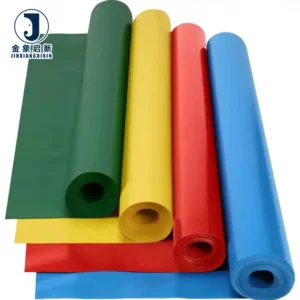
PVC Tarpaulin Glossy 650GSM 1000D*1000D 23*23 1.50*50M/R for Multi-purpose Cover SAMPLE FREE
¥2.70 Add to cart -
Wholesale Pricehigh Quality Outdoor Waterproof Tarp Customized Pvc Tarpaulin Roll
¥1.20 Add to cart