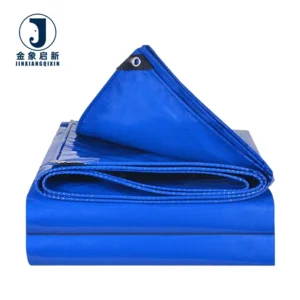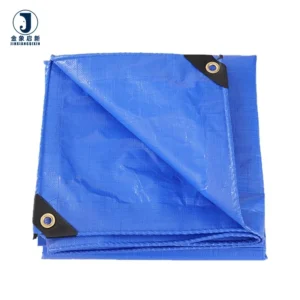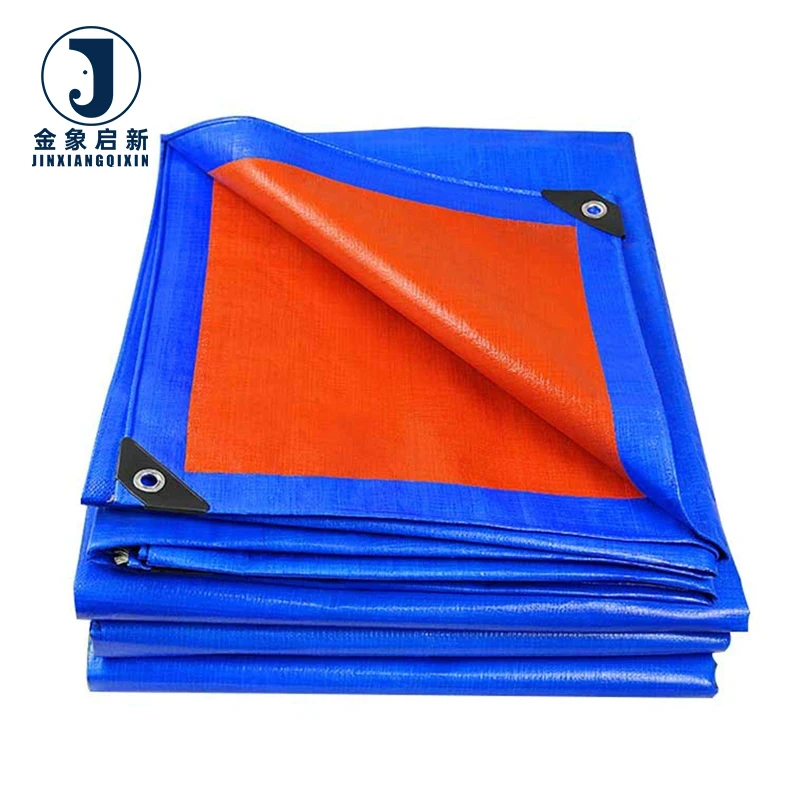
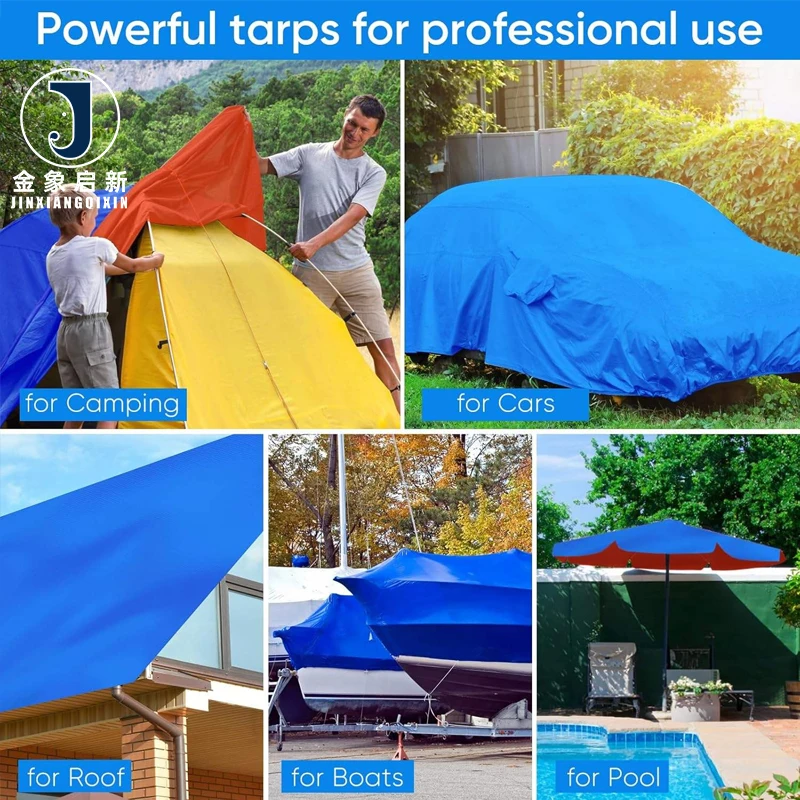
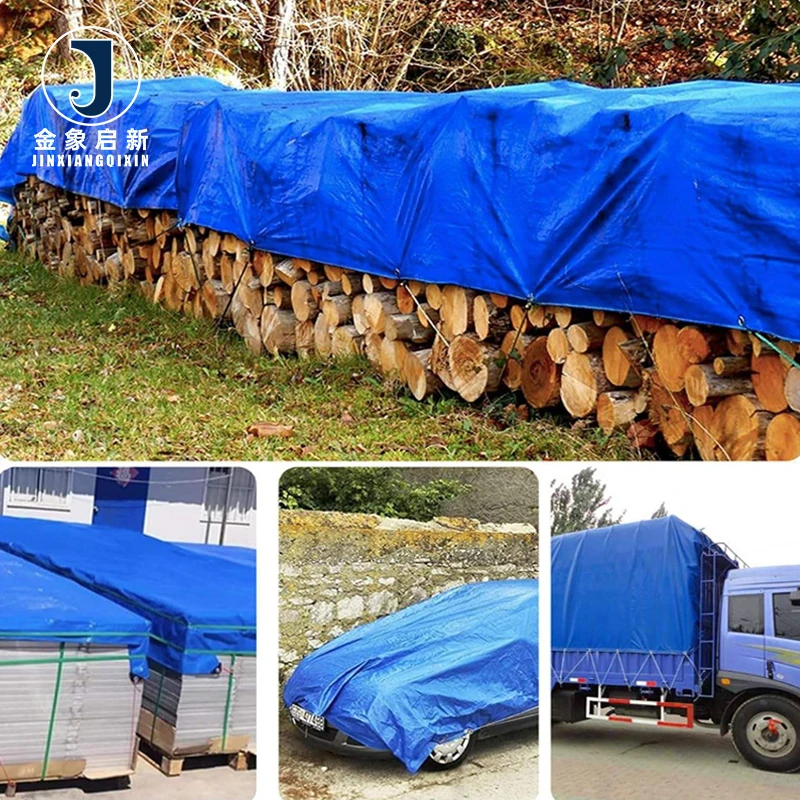
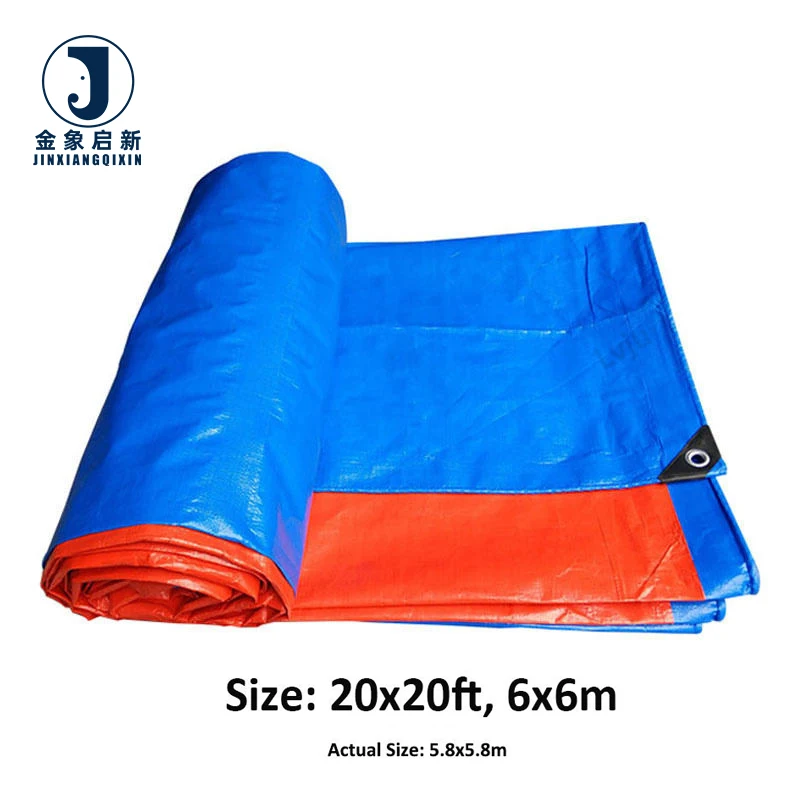
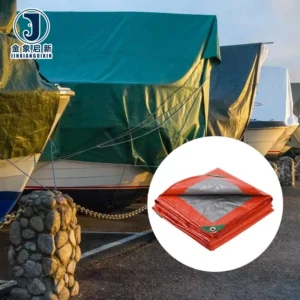
Organic Coated Polyethylene Tarpaulin Trucking Covering Roll — HDPE woven fabric with double-side LDPE coating, available in 6X6 to 16X16 mesh density, weight from 50 g/m² up to 300 g/m².
- Mesh density and GSM work together to balance tensile strength and tear resistance for long-haul truck and trailer load covering
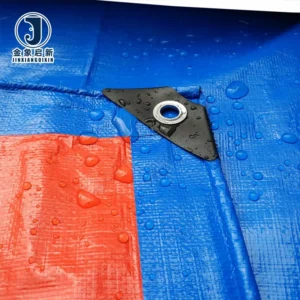
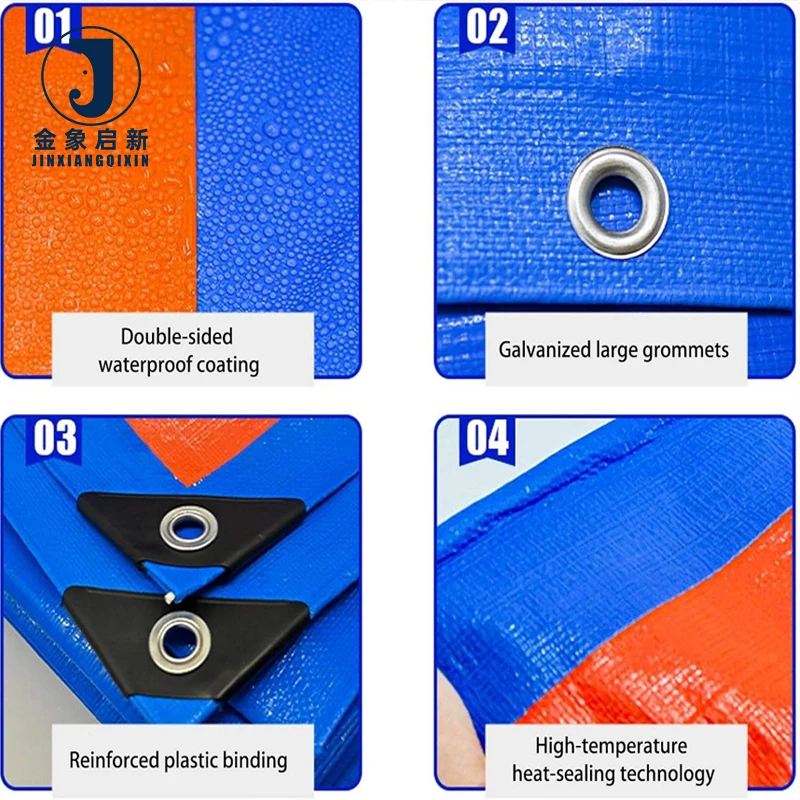
- Reinforced PP rope hems with rustproof aluminum eyelets every 1m or 1.5m secure tie-downs at high-stress flex points
Backed by nearly 30 years of coated fabric production, 100% pre-shipment inspection, and full QA at every stage.
Description
Coating Weight Control — every roll of this PE tarpaulin is weighed and verified against the quoted GSM before it leaves the factory, so the material you receive matches the specification you paid for.
Technical Specifications
| Parameter | Value |
|---|---|
| Product Type | PE Tarpaulin |
| Material | HDPE woven fabric with LDPE coat on both sides |
| Mesh Density | 6X6 to 16X16 |
| Weight Range | 50 g/m² to 300 g/m² |
| Available Colors | Blue, Orange, White, Black, Grey, Yellow, Green, Red, custom colors available |
| Print Options | Logos or company information, reinforced strip available |
| Sheet Sizes | 2X3, 3X4, 3X5, 4X5, 5X6, 6X8, 10X10, 10X12, 12X14, or custom |
| Roll Length | 100m per roll or custom |
| Edge & Corner Make-up | PP rope in hem, black plastic triangle corner reinforcement |
| Eyelets | Rustproof aluminum, spaced every 1m or 1.5m |
| Special Treatment | Fire resistant, UV protection available (confirm the grade required for your market) |
| Packaging Format | Rolls, bales (240 sq m or custom), or cartons |
| Certification | ISO, CE |
Application Suitability
| Application | Exposure & Requirement |
|---|---|
| Truck and trailer load covering | Road vibration, wind flap, UV exposure, abrasion from tie-down straps at flex points |
| Construction site and equipment covers | Prolonged sun and rain, dust, mechanical contact with scaffolding or steel frames |
| Agricultural stock and pond lining | Permanent moisture contact, soil chemistry, animal movement causing puncture stress |
| Distributor and importer resale stock | Consistent GSM and colour roll-to-roll, clean presentation for retail or trade counter |
When the Quoted GSM Is Not What Arrives on the Dock
The only way to trust a PE tarpaulin specification is to see the weight verified on a per-roll basis before shipment.
I spent years on the production floor watching coated fabric leave the line, and the most expensive mistake a buyer can make is accepting a roll at face value. A PE tarpaulin quoted at one weight but delivered lighter means the base fabric is thinner, the coating is thinner, or both — and the tensile and tear performance drops accordingly. The loss is not obvious on day one. It shows up when a truck cover splits at the hem on a long-haul run, or when a construction site cover tears in the first storm [NEED_CITE: tensile and tear test methods for coated fabrics per ISO 1421]. That is why every roll we ship is weighed and recorded, and the data travels with the documentation package.
Mesh Density and Coating Balance for Transport Loads
The HDPE woven base fabric in this PE tarpaulin is available in mesh densities from 6X6 to 16X16, and the right choice depends on what the cover has to endure. A tighter weave gives more yarn per square metre, which means higher resistance to tear propagation when the fabric flexes under tie-down tension on a flatbed trailer. The double-side LDPE coating seals the weave and delivers waterproof performance on both faces. For fleet operators running mixed routes, the combination of mesh count and coating weight determines how well the cover handles the constant folding and unfolding at loading bays.
Colour Consistency Across the Full Order
When you are covering twenty trailers in a fleet or lining a series of agricultural buildings, a colour shift from one roll to the next is immediately visible once installed side by side. Our PE tarpaulin is produced in controlled batches with colour reference checked at the coating stage. This means the blue, orange, or custom colour you approve on the sample is the same shade across every roll in the container. Distributors restocking regional trade counters rely on this consistency so that repeat orders match the stock already on the shelf.
Reading the Specification Sheet the Right Way
Weight, mesh density, and coating formulation work together — none of them tells the full story in isolation. A heavier GSM does not automatically mean a stronger cover if the base fabric uses a looser weave with more coating to reach the target weight. The HDPE yarn denier and the 6X6 to 16X16 mesh range determine the structural backbone, while the LDPE coating provides waterproofing and surface durability. Edge construction matters equally: PP rope in the hem distributes tie-down load across the full perimeter, and rustproof aluminum eyelets at 1m or 1.5m spacing prevent pull-through at high-stress anchor points. Corner reinforcement with black plastic triangles addresses the specific failure point where eyelet and hem forces converge [NEED_CITE: ISO and CE test frameworks for coated industrial fabrics]. Understanding these interactions lets you specify the right grade rather than simply the heaviest one.
The Cost of Specifying on Price Alone
When a PE tarpaulin is sourced on unit price without verifying the underlying construction, the shortfall reveals itself in the field. A coating that is lighter than quoted will chalk and crack sooner under UV exposure. A base fabric with lower mesh density will allow tears to propagate further before stopping. Welded seams on thinner material fail before the fabric body does, particularly at the points where a truck cover flexes most during transit [NEED_CITE: common failure modes in HDPE woven tarpaulin seams]. The cost of replacing a failed cover on a loaded trailer — including the downtime and the cargo exposure risk — far exceeds the saving made at the purchasing stage.
Why Buyers Source This Fabric Here
Production starts with an HDPE base fabric woven in-house, giving direct control over mesh density and yarn tension from the loom onward. Three full production lines and 36 sets of equipment handle bulk volume while maintaining schedule reliability for container-load orders. A dedicated 10-person R&D team develops custom colour matches, printed branding, and non-standard widths before production begins, so the sample you approve is exactly what runs on the line. QA checkpoints operate at every stage — weaving, coating, slitting, and eyelet insertion — with 100% inspection before any roll or bale is cleared for dispatch. Samples for custom requirements are developed within days, keeping your approval cycle short.
Documentation & Verification
- Material specification sheet listing GSM, HDPE base fabric mesh, and LDPE coating details for each roll batch
- Weight verification record per roll matched against the quoted GSM before dispatch clearance
- UV and fire-resistant test reports supplied with applicable treated grades on request
- Pre-shipment inspection record covering colour consistency, eyelet placement, and hem integrity
- Roll packing list and certificate of origin prepared for customs and freight forwarding
Fabrication, Handling & Storage
- Heat-seal LDPE-coated edges using temperature settings matched to the coating thickness to avoid delamination
- Space rustproof aluminum eyelets at the specified 1m or 1.5m intervals to distribute tie-down load evenly
- Store PE tarpaulin rolls upright on end caps to prevent flat-spot creasing across the LDPE coating surface
- Deploy PP rope-reinforced hems as the primary tie-down anchor, avoiding direct strap contact on the fabric body
- Clean LDPE surfaces with mild detergent only; solvents will degrade the double-side coating adhesion
- Cut sheets from rolls using a straight-edge and hot knife to seal HDPE yarn ends and prevent fraying
Before You Request a Quote
To match the right grade and construction to your requirement, please share the end-use application and the conditions the cover will face — sun exposure duration, wind load, contact with chemicals or standing water. If you need custom width, length, colour, or printed branding, let us know the roll quantity and target delivery window so we can plan sample development and production scheduling accordingly.
Frequently Asked Questions
Q: How do you verify GSM matches the quoted specification on arrival?
A: Every roll is weighed individually on calibrated scales during pre-shipment inspection. The actual weight is recorded and compared against the quoted GSM. The verification data is included in the documentation package so you can cross-check on arrival without needing your own test equipment.
Q: Can you guarantee colour consistency across all rolls in one order?
A: Yes. Colour reference is set and approved on the sample stage before bulk production. Each production batch is checked against the approved swatch, and pre-shipment inspection includes a visual side-by-side comparison of rolls within the same order to confirm uniform shade.
Q: What test documentation comes with UV or fire-resistant treated tarpaulin?
A: UV and fire-resistant grades are supplied with the applicable test report for that treatment. We confirm the specific grade required for your market before production, so the documentation matches your compliance requirement.
Q: What are the lead times and minimums for custom width, colour or print?
A: Custom specifications go through a sample approval stage first. Samples are developed within days. Once approved, production lead time depends on order volume and complexity. Minimum quantities are set per custom requirement and confirmed at the quotation stage.
Q: How are rolls packed and loaded for container shipment?
A: Rolls can be shipped loose, in bales, or in cartons depending on buyer preference. A 20GP container holds approximately 17 tons of rolls or 11 tons of bales; a 40HQ accommodates up to 28 tons for either format. Packing details are confirmed before dispatch.
Related products
-
Waterproof Coated Organic Blackout Polyethylene Tarpaulin Sheets for Outdoor Garden Greenhouses and Tents
¥0.59 Select options This product has multiple variants. The options may be chosen on the product page -
Heavy Duty Organic Breathable PVC Coated Weft Tarpaulin 400gsm Waterproof UV Resistant for Trucks Buildings Agriculture Boys
¥0.87 Select options This product has multiple variants. The options may be chosen on the product page -
Multi-color & Size Waterproof Breathable Organic Blackout Coated PE Tarpaulin with UV Customizable Weft Knitted for Boys & Girls
¥0.21 Select options This product has multiple variants. The options may be chosen on the product page -
PE Coated Blackout Tarpaulin Poly Tarp with UV Protection Standard Size Fabric Sheet for Agriculture & Industrial Use
¥0.35 Select options This product has multiple variants. The options may be chosen on the product page