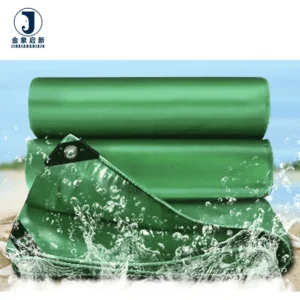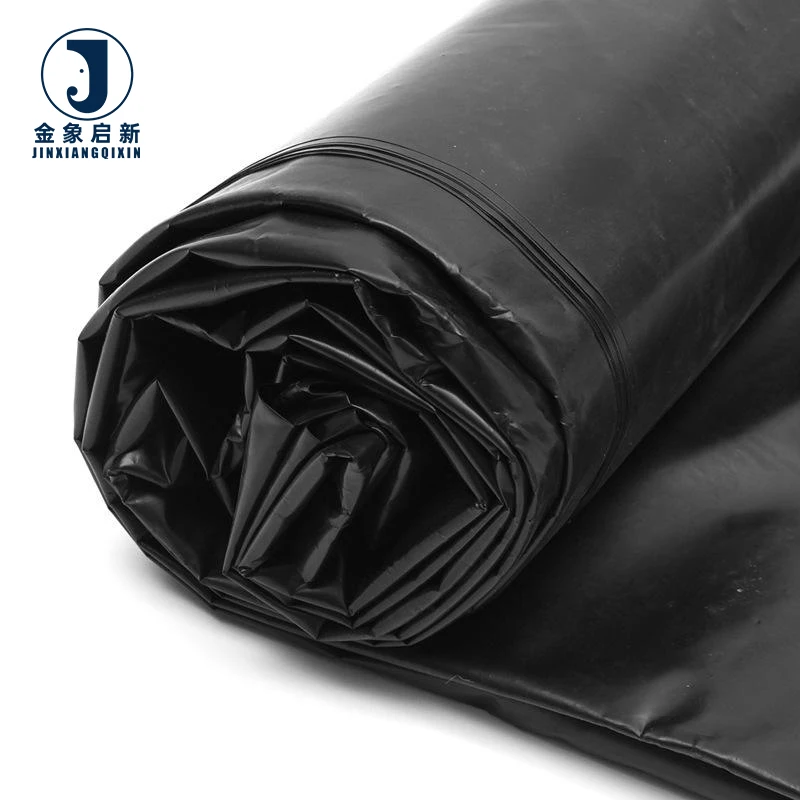
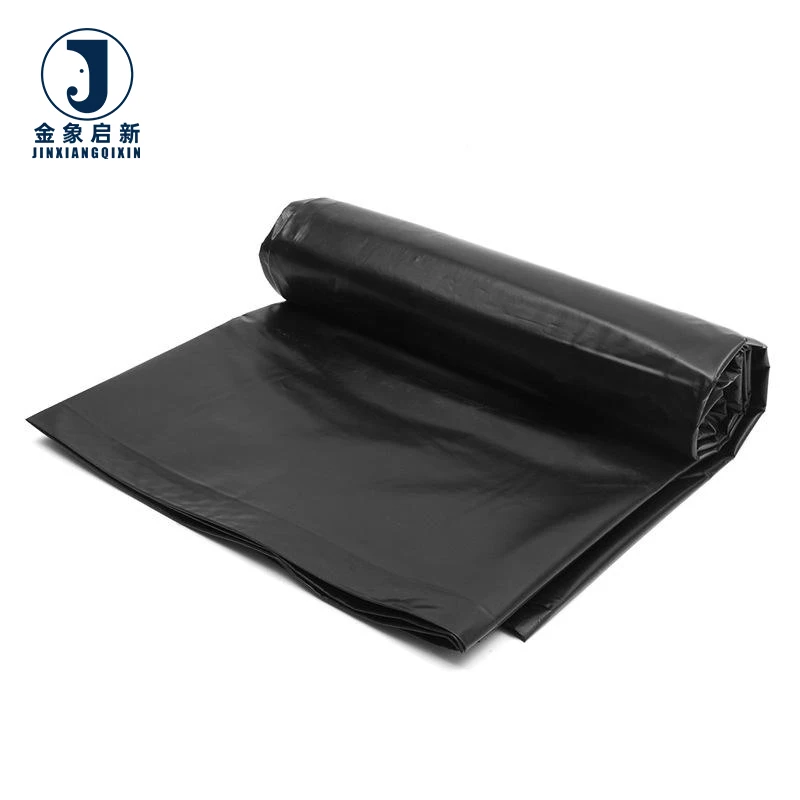
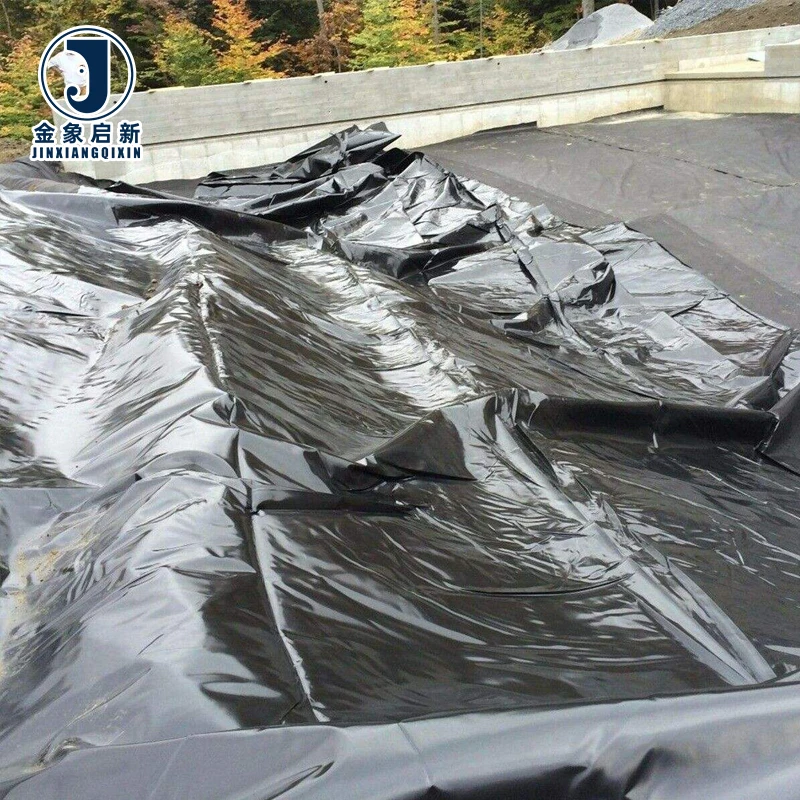
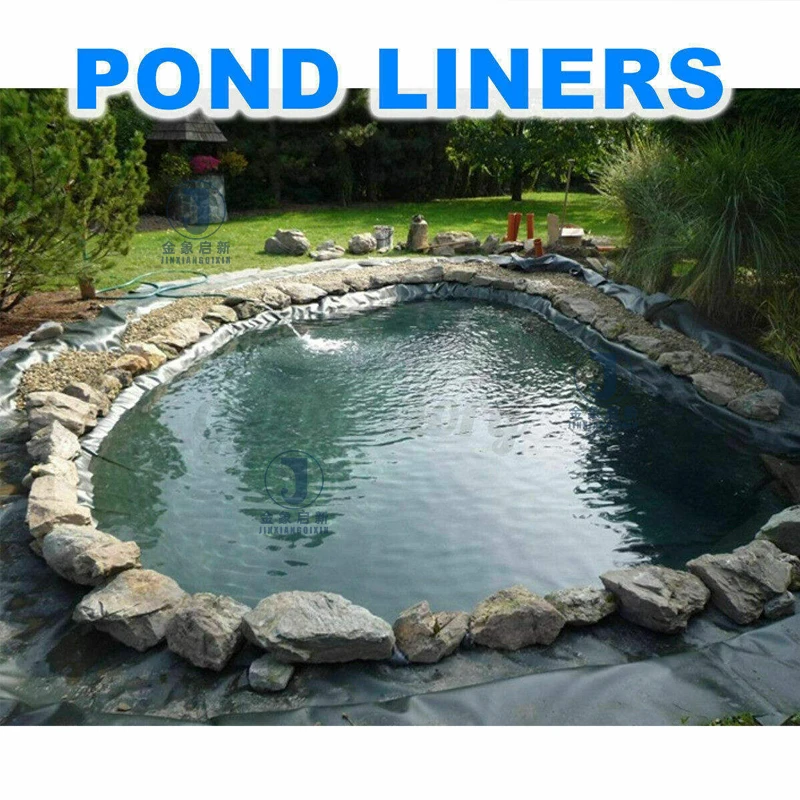
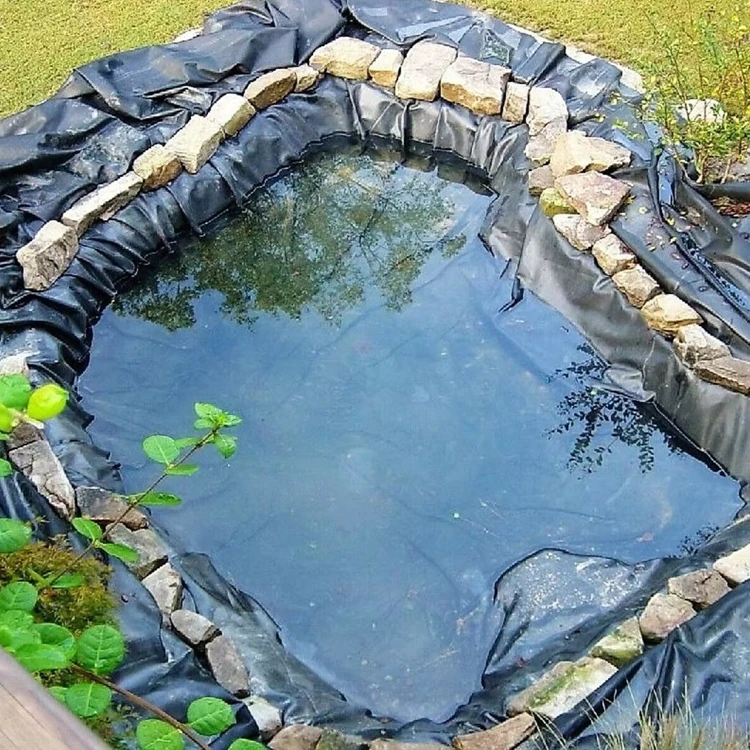
Black PVC Coated Tarpaulin — 0.45mm thickness, 200D×300D to 1000D×1000D base fabric, waterproof with UV and anti-fungal treatment for pond liners and aquaculture covers.
- Full GSM range from 250gsm to 1500gsm with verified coating weight and batch colour consistency across rolls
- Custom width, length and surface finish (glossy or matte) from one production facility with sample development in days
- Dedicated QA/QC at every stage with 100% pre-shipment inspection and full documentation including test reports and certificate of origin.
Description
Verified Coating Weight Control — every roll of Black PVC Coated Tarpaulin Roll we dispatch is sampled and weighed against the stated GSM before it leaves the line, eliminating the guesswork that causes pond liner projects to stall on arrival.
Technical Specifications
| Parameter | Value |
|---|---|
| Product Type | PVC Coated Tarpaulin |
| Weight Range | 250gsm–1500gsm |
| Thickness | 0.45mm |
| Base Fabric Denier Options | 200DX300D, 500DX500D, 840DX840D, 1000DX1000D |
| Surface Finish | Available in glossy or matte |
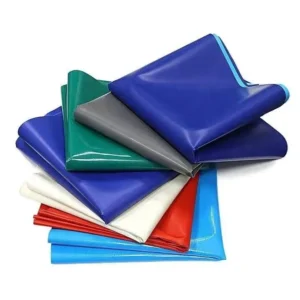
| Colour Options | Blue, yellow, black, green, white, and custom colours |
| UV Treatment | Available in UV treated grades — confirm the grade required for your market |
| Flame Retardant Treatment | Available in flame retardant grades — confirm the grade required for your market |
| Anti-Fungal Treatment | Treated |
| Temperature Range | -15°C to 70°C |
| Waterproof Construction | Fully waterproof PVC coated fabric |
| Working Life | Suited to extended outdoor exposure depending on environment |
| Standards | ISO, CE |
Application Suitability
| Application | Exposure & Requirement |
|---|---|
| Fish farming pond liners | Permanent water contact, soil chemistry, puncture risk from substrate, long-term immersion |
| Aquaculture tank covers | Constant humidity, UV exposure, frequent handling during feeding and harvest cycles |
| Agricultural stock covering | Rain, wind abrasion, UV degradation, mechanical stress from securing ropes |
| Construction site water barriers | Temporary ground contact, equipment traffic, weather exposure during build phases |
Why a GSM Figure on the Quotation Does Not Guarantee What Arrives
A stated GSM is only as reliable as the inspection system behind it.
When aquaculture operators order pond liner fabric for a new fish farming installation, the quoted weight often sets the expectation for durability. In practice, coating weight can drift during production — a PVC Coated Tarpaulin Roll listed at a given GSM may arrive measurably lighter if the coating head pressure varies or the base fabric tension is inconsistent. I once watched a batch of liner material come back underweight because the coating weight was not verified roll by roll before packing. The buyer’s pond was already excavated and waiting for water, and the rejection cost both parties more than a single inspection would have. That experience shaped how we handle every dispatch from our facility: each roll is sampled at the end of the line, weighed, and recorded before it clears for shipment [NEED_CITE: pre-shipment weight verification protocol for coated fabric rolls]. The alternative is discovering the shortfall at the job site, when it is too late to reorder without delaying the stocking cycle.
Coating Consistency Across a Multi-Roll Pond Liner Order
Pond liners typically require multiple rolls laid side by side, which means any variation in coating thickness or colour between rolls becomes immediately visible once the fabric is deployed. When you source a PVC Coated Tarpaulin Roll for aquaculture applications, batch consistency is as important as the specification itself. Our three full production lines allow us to run an entire order in a single campaign, matching coating weight and colour reference from the first roll to the last.
Base Fabric Denier and Its Role in Puncture Resistance
For pond liners in contact with gravel or compacted soil, the base fabric denier directly affects how the material resists puncture during installation and throughout its service life. A 1000DX1000D base provides substantially higher resistance to substrate penetration compared to lighter denier options. We match the denier to the exposure condition you describe at inquiry stage, ensuring the PVC Coated Tarpaulin Roll you receive is built for the ground conditions it will sit on [NEED_CITE: denier selection and puncture resistance in coated fabric pond liners].
Reading the Specification Beyond the Weight Number
The GSM figure tells you the total mass per square metre, but it does not separate how much of that mass is base fabric and how much is PVC coating. A roll with a heavier base fabric and thinner coating will behave differently under tension and at the weld line than one with a lighter base and thicker coating. For pond liner applications where heat-welded seams must hold under hydrostatic pressure, the balance between base fabric denier and coating thickness determines whether the seam fails before the body fabric does. Our 36 sets of professional equipment allow us to control both variables independently during production, and our 10-person R&D team can adjust the formulation to suit the joining method you plan to use on site.
What Happens When the Coating Weight Falls Short
A pond liner that arrives lighter than specified does not just underperform — it can fail at the seams first, where hydrostatic pressure concentrates at the welded joints. In fish farming operations, a seam failure means water loss, stock escape, and a shutdown of the production cycle while repairs are made. Batch-to-batch colour variation is a secondary problem: when two rolls of different shade are welded together along a visible seam line, the finished liner looks uneven, which matters when the installation is visible to visitors or regulatory inspectors. These are not theoretical risks [NEED_CITE: seam failure and coating weight deviation in PVC pond liner installations]. Every roll we dispatch carries a pre-shipment inspection record so the weight and colour are confirmed before the container is sealed.
How We Build Accountability Into Every Roll Dispatch
Our production facility runs dedicated QA/QC at every stage, not just a final visual check before packing. For the PVC Coated Tarpaulin Roll destined for pond liner or aquaculture use, this means coating weight is measured during the run, not just at the end. Custom widths and lengths are handled on the same lines as standard stock, so you receive the same inspection rigour regardless of order size. Samples are developed within days when you need to confirm material, colour, or treatment before committing to bulk. We supply a full documentation pack with every shipment — the paperwork travels with the goods so your receiving team can verify on arrival without chasing documents after delivery.
Documentation & Verification
- Material specification sheet stating confirmed GSM, base fabric denier, and coating type for each roll
- Pre-shipment inspection record with measured coating weight against the stated value
- Colour reference documented per order to confirm batch matching across all rolls
- Test reports for UV treated and flame retardant grades supplied where applicable
- Certificate of origin and roll packing list included for customs clearance
- ISO and CE certificates available as part of the shipment documentation pack
Fabrication, Handling & Storage
- Heat welding parameters should be tested on a sample of the specific GSM and surface finish before full production
- Store rolls horizontally on pallets to prevent edge compression marks on the PVC coating
- Unroll in temperatures above 5°C to avoid creasing the 0.45mm coated fabric in cold conditions
- Cut panels with overlap allowance for welded seams, matching the denier to expected puncture exposure
- Clean with mild detergent only — aggressive solvents can degrade the glossy or matte surface finish
- Avoid stacking heavy items on stored rolls to prevent permanent crease lines in the PVC coating
What to Include in Your Enquiry
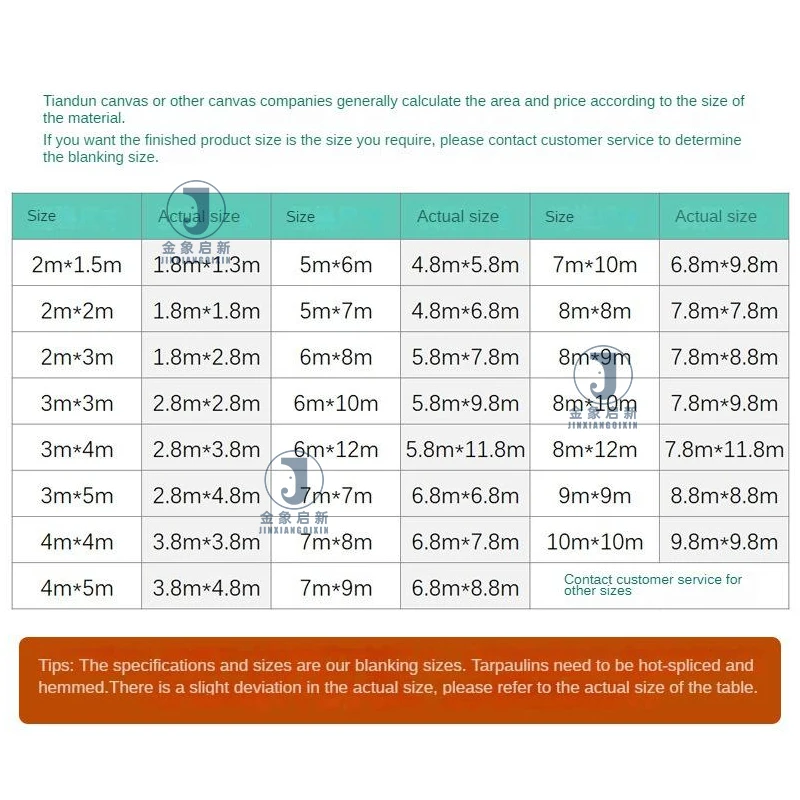
To specify the right PVC Coated Tarpaulin Roll for your pond liner or aquaculture project, we need to know the exposure conditions — whether the liner sits on compacted soil, gravel, or concrete, and whether the cover is permanent or seasonal. Tell us the target GSM and whether you need UV or flame retardant treatment verified to a specific grade for your market. Confirm whether you need rolls at standard width or custom dimensions, and whether you require sample confirmation before the full production run.
Frequently Asked Questions
Q: What GSM grade do I need for a fish farming pond liner?
A: The right GSM depends on substrate conditions and water depth. Gravel or rocky ground demands a heavier denier base fabric to resist puncture, while smooth concrete substrates allow lighter constructions. Share your site conditions and we will recommend the appropriate weight and denier combination, then produce a sample for your approval before the full order runs.
Q: Can I get consistent colour across multiple rolls for one pond project?
A: Yes. We run full orders in a single production campaign so that coating colour and finish remain uniform from the first roll to the last. Each order is tied to a colour reference, and the pre-shipment inspection record confirms the match. This eliminates the visible shade variation that occurs when rolls from different batches are laid side by side.
Q: What treatments are available and how are they verified?
A: UV treated and flame retardant grades are available depending on your market requirements. We supply test reports with the shipment documentation where applicable. Before ordering, confirm the specific grade or standard your local regulations demand, and we will match the treatment and provide the supporting documentation with the goods.
Q: What is the minimum order for a custom width or colour?
A: Custom widths and colours are produced on the same lines as our standard range, and minimums depend on the specific combination you need. We develop samples within days so you can verify the material before committing to bulk volume. Contact us with your dimensions and colour reference for a quotation including lead time.
Q: How long does sample development take before bulk production?
A: Samples for custom requirements are typically developed within days, allowing you to confirm weight, colour, surface finish, and treatment before the full production run begins. Once the sample is approved, we schedule the bulk order with in-process QA at every stage and a full pre-shipment inspection before dispatch.
Related products
-
PVC Tarpaulin Waterproof Triangular Tarpaulin Folha De Tarpaulina Truck Tarpaulin
¥0.90 Select options This product has multiple variants. The options may be chosen on the product page -
New Design Waterproof Coated Heavy Duty Pool Cover Cargo Covers Tarp for Truck
¥1.15 Add to cart -
PVC Tent Fabric Shelter Blackout Anti-UV PVC Tarpaulins 1000D for Tent Fabric for Event Exhibition Shade Tents
¥1.45 Select options This product has multiple variants. The options may be chosen on the product page -
Wholesale PVC Coated Breathable Tarpaulin Fabric Rolls Waterproof Fire-Retardant for Boys & Girls Outdoor Use
¥0.79 Select options This product has multiple variants. The options may be chosen on the product page