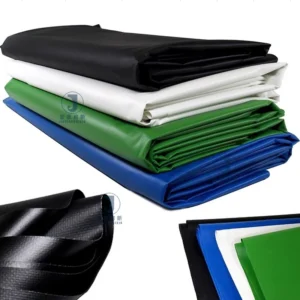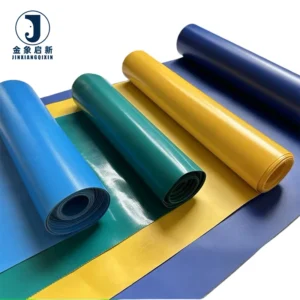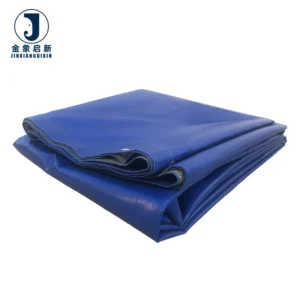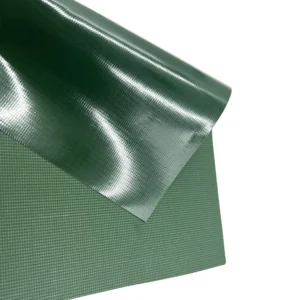
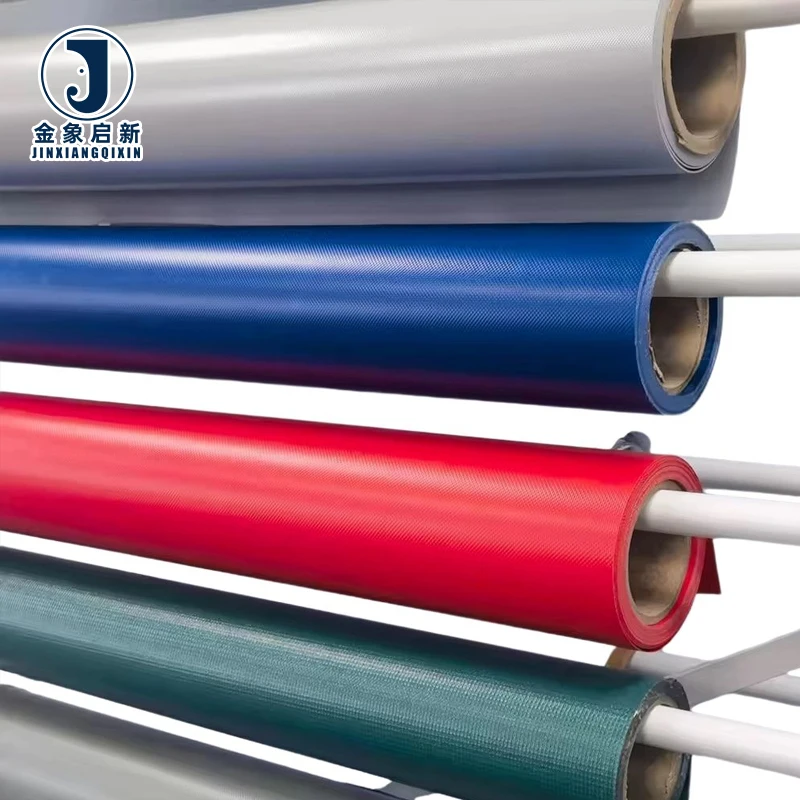
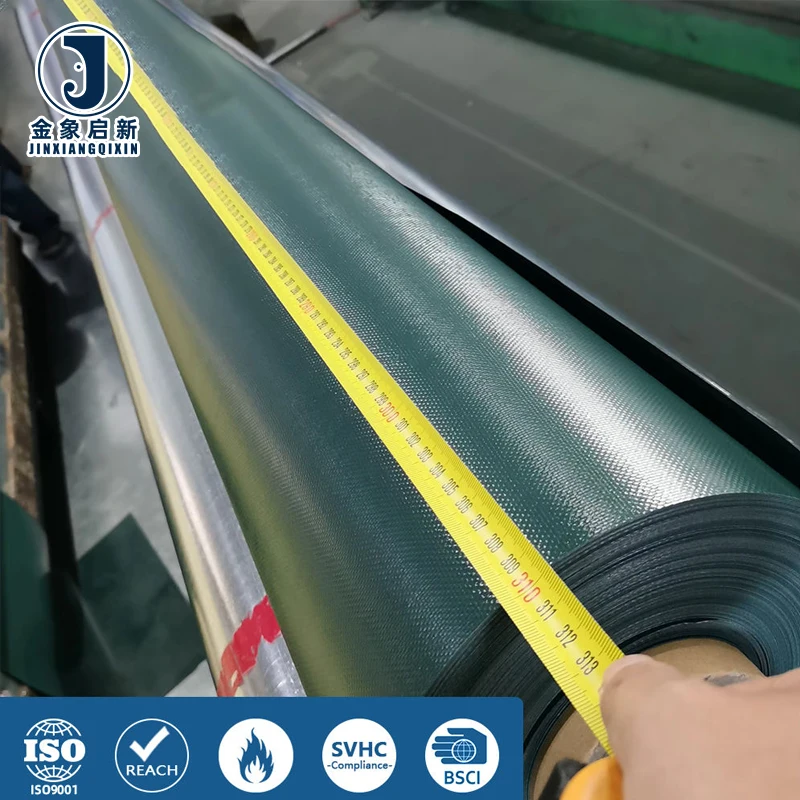
650 GSM PVC Coated Tarpaulin Roll, Fire Retardant & UV Resistant — knife coated polyester fabric for tensile structures, tents and portable storage.
- Full roll-width customisation with batch-to-batch colour consistency across your order
- HF, hot air and sewing compatible — seams engineered to flex with the fabric at high-stress points
- GSM and coating weight verified at every production stage, not just stated on the quotation
Backed by nearly 30 years of coated fabric process control and 100% pre-shipment inspection on every roll.
Description
Process-Controlled Coating — Every roll leaves the line with GSM verified against the stated specification, so the weight you quote is the weight you receive on the warehouse floor.
Technical Specifications
| Parameter | Value |
|---|---|
| Product Type | PVC Coated Tarpaulin Roll |
| Weight | 650 GSM |
| Base Fabric | PVC Coated Polyester Fabric |
| Fire Retardant | Yes (grade not stated — confirm the grade required for your market) |
| UV Resistance | Yes (test basis not stated — request report for your compliance standard) |
| Antibacterial & Mildew Proof | Yes |
| Oil & Stain Resistance | Yes |
| Acid & Alkali Resistance | Yes |
| Temperature Resistance | High temperature and cold resistance |
| Weather Resistance | Anti-oxidation and weather-resistant |
| Flexibility | Highly flexible, resistant to cracking |
| Surface Finish | Self-cleaning surface treatment |
| Welding Compatibility | HF welding, hot air welding, sewing |
Application Suitability
| Application | Exposure & Requirement |
|---|---|
| Tensile and membrane structures | Sustained tension loads, wind uplift, UV exposure, long-term weathering |
| Large format technical textiles | Dimensional stability under print, seam integrity across wide panels |
| Portable storage structures | Repeated assembly and teardown, abrasion at frame contact points |
| Airport hangar covers | Fuel vapour exposure, wind-driven rain, strict fire classification |
| Shade systems | Continuous solar exposure, thermal expansion and contraction cycles |
| Stadium architectural structures | High wind loads, public safety fire requirements, colour fastness |
Why the Stated GSM Does Not Guarantee Fabric Strength on Its Own
A 650 GSM PVC coated tarpaulin roll from one supplier can behave completely differently from another roll carrying the same weight label, and the reason sits below the coating surface. GSM tells you what the fabric weighs, not how the base yarn is woven or how well the coating bonds to it.
I have seen heavy-grade coated rolls fail at the weld line while lighter ones held up through multiple seasons, simply because the base fabric denier and weave density carried the structural load. A high GSM achieved by loading the PVC coating thick and heavy, without a correspondingly dense polyester base, gives you a stiff roll that cracks at fold points rather than a strong one that flexes. When you evaluate a PVC coated tarpaulin roll aftermarket supplier, the question to ask is not only what the scale reads but how that weight is distributed between yarn and coating. [NEED_CITE: tensile and tear test methods for coated fabrics per ISO 1421]
Coating Weight Versus Base Fabric Density
The 650 GSM rating on this PVC coated tarpaulin roll is the combined weight of the polyester base fabric and the PVC coating applied to both faces. A roll with a lighter base fabric compensated by a thicker coating layer will measure the same on a scale but will show lower tensile and tear values because the yarn structure, not the coating, carries the mechanical load. Asking your PVC coated tarpaulin roll aftermarket supplier for the base fabric weight separately from the total GSM reveals how much structural strength is engineered into the weave itself.
What the Self-Cleaning Surface Actually Does in Practice
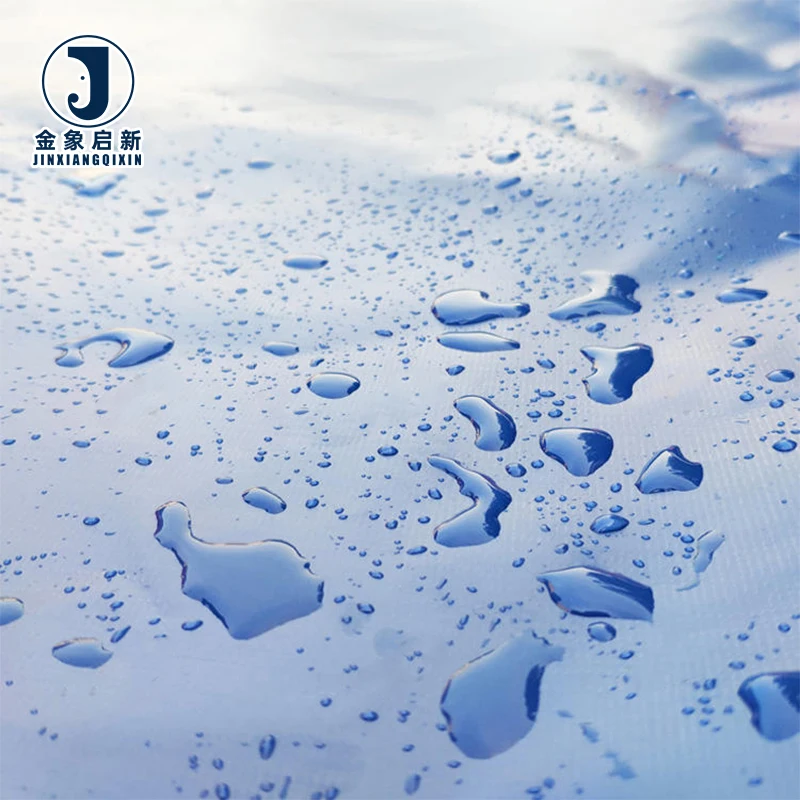
The self-cleaning treatment on this fabric reduces dirt adhesion so that rain and water runoff carry away surface grime rather than letting it bond to the coating. For tensile structures and stadium covers where washing at height is impractical, this treatment directly affects how the installation looks after several seasons of exposure. The treatment also influences how well digital or screen-printed graphics hold, because ink adhesion depends on the surface energy of the top coat. [NEED_CITE: surface energy and ink adhesion on PVC coated fabrics]
Reading the Specification Sheet Beyond the Weight Number
The 650 GSM figure anchors your comparison, but the surrounding parameters determine how this PVC coated tarpaulin roll performs once fabricated. Polyester denier and thread count govern tear propagation — a higher thread count in the warp direction resists the kind of directional tearing that starts at a grommet or seam. The PVC coating method, whether knife-over-roll, laminating, or calendering, controls peel strength between coating and yarn, which directly affects how well hot-air and HF welded seams hold under flex. Temperature resistance ratings define the boundary where the fabric stiffens in cold or softens in heat, setting the limits for installations in climates with wide seasonal swings. Welding compatibility across HF, hot air, and sewing gives fabricators flexibility in choosing the joining method that matches their equipment and the stress profile of the final product.
The Real Cost When Roll Specifications Do Not Match the Brief
A batch that arrives lighter than the quoted GSM does not just mean thinner fabric — it means the tensile and tear values you designed around are no longer valid, and a structure engineered for a specific wind load may not meet the safety margin. Fire retardant fabric delivered without a test report matching the grade your local authority requires can halt a project at the inspection stage, with the entire installed cover needing removal and replacement. Colour variation between rolls in the same shipment becomes visible the moment panels are hung side by side on a tensile structure or stadium facade, triggering a full reorder. [NEED_CITE: fire classification requirements for temporary and permanent structures]
How Production Control Works on This Fabric Line
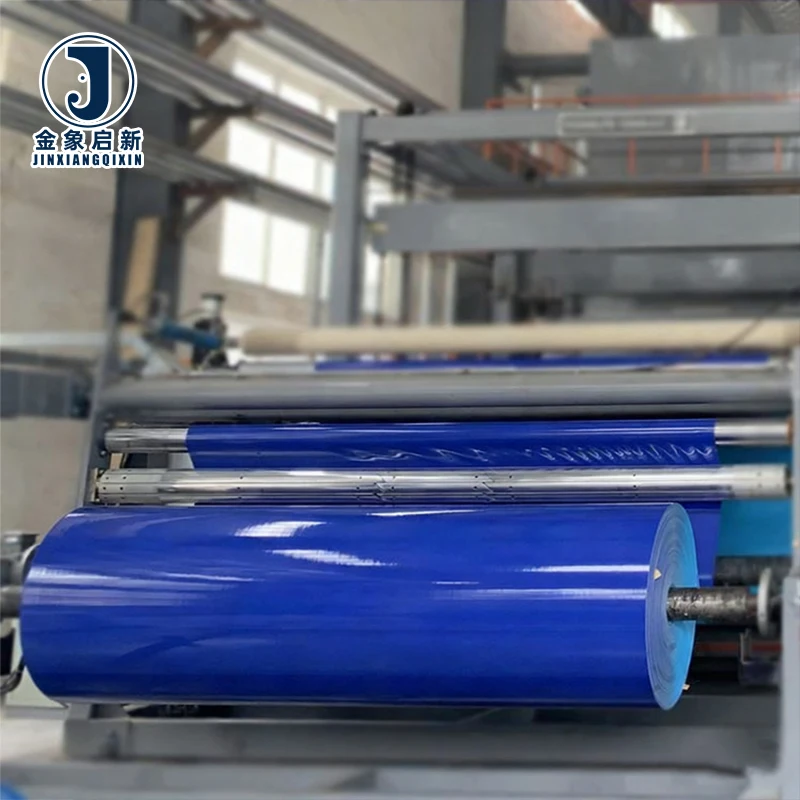
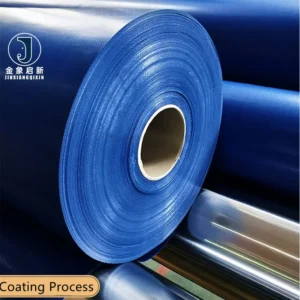
Deep process control over coating weight and adhesion means the 650 GSM you see on the specification sheet is verified on each roll before it leaves the facility, not averaged across a production run. Three full production lines and 36 sets of professional equipment provide the capacity to hold delivery schedules on large-volume roll orders without compressing curing times. A 10-person R&D team handles custom width, colour matching, and pattern printing development, producing samples within days so you can confirm the fabric before committing to the full order. Dedicated QA and QC checkpoints at every production stage, with full pre-shipment inspection, catch coating weight drift and colour variance before rolls are packed.
Documentation & Verification
- Material specification sheet confirming 650 GSM, base fabric denier, and coating weight per roll
- Fire retardant and UV test reports matched to the grade and standard required for your project
- Pre-shipment inspection record documenting weight verification and visual check on every roll
- Roll packing list with batch numbers for traceability from warehouse to installation site
- ISO and CE certificates plus certificate of origin included with each dispatch
Fabrication, Handling & Storage
- HF and hot air welding parameters should be set to match the 650 GSM coating thickness for full peel strength
- Store rolls upright on pallets to prevent flat spots and permanent creasing in the polyester base fabric
- Allow cold-stored rolls to reach workshop temperature before unrolling to avoid coating micro-cracking
- Use compatible PVC-based cleaners on the self-cleaning surface to preserve the top treatment layer
- Plan panel layout around the available roll width to minimise off-cuts and reduce welded seam count
What to Include in Your Enquiry
When specifying this PVC coated tarpaulin roll for your project, send the intended application and the environmental exposure conditions the installed fabric will face, including any fire classification your local building code or venue authority demands. Confirm the roll width and length you need, the annual volume estimate, and whether you require custom colour matching or pattern printing across the batch. Let us know if you need finished cut-to-size panels or raw roll stock so the quotation and sample development match your fabrication workflow.
Frequently Asked Questions
Q: How is the 650 GSM weight verified before shipment?
A: Each roll is weighed and measured during pre-shipment inspection to confirm the GSM matches the specification sheet. The inspection record accompanies the shipment, so you can cross-check the documented weight against the physical roll on arrival and resolve any discrepancy before fabrication begins.
Q: Can fire retardant and UV resistance be supported with test reports?
A: Fire retardant and UV treatments are available for this fabric, and test reports can be supplied to confirm performance against specific standards. Share the fire classification and UV test method your project requires so the correct grade is applied and documented before the rolls ship.
Q: What custom widths, lengths, and colours can be ordered?
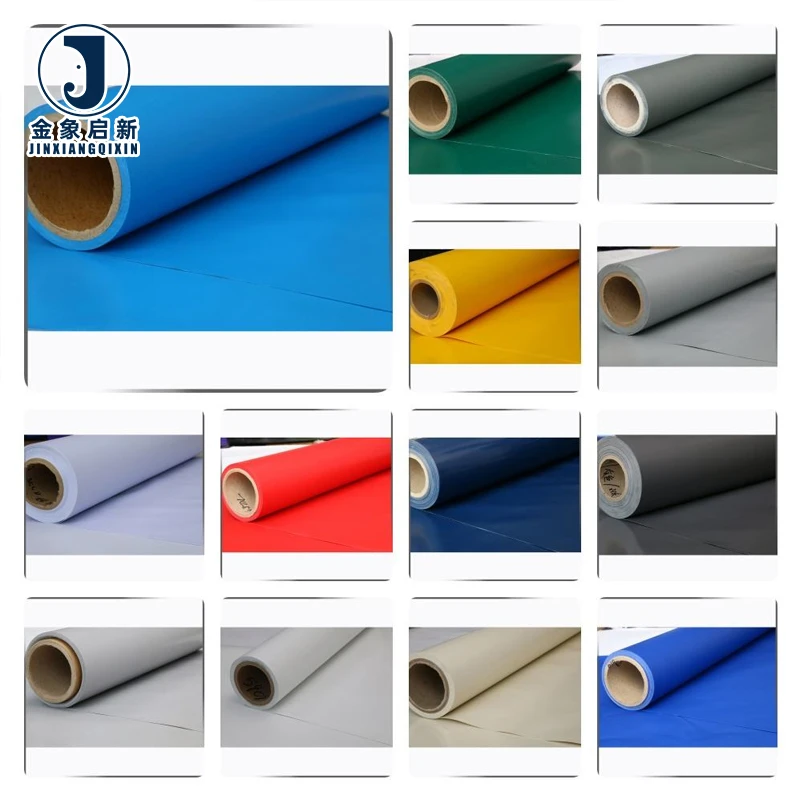
A: Roll width and length can be adjusted to your fabrication requirements, and custom colours are developed through the R&D sampling process. Provide your target dimensions and colour reference early so samples can be produced and approved before the full production run is scheduled.
Q: How is colour consistency maintained across multiple rolls?
A: All rolls in a single order are produced within the same coating batch using matched colour formulations. Pre-shipment inspection includes a visual comparison between rolls to detect any drift, and the batch number on the packing list lets you trace every roll back to its production run.
Q: What documentation is included with each roll shipment?
A: Every dispatch ships with a material specification sheet, test reports for applicable treatments, a pre-shipment inspection record, a roll packing list with batch traceability, and ISO and CE certificates along with a certificate of origin for customs clearance.
Related products
-
Wholesale PVC Coated Breathable Tarpaulin Fabric Rolls Waterproof Fire-Retardant for Boys & Girls Outdoor Use
¥0.79 Select options This product has multiple variants. The options may be chosen on the product page -
JX Manufacturer Direct Sales PVC Coated Swimming Pool Cover. Durable Waterproof and UV Resistant Floor Swimming Pool Cover Cloth
¥1.78 Select options This product has multiple variants. The options may be chosen on the product page -
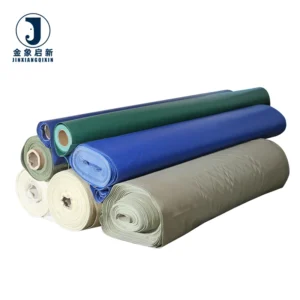
PVC Coated Tarpaulin Outdoor Poly Tarp Plastic Canvas Tarpaulin Roll 650 Gsm for Truck Tent. Roof Cover
¥2.70 Add to cart -
Awning and Tents Waterproof Fabric PVC Tarpaulin
¥1.50 Add to cart