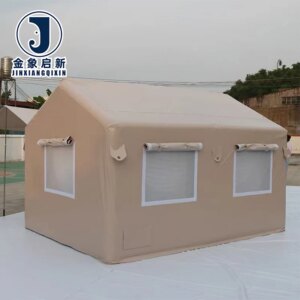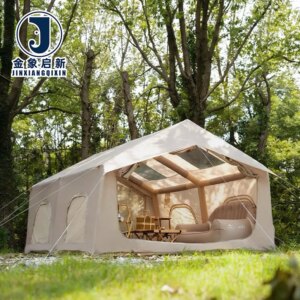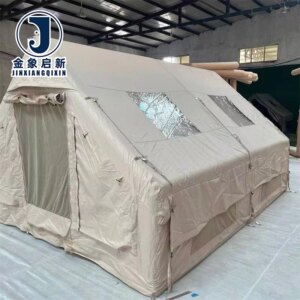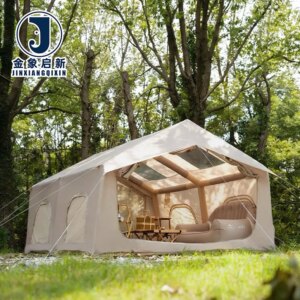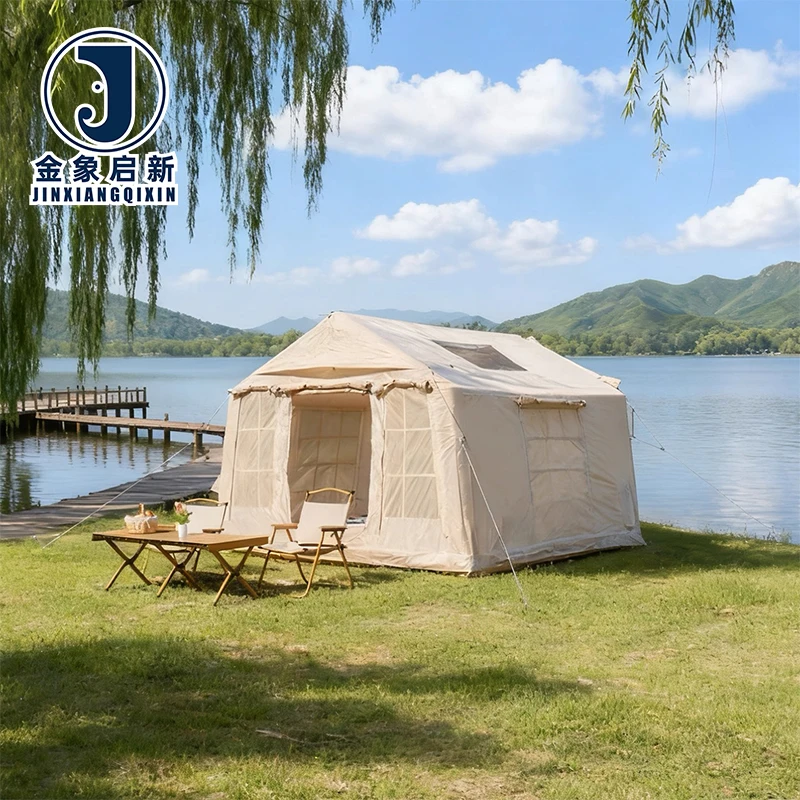
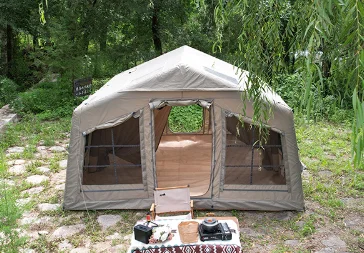
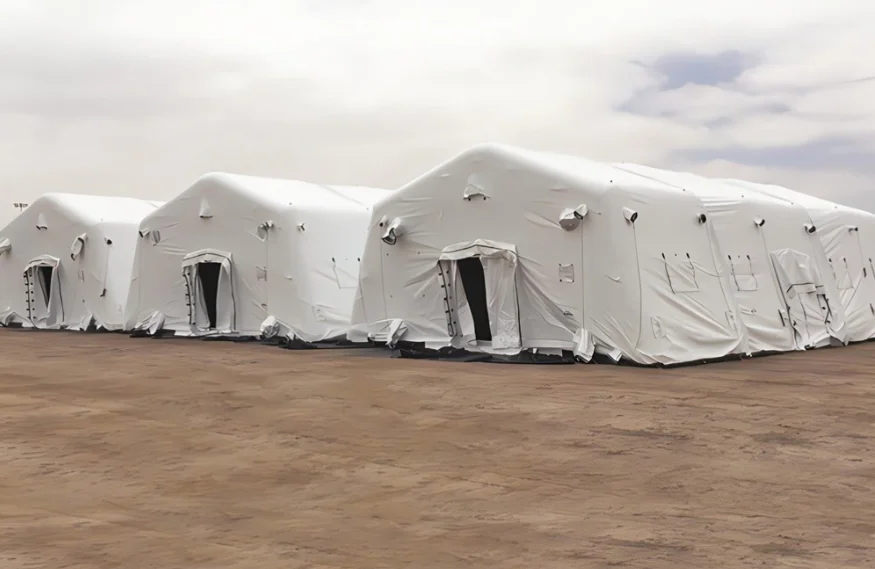
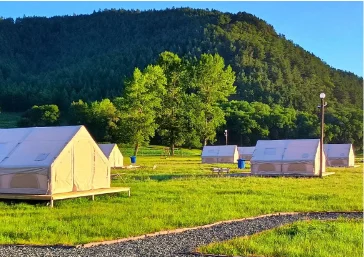
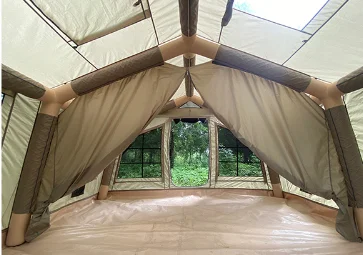
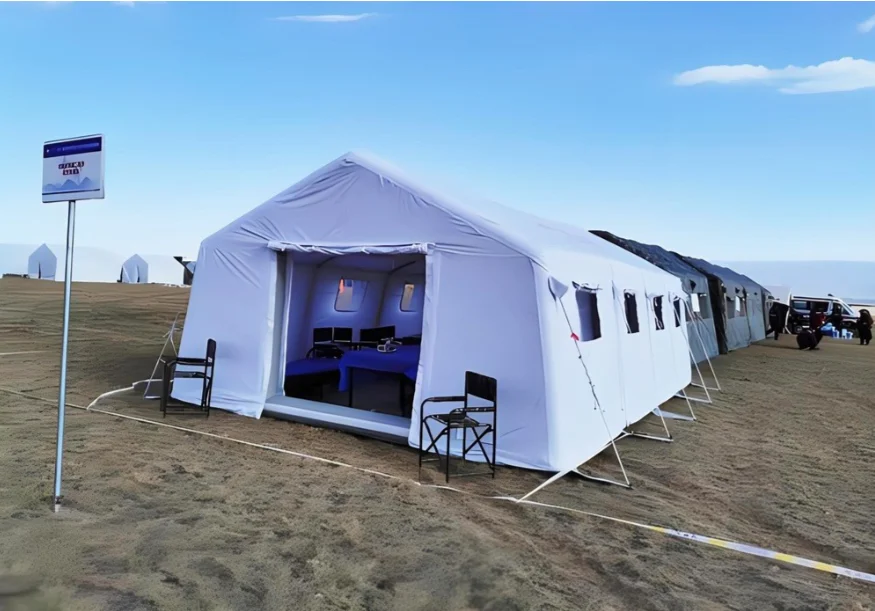
Inflatable Tent for Glamping, Waterproof PVC Fabric, 2000mm Water Pressure Resistance — engineered with UV-resistant PVC coated fabric and automatic inflation system for rapid commercial deployment.
- 10-person R&D team delivers full OEM/ODM customization including dimensions, pattern printing and color matching
- PVC knife-coated construction ensures heat-weldable seams and consistent batch-to-batch color control
- Every unit undergoes 48-hour inflation leak testing with pre-shipment inspection reports supplied as standard
Backed by nearly 30 years of coated fabric process control, 3 full production lines and dedicated QA/QC at every stage from coating through dispatch.
Description
Nearly Three Decades of Coated Fabric Expertise — production control over coating weight, adhesion, and lamination consistency directly translates to inflatable glamping tents that hold pressure and withstand repeated setup cycles without delamination or seam failure.
Technical Specifications
| Parameter | Value |
|---|---|
| Product Type | Inflatable Tent |
| Core Material | Waterproof PVC Knife-Coated Fabric |
| Water Pressure Resistance | 2000 mm |
| Key Performance | Waterproof, UV-resistant (test basis not stated), Tear-resistant |
| Construction | Single-layer with automatic inflation system |
| Setup Time | Under 10 minutes |
| Customization Scope | OEM & ODM — size adjustments, color matching, pattern printing, accessory integration |
| Monthly Production Capacity | 500+ units |
| Pre-shipment Inflation Test | 48-hour continuous leak detection |
| Sample Lead Time | Within 7 days |
| Bulk Order Lead Time | 15–20 days |
| Certifications | ISO 9001, ISO 14001, ISO 45001, CE |
| Production Lines | 3 full lines |
| Processing Equipment | 36 sets |
| R&D Team | 10 technicians |
Application Suitability
| Application | Exposure & Requirement |
|---|---|
| Luxury glamping resorts | Four-season weather cycling, repeated inflation/deflation, guest-facing aesthetics and brand presentation |
| Outdoor event venues | Rapid deployment, temporary hospitality structures, crowd-facing branding and print visibility |
| Commercial campsites | High-frequency turnover, abrasion from ground contact, UV exposure across open terrain |
| Temporary hospitality structures | Wind load on inflated membrane, waterproof integrity during extended occupancy |
| Inflatable structure manufacturers | Sourcing PVC coated fabric by specification for custom architectural and membrane forms |
Why Inflatable Tent Failures Trace Back to Coating Quality, Not Just Fabric Weight
The coating adhesion and weld integrity determine whether a custom inflatable tent holds air through its third season or starts leaking within months of deployment.
Buyers often specify a GSM value and assume the inflatable glamping tent manufacturer will deliver a fabric that performs accordingly. In practice, two rolls with identical stated weight can behave very differently under inflation pressure if the coating method, adhesion strength, or weld parameters are not controlled at every production stage. The seams and heat-welded joints are where most air-loss failures originate — not the body of the fabric itself [NEED_CITE: tensile and tear test methods for coated fabrics per ISO 1421]. When a weld fails before the fabric reaches its rated tear strength, the entire structure loses pressure and the operational downtime costs the site far more than the material saving ever did.
Coating Adhesion and Weld Behaviour in Inflatable Structures
Every inflatable glamping tent relies on heat-welded seams to maintain air pressure across the entire membrane. The PVC knife-coated fabric used in this product line is selected specifically for its compatibility with hot-air and wedge welding processes. A well-bonded coating transfers load across the weld zone evenly, preventing the seam from peeling apart when the structure flexes under wind or internal pressure changes. The 48-hour pre-shipment inflation test catches any weld porosity or coating delamination before the tent leaves the facility.
Full OEM and ODM Customisation from Design Through Dispatch
This inflatable glamping tent manufacturer supports OEM and ODM workflows covering dimensional adjustments, colour matching, pattern printing, and accessory integration such as ventilation ports and door configurations. The 10-technician R&D team develops samples within 7 days, allowing buyers to verify material hand-feel, weld quality, and print accuracy before committing to a bulk run. Each custom inflatable tent is produced on one of three dedicated lines, maintaining batch consistency in colour and coating thickness across the entire order [NEED_CITE: ISO 9001 quality management system for coated textile production].
Reading the Spec Sheet: What Actually Matters for Inflatable Tents
The PVC knife-coated fabric at the core of this product provides a continuous polymer layer bonded to the base scrim, which differs fundamentally from laminated or dipped coatings. Knife coating produces a uniform thickness profile that supports consistent heat-weld parameters across the entire seam length — critical for inflatable structures where a single under-welded section compromises the whole unit. The 2000 mm water pressure resistance rating indicates the hydrostatic head the membrane can sustain before water penetration begins, relevant for ground-contact panels and rain-loaded roof sections. UV-resistant formulation is available in this fabric range — confirm the specific grade and test standard required for your operating climate. Single-layer construction reduces packed weight and transport volume compared to multi-layer alternatives, which matters for operators rotating tent inventory across multiple sites.
The Hidden Cost of Specifying on Weight Alone
When a buyer selects a custom inflatable tent based solely on GSM without verifying coating adhesion or weld parameters, the risk is that the seams fail long before the fabric body reaches end of life. Operators then face repeated patching, guest complaints about deflated structures, and ultimately full replacement — costs that far exceed any initial saving on material specification [NEED_CITE: weld strength versus fabric tensile strength in PVC coated structures]. Batch-to-batch colour variation is a second common failure point: tents installed side by side at a glamping site show visible shade differences, undermining the premium positioning the operator paid for. These issues originate upstream in the coating and dyeing process, not at the sewing or welding stage.
Why Source Your Inflatable Glamping Tents Here
Three full production lines and 36 sets of processing equipment provide the capacity to deliver 500+ units monthly without compressing quality control checkpoints. Every tent undergoes a 48-hour continuous inflation test before packing, catching leak paths that a quick visual inspection would miss. The 10-person R&D team handles material selection, pattern development, and structural engineering for custom inflatable tent configurations, producing validation samples within 7 days. Dedicated QA and QC staff inspect coating thickness, weld integrity, and dimensional accuracy at every production stage rather than relying solely on final inspection. ISO 9001, ISO 14001, ISO 45001, and CE certifications are maintained as active management systems, not static wall certificates [NEED_CITE: CE marking requirements for temporary structures in European markets].
Documentation & Verification
- Material specification sheet stating coating type, base fabric construction, and water pressure resistance rating
- Batch-specific inspection report covering inflation test duration, weld integrity, and dimensional check
- Colour reference card matched to the production run for side-by-side verification on site
- ISO and CE compliance certificates included as standard shipment documentation
- Pre-shipment inflation test record with pass/fail result for each individual unit
- Installation and maintenance guide covering inflation procedures, ground anchoring, and field repair methods
Fabrication, Handling & Storage
- Heat-weld seams using calibrated hot-air settings matched to the PVC knife-coated fabric thickness for full adhesion
- Store rolled tent panels vertically in a dry, shaded area to prevent permanent creasing in the coated membrane
- Avoid dragging the PVC coated surface across abrasive ground during deployment to protect the coating layer
- Use compatible PVC adhesive and patch material for field repairs, ensuring coating-to-coating bond
- Clean with mild detergent only — solvent-based cleaners will degrade the PVC coating surface and reduce water resistance
- Inspect weld lines after each inflation cycle for early signs of peeling or porosity before they propagate
What We Need to Prepare Your Quotation
To move forward on a custom inflatable tent enquiry, please share the intended application environment including wind exposure and climate range, the required dimensions and any specific door or ventilation configurations, and your target order quantity. If your market requires a specific fire classification or UV performance grade, include the relevant standard so the material can be matched and tested accordingly. Colour references or brand print files help the R&D team produce an accurate sample within the 7-day development window.
Frequently Asked Questions
Q: What customisation options are available for inflatable glamping tents?
A: The OEM and ODM service covers dimensional adjustments, colour matching, pattern printing, ventilation port placement, and door configuration. The R&D team produces a sample within 7 days for buyer approval before bulk production begins. Accessories such as anchor points and internal partitions can be integrated during the design stage to match site-specific requirements.
Q: Does the tent meet international safety and compliance standards?
A: Production is certified under ISO 9001, ISO 14001, ISO 45001, and CE frameworks. Fire-retardant grades are available — specify the classification required for your market, such as M2 or B1, so the correct formulation is applied and documented with a corresponding test report included in the shipment.
Q: How is batch-to-batch colour and material consistency ensured?
A: Each production run uses a controlled dyeing and coating process with in-line thickness checks. A colour reference card from the current batch is included for on-site verification. The dedicated QA team inspects coating weight and visual consistency across all rolls before they enter the cutting and welding stage.
Q: What documentation is included with each shipment?
A: Every order ships with a material specification sheet, batch-specific inspection report, 48-hour inflation test record, ISO and CE certificates, packing list, and an installation guide. Additional documents such as a certificate of origin or customs support paperwork can be arranged upon request.
Q: What is the typical lead time and sample development process?
A: Sample development takes approximately 7 days from design confirmation. Bulk order lead time runs 15 to 20 days depending on order volume and customisation complexity. The proposal response is typically provided within 48 hours of receiving the initial enquiry with application details.
Related products
-
Outdoor Portable Camping Inflatable Tent Luxury All-Season Use Overnight Large Space Rainproof Insulated Quick Automatic Opening
Read more -
Camping Tent Inflatable PVC Waterproof UV Resistant Four-Season Quick Automatic Opening Customizable 2-3 Person
Read more -
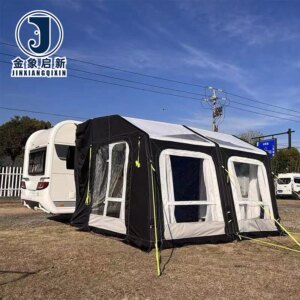
Outdoor Camping Inflatable Tent Luxury All-Season Use PVC Waterproof Quick Automatic Opening Rainproof Insulated
Read more -
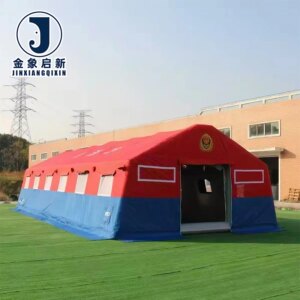
Luxury PVC Inflatable Tent for Glamping Outdoor Waterproof with Quick Automatic Opening Four-Season Foldable Design and Pump
Read more