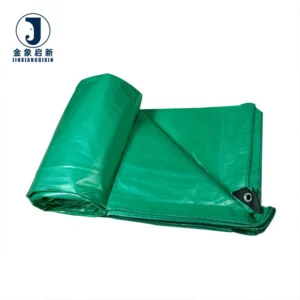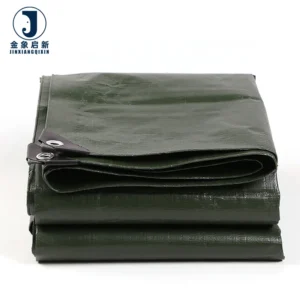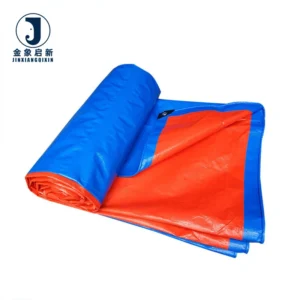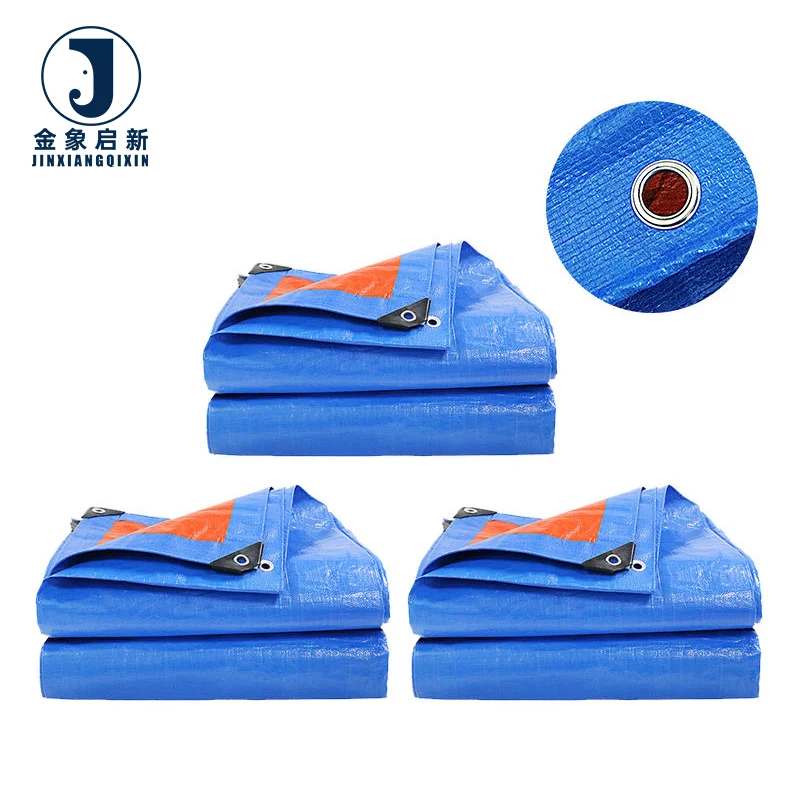
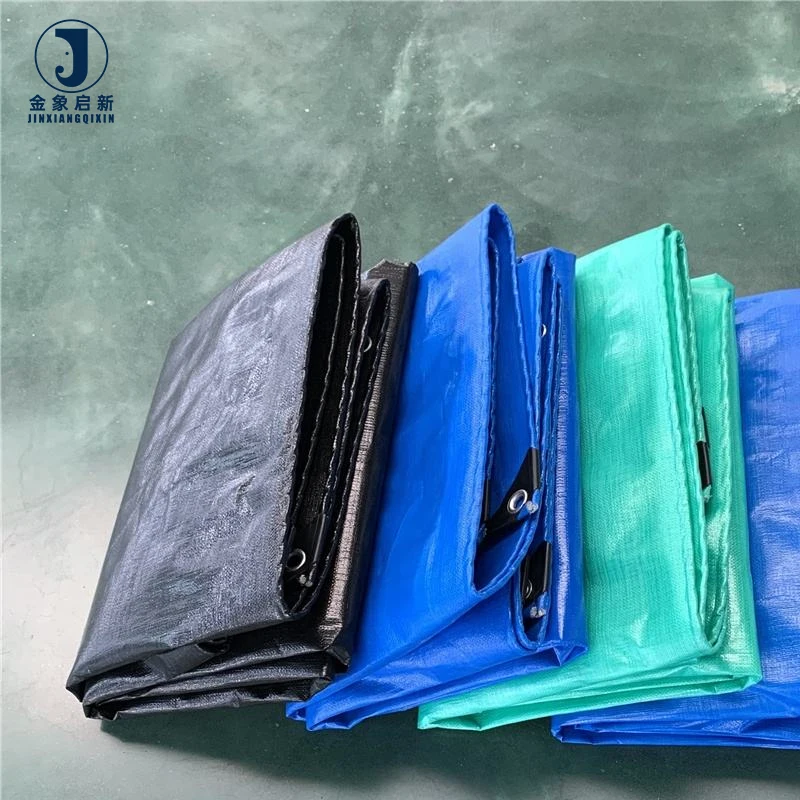
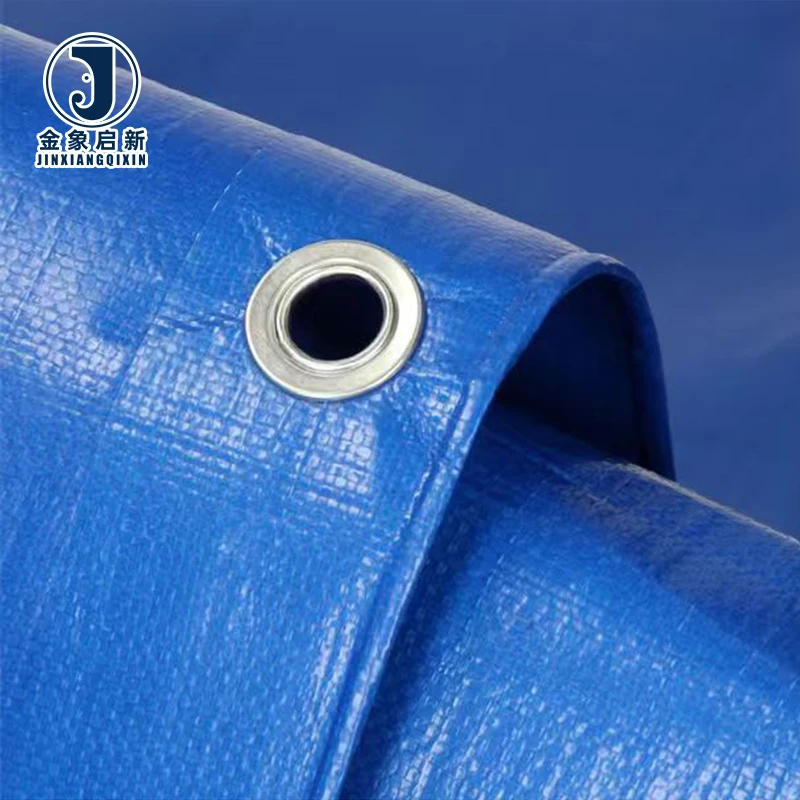
Waterproof PE Tarpaulin — HDPE weaving with LDPE lamination, 50–220 g/m², roll widths up to 6m, galvanized eyelets at 3ft intervals. Knitting density and tensile strength are mapped to lightweight, medium and heavy-duty grades, so specification is driven by load and exposure rather than guesswork. UV treatment available with test documentation on request, and PP rope reinforcement in all four hems prevents edge failure at tie-down points. Backed by 100% pre-shipment inspection, dedicated QA at every production stage, and samples developed within days for custom sizing and colour.
Description
Roll-to-roll consistency control — Every batch of PE tarpaulin is verified against the quoted GSM before it leaves the line, with UV test data shipped alongside the roll so your specification holds up on arrival.
Technical Specifications
| Parameter | Value |
|---|---|
| Product Type | PE Tarpaulin |
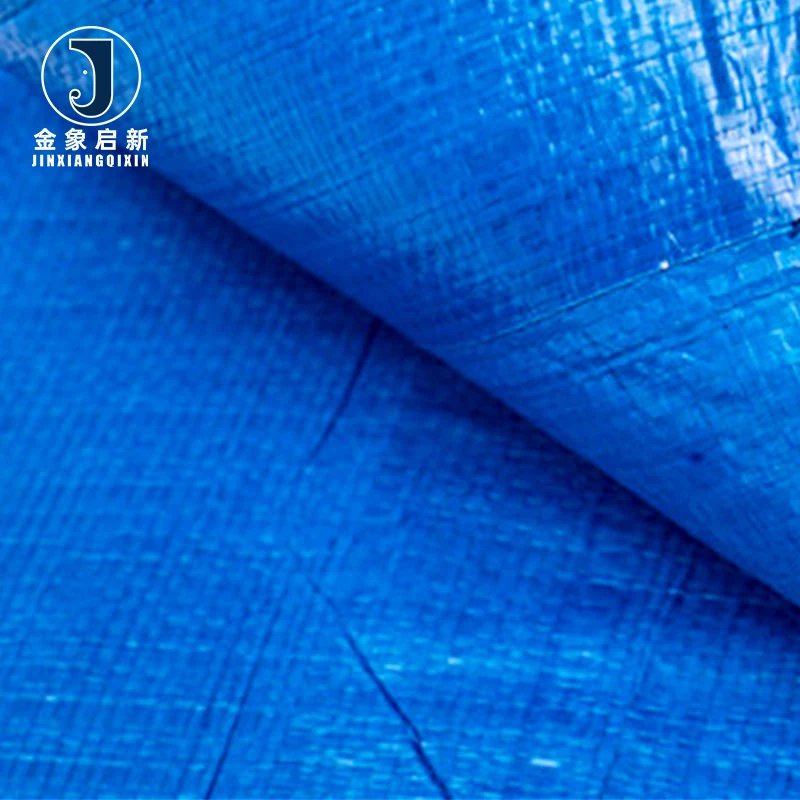
| Material | HDPE weaving with LDPE lamination on both sides |
| Weight (GSM) | 50 g/m² ~ 220 g/m² |
| Thickness | 0.2–0.4 mm / 8–16 mil |
| Knitting Density (Lightweight) | 8×8 |
| Knitting Density (Medium) | 10×10 |
| Knitting Density (Heavy-duty) | 12×12 |
| Tensile Strength (Lightweight) | Meridian 300–500 / Latitude 250–450 N/5cm |
| Tensile Strength (Medium) | Meridian 500–800 / Latitude 400–700 N/5cm |
| Tensile Strength (Heavy-duty) | Meridian 900–1200 / Latitude 700–1000 N/5cm |
| Roll Width Options | 6ft, 8ft, 10ft, 12ft / 2m, 4m, 6m |
| Roll Length Options | 100 yards, 100 meters, or custom |
| Finished Tarpaulin Edge | All four edges reinforced with PP rope in hem |
| Eyelets | Galvanized, every 3ft or 1 meter interval |
| Corners | Reinforced plastic corners |
| Color Options | Blue, Blue/Orange, Green, Grey, Black, Clear, Grey/Green, Orange, or custom |
| Key Features | Waterproof, washable, tear resistant, UV treatment available (confirm grade required for your market), mildew proof, anti-aging |
| Standards | ISO, CE |
Application Suitability
| Application | Exposure & Requirement |
|---|---|
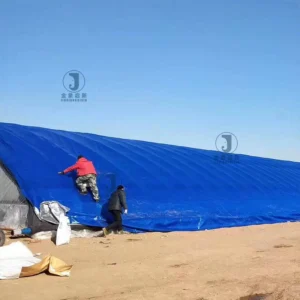
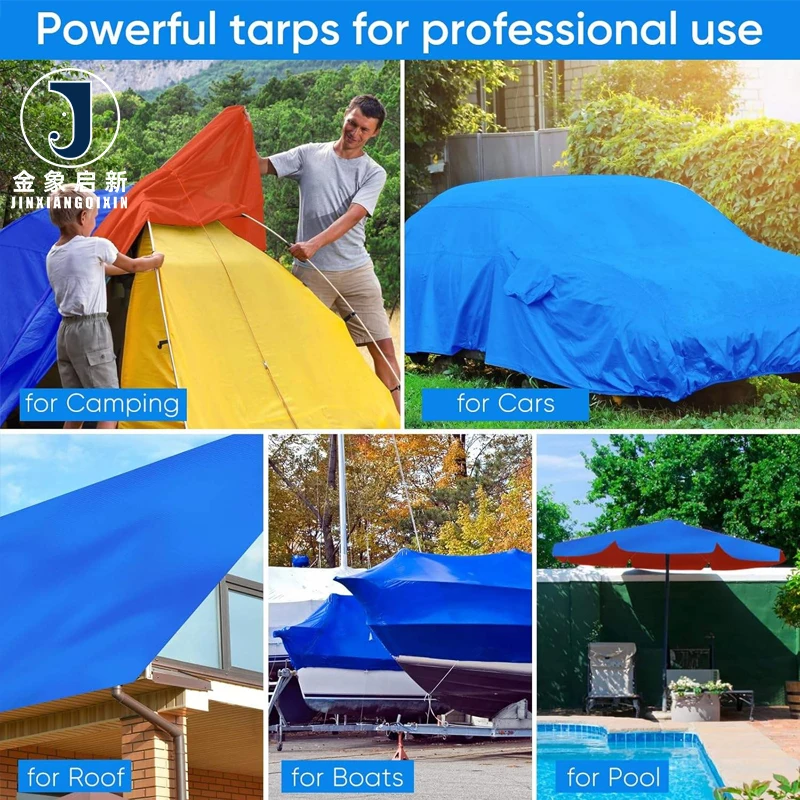
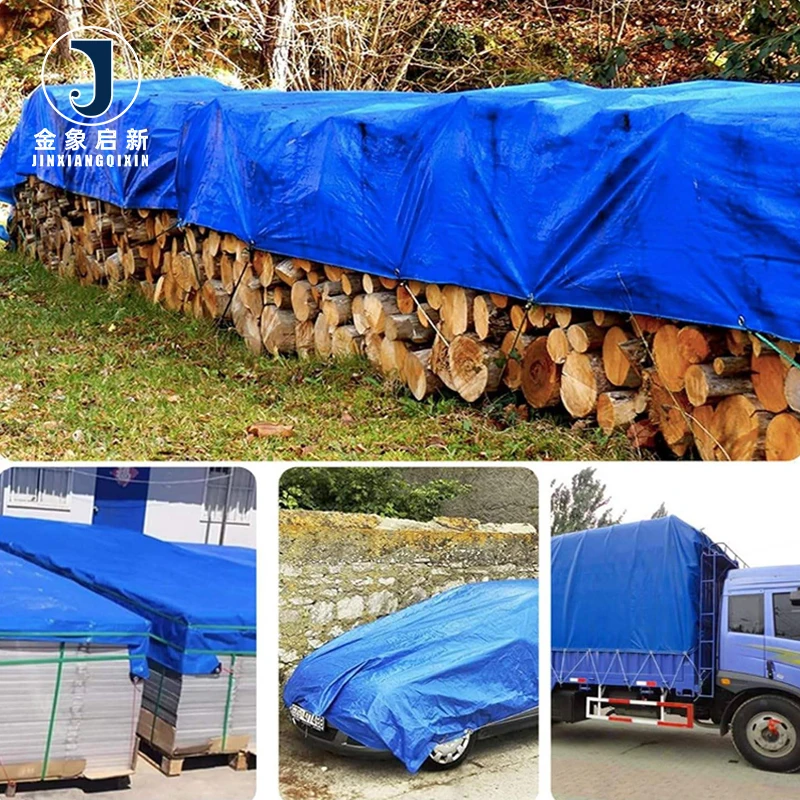
| Agricultural stock covering | Constant sun and rain exposure, mildew risk, need for breathability control and easy handling by farm crews |
| Pond and reservoir lining | Permanent water contact, soil chemistry, puncture risk from substrate, UV exposure at waterline |
| Truck and trailer load cover | Road abrasion, wind flap stress, tie-down point loading at eyelets, UV and weather exposure in transit |
| Warehouse and construction site cover | Temporary shelter from rain and dust, repeated deployment and folding, forklift contact abrasion |
| Tarpaulin distribution and import | Batch consistency across rolls for resale, colour uniformity when sheets are displayed or installed side by side |
Why GSM on the Quotation Does Not Guarantee GSM on Arrival
A stated weight means nothing unless the pre-shipment inspection record matches it roll by roll.
I have seen PE tarpaulin shipments arrive at destination with a measured weight well below what was quoted. One container of waterproof PE tarpaulin was rejected on the dock because the actual GSM fell short of the specification sheet. The cost of a refused shipment goes far beyond the material itself — it delays the buyer’s project, strains the relationship, and forces a replacement order on compressed timelines [NEED_CITE: pre-shipment weight verification protocols for coated fabric imports]. As a PE Tarpaulin aftermarket supplier, the discipline is simple: every roll is sampled and weighed before it is packed, and the inspection record travels with the shipping documentation.
Mapping Knitting Density to the Right Duty Grade
Choosing between lightweight, medium and heavy-duty PE tarpaulin is not about picking the highest number. The knitting density — 8×8, 10×10, or 12×12 — determines how much yarn is in the base fabric, which directly controls both tensile strength and the weight of LDPE lamination the weave can carry. A lightweight 8×8 sheet handles agricultural covering and temporary shelter well, where easy folding and low cost per square metre matter more than load-bearing capacity. Medium 10×10 grades suit warehouse coverage and general transport where the tarp will be deployed and recovered repeatedly. Heavy-duty 12×12 construction is specified for truck tarpaulin work and industrial protective covers where the fabric faces sustained tension at tie-down points.
How Roll Width and Custom Cut Sizes Reduce Waste on Site
Roll widths up to 6 m mean fewer field seams on large coverage areas such as pond liners and construction site enclosures. When a distributor orders PE tarpaulin aftermarket supplier stock, buying in wider rolls cuts the number of heat-welded or taped joints needed on site, and each joint is a potential failure point. For finished tarpaulin orders, custom cutting to project-specific dimensions eliminates the need for the end user to trim and hem on site, which introduces uneven edges and unsealed cuts. Galvanized eyelets spaced at 3ft or 1 meter intervals, combined with PP rope hem reinforcement on all four edges, mean the finished sheet is ready to deploy straight from the package.
What the Tensile Strength Numbers Actually Mean in Use
The tensile strength values across the three duty grades — from 250 N/5cm at the low end to 1200 N/5cm for heavy-duty meridian — reflect how the HDPE woven base and LDPE lamination share the load. Higher knitting density puts more yarn per centimetre in both directions, raising the force required before the fabric stretches or tears. Thickness from 0.2 mm to 0.4 mm correlates with the lamination weight on each side of the weave, adding puncture resistance and waterproof integrity. In practice, a truck tarpaulin that flexes constantly at road speed needs the meridian strength of the heavy-duty grade, while a static warehouse cover can perform well at medium grade without the extra material cost [NEED_CITE: tensile and tear test methods for coated fabrics per ISO 1421]. The key is matching the specification to the mechanical demand, not defaulting to the heaviest option.
The Hidden Cost of Colour Variation Across Rolls in a Single Order
When multiple rolls of PE tarpaulin are installed side by side — on a construction hoarding, a market stall canopy, or a fleet of truck covers — even a slight colour shift between rolls becomes immediately visible. This is not an aesthetic complaint; it signals inconsistent coating weight or lamination temperature during production, which can also mean uneven UV treatment distribution and differing tear behaviour from one sheet to the next. Distributors who resell cut-to-size tarps face customer rejection when colour mismatch shows up after installation. Specifying a colour reference per roll and requiring pre-shipment photos of rolls laid together catches the problem before the container is sealed [NEED_CITE: colour consistency standards for laminated PE fabric batches].
Why Consistent Specification Control Matters for Bulk Buyers
Three full production lines and 36 sets of professional equipment allow this PE Tarpaulin aftermarket supplier to maintain batch uniformity across high-volume orders. A 10-person R&D team handles material selection and sample development so that a custom colour, width or print is locked in before production starts, not adjusted mid-run. Dedicated QA/QC at every production stage with full pre-shipment inspection means each roll is weighed, measured and checked for lamination adhesion before packing. Samples for custom requirements are developed within days, giving buyers a physical reference to approve before committing to a container load. The facility holds ISO and CE certification, and documentation accompanies every dispatch to support import clearance in destination markets.
Documentation & Verification
- Material specification sheet stating base fabric type, lamination weight, colour reference and GSM for every roll
- UV treatment test report included where applicable, confirming the grade required by the destination market
- Pre-shipment inspection record showing actual measured GSM against the quoted value per roll
- Roll packing list detailing roll count, individual roll dimensions and net weight for container loading
- ISO and CE certificates supplied with each shipment alongside certificate of origin and customs documentation
Fabrication, Handling & Storage
- Heat welding temperature should match the LDPE lamination thickness — 0.2 mm sheets require lower settings than 0.4 mm to avoid burn-through
- Galvanized eyelets must be set through the PP rope hem to distribute tie-down load across the reinforced edge, not through the lamination alone
- Rolls stored upright on a flat surface prevent edge crushing that can cause permanent creasing in the HDPE weave
- Unfold sheets at ambient temperature; cold LDPE lamination becomes brittle and may crack at the fold line if handled below freezing
- Clean with mild detergent and water — solvent-based cleaners can degrade the LDPE coating surface and reduce waterproof integrity
- Cut sheets with sealed edge finishing to prevent the HDPE base fabric from fraying and delaminating at the raw edge
Requesting a Specification That Fits Your Project
To move from inquiry to sample, share the intended application, the environmental exposure conditions (UV, wind load, chemical contact), and whether you need roll stock or finished cut-to-size sheets. Specify the target GSM, knitting density grade, colour reference and any UV treatment requirement so that the PE Tarpaulin aftermarket supplier can recommend the right configuration. If you are a distributor, include the roll width and annual volume so that batch consistency and container loading can be planned from the first production run.
Frequently Asked Questions
Q: How do I choose between lightweight, medium and heavy-duty PE tarpaulin for my application?
A: Lightweight 8×8 density suits agricultural covering and temporary shelter where easy handling matters. Medium 10×10 works for warehouse coverage and general transport with repeated deployment. Heavy-duty 12×12 is specified for truck tarpaulin and industrial protective covers facing sustained tie-down tension. Match the knitting density to the mechanical demand, not just the exposure time.
Q: Can I get a custom width, colour or printed branding on roll stock?
A: Yes. Roll widths up to 6 m are available, and custom colours can be matched to your reference. Printed branding is handled by the R&D team during sample development. Approve the physical sample before production starts to confirm colour accuracy, print sharpness and lamination integrity across the full roll width.
Q: How is GSM verified on arrival to match what was quoted?
A: Every roll is sampled and weighed during pre-shipment inspection. The measured GSM is recorded on the inspection report that ships with the container. If the actual weight deviates from the quotation, the issue is caught before dispatch, not after the buyer receives the goods and runs their own verification.
Q: What documentation comes with each shipment for import clearance?
A: Each shipment includes a material specification sheet, roll packing list, ISO and CE certificates, certificate of origin, and customs documentation. Where UV treatment is specified, a test report confirming the grade is also included. These documents support clearance in North American, European and Asian destination markets.
Q: What is the sample development process before committing to a bulk order?
A: Share your application, target GSM, colour, width and any treatment requirements. The R&D team produces a physical sample within days for your approval. Once the sample is signed off, production follows that exact specification with in-process QA checks, so the bulk order matches the approved sample roll for roll.
Related products
-
Multi Use Organic Breathable Plain Water Resistant PE Coated Blackout Heavy Duty Woven Canvas Tarpaulin UV Resistant Industrial
¥0.40 Select options This product has multiple variants. The options may be chosen on the product page -
Custom Made PE Tarpaulin with Eyelets – Waterproof Tear-Resistant
Read more -
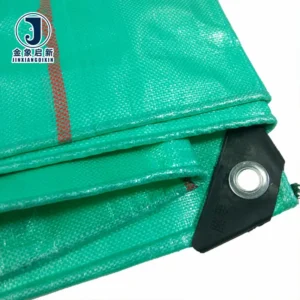
Sunshade Awning Waterproof Cloth. 7X8 Waterproof Polyurethane Waterproof Cloth – Multi-purpose Cover Water tank Waterproof Cloth
¥0.18 Select options This product has multiple variants. The options may be chosen on the product page -
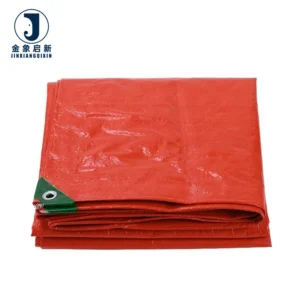
China JINGXIANG PE Coated Waterproof Blackout Truck & Trailer Cover Tarpaulin for Boys & Girls
¥0.35 Select options This product has multiple variants. The options may be chosen on the product page