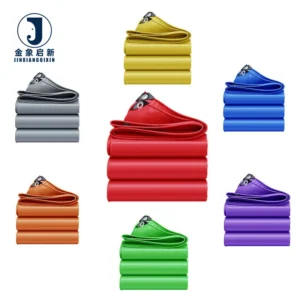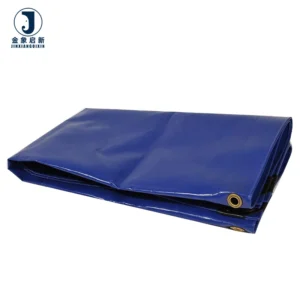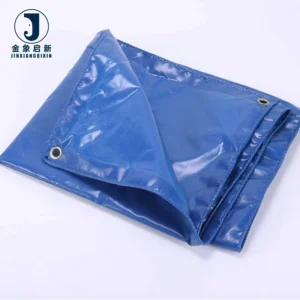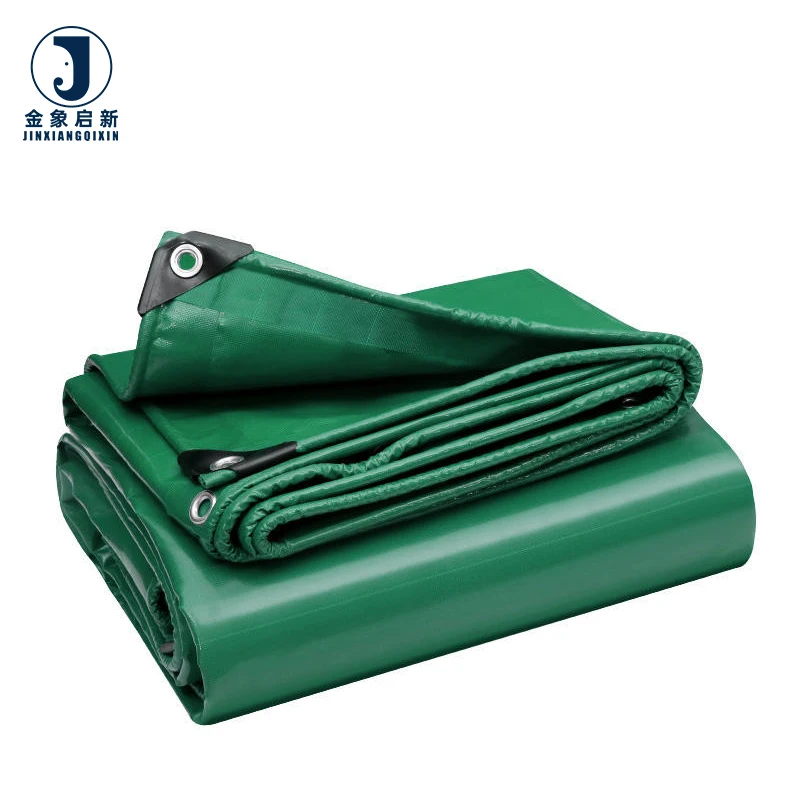
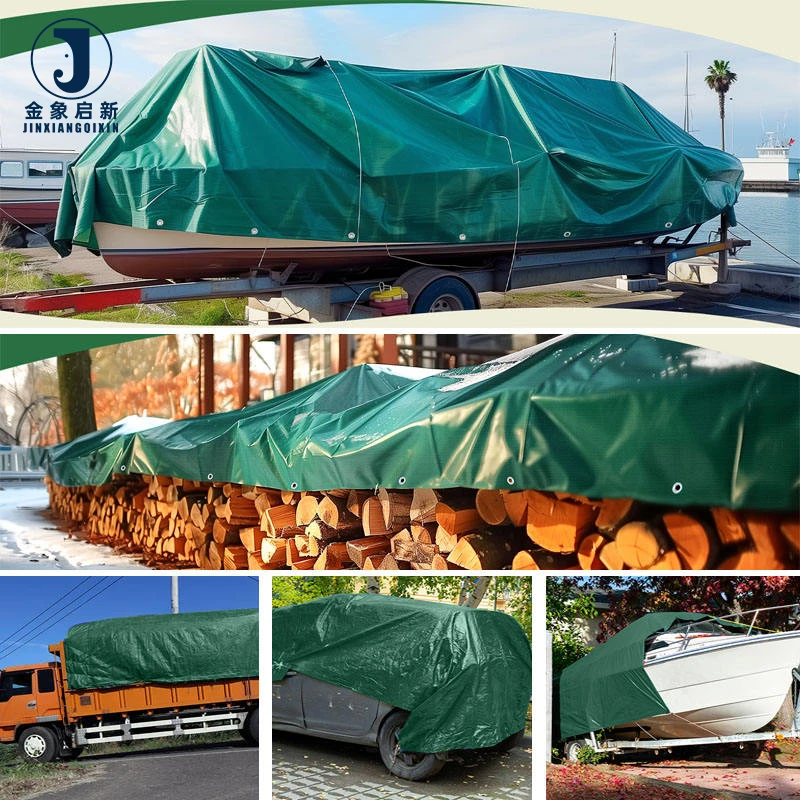
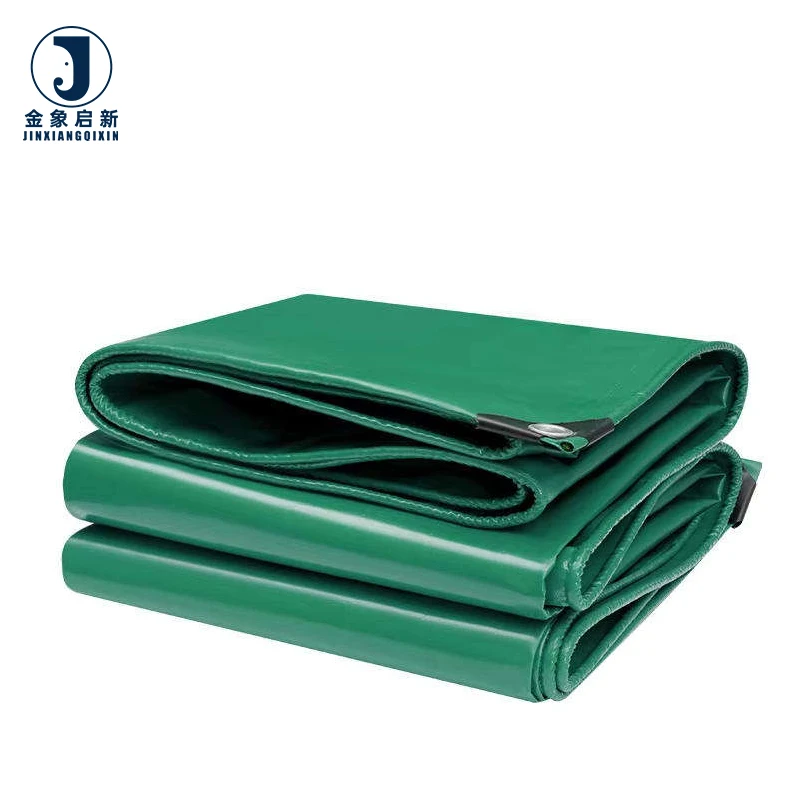
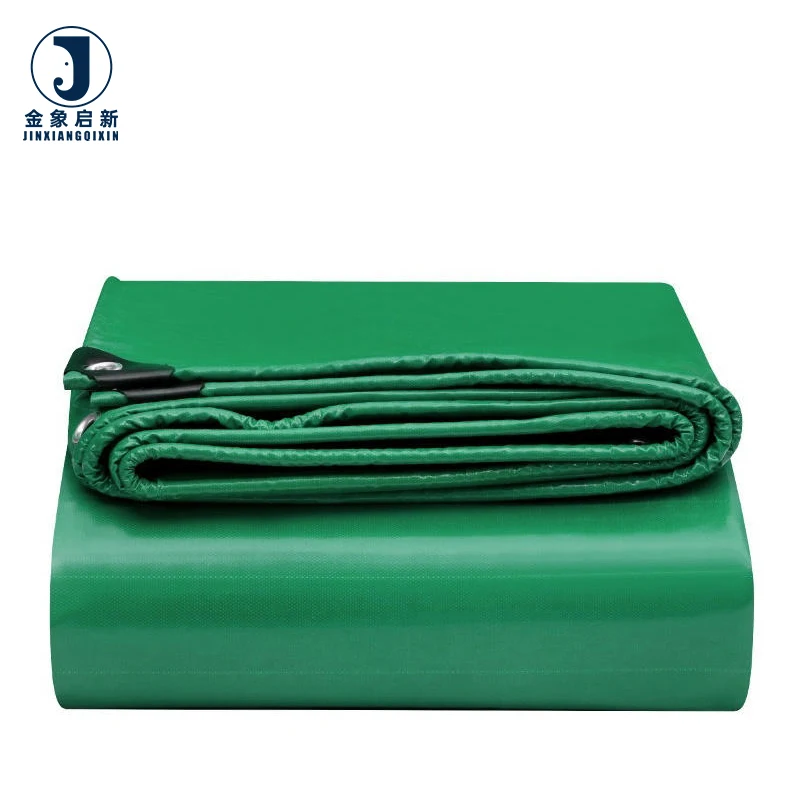
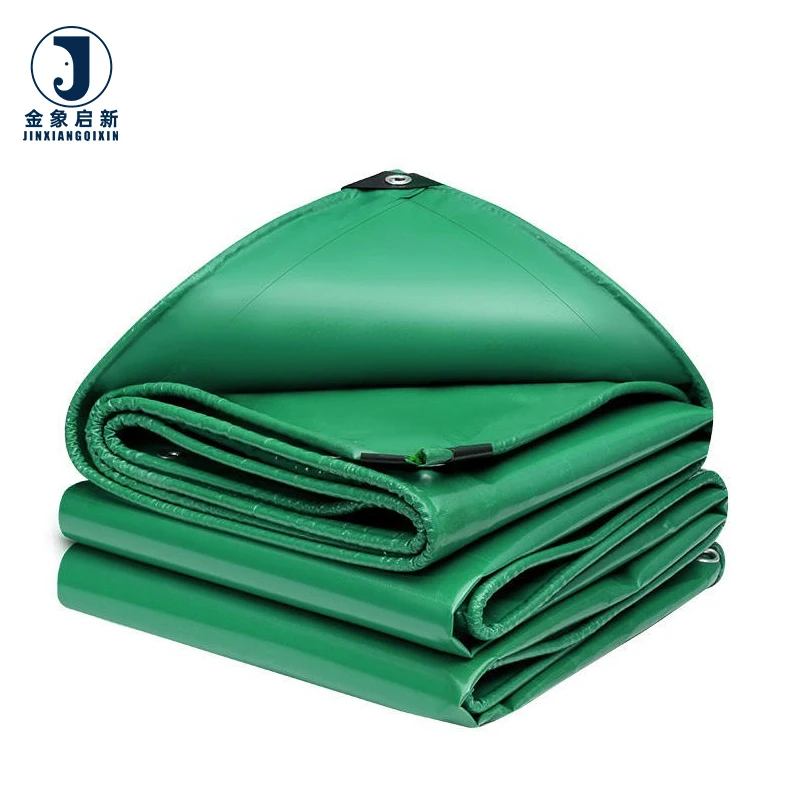
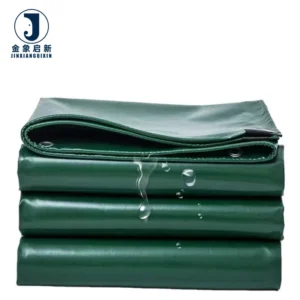
Custom Made PVC Coated Tarpaulin for firewood, roofing, and camping coverage — available in 250gsm–1500gsm with denier options from 200D×300D to 1000D×1000D.
- Waterproof, UV, and anti-fungal treated with glossy or matte surface finish
- Custom sizes from 3×4m to 10×12m or fully tailored dimensions
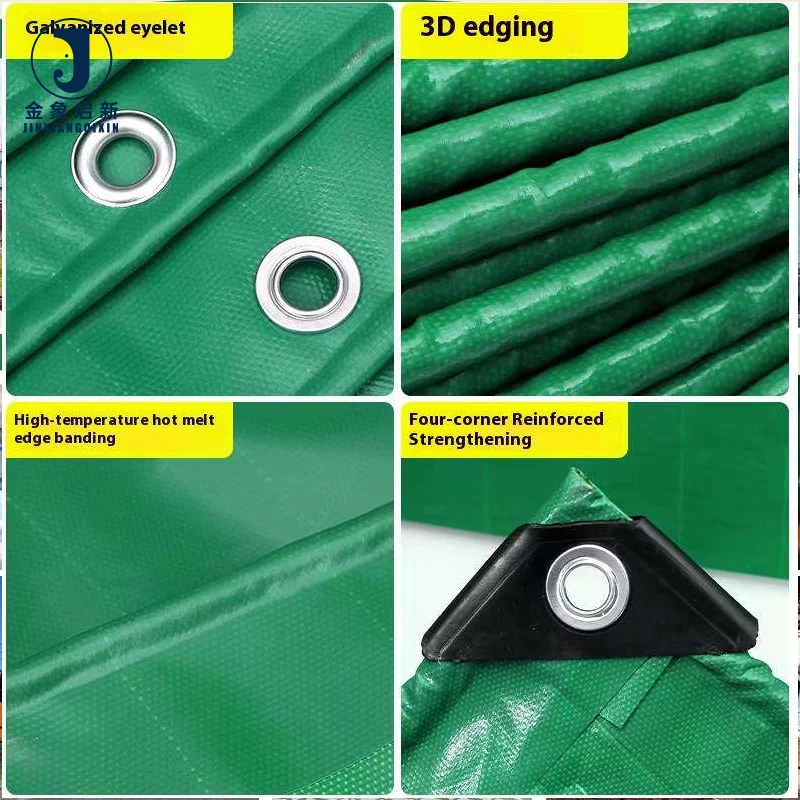
- Welded seam reinforcement at high-stress flex points for lasting durability
Browse the complete tarpaulin range with full customization from design to delivery — GSM and coating weight verified at every production stage. Backed by nearly 30 years of coating expertise, 100% pre-shipment inspection, and dedicated QA across three production lines.
Description
Coating Process Control — Nearly three decades focused on PVC coated fabric production with dedicated QA/QC at every stage, ensuring each roll of PVC Coated Tarpaulin meets the exact GSM, denier, and treatment specifications stated on the quotation.
Technical Specifications
| Parameter | Value |
|---|---|
| Product Type | PVC Coated Tarpaulin |
| Weight Range | 250gsm–1500gsm (confirm grade for your application) |
| Base Fabric Denier | 200DX300D / 500DX500D / 840DX840D / 1000DX1000D |
| Surface Finish | Glossy or matte |
| Temperature Range | -15°C to 70°C |
| Waterproof | Fully coated waterproof construction |
| UV Treatment | Available — confirm UV test basis for your market |
| Flame Retardant | Available in flame retardant grades — confirm the grade required for your market |
| Anti-Fungal | Anti-fungal treated |
| Standard Sizes | 3x4m / 6x8m / 8x10m / 10x12m or custom made |
| Colour Options | Blue, yellow, black, green, white, or custom colour |
| Certifications | ISO, CE |
| OEM/ODM | Warmly welcomed |
Application Suitability
| Application | Exposure & Requirement |
|---|---|
| Firewood covering | Prolonged outdoor stacking, rain and snow ingress, fungal growth risk from trapped moisture |
| Roof protection | UV exposure, wind uplift, temporary weather barrier during construction or repair |
| Camping and patio | Frequent folding and unfolding, UV exposure, requirement for cleanable surface |
| Pool cover | Constant water contact, chemical exposure from treatment agents, UV degradation |
| Boat cover | Saltwater spray, UV exposure, abrasion from hull contact during transport |
| Dump trailer cover | Road debris impact, constant vibration, abrasion from shifting loads, tie-down stress |
Why the Quoted GSM Rarely Tells You the Whole Story About PVC Coated Tarpaulin
GSM alone does not define durability — base fabric denier and coating adhesion determine how the material behaves under real load.
When buyers receive a PVC coated tarpaulin that feels lighter than expected, the issue is often not the scale reading but the relationship between the base fabric and the coating layer. A 650 GSM fabric built on a loosely woven 200DX300D base may weigh the same as one on a tight 1000DX1000D base, yet their tensile and tear behaviour differ significantly. I have seen coated fabric fail not because the PVC layer was too thin, but because the base yarn pulled apart at a stress point the coating could not bridge. [NEED_CITE: relationship between base fabric denier and tensile performance per ISO 1421]
How Denier and Weave Density Shape Real-World Performance
Every PVC Coated Tarpaulin custom manufacturer understands that denier selection drives more than weight — it defines how the fabric resists tearing when a corner catches on a trailer edge or when wind loads a firewood stack. The 200DX300D option suits lighter covers where flexibility matters, while the 1000DX1000D base provides the yarn density needed for dump trailer applications where the material flexes and abrades constantly. Matching denier to application is the first decision that separates a cover lasting through multiple seasons from one that tears at the first sign of load shift.
Coating Adhesion and the Weld Line Problem
The point where two panels join by heat welding is often the first failure point on any coated tarpaulin. [NEED_CITE: welded seam strength testing methods for PVC coated fabrics] If the coating formulation does not bond properly to the base fabric, the weld holds while the surrounding material delaminates under flex. Our production process controls coating weight and adhesion at every stage, with a 10-person R&D team adjusting formulation and heat settings to ensure the weld zone performs at parity with the body fabric. This matters most on dump trailer covers and truck tarps where load movement creates repeated stress at every seam.
Reading the Specification Sheet Beyond the GSM Number
When you review a material specification for PVC coated tarpaulin, the GSM value is only the starting reference. The base fabric denier tells you how the yarn structure will resist tensile load. The surface finish — glossy or matte — affects how dirt and water interact with the face. The temperature range of -15°C to 70°C defines where the coating stays flexible versus where it may stiffen in cold storage or soften on a hot roof. Together, these parameters determine whether the fabric suits your specific exposure conditions, not just whether it meets a weight target.
What Happens When Specifications Are Selected on Price Alone
Choosing the lowest GSM that fits a budget often means accepting a lighter base fabric with less coating adhesion. The result appears months later: a firewood cover that cracks along fold lines after one winter, or a pool cover where the surface coating flakes away from the base yarn. Batch-to-batch inconsistency compounds the problem — when the PVC coating weight drifts between production runs, some rolls in the same shipment underperform while others meet spec. [NEED_CITE: coating weight variability and its effect on long-term field performance] This is why every roll undergoes 100% inspection before dispatch, with a pre-shipment record that documents actual GSM and visual consistency.
Why Sourcing PVC Coated Tarpaulin From a Specialist Matters
Our facility runs three full production lines with 36 sets of professional equipment dedicated to coated fabric, not shared with unrelated product categories. This focus means the coating process parameters — temperature, speed, tension — are optimised for PVC adhesion rather than adjusted across incompatible materials. The R&D team develops samples within days for custom size, colour, and treatment combinations, allowing you to verify the material before committing to bulk. Every order ships with a material specification sheet confirming the exact GSM, base fabric denier, and coating weight for each line item.
Documentation & Verification
- Material specification sheet stating exact GSM, base fabric denier, and coating weight per roll
- UV and flame retardant test reports supplied where treatment is specified on the order
- ISO and CE certificates included with every shipment for customs and compliance
- Pre-shipment inspection record documenting weight verification and visual consistency before dispatch
- Roll packing list with lot traceability for batch-level quality tracking
Fabrication, Handling & Storage
- Heat welding temperature should match the coating formulation — confirm parameters for glossy or matte finish before production
- Reinforce tie-down points with additional fabric patches at high-stress areas to prevent yarn pull-through
- Store rolls vertically or on wide-diameter cores to prevent permanent creasing in the coating layer
- Allow cold-stored rolls to reach ambient temperature before unrolling to avoid surface cracking below -15°C
- Use mild detergent and soft brush for cleaning — abrasive scrubbing damages the coating surface finish
- Cut panels with allowance for hem folding to maintain waterproof integrity at edges
What to Include in Your Enquiry
To receive an accurate specification recommendation, share the intended application and the primary exposure conditions — whether that is UV load, mechanical abrasion, or chemical contact. Specify whether you need cut-to-size panels or full rolls, and indicate the target colour with a RAL or Pantone reference if colour consistency across multiple rolls is critical. If your market requires flame retardant or UV treatment, state the applicable standard so we can confirm the grade and supply the matching test documentation with your shipment.
Frequently Asked Questions
Q: How do you verify the actual GSM weight matches the quotation?
A: Every roll is weighed and inspected during pre-shipment QC. The inspection record documents the actual GSM for each roll against the stated specification. This record ships with your order, so you can verify on arrival that the material you received matches what was quoted — not a lighter substitute.
Q: What test reports support the UV and flame retardant treatment claims?
A: Where UV or flame retardant treatment is specified on your order, we supply the corresponding test report. The report references the test method and grade achieved. Confirm the specific standard required for your market so we can match the correct treatment grade to your order.
Q: Can you match a specific RAL or Pantone colour across multiple rolls?
A: Yes. Our production lines handle custom colour matching with dedicated QA checks for roll-to-roll consistency. The pre-shipment inspection includes visual comparison across all rolls in the order to confirm colour uniformity before dispatch.
Q: What is the typical sample development timeline for custom requirements?
A: Our R&D team develops samples within days for custom size, colour, and print requirements. The sample allows you to verify weight, finish, and treatment before bulk production begins, reducing the risk of specification mismatch on the full order.
Q: Which documentation do you provide for customs and quality verification?
A: Each shipment includes the material specification sheet, ISO and CE certificates, certificate of origin, pre-shipment inspection record, and roll packing list. Additional customs documentation is prepared according to the destination country’s import requirements.
Related products
-
Factory Custom 9×11 Poultry Curtains Tarpaulin PVC Coated Waterproof Anti-Static Eco-Friendly Tarp for Chicken Coop Boys Girls
¥0.90 Select options This product has multiple variants. The options may be chosen on the product page -
450gsm Green Heavy-duty Waterproof Tarps & Groundsheets Pvc Tarpaulin
¥1.25 Select options This product has multiple variants. The options may be chosen on the product page -
JX PVC Waterproof Fabric High-strength Sheeting for Industrial and Outdoor Coverings
¥1.90 Select options This product has multiple variants. The options may be chosen on the product page -
Pvc Coated Waterproof Tarpaulin Heavy Duty Tarp for Tent Roof Stocklot Lumber
¥1.60 Add to cart