SKIP: no identifier
Description
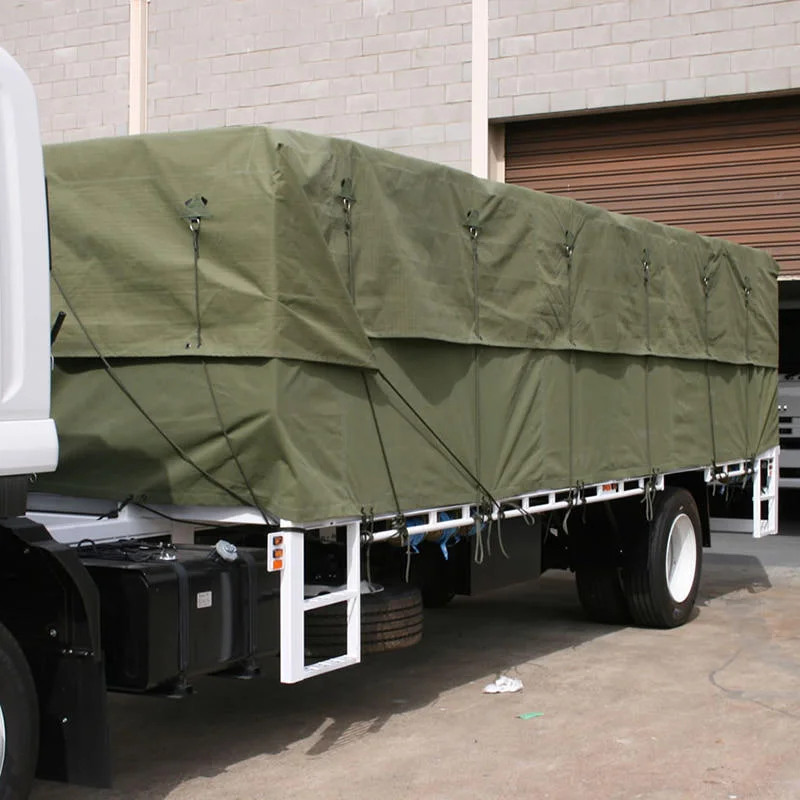
Custom Pattern Cutting — Every truck canopy roll is cross-checked against the vehicle model template before cutting, preventing the two-finger gap that splits seams under tension.
Technical Specifications
| Parameter | Value |
|---|---|
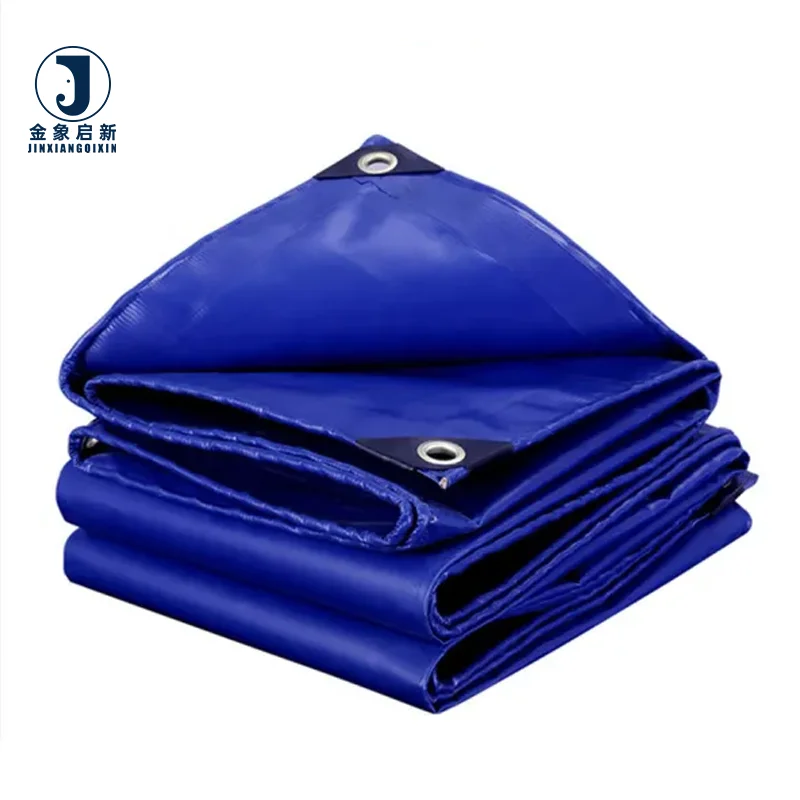
| Product Type | PVC Knife-Coated Fabric |
| Base Material | PVC + High-strength polyester mesh fabric |
| Weight Options | 350gsm / 420gsm / 500gsm / 550gsm / 600gsm / 750gsm |
| Thickness Options | 0.32mm / 0.35mm / 0.4mm / 0.45mm / 0.5mm / 0.65mm |
| Coating Technology | Laminated technology & Hot-melt Coating technology |
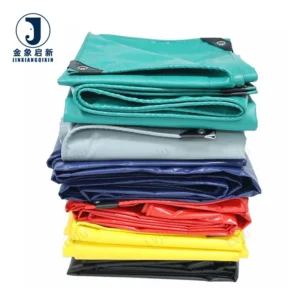
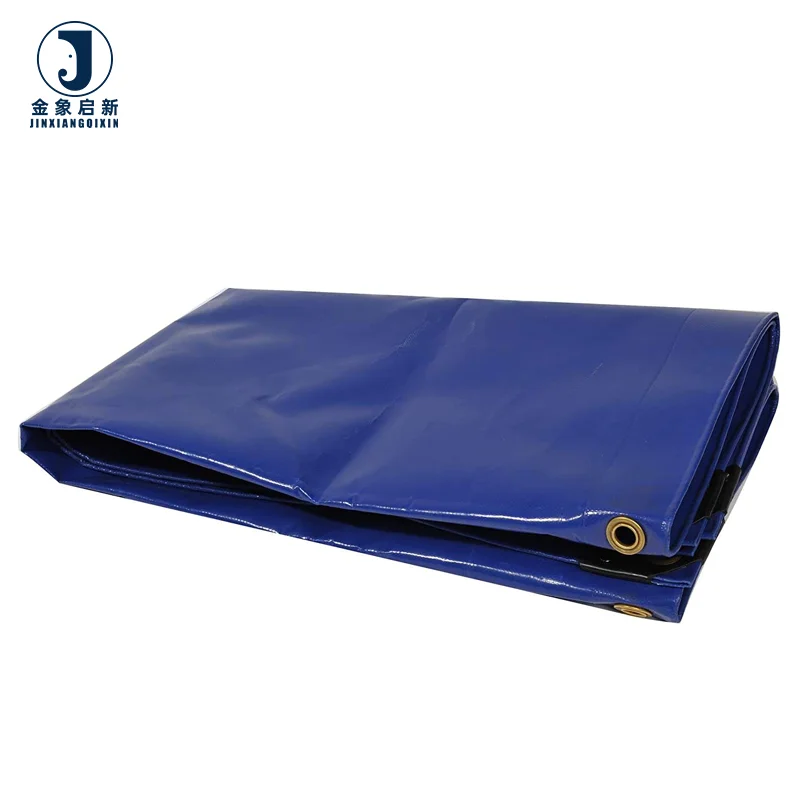
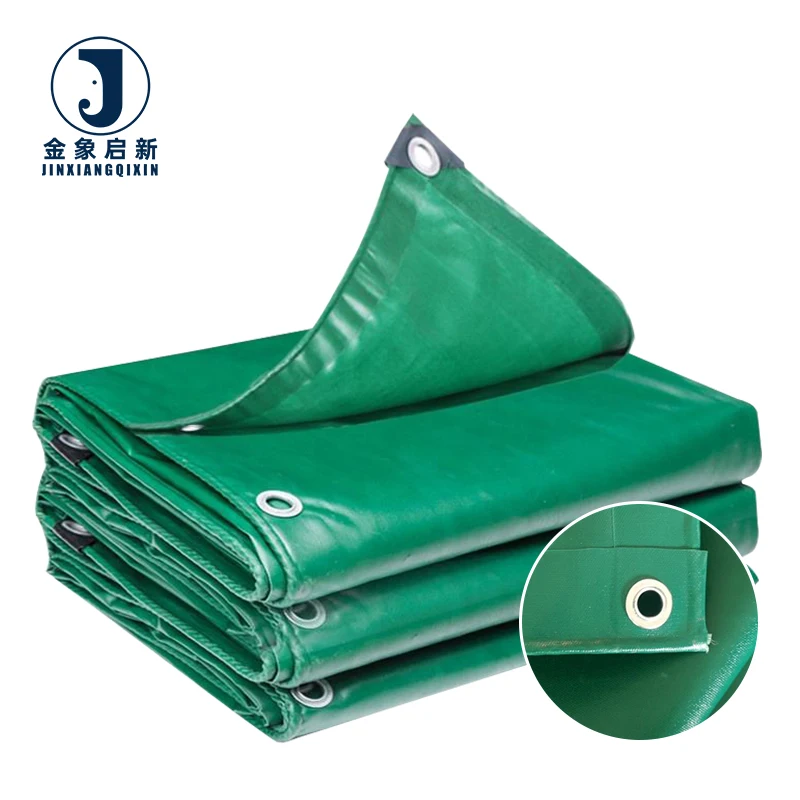
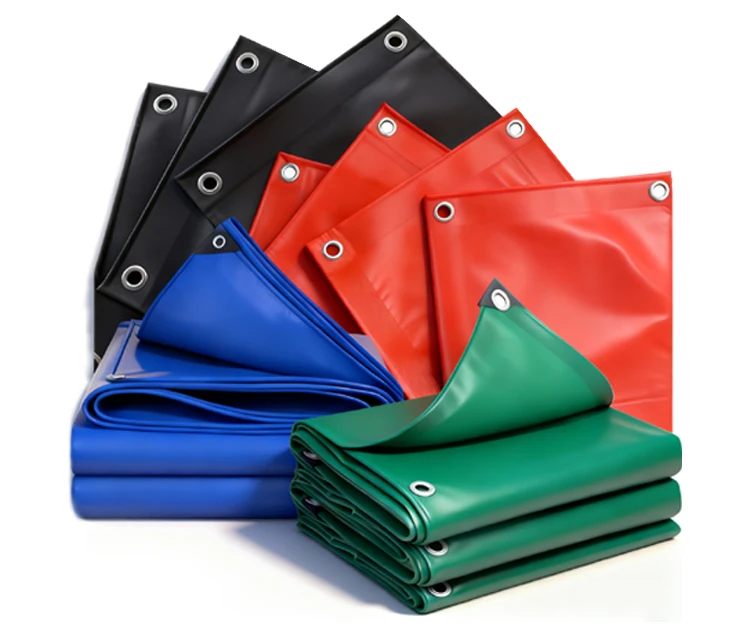
| Color Options | Blue / Red / Yellow / Light Blue / Grey (Customizable) |
| Roll Size | 2m width × 75m length / 2.1m width × 50m length |
| Finish Product Size | Custom items as per customer’s needs or sold by inventory |
| Key Features | Waterproof, Cold Crack Resistance, Anti-Mildew, Anti-Static treatment, Sunproof, Best color fastness, Outstanding tearing strength for welding |
| Service Life | 3-7 years under normal circumstances |
Application Suitability
| Application | Exposure & Requirement |
|---|---|
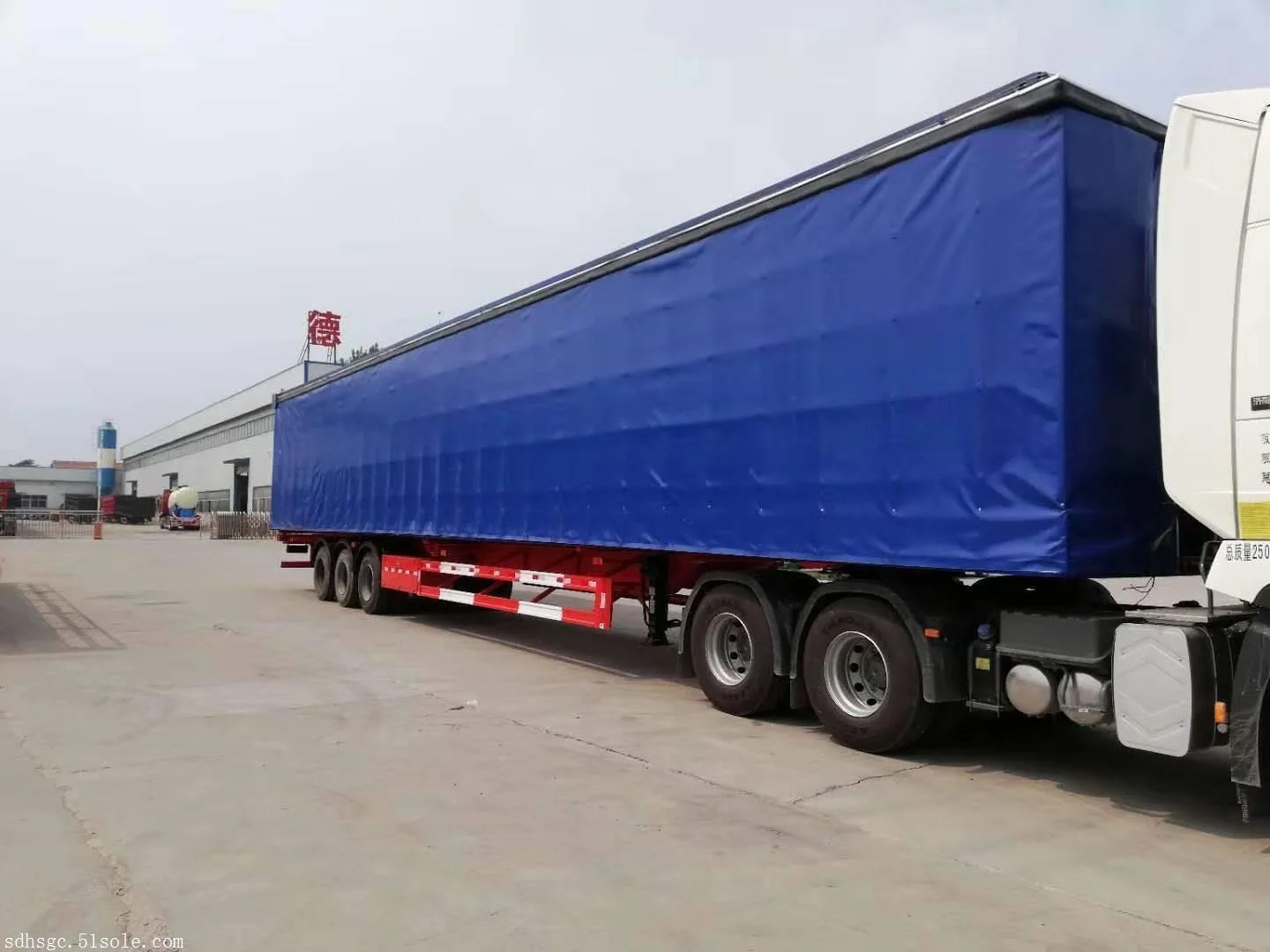
| Truck canopy and side curtain | Constant flexing at tie-down points, road debris abrasion, prolonged UV and rain exposure |
| Trailer cover and lorry tarpaulin | High-speed wind load, repeated folding and unfolding, colour matching across fleet panels |
| Tent and awning cover | Extended outdoor weathering, structural tension at frame contact points, visual appearance |
| Fish tank and pool liner | Permanent water contact, chemical exposure from treatment agents, puncture risk from substrate |
| Cargo ship deck cover | Salt spray, heavy mechanical load, large panel welding requiring consistent peel strength |
Why Specified GSM Still Delivers a Canopy That Fails Early
GSM tells you what the fabric weighs, not how it holds up at the weld line under road vibration.
I have watched fleet operators receive truck covers that matched the quoted GSM perfectly, yet the seams opened within months. The problem was not the fabric weight — it was the base fabric denier and weave density underneath the coating. A PVC Knife-Coated Fabric aftermarket supplier can deliver the correct number on the scale while using a looser mesh that starves the weld zone of fibre. When a truck canopy flexes at a corner gusset, the coating transfers load to the yarn. If the yarn count is low, the weld peels before the fabric tears [NEED_CITE: tensile and tear test methods for coated fabrics per ISO 1421]. That is why our material specification sheet breaks out base fabric construction separately from coating weight, so you can verify both before the container ships.
Matching Yarn Density to the Flex Pattern of Your Truck Model
Different trailer shapes create different stress maps across a canopy panel. A flat-sided box trailer loads the fabric evenly, while a curved curtain-side body concentrates force along the track rail and the bottom hem. Selecting the right PVC Knife-Coated Fabric aftermarket supplier means sharing the vehicle profile so the base fabric denier and weave can be matched to that load path. Higher thread count in the warp direction resists the vertical pull of curtain tensioners, while a balanced weave suits flat covers that see multi-directional wind lift.
Coating Method and Its Effect on Weld Consistency
Laminated technology bonds the PVC film to the mesh under heat and pressure, producing a uniform coating thickness that welds predictably across the roll. Hot-melt coating penetrates deeper into the mesh, which can increase peel strength but demands adjusted welding temperature to avoid trapping air. For truck canopy fabrication, where dozens of panels are welded in sequence, repeatable heat-seal behaviour matters more than peak bond strength on a single test strip [NEED_CITE: hot-melt versus laminated coating adhesion comparison for PVC tarpaulin].
Reading the Specification Sheet Beyond the GSM Number
Weight per square metre is the most quoted figure in tarpaulin procurement, yet it is the composite result of base fabric mass, coating mass, and any surface treatment applied. Two rolls both labelled 550gsm can differ in tensile behaviour if one carries a heavier coating on a lighter mesh. The hot-melt coating process in this PVC Knife-Coated Fabric pushes PVC into the interstices of the polyester mesh, improving adhesion and reducing the chance of delamination at folded hems. Thickness readings from 0.32mm to 0.65mm correspond to the range of coating builds available; thicker sections resist puncture from sharp cargo edges but add roll weight and handling effort on site. Cold crack resistance and anti-mildew treatment extend usable temperature range and prevent fungal staining in humid storage, both relevant to fleets operating across seasonal climates. Anti-static treatment is available for environments where dust attraction or spark risk must be managed — confirm the grade required for your market. Colour fastness rated as "best" within the product family means pigment loading is proportioned to the coating mass, so panels cut from different rolls in the same batch install side by side without visible shade variation.
The Cost That Shows Up After the Container Arrives
When a truck canopy fails at a welded seam, the fleet operator faces more than a replacement panel. The vehicle is off the road, the load is exposed, and the transport schedule collapses. I have seen heavy-grade coated rolls come back because the weld parameters set for a lighter fabric were not adjusted, burning through the coating at the seam edge. Mismatched colour across rolls forces the installer to reject an entire batch rather than accept a two-tone truck. A flame-retardant canopy that arrives without a test report matching the site requirement means the structure cannot pass inspection, and the contractor absorbs the delay [NEED_CITE: DIN 4102 fire classification for building materials]. These are the failures that do not appear on a quotation comparison spreadsheet.
Why Procurement Teams Consolidate Their Coated Fabric Here
Three full production lines run simultaneously, so a mixed order of 350gsm tent fabric and 750gsm truck canopy material ships in the same container without one grade waiting on the other. The ten-person R&D team develops cut-to-size samples against your vehicle template before bulk cutting begins, catching fit issues at the sample stage rather than on the loading dock. Every roll passes 100% pre-shipment inspection with GSM spot-checked against the specification sheet, eliminating the weight discrepancy dispute. Colour reference numbers are recorded per production batch, so a reorder six months later matches the original canopy shade. Custom widths and lengths are produced on standard lead times without the inflated minimums that fragment small fleet orders across multiple suppliers.
Documentation & Verification
- Material specification sheet stating base fabric denier, coating weight, and colour reference per roll
- GSM verification record comparing actual roll weight against the stated grade before dispatch
- Test report for anti-mildew and cold crack resistance treatment where applicable to the order
- Pre-shipment inspection record with photograph evidence of roll condition and labelling
- Roll packing list with net weight and dimensions for container loading calculation
- Certificate of origin and customs documentation for cross-border shipment
Fabrication, Handling & Storage
- Adjust hot-air weld temperature between laminated and hot-melt coated rolls to maintain consistent peel strength
- Allow 600gsm and 750gsm rolls to acclimatise before unrolling in cold conditions to prevent coating crack
- Store rolls upright on pallets to avoid flat spots that telegraph through to the finished canopy surface
- Use a polyester-compatible thread and UV-stable tape at hem folds to match the base fabric strength
- Cut panels with a 15mm weld overlap allowance to ensure full encapsulation of the mesh at seams
- Clean finished canopies with mild detergent only; solvent cleaners attack the PVC plasticiser layer
What We Need to Quote Your Canopy Accurately
Send the truck or trailer model designation, the panel dimensions or drawing, and the target GSM range so we can recommend the matching base fabric construction. Specify any treatment requirement such as flame retardant grade or anti-static classification for your operating environment. Confirm whether you need roll stock for your own cutting line or finished panels welded to size, and indicate the colour reference or sample swatch for batch matching.
Frequently Asked Questions
Q: What GSM grade is suitable for truck canopy versus tent cover applications?
A: Truck canopy panels typically call for heavier grades in the 550gsm to 750gsm range to withstand road abrasion and tie-down tension, while tent covers often perform well at 350gsm to 500gsm where weight savings matter. We recommend sharing the specific vehicle model or tent frame design so we can match the base fabric denier to your load pattern rather than selecting on GSM alone.
Q: Can custom width and colour be produced with low minimum order?
A: Custom widths and Pantone-matched colours are available across all GSM grades on our production lines. Minimum quantities depend on whether you need roll stock or finished cut-to-size panels. We develop a sample roll or panel first so you can verify colour, hand feel, and weld behaviour before committing the full production run.
Q: How is colour consistency maintained across multiple rolls in one order?
A: Each production batch is assigned a colour reference number, and pigment formulation is locked once the first roll passes visual and instrumental shade checks. Rolls within the same batch ship together so panels installed side by side on a fleet of trucks show no visible colour variation when viewed in daylight.
Q: What documentation is provided for flame retardant and anti-static treatment claims?
A: Where the order includes flame retardant or anti-static treatment, we supply a test report from an accredited laboratory stating the grade achieved and the standard applied. This report travels with the shipment documentation so your site inspector or compliance team can verify the material against their project specification upon arrival.
Q: What is the difference between laminated and hot-melt coating technology?
A: Laminated technology bonds a pre-formed PVC film to the mesh under heat and pressure, giving uniform thickness and predictable weld behaviour. Hot-melt coating forces liquid PVC into the mesh interstices, improving peel strength but requiring weld parameter adjustment. We recommend the method based on your fabrication setup and the end-use flex demands of the canopy panel.
Related products
-
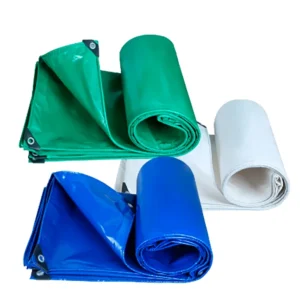
JX Customizable Waterproof Anti-UV Knife Tarpaulin Tents Canopies Awnings PVC Coated Plain Style Wrinkle Resistant Solid
¥2.49 Add to cart -
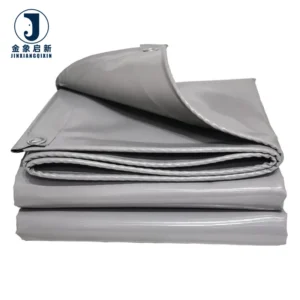
Custom 500-600GSM PVC Knife-Coated Fabric for Tents – Full Range
Read more -
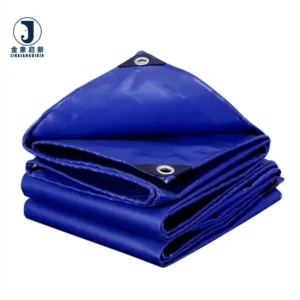
Custom PVC Knife-Coated Tarpaulin for Railway Wagon
Read more -
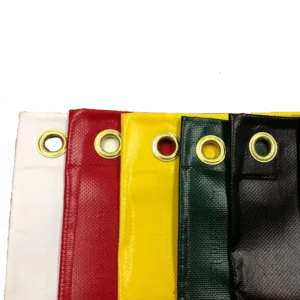
300-600gsm Heavy Duty PVC knife-coated Fabric Tarpaulin roll or Customization
¥0.83 Select options This product has multiple variants. The options may be chosen on the product page