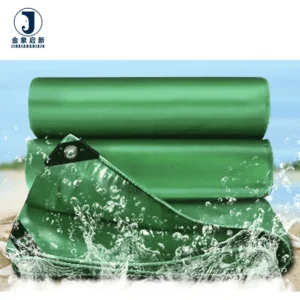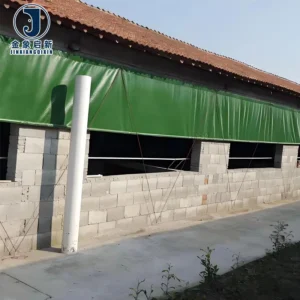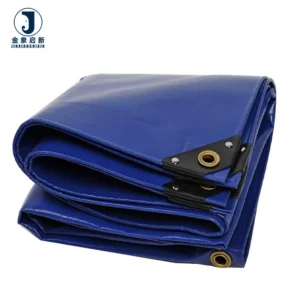
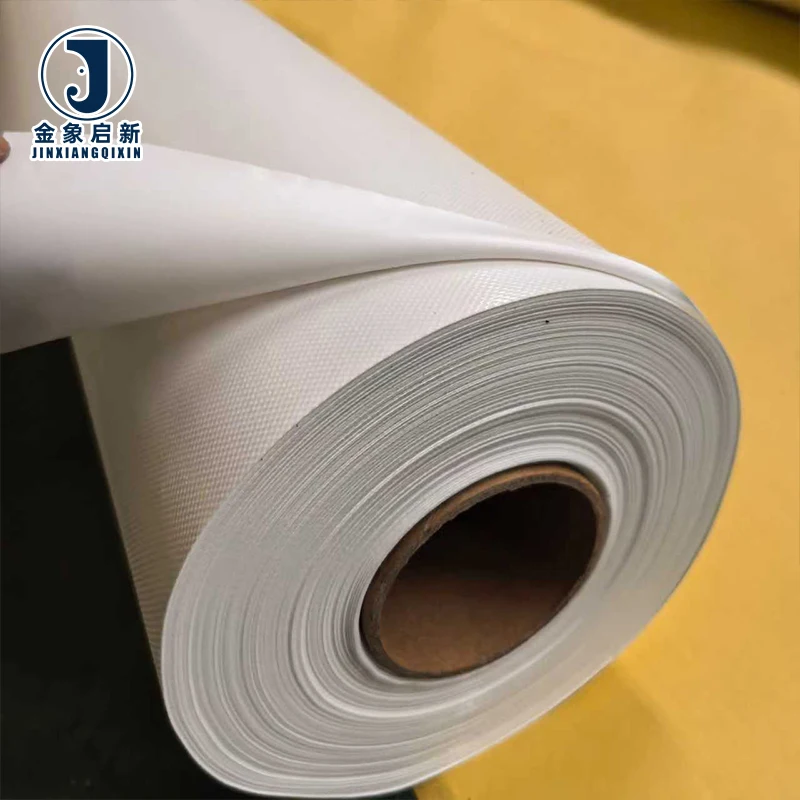
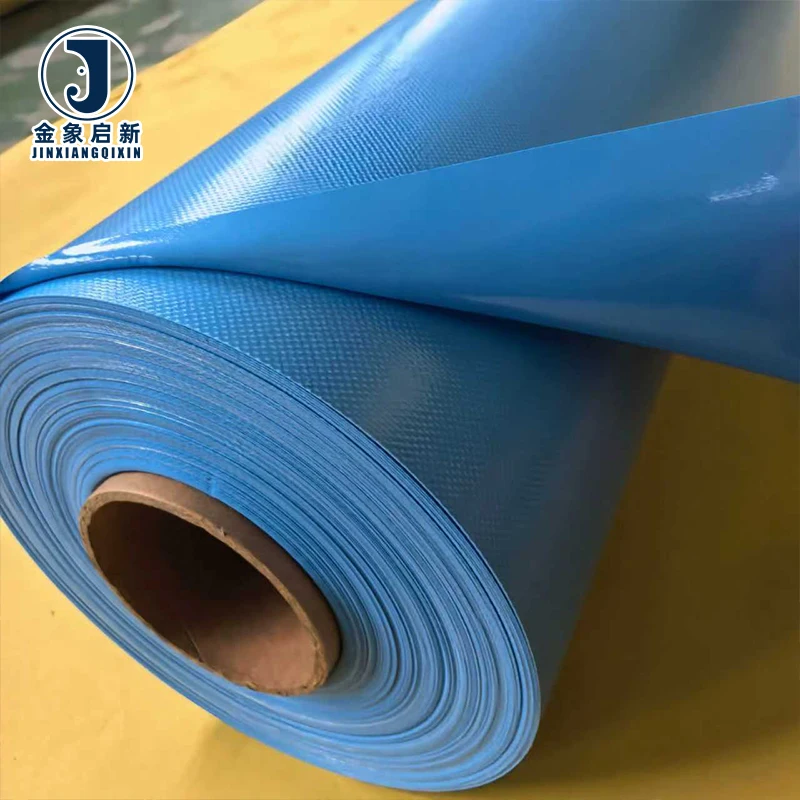
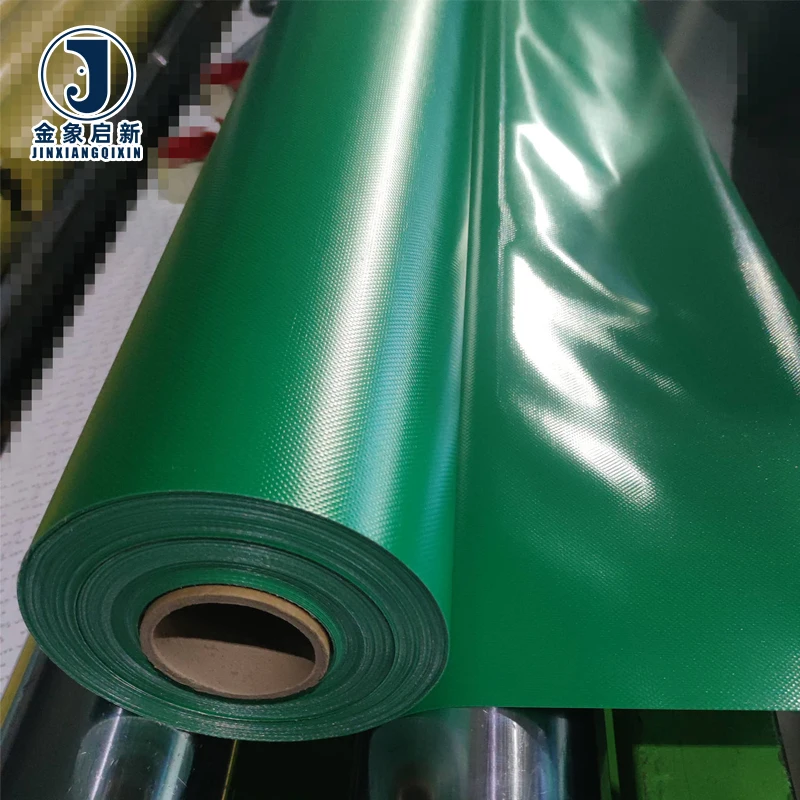
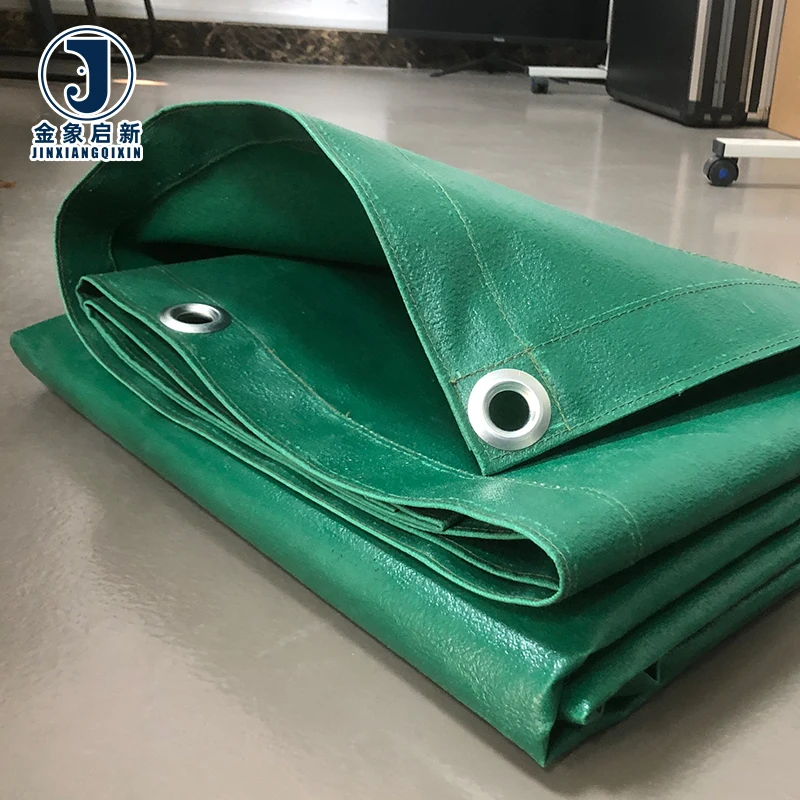
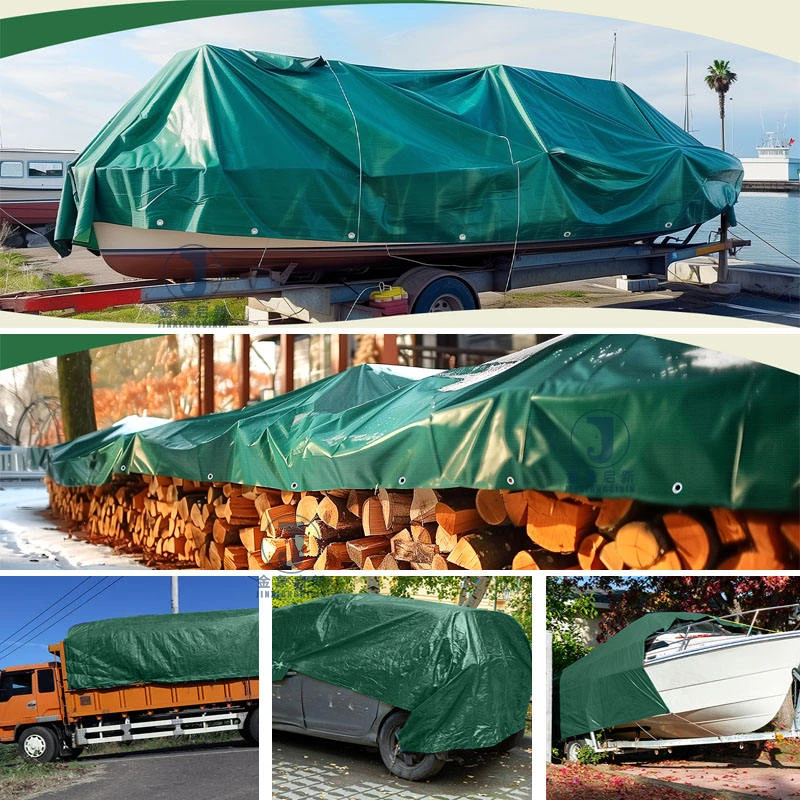
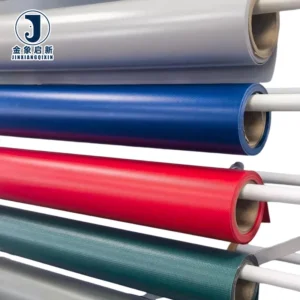
PVC Coated Tarpaulin Roll, 1000D Base Fabric — fire retardant, UV resistant, with high tensile and tearing strength for tent and shelter fabrication.
- Engineered for tensile structures, event tents, and architectural membrane applications where coating adhesion and weld integrity matter as much as base fabric denier
- HF, hot air, and sewing compatible — surface self-cleaning treatment reduces maintenance on installed shade systems and portable storage structures
Backed by 100% pre-shipment inspection and a dedicated QA/QC process at every production stage, with samples developed within days for custom width or treatment requirements.
Description
Deep Coating Process Control — Every roll of this 1000D PVC tarpaulin undergoes verified coating weight and adhesion checks across all production stages before leaving our facility.
Technical Specifications
| Parameter | Value |
|---|---|
| Product Type | PVC Coated Tarpaulin |
| Base Fabric | 1000D |
| Key Features | Tensile, tearing and peeling resistance |
| Treatment Options | Fire retardant, UV resistance, antibacterial, mildew proof, oil and stain resistance, acid and alkali resistance (grades available — confirm the specific grade required for your market) |
| Temperature Resistance | High temperature and cold resistance |
| Weather Resistance | Anti-oxidation and weather-resistant |
| Flexibility | Highly flexible, resistant to cracking |
| Surface | Self-cleaning system, easy maintenance |
| Welding Compatibility | HF, Hot Air, Sewing |
Application Suitability
| Application | Exposure & Requirement |
|---|---|
| Event and exhibition tents | Repeated assembly and teardown, UV exposure, crowd contact, flame-retardant compliance for public venues |
| Tensile and architectural membrane structures | Permanent outdoor tension loads, wind uplift, solar radiation, long-term weathering |
| Portable storage structures | Weather sealing, abrasion from stored goods, forklift and handling contact |
| Stadium roofs and airport hangars | Large-span tension, UV and thermal cycling, fire safety codes for public infrastructure |
| Shade systems | Continuous solar exposure, wind load, colour stability across installed panels |
Why Test Reports Matter More Than Claims on a PVC Tarpaulin Roll
A treatment claim without a test report is just marketing language — insist on documentation that matches your local compliance requirement.
I have watched entire batches of shelter fabric get rejected at the venue gate because the supplier wrote "fire retardant" on the invoice but could not produce a certificate matching the grade the fire marshal demanded. With this PVC tarpaulin roll for tent and shelter applications, the gap between a verbal assurance and a documented test result is where projects stall [NEED_CITE: fire classification standards for temporary structures in public venues]. When sourcing coated fabric for tensile structures or event tents, buyers often receive rolls where the UV or antibacterial treatment is listed on the quotation but never verified in the paperwork. That missing sheet of paper can shut down an installation or invalidate an insurance claim. Requesting the test report before production — not after the container has shipped — is the only way to close that gap.
Matching Treatment Packages to End-Use Environments
Not every shelter project needs every treatment. A seasonal event tent stored between uses faces different degradation pressures than a permanent tensile roof on a stadium. Our R&D team reviews your application and recommends only the treatments that matter — UV stabilisation for continuous outdoor exposure, fire retardant for public-access venues, antibacterial and mildew-proof for humid or tropical installations. Each PVC tarpaulin roll ships with the treatment package specified at order confirmation, documented on the material specification sheet so your QA team can verify on arrival.
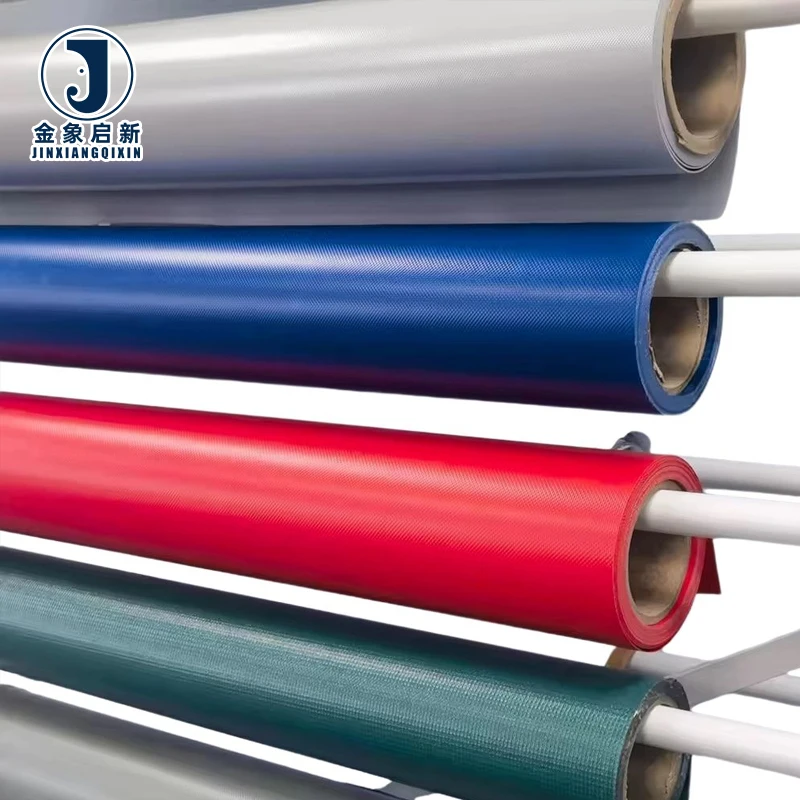
Colour Matching Across Multi-Roll Orders
When a shade system or exhibition hall requires dozens of panels installed side by side, even a slight shade drift between rolls becomes visible once the structure is erected. I have seen batches come back from site because three roll numbers were not checked against each other under controlled lighting before dispatch [NEED_CITE: colour consistency standards in coated textile production]. We run every roll through lightbox comparison before packing, matching each against the confirmed colour reference for your order. This means the rolls you unroll on site present a uniform appearance panel to panel, eliminating the visible banding effect that forces costly rework.
How Base Fabric and Coating Weight Work Together
The 1000D base fabric provides the structural skeleton of this material — the denier and weave density determine how well the fabric resists tear propagation when a cut or puncture occurs under tension. Coating weight alone does not define strength; a heavy coating on a loose weave will crack and peel before the fabric reaches its tensile limit. The interaction between yarn thickness, weave density, and PVC penetration depth is what produces the peeling resistance this material is known for [NEED_CITE: tensile and tear test methods for coated fabrics per ISO 1421]. For tensile structures where the membrane is under constant biaxial stress, this balance between base fabric integrity and coating adhesion is critical. The self-cleaning surface treatment further reduces maintenance cycles by preventing dirt adhesion, which is especially relevant for large-format architectural installations where manual cleaning is difficult and costly.
The Real Cost of Specifying on Price Instead of Documentation
Choosing a roll based on the lowest GSM quoted — without verifying actual delivered weight — creates downstream failures that are far more expensive than the savings on the invoice. Fabric that arrives lighter than specified will show premature cracking at fold lines, reduced tear strength at seam intersections, and faster UV degradation. I have seen tent manufacturers absorb return freight and rework labour on entire event structures because the coating weight was not validated before the container left the port [NEED_CITE: common causes of premature coated fabric failure in field applications]. Fire retardant grades that lack certification can result in venue shutdowns. Colour variance caught after installation means pulling down panels, re-cutting, and re-welding — multiplying the original fabric cost several times over.
What This Production Line Brings to Your Order
Our 10-person R&D team handles material selection, custom width and length, colour matching, and printed branding directly on the roll — so your PVC tarpaulin roll arrives exactly as specified for your tent or shelter project. Three full production lines with 36 sets of professional equipment support container-load volume with consistent delivery scheduling. Dedicated QA and QC inspection runs at every production stage, not just a final spot-check, meaning coating adhesion, GSM, and colour are verified before any roll is packed. Samples for custom width, colour, or treatment combinations are developed within days so you can approve physical material before committing to bulk production. Every shipment includes the full documentation package — specification sheet, test reports where applicable, and pre-shipment inspection records — so your receiving team can verify without waiting for back-and-forth emails.
Documentation & Verification
- Material specification sheet listing GSM, 1000D base fabric, coating type, and confirmed colour reference
- Test reports for fire retardant and UV resistance grades provided with shipment when specified
- Pre-shipment inspection record covering coating weight verification and colour consistency per roll
- Roll packing list with individual roll numbers for traceability through installation
- ISO and CE certificates available for compliance documentation in your market
Fabrication, Handling & Storage
- HF and hot air welding compatible with the PVC coating layer — confirm temperature and dwell time on sample before bulk seam production
- Sewing option available for applications where stitched seams are specified; use UV-resistant thread matched to the 1000D base
- Store rolls horizontally on a flat surface to prevent edge deformation and permanent creasing in the coating
- Avoid dragging cut panels across abrasive surfaces to protect the self-cleaning surface layer
- Clean with mild detergent and soft cloth — solvent-based cleaners may degrade the surface treatment over time
- Allow rolls to acclimatise to ambient temperature before unrolling in cold conditions to prevent coating stiffness
Preparing Your Inquiry
Tell us the structure type — event tent, tensile membrane, shade system, or portable storage — along with the environmental exposure it will face. Confirm the fire retardant grade or other treatment certifications your local regulations require. Specify the roll width and total linear meterage you need, and whether you require finished panels or raw rolls. If colour matching or printed branding is part of the project, send us your reference so we can develop a sample for approval before production.
Frequently Asked Questions
Q: What GSM and treatment options are available for tent and shelter fabric?
A: We offer a range of GSM grades from lightweight to heavy-duty, built on the 1000D base fabric. Treatment options include fire retardant, UV resistance, antibacterial, mildew proof, oil and stain resistance, and acid and alkali resistance. Confirm the specific grade and certification your project requires so we can match the formulation and provide the corresponding test report with your shipment.
Q: Can I get a test report for UV or flame-retardant treatment with my order?
A: Yes. When you specify fire retardant or UV resistance at the inquiry stage, the corresponding test report is included in your shipment documentation. We produce these reports per batch so the data matches the rolls you receive. Requesting the report format before production ensures it aligns with the compliance standards your local authority or venue requires.
Q: How do you ensure colour consistency across multiple rolls in one shipment?
A: Every roll is compared under controlled lightbox conditions against your confirmed colour reference before packing. Rolls that fall outside the acceptable range are pulled and reworked. This process prevents visible shade variation when panels from different rolls are installed side by side on a tent or tensile structure.
Q: What is the lead time and minimum for custom width, colour, or printed branding?
A: Custom widths, colours, and printed branding are handled by our 10-person R&D team, with samples developed within days for your approval. Lead times and minimums depend on the specific width and treatment combination you need. Share your roll dimensions and annual volume so we can provide a precise schedule and quantity requirement.
Q: Which welding methods are compatible with this PVC tarpaulin roll?
A: This material is compatible with high-frequency welding, hot air welding, and sewing. The PVC coating formulation supports clean HF and hot air seams when the correct temperature and dwell time are applied. We recommend running weld tests on the sample we provide before committing to full production seams on your tensile or shelter structure.
Related products
-
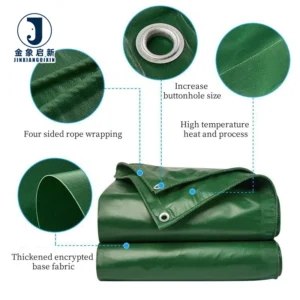
New Design Waterproof Coated Heavy Duty Pool Cover Cargo Covers Tarp for Truck
¥1.15 Add to cart -
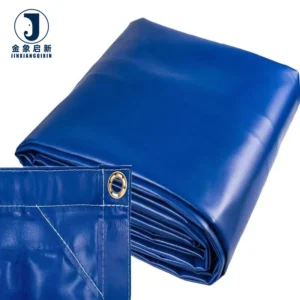
Custom Reinforced Edges Rip-Stop Rubberized PVC Tarpaulin Industry Covering Vinyl Coated Polyester Tarps for Trucks
¥8.00 Select options This product has multiple variants. The options may be chosen on the product page -
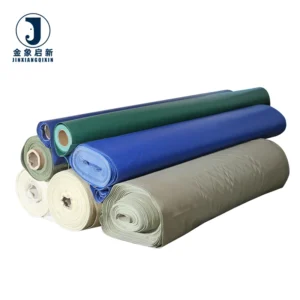
Awning and Tents Waterproof Fabric PVC Tarpaulin
¥1.50 Add to cart -
PVC Tent Fabric Shelter Blackout Anti-UV PVC Tarpaulins 1000D for Tent Fabric for Event Exhibition Shade Tents
¥1.45 Select options This product has multiple variants. The options may be chosen on the product page