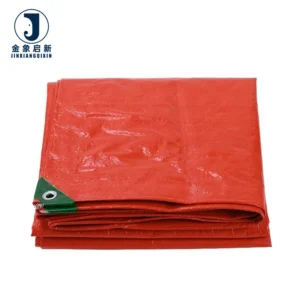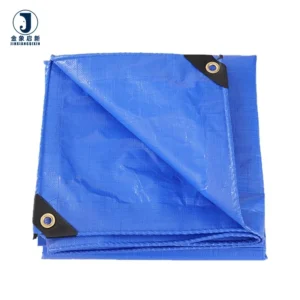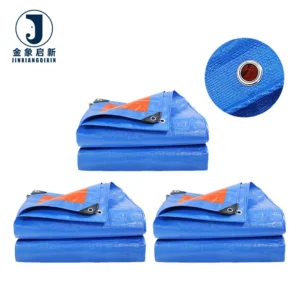
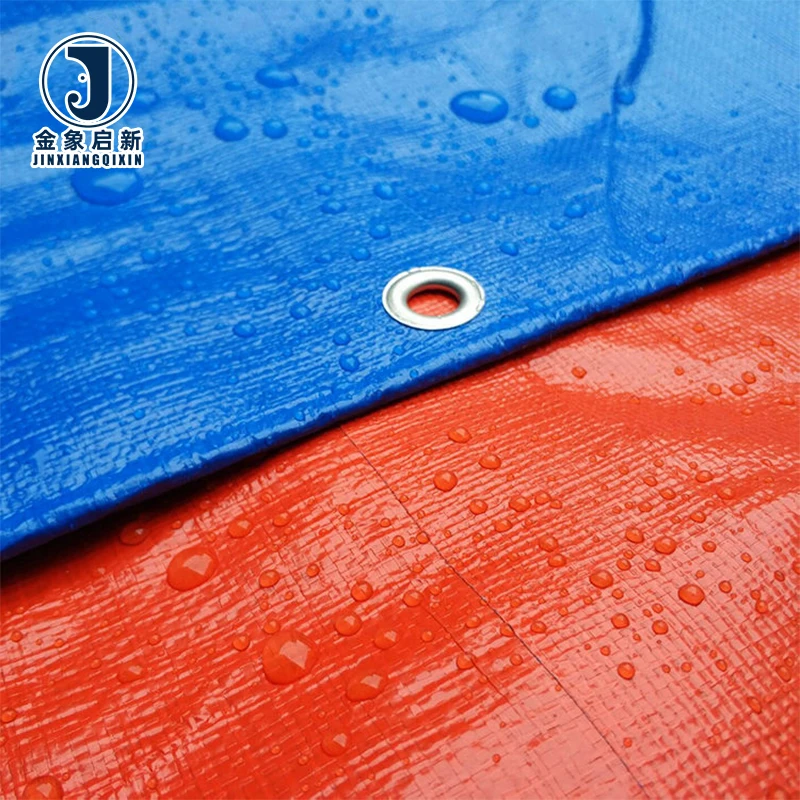
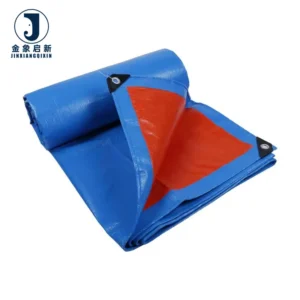
Waterproof PE Tarpaulin Fabric — HDPE woven with LDPE lamination, 50-300 g/m², weave density from 6×6 to 14×16.
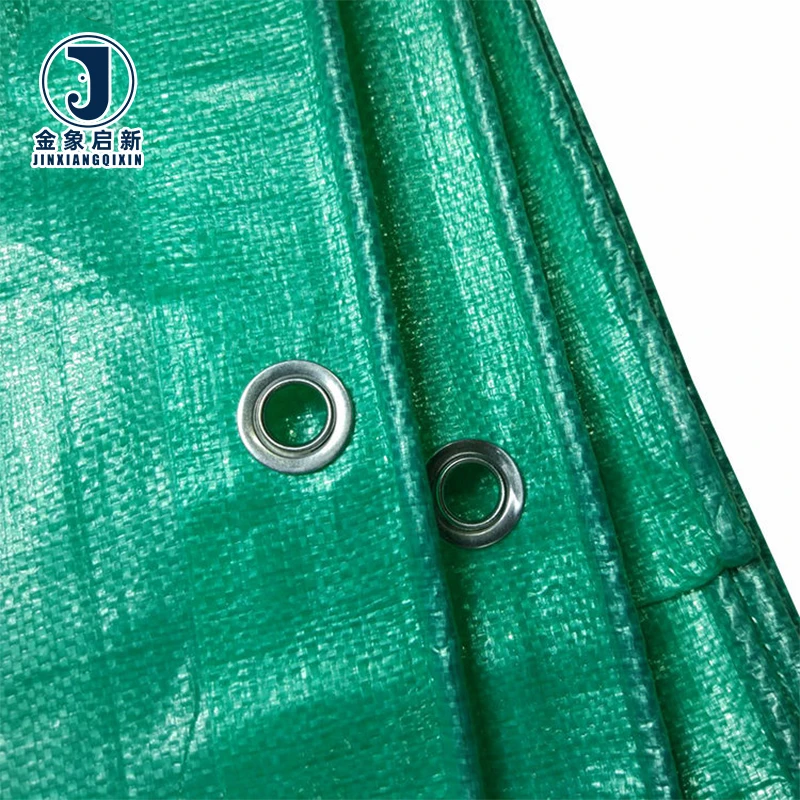
- Available in roll stock or finished cut sizes with PP rope hem reinforcement and galvanized eyelets at 1m intervals
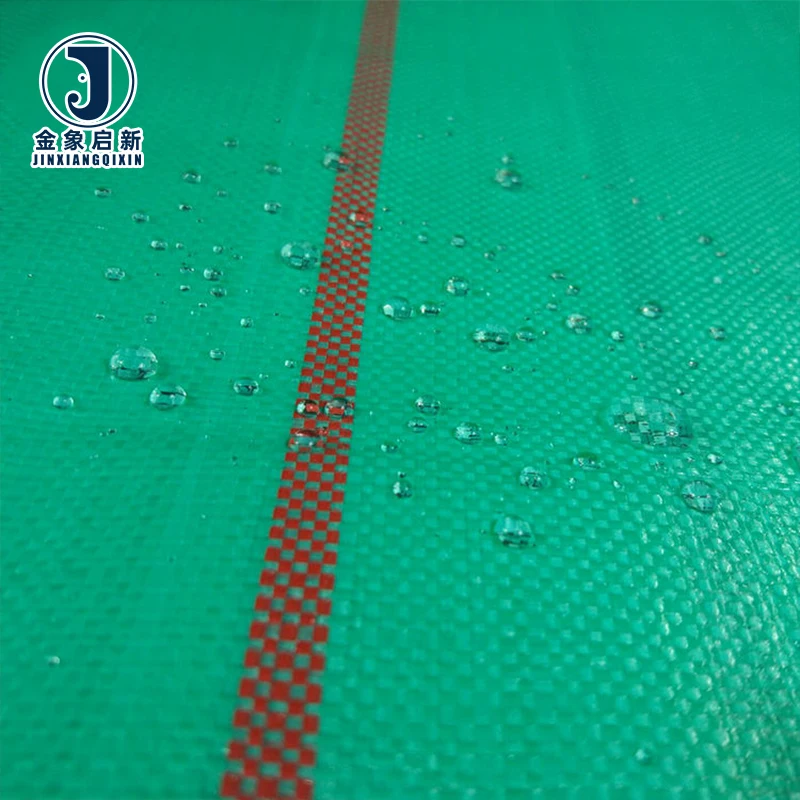
- Dual-side lamination delivers consistent waterproofing; UV treated, mildew proof, and tear resistant for outdoor exposure
- Custom width, colour, and pattern printing handled in-house
Nearly 30 years of coated fabric process control ensures GSM traceability from weave count to finished roll, with 100% pre-shipment inspection on every order.
Description
Roll Stock Consistency — Every roll of PE tarpaulin leaving our facility is weighed, measured, and inspected against the exact GSM and weave density stated on your quotation, ensuring batch-to-batch uniformity across container loads.
Technical Specifications
| Parameter | Value |
|---|---|
| Product Type | PE Tarpaulin |
| Material | HDPE weaving with LDPE lamination on both sides |
| Weight (GSM) | 50 g/m² ~ 300 g/m² |
| Total Thickness | 0.2–0.4 mm (8–16 mil) |
| Mesh Count | 6×6, 6×7, 7×7, 7×8, 8×8, 9×9, 8×10, 10×10, 12×12, 14×14, 14×16 weave |
| Roll Width | 6 ft, 8 ft, 10 ft, 12 ft or 2 m, 4 m, 6 m |
| Roll Length | 100 yards, 100 meters, or custom |
| Key Features | Waterproof, washable, tear resistant, anti-mildew |
| UV Treatment | Available (test basis to be confirmed per grade) |
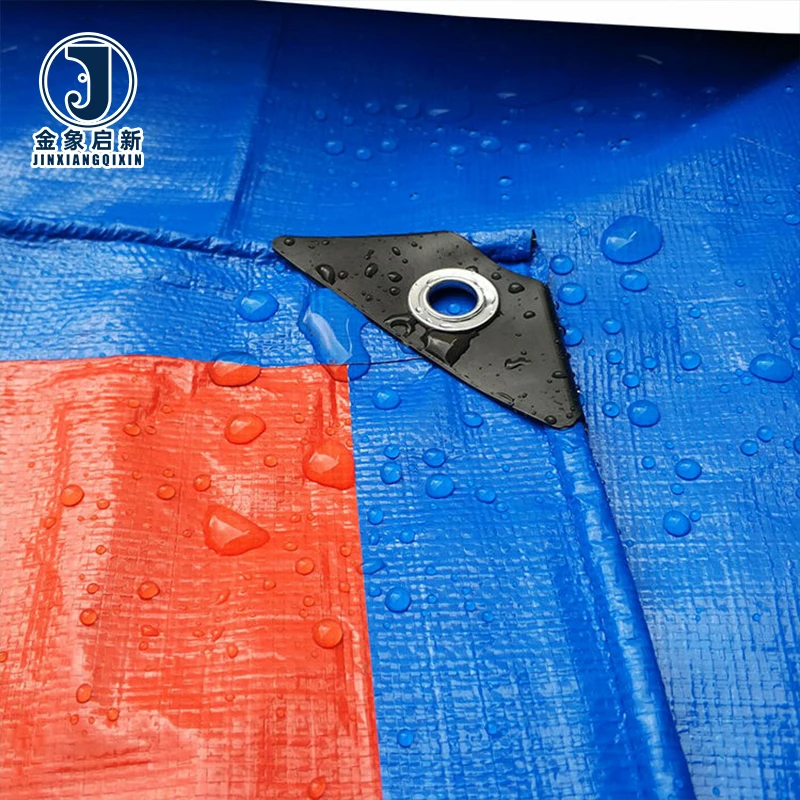
| Color Options | Blue, Blue/Orange, Green, Grey, Black, Clear, Grey/Green, Orange, or custom Pantone matching |
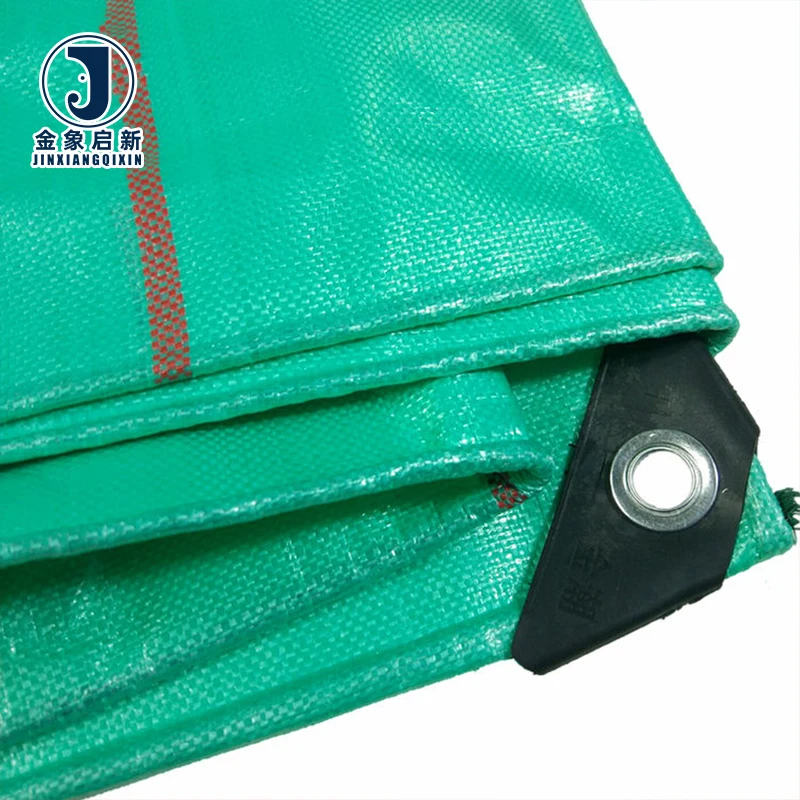
| Edge Reinforcement | PP rope in hem on all four edges (finished sheets) |
| Eyelets | Galvanized, spaced every 3 ft or 1 m (finished sheets) |
| Corner Reinforcement | Reinforced plastic corners (finished sheets) |
Application Suitability
| Application | Exposure & Requirement |
|---|---|
| Tarpaulin distribution & import | Container-volume roll purchasing, requiring consistent GSM and colour shade across every roll in the same shipment |
| Agricultural hay and crop covers | Prolonged sun exposure, wind load on eyelets, moisture ingress risk, and frequent handling during harvest cycles |
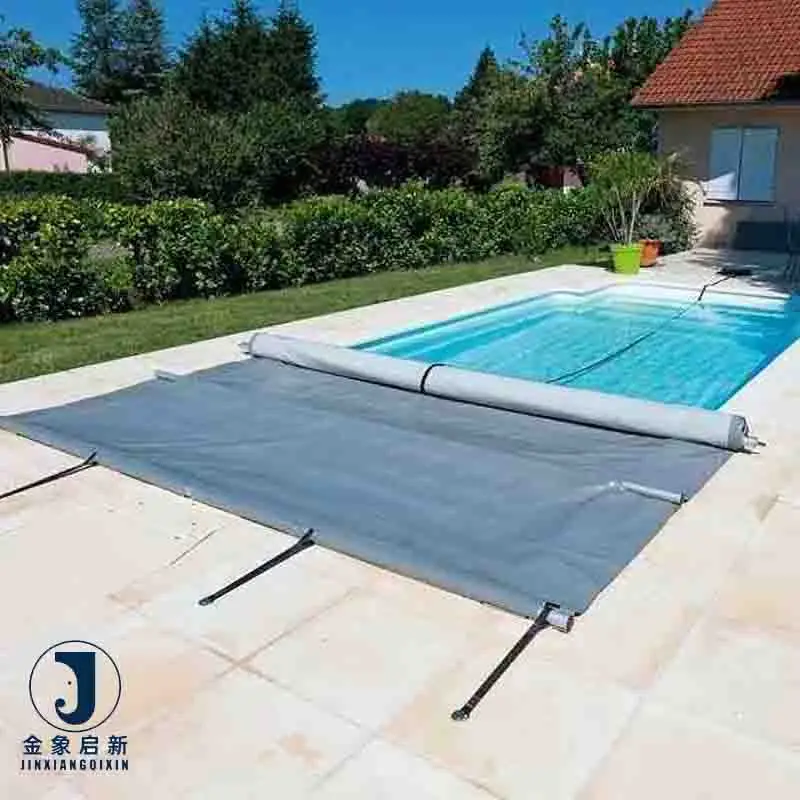
| Pond and reservoir liners | Permanent water contact, soil chemistry interaction, puncture risk from substrate irregularities |
| Construction scaffolding wraps | Wind-driven rain, abrasive contact with steel tubing, UV exposure over multi-month project timelines |
| Transport and logistics load covers | Road abrasion, tie-down tension at eyelet points, repeated folding and unfolding at depot |
| Home and garden furniture covers | Seasonal UV exposure, rain pooling, mildew risk in humid storage conditions |
Why Quoted GSM Rarely Matches What Arrives — and What to Demand Instead
GSM is a measurement, not a guarantee — unless the supplier verifies it roll by roll before dispatch.
When sourcing PE tarpaulin by the container, the gap between the quoted weight and the actual delivered weight is one of the most frequent disputes in the trade. A roll specified at 180 g/m² can arrive at 155 g/m² with no documentation explaining the variance. The buyer only discovers this when the material tears under tie-down tension or fails to meet the end user’s expectation. [NEED_CITE: common disputes in tarpaulin GSM verification]
The root cause is usually a supplier who treats GSM as a target range rather than a controlled parameter. Without an in-line weighing checkpoint and a pre-shipment audit, lighter rolls mix with compliant ones in the same bale. Over multiple containers, the cost of returns, chargebacks, and damaged reputation accumulates far beyond the initial price saving.
How Weave Density Dictates Real-World Tarpaulin Performance
The mesh count of the HDPE base fabric is the structural backbone of any PE tarpaulin. A 6×6 weave produces a lightweight, flexible sheet suited to short-term dust covers or temporary agricultural wraps. Moving to a 14×16 weave dramatically increases the yarn intersection points per square inch, which directly improves tear initiation resistance — critical for construction scaffolding wraps or heavy-duty truck covers that face constant wind load and mechanical abrasion. The weave density must be matched to the application before GSM becomes relevant.
The Relationship Between Coating Weight and Waterproof Integrity
Dual-side LDPE lamination seals the woven HDPE substrate, closing the micro-gaps between yarns that would otherwise allow water penetration. The consistency of this lamination layer determines whether a sheet remains fully waterproof after months of folding, stacking, and re-deployment. Uneven lamination creates thin spots where water ingress begins. [NEED_CITE: LDPE lamination adhesion standards for woven fabrics] When ordering custom PE tarpaulin in bulk, specifying both the base fabric weave and the coating weight — not just total GSM — ensures the waterproofing performance is engineered, not incidental.
Decoding the Specs That Actually Matter
Total GSM is the sum of two distinct components: the HDPE woven base fabric and the LDPE coating on both sides. A 200 g/m² sheet could be built on a heavy base with thin lamination, or a light base with thick coating — the end-use performance differs substantially between the two constructions. For applications requiring high tensile strength such as truck side curtains or tensioned scaffolding wraps, the base fabric denier and mesh count matter more than total weight alone.
The mesh count range — from 6×6 through 14×16 — maps to distinct performance bands. Lower counts yield a more pliable, easily folded material suited to temporary covers. Higher counts produce a stiffer, more puncture-resistant sheet appropriate for pond liners or permanent construction enclosures. Selecting the correct weave prevents both over-specification (unnecessary cost and weight) and under-specification (premature failure).
Roll width options — 6 ft through 6 m — directly affect fabrication efficiency. Ordering a 4 m wide roll to produce 3.8 m finished sheets eliminates one welded seam, removing the most common failure point in tarpaulin assemblies. Matching roll width to the finished panel dimension reduces waste and labour during cutting and hemming operations.
The Hidden Cost of Ordering the Wrong Grade
Specifying PE tarpaulin on price per kilogram alone creates a procurement trap. A lighter GSM grade may pass the initial sample check but fail within weeks when deployed in an application demanding higher tear resistance — such as a construction site cover subjected to wind gusts and scaffolding contact. [NEED_CITE: premature tarpaulin failure due to grade mismatch] The replacement cost, including shipping, labour, and project delay, typically exceeds the original material saving by a wide margin. Colour inconsistency between rolls in the same container is a parallel risk: when two rolls of green tarpaulin are installed side by side on a scaffolding wrap, a visible shade difference forces removal and rework of the entire panel.
Why Sourcing PE Tarpaulin Rolls Here Reduces Your Supply Risk
Three full production lines dedicated to coated fabric allow us to hold bulk roll stock in common GSM grades while scheduling custom widths and colours within a controlled production window. This capacity structure means a standard 8×8 weave in blue can ship promptly, while a custom 12×12 in a specific Pantone shade is sampled and confirmed before the bulk run begins.
Our 10-person R&D team handles the technical specification conversation — matching weave density, coating weight, and treatment package to your stated application rather than defaulting to a generic catalogue grade. For buyers importing container volumes, this means fewer surprises on arrival and fewer customer complaints downstream.
A 100% pre-shipment inspection is conducted on every order: rolls are weighed individually against the quoted GSM, colour is checked roll-to-roll under standard lighting, and edge quality is examined before packing. The inspection record ships with your documentation package, giving you traceability from purchase order to warehouse receipt.
Samples for custom widths, colours, or finished sizes are developed within days — not weeks — so you can approve the physical material before committing to a full container order. This short feedback loop eliminates the risk of bulk production based on a misunderstanding of the specification.
Documentation & Verification
- Material specification sheet listing exact GSM, base fabric mesh count, and LDPE coating weight per roll
- Pre-shipment inspection record with measured weight and colour consistency checks across all rolls in the order
- Roll packing list detailing net weight, gross weight, and CBM per bale or carton for container loading reconciliation
- UV treatment test report provided on request — confirm the test basis required for your market
- ISO and CE certificates covering production system compliance
- Certificate of origin and customs documentation package for import clearance
Fabrication, Handling & Storage
- Heat-seal temperature and dwell time vary by GSM — test on a scrap piece of the specific grade before full production
- Galvanized eyelets at 1 m intervals distribute tie-down load evenly; reinforce with patch discs on lighter GSM grades
- Store rolls upright on cores in a dry, shaded area to prevent flat-spotting and LDPE lamination adhesion loss
- Unfold and deploy in moderate temperatures; stiff fabric at low temperatures risks crease damage during handling
- Clean with mild detergent and soft brush — avoid solvents that degrade the LDPE lamination surface layer
- Cut with sharp rotary blades on a flat table; frayed edges on PE tarpaulin result from dull tooling or uneven surfaces
What We Need to Quote Accurately
To provide a precise quotation and lead time for PE tarpaulin, share your target GSM or the specific application the material will serve. Include the required roll width and length, or the finished cut sizes with eyelet spacing and hem reinforcement preferences. If colour matching to a Pantone reference or double-side colour is needed, provide the reference number. State whether UV treatment documentation or any specific compliance certificate is required for your import market.
Frequently Asked Questions
Q: How is GSM verified before shipment and how can I re-check on arrival?
A: Every roll is individually weighed during our pre-shipment inspection, and the measured value is recorded against the quoted GSM. On arrival, you can re-check by cutting a known-area sample from any roll, weighing it on a calibrated scale, and comparing the result to the inspection record included in your documentation package.
Q: What UV treatment test basis is available and how does it relate to GSM grade?
A: UV treatment is available across the GSM range, but the test basis and expected outdoor service duration vary by grade. We supply a test report on request — confirm which standard your end market requires before ordering, so the correct treatment package is applied during lamination.
Q: How do you maintain colour consistency between rolls in the same order?
A: Colour consistency is controlled through standardised masterbatch dosing during the LDPE lamination stage and verified roll-to-roll under standard lighting during pre-shipment inspection. For multi-container orders, we retain a reference sample from the first production run to match subsequent batches.
Q: What are the minimums for custom roll widths or finished cut sizes?
A: Custom roll widths and finished cut sizes are produced on our dedicated lines with minimums that depend on the specific GSM grade and colour requested. Share your dimensions and annual volume, and we will confirm the minimum order quantity and lead time for your configuration.
Q: What eyelet and hem options can I specify for finished PE tarpaulins?
A: Finished sheets are supplied with PP rope reinforced hems on all four edges, galvanized eyelets spaced at 3 ft or 1 m intervals, and reinforced plastic corners. Custom eyelet spacing, additional corner patches, or alternative reinforcement methods can be specified — provide your tie-down method and load type so we recommend the correct configuration.
Related products
-
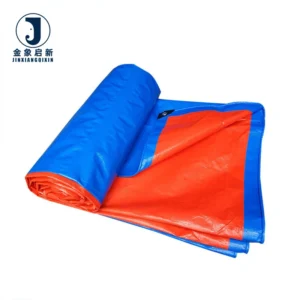
JX Tear-Resistant PE Coated Polyethylene Eco-Friendly Tarpaulin Waterproof Blackout Organic with Eyelets
¥1.31 Select options This product has multiple variants. The options may be chosen on the product page -
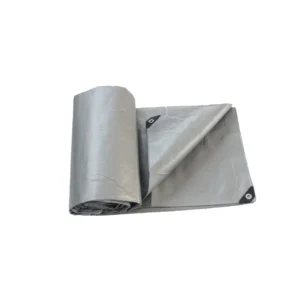
PE Tarpaulin Waterproof Outdoor Garden Sheet HDPE Laminated PVC Coating for Liner Covering Truck Cover Tent Awnings Plain Woven
¥0.31 Select options This product has multiple variants. The options may be chosen on the product page -
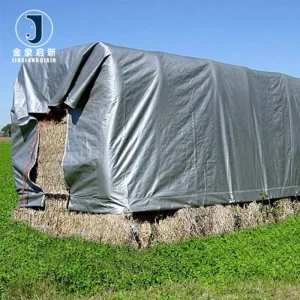
Baisite Coated Organic Blackout Waterproof PE Tarpaulin Roll 4mx50m Customized 4mx6m Outdoor Tent Awning Truck Cover
¥0.77 Select options This product has multiple variants. The options may be chosen on the product page -
Woven Coated Plain Anti-UV Waterproof PE Tarpaulin Roll Customized for Car Outdoor Tent Awning Truck & Industrial Cover
¥0.29 Select options This product has multiple variants. The options may be chosen on the product page