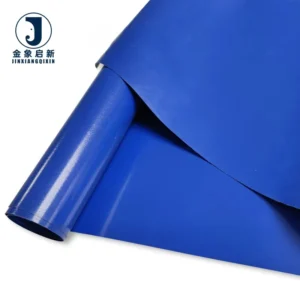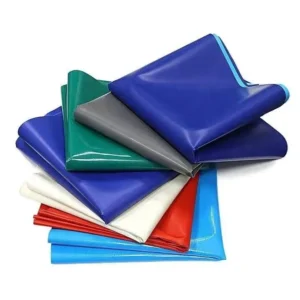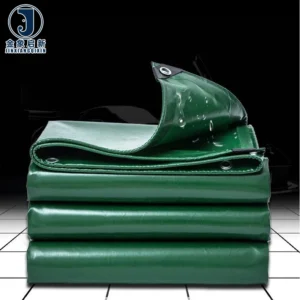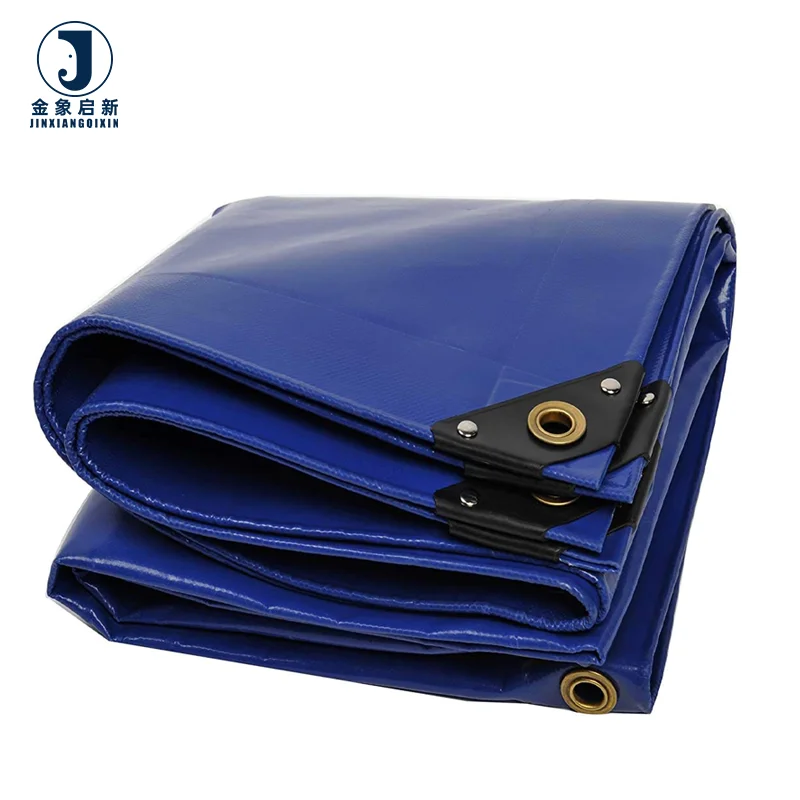
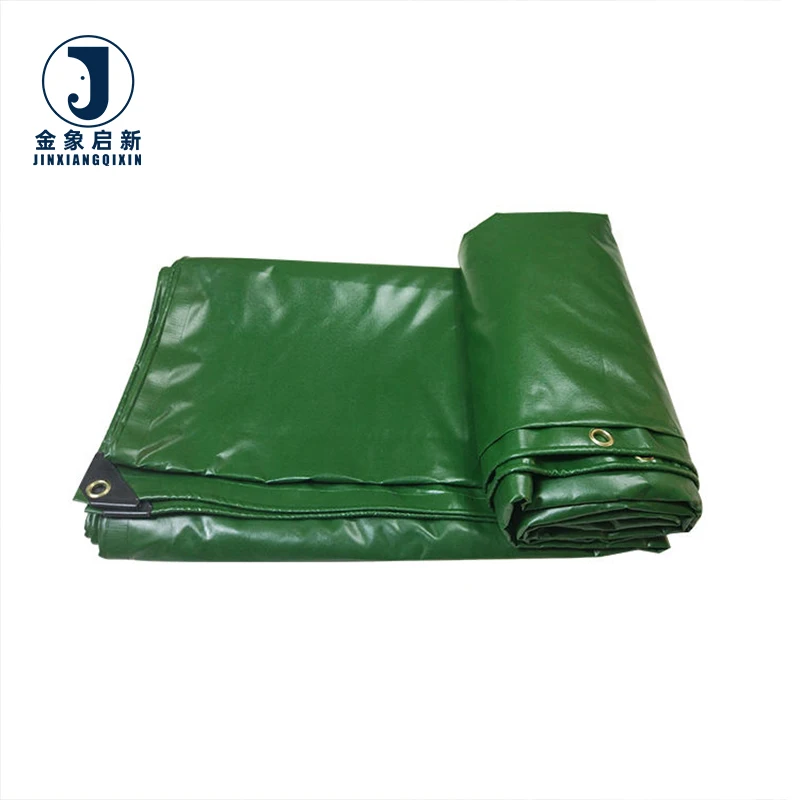
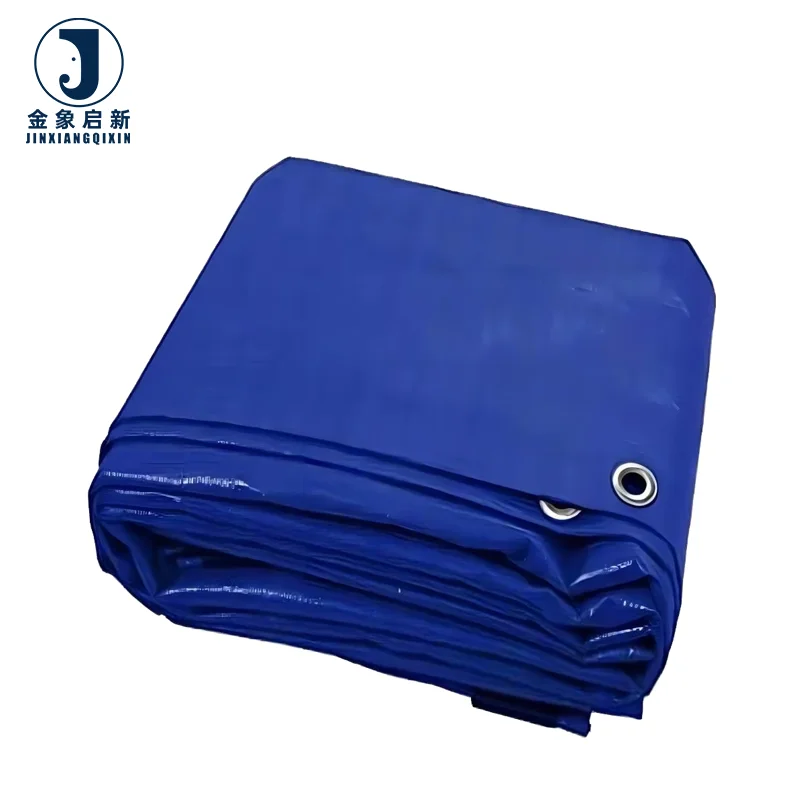
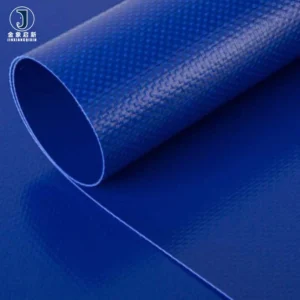
PVC Coated Poultry Curtain Tarpaulin — waterproof, anti-static, UV treated fabric in 6ft–6m custom widths with reinforced PP rope hems and galvanized eyelets. Engineered for poultry farm curtains where moisture, ammonia, and temperature swings degrade generic tarps quickly. Anti-static coating reduces dust buildup to maintain ventilation efficiency; mildew-proof formulation extends service life in high-humidity livestock housing. Multiple GSM grades and weave densities available to match insulation, airflow, and light control needs.
- Supported by 10-person R&D team for custom sizing and sample development
- 100% pre-shipment inspection across all rolls
- Three full production lines ensuring reliable on-time delivery
Description
Complete Customisation — Our 10-person R&D team develops PVC coated tarpaulin rolls to your exact width, GSM, and finish specification, supported by dedicated QA at every coating stage.
Technical Specifications
| Parameter | Value |
|---|---|
| Product Type | PVC Coated Tarpaulin Roll |
| Material | PVC Coated Fabric |
| Available GSM Range | 50 gr/m² – 220 gr/m² (confirm grade for your application) |
| Thickness | 0.2 – 0.4 mm / 8 – 16 mil |
| Weave Density Options | 6×6, 7×7, 8×8, 9×9, 8×10, 10×10, 12×12, 14×14, 14×16 |
| Available Widths | 6 ft, 8 ft, 10 ft, 12 ft, 2 m, 4 m, 6 m or custom |
| Roll Length | 100 yards, 100 meters, or custom |
| Colour Options | Blue, Blue/Orange, Green, Grey, Black, Clear, Grey/Green, Orange, or custom |
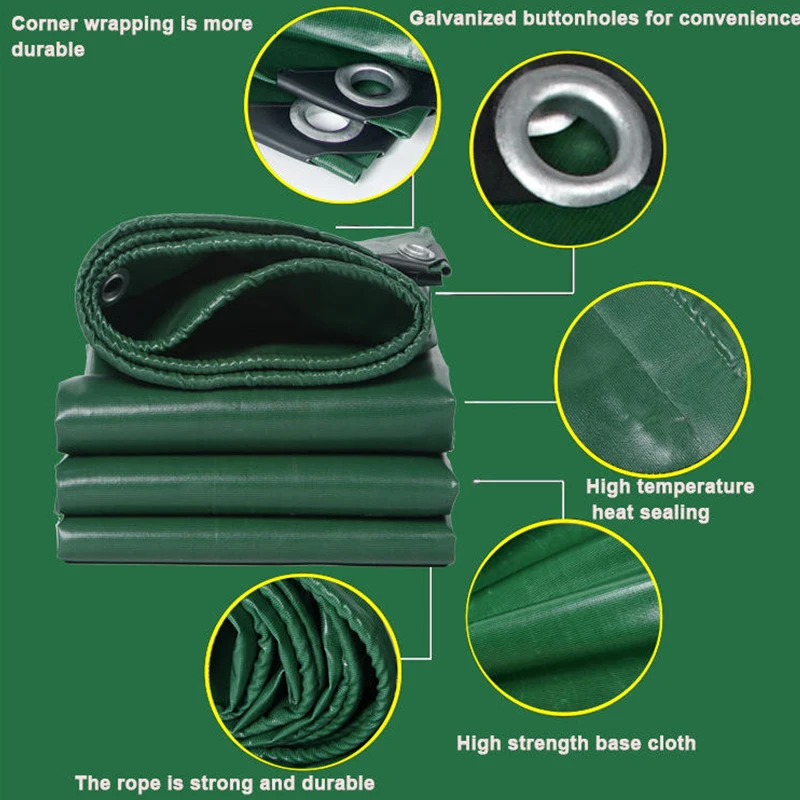
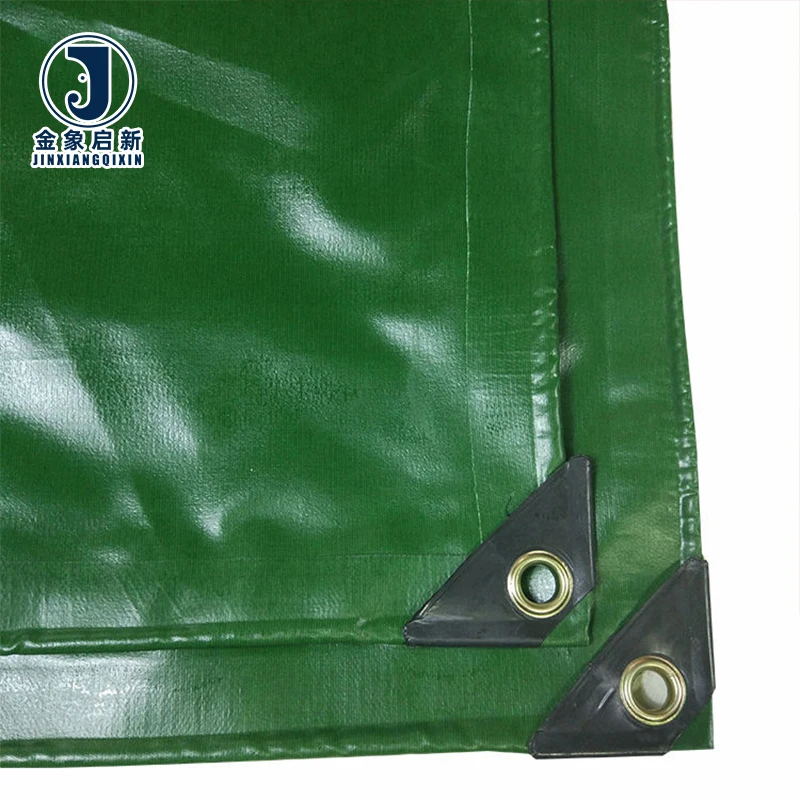
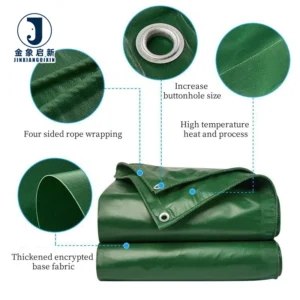
| Edge Treatment | Reinforced with PP rope in hem |
| Eyelet Spacing | Galvanized, every 3 ft or 1 meter interval |
| Corner Reinforcement | Reinforced plastic corners |
| Key Features | Waterproof, Anti-Static (grade not stated), Washable, UV Treated (test basis not stated), Mildew Proof, Anti-Aging |
| Certification | ISO, CE |
Application Suitability
| Application | Exposure & Requirement |
|---|---|
| Poultry Farm Ventilation Curtains | Constant high humidity, ammonia exposure, temperature swings, frequent mechanical actuation |
| Livestock Housing Wind Barriers | Moisture, animal contact, wind load, long-term UV exposure on exterior faces |
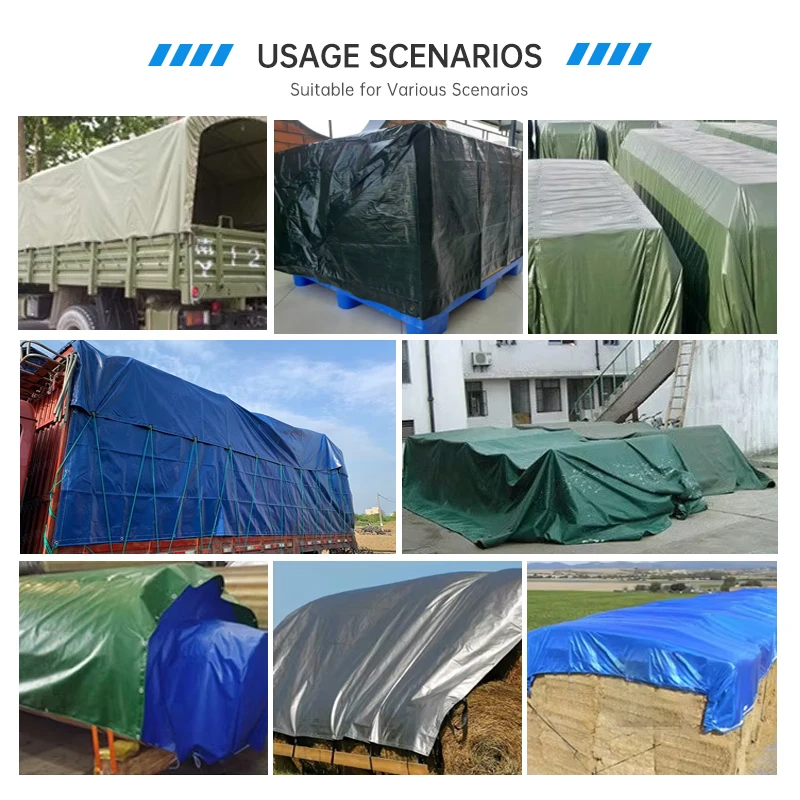
| Agricultural Crop & Hay Covers | Rain, ground moisture, UV degradation, abrasion from stacking and handling |
| Construction Scaffolding Wraps | Wind pressure, debris impact, UV, repeated installation and removal cycles |
| Truck and Container Side Covers | Road vibration, flexing at load points, weather and chemical splash exposure |
Why Generic Tarpaulin Specs Fail Poultry House Curtains
A PVC Coated Tarpaulin manufacturer must understand that poultry ventilation curtains endure conditions most general-purpose tarps were never designed for. Generic specification sheets omit the chemical and mechanical realities inside a working poultry house.
Farm operators routinely replace curtain fabric long before the expected service life because the material was specified for outdoor cover use rather than the ammonia-rich, high-humidity, mechanically cycled environment of livestock housing. I have reviewed too many failed curtain installations where the fabric itself held up, but the edge reinforcement tore through under repeated tension cycles, or where static buildup attracted dust that blocked airflow through ventilation openings [NEED_CITE: environmental stress factors on agricultural coated fabrics]. The result is compromised air exchange, higher energy costs for climate control, and premature capital expenditure on replacement rolls.
Engineering the Curtain for Poultry House Conditions
The environment inside a poultry or livestock facility subjects every square meter of fabric to moisture, organic compounds, and constant mechanical stress from curtain track systems. Selecting a PVC Coated Tarpaulin manufacturer with agricultural fabric experience means the material is formulated to resist mildew formation on the inner surface and withstand repeated washing without coating degradation. The PVC coating must maintain flexibility across the temperature range the building experiences, from cold winter nights to hot summer afternoons, without becoming brittle or overly soft.
Reinforcement at the Points That Actually Fail
Curtain failure rarely happens in the middle of the fabric panel. It starts at the edges, eyelets, and corners where mechanical tension concentrates during daily raising and lowering. PP rope reinforced hems distribute the load across the entire perimeter rather than concentrating it at individual stitch points. Galvanized eyelets spaced at regular intervals prevent localised stress that pulls through lighter fabric grades, and reinforced plastic corners protect the highest-stress junctions where vertical and horizontal loads meet [NEED_CITE: mechanical stress concentration at tarpaulin fixings].
Reading the Specification Sheet Beyond GSM
GSM alone does not predict how a poultry curtain will perform. A 180 gr/m² fabric with a loose 6×6 weave and thin coating may tear more easily than a 150 gr/m² fabric with a tight 12×12 weave and balanced coating weight on both sides. The base fabric denier and mesh count determine tensile and tear resistance, while the coating method and weight control waterproofing, flexibility, and surface durability. For curtain applications where the fabric cycles through tension and relaxation daily, a tighter weave with moderate coating weight often outperforms a heavier but loosely woven alternative. Width selection also matters: ordering rolls in widths that match your curtain panel height minimises horizontal seams, reducing potential failure points and improving the thermal seal of the building envelope.
The Cost of Specifying the Wrong Roll for Your Curtain System
Ordering tarpaulin rolls based on price per kilogram without verifying the actual GSM on arrival leads to curtain fabric that is lighter and weaker than the structural load calculations assumed. When anti-static treatment is claimed without a test report, dust accumulation on curtain surfaces restricts ventilation airflow, forcing climate control systems to work harder. Batch-to-batch colour variation across rolls in the same order becomes visible once panels are hung side by side on the same building, requiring sorting and selective installation that delays the project [NEED_CITE: batch consistency standards for coated fabric rolls]. These are not cosmetic complaints — they affect building performance, energy costs, and project timelines.
Production Capability Behind Every Roll
Three full production lines and 36 sets of professional equipment give us the capacity to fulfil large-volume roll orders with consistent on-time delivery across multiple container shipments. A dedicated 10-person R&D team develops custom widths, colour matches, and specification combinations specific to poultry curtain applications rather than offering only stock grades. Every production stage includes dedicated QA oversight, with 100% inspection before any roll is packed for dispatch, so the fabric arriving at your facility matches the approved sample. Samples for custom requirements are developed within days, allowing you to verify material properties and curtain track compatibility before committing to full production volume. ISO and CE certification across our production processes provides documented assurance that international quality standards are maintained.
Documentation & Verification
- Material specification sheet stating exact GSM, base fabric weave, and coating weight per roll produced
- Pre-shipment inspection record confirming 100% visual and dimensional check before container loading
- Roll packing list with itemised weights and dimensions for accurate receiving and customs clearance
- Colour reference documentation linking each production batch to the approved Pantone or RAL standard
- UV and flame-retardant test reports supplied where specific treatment grades are specified and verified
Fabrication, Handling & Storage
- Heat welding parameters must be adjusted to the specific 0.2–0.4 mm coating thickness to avoid burn-through or weak seams
- Galvanized eyelets at 1 m intervals require backing plates when used with high-tension curtain track systems
- Store rolls horizontally on racking to prevent permanent creasing in the PVC coating layer
- Unroll and allow 180–220 gr/m² heavy grades to relax before cutting to avoid dimensional distortion
- Clean mildew-proof surfaces with neutral pH detergent to preserve the anti-static and UV treatment integrity
Request Your Specification Recommendation
Provide your curtain track system type, building dimensions, and the climate range your poultry houses experience so we can recommend the appropriate GSM grade, weave density, and treatment combination. Specify whether you need rolls cut to panel-ready widths or full-width stock for your own fabrication. If your operation requires specific anti-static or flame-retardant performance, share the test standard your market demands so we can confirm the available grade before sampling begins.
Frequently Asked Questions
Q: How do you verify the GSM on arrival matches what was quoted?
A: Every roll undergoes dedicated QA inspection during production and a 100% pre-shipment check. We supply a material specification sheet stating exact GSM, base fabric, and coating weight per roll. You can cross-check this documentation against your own incoming goods inspection upon receipt at your facility.
Q: What custom width and roll length options are available?
A: Standard widths range from 6 ft to 6 m, and custom widths are available on request. Roll lengths of 100 yards or 100 meters are standard, with custom lengths produced to your specification. Sample rolls are developed within days so you can verify curtain track fitment before bulk production.
Q: Is batch-to-batch colour consistency controlled across rolls?
A: Production batches are matched to approved Pantone or RAL colour references, and documentation links each roll to the approved standard. Dedicated QA reviews colour consistency during production. For large orders spanning multiple batches, we recommend requesting batch samples for side-by-side visual approval.
Q: What anti-static and UV treatments are applied, and how are they verified?
A: Anti-static and UV treatments are available in various grades. The specific test basis depends on the grade selected for your application. Share your market’s required test standard during the inquiry stage, and we will confirm which treatment grade applies and supply the corresponding test documentation with the shipment.
Q: What documentation is included with each order?
A: Each shipment includes a material specification sheet per roll, a pre-shipment inspection record, a detailed roll packing list, and a certificate of origin. Where applicable, UV or flame-retardant test reports and ISO/CE certificates are included. Customs documentation support is provided for export shipments.
Related products
-
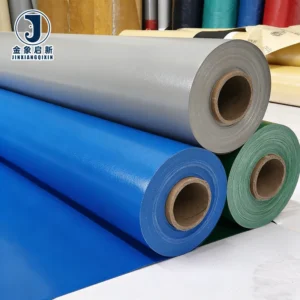
Wholesale PVC Coated Breathable Tarpaulin Fabric Rolls Waterproof Fire-Retardant for Boys & Girls Outdoor Use
¥0.79 Select options This product has multiple variants. The options may be chosen on the product page -
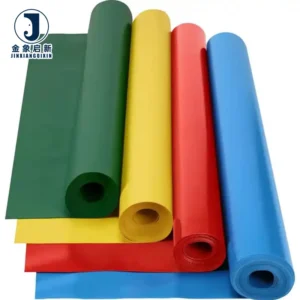
Stock PVC Tarpaulin Fabric Rolls 500D*500D 18*17 Hot Selling Colors in Stock China Manufacture Wholesale Fabrics Best Price
¥1.26 Select options This product has multiple variants. The options may be chosen on the product page -
New Design Waterproof Coated Heavy Duty Pool Cover Cargo Covers Tarp for Truck
¥1.15 Add to cart -
Nylon-coated Trailer Tarpaulin. Waterproof Canvas. Heavy-duty PVC Tarpaulin for Truck Tents
¥1.04 Add to cart