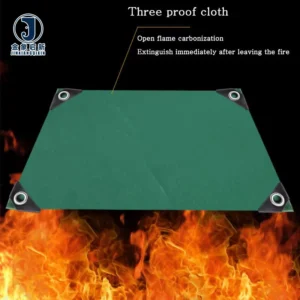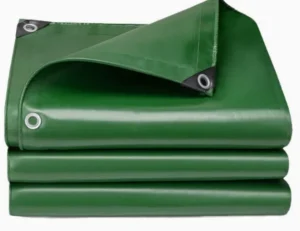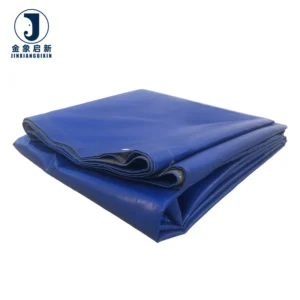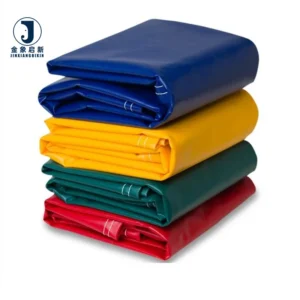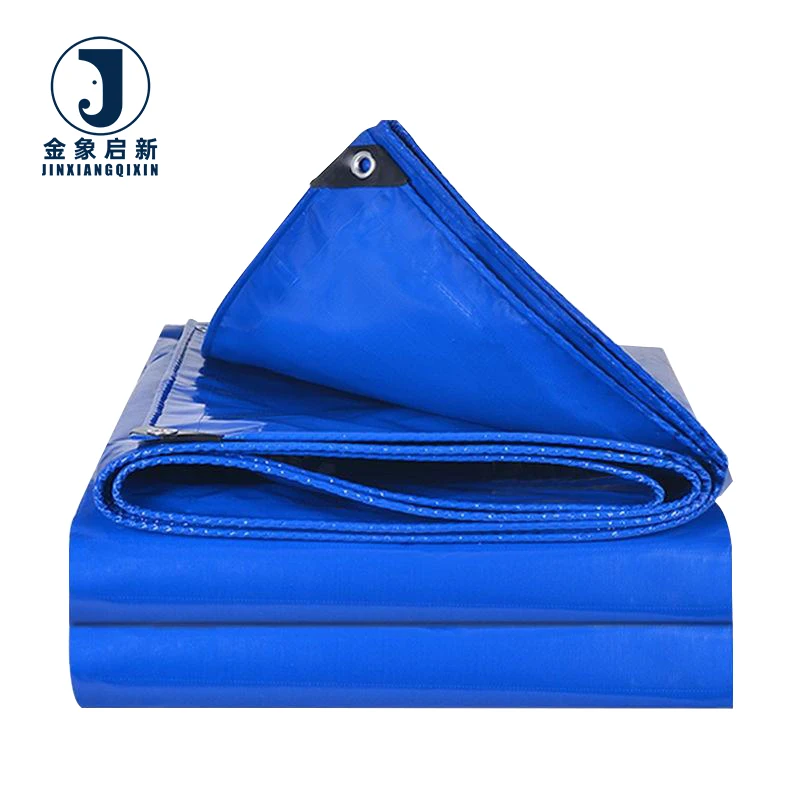
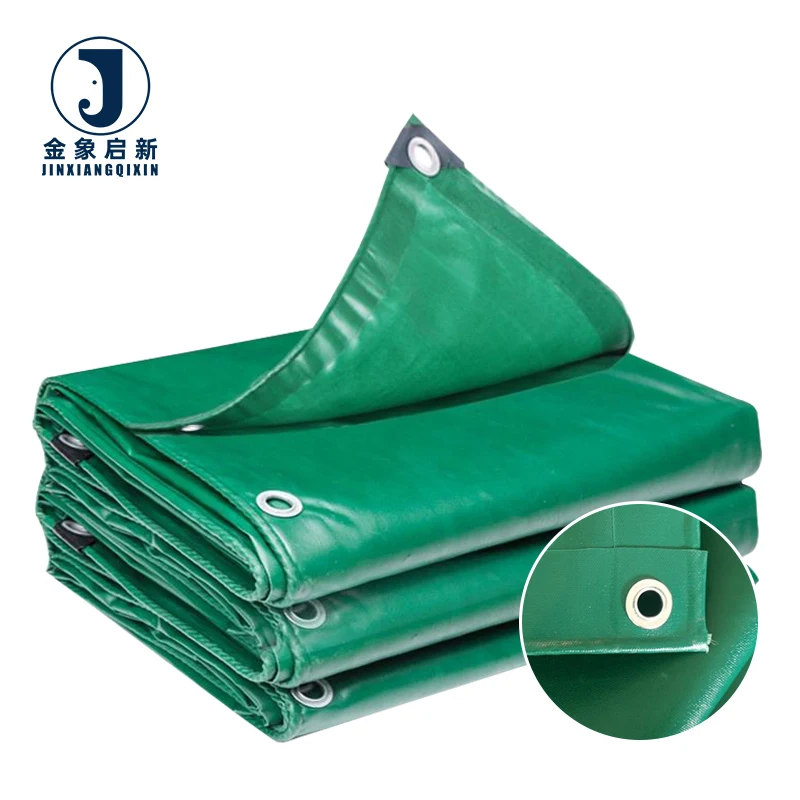
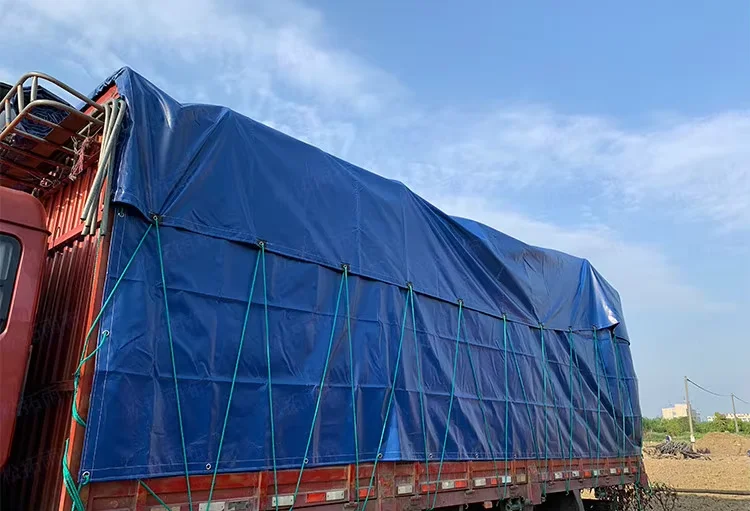
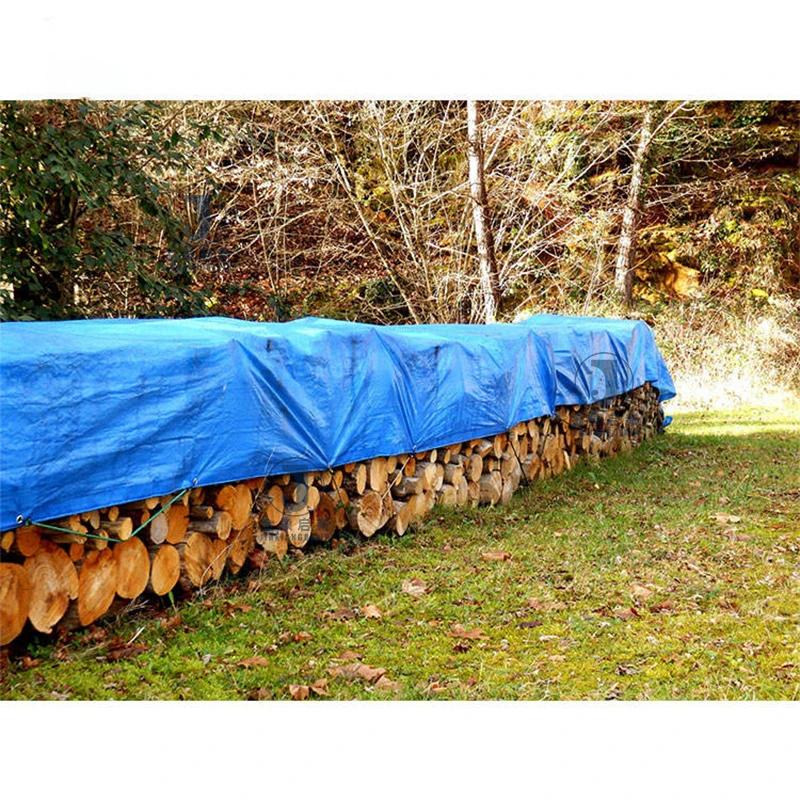
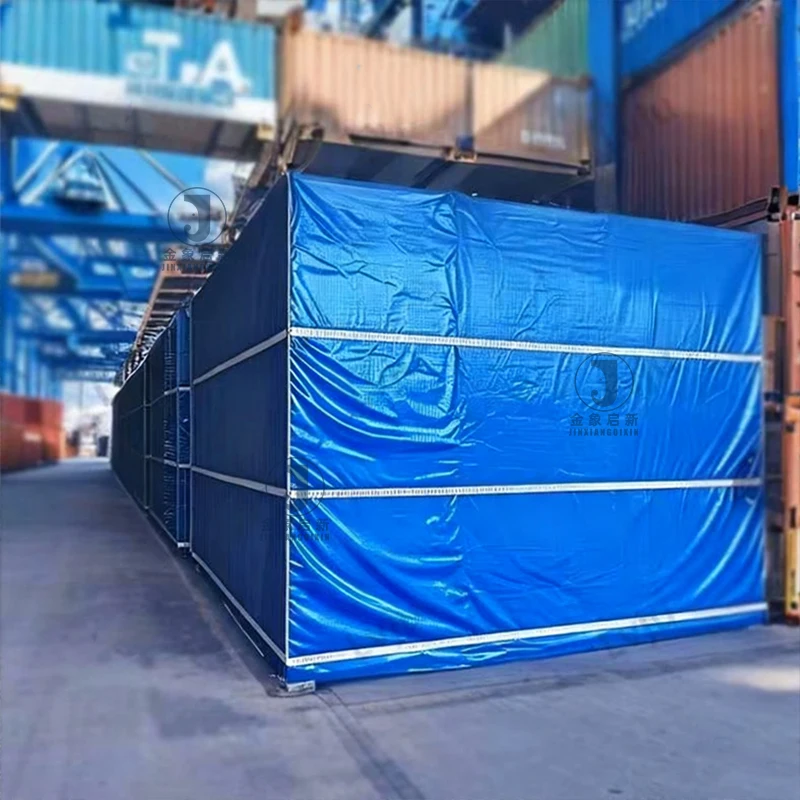
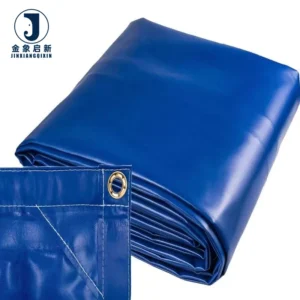
PVC Coated Tarpaulin Truck Cargo Cover with 700gsm, 850gsm and 900gsm weight options, treated for flame retardant and anti-static performance. Engineered for fleet operators specifying model-fit truck and trailer covers, with reinforced hems and welded seams at high-flex load points. Custom sizing eliminates generic dimensions that fail to secure specific trailer profiles.
- Supported by 10-person R&D team handling custom sizing and sample development within days
- 100% pre-shipment inspection verifying GSM weight against quotation
- Three full production lines delivering bulk capacity with reliable on-time dispatch
Description
Full Product Range Coverage — three dedicated production lines handle everything from lightweight utility grades to heavy-duty truck cover specifications, with custom width, treatment and sizing built into the standard workflow.
Technical Specifications
| Parameter | Value |
|---|---|
| Product Type | PVC Coated Tarpaulin |
| Weight Options | 700gsm / 850gsm / 900gsm |
| Outdoor Life | 1–3 years |
| Treatment Options | Flame Retardant (grade not stated); Anti-Static (grade not stated); Anti-cold; Anti-mildew |
| Weather Resistance | Yes |
| Finish Options | Glossy or matte (confirm at inquiry) |
| Custom Sizing | Available to specific truck and trailer model dimensions |
Application Suitability
| Application | Exposure & Requirement |
|---|---|
| Truck cargo cover — flatbed and curtain-side trailers | Constant flexing at load points, road spray, UV exposure, wind uplift on highway runs |
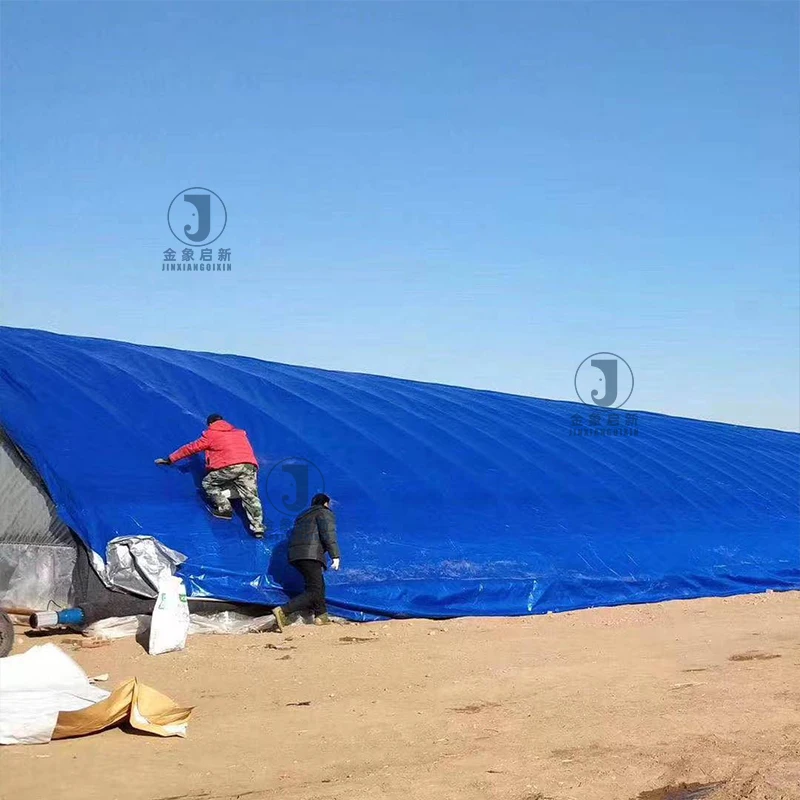
| Construction equipment and site covers | Prolonged outdoor weathering, abrasion from contact with machinery edges, dust and rain ingress |
| Industrial and warehouse stock protection | Indoor or semi-sheltered storage, handling friction, forklift contact risk |
| Agricultural stockpile and machinery covers | Seasonal UV and rain cycles, mildew risk in humid storage, animal and bird damage |
Why Generic Truck Covers Fail Where Yours Needs to Hold
A truck cover that fits the trailer model beats a heavier cover that does not.
I spent years sourcing for a tarpaulin fabrication shop before moving into fleet supply, and the most expensive failures I witnessed were never about the fabric being too thin. They were about covers cut to generic dimensions that pulled away from corners during transit, letting rain pool under the load while the fabric itself sat unused half a metre away. A PVC coated tarpaulin aftermarket supplier who asks for your trailer drawings before cutting saves you from that exact failure — and from arguing with a driver standing next to a soaked pallet at 4 a.m. [NEED_CITE: truck cover fitment failure patterns in logistics fleets]
How Model-Specific Sizing Changes the Outcome
Every trailer model has different corner radii, tie-down point spacing and roof bow profiles. A PVC coated tarpaulin aftermarket supplier working from your vehicle schematics rather than a standard size chart produces covers that seat properly over the load without tension gaps at the edges. This matters most on curtain-side trailers where the cover must track the rail without binding or sagging between supports.
Treatment Verification Before the Roll Ships
Flame retardant and anti-static claims only hold value when backed by a test report tied to the batch you receive. Request the specific grade required for your market — B1 per DIN 4102, M2, NFPA 701 or your local equivalent — and confirm the test was run on the exact GSM and coating formulation being supplied. A PVC coated tarpaulin aftermarket supplier who provides test documentation per shipment removes the guesswork at your receiving dock. [NEED_CITE: fire classification standards for coated textile covers in transport]
Reading the Specification Sheet Beyond GSM
Weight per square metre tells you how much material is in the fabric, but it does not tell you how that material is distributed between the base fabric and the coating layers. A 700gsm fabric with a high-denier base and thinner coating will tear differently than a 700gsm fabric with a lighter base and thicker PVC skin. For truck cargo covers that flex repeatedly during transit, the base fabric construction — the denier and the weave density in both warp and weft — determines whether a small puncture stays small or propagates across the panel. The coating weight governs surface durability, weldability and resistance to water penetration at seams. When evaluating the 700gsm, 850gsm and 900gsm options, ask for the base fabric specification alongside the total weight to understand how the balance shifts between tensile contribution and coating protection. [NEED_CITE: relationship between base fabric denier and coated fabric tear propagation per ISO 1421]
The Cost of Getting the Specification Wrong
Ordering a generic-sized cover for a mixed fleet leads to corner stress failures where the fabric cannot anchor properly to the trailer hardware, and the seams carry load they were not designed for. Selecting a weight grade without confirming the base fabric construction means you may receive material that meets the GSM target but fails at the weld line under flex cycles. Specifying flame retardant without a named grade results in covers that pass your internal check but fail at a roadside inspection or a warehouse compliance audit. These are not edge cases — they are the most common return reasons in the truck cover category. [NEED_CITE: common specification mismatches in PVC tarpaulin procurement for transport applications]
Why Source This PVC Coated Tarpaulin Here
Nearly 30 years focused exclusively on coated fabric means the production team understands how coating weight, base fabric tension and oven temperature interact on the line — not as separate variables but as a single system. Three full production lines with 36 sets of professional equipment support the volume requirements of fleet operators and distributors without pushing your order behind larger accounts. A dedicated 10-person R&D team handles pattern layout for model-specific truck covers and custom treatment formulations rather than routing your request through a general sales desk. Every roll undergoes 100% inspection before dispatch, with weight verification checked against the quoted GSM at the roll level. Samples for custom sizing and treatment combinations are developed within days, so you can confirm fit and performance before committing the full production run.
Documentation & Verification
- Weight verification record per roll confirming the quoted 700gsm, 850gsm or 900gsm before dispatch
- Test reports for flame retardant or anti-static treatments matched to the production batch
- Material specification sheet stating base fabric construction, coating type and colour reference
- Pre-shipment inspection record with roll-level packing list and certificate of origin
- ISO and CE certificates covering the manufacturing facility and quality management system
Fabrication, Handling & Storage
- Heat-weld at temperatures matched to the specific PVC coating formulation used on your selected GSM grade
- Reinforce hem and eyelet zones with additional PVC strip layers to distribute tie-down point loads
- Store rolls vertically on pallets in a dry warehouse to prevent flat-spot creasing on the coating surface
- Allow cold-stored rolls to reach ambient temperature before unrolling to avoid cracking the PVC coating
- Clean with mild detergent only — solvent-based cleaners can degrade the anti-mildew treatment layer
- Field-repair small punctures with PVC patch kits compatible with the coating chemistry of your cover grade
What to Include in Your Inquiry
Provide the specific truck or trailer models you need covers for, including any side curtain rail systems or tie-down configurations. State the fire safety or compliance standards your market requires so the correct flame retardant grade can be confirmed with a test report. Indicate whether you need finished covers cut and welded to dimension or roll stock in custom widths for your own fabrication. If you require colour matching across multiple rolls or specific branding, include your colour reference and print artwork at the inquiry stage so sample development can begin immediately.
Frequently Asked Questions
Q: How do you verify the GSM weight matches what was quoted?
A: Every roll is weighed and measured during pre-shipment inspection. The actual GSM is recorded on the inspection sheet alongside the quoted value — 700gsm, 850gsm or 900gsm — and included in your documentation package. If any roll falls outside the agreed tolerance, it is held before dispatch rather than shipped and disputed later.
Q: Can you provide test certificates for flame retardant and anti-static treatments?
A: Yes. Test reports are issued per production batch for the specific treatment applied to your order. Confirm the grade or standard required for your market — such as B1 per DIN 4102 or your local transport safety regulation — so the correct formulation is selected and documented before production begins.
Q: What custom sizing options are available for specific truck models?
A: Covers are cut and welded to the exact dimensions of your trailer model, including allowances for roof bows, corner radii and tie-down hardware placement. Provide the vehicle drawings or model numbers, and a dimensional sample can be produced for fit confirmation before the full order runs.
Q: How do you ensure colour consistency across multiple rolls in one order?
A: All rolls in a single production run are coated from the same batch of compounded PVC, and colour is checked against the reference standard at multiple points during the run. The inspection record documents the colour check per roll so you can verify consistency before installation across your fleet.
Q: What documentation comes with the shipment for customs and compliance?
A: Each shipment includes a roll packing list, material specification sheet, certificate of origin, and any applicable test reports for treatments specified on your order. ISO and CE certificates covering the production facility are available for inclusion. All documents reference your purchase order number for traceability.
Related products
-
Factory Direct 20×30 Feet 13mil Heavy-Duty Vinyl Tarps PVC Tarpaulin for Firewood Roof Camping Patio Pool Boat Dump Trailer
¥2.60 Add to cart -
500gsm MULTI-PURPOSE Green Waterproof Green Tarp for Emergency Rain Shelter. Outdoor Cover
¥7.72 Select options This product has multiple variants. The options may be chosen on the product page -

PVC Coated Tarpaulin PVC Fabric Tarpaulinheavy duty fire retardant waterproof pvc coated tarpaulin rolling pvc tarp
¥1.00 Select options This product has multiple variants. The options may be chosen on the product page -
Heavy Duty Outdoor Tarpaulin Thickened for Outdoor Waterproof Large Tarpaulin with 3 Meter Width
¥7.78 Add to cart