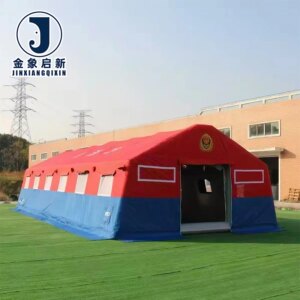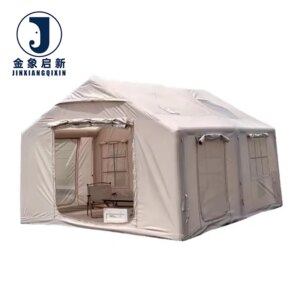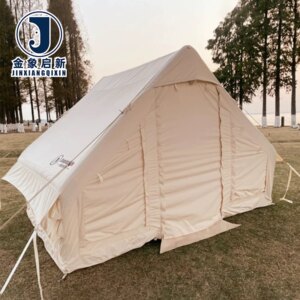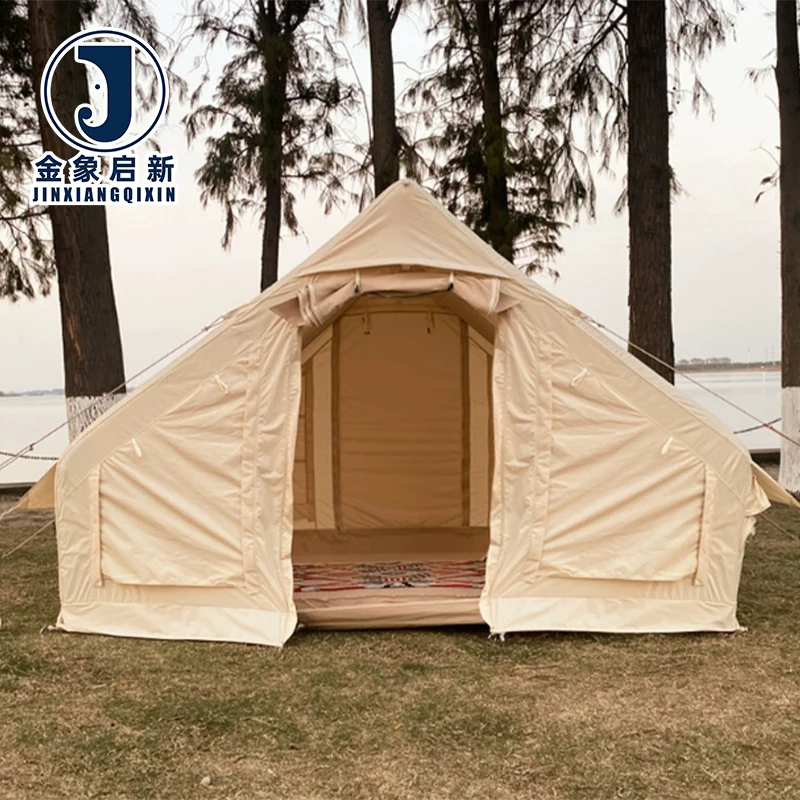
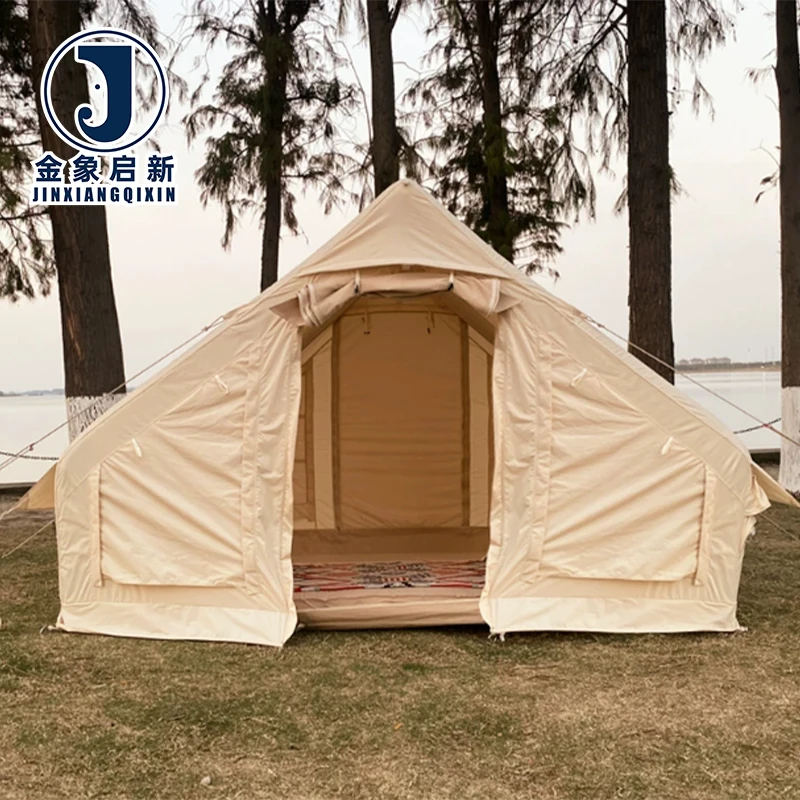
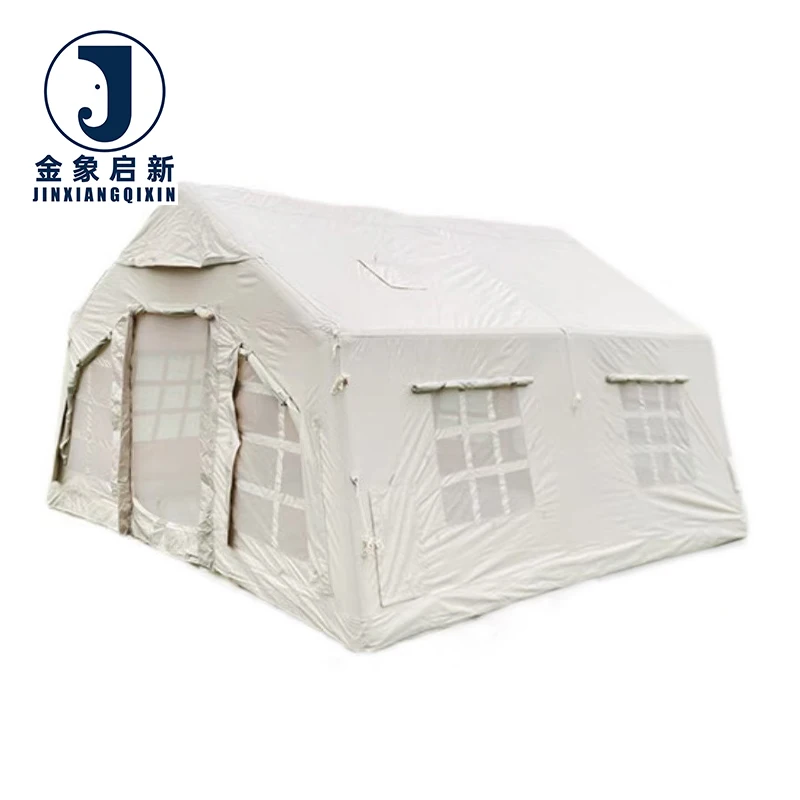
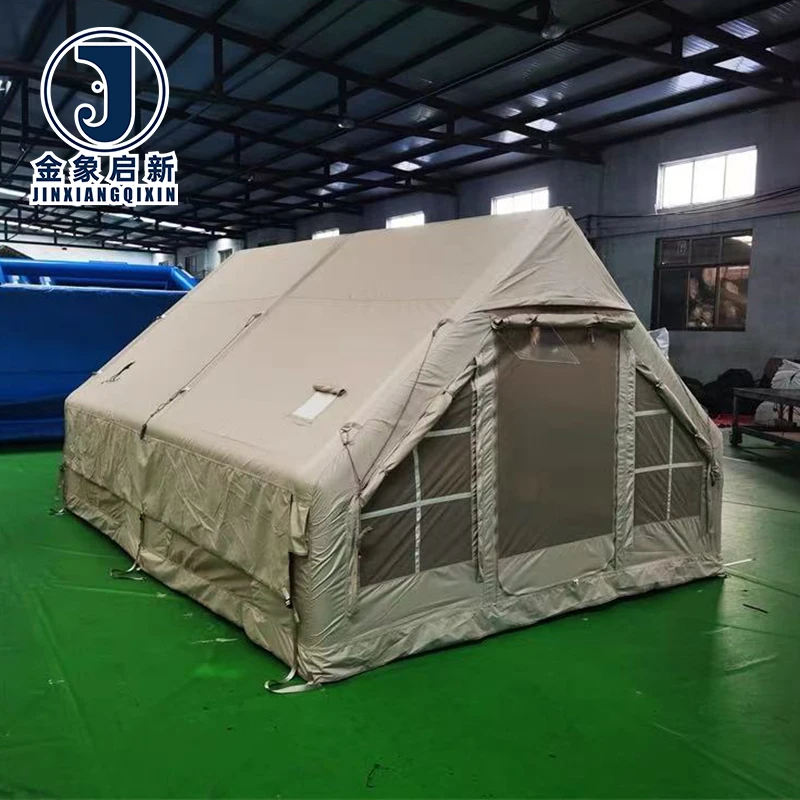
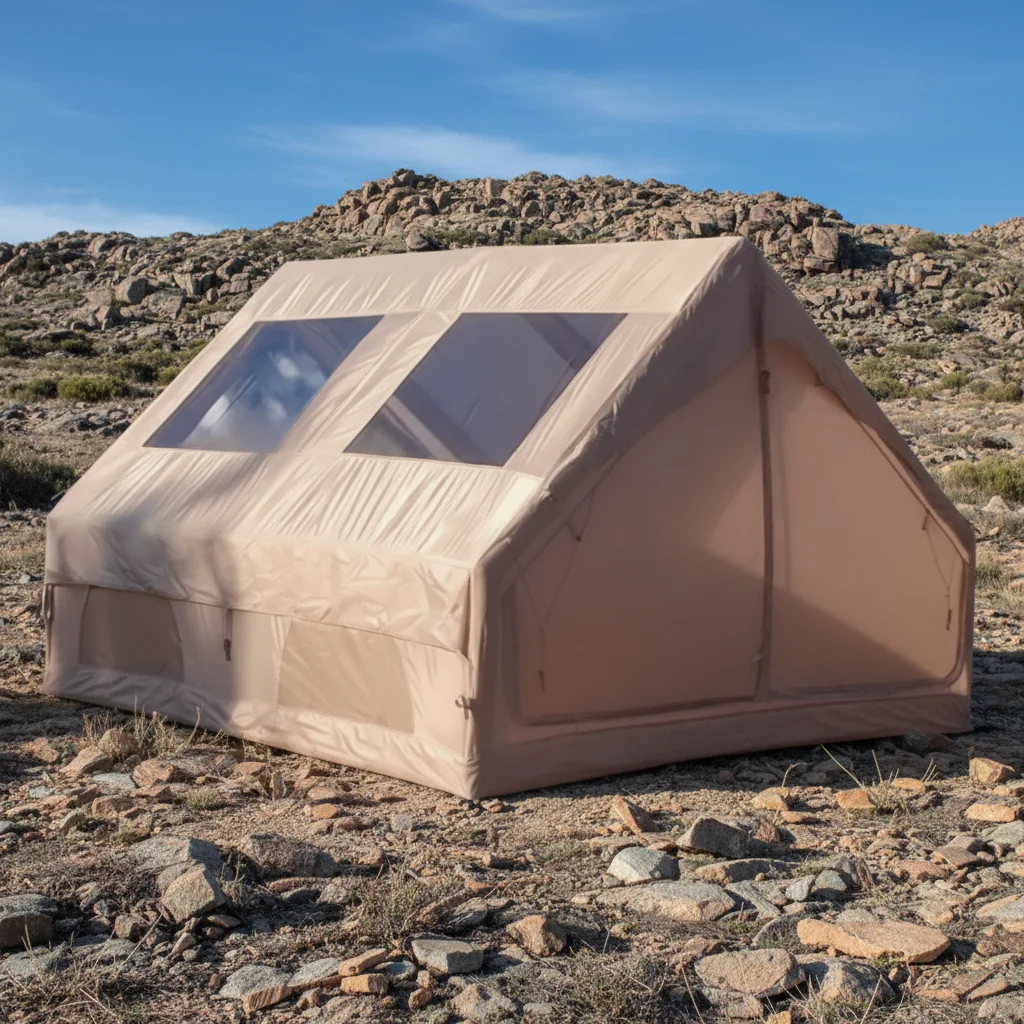
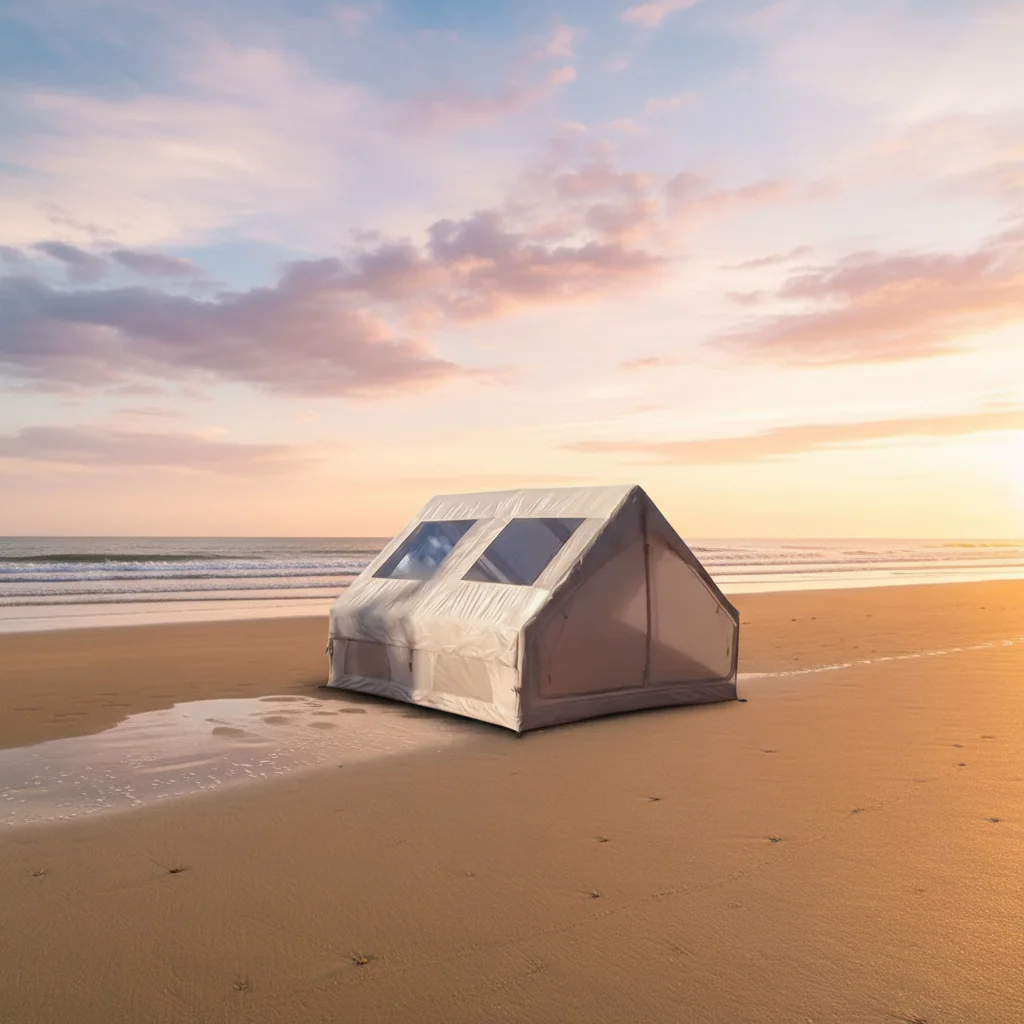
Customized PVC Inflatable Camping Tent — waterproof, UV-resistant, fire-retardant PVC tarpaulin for four-season commercial inflatable tent structures.
- Engineered for resort glamping sites, beach parties, outdoor exhibitions and equipment rental fleets demanding verified material specs and batch-consistent supply
- Full OEM/ODM capability covering dimensions, colour, pattern printing and branding, with material specification sheet, UV and flame-retardant test reports included per shipment
Supported by 3 full production lines, 36 sets of processing equipment and dedicated QA/QC with 100% pre-shipment inspection.
Description
Coating Weight Control — Every roll of our PVC inflatable tent fabric undergoes in-process QA verification to ensure GSM and coating weight match the specification sheet before it leaves our 9,180 m² facility.
Technical Specifications
| Parameter | Value |
|---|---|
| Product Type | Inflatable Tent |
| Core Material | PVC tarpaulin |
| Construction | Single-layer |
| Key Features | Waterproof, UV-resistant, tear-resistant |
| Fire-Retardant Treatment | Available in flame retardant grades — confirm the grade required for your market |
| Anti-Static Treatment | Available — standard to be confirmed per project specification |
| Season Rating | Four-season |
| Customization | OEM & ODM (sample customization, pattern printing, material selection, product design) |
| Quality System | ISO9001, ISO14001, ISO45001, CE |
Application Suitability
| Application | Exposure & Requirement |
|---|---|
| Resort & glamping shelters | Continuous outdoor exposure, guest comfort, seasonal weather cycling |
| Beach parties & outdoor exhibitions | Coastal wind load, salt spray, high UV index, rapid deployment |
| Outdoor equipment rental fleets | Frequent inflation/deflation cycles, transport abrasion, four-season use |
| Commercial event structures | Branded appearance, fire safety compliance, crowd-density occupancy |
| Family-oriented camping grounds | Extended seasonal deployment, waterproof integrity, family safety standards |
What "Flame Retardant" Really Means for Inflatable Tent Fabric
A fabric labelled flame retardant without a stated test standard leaves the buyer carrying the compliance risk.
Commercial operators installing inflatable tents in public venues face inspection from fire marshals who ask for documented proof of the fabric’s fire classification. When the mill supplies material with no grade attached, the tent fabricator is forced to commission independent testing after delivery — adding cost and delay at a stage when the structure should already be on site. We supply inflatable tent fabric with fire-retardant treatment available in multiple grades, and we provide the corresponding test report so you can match the standard your jurisdiction requires before production begins. [NEED_CITE: fire classification standards for temporary outdoor structures and event tents]
Matching the Material to the Inflation Cycle
Inflatable tent fabric must tolerate repeated stress at the seams each time the structure is pressurised and depressurised. The PVC tarpaulin core delivers the tear resistance needed to handle these cyclical loads without progressive damage at the weld lines. Our Inflatable Tent Fabric manufacturer custom service ensures the base fabric denier and weave are selected to suit the inflation pressure range of the intended design, rather than offering a generic grade that suits flat-sheet applications but fails under pneumatic stress.
Surface Finish and Print Adhesion for Branded Structures
Event management companies and resort operators frequently require branded inflatable tents where logo placement and colour fidelity are commercial requirements. The surface treatment of the PVC coating directly governs how well pattern printing adheres and how the finished graphic withstands cleaning between deployments. Our 10-technician R&D team works with clients on material selection and print trials to ensure the specified finish supports the graphic method being used, whether that is solvent ink, UV-curable print, or applied vinyl. [NEED_CITE: coating surface energy and print adhesion methods for PVC tarpaulin]
Reading Beyond the GSM Number
Specifying inflatable tent fabric by GSM alone gives a partial picture of structural capability. The weight of the coating contributes to the total GSM figure, but it is the base fabric denier and thread count that govern tensile and tear performance when the structure is under wind load. A heavier coating on a lighter base fabric may read well on a specification sheet yet offer less tear propagation resistance than a balanced construction with moderate coating and a denser weave. Our material specification sheet states both the base fabric details and the coating weight separately, giving buyers the data to evaluate the actual construction rather than relying on a single composite number. [NEED_CITE: tensile and tear test methods for coated fabrics per ISO 1421]
The Hidden Cost of Inconsistent Rolls
When rolls within a single inflatable tent order arrive with visible colour variation, the fabricator faces a choice between accepting a mismatched structure or rejecting material and delaying the project. This issue typically surfaces only when panels are laid side by side on the factory floor during cutting, long after the rolls have left the supplier. Dedicated QA and QC inspection at every production stage means we verify colour consistency across all rolls before dispatch, documented in the pre-shipment inspection record that accompanies each order. [NEED_CITE: colour consistency measurement methods and delta E tolerances for coated fabrics]
Why Fabricators Source Their PVC Inflatable Tent Fabric Here
Nearly 30 years of coated fabric production gives us process control over coating adhesion that directly affects how well inflatable tent seams hold under repeated inflation cycles. Three full production lines and 36 sets of professional equipment mean bulk orders for commercial tent projects are completed within a reliable production window rather than being queued behind smaller runs. The 10-person R&D team handles material selection, pattern printing, and custom sizing from initial sample development through to approved production specifications. Every roll undergoes 100% pre-shipment inspection rather than batch sampling, so the tent fabricator receives documented verification of every roll in the order. Customized samples are developed within days, allowing tent manufacturers to confirm material hand, weld behaviour, and print adhesion before committing to full production volume.
Documentation & Verification
- Material specification sheet stating GSM, base fabric denier, and coating weight for every inflatable tent fabric order
- Fire-retardant and anti-static test reports provided where applicable — request before order confirmation
- Pre-shipment inspection record covering GSM verification and colour consistency per roll
- Roll packing list detailing individual roll dimensions, weights, and batch references for traceability
- Certificate of origin and customs documentation supporting international shipment of inflatable tent fabric
Fabrication, Handling & Storage
- Heat-weld seam parameters should be set based on the specific PVC coating thickness of the ordered inflatable tent fabric grade
- Store rolls horizontally on pallets to prevent permanent creasing in the single-layer PVC tarpaulin construction
- Allow cold-transported rolls to reach ambient workshop temperature before unrolling to avoid coating surface micro-cracking
- Use PVC-compatible cleaners on the coated surface to maintain waterproof integrity without degrading the coating adhesion
- Field repairs on inflatable tent fabric require compatible PVC adhesive and patch material matching the ordered coating weight
Starting Your Inflatable Tent Fabric Specification
To move from inquiry to quotation, we need the intended application environment, the inflation pressure range of the structure, and the fire safety classification required by the installation jurisdiction. Share your target GSM range, preferred finish, and any pattern printing or branding requirements so our R&D team can prepare material samples that match your design. Confirm whether you require rolls in standard widths or custom dimensions cut to your panel layout for maximum material yield.
Frequently Asked Questions
Q: What fire-retardant grades are available and which test standards do they meet?
A: Fire-retardant treatment is available in multiple grades for our inflatable tent fabric. The specific test standard applicable to your project depends on the jurisdiction where the structure will be installed. Request the available grade options and corresponding test reports before confirming your order to ensure the material meets local fire safety inspection requirements.
Q: How do you ensure colour consistency across rolls in a single inflatable tent order?
A: Dedicated QA and QC staff inspect every roll during production, verifying colour against the approved reference. The pre-shipment inspection record documents this consistency check per roll. For large commercial tent projects, this eliminates the risk of visible colour variation when panels from different rolls are joined in the finished structure.
Q: What is the process for custom pattern printing and colour matching on inflatable tent fabric?
A: Our R&D team develops print samples using your artwork files and colour references. Sample approval covers print adhesion, colour accuracy, and surface finish compatibility. Once approved, pattern printing parameters are locked for the full production run, ensuring branded inflatable tent panels maintain consistent graphic quality across the entire order.
Q: What are the minimum order quantities for custom width, length, and printed inflatable tent fabric?
A: Minimum order quantities depend on the level of customization requested, including width, colour, and printing scope. Standard stock grades carry lower minimums, while fully custom specifications require a production run sized to the coating line setup. Request a quotation with your required dimensions and treatment options for project-specific minimums and lead times.
Q: How is GSM verified at shipment and what should I check on arrival?
A: Each roll is weighed and measured during pre-shipment inspection, with results recorded against the stated GSM. On arrival, buyers should conduct a spot-check weigh of cut samples to verify consistency with the supplied inspection record. Any discrepancy should be documented and reported with batch reference details from the roll packing list.
Related products
-
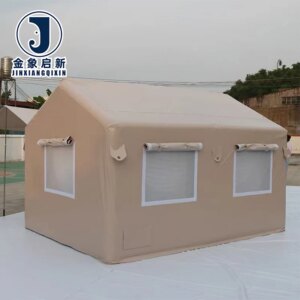
Inflatable Four-Season Event Tent Outdoor Waterproof PVC Quick Automatic Opening 6-8 Person Custom Logo
Read more -
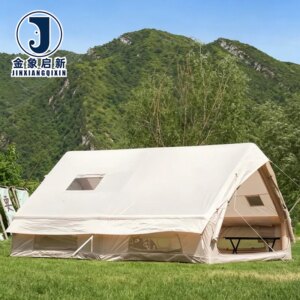
Inflatable Camping Tent PVC Four-Season Waterproof Outdoor Air Tent with Quick Automatic Opening for 2-3 Person
Read more -
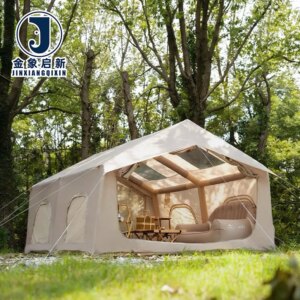
Inflatable Tent Family Size Four-Season Quick Automatic Opening Waterproof 2-8 Person Factory Direct Sale
Read more -

Luxury Inflatable Tent for Glamping Outdoor Waterproof Air Tent with Pump
Read more