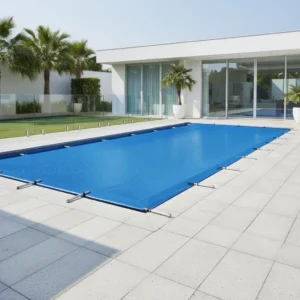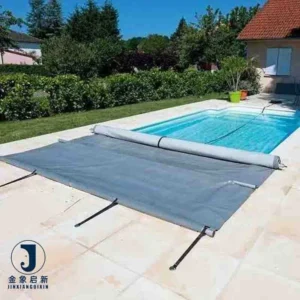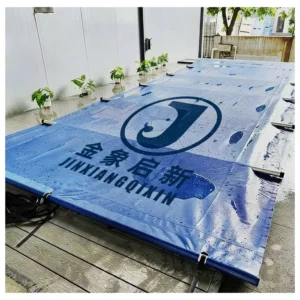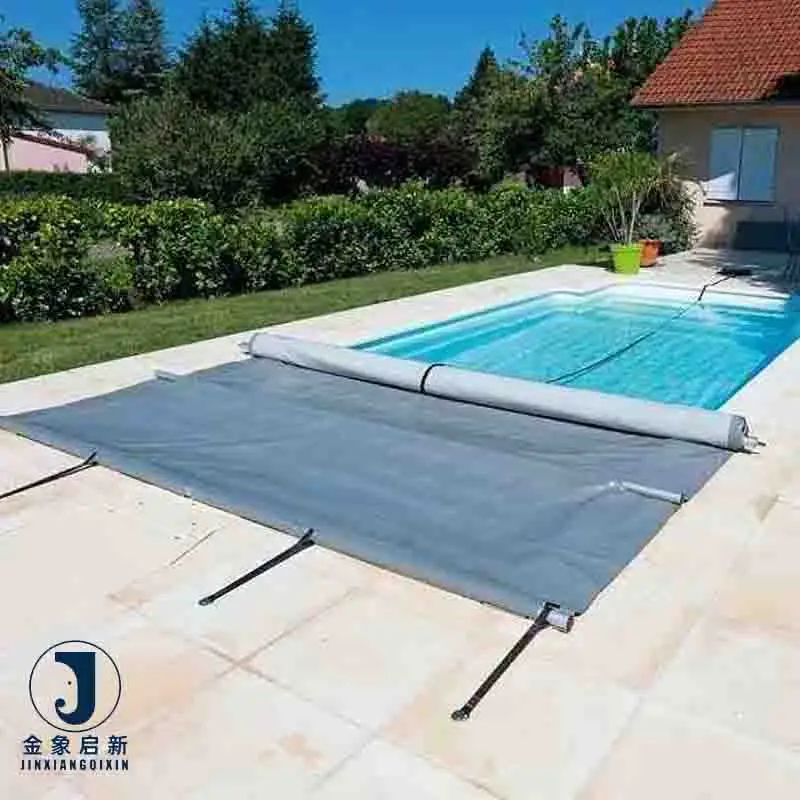
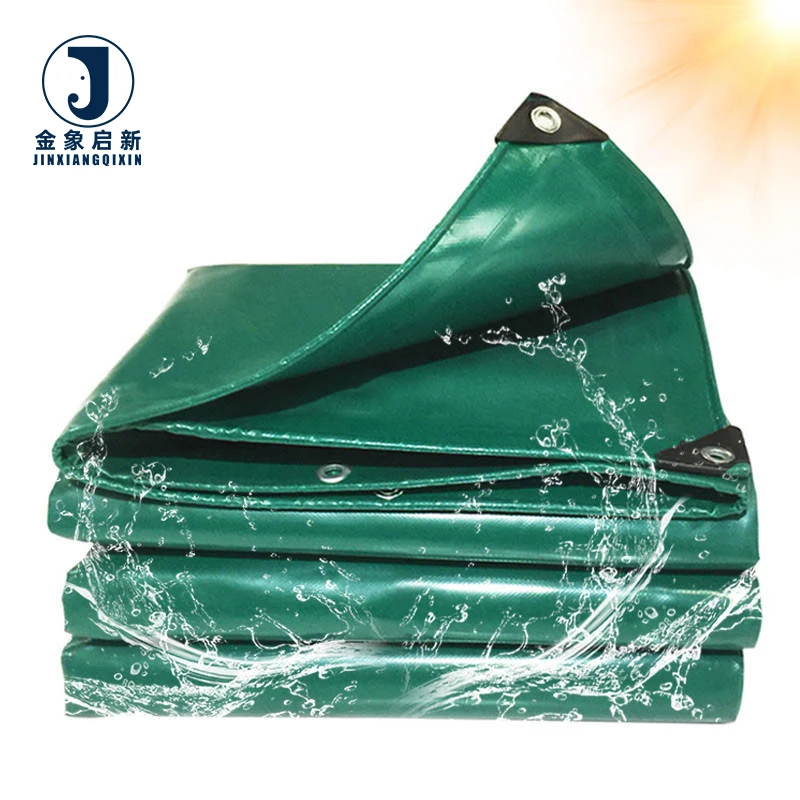
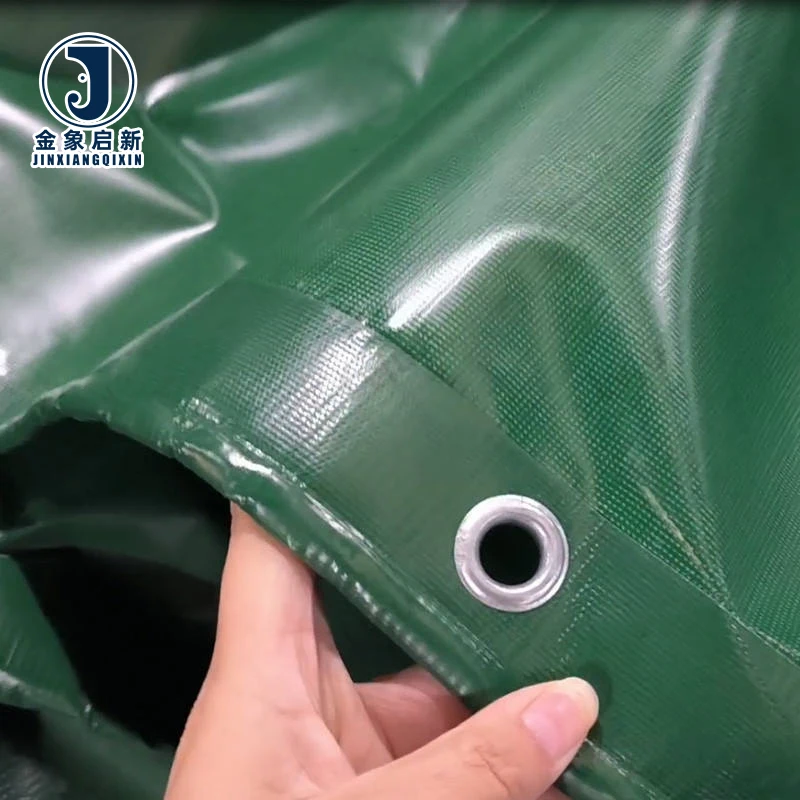
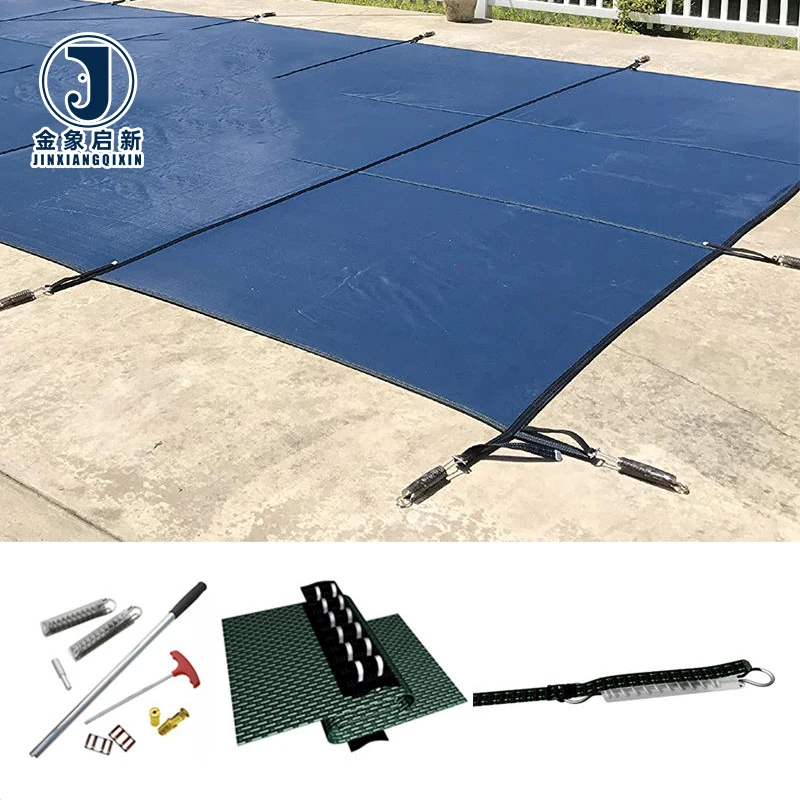
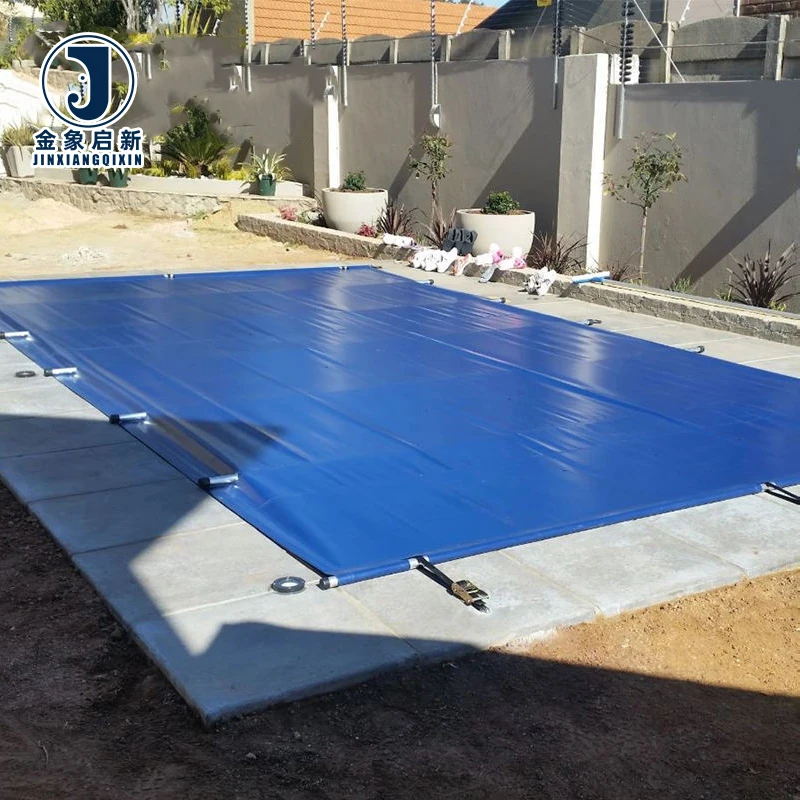
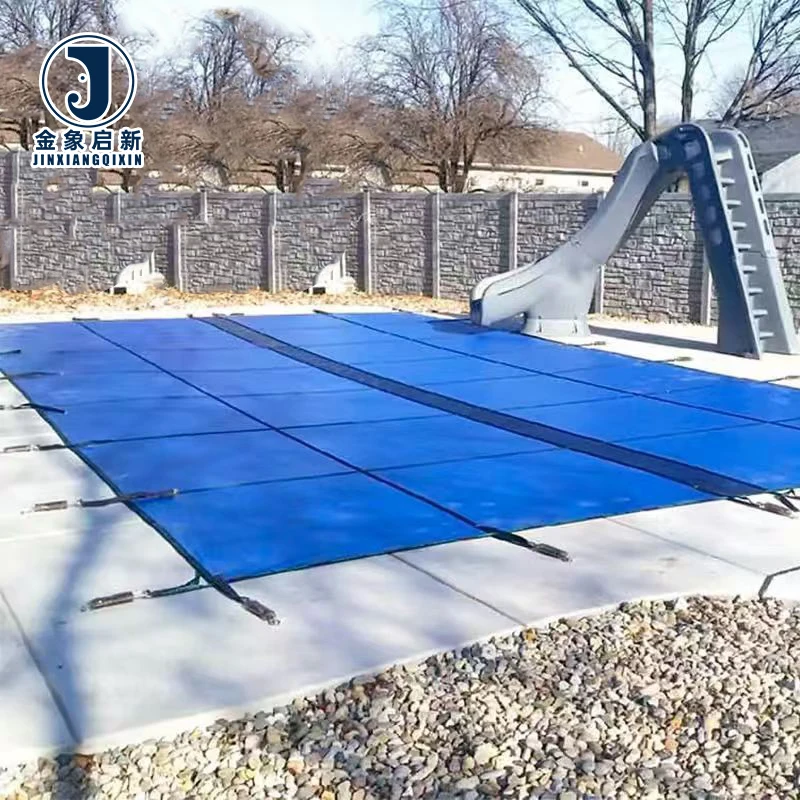
PVC Pool Cover — knife coated, 100% waterproof, UV-resistant and anti-mildew treatment for year-round outdoor pool protection. Engineered with consistent coating weight and fabric adhesion across the entire surface, reducing gaps, debris ingress, and premature cracking common with generic covers. Custom sizing and colour options fit any residential, hotel, or commercial pool dimensions.
- Tear-resistant structure withstands wind, snow, and extreme temperatures
- Anti-UV and anti-aging treatment resists fading and embrittlement under prolonged sun exposure
- Anti-mildew surface ensures easy cleaning and long-term hygiene in humid environments
Backed by nearly 30 years of coated fabric expertise and 100% pre-shipment inspection for reliable quality on every order.
Description
Precision Coating Control — Every roll of PVC pool cover tarpaulin we produce undergoes dedicated QA at every production stage, ensuring coating weight and adhesion meet specification before it leaves our facility.
Technical Specifications
| Parameter | Value |
|---|---|
| Product Type | PVC Pool Cover |
| Material Construction | PVC coated fabric, knife coated |
| Waterproof Performance | Fully waterproof coated construction |
| UV Resistance | Anti-UV and anti-aging treatment (test basis not stated) |
| Weather Resistance | Rain, wind, snow, and extreme temperature exposure |
| Tear Resistance | High strength base fabric with tear resistant structure |
| Mildew Resistance | Anti-mildew surface treatment |
| Customization | Custom size and color available |
| Standards | ISO, CE |
Application Suitability
| Application | Exposure & Requirement |
|---|---|
| Residential swimming pools | Year-round debris, leaf and rain protection; seasonal UV exposure; periodic wind uplift |
| Hotel and resort pools | Frequent removal and reinstallation; chemical splash exposure; high visual presentation standards |
| Outdoor commercial pools | Extreme seasonal temperature variation; heavy debris load; prolonged direct sunlight |
Why Generic Pool Covers Fail Where Knife Coated PVC Succeeds
Generic pool covers leave gaps at the edges, let debris through, or crack after one season of sun — costing more in pool cleaning and premature replacement than a properly specified cover in the first place. A PVC pool cover tarpaulin manufacturer working with knife coated construction addresses these failure modes at the material level rather than relying on secondary treatments.
The core problem buyers face is that covers specified without coating method detail often delaminate or embrittle under sustained UV load. Pool environments combine direct sunlight, chlorine-laden moisture, and thermal cycling from day to night — conditions that expose any weakness in coating adhesion [NEED_CITE: coating adhesion failure modes under thermal cycling]. When the coating separates from the base fabric, water penetration follows and the cover becomes structurally compromised within a single season.
Knife Coated Construction and What It Means for Pool Covers
The knife coating process applies PVC directly onto the base fabric under controlled pressure, forcing the coating material into the weave structure. This creates a mechanical bond that resists delamination even when the cover is repeatedly folded, dragged across pool decks, or subjected to wind-driven flexing. For a PVC pool cover tarpaulin, this coating method is the difference between a cover that lasts through multiple seasons and one that peels apart at the first sign of stress.
Anti-Mildew Surface Treatment in Humid Pool Environments
Pool covers operate in one of the most moisture-intensive environments any coated fabric faces. Standing water, high humidity, and organic debris create ideal conditions for mildew growth on untreated surfaces. The anti-mildew treatment applied to our PVC pool cover fabric inhibits biological growth on the surface, reducing staining and the associated degradation of the coating layer. This matters particularly for covers left in place for extended periods between pool openings [NEED_CITE: mildew degradation effects on PVC coated textiles in high-humidity environments].
How Coating Weight and Base Fabric Density Work Together
The waterproof performance of any pool cover depends on the relationship between coating weight and the base fabric’s weave density. A heavier coating applied over a loosely woven base will bridge the gaps but creates a stiff panel prone to cracking at fold lines. Conversely, a dense base fabric with insufficient coating leaves micro-pathways for water penetration. Knife coating addresses both variables simultaneously — the process forces coating into a tightly woven base, achieving full waterproofing without excessive stiffness. The tear resistance of the finished pool cover tarpaulin is governed more by the denier and thread count of the base fabric than by coating thickness alone. Weather resistance across extreme temperature ranges requires the PVC formulation to remain flexible in cold conditions without becoming tacky in heat, a balance achieved through specific plasticizer selection within the coating compound.
The Hidden Cost of Underspecified Pool Cover Material
When buyers select pool covers based on price per square meter without verifying coating method or treatment claims, the downstream costs accumulate quickly. A cover that cracks from UV embrittlement must be replaced entirely — not just the material cost, but the labor to remove, dispose, and reinstall. Covers lacking adequate anti-mildew treatment develop surface staining that pool operators cannot clean, forcing premature replacement in hospitality settings where appearance standards are non-negotiable. Covers that arrive without documented UV resistance claims cannot be validated against the exposure conditions they will face [NEED_CITE: UV degradation testing standards for outdoor PVC fabrics]. These failures are not material defects in the traditional sense — they are specification failures that originate in the purchasing decision.
Why Source Your PVC Pool Cover Tarpaulin From This Facility
Nearly 30 years of focused coated fabric production means our process control over coating weight and adhesion has been refined through thousands of production cycles. Three full production lines and 36 sets of professional equipment give us the capacity to handle bulk pool cover orders while maintaining consistent roll-to-roll quality. Our 10-person R&D team develops samples within days for custom pool dimensions and colour requirements, allowing buyers to verify fit and appearance before committing to full production. Dedicated QA/QC runs at every production stage with 100% inspection before shipment, catching coating inconsistencies that would otherwise surface at the installation site. ISO and CE certified processes underpin every order with traceable documentation.
Documentation & Verification
- Material specification sheet stating base fabric denier, coating method, and treatment details
- UV resistance test report provided where applicable to the grade specified
- 100% pre-shipment inspection record documenting coating weight and surface quality
- ISO and CE certificates issued with every order for compliance traceability
- Colour reference documentation ensuring batch consistency across multiple covers
Fabrication, Handling & Storage
- Heat welding parameters must match the knife coated PVC formulation for optimal seam strength
- Custom size orders should include sufficient overlap allowance beyond pool edge dimensions
- Rolls should be stored upright on cores to prevent flat-spotting of the coated surface
- Unfold in moderate temperatures to avoid creasing the PVC coating at cold flex points
- Clean with mild detergent solutions; avoid solvent-based cleaners that attack the PVC surface
- Field repairs use compatible PVC adhesive patches matched to the coating formulation
What to Include in Your Pool Cover Inquiry
Provide the exact pool dimensions including any irregular shapes, step areas, or equipment cutouts needed. Specify the target market and any regional compliance requirements for UV resistance or material composition. Indicate your colour preference and whether multiple covers in the same order must match within a defined tolerance. Let us know if you need finished covers with edge reinforcement and tie-down hardware, or if you are purchasing roll stock for your own fabrication.
Frequently Asked Questions
Q: How do I measure my pool for a custom cover size?
A: Measure the maximum length and width of the water surface, then add the required overlap for your anchoring system — typically extending beyond the pool coping. For irregular shapes, provide a diagram with key dimensions. Our team will confirm the cutting dimensions and material yield before production begins.
Q: What coating weight is recommended for my climate and pool type?
A: Coating weight selection depends on your local UV intensity, wind load, and how long the cover remains deployed. Heavier coatings resist puncture from debris load but add stiffness. Share your climate zone and typical cover deployment duration so we can recommend the appropriate specification from our range.
Q: Can I order a sample before committing to a full-size pool cover?
A: Yes, we develop samples within days for custom requirements. You receive a cut piece of the specified PVC pool cover tarpaulin material in your chosen colour and coating weight. This allows you to verify flexibility, colour accuracy, and welding compatibility before placing a production order.
Q: How does UV-resistant treatment affect long-term colour stability?
A: Anti-UV treatment slows the photodegradation process that causes PVC to chalk, fade, or embrittle. The degree of colour retention depends on the UV grade specified, local solar exposure intensity, and deployment duration. Request the applicable test documentation for the UV grade recommended for your market.
Q: Does the pool cover come with reinforcement at edges and tie-down points?
A: Edge reinforcement and tie-down provisions depend on your specification. We produce both finished covers with hemmed edges and grommet reinforcement, and roll stock for fabricators who apply their own edge treatments. Specify your requirement at inquiry stage so we include the appropriate finishing operations.
Related products
-
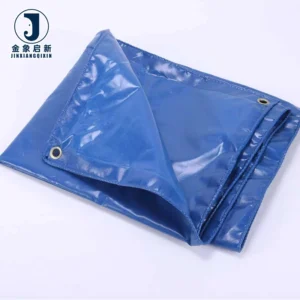
JX PVC Tarpaulin Swimming Pool Cover Material Knife Coated Fabric Waterproof UV-Resistant Windproof
¥13.00 Select options This product has multiple variants. The options may be chosen on the product page -
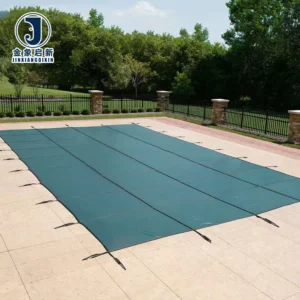
Custom PVC Pool Cover for In-ground Winter Safety – Manufacturer
Read more -
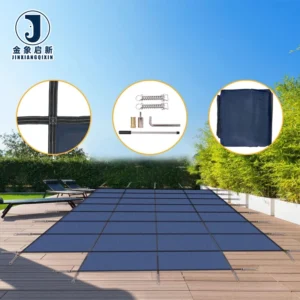
Rain Permeability Coated Organic Weft Plain Boys Blackout Blue Mesh Pool Safety Cover 18x36ft Rectangular Inground 4x8ft Center
¥0.83 Select options This product has multiple variants. The options may be chosen on the product page -
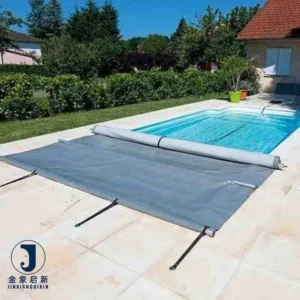
Custom PVC Pool Cover Tarpaulin for Pools – Manufacturer
Read more