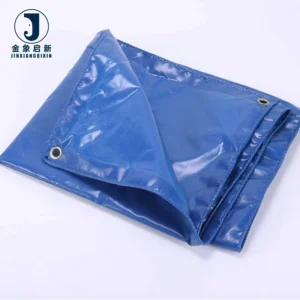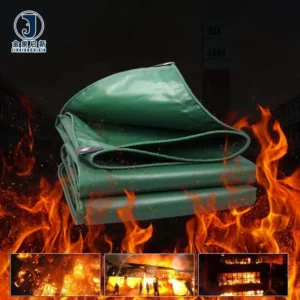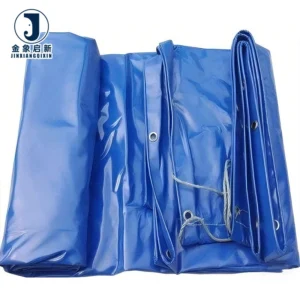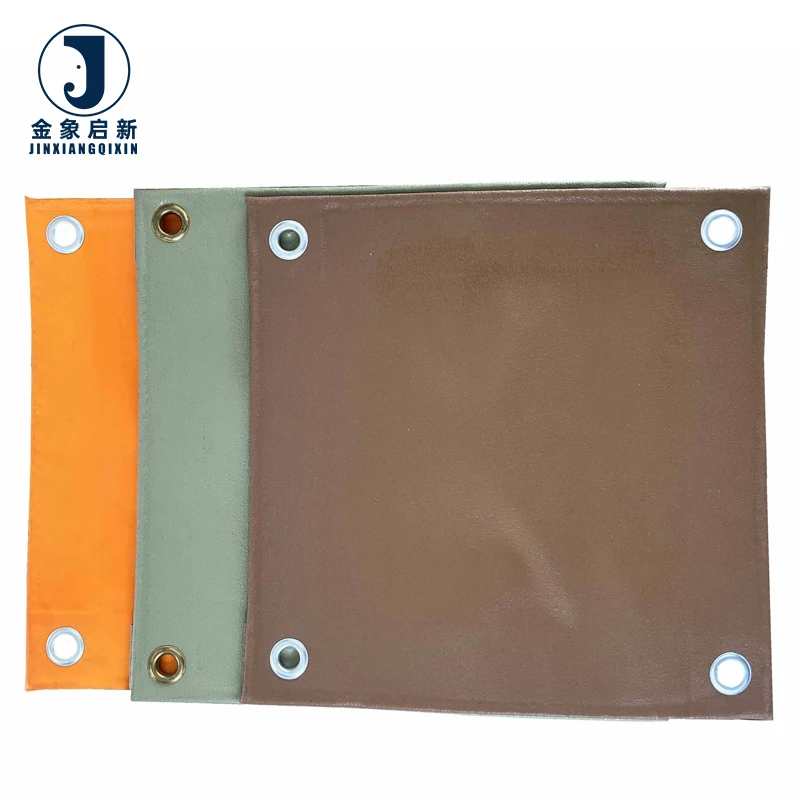
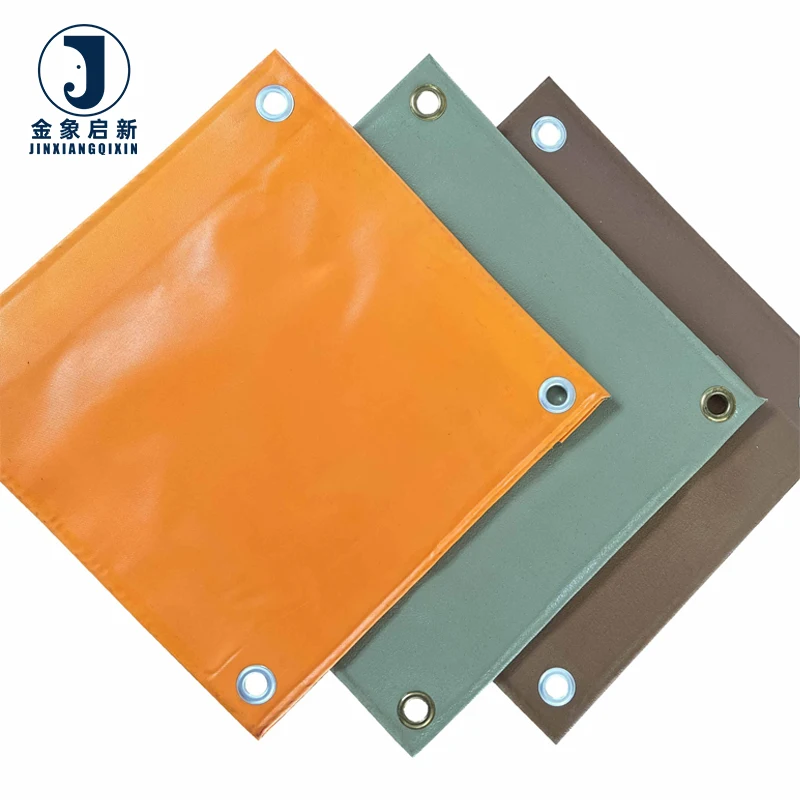
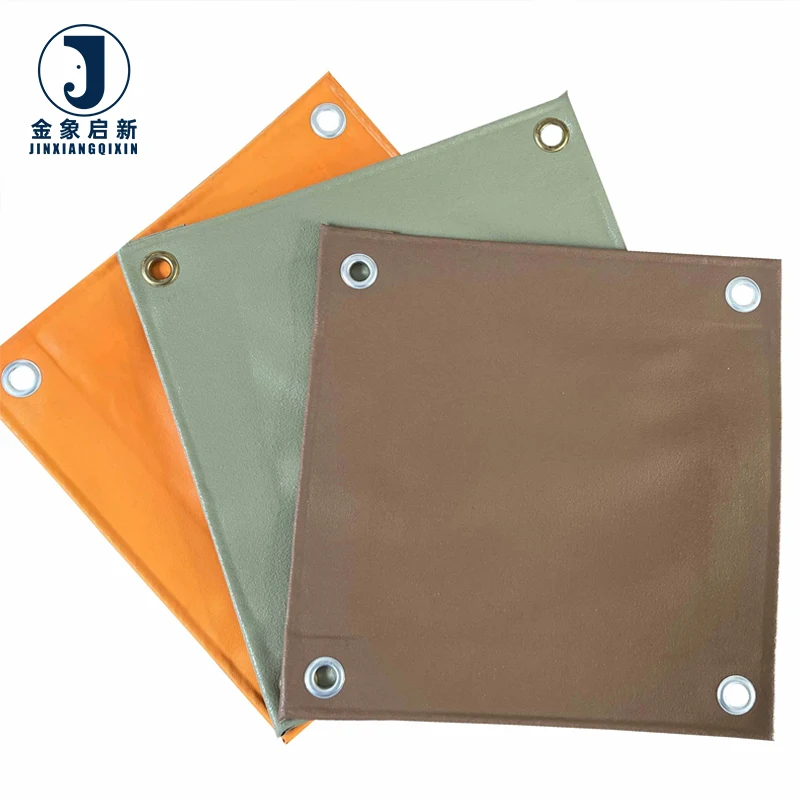
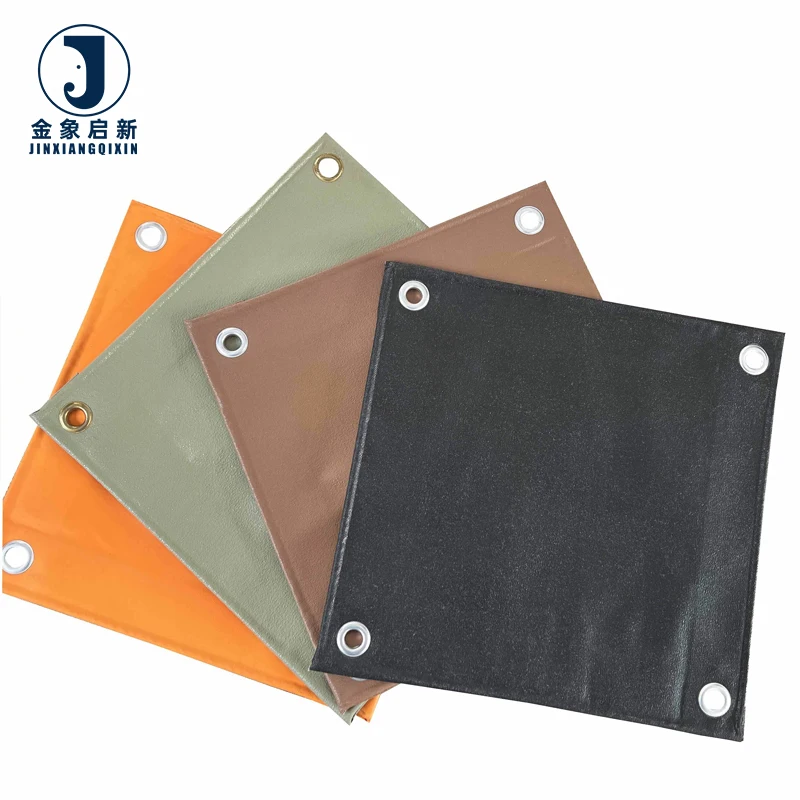
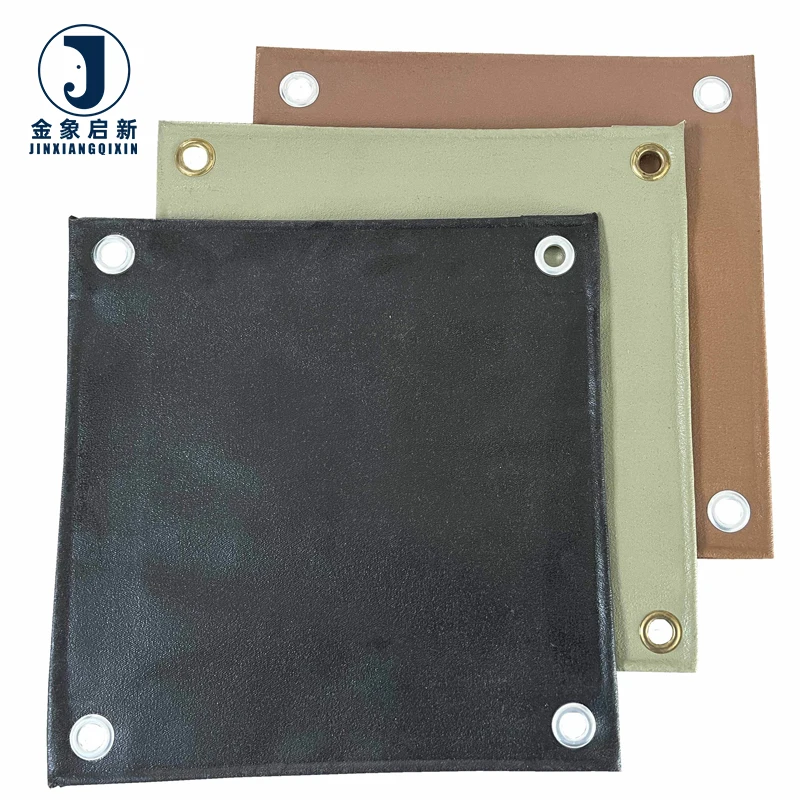
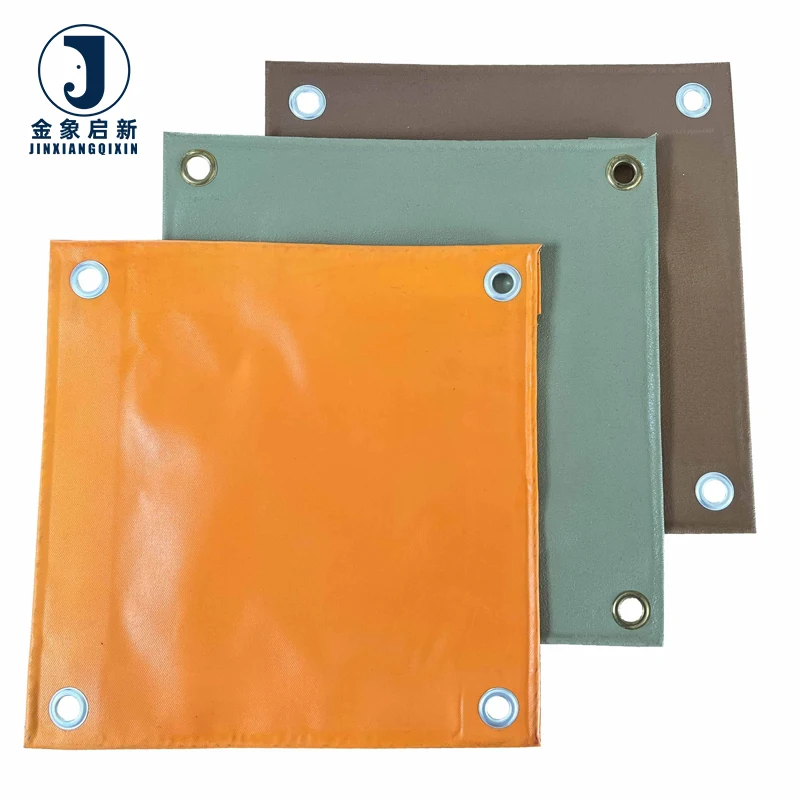
Custom PVC Tarpaulin Cover with flame retardant, anti-static, anti-cold and anti-mildew treatment options — cut and welded to your equipment dimensions.
- Base fabric denier and coating weight together determine tensile and tear performance, not GSM alone
- Welded seam strength engineered at flex points where loads move most
- Eyelet spacing and reinforced hems matched to tie-down and wind-load requirements
Backed by 100% pre-shipment inspection on every piece, 10-person R&D team handling custom sizing and sample development within days.
Description
Deep Process Control Over Coating — Nearly 30 years focused on coated fabric production with dedicated QA/QC at every stage ensuring batch-to-batch consistency for your PVC tarpaulin cover orders.
Technical Specifications
| Parameter | Value |
|---|---|
| Product Type | PVC Coated Tarpaulin Cover |
| Material Base | PVC Coated Fabric |
| Treatment Options | Flame Retardant; Anti-Static; Anti-cold; Anti-mildew |
| Weather Resistance | Suited to extended outdoor exposure |
| Customization | Available for different industry applications |
| Standards | ISO, CE |
| Finish Options | Available in glossy or matte finish |
| Fabrication | High-frequency welding compatible |
Application Suitability
| Application | Exposure & Requirement |
|---|---|
| Truck and trailer fleet covers | Constant flexing at load points, road debris abrasion, UV and weather exposure, model-specific dimensional fit |
| Construction site equipment protection | Puncture risk from sharp materials, prolonged sun exposure, wind loading on large span covers |
| Industrial ventilation duct covers | Fire-retardant certification required on site, airflow containment, anti-static environment compliance |
| Agricultural pond and reservoir liners | Permanent water contact, soil chemistry exposure, puncture from substrate irregularities |
| Outdoor machinery and asset covers | Rain and snow ingress prevention, UV degradation resistance, dust and contaminant exclusion |
Why Stated GSM Does Not Guarantee Real-World Strength in Your PVC Tarpaulin Cover
A quoted weight means nothing if the base fabric density and coating adhesion are not verified against it.
Buyers regularly receive PVC tarpaulin covers that feel lighter than the specification sheet suggested. The GSM figure on a quotation can reflect total coated weight while the base scrim carries less yarn than needed for structural integrity. When a truck cover flexes under wind load or an equipment drape bears snow accumulation, the base fabric denier and weave density determine whether the material holds or tears propagate from a single puncture. I have watched procurement teams approve samples that matched the stated weight, only to find the bulk delivery behaved differently under tension [NEED_CITE: tensile and tear test methods for coated fabrics per ISO 1421].
Coating Weight Versus Base Fabric Contribution
The total GSM of a PVC tarpaulin cover splits between the polyester base scrim and the PVC coating layers applied to each face. A heavier coating adds waterproofing and abrasion surface protection but does not compensate for a loosely woven base. For a PVC tarpaulin cover aftermarket supplier, specifying the base fabric denier alongside the total weight ensures the structural skeleton matches the application demand. High-tenacity polyester yarns in a tight weave resist tear propagation even when the coating surface is scored or nicked during installation.
Treatment Verification Beyond the Quotation Label
Flame retardant and anti-static treatments are available in multiple grades, and the specific grade required depends on the end-use market regulation. A mining ventilation duct cover demands different fire classification than a construction site equipment drape. Requesting the applicable test report tied to the stated treatment level is the only way to confirm the PVC coated fabric meets your site compliance requirement before it ships [NEED_CITE: DIN 4102 fire classification for building materials]. Anti-cold and anti-mildew treatments similarly vary in concentration and effectiveness depending on the climate zone of deployment.
Reading the Specification Sheet Against Actual Performance
Three parameters interact to define how a PVC tarpaulin cover performs once installed. Base fabric denier determines the individual yarn strength within the weave. Weave density, expressed as threads per unit length in warp and weft, controls how load distributes across the fabric plane. Coating weight governs surface durability, weld seam adhesion, and environmental barrier properties. A cover with high coating weight but low weave density will resist water penetration yet tear easily along a single yarn line. Conversely, a dense base scrim with minimal coating will show strong tensile figures but degrade quickly under UV and abrasion. Understanding these relationships prevents selecting a material that passes laboratory tests yet fails in field conditions.
The Cost of Specifying on Weight Alone
When procurement focuses exclusively on GSM without verifying the base fabric construction, the consequences appear weeks or months into service. Weld seams fail at flex points because the coating adhesion was insufficient for the base fabric density. Entire batches show visible colour variation when installed side by side, forcing rework on visible installations. Flame retardant treatment claimed on the quotation does not match the fire classification the site inspector demands, resulting in rejected deliveries and project delays. These outcomes trace back to treating a single number as the full specification rather than examining the complete material construction [NEED_CITE: PVC coated fabric weld seam strength testing standards].
Why Sourcing This PVC Tarpaulin Cover Here Makes Sense
Three full production lines and 36 sets of professional equipment support bulk volume with consistent output across every roll. A 10-person R&D team handles material selection, custom sizing, pattern printing, and sample development directly rather than outsourcing formulation decisions. Dedicated QA/QC operates at every production stage with full pre-shipment inspection before any dispatch leaves the facility. Coating weight and adhesion are controlled through deep process knowledge built over nearly 30 years of focused coated fabric production. Samples for custom requirements are developed within days, allowing you to verify material behaviour before committing to a production run.
Documentation & Verification
- Material specification sheet stating GSM, base fabric construction, and coating type for every roll
- Test report for flame retardant and anti-static grades where applicable to your market
- Pre-shipment inspection record confirming dimensional accuracy and weight verification
- Roll packing list with batch traceability for colour consistency tracking
- Certificate of origin and customs documentation for cross-border shipment
Fabrication, Handling & Storage
- High-frequency welding parameters must match coating thickness to prevent seam failure at flex points
- Reinforced hems and eyelet placement should align with expected tie-down load paths on finished covers
- Store rolls horizontally on pallets to prevent permanent creasing of the PVC coated surface
- Allow cold-weather rolls to reach ambient temperature before unrolling to avoid coating micro-cracking
- Use only PVC-compatible cleaners to preserve the surface treatment and coating integrity
- Custom cut pieces should be laid flat and welded within days of cutting to prevent edge curl
What to Include in Your PVC Tarpaulin Cover Inquiry
Provide the specific equipment dimensions or trailer model numbers so covers can be cut to actual fitment rather than generic templates. State your target market fire classification or anti-static requirement so the correct treatment grade is applied and documented. Indicate whether you need finished covers with eyelets and reinforced hems or roll stock for your own fabrication line. Colour references, annual volume estimates, and any pattern printing requirements help us quote accurately and confirm lead times upfront.
Frequently Asked Questions
Q: How do you verify GSM matches the quoted specification for each batch?
A: Every roll undergoes weight verification against the stated GSM before dispatch. We cut measured samples from production and weigh them on calibrated scales, recording the result on the pre-shipment inspection report. If you require independent third-party testing, we can arrange sample submission to accredited laboratories before bulk production begins.
Q: Can you provide fire-retardant test certificates with my PVC tarpaulin cover order?
A: Yes, where flame retardant treatment is specified, we supply the corresponding test report showing the achieved grade. Different markets require different classifications, so confirm which standard applies to your project. We recommend requesting the certificate during the sample approval stage to ensure the grade meets your site inspector requirements before production.
Q: What is the lead time for custom sizes and treatments?
A: Lead time depends on the degree of customization, order volume, and current production scheduling. Custom widths, colours, and treatment grades require formulation adjustment and line setup. We provide a confirmed timeline with your quotation after reviewing your exact specifications. Sample development for approval typically completes within days of specification confirmation.
Q: Do you offer samples before committing to a bulk PVC tarpaulin cover order?
A: Samples are developed for your specific requirements including material grade, colour, and treatment options. You can test weld seam behaviour, verify colour accuracy, and confirm dimensional suitability before approving bulk production. This step prevents batch-level surprises and ensures the PVC coated fabric meets your application demands.
Q: How do you ensure colour consistency across multiple rolls in one order?
A: All rolls within a single order are produced in the same batch run with controlled pigment formulation. We check colour against the approved reference at multiple production stages. The packing list records batch numbers for traceability, so if you reorder later we can match against your previous delivery or advise on achievable tolerance.
Related products
-

450gsm Green Heavy-duty Waterproof Tarps & Groundsheets Pvc Tarpaulin
¥1.25 Select options This product has multiple variants. The options may be chosen on the product page -
Factory Direct Sale Flatbed Trailer Tarps Black Heavy Duty Lumber Pe Tarp Flatbed Truck Transportation Tarpaulin Roll Sheet
¥1.25 Select options This product has multiple variants. The options may be chosen on the product page -
Secure Green PVC Coated Blackout Tarpaulin Truck Tent Cover Anti-Aging Waterproof Folding Design Breathable Woven Technics
¥0.83 Select options This product has multiple variants. The options may be chosen on the product page -
Factory Direct 20×30 Feet 13mil Heavy-Duty Vinyl Tarps PVC Tarpaulin for Firewood Roof Camping Patio Pool Boat Dump Trailer
¥2.60 Add to cart