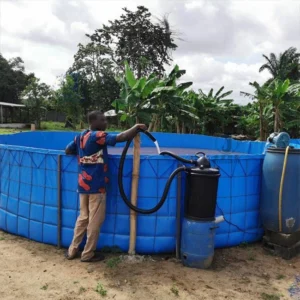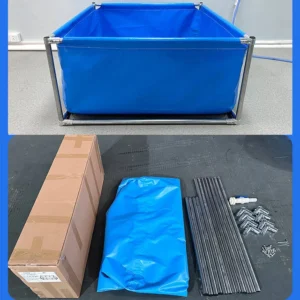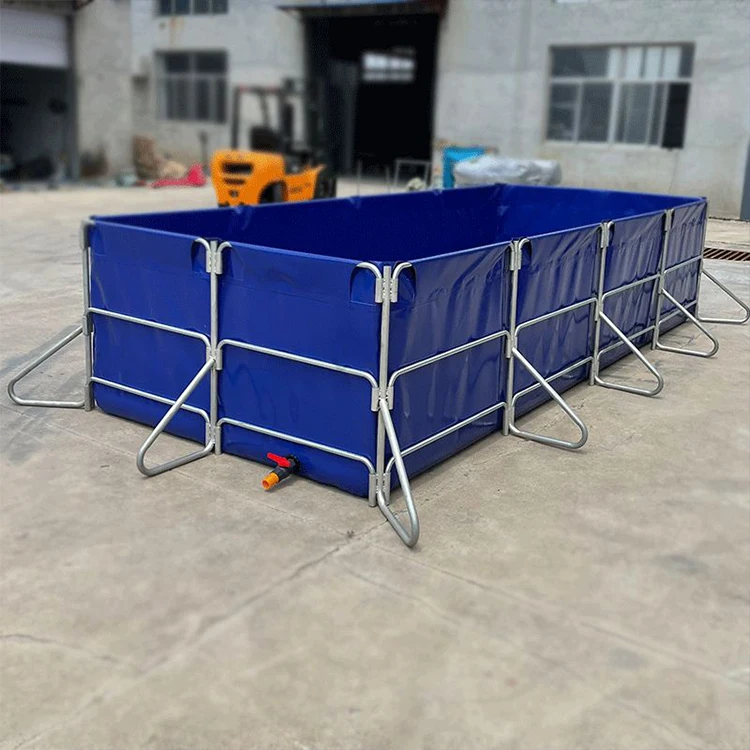
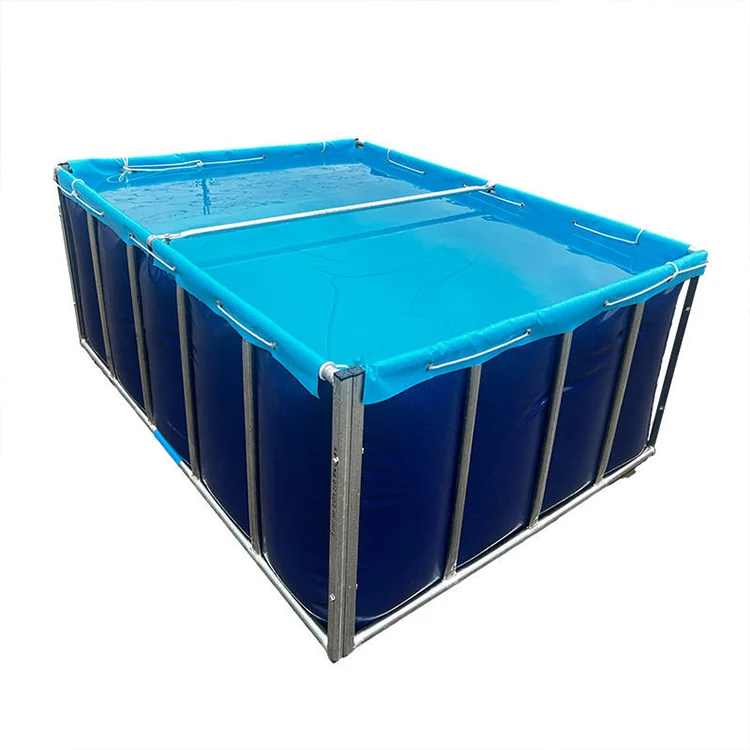
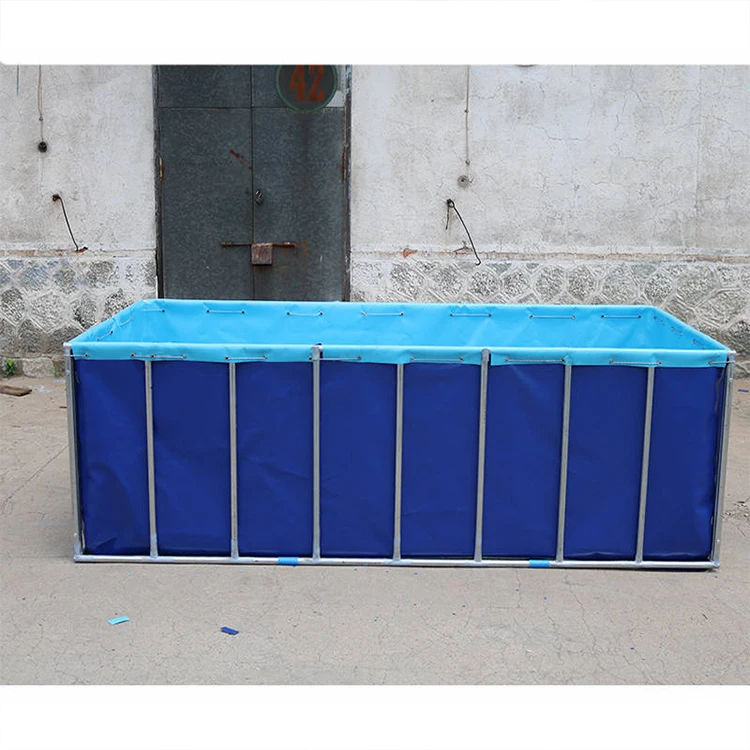
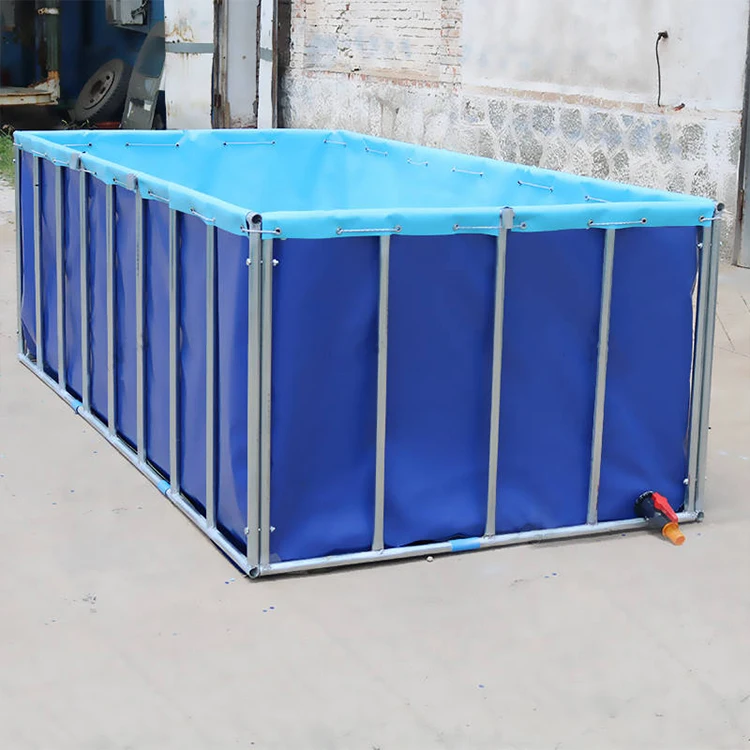
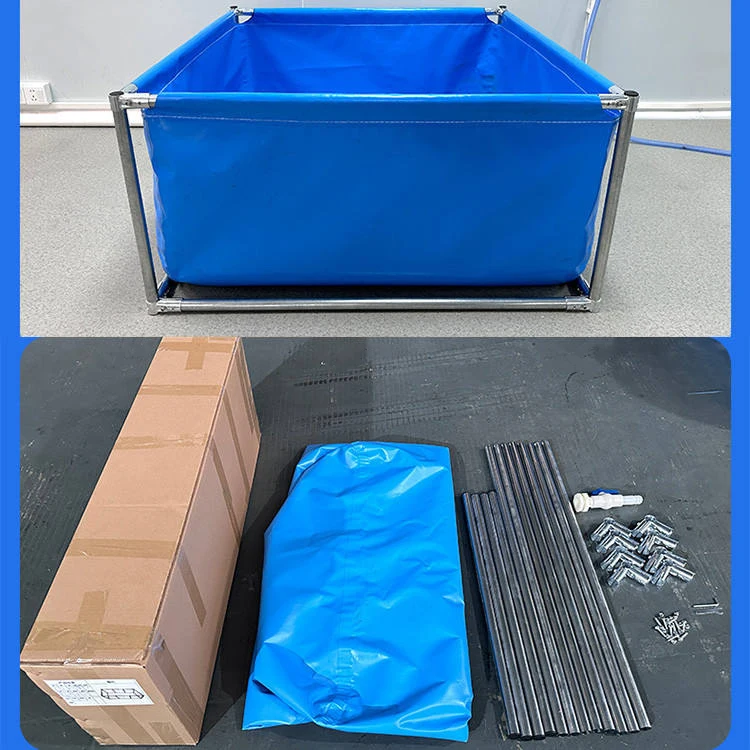
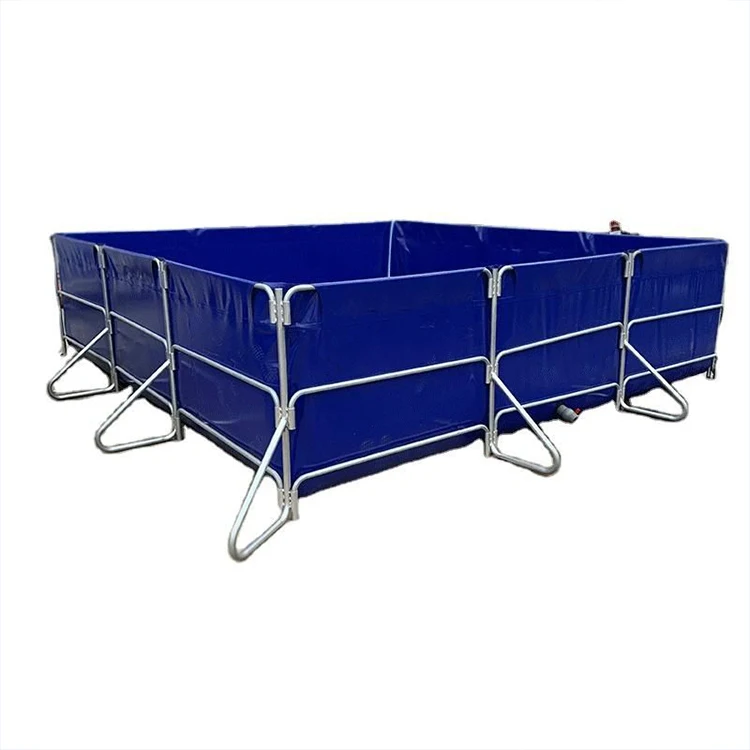
PVC Tarpaulin Fish Pond Liner — Foldable, Circular & Rectangular, Heat Welded
- Custom sizing for aquaculture, hatchery and reservoir ponds
- UV and flame retardant treatments available
- GSM weight verified on delivery matches quotation spec
Coated fabric performance depends on base weave and coating adhesion, not just weight — spec the right combination for water containment and long-term flex resistance.
Backed by nearly 30 years of coating process control, 100% pre-shipment inspection, and samples developed within days for validation.
Description
Precision-Coated Liner Material — GSM verified at every production stage with 100% pre-shipment inspection, ensuring the pond liner weight you approve on the sample is the weight you receive on site.
Technical Specifications
| Parameter | Value |
|---|---|
| Product Type | PVC Tarpaulin Fish Pond Liner |
| Material | PVC Tarpaulin |
| Shape Options | Circular / Rectangular / Foldable |
| Custom Size | Available |
| Seam Construction | Heat welded |
| UV Treatment | Available — confirm the grade required for your market |
| Flame Retardant | Available — confirm the grade required for your market |
| Certification | ISO, CE |
Application Suitability
| Application | Exposure & Requirement |
|---|---|
| Fish farming and aquaculture ponds | Permanent water contact, biological load, soil chemistry, puncture risk from substrate |
| Fish tank and hatchery basins | Contained water volume, fold-out deployment, frequent cleaning and drainage cycles |
| Portable water containment for field operations | Repeated folding and unfolding, transport abrasion, UV exposure during outdoor storage |
| Agricultural water storage and reservoirs | Long-term water retention, algae and microbial exposure, temperature fluctuation |
Why GSM Verification Matters More Than the Number on the Quotation
A liner that arrives lighter than specified compromises weld integrity and puncture resistance before it ever holds water.
Buyers who have received underweight rolls know the cost is not in the material shortfall itself but in the seam failures and early replacements that follow. Coating weight determines how the fabric behaves at the heat-weld line and how it resists abrasion against the pond base. A PVC Tarpaulin Fish Pond Liner that matches the approved specification sheet performs predictably; one that does not leaves the operator carrying the risk. [NEED_CITE: tensile and tear test methods for coated fabrics per ISO 1421]
Cut-to-Dimension Liners That Match Your Pond Footprint
Off-the-shelf sizing forces aquaculture operators to fold, overlap and patch material that was never cut for their basin geometry. This PVC Tarpaulin Fish Pond Liner is produced to your exact pond dimensions, whether circular or rectangular, eliminating excess material at the edges and reducing the number of field seams required during installation. The foldable construction allows the liner to be transported compactly and deployed on site without heavy machinery.
Heat-Welded Seams Built to Outlast the Fabric at Fold Points
The most common failure point in any pond liner is not the body of the material but the seam where two panels join under hydrostatic load. Heat welding creates a continuous bond across the PVC coating layers, fusing the material rather than relying on mechanical stitching that can wick water. For foldable liners that are repeatedly deployed and stored, the weld line must withstand flex cycles without delamination. [NEED_CITE: weld strength testing protocols for PVC coated fabrics]
Reading the Specification Sheet: What Each Parameter Actually Controls
Coating weight, expressed in GSM, influences how the liner resists puncture from sharp substrate and how it handles the thermal stress of heat welding. However, GSM alone does not define strength — the base fabric denier and weave density determine tensile and tear performance independently of coating thickness. A heavier coating on a loosely woven base will resist abrasion but may tear under load more readily than a lighter coating on a tight weave. Heat-welded seam construction depends on the PVC formulation and coating thickness: too thin a coating and the weld starves; too thick and the heat input must be precisely calibrated to avoid burn-through. UV treatment, where specified, protects the coating surface from photodegradation during extended outdoor exposure, but the grade must match the climate and duration of your installation. Flame retardant options are available in different grades depending on local compliance requirements, so the correct standard should be confirmed before production begins.
The Hidden Cost of Specifying on Price Per Square Metre Alone
When a pond liner is selected primarily on unit cost, the trade-offs surface after installation. Underweight material loses coating adhesion at the weld seams under sustained hydrostatic pressure, and the first leak appears not at the liner surface but along the join line. Batch colour variation between rolls becomes visible once the liner is unfolded and installed, creating an inconsistent appearance across a single pond. Liners ordered without confirming the UV treatment grade may show surface embrittlement after a season of direct sunlight, reducing flexibility at the fold points where the material must conform to the pond geometry. [NEED_CITE: field failure analysis of coated fabric pond liners under UV and hydrostatic load]
Why Procurement Teams Source This PVC Tarpaulin Fish Pond Liner Here
Nearly 30 years of focus on PVC coated fabric means the coating weight and adhesion process is controlled from raw material input to finished roll, not outsourced to a third-party coater. Three full production lines and 36 sets of professional equipment support bulk orders with consistent on-time delivery, even when multiple custom sizes are required in a single shipment. A 10-person R&D team develops samples within days for custom pond dimensions and treatment combinations, allowing you to validate the material before committing to a full production run. Dedicated QA/QC at every production stage with 100% pre-shipment inspection ensures the liner leaving the factory matches the specification sheet you approved. The heat-welded seam construction is validated during in-process quality checks, not assumed from the material grade alone.
Documentation & Verification
- Material specification sheet stating GSM, base fabric and coating type for every pond liner order
- UV and flame retardant test reports provided where applicable to the specified grade
- 100% pre-shipment inspection record documenting weight and dimension verification per roll
- ISO and CE certificates supplied with dispatch documentation
- Roll packing list with certificate of origin and customs support for international shipment
Fabrication, Handling & Storage
- Heat weld parameters must match the PVC coating thickness to avoid seam delamination at fold lines
- Folded liner panels should be stored flat to prevent permanent crease marks in the coating
- Deploy the liner at ambient temperature to maintain PVC flexibility and avoid cold-cracking at edges
- Clean with mild detergent only; solvents degrade the PVC coating surface and compromise UV treatment
- Field repairs on heat-welded seams require compatible PVC patch material and controlled heat application
- Unfold and inspect the full liner surface before filling to confirm no transit damage occurred
How to Structure Your Enquiry
To provide an accurate specification and sample, share your pond dimensions and whether a circular or rectangular configuration is required. Confirm the exposure conditions — indoor hatchery, outdoor pond with direct sunlight, or seasonal portable deployment — so the appropriate UV treatment grade can be recommended. If your site or market requires flame retardant certification, specify the standard your project must meet. Indicate whether you need finished cut-to-size liners or roll stock for your own fabrication.
Frequently Asked Questions
Q: How is the GSM of the pond liner verified before shipment?
A: Every roll is weighed and measured during the 100% pre-shipment inspection. The recorded GSM is compared against the material specification sheet approved during the sampling stage. If any deviation falls outside tolerance, the roll is held and reworked or replaced before dispatch. This ensures the PVC Tarpaulin Fish Pond Liner you receive matches the weight you specified.
Q: Can the liner be custom cut to non-standard pond dimensions?
A: Yes. Circular and rectangular configurations are produced to your exact dimensions, with heat-welded seams joining panels where the pond size exceeds the available fabric width. The R&D team develops a cut plan and sample for your approval before full production runs begin, so the finished liner fits your basin without on-site modification.
Q: What seam construction is used and how reliable is it under water load?
A: All seams are heat welded, fusing the PVC coating layers into a continuous bond rather than relying on stitched joins that can wick moisture. The weld integrity is checked during in-process QA, and the seam is designed to withstand hydrostatic pressure at fold and flex points where the liner conforms to the pond geometry.
Q: Are UV and flame retardant test reports included with the shipment?
A: Where UV treatment or flame retardant grades are specified in your order, the corresponding test reports are included in the dispatch documentation. The specific grade and test standard should be confirmed during the enquiry stage to ensure the correct treatment is applied and documented for your market requirements.
Q: What is the typical lead time for custom-sized pond liners?
A: Custom sizes and treatment combinations require sample development and approval before production. Once the sample is confirmed, production scheduling depends on order volume and the number of unique sizes in the shipment. Request a lead time estimate during the quotation stage based on your specific configuration and quantity.
Related products
-
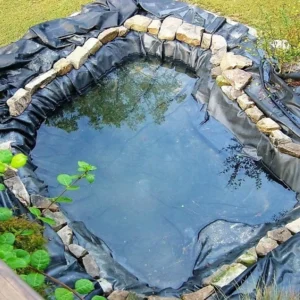
Custom Made PVC Fish Pond Liner for Aquaculture – Full Range
Read more -
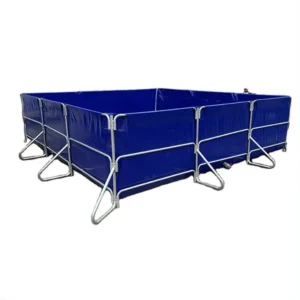
Foldable Circular Rectangular PVC Tarpaulin Fish Pond Tarpaulin for Fish tank
¥0.53 Select options This product has multiple variants. The options may be chosen on the product page -
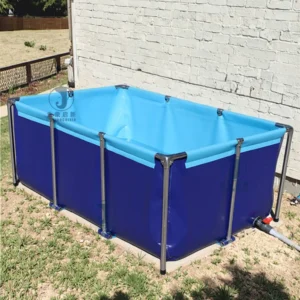
PVC Tarpaulin Roll for Fish Pond – Custom Made
Read more -
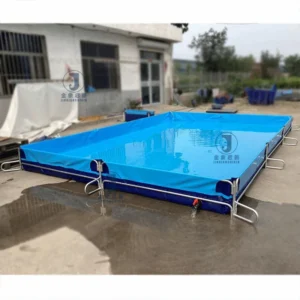
Custom Blackout Plain Flexible Foldable PVC Tarpaulin Fish Tank 500gsm PVC Coated Roll
¥1.00 Select options This product has multiple variants. The options may be chosen on the product page