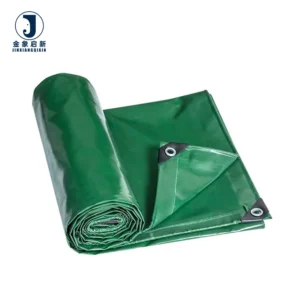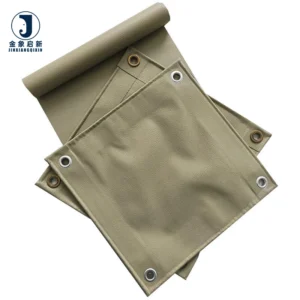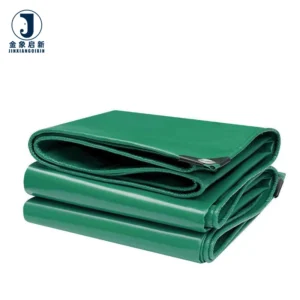
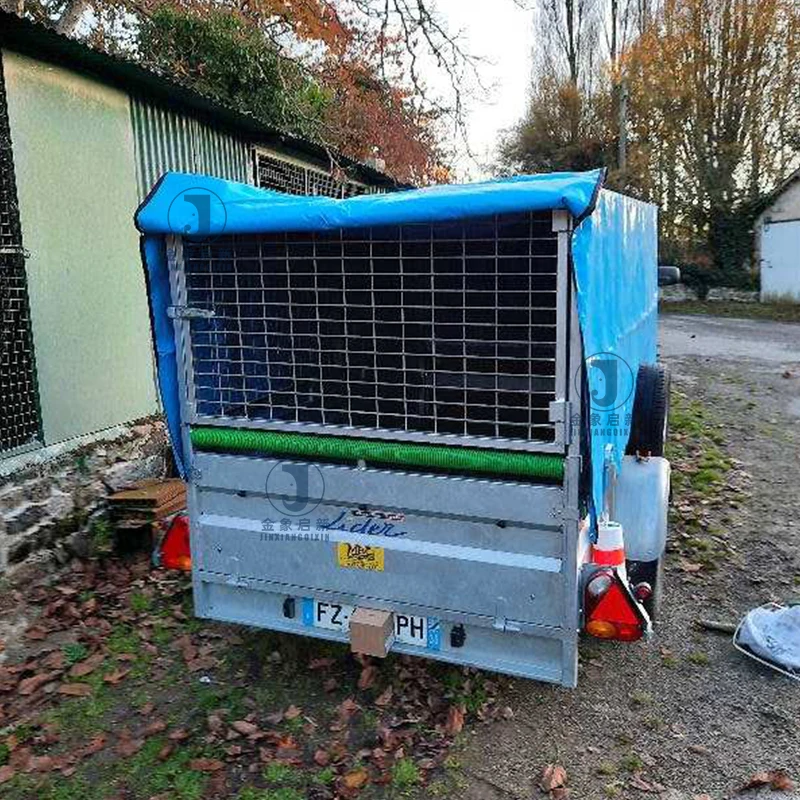
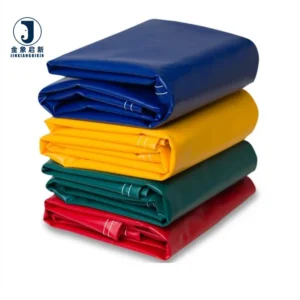
Fire Retardant Waterproof PVC Tarpaulin Roll — 100% high toughness polyester yarn, 400–1500 g/m², 0.35–1.5 mm thickness with hot melt coating and lamination.
- Specified GSM and flame retardant grade (B1 standard) verified on every roll before dispatch, with test reports matched to your batch. Coating process control ensures consistent adhesion and reliable welding performance at flex points.
- Custom width, length, colour and printing with samples developed before bulk — 10-person R&D team handling full material and sizing development.
100% pre-shipment inspection with full documentation: spec sheet, test reports, ISO and CE certificates, packing list and certificate of origin.
Description
Full Production Line Control — Three in-house coating lines manage PVC adhesion and GSM consistency from roll start to roll end, ensuring warehouse cover and construction fabric meets stated weight on arrival.
Technical Specifications
| Parameter | Value |
|---|---|
| Product Type | PVC Coated Tarpaulin Fabric |
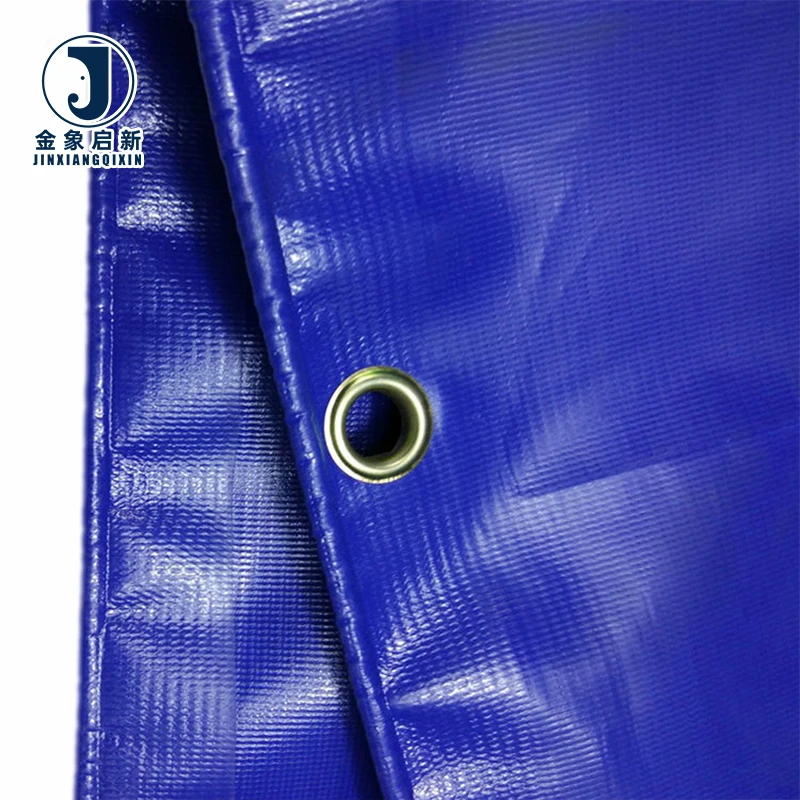
| Base Fabric | 100% high toughness polyester yarn |
| Coating Technology | Lamination and hot melt coating |
| Weight Range | 400–1500 g/m² (medium to super heavy-duty) |
| Thickness Range | 0.35–1.5 mm |
| Base Fabric Denier | 500D–2000D |
| Tensile Strength (Warp) | 1500–3000 N/5cm |
| Tensile Strength (Weft) | 1200–2800 N/5cm |
| Flame Retardant | B1 standard per DIN 4102 |
| UV Treatment | UV resistant treatment available — confirm grade required for your market |
| Anti-Static | Anti-static treatment available — confirm surface resistance standard |
| Cold Resistance | Cold resistant cracking treatment available |
| Anti-Mildew | Mold proof construction |
| Waterproof | Fully waterproof coated construction |
| Finish Options | Glossy or matte finish available |
| Color Options | Blue, Green, Grey, Black, Orange, or custom color matching |
| Welding Tear Strength | Excellent welding tear strength (test standard not stated — request report) |
| Color Fastness | High grade (test basis not stated — request report) |
| Customization | Color matching, pattern printing, custom width and length |
| Certifications | ISO, CE |
Application Suitability
| Application | Exposure & Requirement |
|---|---|
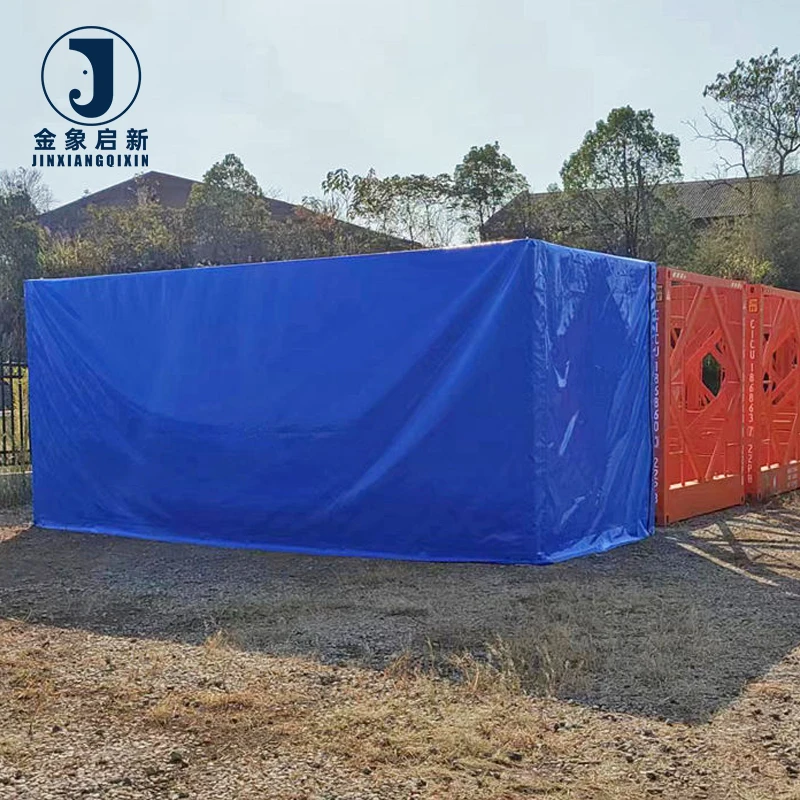
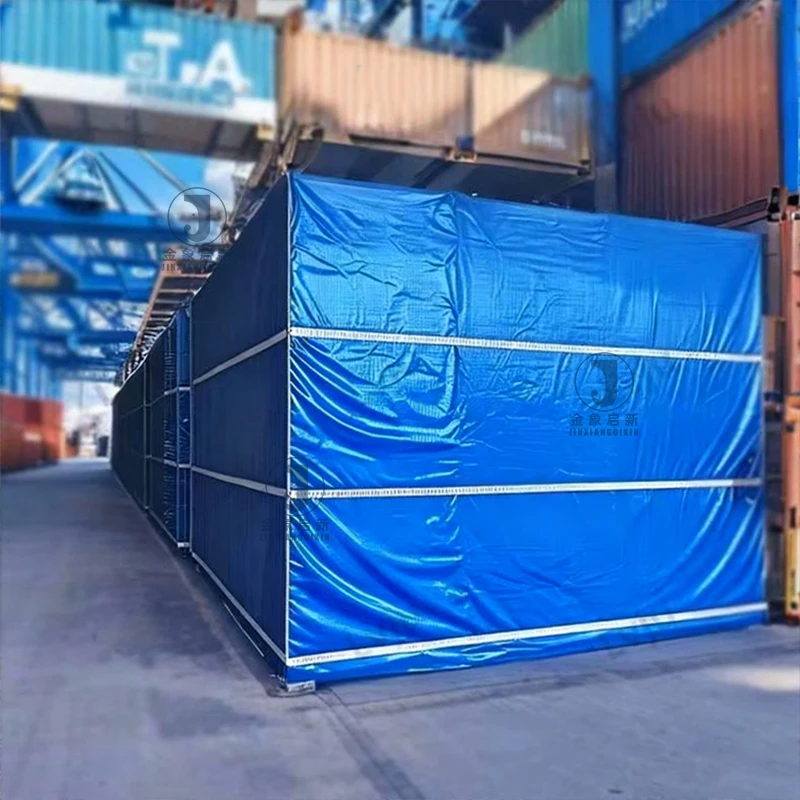
| Warehouse cover | Rain, wind loading, UV degradation, fire safety compliance for stored inventory |
| Construction site protection | Abrasion from debris, puncture from scaffolding contact, flame retardant site mandates |
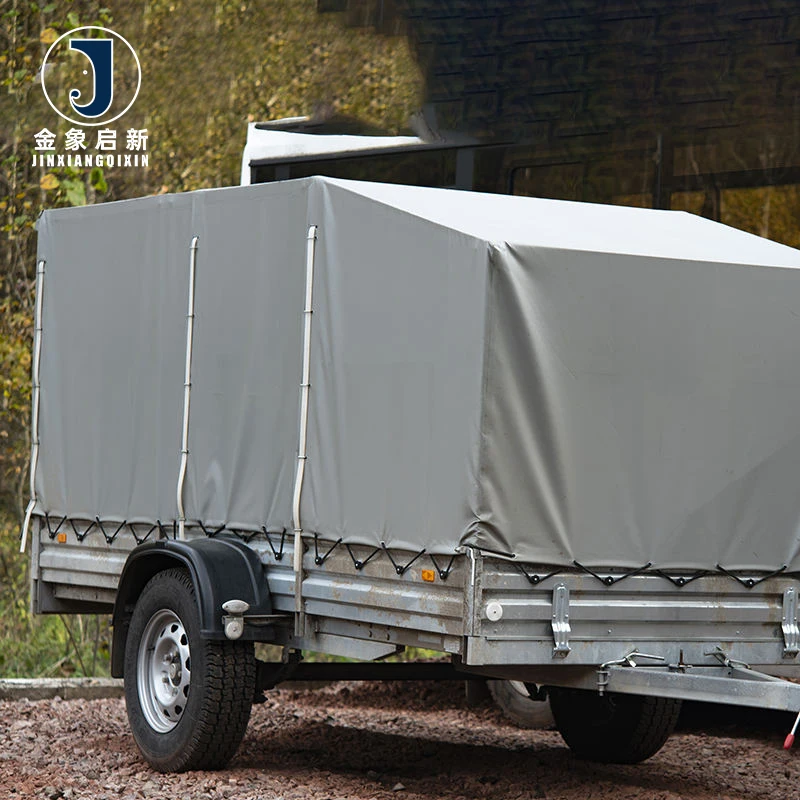
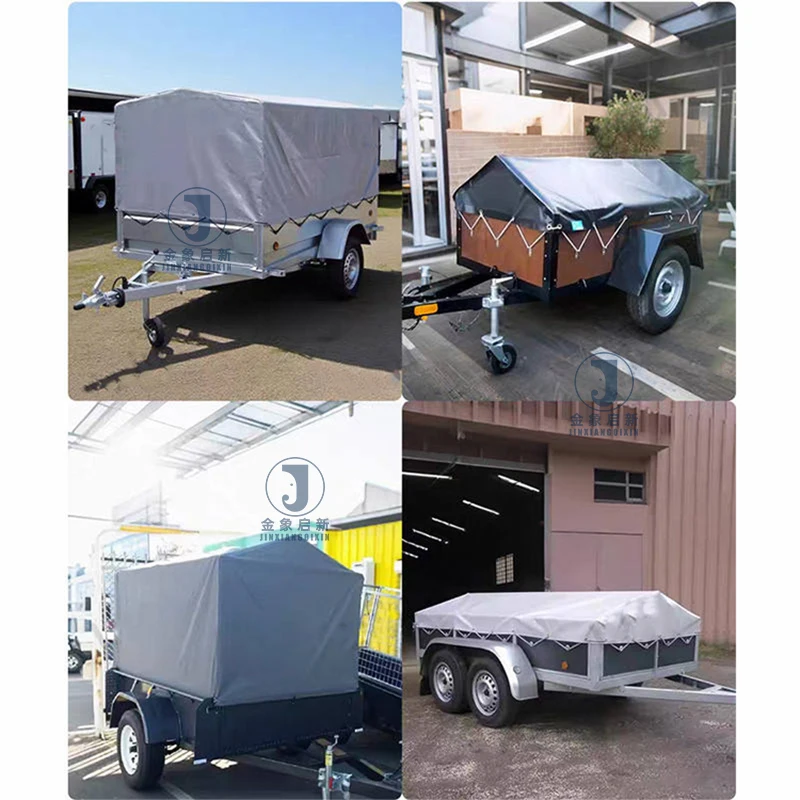
| Truck side curtain fabric | Constant flexing at load points, road spray, tie-down abrasion at eyelets |
| Industrial pipe canopy | Chemical exposure, thermal cycling, structural tension loads |
| Tensioned structural fabric | Sustained tensile stress, wind uplift, seam integrity at anchor points |
| Farm equipment cover | UV exposure, moisture ingress, mold growth in humid storage |
Why a Fire Retardant Claim Without a Grade Costs You More Than the Fabric
B1 certification per DIN 4102 accompanies every fire retardant PVC coated tarpaulin order — no undocumented claims ship from our floor.
Warehouse operators and construction contractors have watched tarpaulin orders arrive with a quotation that says "flame retardant" and a site inspector who asks for the test standard. When the documentation does not match the claim, the entire shipment sits in quarantine while a replacement is sourced, often on compressed timelines. I have seen PVC coated tarpaulin fabric aftermarket supplier orders delayed because the flame retardant grade on paper did not translate to a test report the site safety officer would accept. [NEED_CITE: DIN 4102 fire classification for building materials]
Coating Weight and Base Fabric Density Work Together — Not Separately
A PVC coated tarpaulin manufacturer can quote a GSM figure that measures coating weight, base fabric weight, or combined weight. The distinction matters for warehouse covers that must resist puncture from stacked pallets and construction tarps that encounter scaffold tube edges. When the base denier is undersized relative to the coating thickness, the fabric becomes stiff without gaining proportional tear resistance. Medium-duty grades built on 500D yarn with 400–500 g/m² total weight serve lighter warehouse partition and equipment cover duty. Heavy-duty grades on 1000D yarn at 700–1000 g/m² address truck side curtain and construction site cover requirements. Super heavy-duty fabric at 1100–1500 g/m² on 500D–2000D base yarn handles tensioned structural and industrial canopy loads where sustained tensile stress is continuous.
Hot Melt Coating Control and Weld Line Integrity
The lamination and hot melt coating process determines how firmly the PVC bonds to the polyester base yarn. When adhesion is inconsistent across the roll width, the coating delaminates at weld seams under flex load — typically at the point where a truck side curtain bends most during transit or where a warehouse cover meets a frame rail. The welding tear strength of this PVC coated tarpaulin fabric depends directly on coating penetration depth and temperature uniformity during production. Our three-line facility maintains coating parameter logs per batch, and pre-shipment inspection records document weld tear test results against the batch being dispatched. [NEED_CITE: tensile and tear test methods for coated fabrics per ISO 1421]
Reading the Specification Sheet Against Your Site Conditions
Warp tensile strength ranging from 1500 to 3000 N/5cm and weft from 1200 to 2800 N/5cm reflects the span across medium through super heavy-duty grades — not a single fabric’s performance. The correct grade for a warehouse cover exposed to wind uplift differs from one protecting ground-stored construction materials from rain. Base denier controls tear propagation resistance: a 1000D yarn limits tear spread far more effectively than 500D at the same GSM. Coating thickness from 0.35 mm to 1.5 mm influences both flexibility during installation and abrasion resistance at contact points. Flame retardant treatment to B1 per DIN 4102 is specified per order, with test documentation tied to the production batch. UV resistant and anti-static treatments are available as additional configurations — confirm the standard required for your market before sampling.
When the Wrong Grade Passes the Quotation Stage but Fails on Site
A construction contractor specifying flame retardant cover for an occupied building site needs B1 documentation that matches the local fire authority’s accepted standard — not a generic "flame retardant" line item. When the grade arrives without the test report, the entire installation halts pending verification, and the project schedule absorbs the delay. Similarly, ordering a medium-duty 400–500 g/m² grade for a heavy transport application exposes the fabric to tensile loads that exceed its warp strength ceiling, causing progressive tearing at grommet and tie-down points. [NEED_CITE: common failure modes in PVC coated fabric applications] Color variation between rolls in the same order becomes visible once warehouse partitions or construction enclosures are installed side by side, forcing selective replacement that fragments batch integrity.
Why Buyers Source This PVC Coated Tarpaulin Fabric Here
Three full production lines and 36 sets of professional equipment support bulk capacity without outsourcing coating stages to third-party facilities — every roll is produced under one roof. A 10-person R&D team handles custom color matching, pattern printing, and width configuration, developing samples before bulk production begins rather than adjusting parameters mid-run. Dedicated QA/QC at every production stage means GSM, coating adhesion, and flame retardant treatment are verified in-process, not sampled once at the end. Pre-shipment inspection covers 100% of rolls before dispatch, with inspection records documenting the exact batch shipped. The hot melt coating and lamination process is controlled per batch with logged parameters, producing consistent weld performance across the order. Custom width, length, and reinforcement options are processed in-house — the same facility that coats the fabric cuts and finishes it.
Documentation & Verification
- Material specification sheet stating exact GSM, base denier, and coating weight per roll
- Flame retardant B1 per DIN 4102 test report matched to the shipped batch
- UV and anti-static test reports supplied where treatment is specified on the order
- ISO and CE certificates included with dispatch documentation
- Pre-shipment inspection record confirming weight and adhesion verification per roll
- Color reference sheet confirming batch consistency across all rolls in the order
Fabrication, Handling & Storage
- Hot melt coated fabric welds at standard PVC frequencies — confirm weld parameters on sample before bulk fabrication
- Glossy or matte finish selection affects surface grip during installation and printing ink adhesion
- Store rolls upright on core to prevent flat-spot creasing in heavy-duty grades above 1000 g/m²
- Allow cold resistant treated rolls to reach ambient temperature before unrolling to prevent coating stress
- Custom width rolls reduce seam count on large warehouse covers — specify finished width at inquiry stage
- Reinforced hem and eyelet placement should align with warp direction for maximum tie-down load transfer
What We Need to Quote Accurately
Provide the application environment and exposure conditions — indoor warehouse, outdoor construction, or transport — along with the fire safety standard your site authority requires. Specify target GSM, preferred finish, and color reference if matching existing installations. Confirm whether you need roll stock or finished cut-to-size panels with hem and eyelet reinforcement.
Frequently Asked Questions
Q: How do I verify the GSM I paid for matches what arrives?
A: Every roll ships with a pre-shipment inspection record documenting measured GSM against the stated specification. Our QA team weighs sample cuts per roll during final inspection. If a discrepancy appears, the roll is held before dispatch. You receive the inspection record with your shipment documentation package.
Q: Does the B1 flame retardant grade meet European construction site requirements?
A: B1 per DIN 4102 is the standard classification for building materials in many European markets. We supply the test report matched to your production batch. Confirm with your site safety officer whether DIN 4102 is the accepted standard in your jurisdiction, as some regions reference different test methods.
Q: Will color vary between rolls if I order multiple containers over time?
A: Color consistency is controlled per production run with reference samples retained on file. For repeat orders, we pull the retained sample and match against it before production begins. Rolls within a single order undergo side-by-side color check during pre-shipment inspection.
Q: What custom widths and lengths are available for roll stock?
A: Widths and lengths are configured per order based on production line capability and coating parameters. Custom color matching and pattern printing are available with sample approval before bulk runs. Confirm your required dimensions and annual volume at inquiry for lead time and minimum order guidance.
Q: How are welded seams tested before the fabric ships?
A: Weld tear strength is tested during in-process QA on sample welds from each production batch. The lamination and hot melt coating process parameters are logged per batch. Inspection records document the weld performance results, and rolls that do not meet adhesion thresholds are rejected before packing.
Related products
-
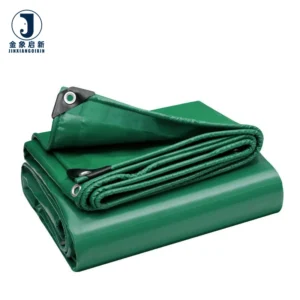
Factory Direct 20×30 Feet 13mil Heavy-Duty Vinyl Tarps PVC Tarpaulin for Firewood Roof Camping Patio Pool Boat Dump Trailer
¥2.60 Add to cart -
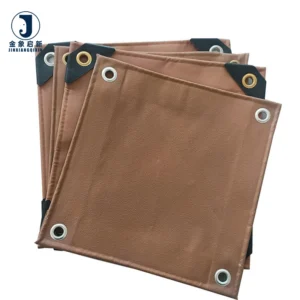
JX Fireproof 500gsm 600gsm Customizable PVC Tarpaulin Waterproof Truck Cargo Cover
¥0.79 Select options This product has multiple variants. The options may be chosen on the product page -
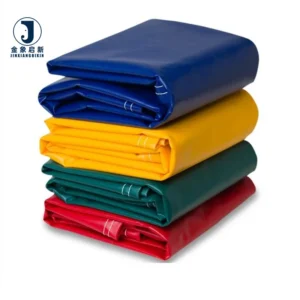
Heavy Duty Waterproof PVC Tarpaulin Roll Cover for Truck Tent Outdoor Storage and Industrial Use
¥1.48 Add to cart -
Heavy Duty Truck Tarpaulin 1000d Pvc Tarp Waterproof Pvc Canvas
¥1.20 Add to cart