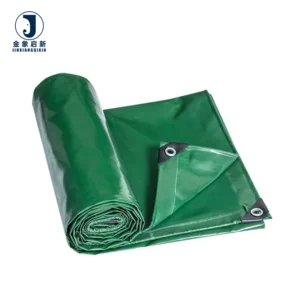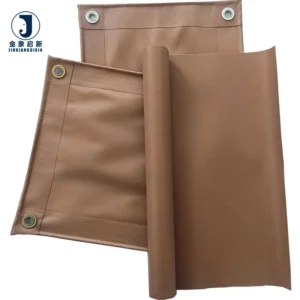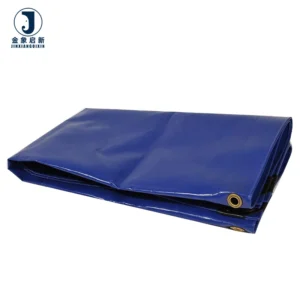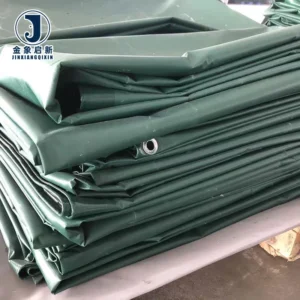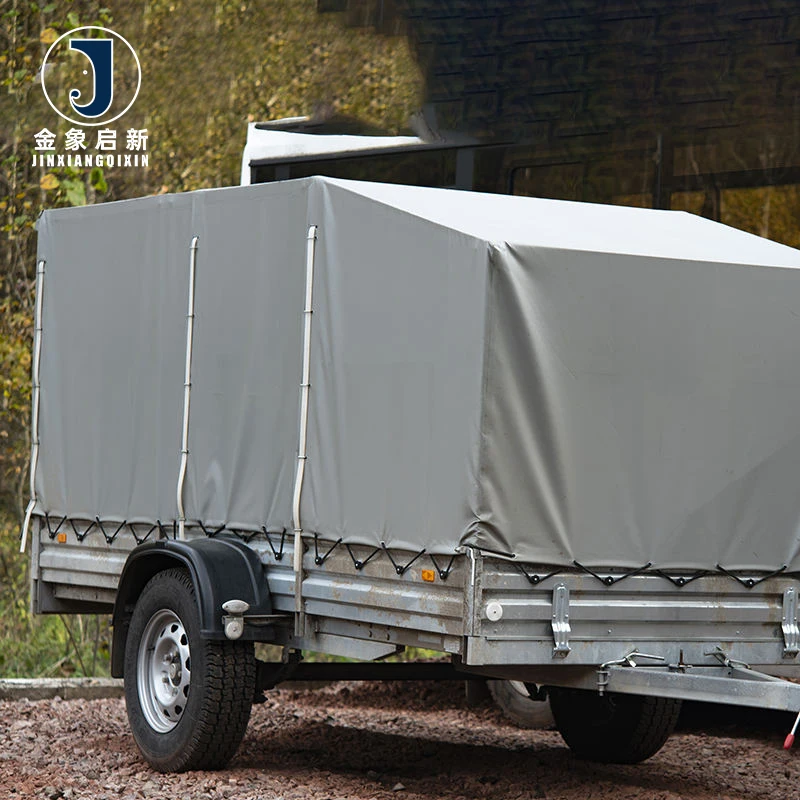
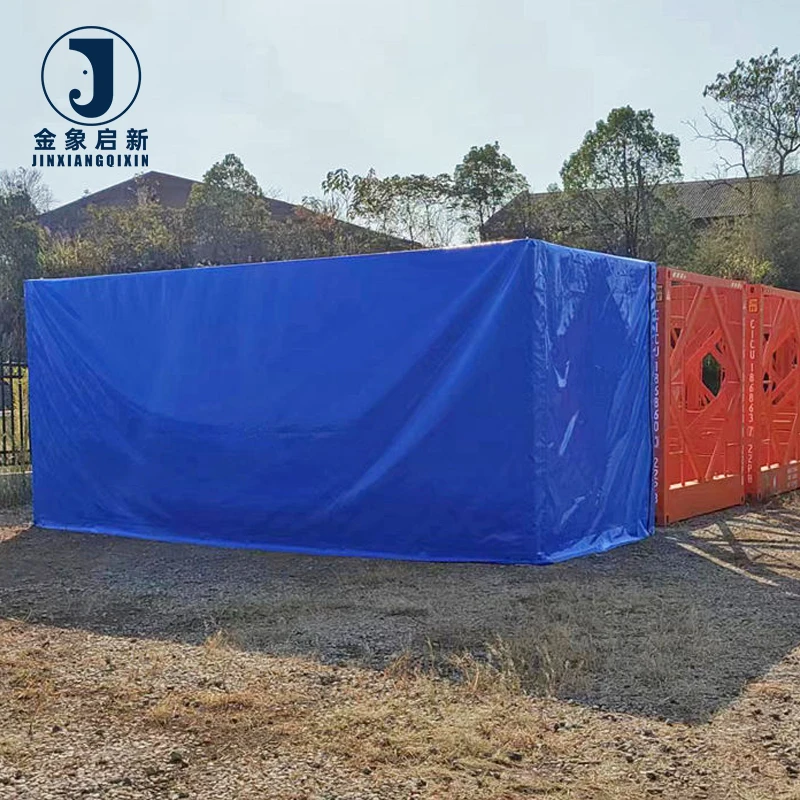
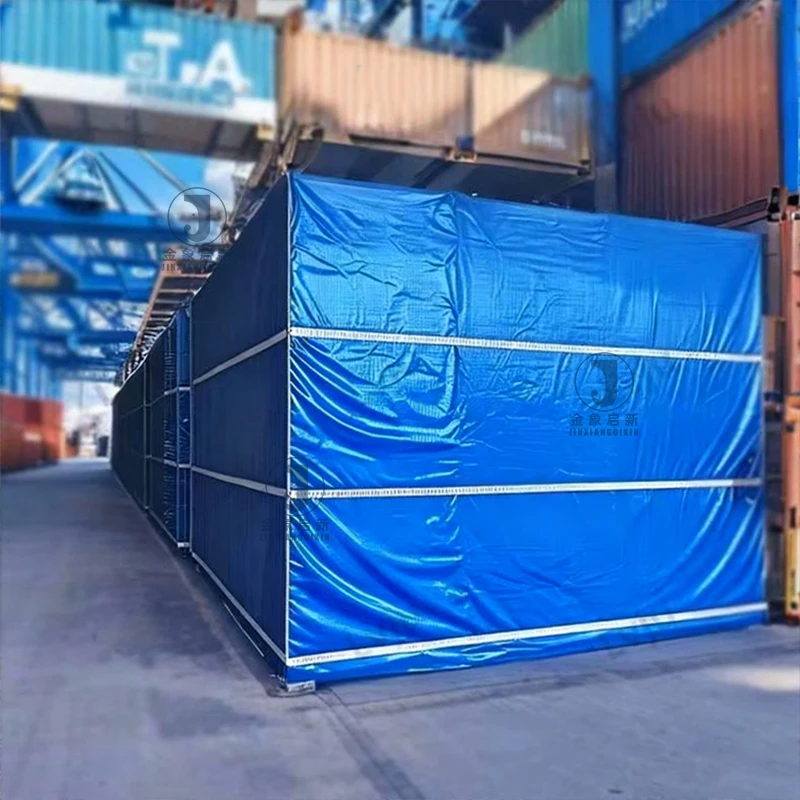
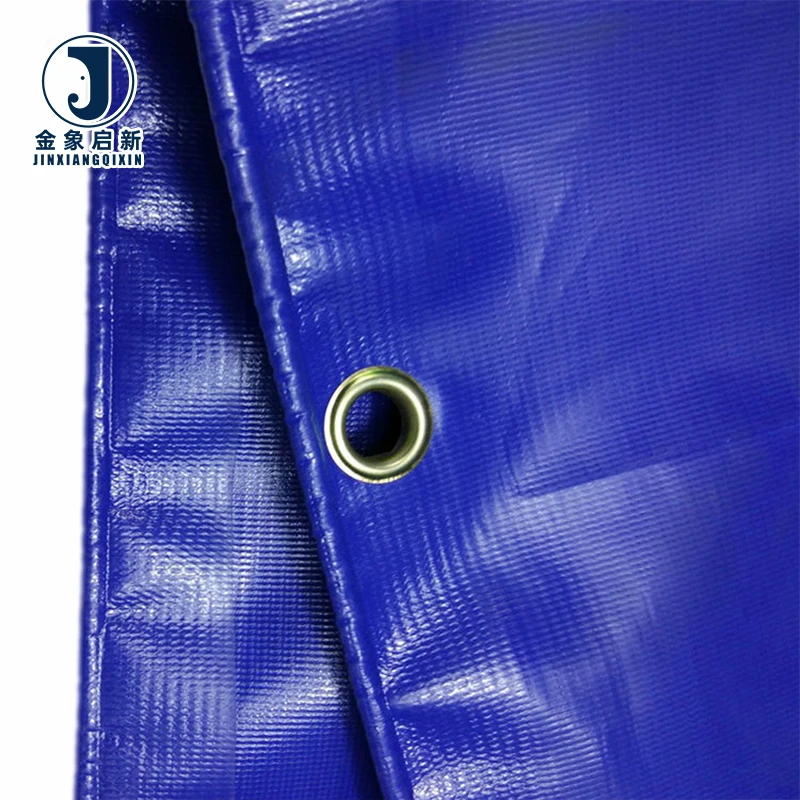
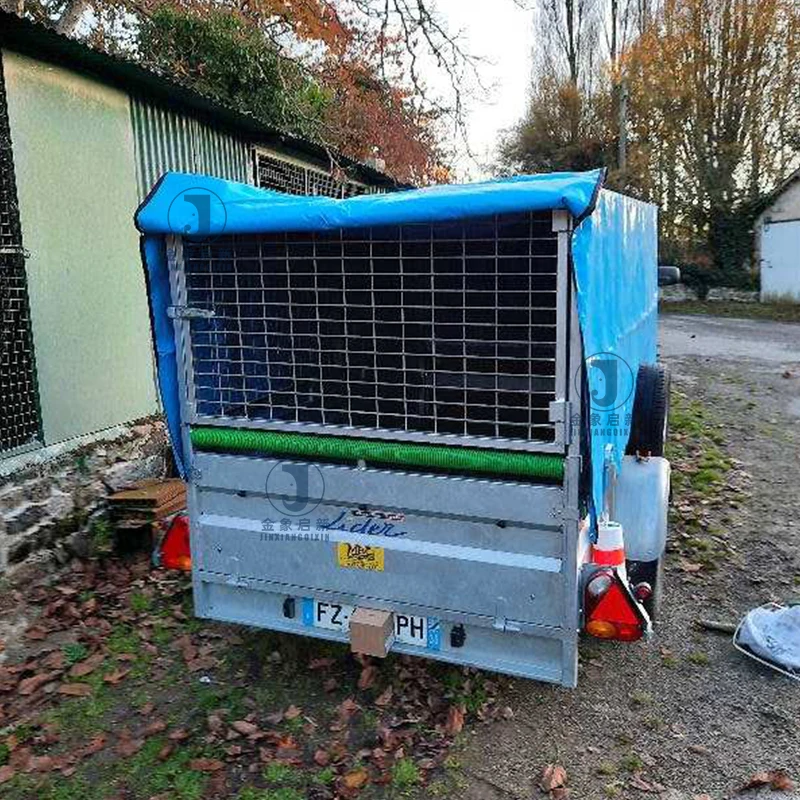
Fire Retardant B1 Standard Waterproof PVC Tarpaulin Roll — available in 400–1500 g/m² with 500D–2000D polyester base, lamination and hot melt coated for verified adhesion and weld integrity.
- Deep process control over coating weight ensures GSM compliance matches your specification on arrival.
- Color consistency across rolls and verified B1 flame retardant treatment supported by third-party test reports.
Three full production lines and 36 sets of equipment underpin bulk capacity with reliable on-time delivery for every container load.
Description
Process-Controlled Coating Weight — Every roll undergoes dedicated QA/QC verification against quoted GSM with hot melt coating technology ensuring strong adhesive bond and consistent material weight across the production run.
Technical Specifications
| Parameter | Value |
|---|---|
| Product Type | PVC Coated Tarpaulin |
| Base Fabric | 100% high toughness polyester yarn |
| Coating Material | PVC |
| Coating Method | Lamination technology and hot melt coating technology |
| Weight (Medium-Sized) | 400-500 g/m² |
| Thickness (Medium-Sized) | 0.35-0.45 mm |
| Knitting Density (Medium-Sized) | 500D |
| Tensile Strength (Medium-Sized) | Longitude 1500-2000 / Latitude 1200-1800 N/5cm |
| Weight (Heavy-Duty) | 700-1000 g/m² |
| Thickness (Heavy-Duty) | 0.70-1.0 mm |
| Knitting Density (Heavy-Duty) | 1000D |
| Tensile Strength (Heavy-Duty) | Meridian 2000-2500 / Latitude 1800-2200 N/5cm |
| Weight (Super Heavy) | 1100-1500 g/m² |
| Thickness (Super Heavy) | 1.2-1.5 mm |
| Knitting Density (Super Heavy) | 500D-2000D |
| Tensile Strength (Super Heavy) | Warp 2500-3000 / Weft 2200-2800 N/5cm |
| Flame Retardant Grade | B1 Standard (specific test standard e.g. DIN 4102 not stated in source) |
| Waterproof | Yes |
| Key Features | Cold resistant cracking, mold proof, anti-static treatment available, excellent welding tear strength, color fastness rated best by supplier (grade not stated) |
| Outdoor Weather Resistance | 3-5 years (source value — verify against manufacturer catalog) |
| Standards | ISO, CE, B1 Standard |
Application Suitability
| Application | Exposure & Requirement |
|---|---|
| Warehouse cover and construction site protection | Sustained weather exposure, wind loading, fire code compliance requiring B1 grade verification |
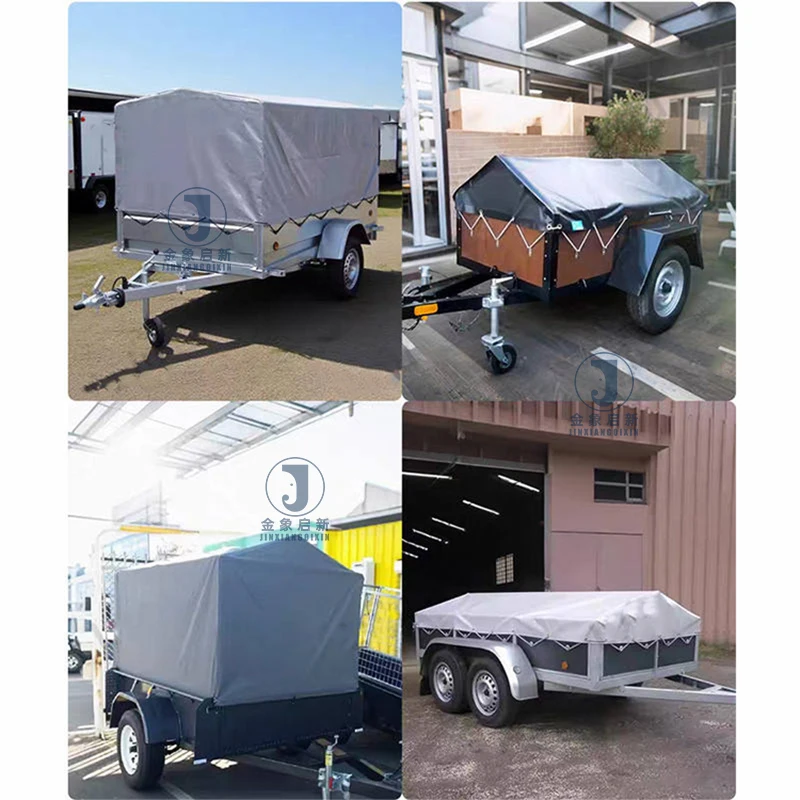
| Truck side curtain and heavy truck tarpaulin | Constant flexing at load points, road abrasion, UV exposure, welded seam stress at tie-down zones |
| Engineering protective cloth and industrial pipe canopy | Chemical splash, temperature fluctuation, mold-prone humid environments |
| Tensioned structural fabric and lightweight engineering fabric | High tensile load across membrane spans, long-term UV exposure, cold-climate brittleness risk |
Why the PVC Coated Tarpaulin Roll You Ordered Arrives Lighter Than Quoted
Verified GSM at dispatch eliminates the gap between quotation and delivered material.
Purchasing a PVC coated tarpaulin roll by weight specification only to find the delivered fabric falls short of the agreed GSM is one of the most costly disappointments in coated fabric procurement. The shortfall rarely shows up in a quick visual check — it reveals itself weeks or months later when the fabric tears under load, the welded seams split at flex points, or the membrane sags under sustained wind [NEED_CITE: common field failure modes in PVC coated tarpaulin installations]. Jinxiang addresses this through dedicated QA/QC at every production stage and 100% pre-shipment inspection, so the weight on the roll matches the weight on the quotation.
Coating Weight and Adhesion: What Hot Melt Technology Delivers
The lamination and hot melt coating technology used on this PVC coated tarpaulin roll produces a bond between the polyester base fabric and the PVC layers that resists delamination under repeated flexing. Unlike simple paste coating, hot melt application drives the PVC into the weave structure, locking the coating to the yarn. This matters directly for truck side curtains and tensioned structures where the fabric cycles through tension and release with every load shift or wind gust.
Weight Tiers and What They Actually Cover
The three-tier weight structure — medium at 400-500 g/m², heavy-duty at 700-1000 g/m², and super heavy at 1100-1500 g/m² — maps to distinct application demands rather than arbitrary up-selling. Medium grades serve warehouse covers and temporary construction enclosures where weight and handling ease matter. Heavy-duty grades handle truck tarpaulin and equipment covers that face road abrasion and mechanical stress. Super heavy grades are specified for tensioned structural fabric and permanent industrial canopies where long-term membrane integrity is non-negotiable.
Reading the Specification Sheet Beyond GSM Alone
GSM tells you how much material is present per square metre, but it does not tell you how that material is distributed between base fabric and coating — and that distribution governs performance. A 700-1000 g/m² roll with a 1000D polyester base and balanced PVC coating will resist tear propagation far better than one at the same weight built on a lower-denier yarn with thicker coating to compensate. The knitting density figures — 500D for medium, 1000D for heavy-duty, and 500D-2000D for super heavy — indicate the yarn thickness in the base weave, which directly governs how the fabric behaves when a puncture or cut starts to propagate [NEED_CITE: relationship between base fabric denier and tear propagation in PVC coated fabrics per ISO 1421]. Hot melt coating technology further ensures the PVC penetrates the weave rather than sitting on top, which improves welding tear strength at fabricated seams. Flame retardant treatment is available in B1 Standard grade — buyers should confirm the specific test standard such as DIN 4102 required by their local building code before placing the order.
What Happens When the Wrong Grade Reaches the Job Site
Selecting a medium-weight roll for a heavy-duty truck tarpaulin application leads to premature failure at the welded seams and tie-down points where flexing concentrates stress. Specifying a PVC coated tarpaulin roll without confirming the flame retardant grade against local fire code can result in a warehouse or construction enclosure that fails inspection, forcing a complete tear-down and replacement at project cost [NEED_CITE: fire classification requirements for temporary structures and warehouse covers]. Batch-to-batch colour inconsistency across multiple rolls in the same order becomes visible once panels are installed side by side on a large façade or truck fleet, requiring selective replacement. Each of these outcomes traces back to specification decisions made at the inquiry stage, not to manufacturing defects.
Why Procurement Teams Source This Fabric Here
Three full production lines with 36 sets of professional equipment support bulk roll output with reliable on-time delivery, so container schedules and project timelines stay aligned. The 10-person R&D team handles material selection, custom sizing, and sample development within days, allowing buyers to validate colour, weight, and treatment before committing to production volume. Dedicated QA/QC at every production stage with 100% pre-shipment inspection means every PVC coated tarpaulin roll leaving the facility has been weighed and checked against its specification sheet. Deep process control over coating weight and adhesion — built over nearly 30 years of focused PVC coated fabric production — translates into roll-to-roll consistency that distributors and importers depend on when fulfilling downstream orders.
Documentation & Verification
- Material specification sheet stating exact GSM, base fabric denier, coating method, and colour reference per roll
- Test report for B1 flame retardant grade and UV treatment where applicable to the ordered grade
- Pre-shipment inspection record with weight verification against the quoted GSM before dispatch
- Roll packing list with certificate of origin and full customs documentation for international shipment
Fabrication, Handling & Storage
- Hot air welding parameters must match the PVC coating thickness — heavier 1100-1500 g/m² grades require adjusted heat and dwell time for full seam penetration
- Reinforced hem zones on cut-to-size sheets should account for the base fabric denier, particularly 500D-2000D super heavy grades under high tie-down tension
- Store PVC coated tarpaulin rolls upright on pallets to prevent flat-spotting and permanent crease marks in the coating layer
- Allow cold-stored rolls to reach ambient temperature before unrolling to avoid cracking in cold resistant treated grades
- Use mild detergent without solvents for cleaning to preserve the PVC surface and any applied anti-static treatment
What We Need to Prepare Your Quotation
Specify the application environment and the primary stresses the fabric will face — sustained UV, mechanical flexing, fire code compliance, or chemical exposure — so the correct weight tier and treatment package can be matched. Confirm the target market’s fire classification requirement and whether B1 Standard or an alternative grade is specified in your project documents. Provide the required roll widths, estimated annual volume, and whether you need raw roll stock or finished cut-to-size panels with hem and eyelet finishing.
Frequently Asked Questions
Q: How is GSM verified before shipment and how should I recheck on arrival?
A: Every PVC coated tarpaulin roll undergoes 100% pre-shipment inspection with weight checked against the quoted specification. On arrival, cut a measured sample from the roll, weigh it on a calibrated scale, and calculate GSM from the known area. The pre-shipment inspection record included with your shipment documents the verified weight per roll before dispatch.
Q: What fire retardant standard does B1 correspond to and does it meet my local building code?
A: B1 is a flame retardant classification indicating limited flammability. The specific test standard such as DIN 4102 should be confirmed against your local building code or project specification. Test reports for the ordered flame retardant grade are provided with documentation. Share your market’s fire classification requirement at inquiry stage so the correct treatment is applied.
Q: How do you control colour consistency across multiple rolls in the same order?
A: Colour matching is controlled through the R&D team’s sample development process, with approved samples serving as the production reference. Batch-to-batch consistency is maintained across the production run and verified during pre-shipment inspection. For large orders spanning multiple production batches, specify colour tolerance requirements at the quotation stage.
Q: What custom widths, roll lengths, and MOQs apply to PVC coated tarpaulin?
A: Custom widths and roll lengths are available across all three weight tiers. Minimum order quantities depend on the selected grade, colour, and whether special treatments such as anti-static or additional flame retardant are required. Lead times vary with customization complexity. Submit your required dimensions and annual volume at inquiry to receive specific MOQ and scheduling details.
Q: What documentation is included with international shipments?
A: Each shipment includes a material specification sheet, pre-shipment inspection record, roll packing list, certificate of origin, and customs documentation. Test reports for flame retardant B1 grade and UV treatment are provided where applicable to the ordered product. ISO and CE certificates are available as company-level documentation upon request.
Related products
-
Waterproof Custom 1000D 550GSM/900GSM Self Clean PVC Coated Tarpaulin for Truck. Tent. Roof Cover Flood Barrier
¥0.99 Select options This product has multiple variants. The options may be chosen on the product page -
Waterproof Heavy Duty Tarpaulin Water Proof Cover Tarpaulin Manufacturer
¥1.48 Add to cart -
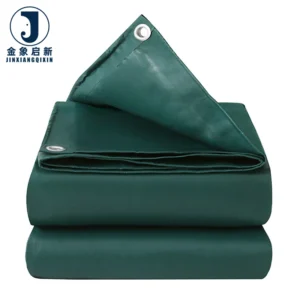
Secure Green PVC Coated Blackout Tarpaulin Truck Tent Cover Anti-Aging Waterproof Folding Design Breathable Woven Technics
¥0.83 Select options This product has multiple variants. The options may be chosen on the product page -
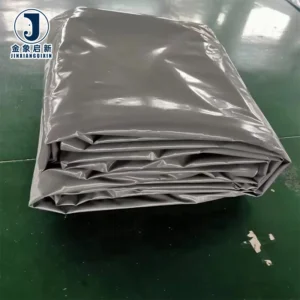
630 Gsm Blue/Grey/Orange Pvc Tarpaulin Roll Pvc Tarpaulin Truck Tarpaulin Pvc Coated Tarpaulin
¥1.66 Add to cart