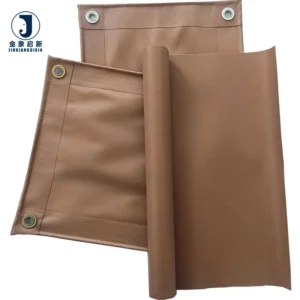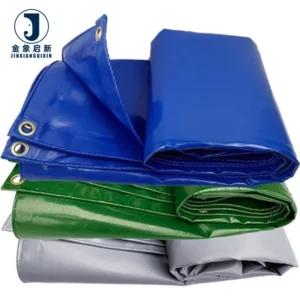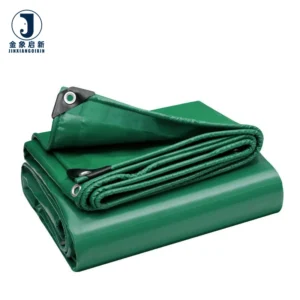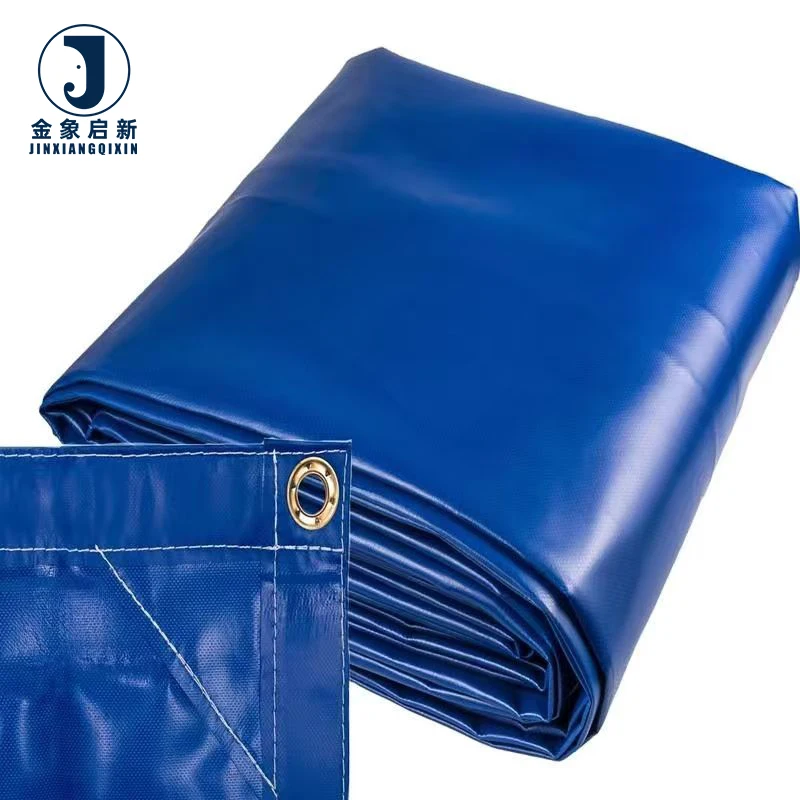
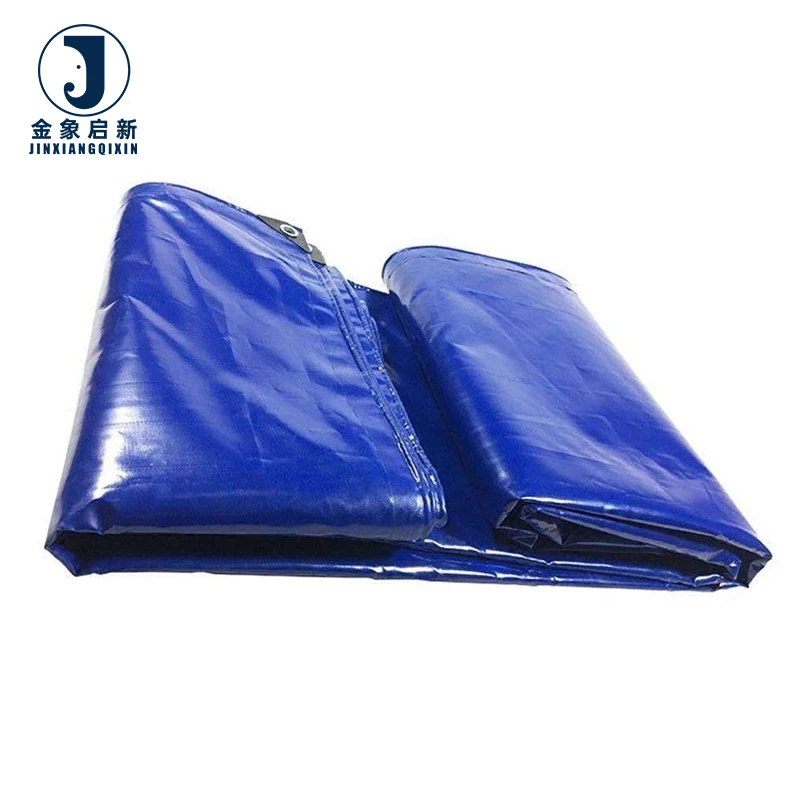
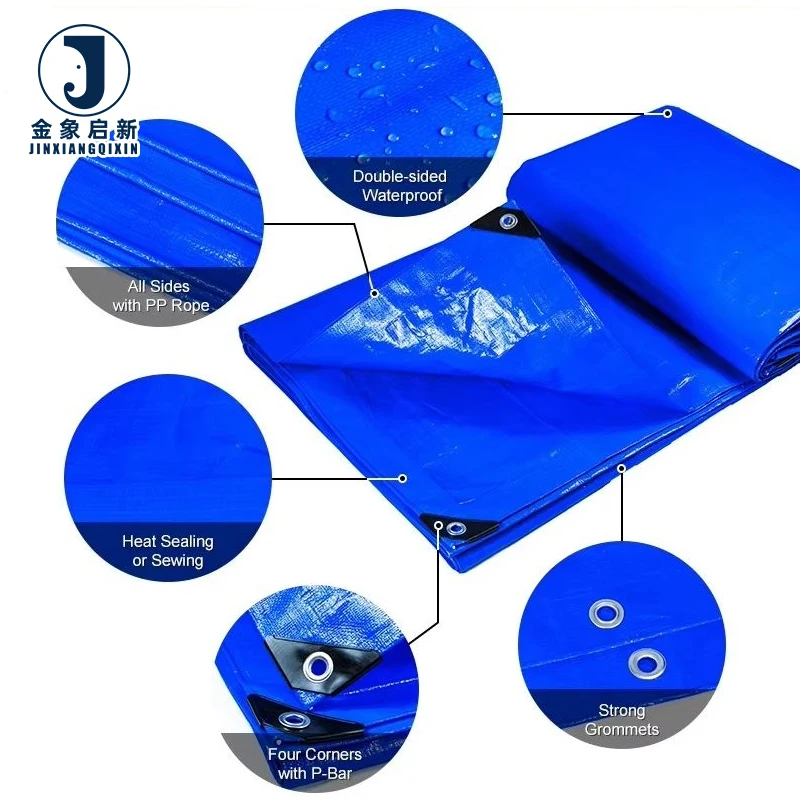
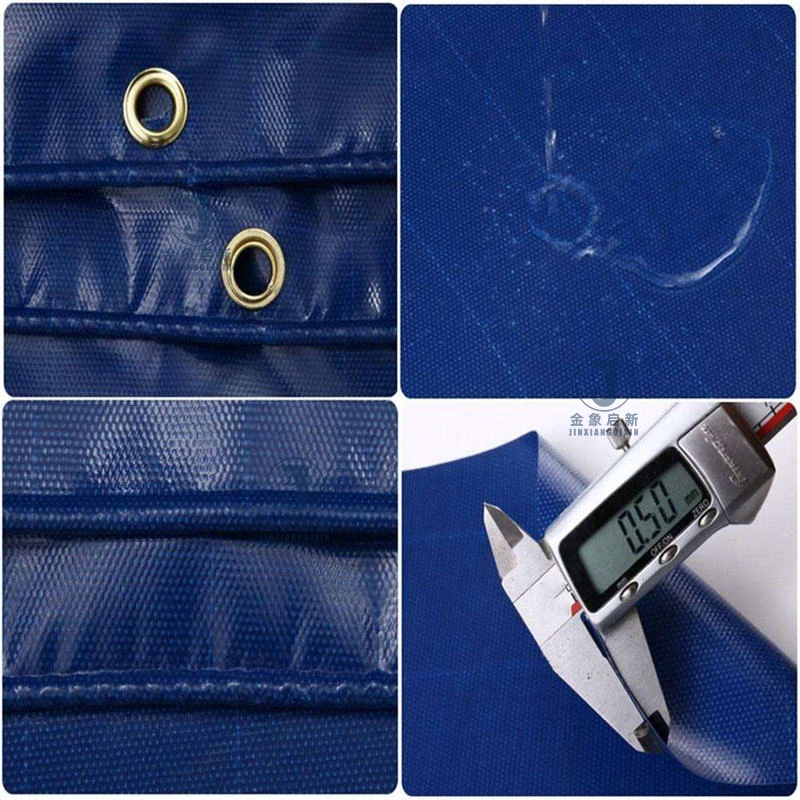
Heavy Duty PVC Coated Tarpaulin — 250gsm–1500gsm, 200D×300D to 1000D×1000D denier, 3m width custom sizing, waterproof with UV and FR treatment options, glossy or matte finish for transport and outdoor coverage.
- Covers the complete range from lightweight to heavy-duty grades with full width, length and colour customization from design to delivery
- Base fabric denier and coating weight engineered together to balance tensile strength, tear resistance and weld integrity at flex points
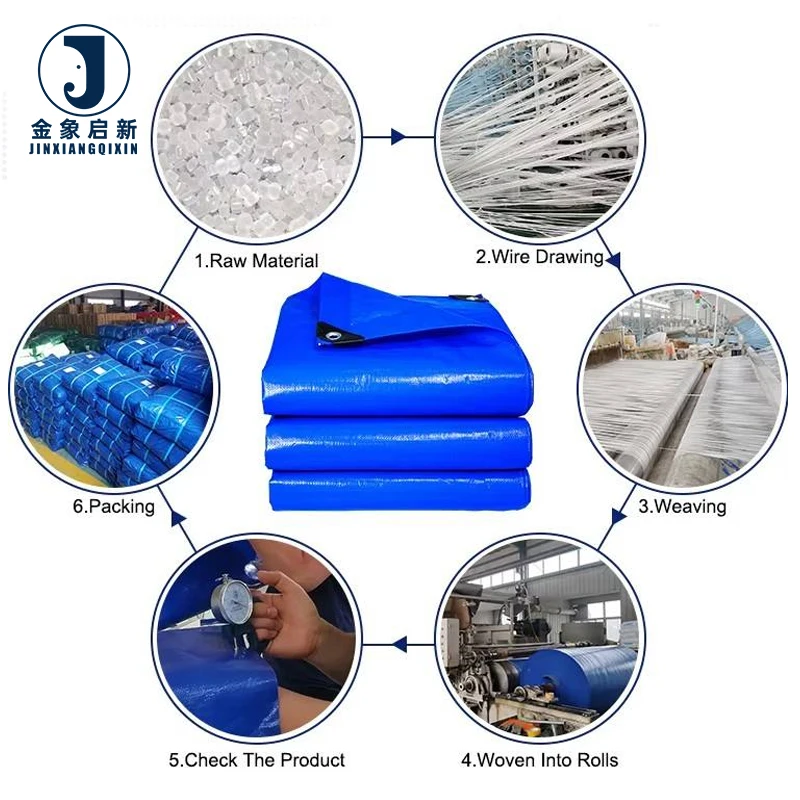
- Dedicated QA at every stage with 100% pre-shipment inspection, three production lines supporting bulk capacity and reliable delivery
Description
Coating Process Control — Every roll of Heavy Duty PVC Coated Tarpaulin 3 Meter Width passes through in-line weight verification on our coating lines, ensuring the GSM you approve on the sample is the GSM that arrives at your warehouse.
Technical Specifications
| Parameter | Value |
|---|---|
| Product Type | PVC Coated Tarpaulin |
| Weight Range | 250gsm-1500gsm |
| Base Fabric Denier | 200D×300D, 500D×500D, 840D×840D, 1000D×1000D |
| Available Sizes | 3x4m, 6x8m, 8x10m, 10x12m or custom made |
| Surface Finish | Glossy or matte |
| UV Treatment | Customized |
| Service Temperature | -15°C to 70°C |
| Working Life | 3-10 years depending on usage environment |
| Treatment Options | Waterproof, UV, FR and anti-fungal treated |
| Colour Options | Blue, yellow, black, green, white, etc. |
| Environmental Profile | Eco-friendly |
| Certification | ISO, CE |
Application Suitability
| Application | Exposure & Requirement |
|---|---|
| Truck and train tarpaulins | Constant road vibration, wind flexing, UV exposure, abrasion at tie-down points |
| Side curtains for trailers | Repeated rolling and folding, lateral tension, weather and road spray |
| Sunshade and protection awnings | Prolonged solar exposure, thermal cycling, wind load, aesthetic consistency |
| Top cover materials for structures | Standing water, debris impact, UV degradation over seasons |
| Swimming pool covers | Continuous water contact, chlorine or salt exposure, UV, weight-bearing from debris |
| Outdoor large-area waterproof coverage | Extended weather exposure, wind uplift, ground moisture, puncture risk |
Why a Quoted GSM Does Not Guarantee the PVC Coated Tarpaulin You Receive
The number on the quotation only matters if it survives the production line and the weighing scale at dispatch.
I learned this the hard way. Last year a European tent structure client ordered heavy duty PVC coated tarpaulin across three separate roll numbers for a single project. On paper, all three matched. In person, under natural light at the job site, the colour difference between roll two and roll three was obvious enough that the client photographed it and sent it straight back to us. That complaint changed how I inspect every batch that leaves our loading bay. The PVC coated tarpaulin aftermarket supplier you choose should be able to show you a pre-shipment weight record, not just a spec sheet. [NEED_CITE: roll-to-roll colour consistency standards for coated technical textiles]
What Full Product Range Customisation Actually Demands on the Production Floor
Offering PVC coated tarpaulin from lightweight to heavy-duty grades sounds straightforward until you consider what each grade demands from the coating line. A 250gsm material for a temporary sunshade requires a completely different paste viscosity, knife gap, and oven temperature profile than a 1500gsm sheet destined for a mining ventilation application. We run three full production lines with 36 sets of equipment precisely because switching between these grades on a single line introduces contamination risk and coating weight drift. Each denier option — from 200D×300D up to 1000D×1000D — requires its own base fabric tension setting before the first coat is applied, and that setting must hold across the entire 3 meter width without edge waviness.
How Coating Adhesion Determines Whether the PVC Coated Tarpaulin Holds Together Under Load
A PVC coated tarpaulin fails at the coating-to-fabric interface long before the base yarn itself breaks, which is why peel strength matters as much as tensile strength. When a truck side curtain flexes thousands of times over a journey, the coating must remain bonded to every warp and weft yarn without delamination. Our 10-person R&D team tests peel values during sample development and adjusts plastisol formulation when adhesion falls below the threshold for the specified denier. For the 1000D×1000D heavy grades, the coating weight must penetrate the base fabric fully rather than sitting on the surface, otherwise the first hard fold in cold weather will crack the bond. [NEED_CITE: peel adhesion test methods for PVC coated polyester fabrics]
Reading the Spec Sheet: Denier, GSM, and Surface Finish in Context
The denier of the base fabric — whether 200D×300D or 1000D×1000D — defines the yarn thickness and therefore the mechanical skeleton of the material. Higher denier yarns resist tearing because a propagating tear must break more fibre mass per centimetre of tear path. However, GSM alone does not tell you how that weight is distributed between base fabric and coating. A 650gsm sheet with a dense 500D×500D base and thin coating will outperform a 650gsm sheet built on open-weave 200D×300D with heavy coating fill, because the latter relies on the PVC layer for strength it was never designed to carry. The choice between glossy and matte surface finish also affects the product in ways beyond appearance: glossy surfaces shed dirt and water more readily, making them practical for transport covers exposed to road grime, while matte finishes reduce glare and provide better adhesion for printed branding or pattern work. UV treatment and flame retardant treatments are available in multiple grades — confirm the specific grade required for your market and application before locking in the order. The -15°C to 70°C service temperature range means the PVC compound remains flexible without embrittlement in cold conditions and resists softening or blocking when stacked in summer heat.
The Hidden Cost of Choosing the Wrong Roll Specification
I have watched a construction contractor cut and weld a batch of tarpaulin only to discover during installation that the lighter-grade roll delivered was below the quoted GSM, leaving the cover vulnerable to tearing at the first strong wind. I have also seen flame retardant treatment claimed on a purchase order without a matching test report in the shipment documentation, forcing the buyer to commission independent lab testing at their own expense and delay. Colour variance between rolls in a single order is another recurring problem — when two rolls installed side by side on a warehouse awning show visibly different shades, the entire façade looks unprofessional, and the buyer absorbs the cost of replacement and re-installation. Welded seams are another failure origin; if the heat and pressure settings do not match the specific coating weight and thickness of the material, the seam will crack before the fabric body does. [NEED_CITE: common failure modes in welded seams of PVC coated technical fabrics]
What Process Control Looks Like When You Source From This Line
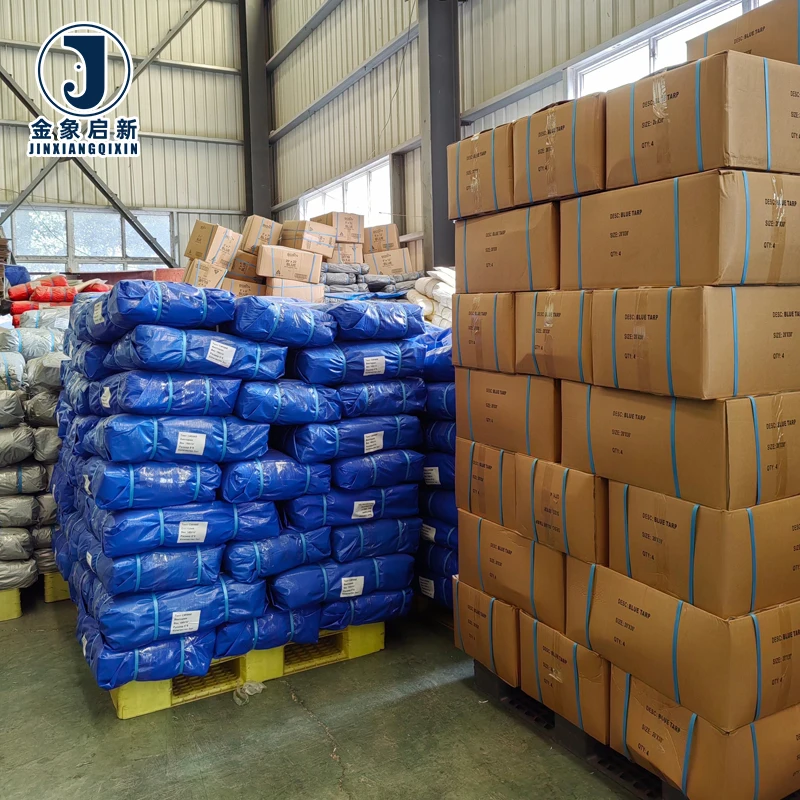
We maintain dedicated QA/QC checks at every production stage rather than sampling only at the end of the roll. The 10-person R&D team handles material selection, sample development, and custom sizing so that a buyer can approve a physical sample before bulk production begins. Three full production lines and 36 sets of professional equipment mean that heavy duty orders in the 3 meter width can be scheduled without squeezing smaller custom runs off the calendar. Nearly 30 years of focused coated fabric production gives us historical process data that lets us predict how a specific denier and coating weight combination will behave through the oven and onto the winding station. Samples for custom width, colour, or print requirements are developed within days, not weeks, keeping the buyer’s project timeline intact.
Documentation & Verification
- Material specification sheet confirming exact GSM, base fabric denier, coating type, and colour reference per roll
- UV and flame retardant test reports included in dispatch documentation where treatments are specified
- Pre-shipment inspection record showing weight verification and colour consistency check against approved sample
- Roll packing list with individual roll numbers traced back to production batch and coating line
- Certificate of origin and customs documentation prepared for cross-border shipment
- ISO and CE certificates available as part of the order documentation package
Fabrication, Handling & Storage
- Heat welding temperature and dwell time must match the specific GSM grade to avoid seam delamination on heavy duty rolls
- Eyelet placement along reinforced hems should account for the 3 meter width and expected tie-down tension points
- Store rolls upright on end cores in a dry, shaded area to prevent permanent creasing of the PVC coating surface
- Allow cold-stored rolls to acclimatise before unrolling to prevent cracking of the coating at low temperatures
- Use mild detergent and soft brush for cleaning glossy or matte surfaces to preserve the coating finish
- Layout cutting plans to maximise yield from 3 meter width stock and reduce the number of welded joins in the finished cover
What to Include When You Send an Enquiry
Tell us the end use and the environmental conditions the material will face — outdoor UV exposure, chemical contact, flexing frequency, or temperature extremes. Specify the target market so we can match any fire safety or compliance grade your region requires. Let us know whether you need finished cut sizes to a specific dimension or roll stock by the metre, and provide your preferred colour or Pantone reference if consistency across multiple rolls is critical to the project.
Frequently Asked Questions
Q: How do you verify the GSM on delivery matches the quotation?
A: Every roll is weighed during pre-shipment inspection and recorded against the stated GSM on the material specification sheet. The inspection record travels with the shipment documentation so you can cross-check weight on arrival. We do not rely on coating line settings alone — physical verification is the final gate before dispatch.
Q: Can flame retardant or UV treatment be confirmed with a test report?
A: Yes. Where UV or flame retardant treatment is specified on your order, we supply the corresponding test report as part of the shipment documentation. We recommend confirming the specific grade your market requires — whether B1, M2, or another classification — so we match the correct treatment formulation and testing standard before production.
Q: What is the lead time and minimum order for custom width or colour?
A: Custom widths and colours involve dedicated coating line setup and paste formulation, which adds preparation time compared to stock grades. The minimum order depends on the specific denier, GSM, and colour combination you request. We provide a confirmed lead time and minimum at the quotation stage once your specification is locked in.
Q: How do you ensure colour consistency across multiple rolls in one order?
A: All rolls in a single order are produced from the same batch of compounded PVC paste under identical oven and coating conditions. Our QA team checks each roll against the approved colour sample during pre-shipment inspection, and any roll falling outside the tolerance is held back. This process was tightened after a past incident where a colour shift between rolls caused a visible mismatch at a client’s installation site.
Q: Do you supply pre-cut sizes or only standard roll dimensions?
A: We supply both. Standard sizes such as 3x4m, 6x8m, 8x10m, and 10x12m are available, and custom cut sizes can be produced to your exact dimensions with welded seams and edge reinforcement. If you are covering a specific structure or vehicle, provide the measurements and we will develop a sample for your approval before bulk cutting.
Related products
-

PVC Coated Tarpaulin PVC Fabric Tarpaulinheavy duty fire retardant waterproof pvc coated tarpaulin rolling pvc tarp
¥1.00 Select options This product has multiple variants. The options may be chosen on the product page -
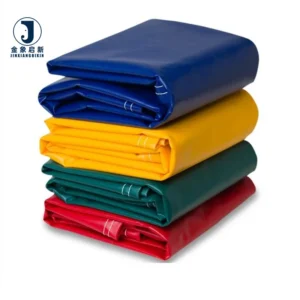
Heavy Duty Waterproof PVC Tarpaulin Roll Cover for Truck Tent Outdoor Storage and Industrial Use
¥1.48 Add to cart -
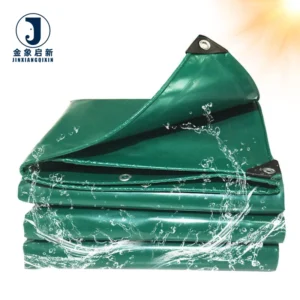
Waterproof Heavy Duty Tarpaulin Water Proof Cover Tarpaulin Manufacturer
¥1.48 Add to cart -
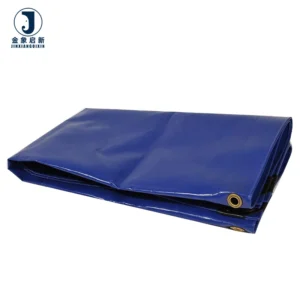
900GSM Heavy Duty PVC Coated Tarpaulin Panama Tarpaulin Curtains for Lorries
¥7.78 Add to cart