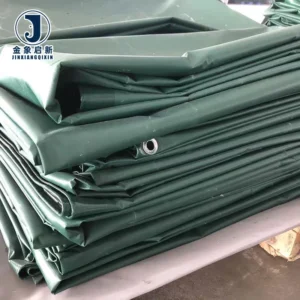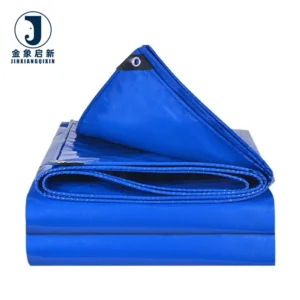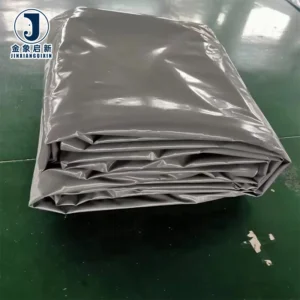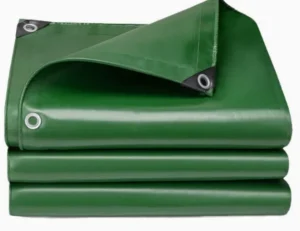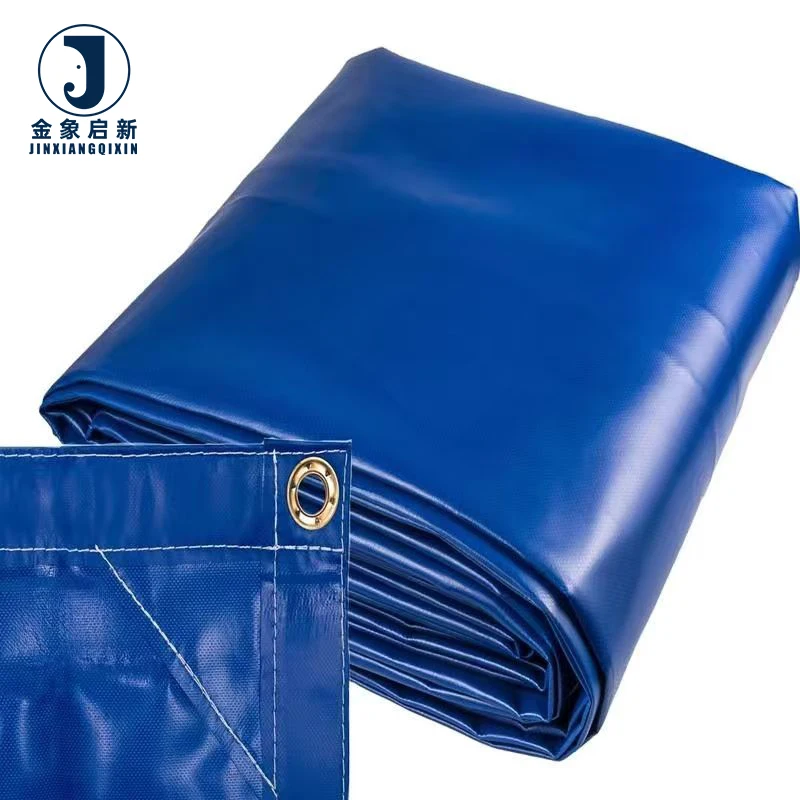
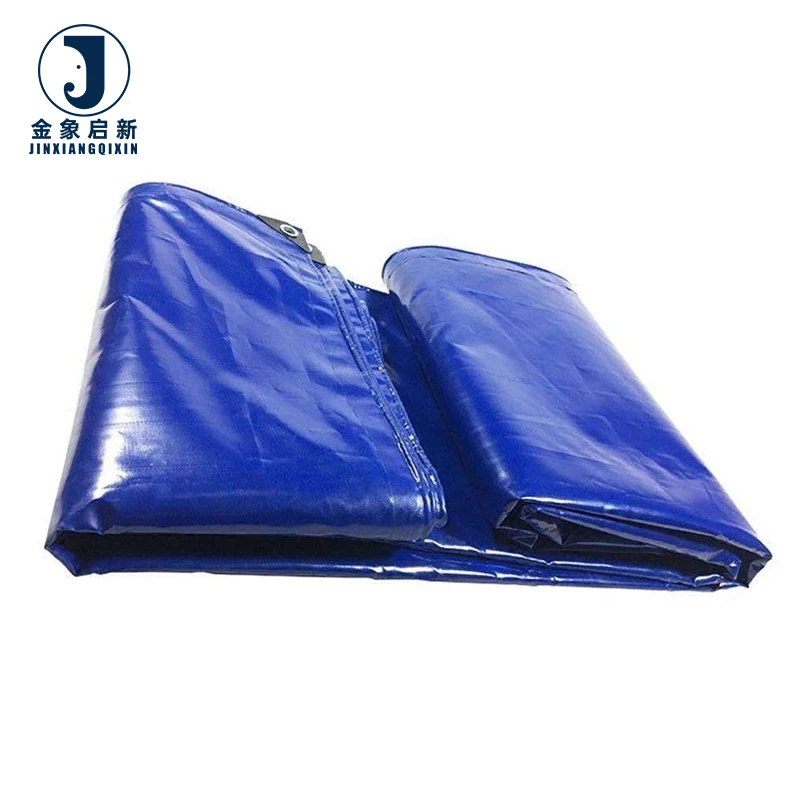
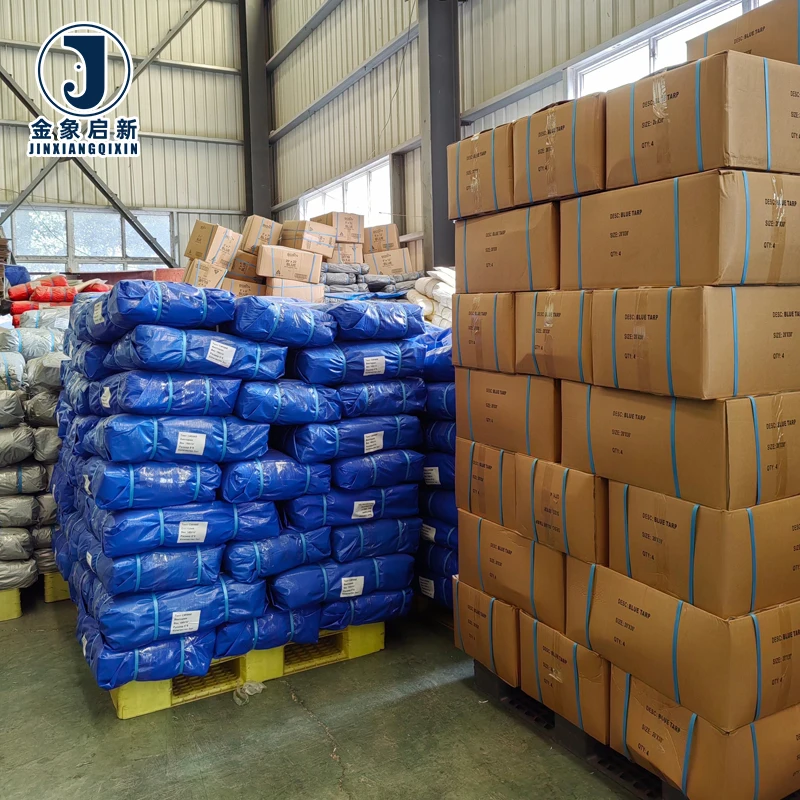
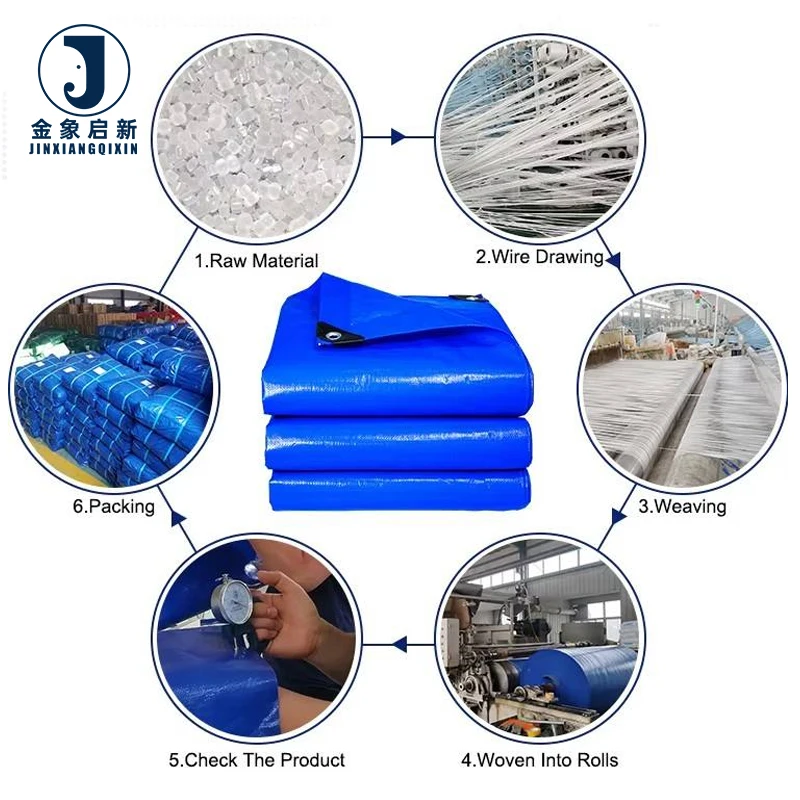
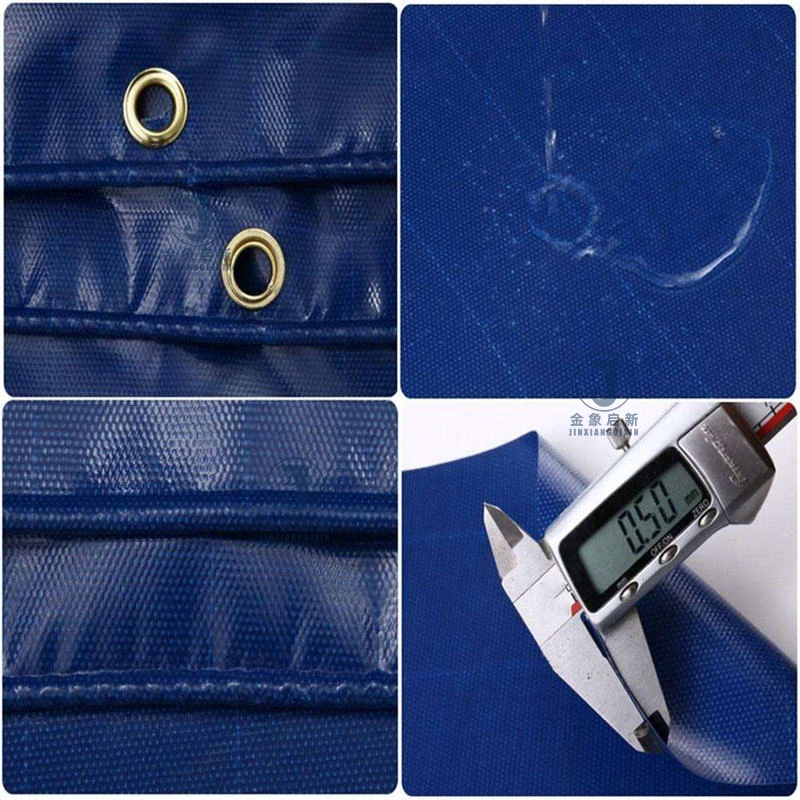
Heavy Duty PVC Coated Tarpaulin 3m Width — available in 250gsm–1500gsm with 200D×300D to 1000D×1000D base fabric, glossy or matte finish.
- Waterproof, UV and flame-retardant treated for truck covers, awnings and side curtains
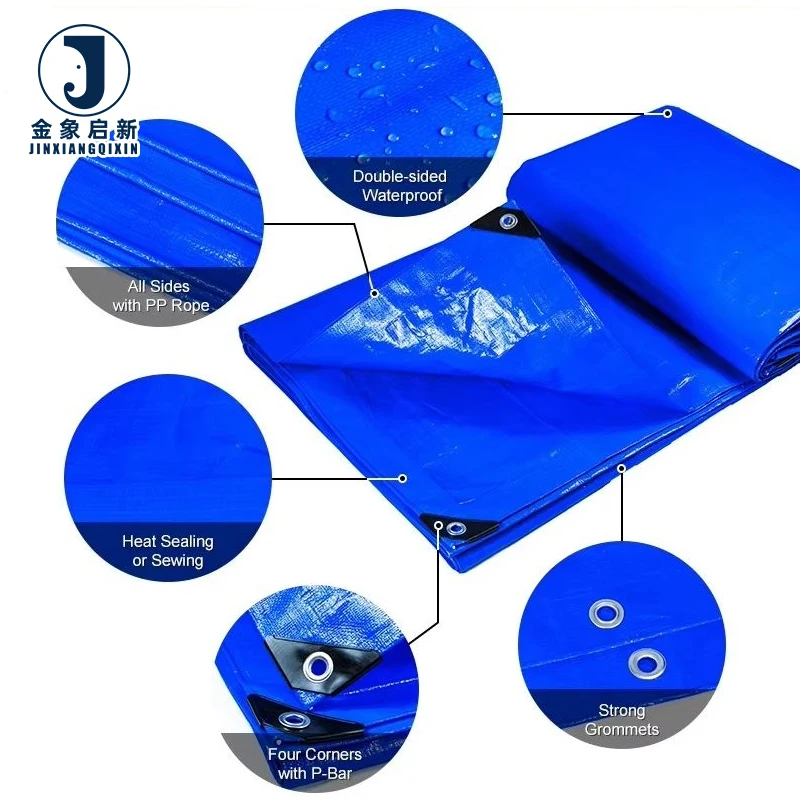
- Custom cut sizes from 3×4m to 10×12m with reinforced hems and welded seams
- Backed by nearly 30 years of coating process control, 100% pre-shipment inspection and dedicated R&D sample development within days
Record ID: 10131
Description
Process Control Over Coating Weight — Every roll of heavy-duty PVC coated tarpaulin is measured against the quoted GSM at multiple production stages, ensuring the material arriving on your loading dock matches the specification sheet signed at inquiry.
Technical Specifications
| Parameter | Value |
|---|---|
| Product Type | PVC Coated Tarpaulin |
| Weight Range | 250gsm-1500gsm (confirm grade for application) |
| Base Fabric Denier | 200DX300D, 500DX500D, 840DX840D, 1000DX1000D |
| Coating Material | PVC |
| Coating Method | Coated and laminated |
| Maximum Width | 3m |
| Size Options | 3x4m, 6x8m, 8x10m, 10x12m or custom made |
| Colour Options | Blue, yellow, black, green, white, etc. |
| Surface Finish | Glossy or matte |
| Temperature Range | -15°C to 70°C |
| Flame Retardant | FR treated (grade not stated — confirm requirement) |
| UV Treatment | Customized (test basis not stated — confirm requirement) |
| Anti-Fungal | Anti-fungal treated |
| Waterproof | Waterproof, rain-resistant |
| Certifications | ISO, CE |
Application Suitability
| Application | Exposure & Requirement |
|---|---|
| Sunshade and protection awning | Prolonged UV exposure, wind load cycling, visual appearance at installation site |
| Truck and train tarpaulin | Road debris abrasion, constant flexing at load points, weather and moisture ingress |
| Side curtain fabric | Repeated tensioning and release, lateral wind pressure, UV degradation on exposed face |
| Top cover materials | Standing water, pooling stress, puncture from stacked cargo edges |
| Swimming pool cover | Permanent water contact, chemical exposure from treatment agents, UV reflection off water surface |
When the Quoted GSM Does Not Survive the Journey to Site
Coating weight must be verified at every stage — not just declared at the quotation stage and forgotten before dispatch.
A PVC coated tarpaulin custom manufacturer that controls only the input weight leaves room for coating loss during lamination, tension variation across the line, and roll-to-roll inconsistency that the buyer discovers only after cutting into the material. The gap between a quoted 650gsm and a delivered fabric that measures lighter is where warranty claims originate. Buyers who have received rolls underweight on arrival know that the loss is not just in material — it is in the credibility of the entire supply chain [NEED_CITE: ISO 1421 tensile and tear test methods for coated fabrics].
Product Families Across the Full Weight Spectrum
The range from 250gsm through to 1500gsm covers applications from temporary site protection to long-term transport and structural covers. As a PVC coated tarpaulin custom manufacturer, the selection of base fabric denier — 200DX300D for lighter duty up to 1000DX1000D for high-tensile demand — must be matched to the mechanical load the fabric will carry, not simply to a weight preference.
Surface Finish and Colour as Functional Choices
Glossy or matte finish affects more than appearance. A glossy surface sheds dirt and water more readily on outdoor awnings, while a matte surface reduces glare on construction site covers. Single and double-side colour options, along with pattern printing for branding, are specifiable at inquiry stage — each roll in a batch is produced under consistent coating parameters to maintain colour uniformity across the order.
How Denier, Coating Method and GSM Interact in Practice
Base fabric denier determines the structural skeleton of the fabric; the PVC coating provides the barrier and the handling characteristics. A 500DX500D base at a given GSM will behave differently under tensile load than an 840DX840D base at the same GSM, because the yarn thickness and weave density distribute stress through different failure pathways [NEED_CITE: relationship between base fabric construction and tear propagation in PVC coated textiles]. The coated and laminated method used here bonds the PVC layer to the base fabric, influencing peel strength at welded seams — a factor that matters when the cover flexes under load and the seam carries stress that the face fabric alone cannot absorb. Temperature performance from -15°C to 70°C defines the operating boundary: below the lower limit, PVC stiffens and becomes susceptible to crack propagation; above the upper limit, the coating softens and the fabric loses dimensional stability under tension.
What Happens When Colour Varies Between Rolls in One Order
Batch-to-batch colour inconsistency is visible the moment two rolls are installed side by side on an awning or a truck fleet. The cost is not just in the rejected material — it is in the site visit, the replacement lead time, and the relationship damage with the end client. Colour consistency requires controlled pigment dosing, stable coating temperature, and documented colour reference at the production stage, not a visual check at the packing desk [NEED_CITE: colour measurement standards for coated fabric batches].
Why Sourcing Here Reduces Specification Risk
Three full production lines and dedicated equipment allow simultaneous handling of different GSM grades and widths without cross-contamination of colour runs. A 10-person R&D team develops samples within days for custom weight, colour, finish or print requirements, enabling buyer approval before bulk commitment. Deep process control over coating weight and adhesion means the GSM stated on the material specification sheet is the GSM that ships. Dedicated QA/QC at every production stage with full pre-shipment inspection provides a documented record, not a verbal assurance. Custom sizing — from standard cut sizes like 6x8m and 8x10m through to fully bespoke dimensions — is supported with reinforced hems and welded seams engineered for the flex points of the intended application.
Documentation & Verification
- Material specification sheet stating exact GSM, base fabric denier and coating type per roll
- UV and flame-retardant test reports supplied where applicable to confirm treatment level
- Pre-shipment inspection record verifying weight and adhesion against quoted specification
- Roll packing list detailing roll count, dimensions and colour reference per shipment
- ISO and CE certificates included with dispatch documentation
- Certificate of origin and customs support provided for export markets
Fabrication, Handling & Storage
- Welded seams on 3m width rolls require temperature settings matched to the PVC coating method for full peel strength
- Reinforced hems at eyelet positions distribute tie-down load across the base fabric denier structure
- Rolls stored upright on pallets prevent flat-spot creases that become visible after installation
- Matte finish surfaces tolerate mild detergent cleaning without gloss degradation on outdoor awnings
- Cut-to-size panels from 250gsm to 1500gsm grades should be laid flat before welding to release roll tension
- Cold-weather handling below -15°C requires gradual unfolding to prevent coating micro-cracking
What to Include in Your Enquiry
Specify the application — whether the fabric is for awning, truck side curtain, pool cover or general outdoor protection — along with the expected exposure conditions. Confirm the flame-retardant grade or UV treatment standard required by your destination market. State the required width, cut sizes or roll format, annual volume, and whether colour matching to a Pantone or RAL reference is needed. Request a sample for approval before committing to bulk production.
Frequently Asked Questions
Q: How is GSM verified on arrival and what documentation supports the quoted weight?
A: Each roll is measured against the material specification sheet during pre-shipment inspection. The inspection record, included with dispatch documentation, confirms the GSM, base fabric denier and coating type for every roll in the order. If a discrepancy is found at receiving, the documented record provides the basis for resolution.
Q: What flame-retardant grades and test standards are available for different export markets?
A: Flame-retardant treatment is available and specifiable at the inquiry stage. The exact grade and test standard — such as DIN 4102, NFPA 701 or a local building code requirement — must be confirmed by the buyer so the correct treatment level and supporting test report can be supplied with the shipment.
Q: How is colour consistency maintained across multiple rolls in the same order?
A: Pigment dosing, coating temperature and line speed are controlled per batch, and a colour reference is documented at production. Rolls within a single order are produced under the same parameters, and the pre-shipment inspection includes a visual check against the approved colour standard before packing.
Q: What custom widths, cut sizes and printing options are supported, and what are the minimums?
A: Standard widths up to 3m are available, with custom widths specifiable at inquiry. Cut sizes from 3x4m through 10x12m or fully bespoke dimensions are supported. Pattern printing and branding are available on a roll or cut-panel basis. Minimum order quantities depend on the specific grade, colour and treatment combination requested.
Q: How do I specify the right base fabric denier and coating treatment for my application?
A: Provide the application — truck side curtain, awning, equipment cover or pool cover — along with expected mechanical load, UV exposure and any compliance requirements. The R&D team recommends the appropriate denier from 200DX300D to 1000DX1000D, the treatment level, and develops a sample for approval before production.
Related products
-

Hotsale Custom China Supplier Super Strength Industrial Grade 680GSM RIPSTOP PVC Tarpaulin for Builders Roof Tarp and Sheeting
¥2.80 Add to cart -
Pvc Coated Waterproof Tarpaulin Heavy Duty Tarp for Tent Roof Stocklot Lumber
¥1.60 Add to cart -
JX PVC Waterproof Fabric High-strength Sheeting for Industrial and Outdoor Coverings
¥1.90 Select options This product has multiple variants. The options may be chosen on the product page -
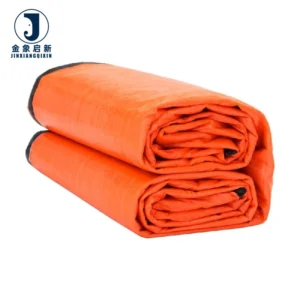
Factory 12ftx20ft Construction Cold Weather Insulated Pe Tarps Poly Tarp Heavy Duty Concrete Curing Blanket Tarpaulin Roll Sheet
¥0.66 Add to cart