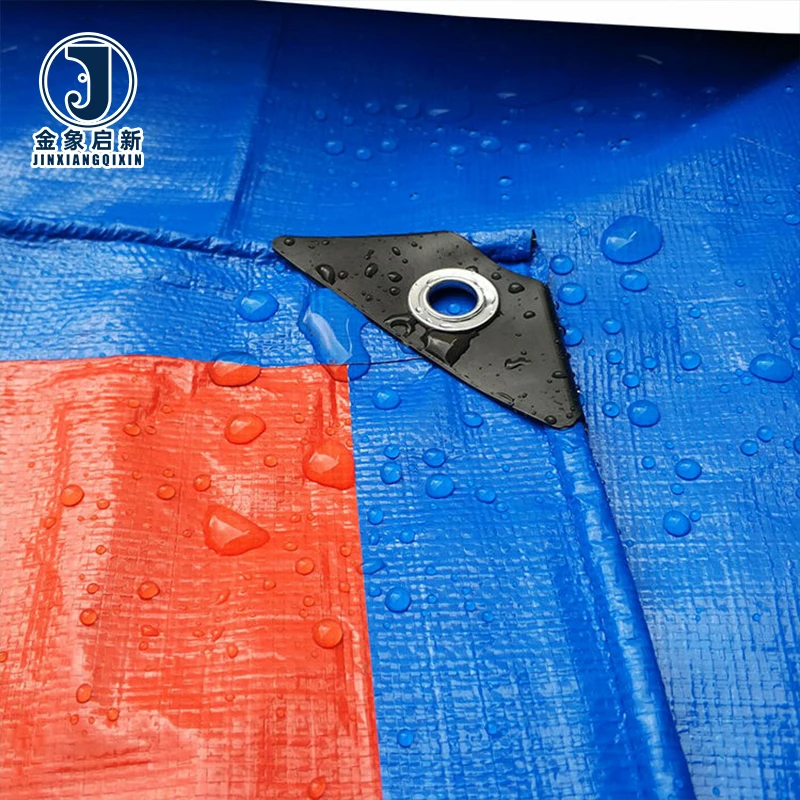
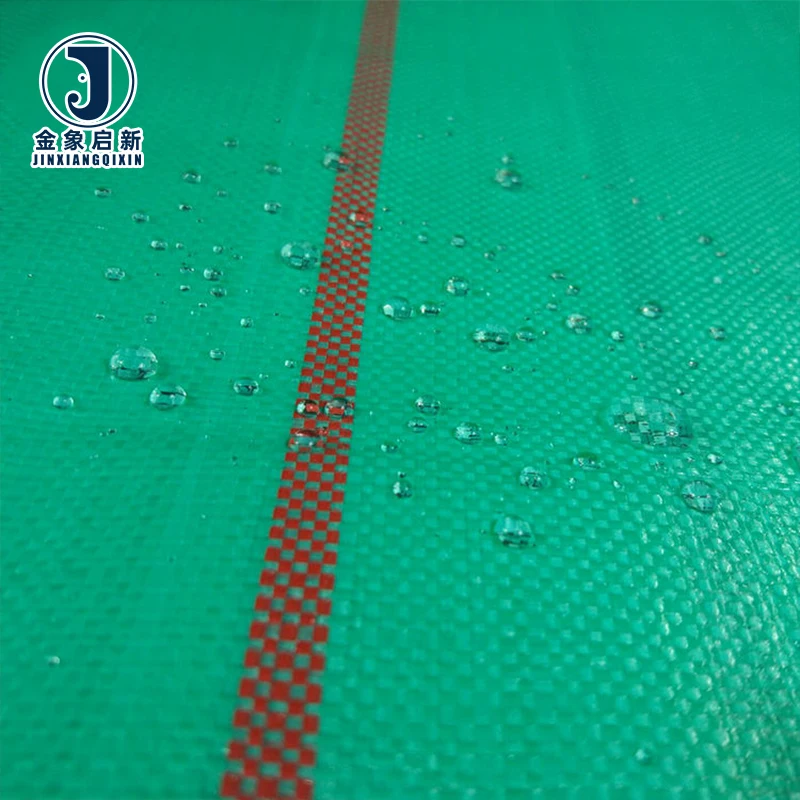
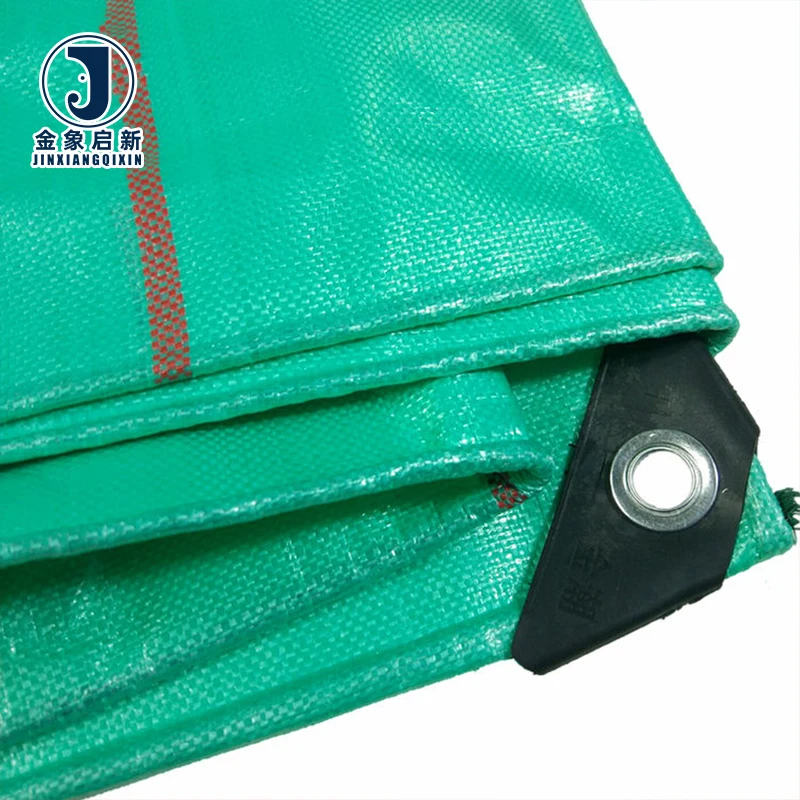
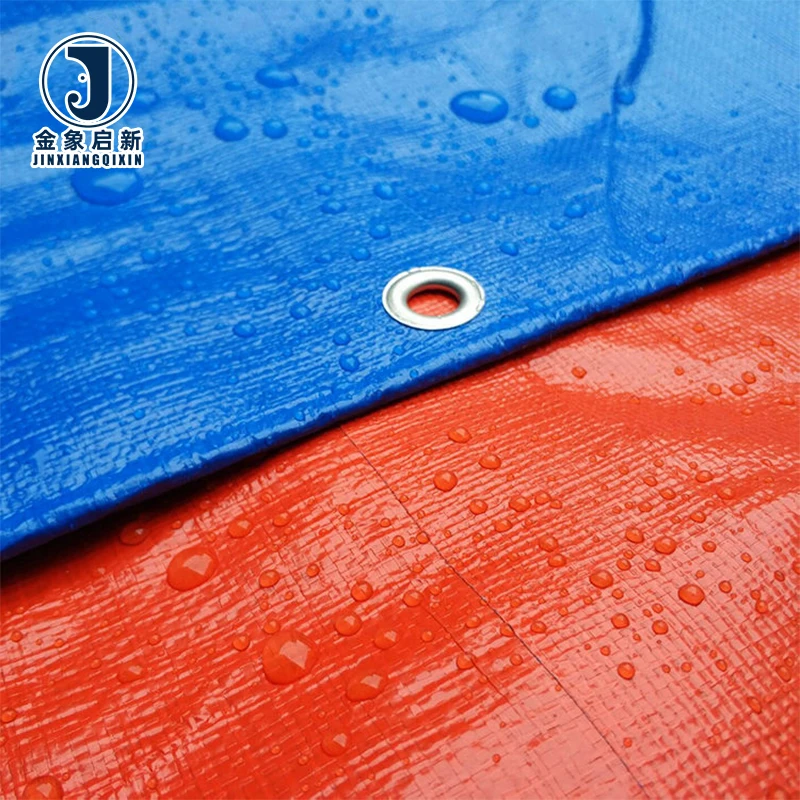
Waterproof PE Tarpaulin Fabric — HDPE weaving with LDPE lamination on both sides, 50g/m² to 300g/m², weave density from 6×6 through 14×16. Roll widths 2m, 4m, 6m; custom lengths available.
- GSM-to-weave density mapping ensures the right grade is selected for each load and exposure condition, from lightweight crop covers to heavy-duty pond liners.
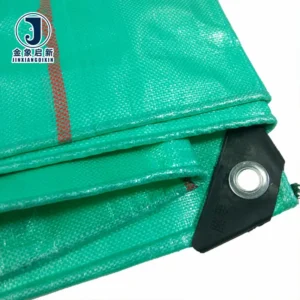
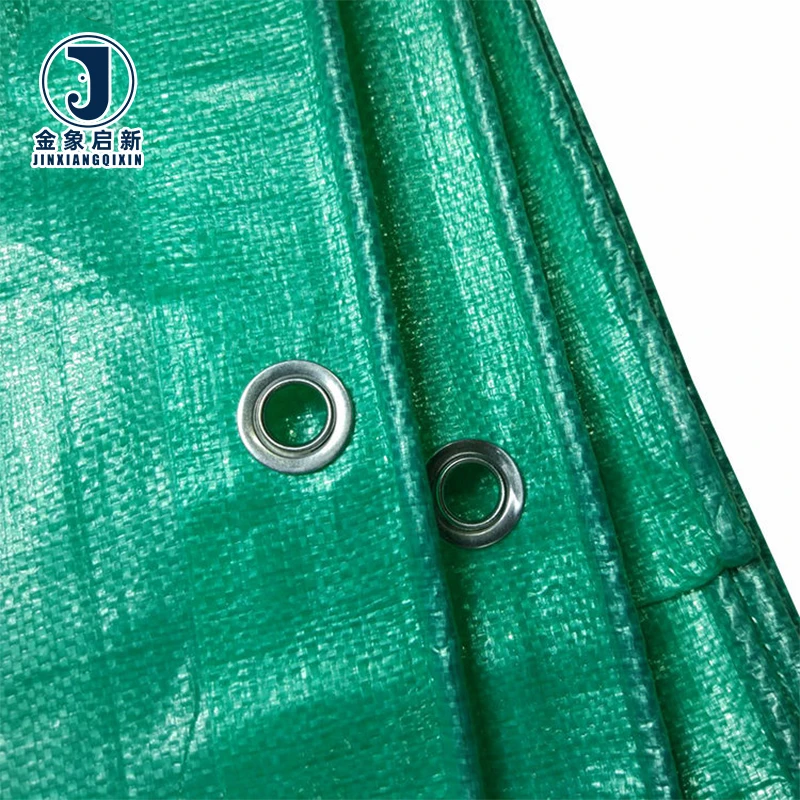
- Finished edges reinforced with PP rope in hem and galvanized eyelets every 1 metre, matching on-site tie-down hardware.
- Colour consistency managed across rolls in the same order to eliminate visible panel variation once installed.
Three full production lines with 36 sets of equipment support bulk roll output with reliable on-time delivery, backed by 100% pre-shipment inspection and full documentation including material specification sheets and test reports.
Description
Proven Process Control — Every roll of PE tarpaulin fabric undergoes dedicated QA/QC at each production stage, with 100% inspection before shipment to ensure the material matches your specification sheet.
Technical Specifications
| Parameter | Value |
|---|---|
| Product Type | PE Tarpaulin |
| Coating Material | HDPE weaving with LDPE lamination on both sides |
| Weight (GSM) | 100 g/m² ~ 300 g/m² available (range covers product family — confirm the grade for this item) |
| Total Thickness | 0.2–0.4 mm / 8 mil–16 mil |
| Mesh Count Options | 6×6, 6×7, 7×7, 7×8, 8×8, 9×9, 8×10, 10×10, 12×12, 14×14, 14×16 weave |
| Roll Width | 2 m, 4 m, 6 m (6 ft, 8 ft, 10 ft, 12 ft available) |
| Roll Length | 100 yards, 100 meters, or custom length |
| Color Options | Blue, Blue/Orange, Green, Grey, Black, Clear, Grey/Green, Orange, or custom |
| Edge Reinforcement | All four edges reinforced with PP rope in hem |
| Eyelet Spacing | Galvanised eyelets every 3 ft or 1 m interval |
| Corner Reinforcement | Reinforced plastic corners |
| Waterproof | Yes — fully waterproof and washable |
| UV Treatment | Available (confirm UV grade required for your market) |
| Anti-Mildew | Mildew proof and anti-aging (confirm test basis for your application) |
| Tear Resistance | Tear resistant (confirm test standard for your specification) |
Application Suitability
| Application | Exposure & Requirement |
|---|---|
| Activity pond liner | Permanent water contact, soil chemistry, puncture risk from substrate |
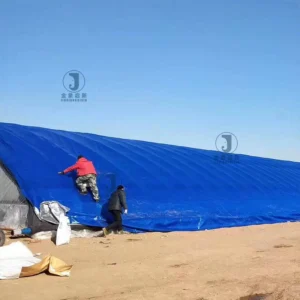
| Agricultural crop and hay covers | Extended UV exposure, wind uplift, moisture ingress prevention |
| Construction scaffolding wrap | Abrasion from scaffold tubes, wind loading, weather barrier |
| Truck and container covers | Road debris impact, tie-down tension at eyelets, repeated folding |
| Garden furniture and gazebo covers | Intermittent outdoor exposure, UV and mildew resistance, aesthetic appearance |
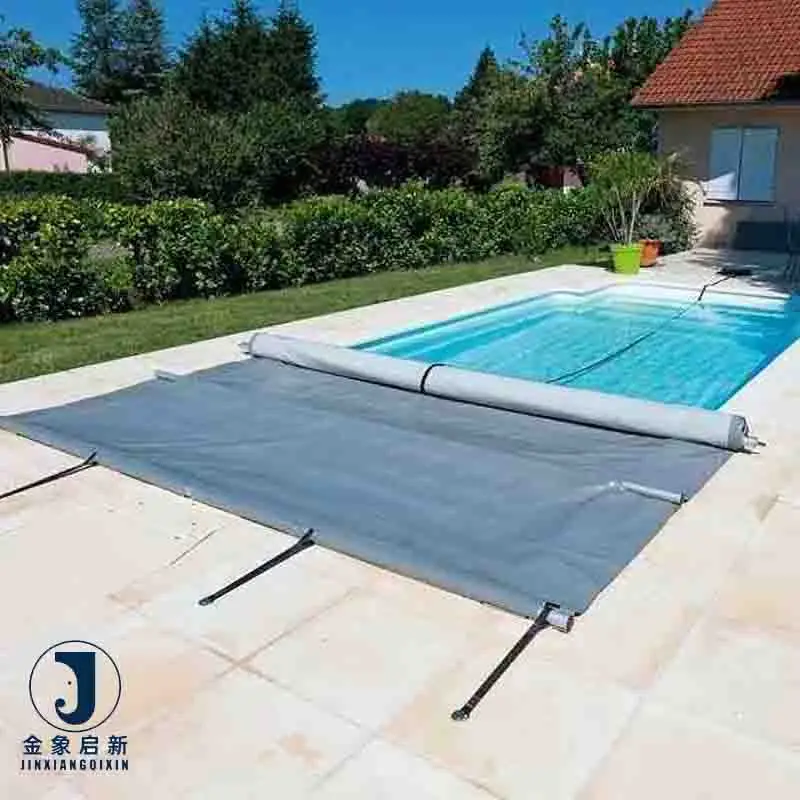
| Swimming pool and pond covers | Water immersion, chemical treatment contact, algae prevention |
Why Stated GSM Does Not Guarantee Delivered Weight on PE Tarpaulin
We verify actual GSM per roll against the material specification sheet before dispatch, not just at quotation stage.
Buyers regularly receive PE tarpaulin rolls that feel lighter than expected once unrolled on site. The quoted gsm appears on the invoice, but the delivered fabric measures below tolerance. This gap between quotation and arrival is one of the most common disputes in coated fabric sourcing, particularly when orders move through multiple traders before reaching the factory floor. [NEED_CITE: weight verification methods for woven coated fabrics per ISO testing standards] A PE Tarpaulin manufacturer that controls its own weaving and lamination lines can close this gap by holding each roll to the same measurement protocol used at the quoting stage.
Matching Weave Density to Load and Exposure Conditions
Choosing the correct mesh count is as critical as selecting the right GSM. A 6×6 weave at a lighter grade suits short-term covers where cost and weight are the priority, while a 14×16 weave at heavier grades is necessary for pond liners and construction wraps that must resist puncture and sustained tension. The relationship between weave density and coating weight determines how the fabric behaves under load — a high-density base with insufficient lamination will still fail at the yarn intersection, while excessive coating on a loose weave adds dead weight without improving tear performance. Selecting a custom PE tarpaulin grade means specifying both parameters together.
Roll Dimensions and Utilisation on Site
Standard roll widths of 2 m, 4 m and 6 m cover most pond and agricultural cover layouts, but choosing the correct width minimises on-site welding and overlap waste. For a 12 m × 8 m activity pond, ordering 4 m wide rolls allows three panels to be heat-welded with two longitudinal seams, whereas 2 m rolls would require five seams and significantly more fabrication time. Roll length is available in 100 yard or 100 metre standard packs, or produced to a custom length that matches the project cut list, reducing off-cuts and material waste at the fabrication stage. [NEED_CITE: heat welding parameters for LDPE laminated PE fabrics]
How GSM, Weave and Lamination Interact to Define Performance
The weight of a PE tarpaulin fabric is not simply a measure of thickness — it is the combined result of base fabric denier, weave density and LDPE lamination weight on both sides. A 10×10 mesh at 180 gsm will have fundamentally different tensile and tear behaviour compared to an 8×8 mesh at the same GSM, because the heavier yarns in the denser weave carry more load before the lamination is engaged. The LDPE lamination provides the waterproof barrier and contributes to puncture resistance, but it is the HDPE woven base that determines how the fabric resists tearing once a nick or cut occurs. Understanding this interaction allows you to specify a grade that performs for the actual mechanical stress the cover will face, rather than selecting on GSM alone.
The Cost of Specifying on Quotation Weight Alone
When a PE tarpaulin order arrives lighter than the stated GSM, the consequences extend beyond the material shortfall. Covers that are too light for their intended load will stretch under tie-down tension, causing eyelets to pull through the hem and seams to open at stress points. For pond liners, under-weight fabric is more susceptible to puncture from substrate stones and root intrusion, leading to leaks that are costly to locate and repair once the pond is filled. Colour variation between rolls in the same shipment becomes visible once panels are installed side by side, requiring rework or replacement on aesthetic-sensitive projects such as event canopies and garden structures. [NEED_CITE: coated fabric weight tolerance and field performance correlation]
Production Capability Behind This PE Tarpaulin Range
Three full production lines and 36 sets of professional equipment support bulk roll output with consistent GSM and weave density across every roll in a batch. The 10-person R&D team handles custom width, colour matching and pattern printing requests, developing samples within days so you can confirm the specification before committing to a production run. Dedicated QA/QC at every production stage means coating weight is measured during lamination, not only at final inspection, catching deviations before they become finished rolls. The factory’s ISO and CE certified production system ensures documentation trails are complete for every shipment, from material specification through to pre-shipment inspection records.
Documentation & Verification
- Material specification sheet stating exact GSM, base fabric weave, lamination type and colour reference per roll
- Pre-shipment inspection record confirming 100% inspection before dispatch with roll-by-roll weight check
- Roll packing list detailing roll count, individual dimensions, net and gross weight for customs clearance
- Certificate of origin and customs documentation included in the shipping file for import compliance
- UV and anti-mildew test reports provided where applicable — confirm the test basis required for your market
Fabrication, Handling & Storage
- Heat-weld LDPE laminated seams using temperature and dwell settings matched to the specific GSM and lamination thickness
- Space galvanised eyelets at 1 m or 3 ft intervals to distribute tie-down load evenly across the PP rope-reinforced hem
- Store rolls upright on hard paper tube cores to prevent flat-spotting and permanent crease damage to the laminated surface
- Avoid dragging finished sheets across abrasive substrates — the LDPE lamination resists water but can be scored by sharp stone contact
- Clean with mild detergent and soft brush; solvent-based cleaners may degrade the LDPE surface and reduce waterproof integrity
- When deploying pond liners, unroll on a smooth sub-base and allow the fabric to relax before welding seams to reduce residual tension
Requesting a Specification Match for Your Project
To specify the correct grade from this PE tarpaulin range, share the intended application, expected exposure conditions and the mechanical loads the cover will face — including wind uplift, water head pressure or tie-down tension. Provide the required roll width, roll length or finished cut sizes, along with colour references and any branded printing requirements. If your market requires UV or anti-mildew certification, state the test standard your buyers or regulators expect so the correct treatment grade can be confirmed and documented before production begins.
Frequently Asked Questions
Q: How do I confirm the delivered GSM matches the quotation?
A: Request the material specification sheet before shipment and verify actual roll weight against it on arrival. Our pre-shipment inspection record documents GSM measurement per roll, so any deviation is caught before dispatch rather than discovered at your warehouse.
Q: Can I order mixed roll widths and finished cut sizes in one container?
A: Yes, roll stock and finished tarpaulin sheets can be combined in a single shipment. Provide your cut list and roll requirements together so the production schedule can batch matching colours and grades for consistency across the entire order.
Q: How is colour consistency maintained across multiple rolls?
A: Colour matching is controlled at the lamination stage with reference samples checked against each production batch. Rolls within the same order are produced consecutively to minimise variation, and the pre-shipment inspection includes a visual colour comparison before packing.
Q: What information do you need for custom printing and branding?
A: Provide your artwork files, Pantone or RAL colour references, and the print area dimensions. A printed sample is developed within days for your approval before the full production run, ensuring colour accuracy and registration match your brand requirements.
Related products
-
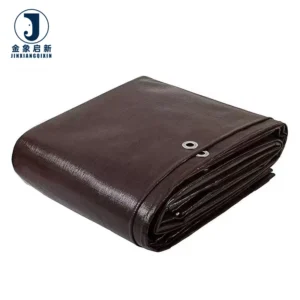
Custom PE Tarpaulin for Industrial Use – Full Range
Read more -
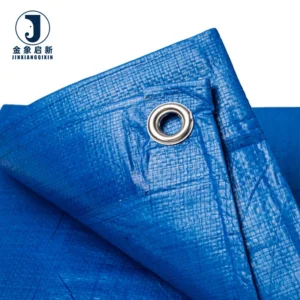
Waterproof Coated Organic Blackout Polyethylene Tarpaulin Sheets for Outdoor Garden Greenhouses and Tents
¥0.59 Select options This product has multiple variants. The options may be chosen on the product page -
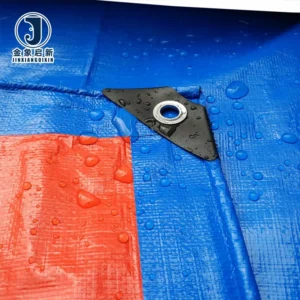
JX PE Woven Plain Resistance Tarpaulin Tent with Durable Waterproof Features for Outdoor Use
¥0.30 Select options This product has multiple variants. The options may be chosen on the product page -
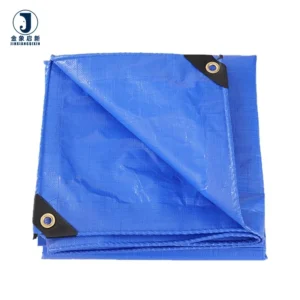
Hot Selling Organic Coated Blackout Waterproof Canvas PE Tarpaulin Tarp for Boys & Girls Construction Transportation Cover
¥1.68 Select options This product has multiple variants. The options may be chosen on the product page