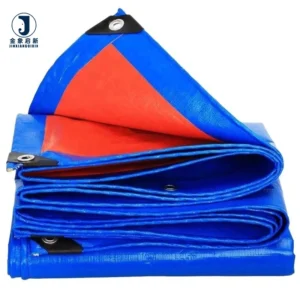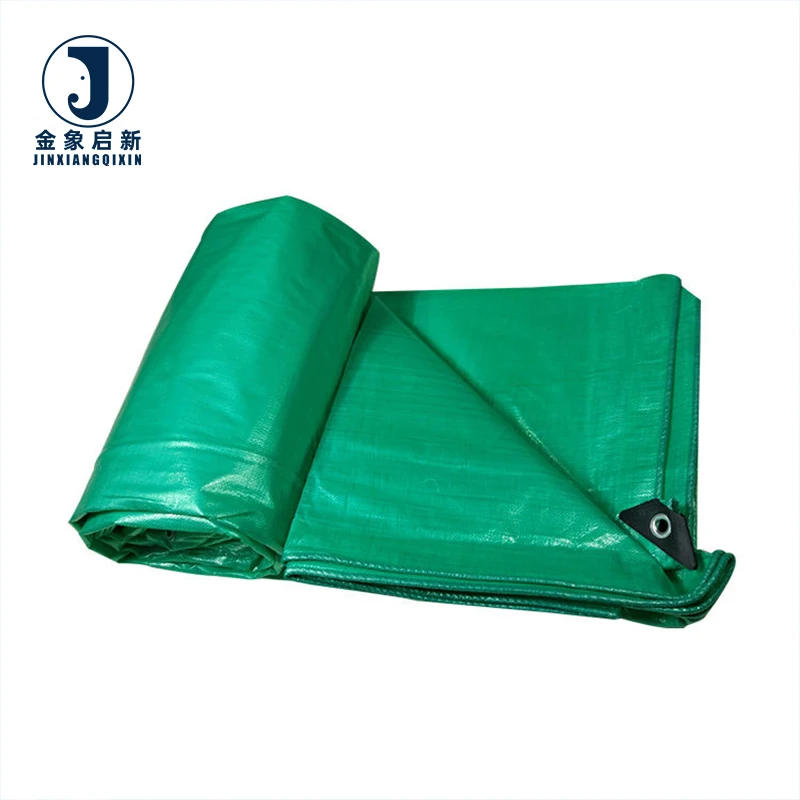
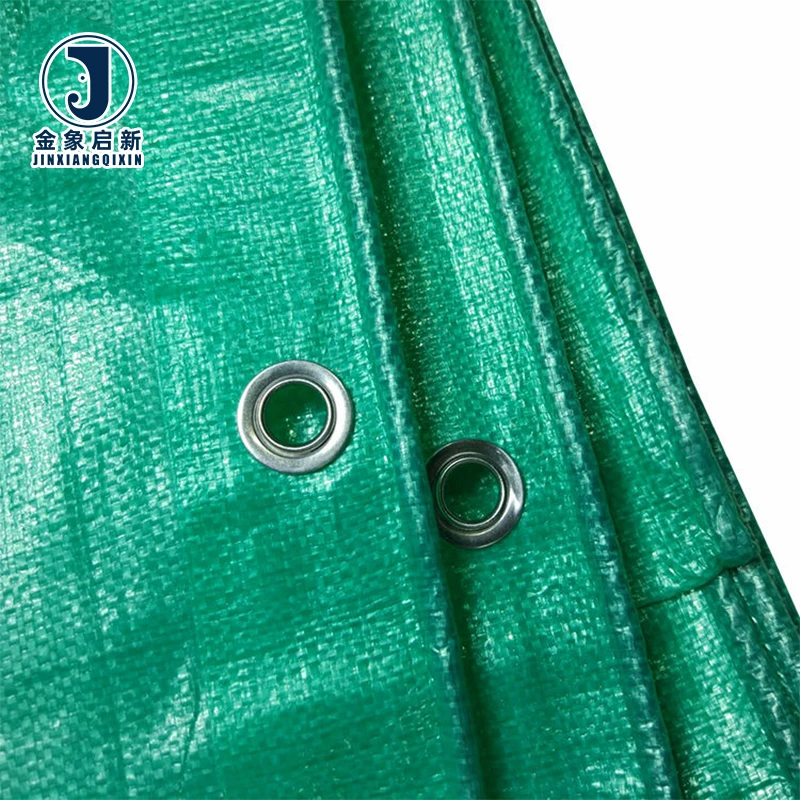
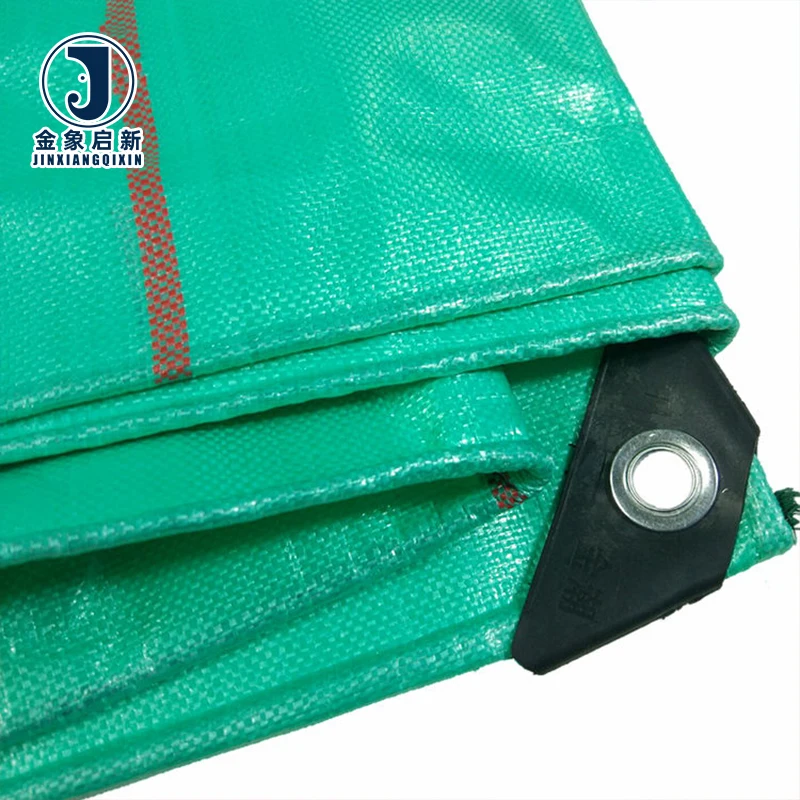
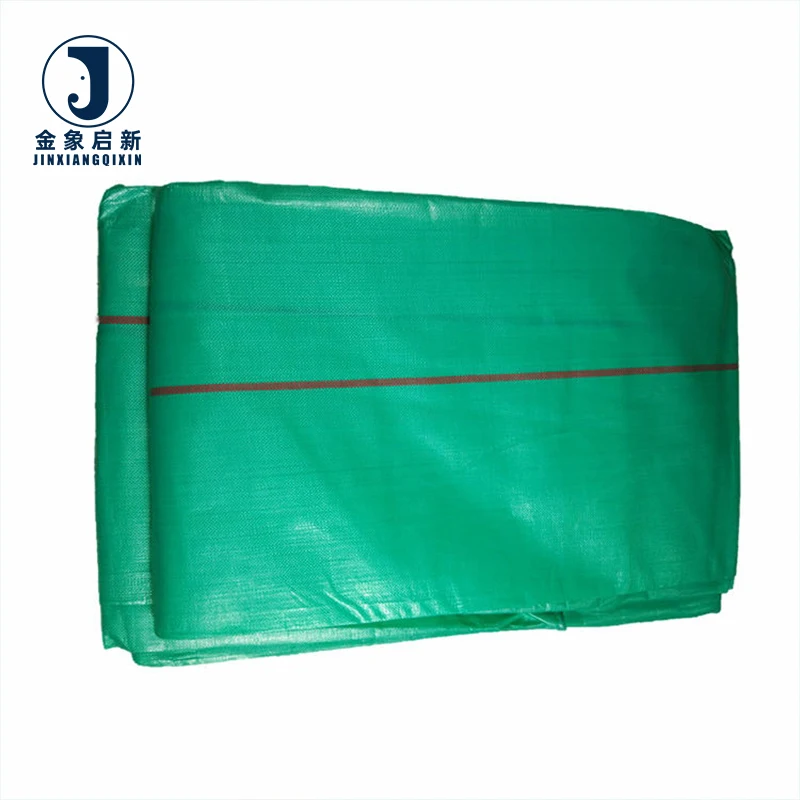
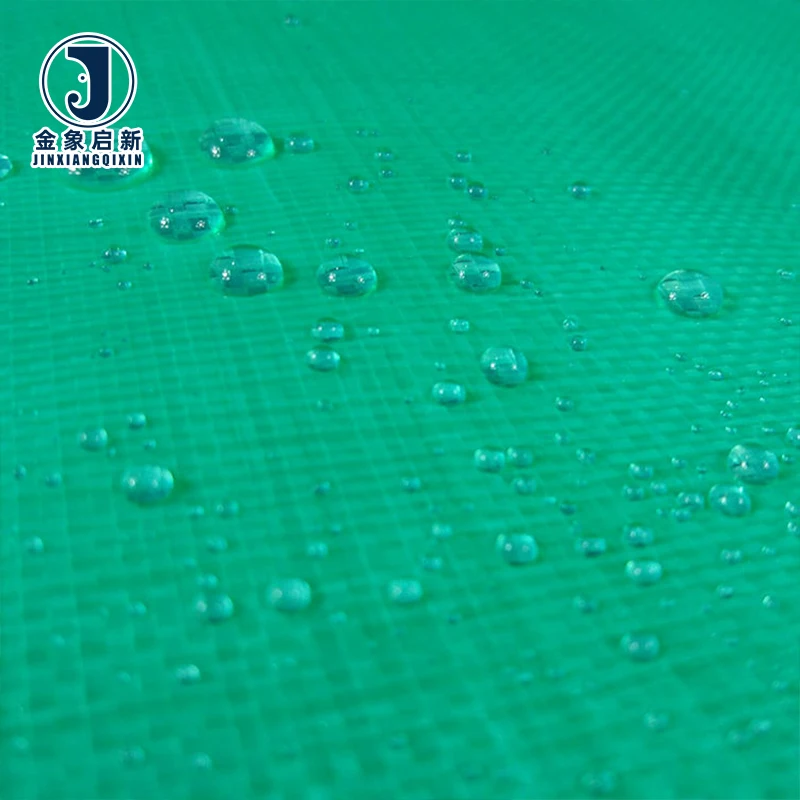
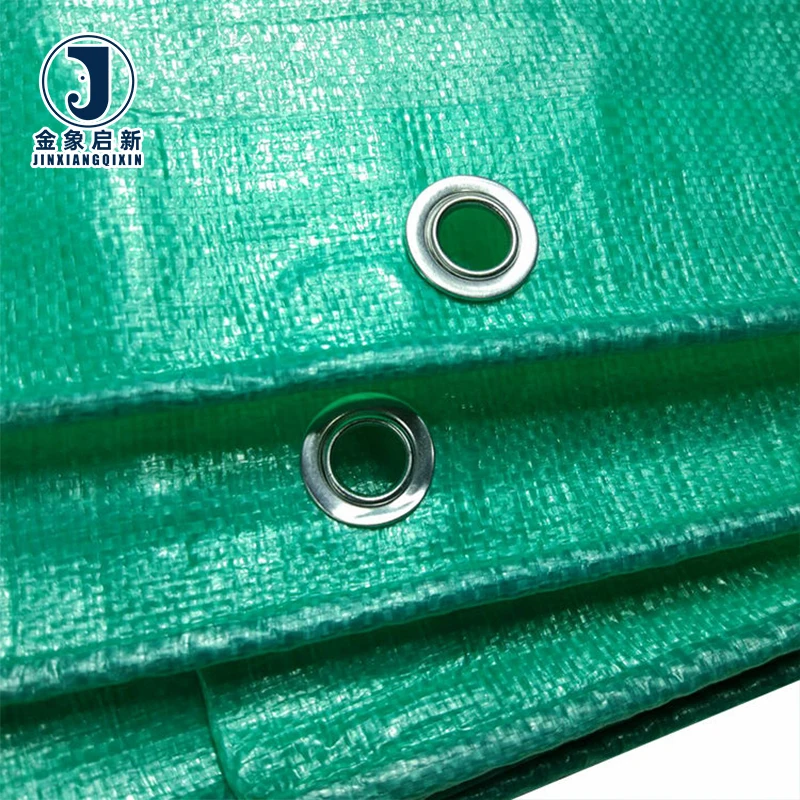
Heavy Duty Waterproof PE Tarpaulin, HDPE weave with LDPE lamination, 50gsm–300gsm — delivers consistent waterproof protection across truck, construction, and agricultural covers. GSM and weight density directly determine tear resistance and tie-down durability; reinforced PP rope hems with galvanized eyelets every 3ft handle real load flex without edge failure. UV treatment available with test documentation to verify anti-aging performance on arrival.
- Roll widths from 2m to 6m with custom cut sizes to fit specific trailer models
- Color and printing customization with sample development within days
Backed by 100% pre-shipment inspection, three full production lines for reliable bulk capacity, and nearly 30 years of coated fabric process control.
Description
Precision Coating Control — Nearly 30 years of HDPE weaving and LDPE lamination process knowledge ensures every roll leaves the line at the specified GSM with consistent adhesion across the full width.
Technical Specifications
| Parameter | Value |
|---|---|
| Product Type | PE Tarpaulin Roll / Finished PE Tarpaulin |
| Material Construction | HDPE weaving with LDPE lamination on both sides |
| Weight Range | 50 gr/m² to 220 gr/m² (confirm the grade for this item) |
| Total Thickness | 0.2–0.4 mm / 8–16 mil |
| Weave Density Options | 6×6, 6×7, 7×7, 7×8, 8×8, 9×9, 8×10, 10×10, 12×12, 14×14, 14×16 |
| Roll Width Options | 6 ft, 8 ft, 10 ft, 12 ft, 2 m, 4 m, 6 m |
| Roll Length Options | 100 yards, 100 meters, or custom |
| Color Options | Blue, Blue/Orange, Green, Grey, Black, Clear, Grey/Green, Orange, or custom |
| Edge Reinforcement | PP rope in hem on all four edges |
| Eyelet Specification | Galvanized eyelets every 3 ft or 1 m interval |
| Corner Reinforcement | Reinforced plastic corners |
| Waterproof | Yes |
| UV Treatment | Available (test basis not stated in source) |
| Anti-Mildew | Mildew proof and anti-aging claimed (grade not stated in source) |
Application Suitability
| Application | Exposure & Requirement |
|---|---|
| Truck and trailer covers | Road debris impact, constant vibration, rain and UV exposure, tie-down tension at eyelets |
| Agricultural crop and hay covers | Prolonged sun exposure, wind uplift, moisture ingress prevention, repeated handling |
| Construction scaffolding wraps | Abrasion against steel tubes, wind load, dust containment, site safety visibility |
| Garden furniture and gazebo covers | Seasonal UV, mildew in humid storage, frequent folding and unfolding |
| Swimming pool covers | Continuous water contact, chlorine exposure, leaf and debris load |
Why the PE Tarpaulin You Ordered Arrives Lighter Than Quoted
GSM on paper means nothing if the scale tells a different story when the container opens.
Buyers in distribution and import regularly face a familiar pattern: the quotation states a specific GSM, but the rolls that arrive test lighter on the warehouse scale. This gap between specification and reality erodes margins when your customer cuts into the material and finds it thinner than expected. The root cause is often inconsistent coating weight during the lamination pass, where the LDPE layer is applied below target to save material cost [NEED_CITE: coating weight variance in PE tarpaulin production]. Without dedicated QA checkpoints at every production stage, the deviation goes undetected until the buyer’s receiving inspection raises a claim.
Mapping the Full PE Tarpaulin Range to Buyer Specifications
The PE tarpaulin catalogue spans lightweight 50 gr/m² grades for short-term dust sheets up to heavy 220 gr/m² weaves for sustained outdoor covers. Distributors surveying options need clarity on which weave density delivers the tear resistance their market demands, without over-specifying and paying for unnecessary material. Each grade is produced on dedicated lines, so switching between 8×8 and 14×14 mesh does not create cross-contamination of colour or coating weight within the same production run.
Colour Consistency Across Multi-Roll Orders
When ten rolls of green PE tarpaulin are installed side by side on a construction hoarding, any shade variation becomes immediately visible to the end user. Batch-to-batch colour drift is a frequent complaint in bulk PE tarpaulin procurement, especially when orders are split across production dates. Controlling pigment dosing at the compounding stage and verifying each roll against a master colour standard before packing reduces visible mismatch to levels acceptable in field installation [NEED_CITE: colour tolerance standards for laminated polyethylene fabrics].
How Weave Density and GSM Interact in PE Tarpaulin Performance
The HDPE woven base provides tensile and tear strength, while the LDPE lamination on both sides seals the weave for waterproof performance. A 14×14 mesh at 220 gr/m² delivers substantially higher tear resistance than a 6×6 mesh at the same weight, because the tighter weave distributes load across more yarn intersections before a tear propagates. Weave density also determines the surface smoothness of the laminated finish — tighter weaves produce a flatter surface that resists dirt accumulation and is easier to clean in agricultural or construction use. Roll widths up to 6 m allow single-piece covers for wide loads and large pallet stacks, reducing the number of field seams and overlap joints that would otherwise require tape or heat welding.
The Hidden Cost of Specifying the Wrong Grade
Ordering a lightweight 6×6 grade for a truck cover that requires daily tie-down and removal leads to eyelet pull-through and edge tearing within weeks of service. Conversely, specifying a heavy 14×16 weave for a temporary garden canopy adds unnecessary material cost and weight, making the cover difficult for one person to handle and fold. Buyers who skip the sample approval step and rely on catalogue GSM alone often discover the material does not match the mechanical demands of their specific application. Colour mismatch between rolls ordered at different times forces partial returns and delays project completion [NEED_CITE: field failure analysis of PE tarpaulin grade selection].
Production Capability Behind This PE Tarpaulin Range
Three full production lines and 36 sets of professional equipment support simultaneous roll output in multiple widths and colours without scheduling conflict. A 10-person R&D team handles custom colour matching, non-standard roll lengths, and sample development within days for buyers who need to verify material before committing to bulk. Dedicated QA/QC at every stage — from HDPE yarn tension through lamination temperature to final roll weighing — ensures the GSM on the dispatch note matches the material on the scale. The facility holds ISO and CE certification, providing documentation that satisfies compliance requirements in European and North American markets. Samples ship within days for buyers evaluating weave density and coating adhesion before confirming order volume.
Documentation & Verification
- Material specification sheet stating GSM, base fabric weave density, and LDPE coating weight per grade ordered
- Pre-shipment inspection record confirming weight, colour consistency, and eyelet placement across every roll
- Roll packing list with container loading plan by roll, bale, or carton count for logistics planning
- Certificate of origin and customs support documentation for smooth import clearance at destination port
Fabrication, Handling & Storage
- Heat welding parameters must match the LDPE lamination thickness; test weld on offcut before full production to confirm bond strength
- Galvanized eyelets at 1 m intervals distribute tie-down load; reinforce high-tension corners with additional plastic patches during fabrication
- Store rolls upright on pallets to prevent flat spots and permanent creasing in the HDPE woven base fabric
- Unroll and allow material to relax at ambient temperature before cutting, especially in cold-weather delivery conditions
- Clean laminated surfaces with mild detergent only; solvent-based cleaners can degrade the LDPE coating adhesion over time
What to Include in Your Enquiry
Specify the application environment — indoor storage, short-term outdoor, or permanent external exposure — so the correct UV treatment and GSM grade can be recommended. Confirm whether you require roll stock in standard widths or finished cut sizes with eyelets and reinforced hems already fabricated. Provide target colour references and annual volume estimates to enable accurate lead-time planning and batch consistency scheduling. Request a physical sample if your end customer requires approval before production commitment.
Frequently Asked Questions
Q: How is GSM verified per roll and what documentation accompanies shipment?
A: Each roll is weighed individually during pre-shipment inspection, and the recorded weight is logged against the ordered GSM specification. A 100% inspection record accompanies the shipment alongside a material specification sheet that confirms base fabric weave, lamination weight, and roll dimensions for your receiving team to cross-reference.
Q: What custom widths, colors, and cut sizes are available, and what is the minimum order?
A: Roll widths from 2 m to 6 m are available, along with custom colours beyond the standard range and finished cut sizes with eyelets at buyer-specified intervals. Minimum order quantities vary by customisation level; standard colours in stock widths carry the lowest thresholds, while bespoke colours require a production trial run.
Q: How do I choose the right weave density and GSM for my application?
A: Weave density determines tear propagation resistance, while total GSM reflects overall material mass. High-wind outdoor covers benefit from tighter weaves such as 12×12 or 14×14, whereas temporary indoor dust sheets perform adequately with 6×6 or 7×7 mesh. Request a sample in two grades to compare handling and mechanical feel for your specific use case.
Q: How is color consistency controlled across multiple rolls in the same order?
A: Pigment is compounded at the resin stage and verified against a master colour standard before lamination begins. Each roll is visually inspected against this reference during the pre-shipment check, ensuring that rolls installed side by side in the field present a uniform appearance without visible shade variation.
Q: What eyelet spacing, hem reinforcement, and printing options can be customized?
A: Standard eyelet intervals are every 3 ft or 1 m, but custom spacing is available for applications with specific tie-down requirements. PP rope hem reinforcement and reinforced plastic corners are standard on finished tarps. Pattern printing and branding can be added during production — confirm artwork and placement at sample stage.
Related products
-
Woven Coated Plain Anti-UV Waterproof PE Tarpaulin Roll Customized for Car Outdoor Tent Awning Truck & Industrial Cover
¥0.29 Select options This product has multiple variants. The options may be chosen on the product page -
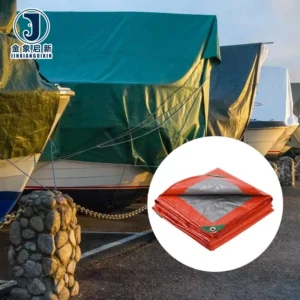
PE Coated Blackout Tarpaulin Poly Tarp with UV Protection Standard Size Fabric Sheet for Agriculture & Industrial Use
¥0.35 Select options This product has multiple variants. The options may be chosen on the product page -
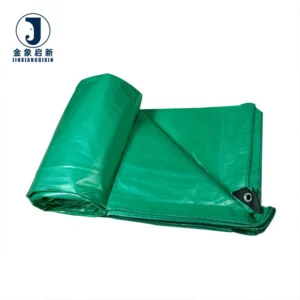
Heavy Duty Organic Breathable PVC Coated Weft Tarpaulin 400gsm Waterproof UV Resistant for Trucks Buildings Agriculture Boys
¥0.87 Select options This product has multiple variants. The options may be chosen on the product page -
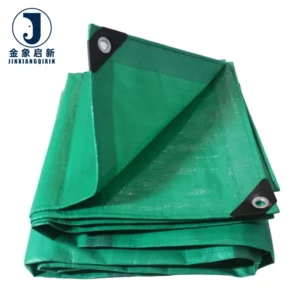
Waterproof Organic Blackout PE Coated Medium Duty All-Purpose Truck Tarpaulin for Outdoor Use Boys
¥6.81 Select options This product has multiple variants. The options may be chosen on the product page