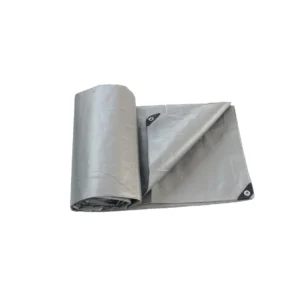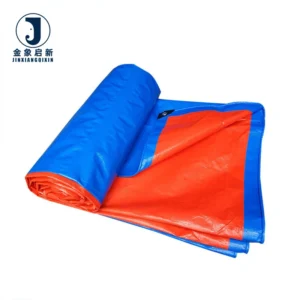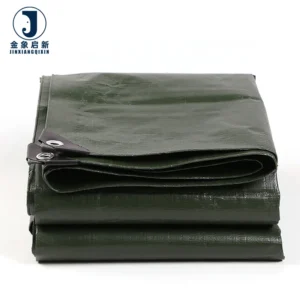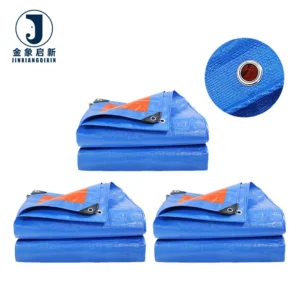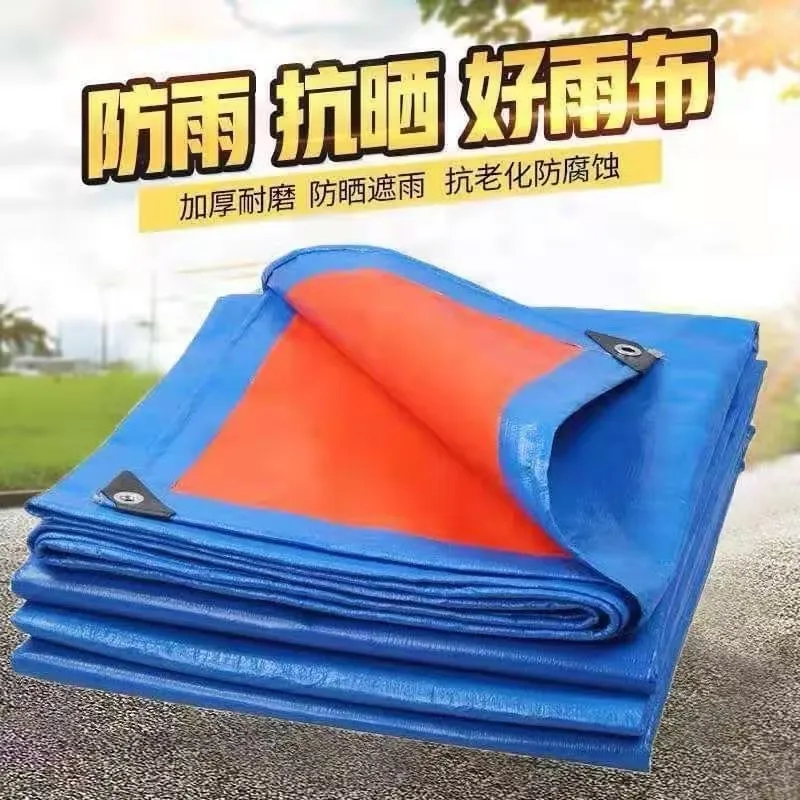
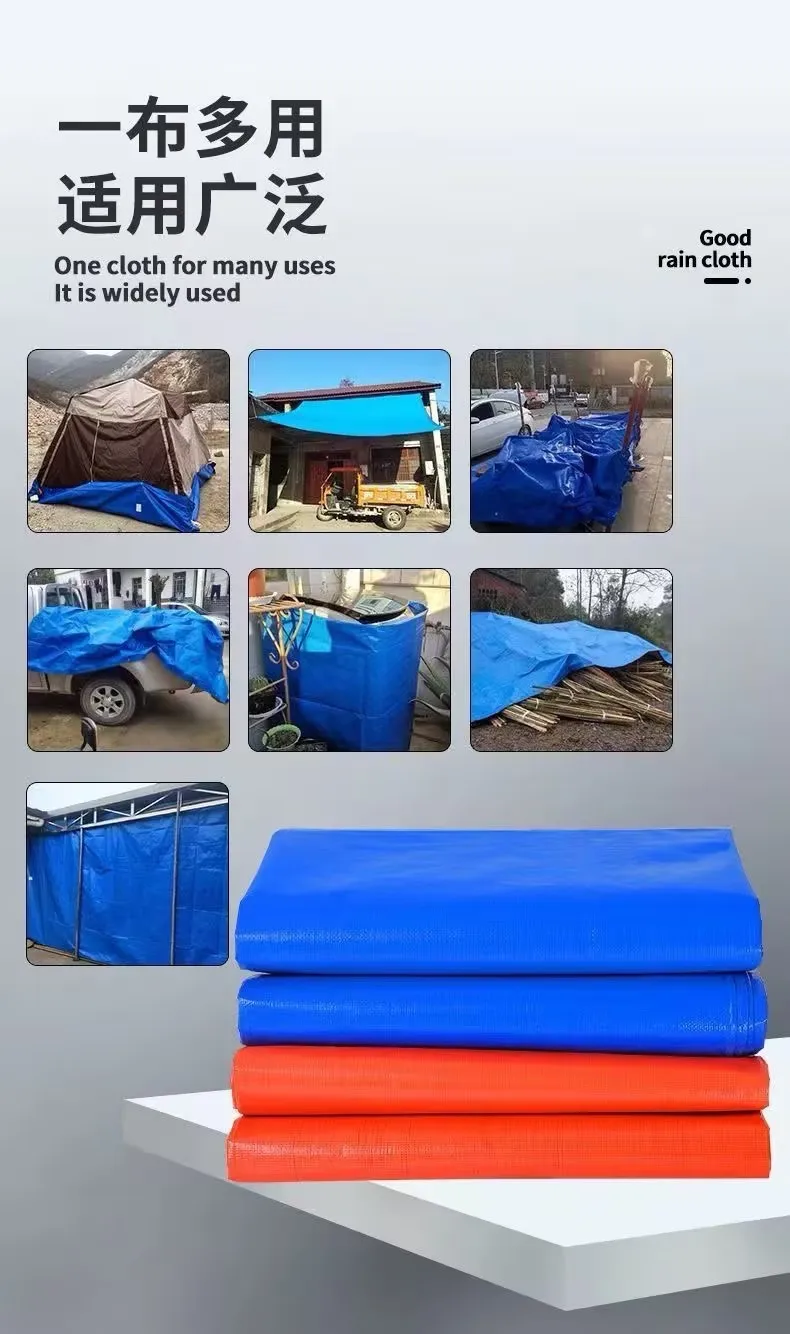
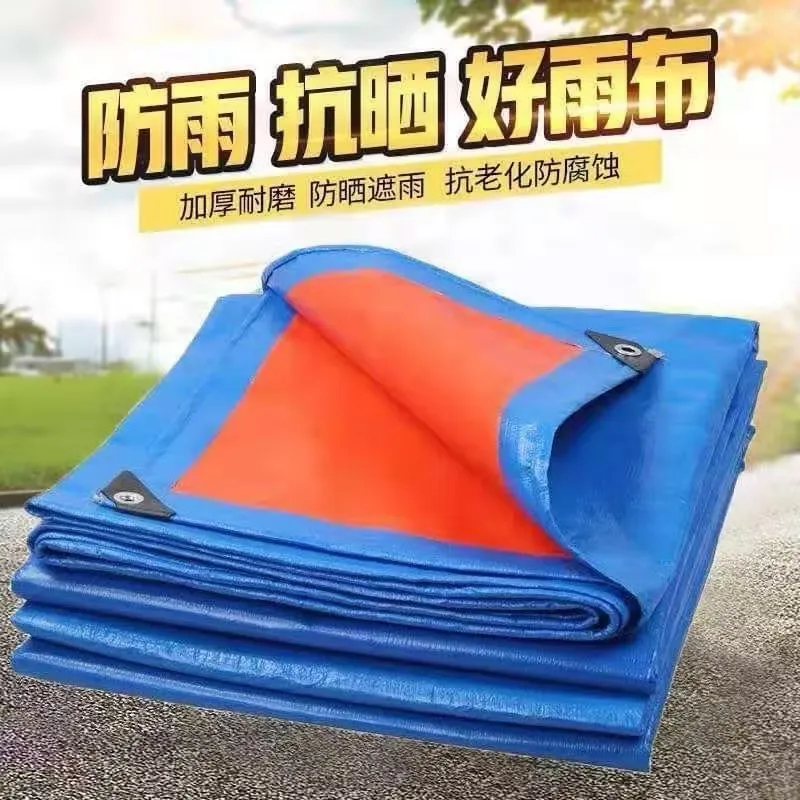
PE Tarpaulin Waterproof Rainproof Outdoor Awning — medium-weight PE coated fabric with anti-UV treatment for awning, shade sail, canopy and pet shelter covers.
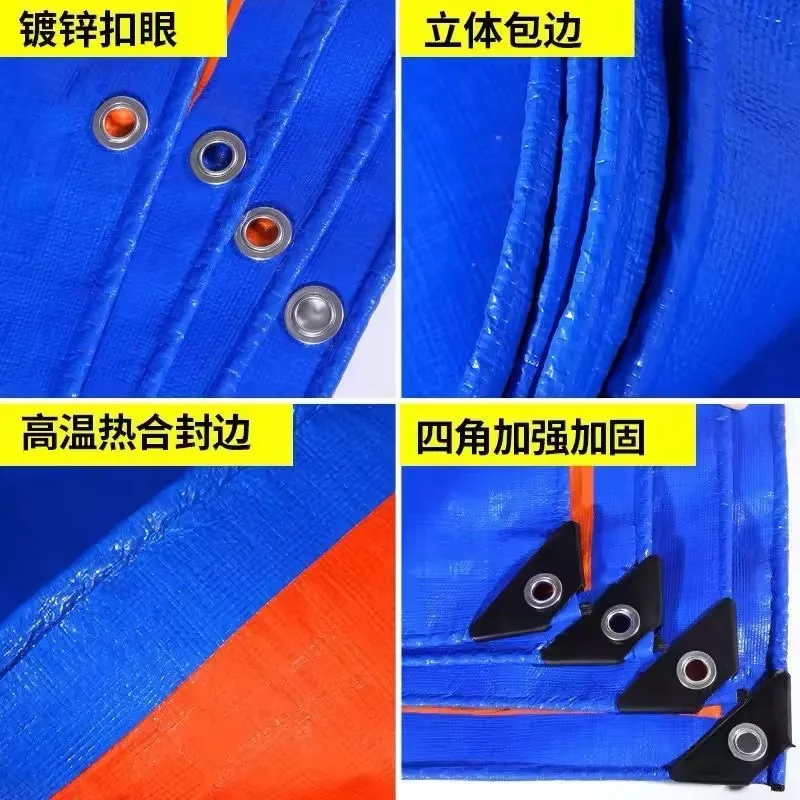
- Waterproof PE coating with heat-sealed seams prevents leakage at flex points where rain pools under tension
- Anti-UV treatment included — specify test-backed grade when ordering to verify long-term colour stability
- Custom cut sizes with reinforced hems and eyelet spacing matched to your installation drawing
Three full production lines and 36 sets of equipment ensure bulk roll-to-roll colour consistency and verified GSM on every shipment.
Description
Dedicated QA/QC at Every Stage — Weight verification per roll against the stated GSM before dispatch ensures the PE tarpaulin you receive matches the specification on your order.
Technical Specifications
| Parameter | Value |
|---|---|
| Product Type | PE Tarpaulin |
| Material | Polyethylene (PE) |
| Coating | PE Coated |
| Waterproof Rating | Waterproof |
| UV Treatment | Anti-UV (test basis not stated) |
| Weight Grade | Medium Weight |
| Key Features | Waterproof, rainproof, custom cut sizes available |
Application Suitability
| Application | Exposure & Requirement |
|---|---|
| Outdoor awning | Continuous sun exposure, rain load, wind uplift at fixing points |
| Shade sail | Tensile stress at corner attachments, UV degradation over seasons |
| Canopy cover | Rain pooling risk, repeated installation and removal handling |
| Pet dog house cover | Moisture ingress, scratching at edges, temperature fluctuation |
Why Colour Consistency Across Rolls Matters for PE Tarpaulin Installations
Batch colour variation becomes visible the moment two pieces are installed side by side.
Sourcing PE tarpaulin from multiple production batches often results in slight shade differences that are impossible to predict from a single sample swatch. When awning panels or shade sail sections are mounted adjacent to each other, even minor tone shifts draw the eye and undermine a professional finish. This is not a defect in the coating itself but a consequence of pigment lot variation that escapes standard visual inspection at the factory gate. Buyers who order full container loads of PE Tarpaulin custom cut pieces frequently discover the mismatch only after the material has been unrolled on site [NEED_CITE: colour consistency standards for coated polyethylene fabrics].
Maintaining Shade Uniformity from First Roll to Last
Jinxiang addresses this by scheduling the full order quantity within a single coating run wherever possible, using the same pigment batch for every roll allocated to one purchase order. The QA team pulls a reference swatch from the first metre produced and compares subsequent rolls against it under standardised lighting before release. Where an order volume exceeds a single run, the transition batch is flagged and the buyer is notified so that panels from different runs can be assigned to separate installation zones rather than placed adjacent to each other. This level of PE Tarpaulin custom batch tracking is what prevents costly re-sorting on site.
Anti-UV Treatment Verification Beyond the Quotation Claim
Many PE tarpaulin quotations list anti-UV treatment as a standard feature without referencing a test method or exposure duration. For awning and shade sail fabric that will face direct sunlight across seasons, a claim without documentation leaves the buyer carrying the risk of premature embrittlement and colour fade. Jinxiang provides UV treatment documentation when the grade is confirmed at inquiry stage, and recommends that buyers specify the test basis required for their end market [NEED_CITE: UV stabiliser test methods for polyethylene outdoor fabrics]. Where a particular service life or solar exposure rating is needed, the R&D team can formulate the coating additive package accordingly and supply supporting data before production begins.
Reading the Specification Sheet Correctly
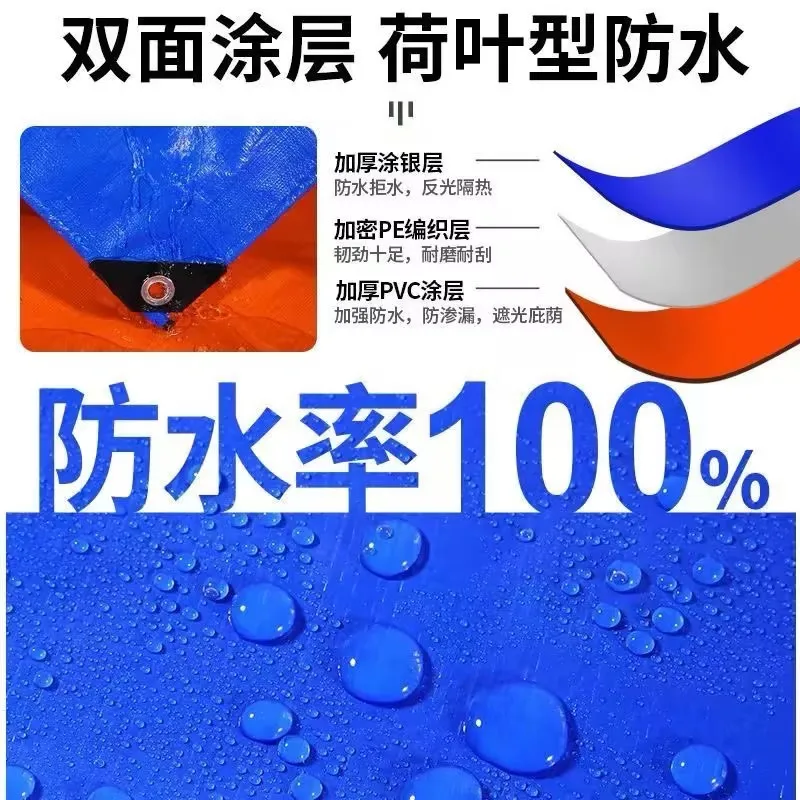
Medium weight PE tarpaulin sits between the lightest packaging-grade films and the heaviest industrial covers, making it the default choice for awning, canopy and shade sail applications where the fabric must remain handleable yet resist tearing under wind load. The PE coating is applied to both faces of a woven polyethylene base fabric, creating a continuous waterproof barrier that does not rely on a separate laminate layer. Waterproof performance is inherent to the coated construction rather than achieved through a topical spray treatment that could wear off with handling and folding.
What Happens When Weight Grade Is the Only Spec You Check
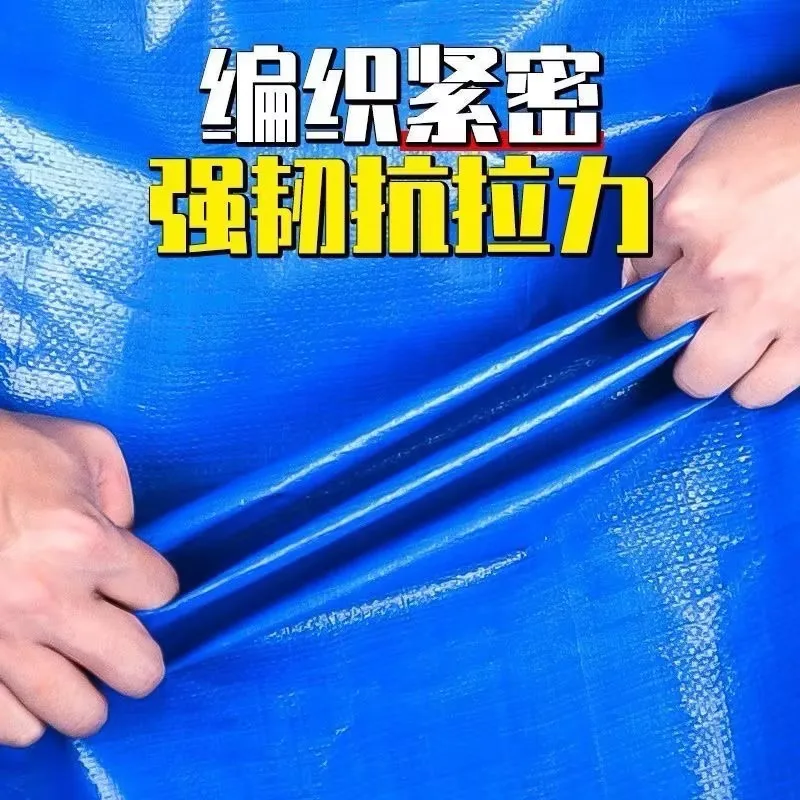
Selecting PE tarpaulin solely on a quoted weight figure without confirming the base fabric denier and weave density can lead to material that feels adequately heavy yet tears easily along a single yarn line. Coating weight can be inflated to hit a target GSM without adding real tensile strength to the underlying fabric. In awning and shade sail use, this results in failures that begin at corner attachment points where concentrated stress exceeds what the base weave can carry [NEED_CITE: relationship between base fabric denier and tear propagation in PE coated fabrics]. Jinxiang’s specification sheet lists base fabric construction alongside total coated weight so that buyers can evaluate both values together rather than relying on GSM alone.
Why Procurement Teams Choose This Source for PE Tarpaulin Custom Orders
Three full production lines and 36 sets of professional equipment mean that custom width and cut size orders for PE Tarpaulin custom projects can be scheduled without waiting for a dedicated line to free up. A 10-person R&D team handles pigment matching, eyelet layout drawings and sample development, returning finished samples within days rather than weeks. Every roll passes through 100 percent pre-shipment inspection covering weight verification, colour match and dimensional accuracy before packing. Production experience spanning nearly 30 years of coated fabric manufacturing means the team has encountered and resolved the batch consistency and coating adhesion issues that typically surface only after installation.
Documentation & Verification
- Material specification sheet stating exact GSM, base fabric weave and PE coating weight for the grade ordered
- UV treatment test report supplied when the specified grade requires documented solar exposure data
- Pre-shipment inspection record covering weight per roll, colour match and dimensional check
- Roll packing list with piece count, net weight and roll identification for receiving verification
- Certificate of origin and customs documentation prepared for cross-border PE tarpaulin shipments
Fabrication, Handling & Storage
- Heat-seal medium weight PE tarpaulin at manufacturer-recommended temperature to avoid coating melt-through at seam lines
- Specify eyelet spacing and reinforced hem tape to distribute wind load across the PE coated panel edges
- Store rolls horizontally on a flat rack to prevent permanent crease marks in the PE coating surface
- Allow folded PE tarpaulin panels to relax flat before installation to eliminate tension wrinkles at fixing points
- Use mild detergent and soft brush for cleaning; avoid solvent-based products that can soften the PE coating layer
What to Include in Your PE Tarpaulin Custom Inquiry
Provide the intended application, exposure conditions and the dimensions or roll width you require so the team can recommend the appropriate weight grade and construction. Specify whether anti-UV treatment must be supported by a particular test standard for your destination market. Indicate if finished cut sizes with eyelets and reinforced hems are needed, or if roll stock is preferred for your own fabrication line. Request a production sample if colour matching or print branding is part of the project scope.
Frequently Asked Questions
Q: How is GSM verified before shipment and what proof do I receive?
A: Every roll is weighed and measured during 100 percent pre-shipment inspection. The inspection record documents actual weight per roll against the stated specification. This record accompanies your shipment documentation so your receiving team can cross-check without relying on the quotation alone.
Q: Is the anti-UV treatment supported by a test report?
A: Anti-UV treatment is available and the applicable test documentation is supplied when you confirm the grade required for your market at inquiry stage. Specify your local standard or exposure requirement so the R&D team matches the correct additive package and provides supporting data.
Q: What are the options for custom cut sizes and eyelet placement?
A: PE tarpaulin can be supplied in roll stock or cut to your exact panel dimensions. Eyelet spacing, hem reinforcement tape width and corner patch options are configured to your installation drawing. Share your layout and the team returns a production sample for approval before bulk runs begin.
Q: How do you control colour consistency across a multi-roll order?
A: The full order is scheduled within one coating run using a single pigment batch whenever volume allows. A reference swatch from the first metre is used to check every subsequent roll under standardised lighting. If two runs are required, transition batches are flagged so panels can be assigned to separate zones.
Q: What eyelet and hem reinforcement options suit awning and shade sail use?
A: Options include rust-resistant metal eyelets at specified spacing intervals and reinforced hem tape heat-sealed to the panel edges. Corner patches can be added at high-stress attachment points. The exact configuration depends on the panel size and expected wind load at your installation site.
Related products
-
Custom PE Tarpaulin for Industrial Use – Full Range
Read more -
Waterproof PE Tarpaulin Fabric 100-300gsm Anti-Uv Outdoor Use for Boys & Girls Activity Ponds
¥0.31 Select options This product has multiple variants. The options may be chosen on the product page -
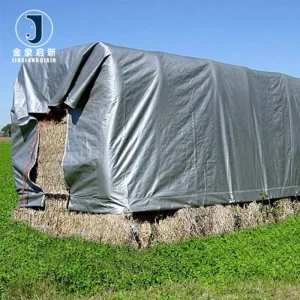
Baisite Coated Organic Blackout Waterproof PE Tarpaulin Roll 4mx50m Customized 4mx6m Outdoor Tent Awning Truck Cover
¥0.77 Select options This product has multiple variants. The options may be chosen on the product page -
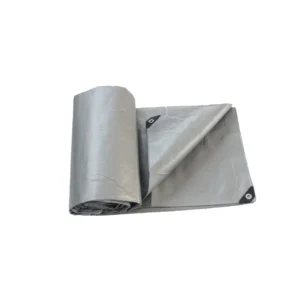
PE Tarpaulin Waterproof Outdoor Garden Sheet HDPE Laminated PVC Coating for Liner Covering Truck Cover Tent Awnings Plain Woven
¥0.31 Select options This product has multiple variants. The options may be chosen on the product page