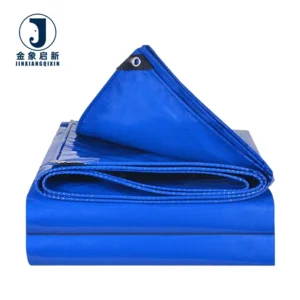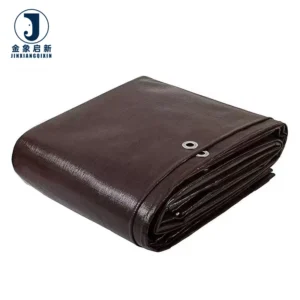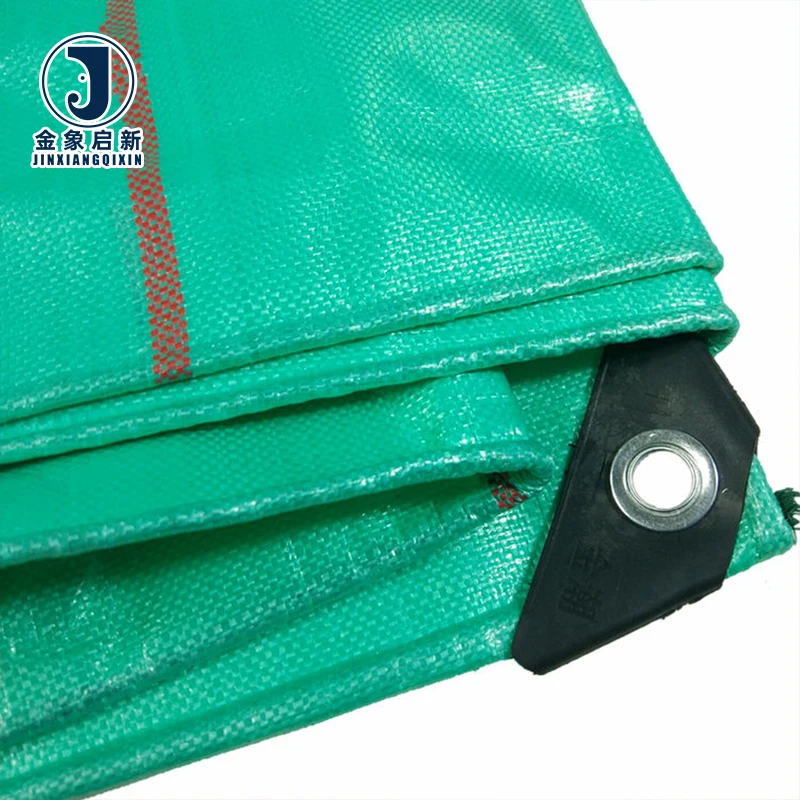
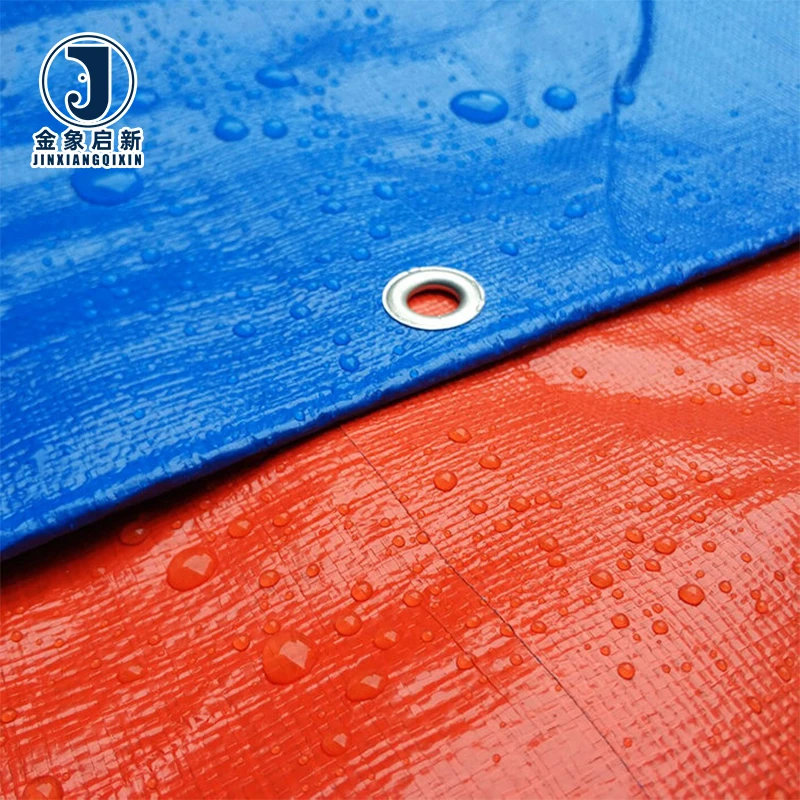
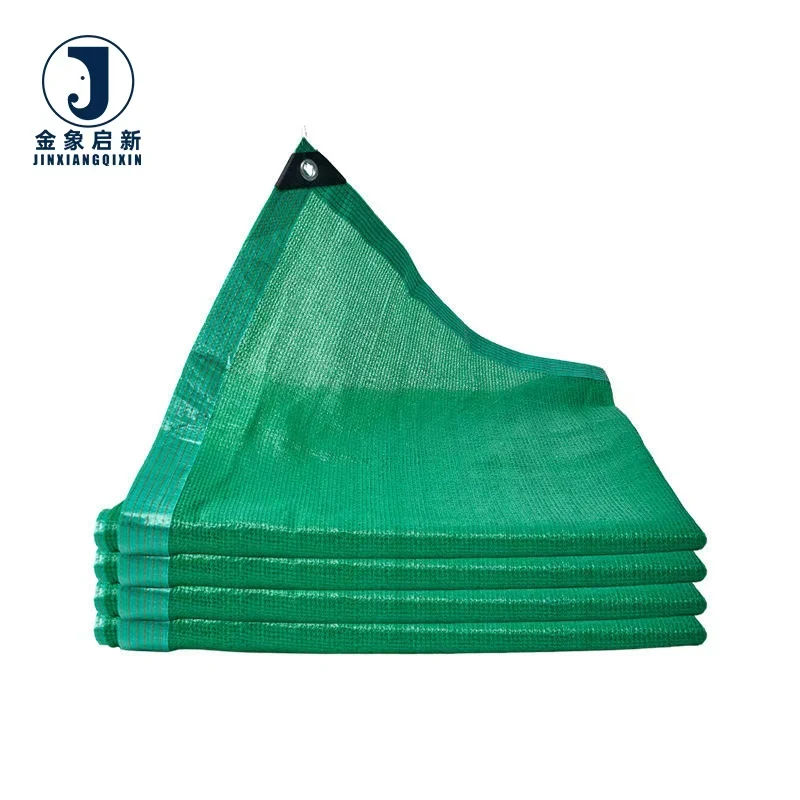
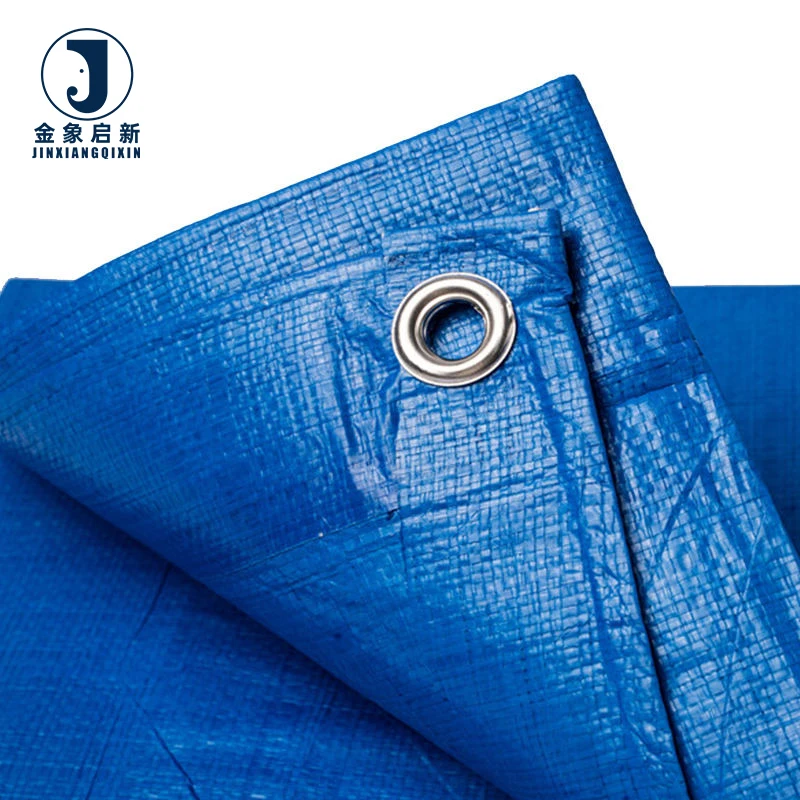
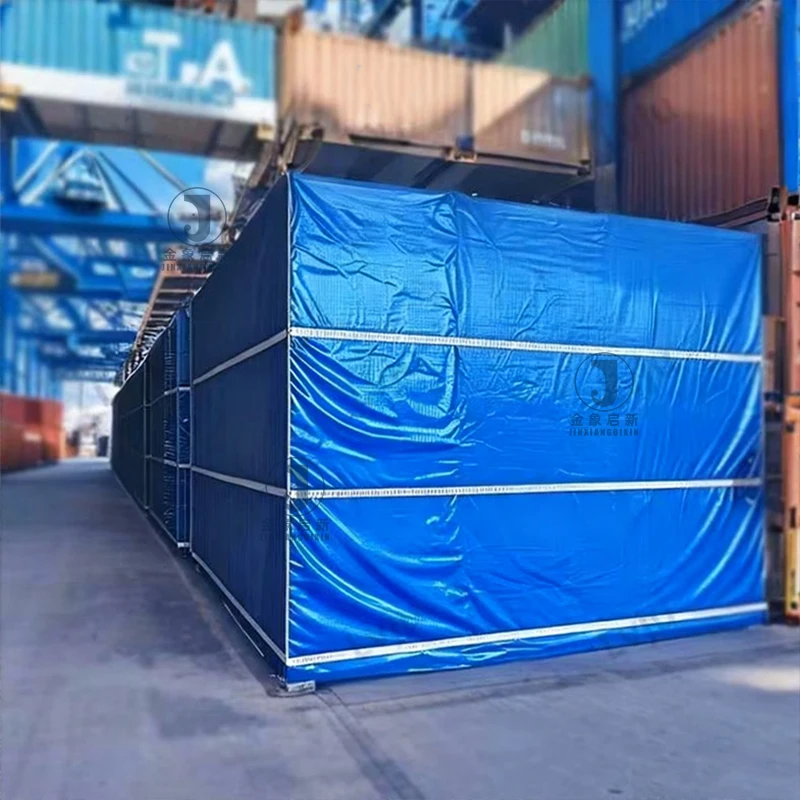
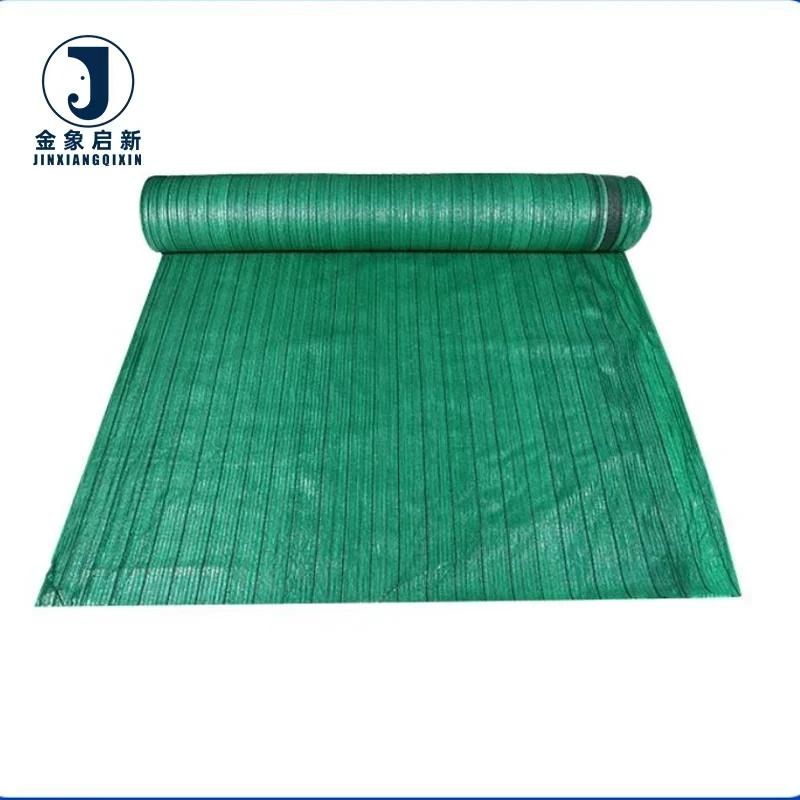
HDPE Coated PE Tarpaulin with LDPE lamination on both sides, 50–300 g/m² GSM range, 6×6 to 14×14 weave density options, galvanized eyelets at 3ft or 1m intervals
- Waterproof, tear resistant, UV treatment available, mildew proof and anti-aging for long-term outdoor exposure
- Roll stock or finished cut sizes with PP rope reinforced hems on all four edges and plastic corner patches at high-stress points
- Roll packing on hard paper tubes or bale/carton loading for container efficiency
Weave density matched to target GSM determines tensile and tear performance — lighter 6×6 suits temporary covers while 12×12 and above handles sustained outdoor exposure. Eyelet spacing and hem reinforcement specified at inquiry avoid generic defaults that fail at flex points.
Nearly 30 years of coated fabric production with dedicated QA/QC at every stage and 100% pre-shipment inspection — samples developed within days for custom width, colour or print requirements.
Description
Proven coating expertise — nearly three decades of focused HDPE weaving and LDPE lamination process control ensures every PE tarpaulin roll and finished cover ships with verified GSM and consistent batch colour.
Technical Specifications
| Parameter | Value |
|---|---|
| Product Type | PE Tarpaulin Roll / Finished PE Tarpaulin |
| Coating Material | HDPE weaving with LDPE lamination on both sides |
| Weight (GSM) | 50 g/m² ~ 300 g/m² (select grade at inquiry) |
| Total Thickness | 0.2–0.4 mm / 8 mil–16 mil / Custom |
| Mesh Count Options | 6×6, 6×7, 7×7, 7×8, 8×8, 9×9, 8×10, 10×10, 12×12, 14×14, 14×16 |
| Roll Width | 6 ft, 8 ft, 10 ft, 12 ft or 2 m, 4 m, 6 m |
| Roll Length | 100 yards, 100 meters, or custom |
| Finished Size Options | 2×2 m, 3×3 m, 3×5 m, 4×4 m, 4×5 m, 4×6 m, 4×8 m, 4×10 m, 5×5 m, 5×6 m, 5×8 m, 5×10 m, 6×6 m, 6×8 m, 6×10 m, 8×10 m and imperial equivalents |
| Color Options | Blue, Blue/Orange, Green, Grey, Black, Clear, Grey/Green, Orange, or custom |
| Key Features | Waterproof, washable, tear resistant, weather proof, mildew proof, anti-aging, UV treatment available (test basis not stated) |
| Edge Reinforcement | PP rope in hem on all four edges |
| Eyelets | Galvanized, every 3 ft or 1 m interval |
| Corner Reinforcement | Reinforced plastic corners |
| Printing | Custom printing available |
| Container Loading (20’GP) | By Roll 17 Tons / By Bale 12 Tons / By Carton 9 Tons |
| Container Loading (40’HQ) | By Bale 28 Tons / By Carton 20 Tons |
| Standards | ISO, CE |
Application Suitability
| Application | Exposure & Requirement |
|---|---|
| Truck and trailer load covers | Constant road vibration, tie-down abrasion at eyelets, rain and UV exposure during transit |
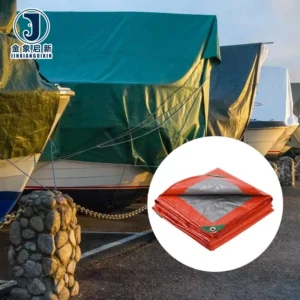
| Boat and container covers | Salt-laden moisture, stacking friction, prolonged sun exposure at port or yard |
| Timber and crop covers | Ground moisture wicking, wind uplift on large-area sheets, fungal and mildew contact |
| Construction scaffolding wraps | Wind loading on vertical panels, debris impact, repeated installation and removal cycles |
| Roof and road repair covers | Direct rainfall, thermal cycling between day and night, foot traffic on surface |
| Garden furniture and gazebo covers | Seasonal UV exposure, folding and storage creasing, mildew in humid conditions |
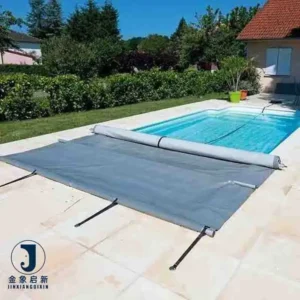
| Swimming pool and water tank covers | Continuous water contact, chlorine or chemical exposure, tension from tie-down cords |
Why Your Tarpaulin Quotation GSM Matters More Than the Label
The GSM on the quotation only protects you if someone verifies it before the container leaves the factory.
Too many buyers receive PE tarpaulin rolls that feel noticeably lighter than the agreed specification. A PE tarpaulin full range custom order spanning multiple weave densities makes this risk worse — when eight different GSM grades ship in the same container, a shortfall in one grade is easy to miss without roll-by-roll inspection. The cost of discovering the discrepancy after installation is far higher than catching it at the loading dock [NEED_CITE: pre-shipment inspection methods for coated fabric weight verification per ISO standards].
Weave Density Mapped to GSM for Predictable Selection
Choosing the right PE tarpaulin starts with matching weave density to the mechanical demand of the application. The 6×6 and 6×7 weaves correspond to the 50–60 gsm band and suit short-term, lightweight covers where cost per square metre drives the decision. Moving up through 8×8, 10×10 and 12×12 weaves increases both tensile and tear resistance as the HDPE tape count per inch rises. At the top end, 14×14 and 14×16 weaves deliver the highest density for long-term outdoor exposure and heavy mechanical stress. This tiered structure removes guesswork — each mesh count maps directly to a defined GSM band so you can select on performance rather than on marketing language.
Finished Covers Built to the Exact Panel Size
Ordering finished panels instead of cutting from roll stock on site eliminates waste and ensures every edge is properly reinforced. Each finished PE tarpaulin leaves the factory with PP rope sewn into the hem on all four sides, galvanized eyelets punched at 3 ft or 1 m intervals, and reinforced plastic corners at high-stress points. The available finished sizes range from compact 2×2 m panels for garden furniture to 8×10 m sheets for construction material stockpiles. Custom dimensions outside the standard list are supported, and the in-house R&D team can develop a sample panel within days so you can verify fitment, eyelet placement and colour before committing to a full container [NEED_CITE: tensile and tear test methods for coated fabrics per ISO 1421].
Understanding How GSM, Weave and Coating Interact
The weight of a PE tarpaulin is not simply the coating — it is the combined mass of the HDPE woven base and the LDPE lamination on both faces. A 10×10 weave with heavier HDPE tapes will reach a higher GSM than an 8×8 weave even before accounting for additional coating. Double-side LDPE lamination provides balanced waterproof performance regardless of which face is exposed, and the coating fills the weave interstices to prevent water penetration through the fabric body. Thicker lamination also improves abrasion resistance at contact points such as scaffolding joints or truck bed edges. However, increasing GSM through coating alone without raising weave density does not proportionally improve tear strength — the base fabric structure is the primary tear-resistant element. This is why the specification table pairs each mesh count with its corresponding GSM band rather than treating the two as independent choices.
What Happens When Specifications Are Chosen by Price Alone
Selecting the lowest GSM that a supplier will quote often leads to field failures that appear weeks after installation. A cover specified at 60 gsm for a scaffolding wrap will experience wind loading that exceeds the tear resistance of the 6×6 weave, causing rips to propagate from eyelet holes outward. Colour inconsistency between rolls becomes visible when panels are installed side by side on a large facade — a mismatch that is not apparent in individual sample swatches [NEED_CITE: batch colour consistency control in woven tarpaulin production]. Similarly, ordering generic finished sizes instead of specifying the exact panel dimensions forces on-site cutting that removes the factory-reinforced hems and leaves raw edges exposed to fraying. These failures are not material defects; they are specification errors that could have been prevented with a clear application-to-grade matching process at inquiry stage.
Why Buyers Consolidate Roll Stock and Finished Panels Here
Three full production lines with 36 sets of professional equipment allow both roll stock and finished PE tarpaulin to be manufactured under one roof, eliminating the colour and quality gap that arises when two separate suppliers handle each format. A 10-person R&D team manages material selection, custom sizing, pattern printing and sample development so that bespoke requirements move from inquiry to approved sample within days rather than weeks. Dedicated QA/QC runs at every production stage with 100% inspection before shipment, meaning each roll is weighed and each finished panel is measured against the purchase order before packing. The facility holds ISO and CE certification, and documentation — from material specification sheets to pre-shipment inspection records — accompanies every dispatch. Samples for custom width, colour, print or treatment are developed rapidly so buyers can validate performance before releasing a bulk order.
Documentation & Verification
- Material specification sheet stating exact GSM, HDPE weave count and LDPE coating type for every roll or panel in the order
- Pre-shipment inspection record confirming 100% weight and dimension check before container loading
- Roll packing list with individual roll count, net weight and dimensions for freight verification
- UV treatment confirmation noting the additive type used in the LDPE lamination — confirm test basis for your market
- Custom colour reference with batch number to support re-order consistency across future shipments
Fabrication, Handling & Storage
- Heat-seal LDPE-coated panels using moderate temperature settings to avoid melting through the HDPE base weave
- Punch eyelets through the double-layer PP rope hem to distribute tie-down load across the reinforced edge
- Store rolls upright on hard paper tubes to prevent flat-spot creases that weaken the lamination at fold lines
- Allow folded finished panels to acclimatise before unfolding in cold weather to prevent LDPE cracking at crease points
- Clean with mild detergent and soft brush — avoid solvent-based cleaners that can degrade the LDPE surface coating
- When cutting roll stock on site, seal raw edges with heat or adhesive tape to prevent HDPE tape unraveling
What to Include in Your Inquiry
Specify the application, the environment and the expected exposure duration so the correct weave density and GSM band can be recommended. Provide target panel dimensions or roll width and length, along with any colour, printing or eyelet spacing requirements. If your market requires UV treatment validation or specific fire performance grades, state the applicable standard so the appropriate test documentation can be prepared [NEED_CITE: fire classification standards for temporary fabric structures]. Requesting a sample panel before bulk production allows you to verify fitment, colour and finish against your project requirements.
Frequently Asked Questions
Q: How is GSM verified per roll and what documentation accompanies shipment?
A: Every roll is weighed during pre-shipment inspection and compared against the GSM stated on your purchase order. A material specification sheet and inspection record ship with the container, listing individual roll weights, weave density and coating type. This ensures the PE tarpaulin you receive matches the PE tarpaulin you ordered, with full traceability across the batch.
Q: How do I choose the right weave density and GSM for my specific cover application?
A: Match the mechanical demand to the weave tier: 6×6 and 6×7 weaves at 50–60 gsm for short-term light covers, 8×8 through 10×10 at 80–120 gsm for medium-duty transport and agricultural use, and 12×12 through 14×16 at 120–300 gsm for long-term outdoor or high-stress applications. The sales team can recommend the grade based on your exposure conditions.
Q: What custom sizing, color and printing options are available and what are the minimums?
A: Finished panels are cut to any dimension from the standard size list or to your own measurements. Custom colours beyond the standard range and pattern printing are supported by the in-house R&D team. Minimum quantities depend on the format — roll stock and finished panels have different thresholds, which are confirmed at quotation stage along with sample availability.
Q: How is batch-to-batch color consistency controlled across rolls in the same order?
A: Colour pigment is compounded into the LDPE coating under controlled conditions, and every roll in a single production run references the same batch colour standard. A colour reference with batch number is included in the shipping documentation so future re-orders can be matched precisely, reducing the risk of visible mismatch when panels are installed side by side.
Q: What UV treatment options are available and what test evidence is provided?
A: UV stabiliser additives are compounded into the LDPE lamination during the coating stage to extend outdoor exposure life. The specific additive package and test basis vary by grade — confirm the UV performance standard required by your end market at inquiry stage so the appropriate treatment and documentation can be supplied with your order.
Related products
-
PE Tarpaulin Waterproof Outdoor Garden Sheet HDPE Laminated PVC Coating for Liner Covering Truck Cover Tent Awnings Plain Woven
¥0.31 Select options This product has multiple variants. The options may be chosen on the product page -
Tarpaulin Manufacture Scaffolding Heavy Duty Camping Waterproof Cover Sheet Coated Plastic Roll Pe Tarp
¥1.80 Select options This product has multiple variants. The options may be chosen on the product page -
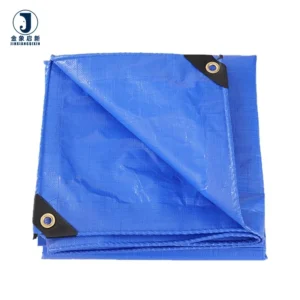
Hot Selling Organic Coated Blackout Waterproof Canvas PE Tarpaulin Tarp for Boys & Girls Construction Transportation Cover
¥1.68 Select options This product has multiple variants. The options may be chosen on the product page -
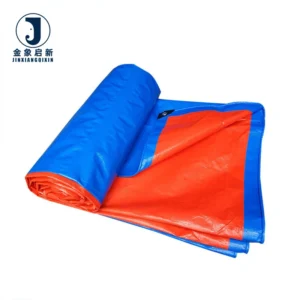
JX Tear-Resistant PE Coated Polyethylene Eco-Friendly Tarpaulin Waterproof Blackout Organic with Eyelets
¥1.31 Select options This product has multiple variants. The options may be chosen on the product page