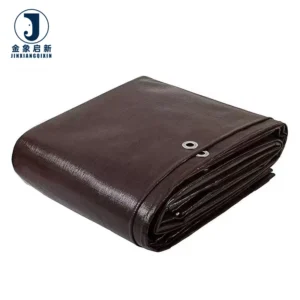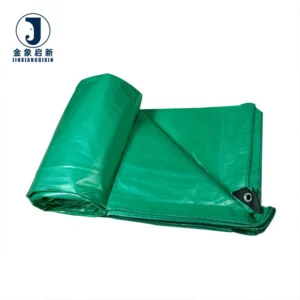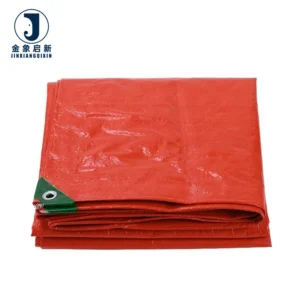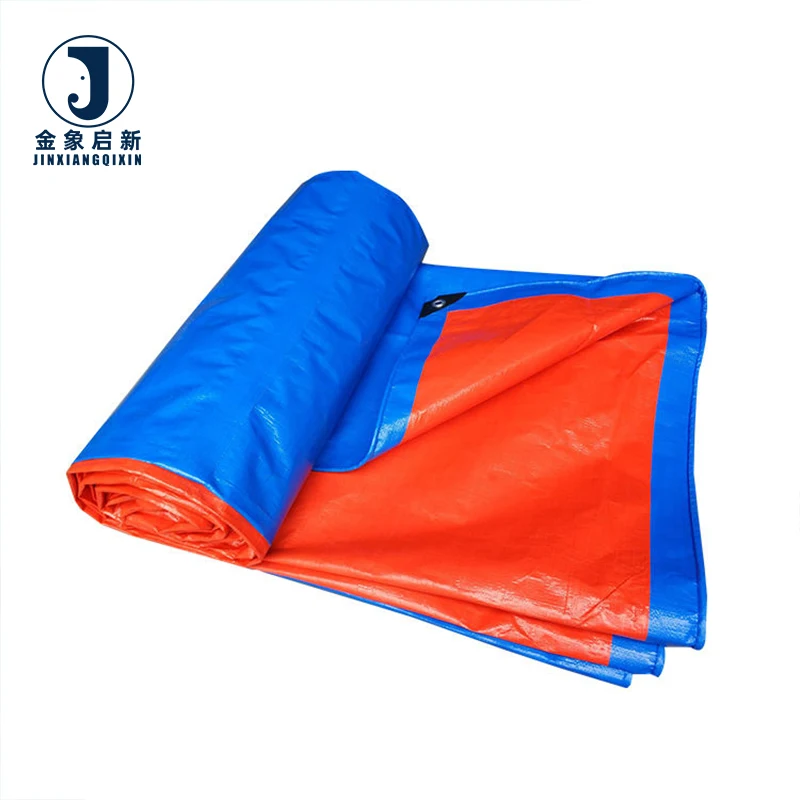
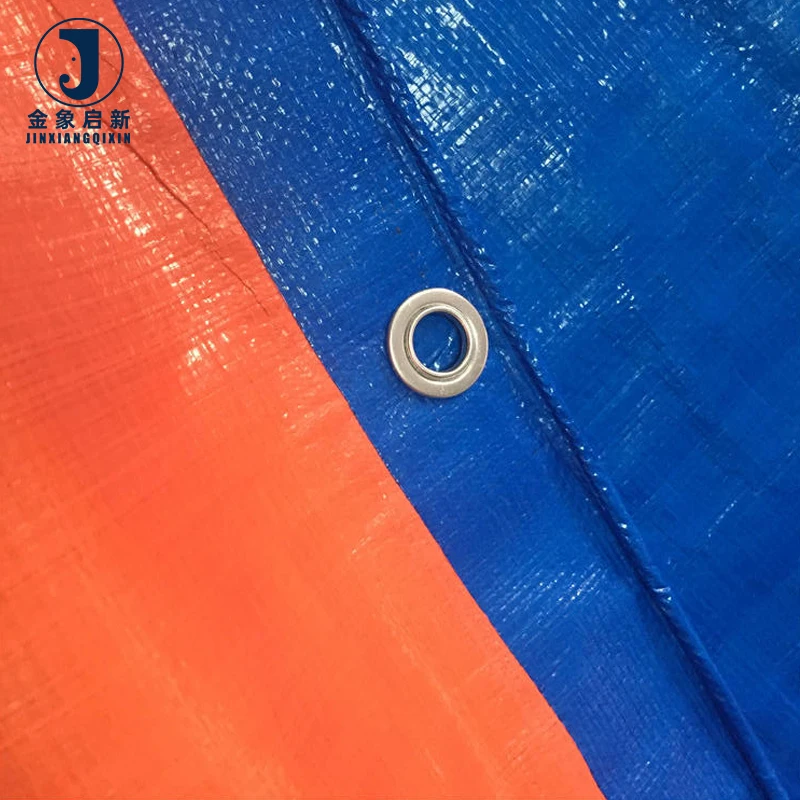
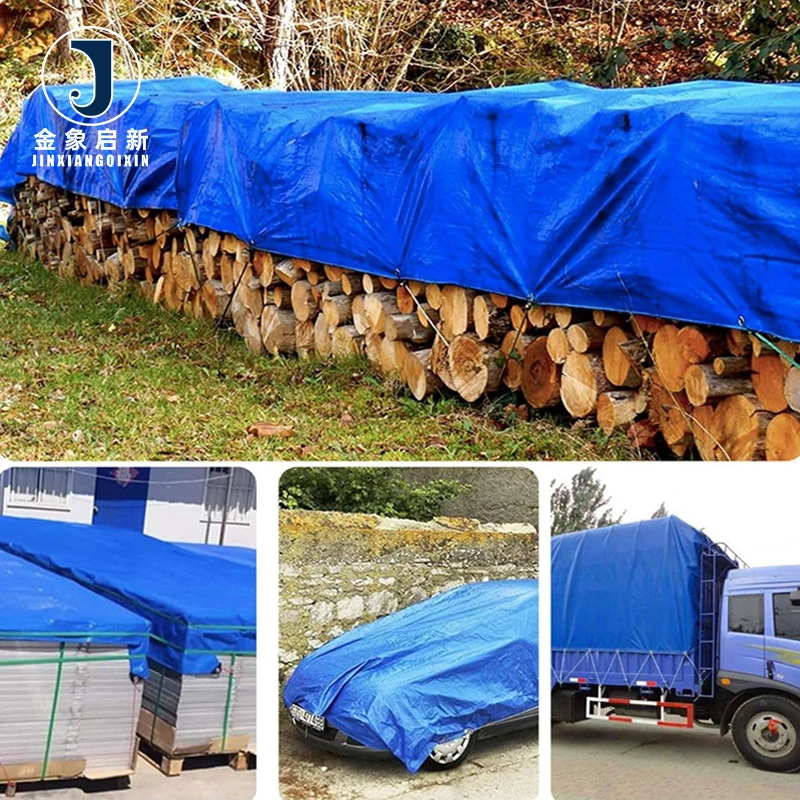
PE Tarpaulin — HDPE woven fabric with LDPE coating on both sides, 50–300 g/m² weight range, 6×6 to 16×16 mesh density, custom sizes and colors available.
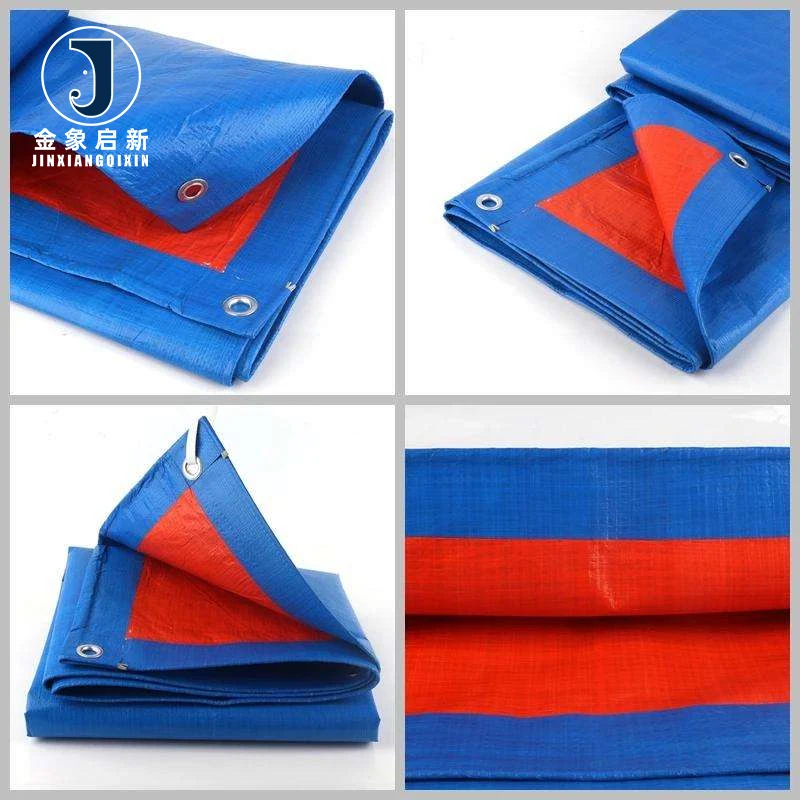
Covers the complete PE tarpaulin range and full customisation options from design to delivery. Weight and weave density together determine tensile and tear performance, while rustproof aluminum eyelets at 1 m intervals with PP rope hems handle load-bearing stress at flex points.
Supported by three full production lines, dedicated QA at every coating stage, and 100% pre-shipment inspection with full documentation.
Description
Precision Weight Control — GSM verified at every coating stage with 100% pre-shipment inspection so the material you receive matches the quotation exactly.
Technical Specifications
| Parameter | Value |
|---|---|
| Product Type | PE Tarpaulin |
| Material | HDPE woven fabric with LDPE coating on both sides |
| Mesh Density | 6×6 to 16×16 |
| Weight Range | 50 g/m² to 300 g/m² (confirm grade for your application) |
| Sheet Sizes | 2×3, 3×4, 3×5, 4×5, 5×6, 6×8, 10×10, 10×12, 12×14 m or custom |
| Roll Length | 100 m per roll or custom |
| Hem Construction | PP rope in all edges |
| Eyelet Spacing | Rustproof aluminum eyelets at 1 m or 1.5 m intervals |
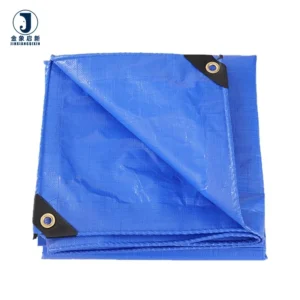
| Corner Reinforcement | Black plastic triangle at all corners |
| Color Options | Blue, Orange, White, Black, Grey, Yellow, Green, Red, custom colors available |
| Printing | Logos and company information printable on tarpaulin surface |
| Special Treatment | Fire resistant and UV protection available (grade not stated — confirm the grade required for your market) |
Application Suitability
| Application | Exposure & Requirement |
|---|---|
| Construction site covers | Prolonged outdoor weathering, wind loading, abrasion from shifting materials, UV degradation |
| Agricultural stockpile covers | Rain and snow exposure, ground moisture, repeated folding and repositioning |
| Aquaculture pond liners | Continuous water contact, soil chemistry, puncture risk from substrate |
| Equipment and machinery wraps | Dust ingress prevention, UV exposure during long-term outdoor storage |
| Transport and logistics sheeting | Road debris, wind flutter, tie-down stress at eyelets, repeated securing cycles |
Why Specified GSM Rarely Arrives as Quoted on PE Tarpaulin Shipments
We provide a material specification sheet stating exact GSM, base fabric, and coating weight for every PE Tarpaulin custom manufacturer order, backed by full pre-shipment inspection.
The coated fabric trade has a persistent problem: the weight on the invoice does not match the weight on the scale at destination. HDPE woven base fabric varies in denier and weave tightness from batch to batch, and LDPE coating weight drifts with line speed and temperature. When the stated 150 g/m² sheet arrives closer to 130 g/m², the tear resistance and service life both drop noticeably. [NEED_CITE: GSM verification methods for coated polyethylene fabrics per ISO testing protocols] Sourcing from a PE Tarpaulin custom manufacturer that controls coating in-house and inspects every roll before dispatch is the most direct way to close this gap.
Dual-Side LDPE Coating and Balanced Waterproof Performance
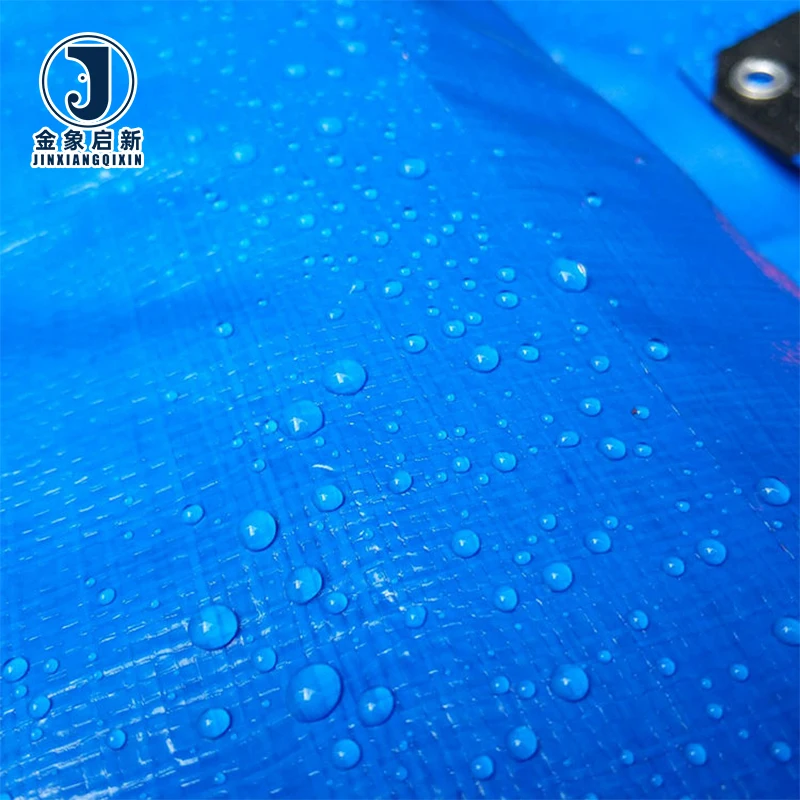
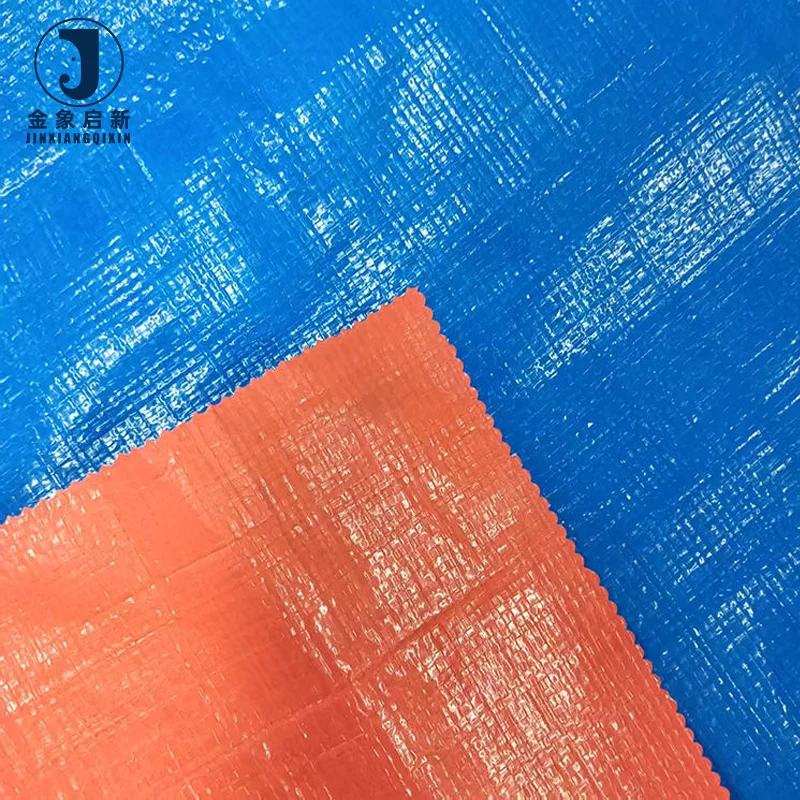
HDPE woven fabric provides the structural backbone — its tape yarns interlock in a grid that determines baseline tensile strength. Coating both sides with LDPE seals the weave intersections and creates a continuous waterproof barrier. Single-side coated fabrics leave the underside of the weave exposed, allowing moisture wicking through uncoated yarn paths. The dual-side approach keeps the PE Tarpaulin custom manufacturer output consistent in waterproof performance regardless of which face is exposed.
Reinforcement at Every Stress Concentration Point
The edges of any tarpaulin bear the highest localized loads during tie-down and wind events. Embedding PP rope inside a folded hem distributes line tension along the full edge rather than concentrating it at individual eyelets. The rustproof aluminum eyelets at 1 m or 1.5 m spacing provide frequent attachment intervals for bungee cords and ratchet straps. Black plastic triangle reinforcements at corners prevent the most common failure point — corner tearing under diagonal load. [NEED_CITE: stress distribution in reinforced tarpaulin hem constructions]
Reading Density, Weight, and Coating as a System
Mesh density from 6×6 to 16×16 controls how many HDPE tape yarns cross per unit area. A 6×6 weave uses fewer, wider tapes and produces a lighter, more flexible sheet suited to temporary covers. A 14×14 or 16×16 weave packs more yarns into the same area, raising tensile values and reducing the gap that LDPE must bridge. Weight alone tells an incomplete story: a 200 g/m² fabric at 8×8 relies on heavy coating fill to reach that GSM, while a 200 g/m² fabric at 14×14 gets more of its weight from woven HDPE and less from coating. The woven component contributes directly to tear propagation resistance, whereas coating fill mainly adds stiffness and waterproofing. Specifying both mesh density and weight together gives a clearer picture of how the fabric will handle on site.
The Hidden Cost of Skipping Batch Colour Approval
Colour inconsistency between rolls in the same shipment becomes visible the moment sheets are installed side by side on a scaffold enclosure or stacked across a stockpile. LDPE colour masterbatch disperses differently depending on extrusion temperature and screw speed, and even slight variation produces a visible banding effect across adjacent panels. For buyers sourcing multiple rolls of the same colour, requesting a production sample from the actual batch before full dispatch prevents costly returns and on-site complaints. [NEED_CITE: colour consistency standards in polyethylene coated fabric production]
Why Procurement Teams Source PE Tarpaulin Here
Coating weight is controlled at the extrusion die, not adjusted after the fact — every run is monitored for GSM consistency against the agreed specification.
The ten-person R&D team handles custom colour matching, print layout, and sheet sizing, with samples developed within days for approval before bulk production.
Three full production lines and 36 sets of professional equipment support bulk roll and sheet orders with reliable scheduling across standard and custom widths.
Dedicated QA/QC runs at every production stage, with 100% inspection before shipment and recorded results included in dispatch documentation.
Custom printing of logos and branding is done in-line during production, maintaining registration accuracy across long roll runs.
Documentation & Verification
- Material specification sheet stating GSM, HDPE base fabric density, and LDPE coating weight per roll
- Pre-shipment inspection record with weight verification against the quoted grade
- UV and fire resistant test documentation provided when special treatment is specified
- ISO and CE certificates included with every shipment
- Roll packing list with piece count, colour reference, and certificate of origin
Fabrication, Handling & Storage
- Heat welding parameters depend on the dual-side LDPE thickness — test a scrap piece before full production runs
- Eyelet insertion at 1 m intervals requires a reinforced hem with PP rope to prevent pull-through under load
- Roll stock should be stored upright on end cores to avoid flat-spotting and permanent crease marks
- Unfold sheets at ambient temperature to prevent cracking of LDPE coating in cold conditions
- Clean with mild detergent only — solvents can degrade the LDPE surface and reduce waterproof integrity
What to Include in Your PE Tarpaulin Inquiry
Specify the application environment — outdoor duration, exposure to chemicals or standing water, and wind load expectations — so the correct mesh density and weight grade can be recommended. Confirm whether you need cut-to-size sheets with eyelets and hem finishing, or roll stock for your own fabrication. If colour matching or printed branding is required, provide Pantone references or artwork files to begin sample development.
Frequently Asked Questions
Q: How do you verify the GSM on arrival matches the quotation?
A: Every roll is weighed and recorded during pre-shipment inspection. We provide a material specification sheet stating the exact GSM, base fabric density, and coating weight. Buyers can cross-check with a scale and a measured sample cut on arrival. This three-point verification eliminates weight disputes.
Q: Can I get a test report for UV or fire resistant treatment?
A: UV protection and fire resistant treatments are available as special options. The specific grade and test basis depend on the treatment chemistry selected for your order. Request the test report when confirming your specification so we match the grade to your market requirements.
Q: What is the minimum order for custom colour or printed branding?
A: Custom colours and logo printing are supported across both sheet and roll formats. Minimum quantities depend on the colour matching complexity and print area. Provide your artwork and Pantone reference during inquiry so we can confirm the production minimum and develop a sample for approval.
Q: How are eyelet spacing and hem reinforcement configured?
A: Standard eyelet spacing is 1 m or 1.5 m with rustproof aluminum eyelets set into a hem reinforced with PP rope. All corners receive black plastic triangle reinforcement. Custom spacing and additional reinforcement strips can be added based on your tie-down and load requirements.
Q: What documentation ships with a PE tarpaulin order?
A: Each shipment includes a material specification sheet, pre-shipment inspection record, roll or bale packing list, and certificate of origin. ISO and CE certificates are provided as standard. UV and fire resistant test reports are included when those treatments are specified on the order.
Related products
-
Waterproof Organic Blackout PE Coated Medium Duty All-Purpose Truck Tarpaulin for Outdoor Use Boys
¥6.81 Select options This product has multiple variants. The options may be chosen on the product page -
Custom Made PE Tarpaulin with Eyelets – Waterproof Tear-Resistant
Read more -
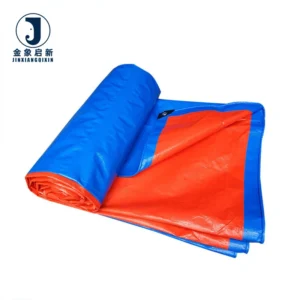
France Hot Sales Blue Color Polyethylene PE Tarpaulin Waterproof Sheet for Truck Canopy and Outdoor Awning
¥0.66 Select options This product has multiple variants. The options may be chosen on the product page -
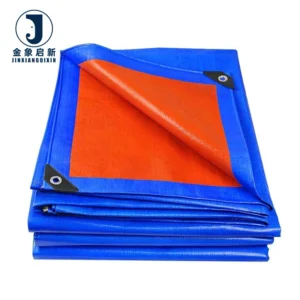
160gms Organic Coated Polyethylene Tarpaulin Trucking Covering Roll Waterproof Blackout Eco-Friendly Fabric Blue Orange Outdoor
¥0.71 Select options This product has multiple variants. The options may be chosen on the product page