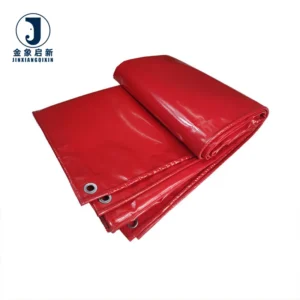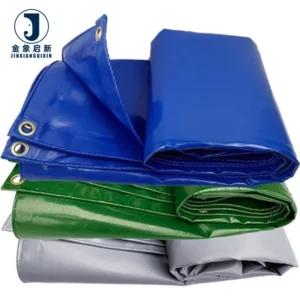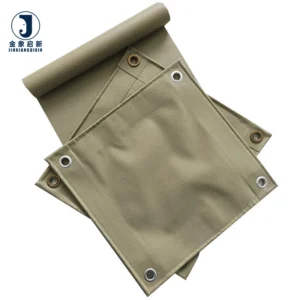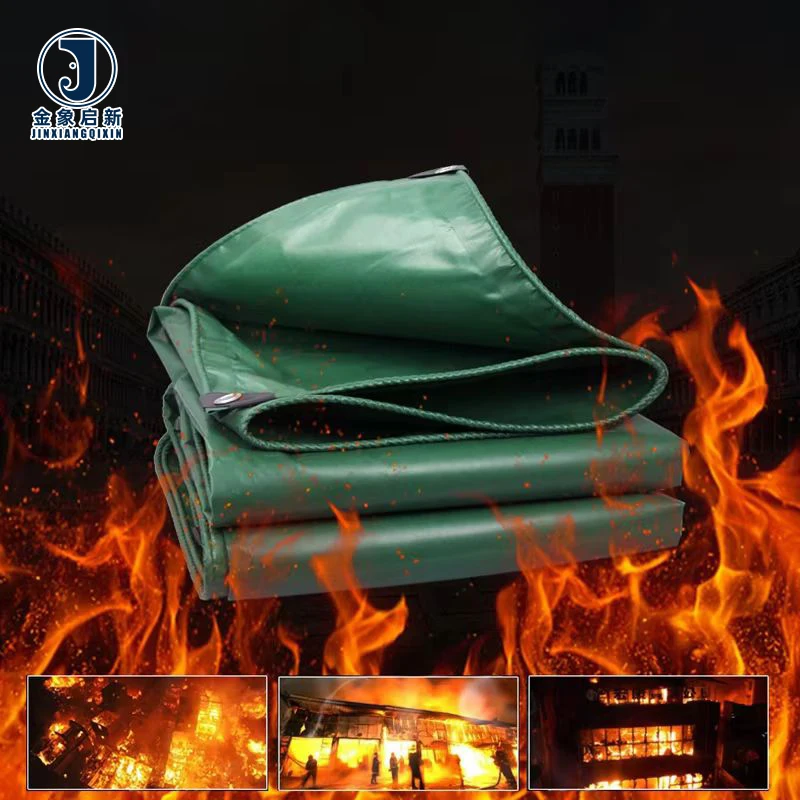
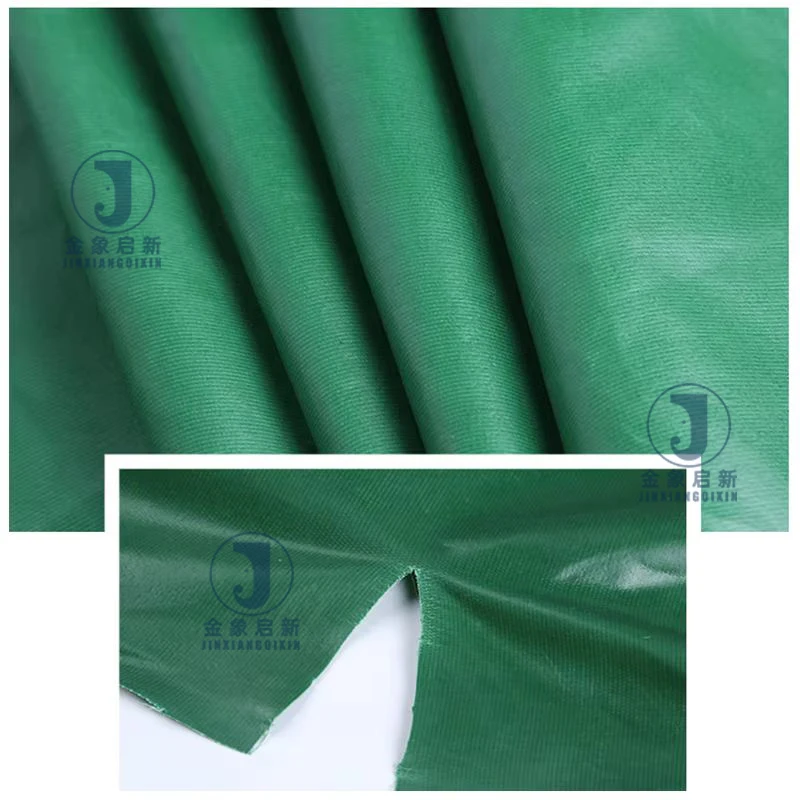
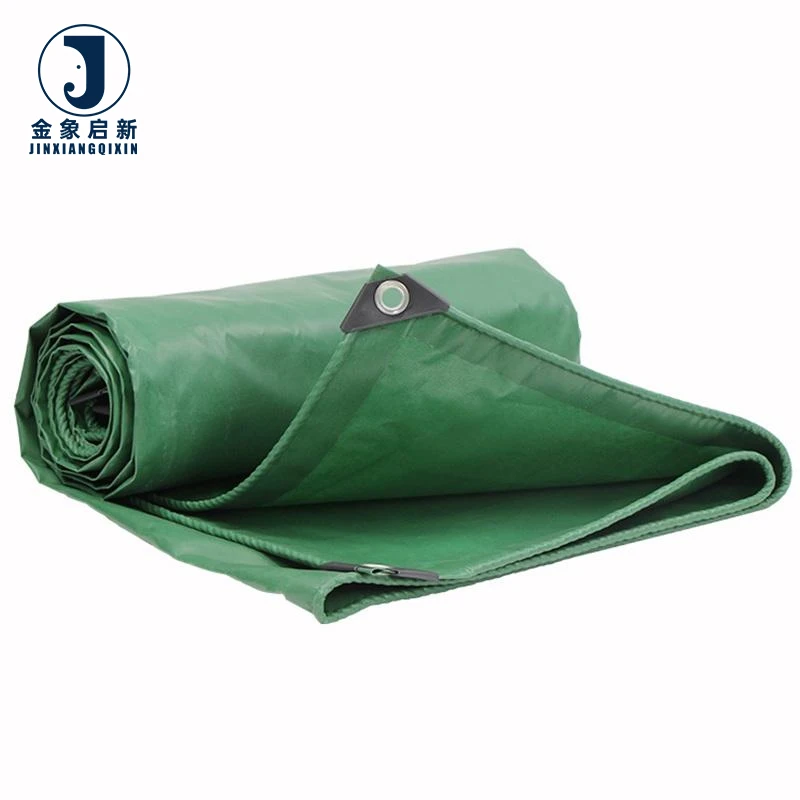
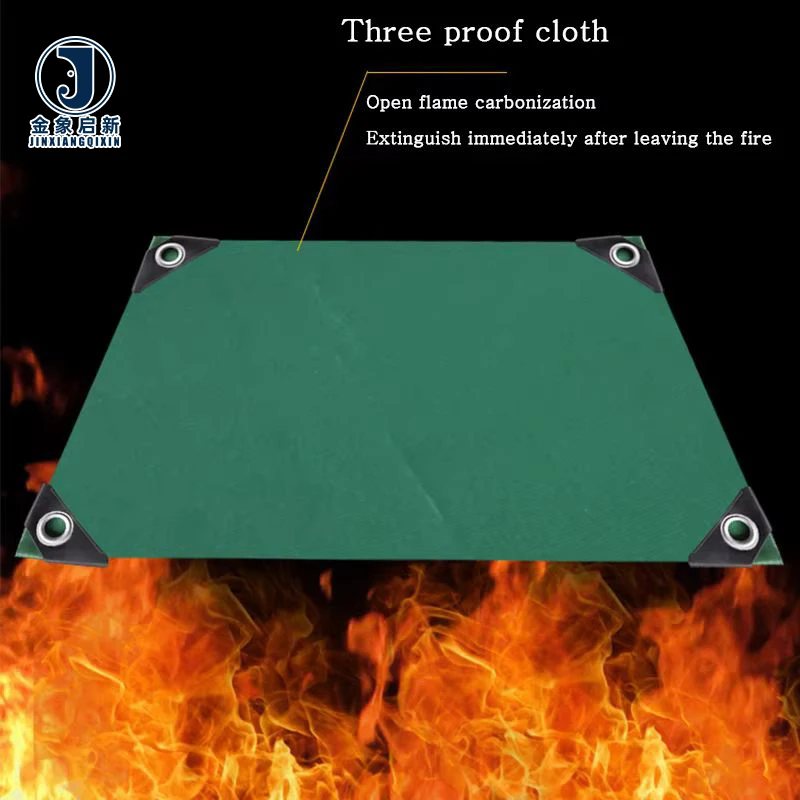
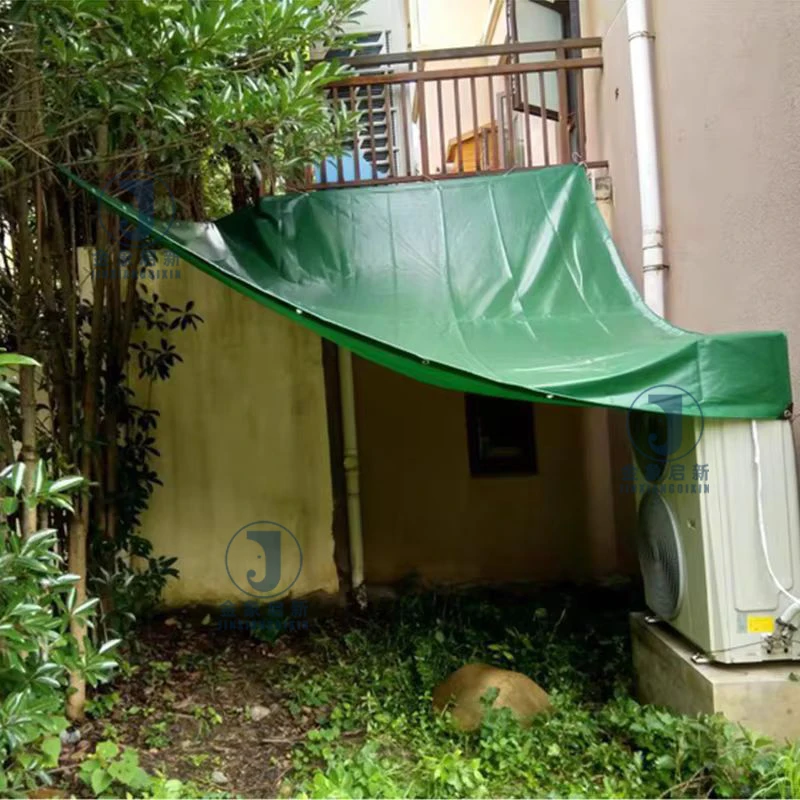
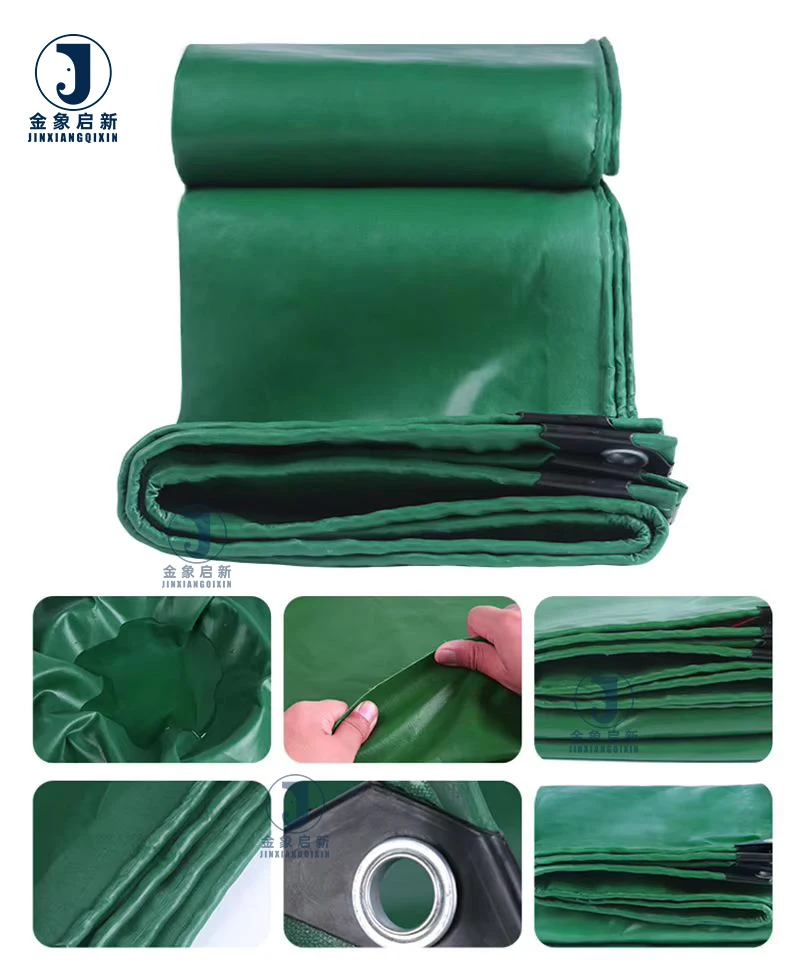
PVC Coated Polyester Fabric — waterproof, flame retardant and anti-UV treated for truck, trailer and equipment covers. Available in roll stock or custom cut sizes with reinforced hems and heat-welded seams.
Coating weight and base fabric density together determine tensile and tear performance across flex points. Roll-to-roll batch consistency ensures colour match when multiple panels are installed side by side.
- Full custom sizing, colour and pattern printing supported
- Pre-shipment inspection with 100% roll checking before dispatch
- Material specification sheet and test reports provided per order
36 sets of professional equipment and three full production lines deliver bulk capacity with reliable on-time lead times for fleet and distributor orders.
Description
Coated fabric process control — nearly 30 years focused on PVC coating with in-house QA at every stage, ensuring each roll of PVC coated tarpaulin leaves the facility verified for weight and adhesion.
Technical Specifications
| Parameter | Value |
|---|---|
| Product Type | PVC Coated Tarpaulin |
| Base Fabric Yarn | 500D-500D Polyester |
| Coating Material | PVC (double-sided) |
| Flame Retardant | Available (confirm grade required for your market) |
| UV Treatment | Available (confirm test basis for your market) |
| Waterproof | Yes |
| Surface Finish | Options include glossy or matte |
| Colour | Custom colours available |
| Custom Width & Length | Available (confirm minimums per order) |
| Package Options | Roll packing / Bale packing / Carton |
Application Suitability
| Application | Exposure & Requirement |
|---|---|
| Truck and trailer covers | Constant flexing at load points, road abrasion, prolonged UV exposure, rain and spray |
| Vehicle and equipment covers | Outdoor storage, dust and moisture ingress, wind uplift on loosely fitted covers |
| Awning and tent fabric | Tension loading at frame joints, repeated folding and packing, sun degradation |
| Machine and wood covers | Static outdoor exposure, pooling water on flat surfaces, temperature fluctuation |
| Industrial tarpaulin sheets | Multi-purpose site use, dragging over rough ground, tie-down stress at grommets |
Why Your Quoted GSM Might Not Match What Arrives
A PVC coated tarpaulin custom manufacturer is only as reliable as its weight verification process. Buyers frequently specify a GSM on the purchase order, only to find the delivered rolls feel noticeably lighter when handled on the dock.
The gap between quoted and actual weight rarely comes from outright fraud. More often, it stems from unclear definitions — whether the stated GSM refers to the base fabric alone, the coated composite, or an averaged batch figure. When testing is done only at the start of a production run and not repeated per roll, drift across the batch goes undetected. [NEED_CITE: coated fabric weight tolerance standards per ISO 2286] The consequence is a tarpaulin that meets the paperwork but underperforms in the field, failing at stress points earlier than expected. Verifying weight per roll before dispatch, not just per batch, is the control point that separates consistent supply from variable output.
How Double-Sided Coating Affects Field Performance
A 500D-500D polyester base fabric coated on both sides with PVC creates a composite where the yarn is fully encapsulated. This prevents moisture from wicking through cut edges — a common failure mode in single-coated fabrics used for truck and trailer covers. The PVC coated tarpaulin custom manufacturer applies coating weight to both faces so that abrasion on the road side does not expose the yarn to water ingress, while the top side remains resistant to UV and pooling rain.
Custom Sizing and Finishing for Fleet Operators
Fleet operators rarely work with generic dimensions. A trailer side curtain must match the exact bed length and drop height, while a flatbed top cover needs allowance for load profile. This PVC coated tarpaulin is available in custom widths, lengths, and cut sizes, with finishing options including reinforced hems and eyelets positioned to match your tie-down layout. Colour matching and pattern printing are handled in-house, allowing branded fleet livery to be applied during fabrication rather than as a secondary process. [NEED_CITE: fleet branding durability on coated fabric surfaces]
Reading the Specification Sheet Correctly
The 500D-500D yarn count indicates a mid-range denier polyester base, which balances flexibility for folding and packing against the tensile demands of tensioned covers. Denier alone does not determine strength — the weave density (ends and picks per centimetre) works with the coating weight to set the final tear and tensile values. A heavier coating on a sparse base fabric can yield high GSM but poor tear resistance, because the coating cracks rather than distributes load across yarns.
Surface finish matters for downstream fabrication. Glossy surfaces shed dirt and water more readily, making them suitable for truck covers exposed to road grime. Matte finishes reduce glare and accept printed branding with sharper registration. Flame retardant and anti-UV treatments are available as options — the specific grade should be confirmed against your target market’s fire safety or durability requirements before production begins. [NEED_CITE: flame retardant classification systems for coated textiles]
The Hidden Cost of Skipping Roll-Level Verification
When a batch is approved on a single sample taken from the first roll, the remaining rolls may carry less coating than specified. On truck covers, this translates to early cracking at flex points where the trailer articulates. On awning fabric, lighter rolls fade and become brittle faster under continuous sun exposure. For tent manufacturers, inconsistent weight across rolls means some panels sag under rain while adjacent panels hold their shape — a visible defect once the structure is erected. [NEED_CITE: coating adhesion and peel strength testing per ISO 2411]
Colour variation between rolls in the same order is a related issue. If the coating compound is mixed in separate batches without tight pigment control, panels cut from different rolls will show a visible shade shift once installed side by side on a fleet trailer or event tent. This forces the buyer into costly sorting and re-cutting, or worse, customer rejection at the installation site.
Why Buyers Return for Repeat Orders
Three full production lines and 36 sets of professional equipment support volume output without sacrificing the lead times that fleet operators and fabricators depend on. Each roll of this PVC coated tarpaulin passes through dedicated QA/QC checkpoints — coating weight, colour reference, and visual inspection — before it is cleared for packing.
A 10-person R&D team handles material selection, custom sizing, and sample development, meaning a buyer can receive a physical sample of their specified weight, colour, and finish within days rather than weeks. Pre-shipment inspection covers 100% of rolls, not a statistical sample, so the packing list reflects what was actually produced. Documentation travels with the shipment: material specification sheet, test reports for UV and flame retardant grades where ordered, ISO and CE certificates, and certificate of origin for customs clearance.
Documentation & Verification
- Material spec sheet stating GSM, 500D-500D base fabric, and coating weight per roll
- Flame retardant and UV test reports matched to the grade confirmed at order stage
- Pre-shipment inspection record with 100% roll weight and colour check
- Roll packing list showing individual roll dimensions and net weight
- Certificate of origin and customs documentation for export markets
Fabrication, Handling & Storage
- Heat-weld seams at temperatures suited to double-sided PVC coating for full bond strength
- Position eyelets through reinforced hem zones to prevent tear-out under tie-down load
- Store rolls upright on pallets to avoid flat-spot creases on the PVC surface
- Allow cold-stored rolls to reach ambient temperature before unrolling to prevent coating crack
- Use mild detergent on glossy or matte surfaces — avoid solvents that soften the PVC layer
- Plan cutting layout across roll width to minimise off-cuts and seam joints on large covers
What to Include in Your Enquiry
To receive an accurate specification and lead time, share your application (truck cover, awning, tent, or equipment cover), the exposure conditions the fabric will face, and any fire safety or UV durability standards your end market requires. Specify whether you need roll stock or finished cut sizes, and provide target widths, colours, and annual volume so that the PVC coated tarpaulin custom manufacturer can confirm minimums and batch scheduling. If branded printing is needed, supply artwork or Pantone references for sample matching.
Frequently Asked Questions
Q: How is GSM verified on each roll before shipment?
A: Every roll is weighed and measured during the pre-shipment inspection. The recorded GSM is compared against the value stated on your material specification sheet. Rolls that fall outside the agreed tolerance are held back and not included in the dispatch. You may also arrange an independent arrival re-inspection to confirm weight on receipt.
Q: What flame retardant grades can be supplied, and how do I choose?
A: Flame retardant treatment is available in several grades, but the correct choice depends on your target market’s fire safety regulations — standards vary between regions and end-use categories. Confirm the specific standard your product must meet (such as a building material class or a vehicle interior requirement) at enquiry stage, so the PVC coated tarpaulin custom manufacturer can match the compound and provide the corresponding test report.
Q: How is colour consistency controlled across multiple rolls in one order?
A: All rolls in a single order are coated from the same compounded batch where possible, and each roll is checked against the confirmed colour reference during pre-shipment inspection. If your order volume requires multiple compound batches, the production team flags this in advance and cross-matches batches to minimise visible shade variation between adjacent panels.
Q: What custom widths, lengths, and finishing options are available?
A: The PVC coated tarpaulin is produced in custom widths and cut lengths to your specification. Finishing options include heat-welded hems, metal eyelets at specified intervals, and reinforced corner patches for high-stress tie-down points. Minimum order quantities depend on the width and colour selected — confirm these at the quotation stage so production scheduling can be locked in early.
Q: How does pattern printing and branding work from artwork to bulk?
A: Supply your artwork or Pantone colour references at enquiry stage. The R&D team produces a printed sample on the specified base fabric and coating finish for your approval. Once the sample is signed off, the print parameters are locked for the bulk run, ensuring the branding registration and colour hold consistent across every roll or cut piece in your order.
Related products
-
630 Gsm Blue/Grey/Orange Pvc Tarpaulin Roll Pvc Tarpaulin Truck Tarpaulin Pvc Coated Tarpaulin
¥1.66 Add to cart -
JX PVC Waterproof Fabric High-strength Sheeting for Industrial and Outdoor Coverings
¥1.90 Select options This product has multiple variants. The options may be chosen on the product page -

PVC Coated Tarpaulin PVC Fabric Tarpaulinheavy duty fire retardant waterproof pvc coated tarpaulin rolling pvc tarp
¥1.00 Select options This product has multiple variants. The options may be chosen on the product page -
Wholesale Pvc Tarpaulin Wear-resistant Waterproof Multi-purpose Heat-resistant Tarpaulin
¥2.00 Add to cart