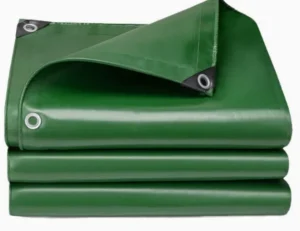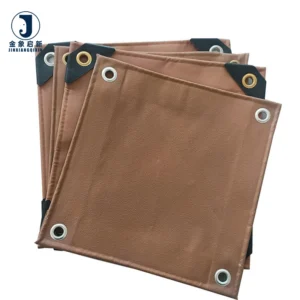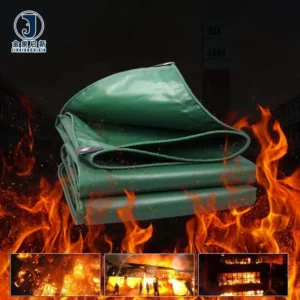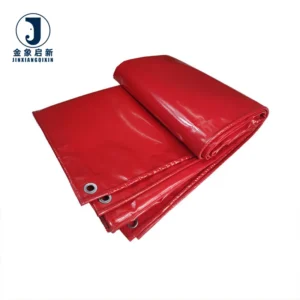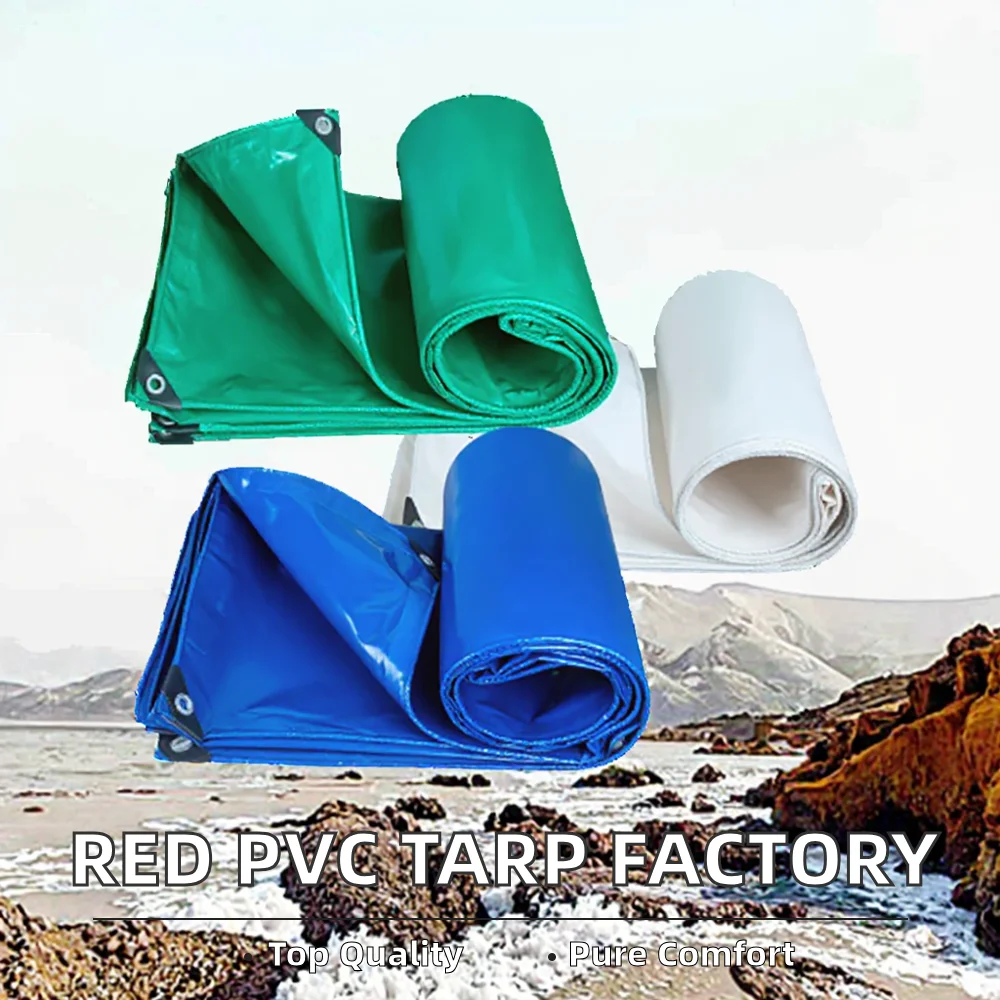
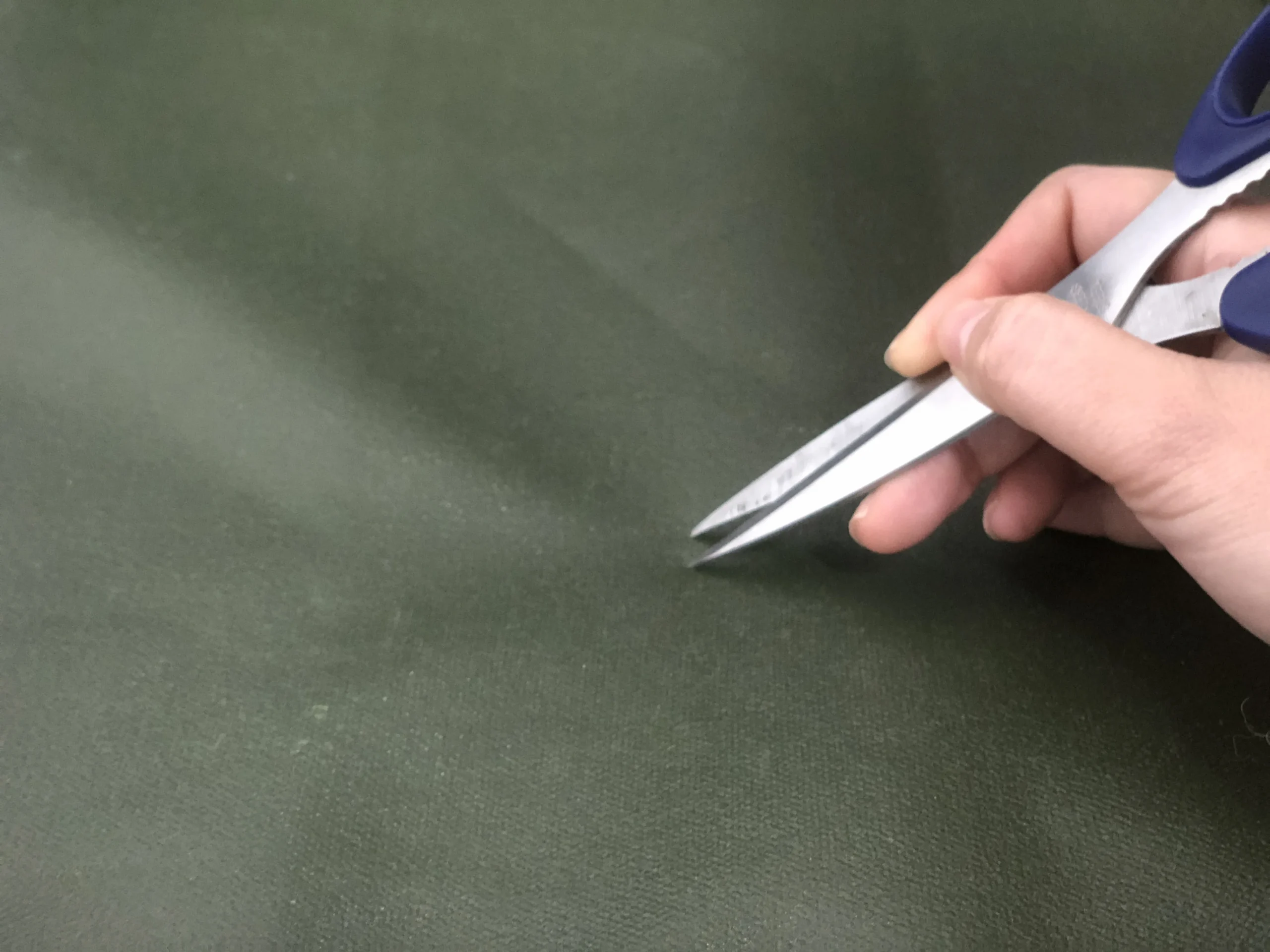
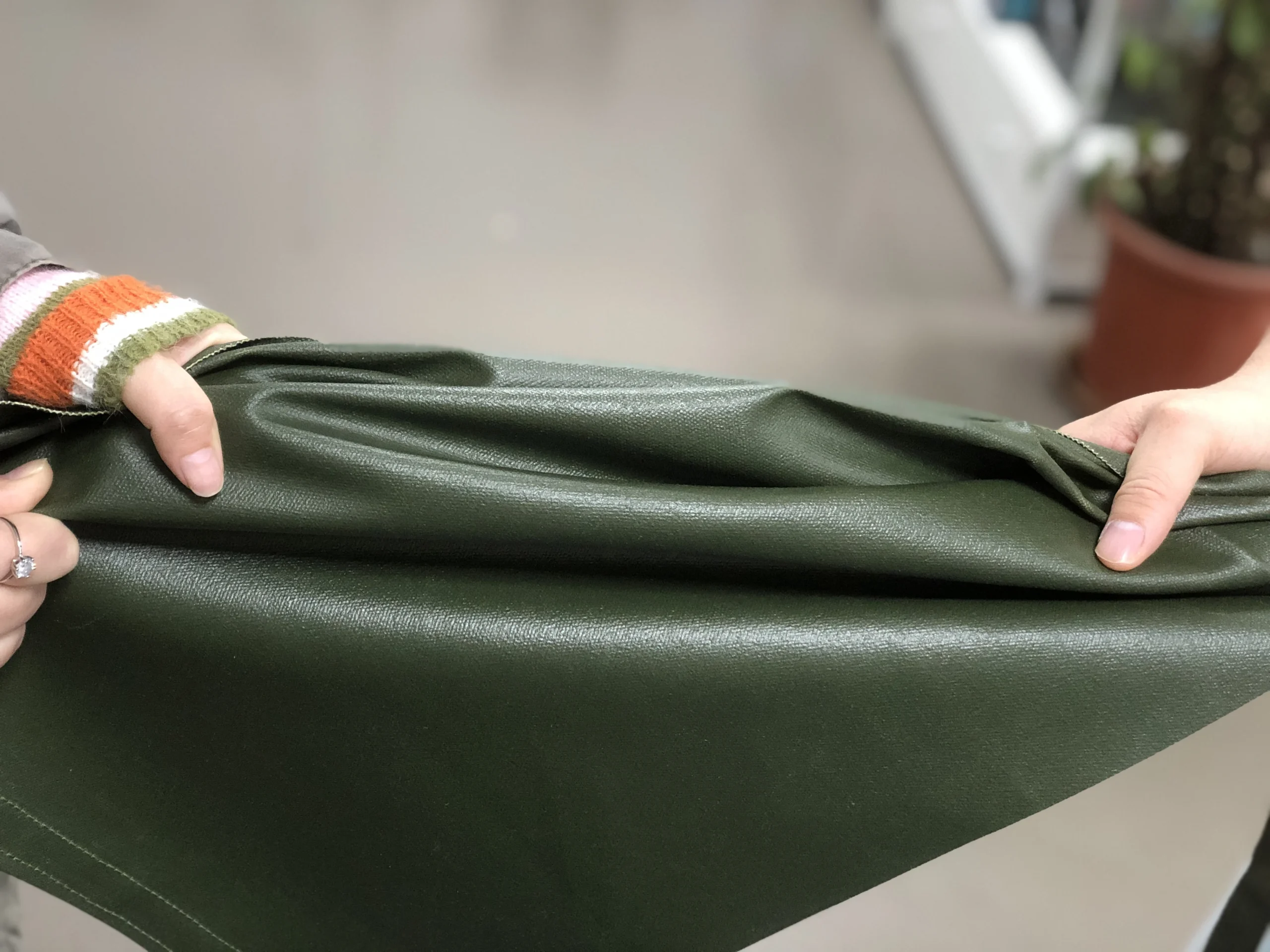
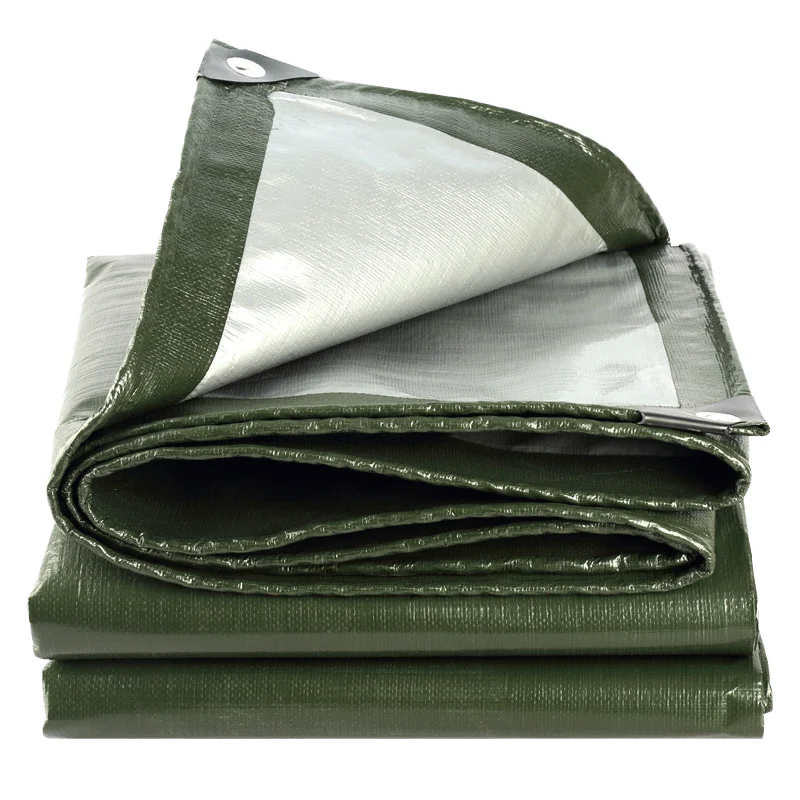
PVC Coated Tarpaulin Fabric — knife coated construction with flame retardant, anti-static and anti-UV treatment options for truck covers, outdoor tents and industrial applications.
- Waterproof, tear-resistant PVC coated fabric available in roll stock and custom cut sizes
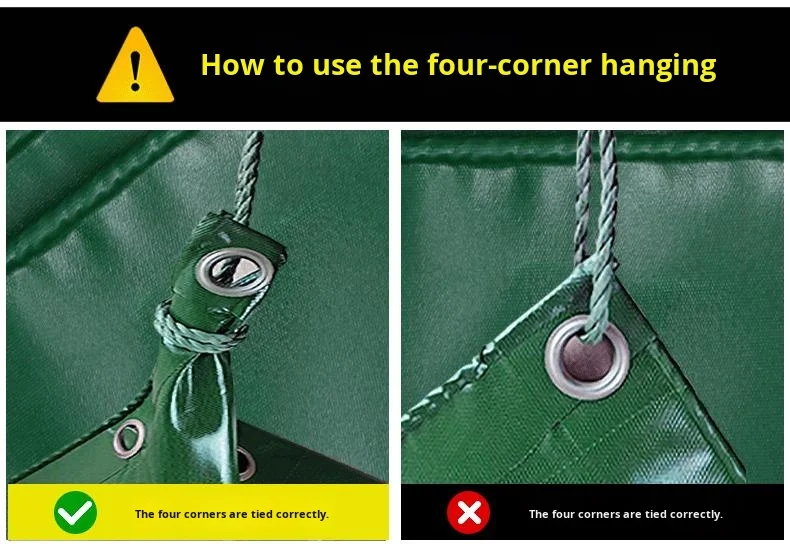
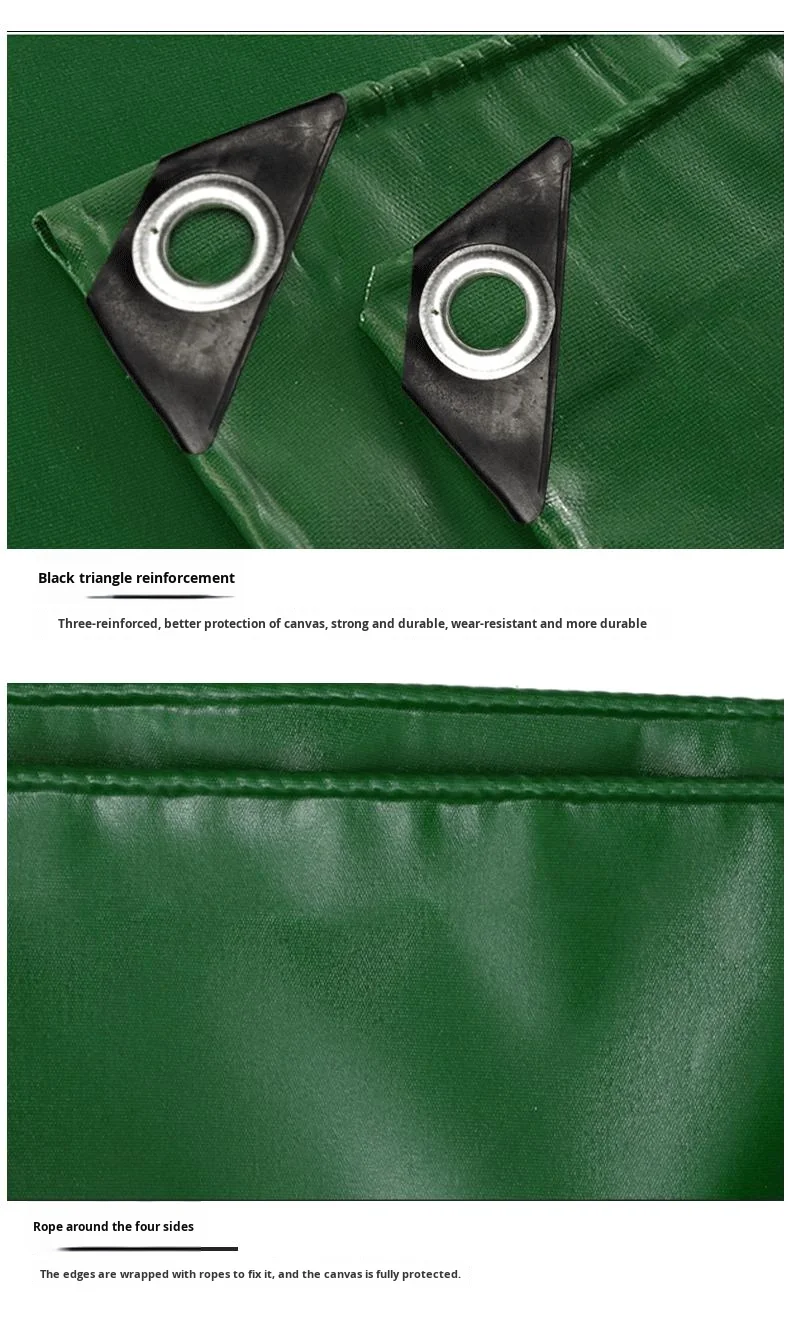
- High strength base fabric supports reinforced hems, eyelet placement and model-specific trailer fitment
- Roll-to-roll GSM and colour consistency verified through in-process QA and 100% pre-shipment inspection
- Samples developed within days for custom width, length and treatment requirements
Description
Process Control Depth — Nearly three decades focused on coated fabric production gives us repeatable control over coating adhesion and roll-to-roll consistency, verified at every stage before your PVC Coated Tarpaulin Fabric ships.
Technical Specifications
| Parameter | Value |
|---|---|
| Product Type | PVC Coated Tarpaulin |
| Coating Method | Knife coated |
| Coating Material | PVC |
| Base Fabric Denier | 1000D×1000D |
| Weight | 420 g/m² |
| Waterproof | Yes |
| Oilproof | Yes |
| Anti-Mildew | Available |
| Flame Retardant | Available — confirm the grade required for your market |
| Anti-Static | Available — confirm the test basis for your application |
| Anti-UV | Available — confirm the test basis and exposure class needed |
| Finish | Banner coated |
| Color | Black back |
| Custom Size | Available in roll and cut-to-size formats |
Application Suitability
| Application | Exposure & Requirement |
|---|---|
| Truck and trailer covers | Constant road vibration, UV exposure, flex at tie-down points, rain and spray ingress |
| Outdoor tents and temporary structures | Wind loading on seams, prolonged sun exposure, repeated assembly and disassembly |
| Vehicle and equipment protection | Abrasion from contact surfaces, oil and grease exposure, outdoor weathering |
| Construction site covers | Debris impact, moisture ingress, handling stress from frequent repositioning |
Why a Quoted GSM Does Not Guarantee Cover Strength
Fabric weight alone tells you what you are paying for per square metre, not how the material will perform once installed on a truck or stretched across a frame.
Buyers often specify a 420 g/m² PVC coated tarpaulin and assume that number locks in the tensile and tear behaviour. In practice, two rolls at the same stated weight can behave very differently under load if the base fabric denier, weave density, or coating penetration vary between production runs. A lighter base yarn with heavier surface coating may hit the target GSM on a scale but tear at the first flex point on a trailer side. [NEED_CITE: relationship between base fabric construction and tensile performance per ISO 1421]
This is why we treat the 1000D×1000D base fabric as a fixed input, not a variable to trade against coating weight. When you request a material specification sheet from a PVC coated tarpaulin manufacturer, the document should list base fabric denier, weave count, and coating weight separately — not just a single GSM figure.
How Knife Coating Changes the Bond Between Layers
Knife coating forces PVC paste directly into the 1000D×1000D base fabric under controlled pressure, filling the gaps between warp and weft yarns. This creates a mechanical lock that resists delamination when the material flexes repeatedly at fold lines or tie-down points. Compared to laminated constructions where the coating sits on the surface, knife-coated PVC tarpaulin maintains coating adhesion through the thermal cycling that occurs during outdoor exposure across seasons.
Colour Consistency Across Rolls in a Single Shipment
When a fleet operator orders multiple rolls to cover a set of trailers, even a slight shade variation between rolls becomes visible once the covers are installed side by side. Our QA protocol checks colour against the approved reference at the coating stage and again before dispatch. The black back option supports applications where light blocking or a uniform underside appearance matters, such as event tents and equipment enclosures. [NEED_CITE: colour measurement methods for coated textiles]
Reading the Specification Sheet Beyond the Weight Number
The 420 g/m² weight places this fabric in a mid-range category suited to truck covers, temporary shelters, and general outdoor protection. The 1000D×1000D base fabric provides a balanced warp-and-weft construction that distributes load evenly across both directions, reducing the risk of tear propagation from a single puncture or cut edge. Knife coating ensures the PVC layer penetrates rather than merely sitting on top, which matters when the fabric is heat-welded at seams — poor penetration leads to coating separation at the weld line before the base fabric itself reaches its tensile limit.
The banner coated finish gives a smooth surface that accepts printing and allows rain and debris to shed rather than lodge in the texture. For buyers sourcing PVC coated tarpaulin for branded truck curtains or event signage, the surface finish directly affects print sharpness and ink adhesion. Anti-mildew treatment is available for humid or tropical storage environments where fungal growth on the fabric underside can stain and degrade the material over time.
What Happens When the Wrong Specification Reaches the Site
A truck cover cut from a roll that arrived below the quoted GSM will flex and abrade faster at high-stress points, showing wear within the first season rather than lasting through several. Flame retardant treatments claimed on a quotation without a supporting test report leave the buyer exposed when a site inspector asks for documentation — the cover is rejected, the load sits uncovered, and the project timeline stalls. [NEED_CITE: fire safety documentation requirements for temporary site covers]
Batch colour variation discovered after installation means pulling down covers that were already fitted, returning to the supplier for replacements, and absorbing the labour cost of a second installation. These are not theoretical risks; they are the most common complaints we hear from buyers who switched to us after a problem shipment. Weld failures at seam lines typically trace back to coating formulation or penetration depth rather than the welding equipment itself, which is why process control at the coating stage matters more than the fabricator’s technique.
What We Bring to Your PVC Coated Tarpaulin Order
Three full production lines with dedicated coating stations allow us to hold consistent coating weight across every roll in your order, not just the sample you approved. Our R&D team handles material selection and sample development, producing test rolls within days when you need to verify colour, hand feel, or treatment performance before committing to a production run. Every roll passes through a dedicated QA checkpoint where GSM, colour, and visual defects are recorded before packing — we ship the inspection record with your documentation so you can match it to what arrives at your warehouse. Custom widths and lengths are cut on our own lines, which means lead times stay within our control rather than depending on a third-party converter.
Documentation & Verification
- Material specification sheet listing base fabric denier, coating weight, and 420 g/m² total weight
- Test reports for flame retardant or anti-UV grades supplied where applicable to your order
- Pre-shipment inspection record documenting roll-by-roll GSM and colour check results
- Roll packing list with individual roll dimensions and net weight for customs clearance
- Certificate of origin and export documentation prepared for your destination market
Fabrication, Handling & Storage
- Heat-weld seams at temperatures matched to the knife-coated PVC layer for full bond penetration
- Reinforce eyelet positions with extra PVC patches to distribute tie-down loads across the 1000D base fabric
- Store rolls upright on pallets to prevent flat-spot deformation of the banner coated surface
- Unroll in ambient temperatures above freezing to avoid cracking the PVC coating at fold lines
- Clean with mild detergent only; solvents can soften the PVC surface and affect the black back finish
- Plan cutting layouts to minimise waste across the roll width and reduce the number of welded joins
Before You Send an Inquiry
Tell us the end-use application and the environmental conditions the covers will face — sustained sun, chemical exposure, or frequent flexing all influence which treatment options to specify. Let us know whether you need full rolls for your own fabrication line or finished cut-to-size covers with hems and eyelets already installed. If your market requires a specific flame retardant or anti-static grade, share the standard reference so we can match the treatment and provide the supporting test report with your shipment.
Frequently Asked Questions
Q: How do you verify the actual GSM before my rolls ship?
A: Each roll is weighed and measured during our pre-shipment inspection. The recorded GSM is logged against the 420 g/m² specification and included in the inspection report that ships with your order. If any roll falls outside tolerance, it is pulled from the shipment before packing. You receive documented proof, not just a quoted figure.
Q: Can I get test reports for flame retardant or anti-UV treatments?
A: Yes, where these treatments are applied to your order, the corresponding test reports are included in your shipment documentation. We need to know the specific grade or standard your market requires — such as a national fire classification or UV exposure class — so we can apply the correct formulation and test accordingly.
Q: What is the typical lead time for custom width or colour rolls?
A: Custom widths, colours, and treatment combinations run on our own production lines, so scheduling stays within our control. Typical lead times run multiple weeks depending on order volume and the complexity of the specification. We confirm the schedule at the quotation stage and update you at each production milestone.
Q: Do you supply finished covers cut to specific trailer dimensions?
A: We cut and finish covers to the exact dimensions you provide, including hem reinforcement and eyelet placement matched to your tie-down configuration. Send us the trailer model or detailed measurements, and we will develop a cutting pattern and sample for your approval before full production begins.
Q: How is colour consistency controlled when I order multiple rolls?
A: Colour is checked against the approved reference at the coating stage and again during final inspection. Rolls from the same production batch are grouped together for your order to minimise any shade variation. If your project requires strict colour matching across separate orders, we retain a physical reference swatch for future production runs.
Related products
-
Heavy Duty Outdoor Tarpaulin Thickened for Outdoor Waterproof Large Tarpaulin with 3 Meter Width
¥7.78 Add to cart -
PVC Coated Tarpaulin PVC Fabric Tarpaulinheavy duty fire retardant waterproof pvc coated tarpaulin rolling pvc tarp
¥1.00 Select options This product has multiple variants. The options may be chosen on the product page -
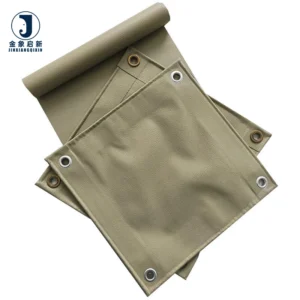
JX PVC Waterproof Fabric High-strength Sheeting for Industrial and Outdoor Coverings
¥1.90 Select options This product has multiple variants. The options may be chosen on the product page -
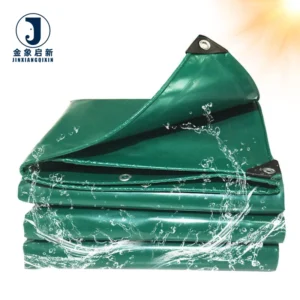
Waterproof Heavy Duty Tarpaulin Water Proof Cover Tarpaulin Manufacturer
¥1.48 Add to cart