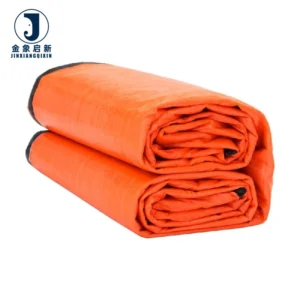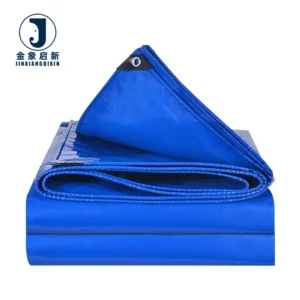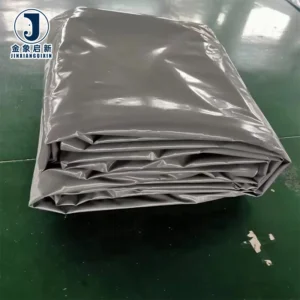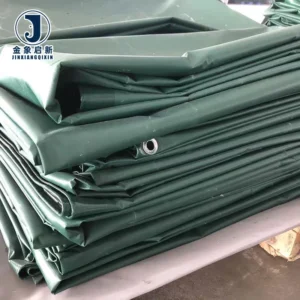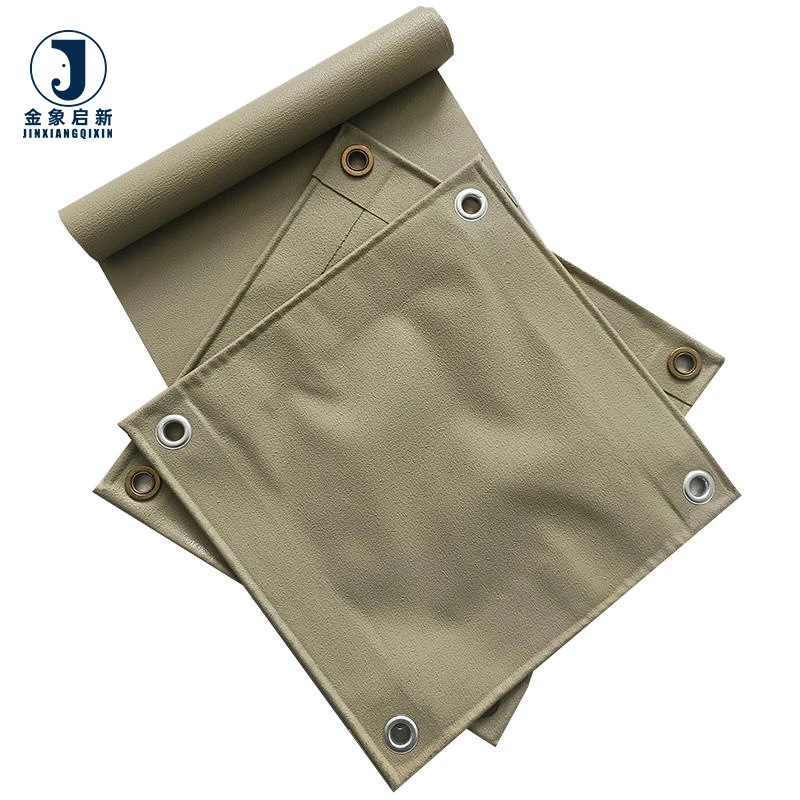
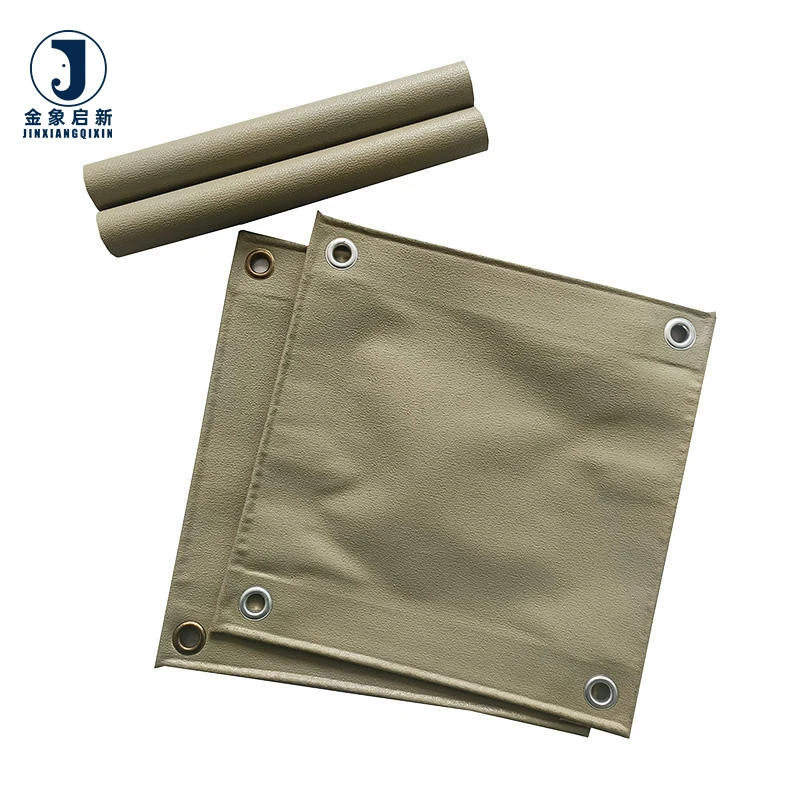
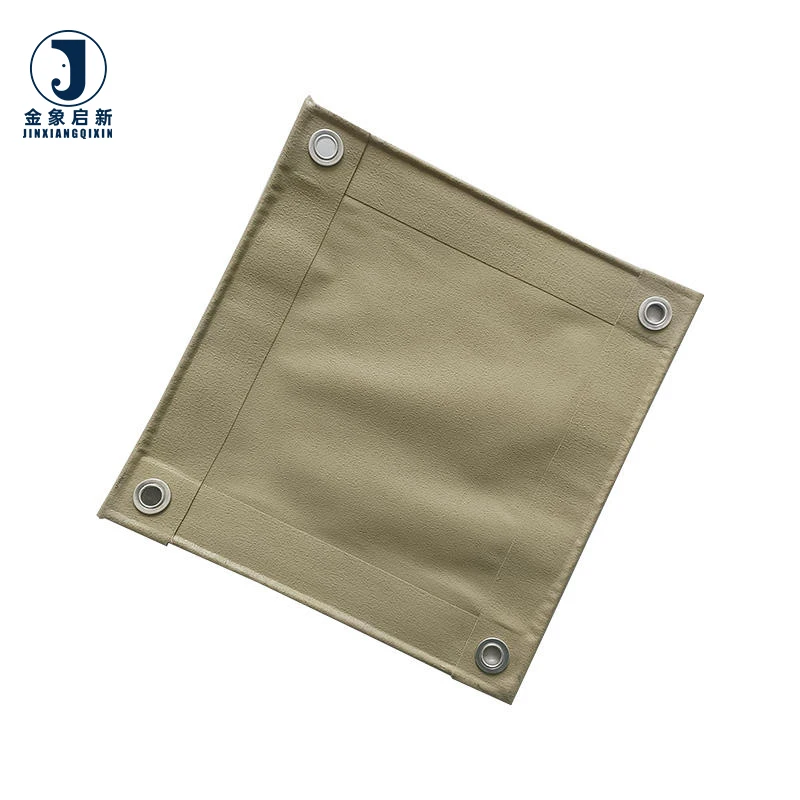
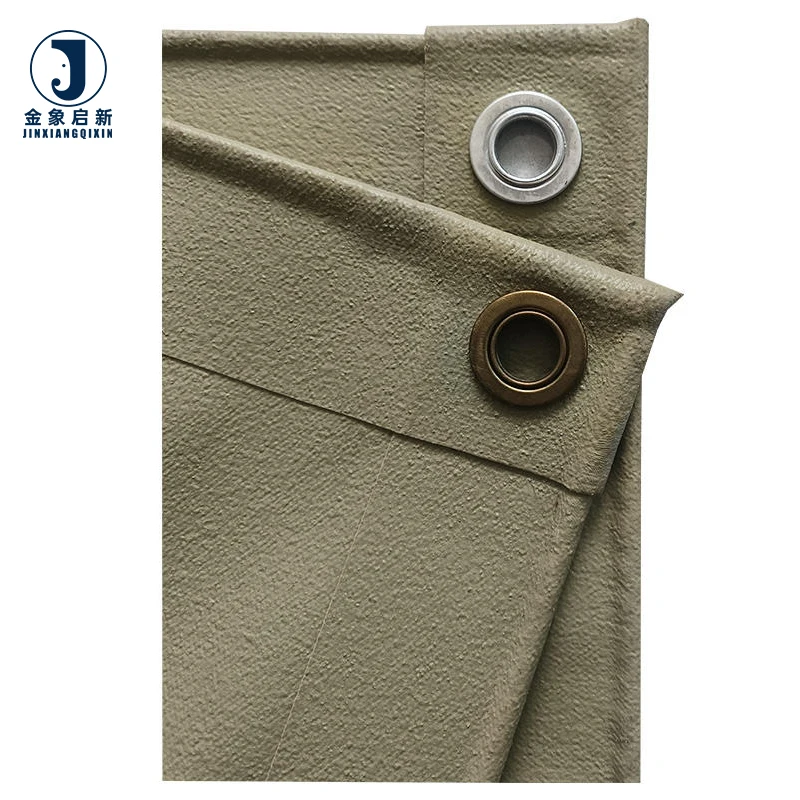
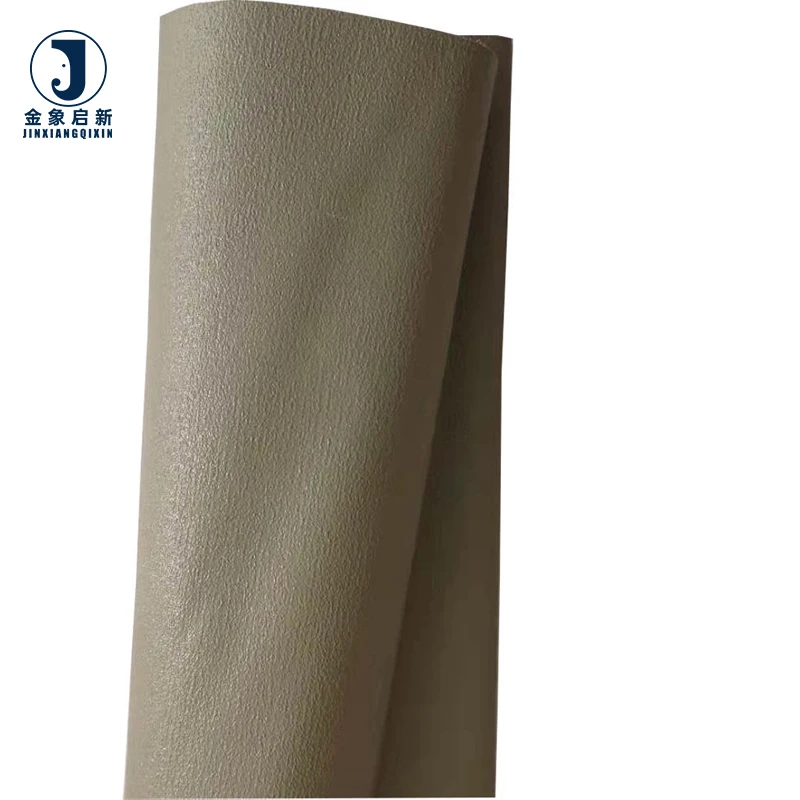
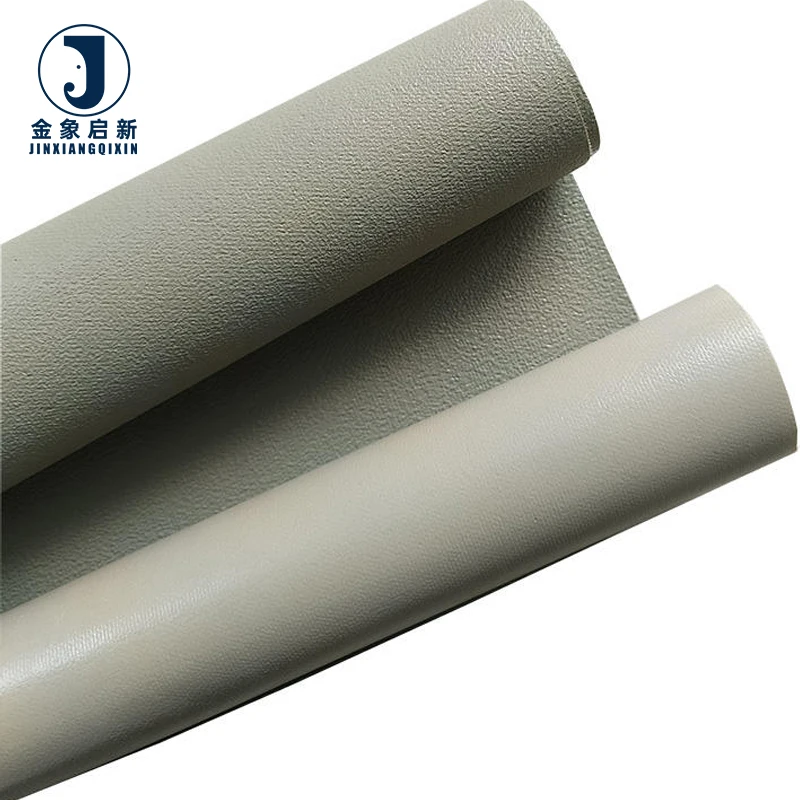
PVC Coated Tarpaulin, At Least 450 GSM, Woven Base Fabric — knife coated for waterproof, tear-resistant and oilproof industrial coverings. Anti-UV treated surface extends outdoor service life across transport, tent and equipment protection applications.
- Complete range from roll stock to custom cut sizes, with eyelet spacing and reinforced hems developed through in-house R&D
- Colour and coating weight verified roll-to-roll through dedicated QA at every production stage
Backed by 36 sets of professional coating equipment and nearly 30 years of process control over adhesion and coating weight.
Description
Precision Coating Control — Three full production lines manage every stage of PVC adhesion and weight consistency, ensuring the material you specify is what arrives at your facility.
Technical Specifications
| Parameter | Value |
|---|---|
| Product Type | PVC Coated Tarpaulin |
| Material | PVC Vinyl Coated Woven Fabric |
| Weight | At least 450 GSM |
| Base Fabric | Woven |
| Coating Method | Knife Coated |
| Waterproof | Yes |
| Oilproof | Yes |
| Tear-Resistant | Yes |
| Surface Treatment | Anti-UV (grade not stated — confirm requirement for your application) |
| Custom Size | Available |
| Standards | ISO, CE |
Application Suitability
| Application | Exposure & Requirement |
|---|---|
| Truck and trailer covers | Constant flexing at load points, road debris abrasion, rain and UV exposure, secure tie-down at hems |
| Outdoor tents and temporary structures | Prolonged weather exposure, wind load stress on seams, repeated assembly and teardown |
| Vehicle and equipment covers | Dust ingress prevention, oil and grease contact, puncture risk from sharp edges, UV degradation over time |
| Industrial and outdoor structure protection | Permanent or semi-permanent installation, moisture barrier performance, thermal cycling across seasons |
When Quoted Weight Does Not Match the Roll on Your Dock
We verify GSM at every coating stage, not just at final inspection, so the weight on your specification sheet matches the material you cut and weld.
Buyers frequently receive PVC coated tarpaulin that arrives lighter than agreed. A quoted 450 GSM roll may test below that once unwrapped, and the shortfall only becomes visible when seams fail under load or when the fabric degrades faster than expected in the field. This gap between quotation and delivery erodes trust across entire supply chains. [NEED_CITE: tensile and tear test methods for coated fabrics per ISO 1421]
Coating Weight and Base Fabric Integrity
The knife coating process forces PVC compound into the woven base fabric under controlled blade pressure, creating a mechanical bond that resists delamination. For a PVC Coated Tarpaulin custom manufacturer, maintaining consistent coating weight across the full roll length is essential — uneven application produces thin spots that become failure points during heat welding or under sustained tension. Our three production lines allow us to hold coating parameters steady across extended runs, reducing the variation that causes batch-to-batch inconsistency.
Waterproof Performance Beyond the Datasheet Claim
Waterproof construction in PVC coated tarpaulin depends on full encapsulation of the woven base — any exposed yarn at cut edges or poorly sealed seams becomes a wicking path. This PVC Coated Waterproof Industrial Sheeting is designed so the coating fully penetrates and covers the base fabric, eliminating pathways for moisture ingress during prolonged rain or snow exposure. Fabricators working with this material should specify sealed or welded edges rather than raw cuts to maintain waterproof integrity in the finished product.
Reading the Specification Sheet Correctly
At least 450 GSM indicates the combined weight of base fabric and coating together, not the coating alone. The woven base contributes tear resistance and dimensional stability, while the PVC coating provides the waterproof barrier and surface characteristics. Knife coating, as opposed to lamination or calendering, typically produces stronger adhesion between the PVC layer and the woven substrate because the compound is forced into the weave structure under blade pressure rather than bonded at the surface only. Anti-UV treatment is available for this material — confirm the specific grade and test basis required for your end-use environment before placing a bulk order. The oilproof property adds protection against grease and hydrocarbon contact, which is relevant for equipment covers in workshop and transport environments. [NEED_CITE: DIN 4102 fire classification for building materials]
The Cost of Specification Shortcuts
A roll that tests lighter than its quoted GSM may appear functional at installation but deteriorates under thermal cycling and sustained load. Coating adhesion weakens first at thin spots, leading to peeling at welded seams long before the base fabric reaches its expected service life. Buyers who accept unverified weight claims often face rework costs when covers fail warranty inspection or when fleet operators report premature tearing. [NEED_CITE: welding parameter effects on PVC coated fabric seam strength]
Why Source This PVC Coated Tarpaulin Fabric Here
Our 10-person R&D team develops samples within days for custom widths, colors, and treatment combinations, allowing you to verify material behavior before committing to production volume. Dedicated QA/QC operates at every coating and winding stage with 100% pre-shipment inspection, catching GSM deviation and surface defects before rolls leave the facility. Three full production lines and 36 sets of professional equipment provide the capacity to fulfill bulk orders within typical multi-week lead times. Full documentation accompanies each shipment — material specification sheets, test reports where applicable, and roll-by-roll inspection records. ISO and CE certification underpins our process standards across all PVC coated tarpaulin production.
Documentation & Verification
- Material specification sheet confirming exact GSM, base fabric construction, and coating weight per roll
- Test reports for UV treatment grades where applicable to your end-use environment
- Pre-shipment inspection record documenting roll-by-roll weight verification before dispatch
- Roll packing list with batch traceability linking each roll to its production run
- ISO and CE certificates supporting process compliance and quality management standards
- Certificate of origin and customs documentation for international shipment clearance
Fabrication, Handling & Storage
- Heat-weld at manufacturer-recommended temperatures to ensure knife-coated PVC bonds properly at seams
- Store rolls upright on pallets to prevent flat-spot deformation of the 450+ GSM coated fabric
- Avoid folding during transport to maintain coating adhesion integrity across the woven base
- Use compatible PVC adhesive for field repairs on tears or puncture damage
- Clean oilproof surfaces with mild detergent — avoid solvents that degrade the PVC coating layer
- Plan cutting layout to maximize yield from custom-width rolls and minimize welded joints
What We Need to Quote Accurately
Provide your end-use application and the environmental exposure conditions the finished cover will face, including UV intensity and chemical contact. Specify target roll widths, required roll lengths, and whether you need raw rolls or finished cut-to-size pieces. Let us know if your market requires specific fire classification or anti-UV test documentation so we can include the correct grade in your sample development.
Frequently Asked Questions
Q: How is the GSM verified on arrival and what documentation supports the quoted weight?
A: Each roll undergoes weight verification during production and again at pre-shipment inspection. The material specification sheet included with your order states the measured GSM for every roll in the batch. This record allows you to cross-check the weight on arrival against what was quoted, and any deviation is flagged before dispatch rather than discovered on your cutting table.
Q: What test basis supports the anti-UV treatment claim and how is outdoor longevity estimated?
A: Anti-UV treatment is available in different grades depending on end-use exposure. We supply test reports when a specific grade is selected for your order. Longevity depends on installation orientation, local UV index, and seasonal variation, so we recommend requesting the test documentation relevant to your target market and validating with a sample panel in your actual environment.
Q: How do you control batch-to-batch color consistency across multiple rolls in one order?
A: Color matching is locked during the sample approval stage before bulk production begins. Our QA/QC team checks color reference against the approved standard at every production stage. The 100% pre-shipment inspection includes visual comparison across all rolls in the order, and any roll falling outside tolerance is rejected before packing.
Q: What custom widths, roll lengths, and printing options are available, and what are the minimums?
A: Custom widths and roll lengths are developed through our in-house R&D team, with samples produced within days for your approval. Printing and branding options are available for roll stock. Minimum order quantities depend on the specific width, color, and treatment combination requested — share your requirements and we will confirm the applicable minimum for your specification.
Q: What are the heat-welding and seam recommendations for this knife-coated PVC fabric?
A: Knife-coated PVC fabric bonds well under hot-air or wedge welding when temperature and speed are matched to the coating weight. We recommend test welds on sample material before full production to dial in parameters for the at least 450 GSM construction. Properly welded seams should match the tear strength of the base fabric rather than becoming the failure point under load.
Related products
-
Hotsale Custom China Supplier Super Strength Industrial Grade 680GSM RIPSTOP PVC Tarpaulin for Builders Roof Tarp and Sheeting
¥2.80 Add to cart -
Factory Custom 9×11 Poultry Curtains Tarpaulin PVC Coated Waterproof Anti-Static Eco-Friendly Tarp for Chicken Coop Boys Girls
¥0.90 Select options This product has multiple variants. The options may be chosen on the product page -
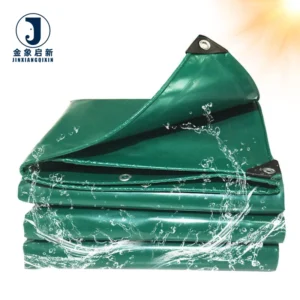
Waterproof Heavy Duty Tarpaulin Water Proof Cover Tarpaulin Manufacturer
¥1.48 Add to cart -
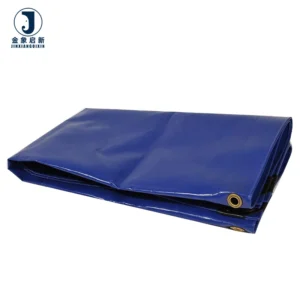
900GSM Heavy Duty PVC Coated Tarpaulin Panama Tarpaulin Curtains for Lorries
¥7.78 Add to cart