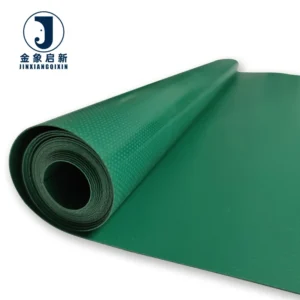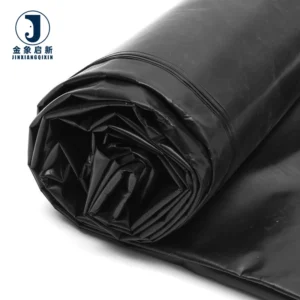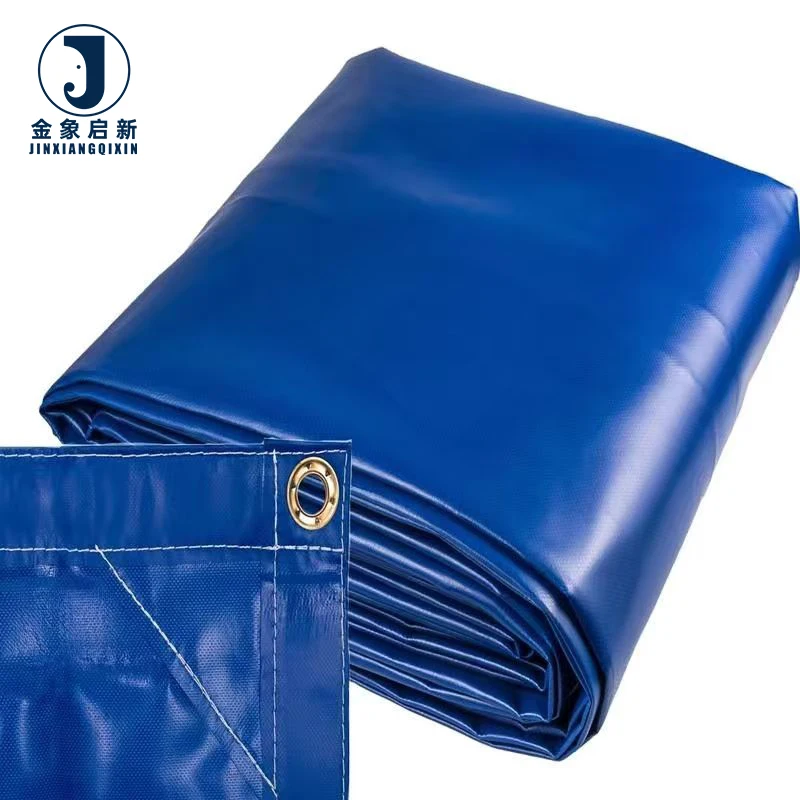
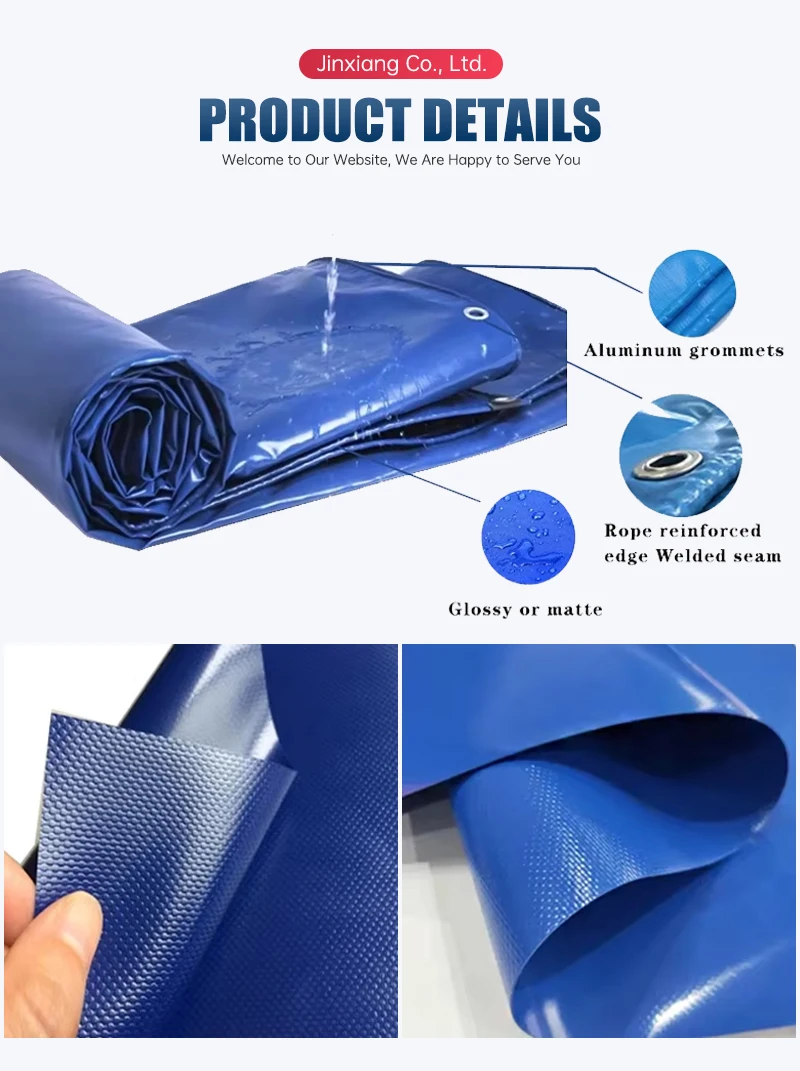
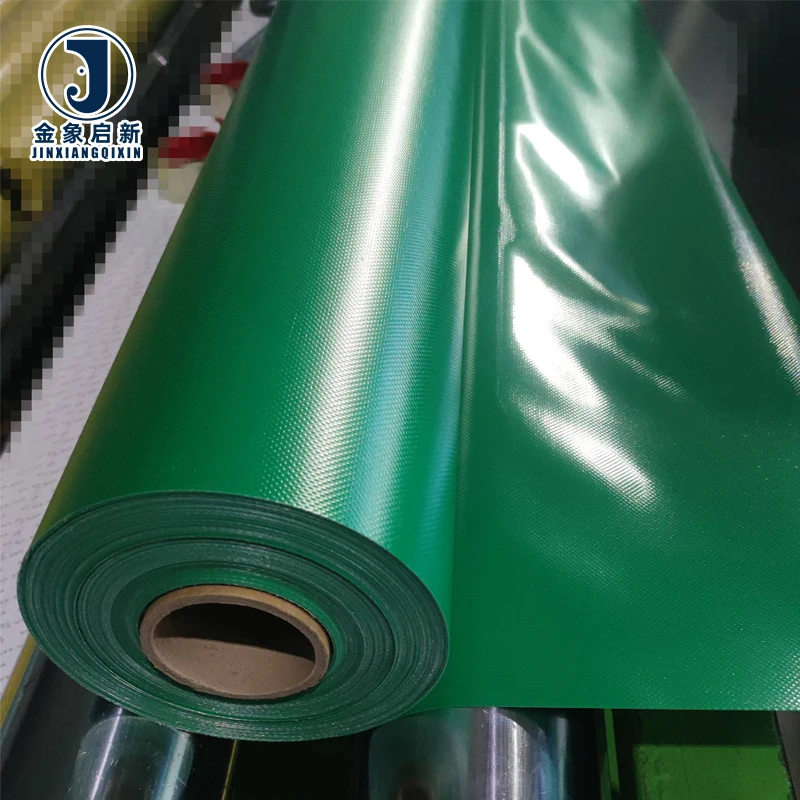
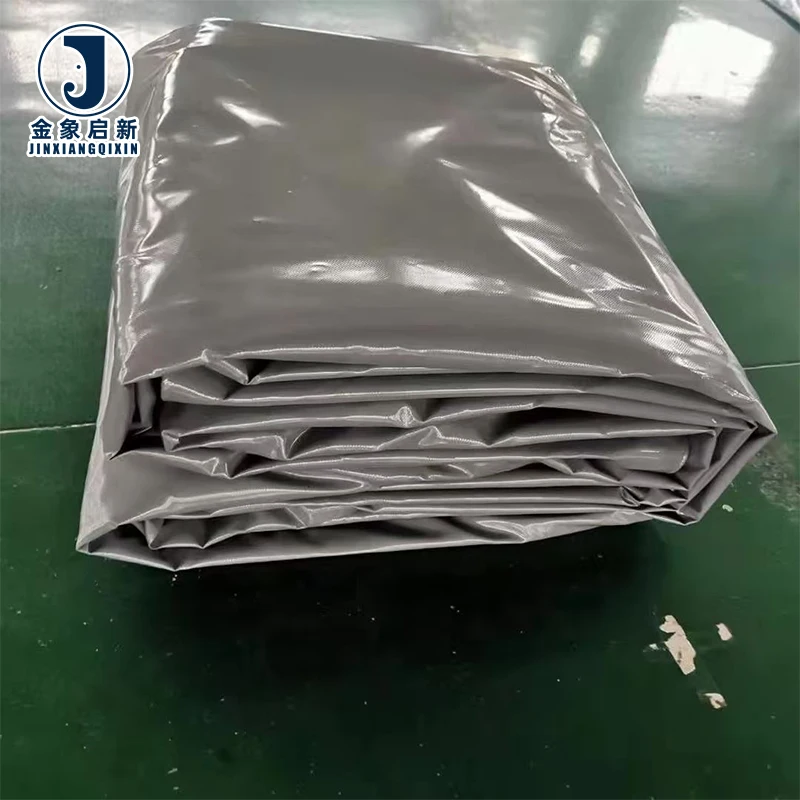
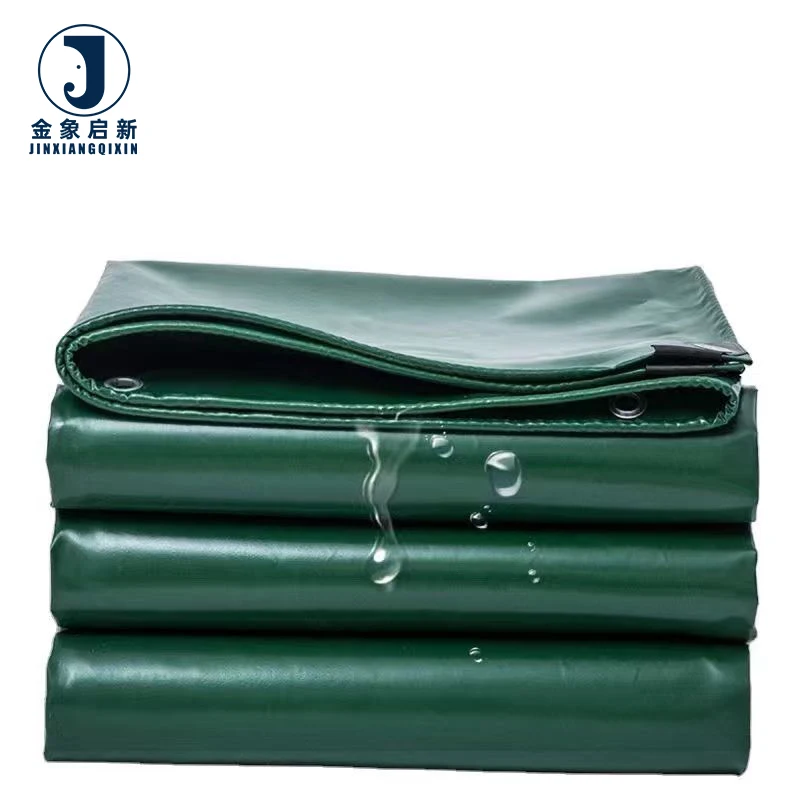
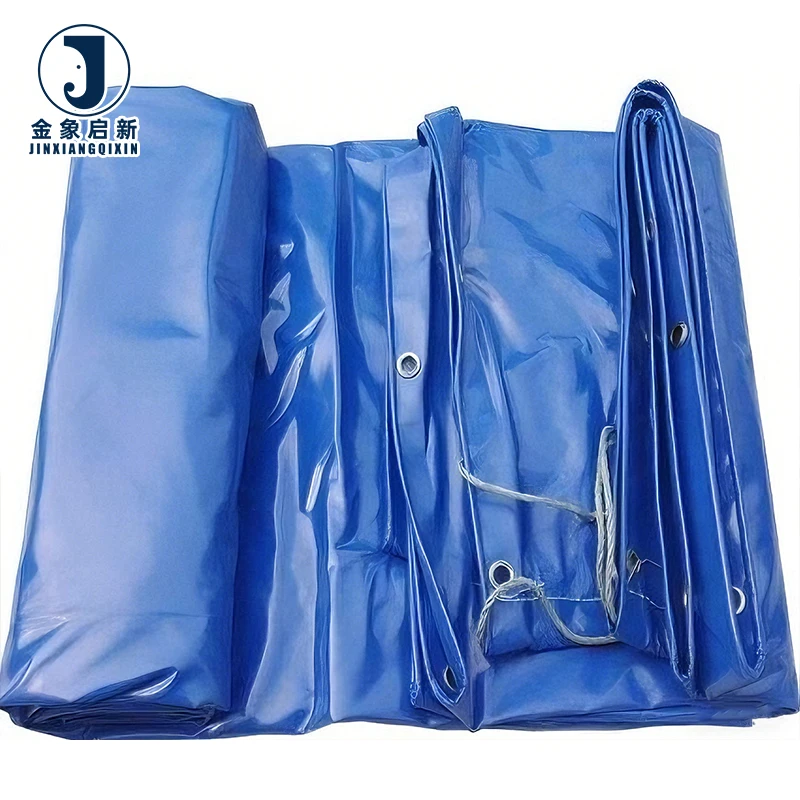
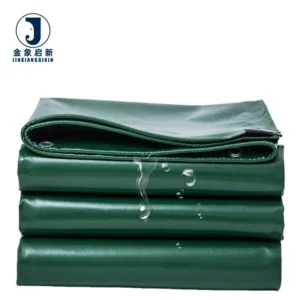
PVC Coated Tarpaulin Roll with anti-permeable ≥20KPa waterproofing, flame retardant ≤10 seconds and low-temperature flexibility to -30°C — high-frequency heat seamed for watertight joins that flex without cracking.
- Weight range 500 to 800 g/m², acid and alkali resistant coating
- Base fabric denier and weave selectable to match tensile and tear requirements
- Coating method and GSM controlled through in-process QA at every production stage
Backed by nearly 30 years of coating process expertise, three full production lines and 100% pre-shipment inspection before dispatch.
Description
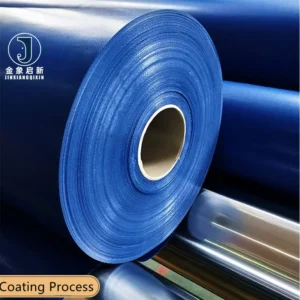
Process-Controlled Coating Expertise — Every PVC coated tarpaulin roll is produced on dedicated lines with in-process QA checkpoints verifying coating weight, adhesion, and seam integrity before dispatch.
Technical Specifications
| Parameter | Value |
|---|---|
| Product Type | PVC Coated Tarpaulin Roll |
| Coating Material | PVC |
| Weight Range | 500 to 800 g/m² (confirm exact grade for your application) |
| Waterproof Rating | Anti-permeable ≥20KPa |
| Flame Retardant | ≤10 seconds (test standard available on request — confirm grade for your market) |
| Low-Temperature Flexibility | Remains flexible without fracture at -30°C |
| Coating Method | Heat combined with high-frequency bonding |
| Chemical Resistance | Acid, alkali, and brine corrosion resistant |
| Water Absorption | Minimal absorption, quick-drying surface after rain exposure |
| Anti-Mildew | Treated (test basis available on request) |
| Heat Seaming | High-frequency welded seams for watertight joint construction |
Application Suitability
| Application | Exposure & Requirement |
|---|---|
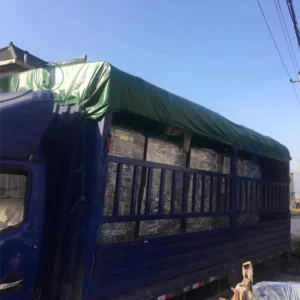
| Truck and trailer side curtains | Constant flexing at load points, road debris abrasion, sustained UV and weather exposure |
| Industrial equipment covers | Prolonged outdoor storage, chemical splash proximity, repeated handling and refolding |
| Construction site barriers | Wind-driven rain, soil and alkali contact, UV exposure over extended project timelines |
| Marine-adjacent cargo protection | Brine corrosion atmosphere, high humidity, mildew risk in enclosed transport conditions |
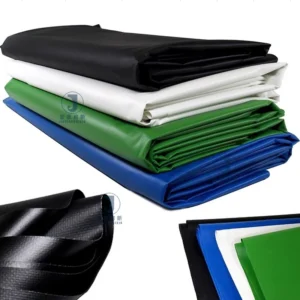
| Tarpaulin distributor stock | Consistent roll-to-roll weight and colour across bulk orders for downstream fabrication |
What "Flame Retardant" Actually Means When No Test Standard Is Named
A flame retardant claim without a referenced standard leaves compliance entirely to interpretation.
Many coated fabric quotations state "flame retardant" without specifying whether the material meets DIN 4102, NFPA 701, or the M2 classification required on European construction sites. The result is fabric that passes a basic burn test in the factory but fails the compliance audit when the installation inspector asks for documentation. For a PVC coated tarpaulin roll destined for public-adjacent structures or enclosed transport, the difference between a generic claim and a graded certificate can determine whether the covering is approved or rejected on site. Sourcing a PVC coated tarpaulin custom manufacturer that supplies the test report matched to your batch eliminates that compliance gap entirely. [NEED_CITE: DIN 4102 fire classification for building materials]
Coating Weight and Adhesion Under Repeated Flex Stress
When truck side curtain fabric flexes hundreds of times per trip, the bond between the PVC coating and the base fabric determines whether micro-cracks appear along stress lines. High-frequency heat bonding creates a molecular-level join between coating layers, reducing the delamination risk that mechanical pressing sometimes leaves at fold points. Selecting a PVC coated tarpaulin custom manufacturer with controlled coating application means the adhesive interface is consistent across the full roll width — not just at the sample cut from the centre.
Low-Temperature Handling in Cold-Climate Dispatch Routes
Fabric that remains pliable at -30°C behaves differently during winter unloading compared to standard grades that stiffen below freezing. Roll stock deployed in Nordic or high-altitude logistics corridors must flex over load edges without cracking the coating surface or fracturing at the welded seam line. The low-temperature flexibility specification means the plasticiser formulation in the PVC compound is selected for cold-service retention, not just ambient-warehouse handling. [NEED_CITE: low-temperature flexibility test protocol for coated textile membranes]
Why GSM Alone Does Not Determine Tear Resistance
Weight in grammes per square metre measures total mass — coating plus base fabric — but does not isolate the contribution of yarn denier or weave density to tear propagation resistance. A 650 g/m² fabric with a loosely woven base may tear more easily than a tightly woven 580 g/m² grade because tear strength depends primarily on how the yarns interlock under point load. When specifying PVC coated tarpaulin rolls, request both the GSM reading and the base fabric construction details so you can assess whether the material suits your load-bearing or tie-down application.
The Hidden Cost of Colour Variance Across Rolls in One Shipment
When a distributor receives twenty rolls for a single fleet order and three of them sit visibly off-shade beside the others, the entire installation looks inconsistent even though each roll individually met the colour reference. This variance typically originates from pigment batch changes mid-production or temperature fluctuation across the coating oven zones. Correcting it after delivery means either rejecting partial stock or accepting a visible patchwork effect on installed covers — both outcomes carry cost and credibility penalties that pre-production colour confirmation and in-line QA sampling are designed to prevent. [NEED_CITE: colour consistency measurement methods for coated industrial fabrics]
Why Procurement Teams Consolidate Coated Fabric Sourcing Here
Three full production lines running simultaneously allow bulk PVC coated tarpaulin orders to ship without splitting across staggered batch dates. A ten-person R&D team handles material selection, custom width development, and sample formulation in-house rather than outsourcing to a separate compound supplier. Dedicated QA checkpoints at every coating and winding stage catch weight drift before the roll reaches the dispatch bay. The facility holds ISO and CE certification, with certificates of origin and customs documentation prepared for every export shipment. Pre-shipment inspection records accompany each consignment, giving receiving teams a documented baseline for incoming quality verification.
Documentation & Verification
- Material specification sheet listing exact GSM, base fabric construction, and coating compound for each roll shipped
- Flame retardant test report matched to production batch where applicable — request specific standard before ordering
- Pre-shipment inspection record confirming weight, colour, and surface quality against the agreed specification
- ISO and CE certificates included with dispatch paperwork for import compliance in regulated markets
- Certificate of origin and customs documentation prepared for cross-border freight clearance
- Roll packing list with individual roll identification for traceability back to the production batch
Fabrication, Handling & Storage
- High-frequency welding parameters must match the coating formulation — confirm settings for 500–800 g/m² grades before production
- Store rolls upright on padded racks to prevent flat-spot deformation on the coating surface during extended warehouse holding
- Allow cold-stored rolls to reach ambient temperature before unrolling to avoid cracking the PVC coating layer
- Use non-solvent cleaners on the coated surface to preserve the chemical-resistant finish and anti-mildew treatment
- Plan cutting layouts to maximise yield from the available roll width and minimise off-cuts at seam allowance zones
- Reinforce tie-down and eyelet zones with additional PVC patches bonded by high-frequency welding at stress concentration points
Specify Before You Order
Provide the exact application environment — transport fleet, construction site, or distributor stock — along with the target market compliance requirements for flame retardant or chemical exposure. Confirm whether you need rolls at standard width or a custom dimension, and indicate your annual volume so lead scheduling can be aligned. Colour references, printing requirements, and any downstream fabrication details help the technical team recommend the precise grade from the PVC coated tarpaulin range.
Frequently Asked Questions
Q: How do I verify that the GSM on the received rolls matches the quotation?
A: Each shipment includes a material specification sheet stating the exact GSM per roll. We recommend weighing a measured sample on arrival and comparing it against the documented value. Our pre-shipment inspection records confirm weight was verified at the winding stage, and any variance outside the agreed tolerance is flagged before dispatch.
Q: Can flame retardant rolls be supplied with a recognised test report?
A: Flame retardant grades are available with test documentation — the specific standard depends on your target market. Inform us whether your project requires DIN 4102, NFPA 701, or another classification before sampling. The test report is matched to the production batch and included with the shipment documentation package.
Q: What are the lead times for custom width or non-stock colour rolls?
A: Custom width, colour, and printed rolls require dedicated production runs with typical multi-week lead times depending on specification complexity. Minimum order quantities apply for non-stock configurations. Submit your requirements early in the project timeline so sample development and approval can be completed before bulk production begins.
Q: How is colour consistency maintained across multiple rolls in one order?
A: Pigment formulation is locked at the batch preparation stage, and in-process QA sampling checks colour at intervals throughout the coating run. Rolls from a single order are produced in continuous sequence to minimise inter-batch variation. The pre-shipment inspection record documents the colour verification results for your reference on receipt.
Q: Which documents ship with every export order?
A: Every dispatch includes a material specification sheet, roll packing list, pre-shipment inspection record, ISO and CE certificates, and certificate of origin. Where flame retardant or anti-UV treatment is specified, the corresponding test report is matched to the production batch. Additional customs documentation is prepared based on the destination country import requirements.
Related products
-
Heavy Duty Fire Retardant Waterproof PVC Coated Tarpaulin Rolling Tarp Materials for Truck Cover Tents Outdoor Usage
¥1.40 Add to cart -
PVC Tarpaulin Waterproof Triangular Tarpaulin Folha De Tarpaulina Truck Tarpaulin
¥0.90 Select options This product has multiple variants. The options may be chosen on the product page -
Best Quality 650gsm Waterproof Polyester Heavy Duty Bache Pvc Tarpaulin
¥0.53 Add to cart -
PVC Tarpaulin Industry Fabric PVC Tarpaulin 620gsm for Fish Pond Factory Swimming Pools Cover PE Tarpaulin
¥0.90 Select options This product has multiple variants. The options may be chosen on the product page