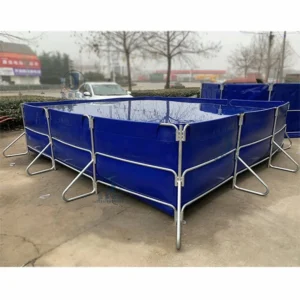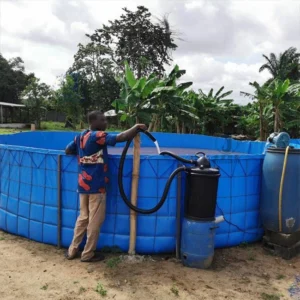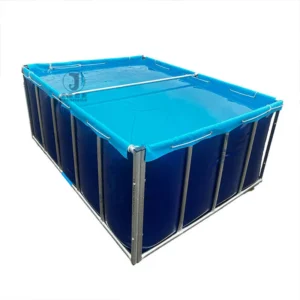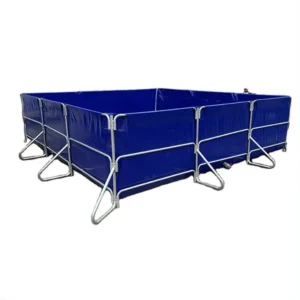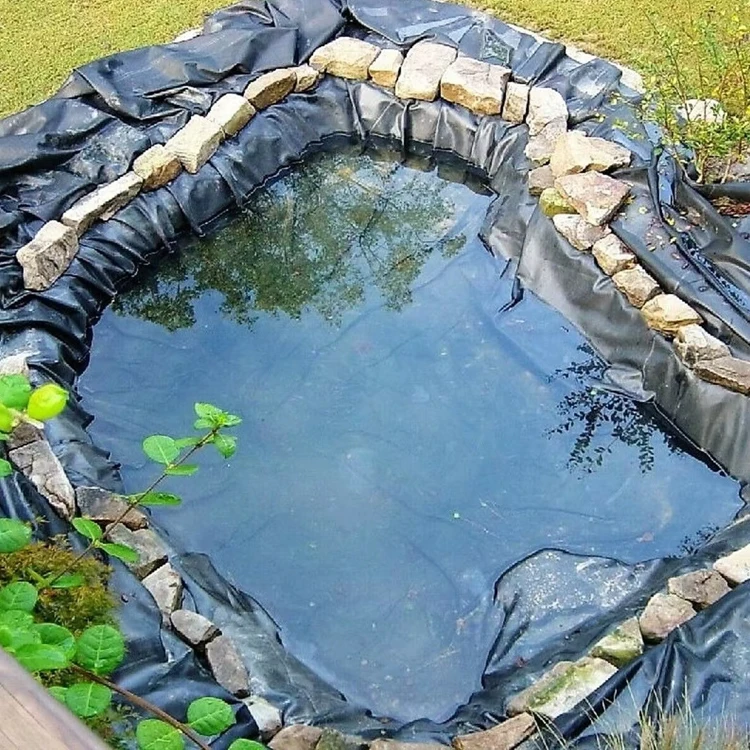
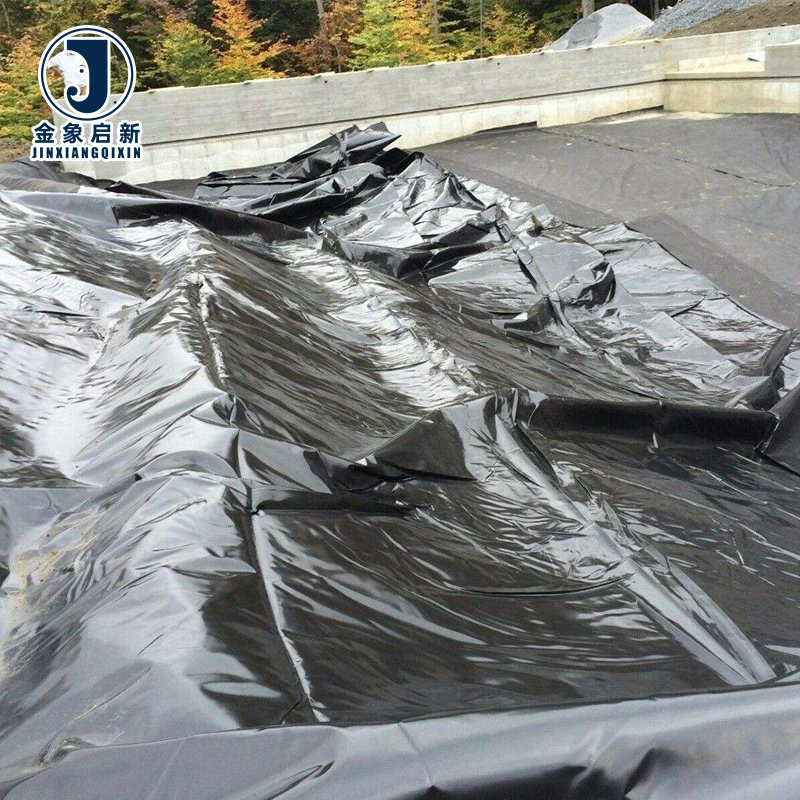
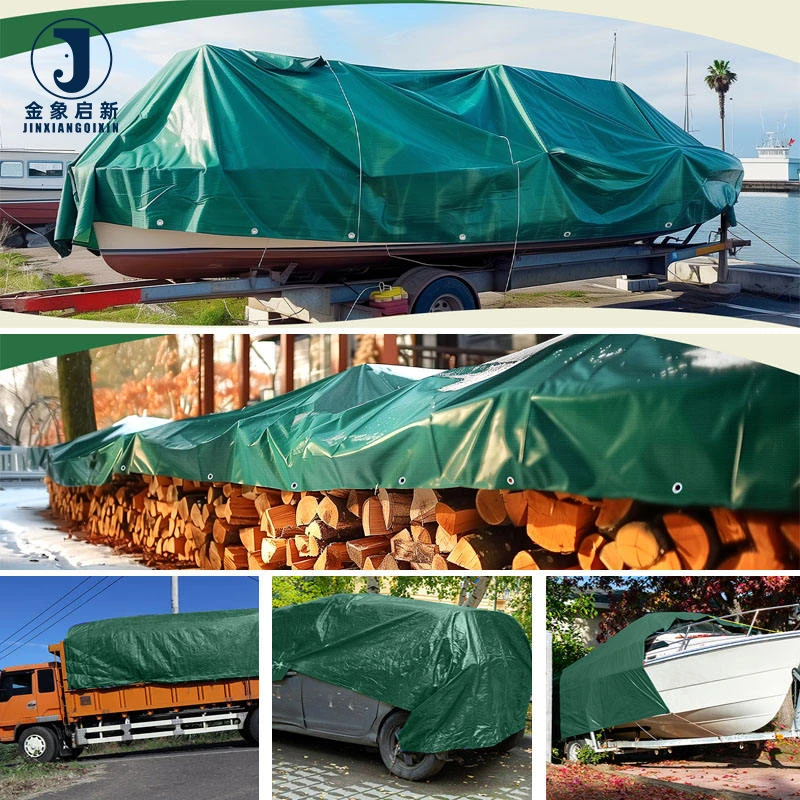
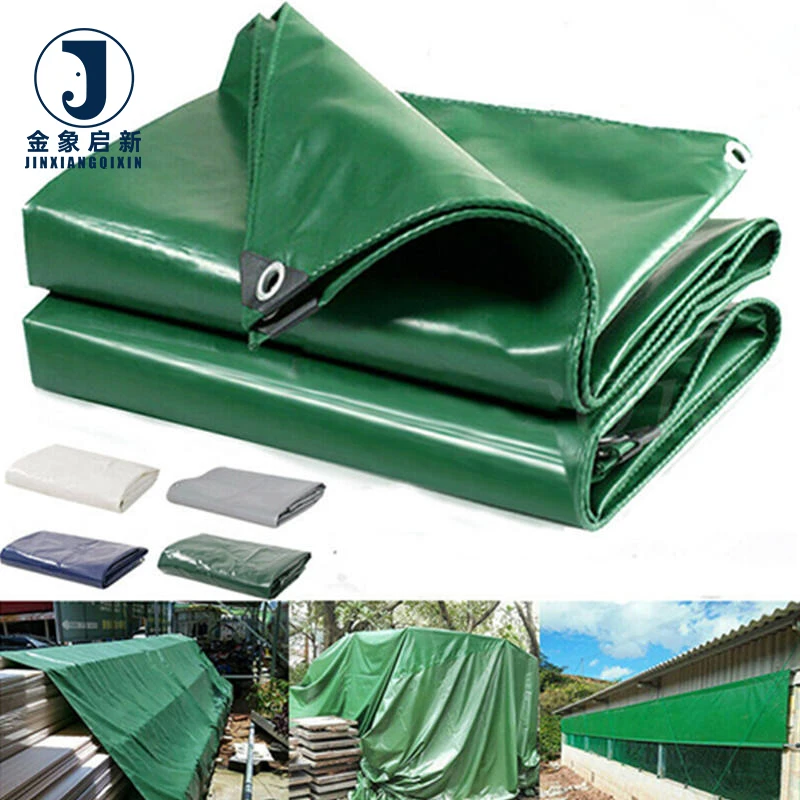
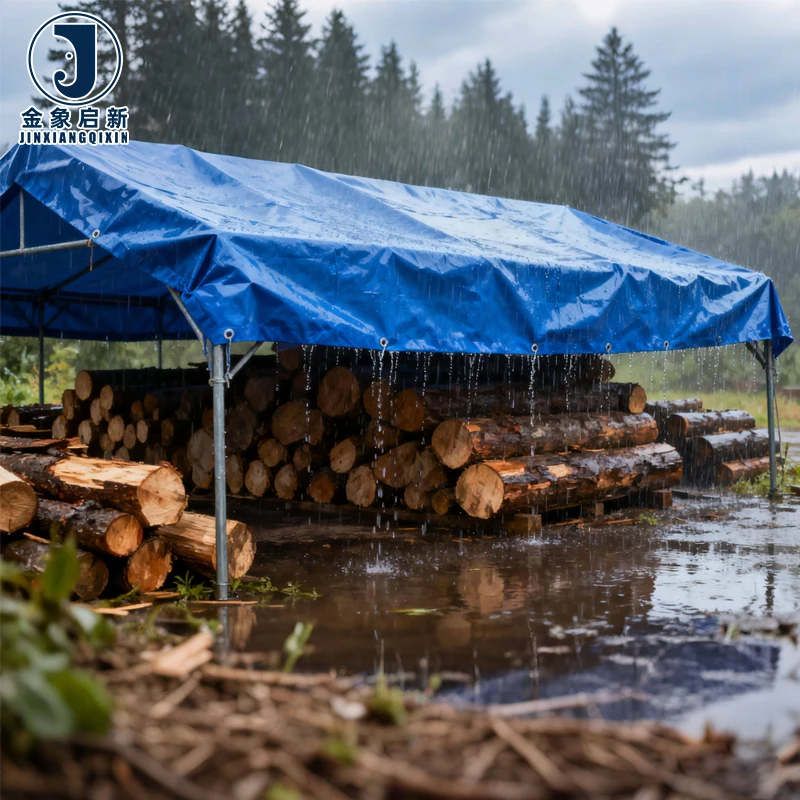
Waterproof Heavy Duty Coated Blackout Fish Pond Tarpaulin — PVC coated high-strength polyester mesh, 350–750gsm range, 0.32–0.65mm thickness, hot-melt coated for consistent adhesion and waterproof integrity across the full roll.
- Lamination and hot-melt coating processes control coating weight precisely, so GSM on arrival matches the spec sheet — no surprises at the dock
- Custom widths, cut sizes, eyelets and reinforced hems built to your pond or reservoir dimensions
- Roll-to-roll colour consistency verified before shipment for seamless side-by-side installation
Supported by a 10-person R&D team handling material selection and sample development within days, with dedicated QA/QC at every production stage and 100% pre-shipment inspection covering GSM spot-checks and seam weld audits.
Description
Deep process control over coating weight — every roll of PVC coated pond liner we ship carries a specification sheet stating exact GSM, base fabric denier and coating weight, verified at pre-shipment inspection.
Technical Specifications
| Parameter | Value |
|---|---|
| Product Type | PVC Coated Tarpaulin / Pond Liner |
| Material | PVC + High-strength polyester mesh fabric |
| Coating Method | Laminated technology & Hot-melt Coating technology |
| Weight (GSM) | 350gsm / 420gsm / 500gsm / 550gsm / 600gsm / 750gsm |
| Total Thickness | 0.32mm / 0.35mm / 0.4mm / 0.45mm / 0.5mm / 0.65mm |
| Roll Width | 2m / 2.1m |
| Roll Length | 75m (2m width) / 50m (2.1m width) |
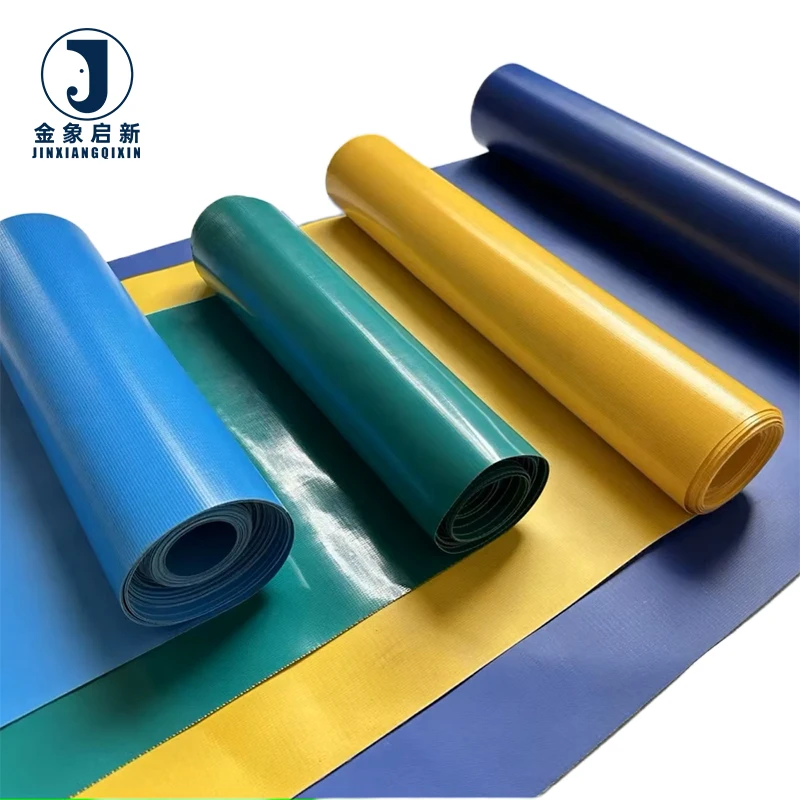
| Color | Blue / Red / Yellow / Light blue / Grey (Customized) |
| UV Treatment | Anti-UV (test basis not stated) |
| Flame Retardant | Available (grade not stated) |
| Anti-Static | Available (standard not stated) |
| Anti-Mildew | Stated |
| Cold Crack Resistance | Stated |
| Waterproof | Stated |
| Custom Printing | Available |
| Finish Product Size | Custom as per customer needs or sold by inventory |
| Standards | ISO, CE |
Application Suitability
| Application | Exposure & Requirement |
|---|---|
| Fish pond and aquaculture tank lining | Permanent water contact, biological load, soil chemistry, puncture risk from substrate |
| Agricultural water reservoir and irrigation storage | Long-term UV exposure, wind load on exposed edges, seasonal temperature swings |
| Tent and awning fabric (roll sourcing) | Repeated folding, abrasion at frame contact points, weather exposure across seasons |
Why the Quoted GSM Is Not What Arrives at the Dock
A PVC fish pond liner is only as reliable as the coating weight that was actually produced, not the number on the quotation.
Buyers across the aquaculture and water storage sectors regularly face a frustrating scenario: the material specification sheet promises a certain GSM, but when the roll is cut open and weighed on arrival, the actual coating weight falls short. This gap between stated and delivered GSM directly affects tensile behaviour, puncture resistance and long-term durability in pond environments [NEED_CITE: tensile and tear test methods for coated fabrics per ISO 1421]. A pond liner that is lighter than specified will stretch under hydrostatic pressure, stress the welded seams and may fail at the very points where the load flexes most.
Coating Adhesion and Roll-to-Roll Consistency
The distinction between laminated and hot-melt coated PVC matters significantly when specifying a PVC fish pond liner for permanent water immersion. Hot-melt coating forces the PVC compound into the polyester mesh under heat and pressure, creating a mechanical bond that resists delamination even after prolonged exposure to water and temperature fluctuation. Laminated construction bonds pre-formed PVC films to the base fabric, offering a different cost-performance balance. For pond and reservoir applications where the liner will remain in service across multiple seasons, consistent coating adhesion from the first metre to the last metre of the roll is essential. Our production lines maintain controlled coating weight across the full roll width, verified through in-process QA checks before the roll is wound and packed.
Matching GSM and Thickness to Pond Conditions
Selecting the correct grade involves balancing water depth, substrate type and expected mechanical load. A 350gsm liner may serve well for shallow nursery tanks on smooth concrete bases, while deeper ponds with earthen substrates and higher hydrostatic pressure demand heavier grades such as 600gsm or 750gsm with correspondingly greater thickness. The high-strength polyester mesh base fabric provides the structural backbone; the PVC coating provides waterproofing and chemical resistance. Together, the GSM and thickness determine how the PVC fish pond liner behaves during installation, how it resists puncture from sharp stones or root intrusion, and how well the welded seams hold under sustained water pressure [NEED_CITE: coating weight influence on seam strength in PVC tarpaulins].
Reading the Specification Sheet Correctly
Four parameters on the material specification sheet deserve close attention before placing an order. First, the stated GSM must be understood as a target value for the finished composite — base fabric plus coating — not the coating alone. Second, the base fabric denier and weave density determine tear propagation resistance independently of the coating weight; two liners with identical GSM can perform very differently if one uses a lower-denier mesh. Third, the coating method — laminated or hot-melt — affects how the material responds to heat welding, which is the primary joining method for pond liner panels. Fourth, available treatments such as anti-mildew and cold crack resistance extend the liner’s functional range in humid or cold-climate installations. Understanding these interactions prevents the common mistake of selecting on GSM alone.
The Hidden Cost of Underspecified Liner Material
When a pond liner is specified below the actual demands of the installation, the consequences rarely appear during the first season. The material may hold water initially, but sustained hydrostatic pressure gradually stresses the welded seams, especially at corners and around pipe penetrations where the liner flexes under changing water levels. Colour variation between rolls becomes visible once panels are installed side by side, forcing costly replacement of entire sections to achieve a uniform appearance [NEED_CITE: colour consistency standards in coated fabric production batches]. Liners that lack verified anti-mildew treatment develop surface growth in warm, humid aquaculture environments, complicating cleaning cycles and affecting water quality. These are not material defects in the conventional sense — they are specification failures that could have been prevented with a more thorough review before ordering.
Why Source This PVC Fish Pond Liner Here
Three full production lines and 36 sets of professional equipment support bulk roll output with controlled lead times, meaning custom widths and cut sizes do not get pushed behind standard catalogue orders. A 10-person R&D team handles material selection, colour matching and sample development, with samples produced within days for custom size, colour and treatment requirements. Dedicated QA/QC at every production stage includes spot-checking actual GSM against the stated value, auditing weld seam integrity and verifying colour consistency across rolls in the same order. Pre-shipment inspection covers 100% of the order before dispatch, with records provided to the buyer. Nearly 30 years of focused coated fabric production means process parameters are established and controlled, not improvised per batch.
Documentation & Verification
- Material specification sheet stating exact GSM, base fabric denier, coating type and colour reference for every roll shipped
- Pre-shipment inspection record covering GSM spot-check, colour audit and seam weld verification before dispatch
- UV and flame retardant test reports supplied where applicable grades are specified on the purchase order
- Roll packing list detailing quantity, dimensions, net and gross weight for container loading and customs clearance
- Certificate of origin and customs documentation provided for international pond liner shipments
Fabrication, Handling & Storage
- Heat welding parameters must be adjusted to the specific GSM and coating method — hot-melt coated grades require different temperature profiles than laminated grades
- Store rolls upright on pallets in a covered area to prevent flat spots and creasing that weaken the coating at bend lines
- When unrolling in cold conditions, allow the PVC fish pond liner to acclimatise before cutting to avoid cold crack damage at fold points
- Cut panels with clean blades and seal edges immediately to prevent moisture ingress into the polyester mesh base fabric
- Surface cleaning should use mild detergent solutions; abrasive cleaners will damage the anti-mildew treatment layer on the PVC surface
Requesting a Specification That Fits Your Pond Project
To ensure the PVC fish pond liner matches your installation, share the pond dimensions, maximum water depth, substrate type and any local compliance requirements with your enquiry. Specify whether you need rolls at standard width and length or finished panels cut to size with welded seams. Include your colour reference — such as a RAL code — so that we can confirm batch consistency across the full order quantity. If anti-UV or flame retardant treatment is required for your market, state the specific grade or test standard so that the correct documentation can be prepared.
Frequently Asked Questions
Q: How do you guarantee the GSM matches the quotation?
A: Every roll undergoes GSM spot-checking during production and again at pre-shipment inspection. The actual measured value is recorded on the inspection report that ships with your order. If a deviation falls outside the agreed tolerance, the roll is held and re-coated or replaced before dispatch. This process ensures the PVC fish pond liner you receive matches the material specification sheet you approved.
Q: Can you provide a UV or flame retardant test report?
A: Yes, where a specific anti-UV or flame retardant grade is stated on your purchase order, the corresponding test report is included with the shipment documentation. We recommend confirming the exact standard required for your market — such as a local fire classification or UV exposure duration — before production begins, so the correct treatment is applied and documented.
Q: What is the difference between laminated and hot-melt coated PVC for pond liners?
A: Hot-melt coating forces PVC compound directly into the polyester mesh under heat and pressure, producing strong mechanical adhesion suited to permanent water immersion. Laminated construction bonds pre-formed PVC films to the fabric surface, offering a different cost and performance profile. The choice depends on your pond depth, expected service conditions and budget. Our R&D team can advise and provide samples of both types.
Q: Can you cut pond liners to custom dimensions with reinforced edges?
A: Yes, we produce finished panels cut to your pond dimensions with heat-welded seams. The high-strength polyester mesh base provides tear resistance at seam lines and edge reinforcement points. Custom sizes are developed through our sample process, allowing you to verify fit and seam quality before full production begins.
Q: How do you ensure colour consistency across multiple rolls?
A: Colour reference — such as a RAL code — is confirmed before production, and all rolls in a single order are produced within the same batch run. During pre-shipment inspection, panels from different rolls are placed side by side under controlled lighting to verify visual consistency. Any roll showing visible variation is removed from the shipment before dispatch.
Related products
-
Custom Made PVC Fish Pond Liner for Aquaculture – Full Range
Read more -
Custom Blackout Plain Flexible Foldable PVC Tarpaulin Fish Tank 500gsm PVC Coated Roll
¥1.00 Select options This product has multiple variants. The options may be chosen on the product page -
Waterproof Heavy Duty Coated Blackout Fish Pond Tarpaulin Truck Cover Sheet Tent Swimming Pool Liner Anti UV
¥1.00 Select options This product has multiple variants. The options may be chosen on the product page -
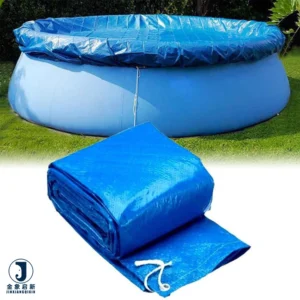
Custom PVC Pond Liner for Fish Ponds – Manufacturer
Read more