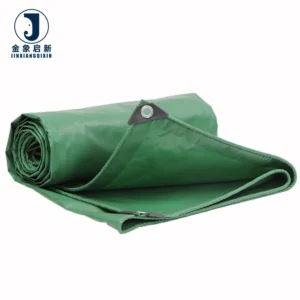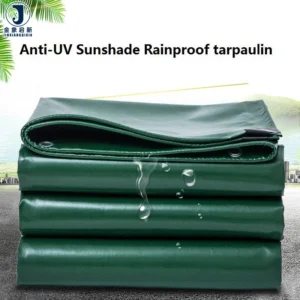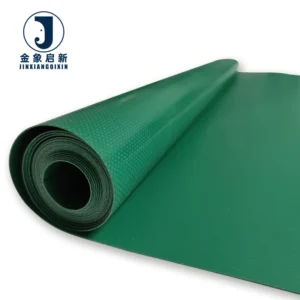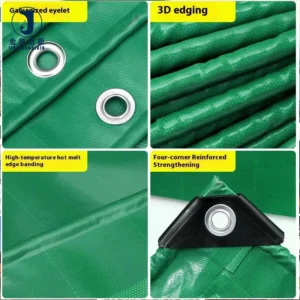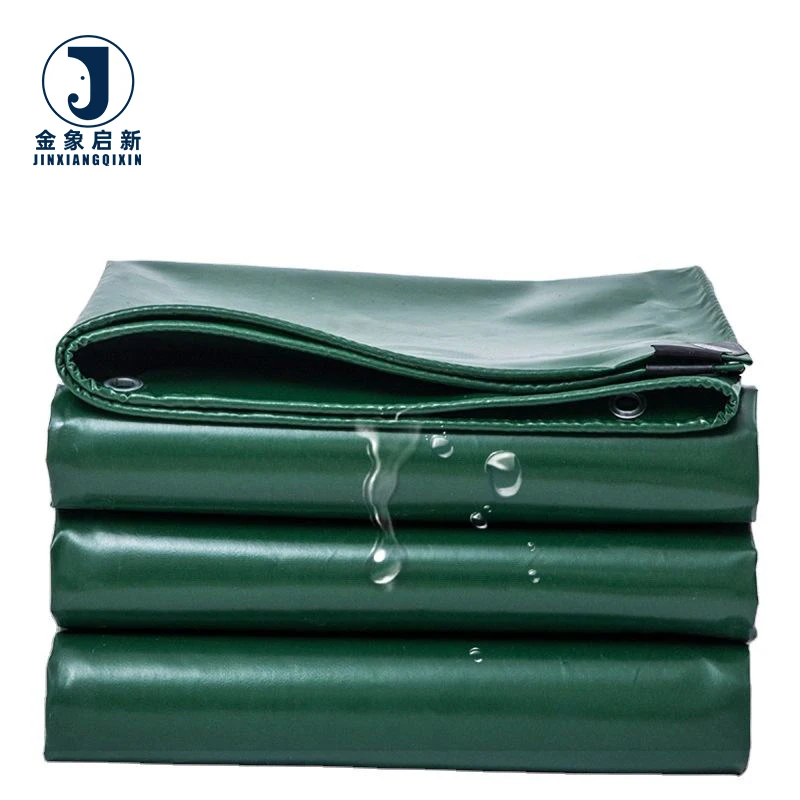
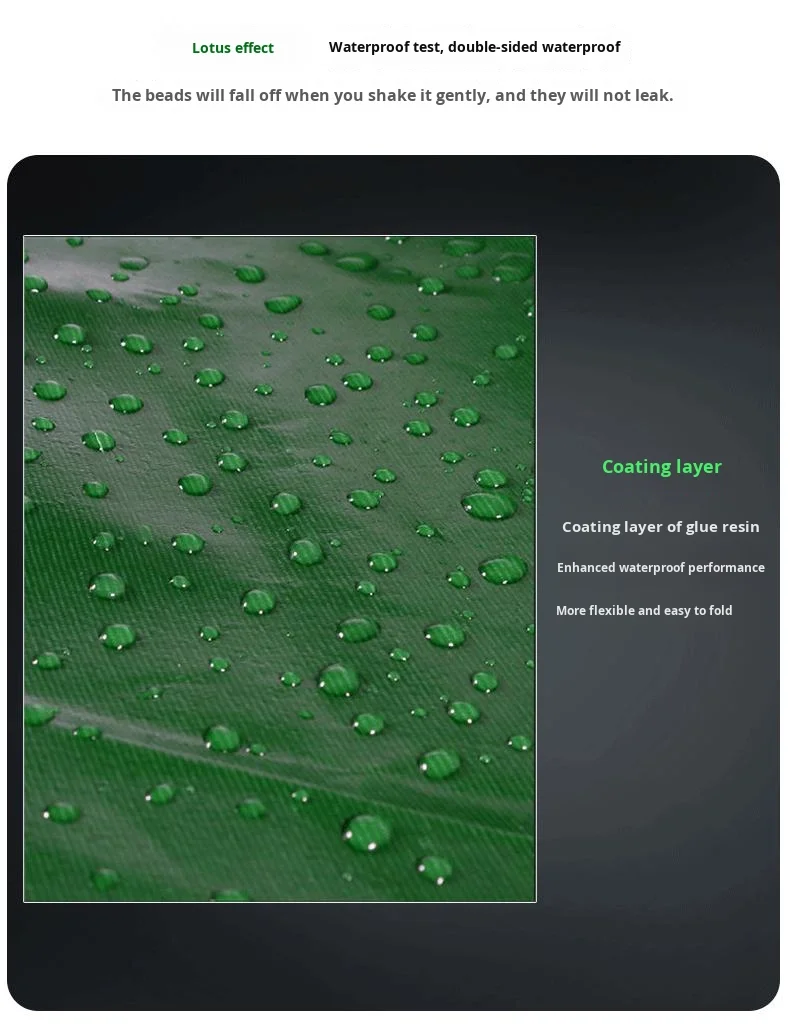
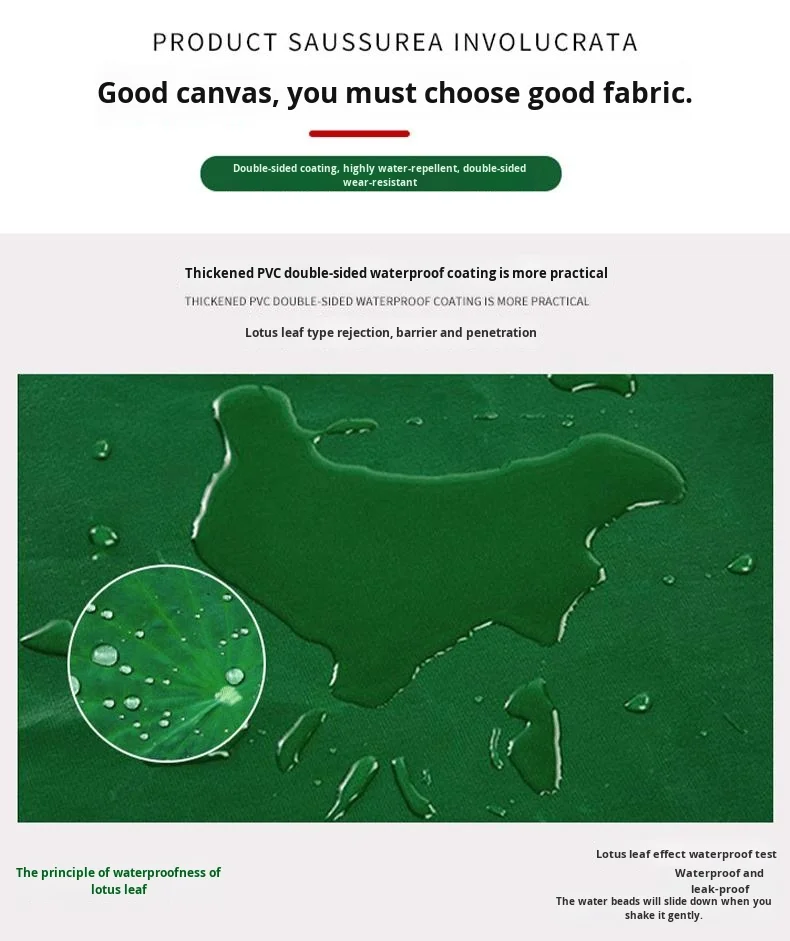
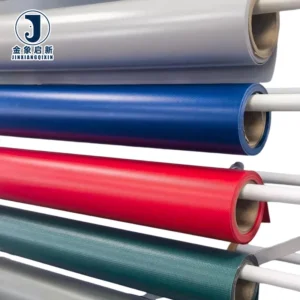
PVC Tarpaulin Roll 620gsm — 100% waterproof, anti-mildew, glossy or matte finish, hot-melt coated high-strength polyester mesh fabric.
- Supplied in 2m × 75m and 2.1m × 50m rolls with verified GSM and batch-matched colour consistency across the order.
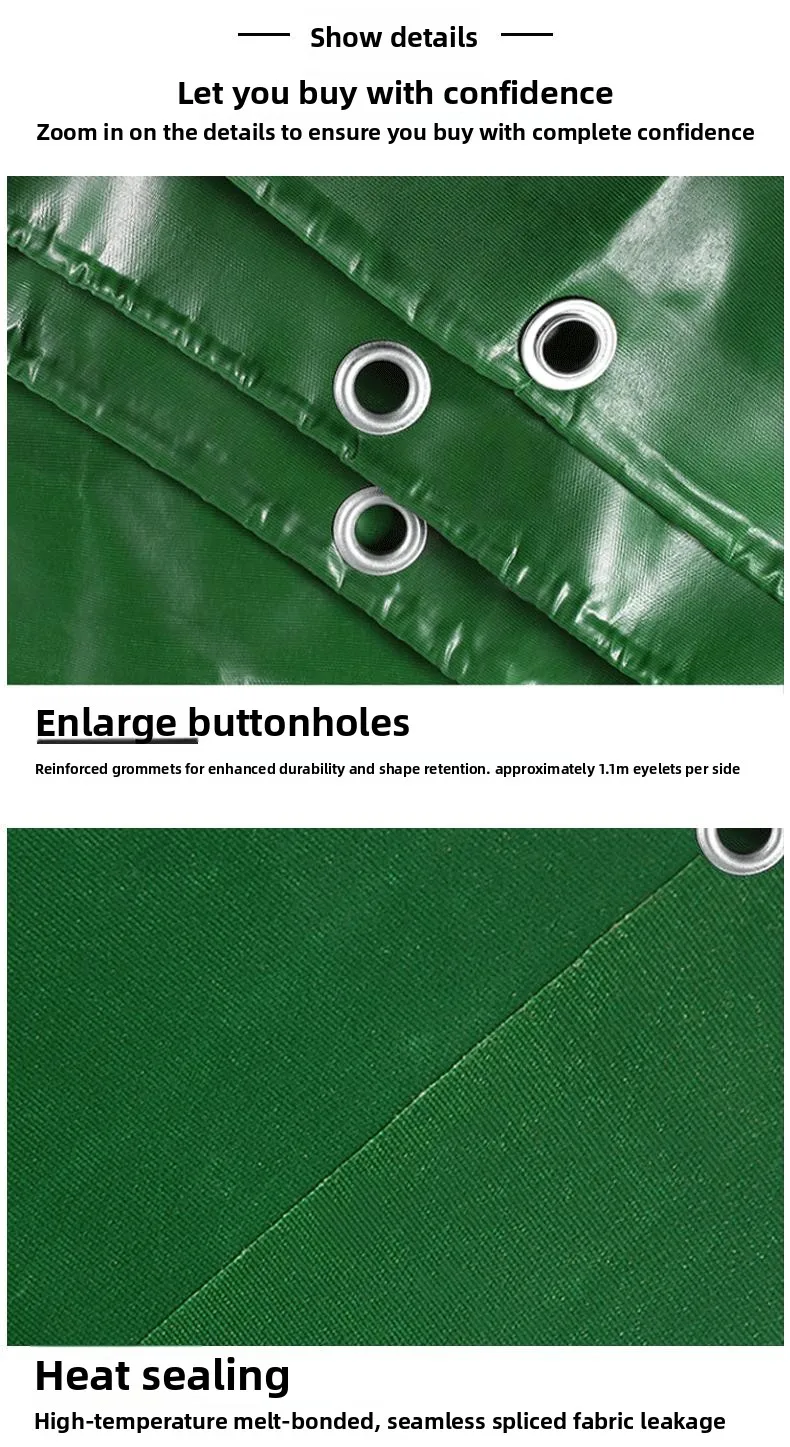
- Laminated and hot-melt coating delivers strong fabric-to-coat adhesion, supporting reliable heat-welded seams at flex points for pond liners and agricultural covers.
Three full production lines with 36 sets of equipment back bulk roll capacity, while 100% pre-shipment inspection ensures every roll matches the quoted specification.
Description
Verified GSM Coating Control — Every roll leaves our Jinan coating line with a documented weight check against the stated specification, eliminating the guesswork that leads to rejected shipments at the destination port.
Technical Specifications
| Parameter | Value |
|---|---|
| Product Type | PVC Tarpaulin Roll |
| Material | PVC coated high-strength polyester mesh fabric |
| Weight Options | 350gsm / 420gsm / 500gsm / 550gsm / 600gsm / 750gsm |
| Thickness Range | 0.32mm / 0.35mm / 0.4mm / 0.45mm / 0.5mm / 0.65mm |
| Roll Size | 2m × 75m / 2.1m × 50m |
| Surface Finish | Glossy or Matte |
| Color Options | Blue / Red / Yellow / Light Blue / Grey / Customized |
| Coating Technology | Laminated and hot-melt coating |
| Key Features | Fully waterproof, cold crack resistance, anti-mildew, anti-static treatment, sunproof |
| Tensile and Tear Strength | High tenacity polyester yarns with strong fabric-to-coat adhesion |
| Customization | Cut sizes, custom printing, branding available |
| Certifications | ISO, CE |
Application Suitability
| Application | Exposure & Requirement |
|---|---|
| Fish pond liner | Permanent water contact, soil chemistry exposure, puncture risk from substrate |
| Swimming pool cover | UV exposure, chlorine contact, repeated folding and unfolding |
| Truck and trailer tarpaulin | Road abrasion, wind flap fatigue, weather exposure at highway speed |
| Tent and awning fabric | Tension loading, UV exposure, repeated assembly and storage cycles |
| Construction and scaffolding enclosure | Dust and debris impact, wind loading, site chemical exposure |
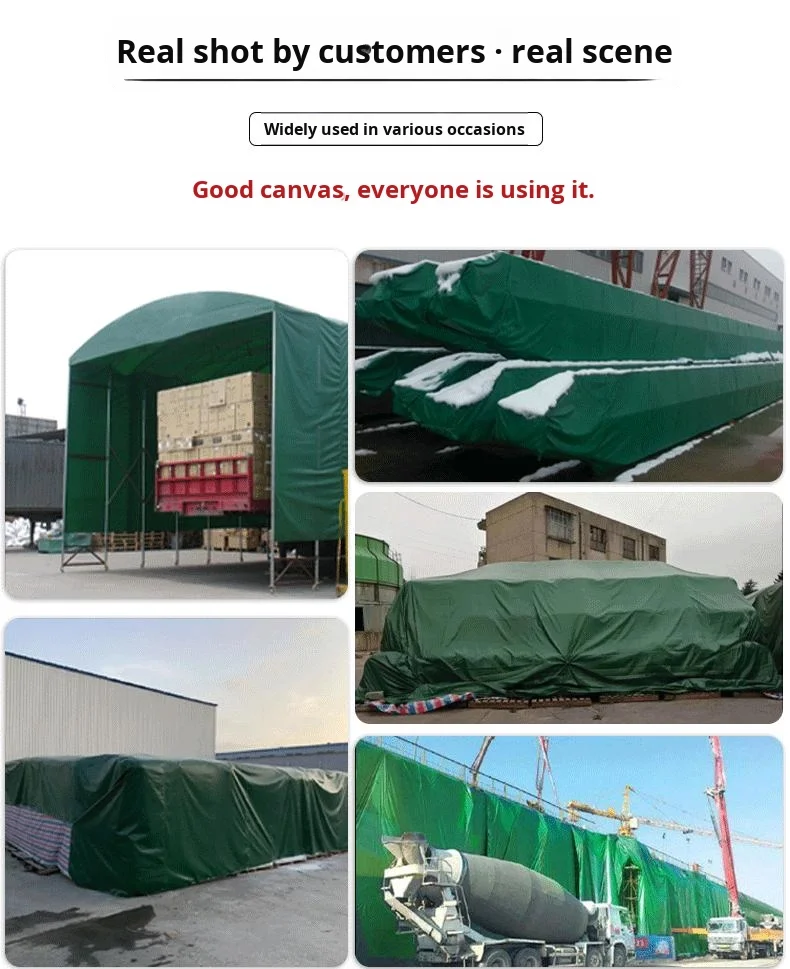
| Agricultural and equipment covers | Outdoor weathering, UV, mechanical abrasion from machinery edges |
Why Quoted GSM Without Verification Is a Supply Chain Risk
Roll weight must be measured and documented per roll before dispatch — not assumed from the production recipe.
When a tarpaulin distributor sources PVC coated fabric, the specification sheet states a target GSM. In practice, coating weight can drift across a production run due to knife gap variation, paste viscosity changes, or base fabric tension inconsistency. A roll quoted at 620gsm that arrives measuring closer to a lighter grade creates downstream problems: fabricators cut patterns expecting a certain tensile reserve, pond liners get installed with less puncture resistance than engineered, and welded seams may not hold under the stress the spec was meant to cover. [NEED_CITE: coating weight variance tolerances per ISO 1421 test methods for coated fabrics] This is why every PVC tarpaulin roll aftermarket supplier should provide pre-shipment weight records tied to individual roll numbers.
Coating Weight Consistency Across the Production Run
Our three coating lines operate with controlled paste feed and knife-over-edge application, where the gap between the blade and the base fabric determines how much PVC compound transfers onto the mesh. For this PVC tarpaulin roll range, the process is monitored at set intervals during each run. Rolls that fall outside the target weight band are segregated before they reach the packing stage. The goal is straightforward: a buyer ordering 600gsm receives rolls that actually measure 600gsm on arrival, not a mixed batch where some rolls are lighter and others heavier.
Colour Matching Within a Single Shipment
When multiple rolls are installed side by side — as pond liners, tent panels, or truck side curtains — even a slight pigment variation becomes visible at the overlap or weld line. Our pigment dosing is controlled per batch, and rolls within the same order are pulled from matched production runs. This matters particularly for aquaculture operators lining large ponds where several rolls are heat-welded together on site, and for tent manufacturers cutting panels that must present a uniform appearance once assembled. [NEED_CITE: colour fastness and batch consistency testing for PVC coated textiles]
Reading the Specification Beyond the GSM Number
The weight of a PVC coated fabric tells you how much material is on the roll, but tensile and tear performance depend equally on the base fabric construction — the denier of the polyester yarns and the weave density of the mesh. A 500gsm roll built on a high-density mesh may outperform a 550gsm roll on a looser weave in tear resistance, because the yarn structure arrests crack propagation. The hot-melt coating technology used here creates a mechanical bond between the PVC compound and the polyester filaments, which affects peel strength and, critically, how well the fabric holds a heat-welded seam. A glossy surface finish sheds water and dirt more readily and accepts digital printing more cleanly, while a matte finish reduces glare and may be preferred for construction enclosures where visibility and light reflection matter. Roll widths of 2m and 2.1m influence how many weld seams are needed to cover a given pond or trailer footprint — wider rolls mean fewer joins and fewer potential failure points. The stated thickness range from 0.32mm to 0.65mm correlates with puncture resistance and flexibility trade-offs: thinner grades fold and handle more easily for covers and awnings, while thicker grades resist mechanical damage in pond and reservoir lining.
The Hidden Cost of Specifying on Price Per Kilogram Alone
Choosing PVC tarpaulin rolls based on the lowest cost per kilogram incentivises suppliers to cut coating weight or switch to a lighter base fabric. The result arrives looking correct on the surface but fails earlier in service — pond liners develop pinhole leaks at the weld seam, truck covers crack along flex lines after a single winter, and tent fabric tears propagate from grommet holes because the mesh structure was too open. [NEED_CITE: common failure modes in PVC coated fabrics under cyclic loading] These failures are not always traceable back to the original specification gap, which means the buyer absorbs the replacement cost and the reputational damage with their own end customer.
Why Fabricators and Distributors Source This Range Here
Our Jinan facility runs three full coating lines with 36 sets of professional equipment, giving the production capacity to hold delivery schedules on volume roll orders without rushing the coating process. The 10-person R&D team develops custom colour matches, printed branding layouts, and non-standard widths when the application demands it — samples are produced within days so buyers can validate before committing to bulk. Dedicated QA inspection at each production stage, with 100% pre-shipment checks, means rolls are weighed, measured, and visually inspected against the order specification before packing. Material documentation — including test reports for UV and flame-retardant grades where specified — travels with the shipment. The hot-melt and laminated coating processes used across this range deliver consistent peel strength, which fabricators depend on when heat-welding seams in the workshop or on site.
Documentation & Verification
- GSM verification record per roll matched to dispatch documentation
- Material specification sheet detailing base fabric, coating type, and weight
- UV and flame-retardant test reports supplied where applicable to order
- ISO and CE certificates included with customs documentation
- Roll packing list with individual roll numbers and net weights
- Certificate of origin provided for import clearance
Fabrication, Handling & Storage
- Heat-weld at temperatures matched to the laminated or hot-melt coating type for optimal peel strength
- Store rolls upright on cores to prevent flat-spot creases in the 2m or 2.1m width
- Use sharp blades when cutting 0.5mm and 0.65mm thickness grades to avoid fraying the polyester mesh
- Clean glossy finish surfaces with mild detergent — avoid solvent-based cleaners that soften the PVC coating
- Allow cold-stored rolls to reach ambient temperature before unrolling to prevent cracking at the fold line
- Plan panel layout around the 75m or 50m roll length to minimise off-cuts and transverse weld seams
What to Include in Your Enquiry
To recommend the correct weight, finish, and treatment from this PVC tarpaulin roll range, share the end-use application and the environmental conditions the fabric will face — water immersion, UV intensity, temperature extremes, or chemical exposure. Specify the roll width and length you need, whether standard or custom, and the annual volume so we can plan production runs for batch colour consistency. If your market requires flame-retardant or anti-static certification, state the standard your end customer expects so we match the test documentation to the shipment.
Frequently Asked Questions
Q: How is the GSM on each roll verified before shipment?
A: Each roll is weighed on calibrated scales after production, and the result is recorded against the roll number on the pre-shipment inspection report. This document accompanies the packing list so you can cross-check the actual weight against your order specification at the point of receipt, before the container leaves the port.
Q: Can I get consistent colour across multiple rolls in one order?
A: Rolls within a single order are produced from the same pigment batch with controlled dosing throughout the run. We supply batch-matched rolls so that adjacent panels — whether heat-welded for a pond liner or sewn into tent sections — show no visible colour variation once installed side by side on site.
Q: What UV and flame-retardant test documentation comes with the rolls?
A: Where UV or flame-retardant treatment is specified on your order, we supply the corresponding test report with the shipment documentation. Confirm the grade required for your market — such as the fire classification standard applicable in your region — so we match the treatment and paperwork to your compliance needs.
Q: What are the standard roll widths and lengths, and can I order custom sizes?
A: Standard rolls ship at 2m × 75m or 2.1m × 50m. Custom widths and lengths are available subject to production line setup. Our R&D team develops a sample roll in your specified dimensions within days, allowing you to validate fit and handling before committing the full order quantity.
Q: How do I get a sample in my specified GSM, colour and finish before placing a bulk order?
A: Provide your target weight, colour reference, and finish preference — glossy or matte. We produce a sample roll or cut piece from the coating line within days and dispatch it for your approval. Once confirmed, bulk production follows the same process parameters to ensure the shipment matches the sample you validated.
Related products
-
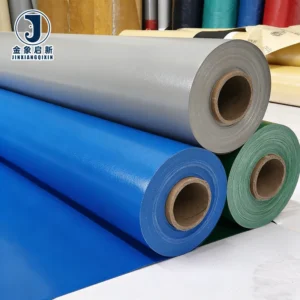
Wholesale PVC Coated Breathable Tarpaulin Fabric Rolls Waterproof Fire-Retardant for Boys & Girls Outdoor Use
¥0.79 Select options This product has multiple variants. The options may be chosen on the product page -
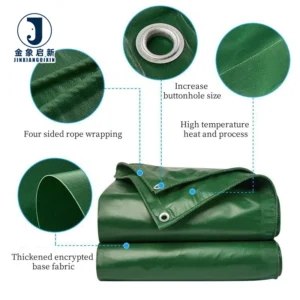
New Design Waterproof Coated Heavy Duty Pool Cover Cargo Covers Tarp for Truck
¥1.15 Add to cart -
PVC Tent Fabric Shelter Blackout Anti-UV PVC Tarpaulins 1000D for Tent Fabric for Event Exhibition Shade Tents
¥1.45 Select options This product has multiple variants. The options may be chosen on the product page -
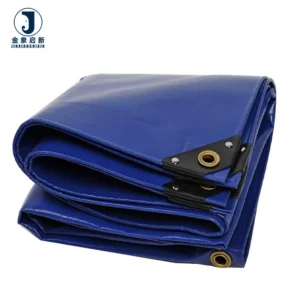
Factory Custom 9×11 Poultry Curtains Tarpaulin PVC Coated Waterproof and Anti-Static Tarp for Chicken Coop Farms
¥0.85 Add to cart