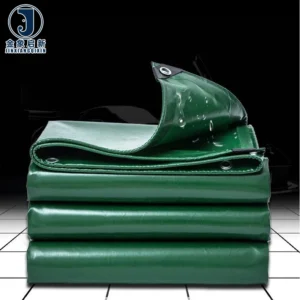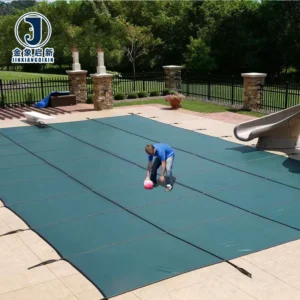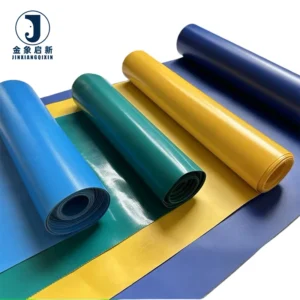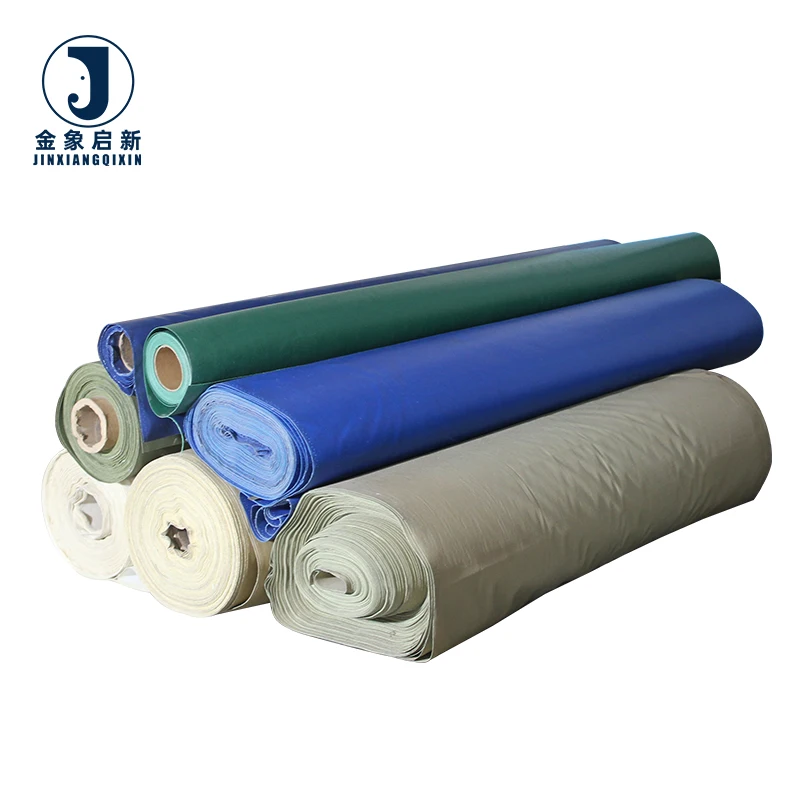
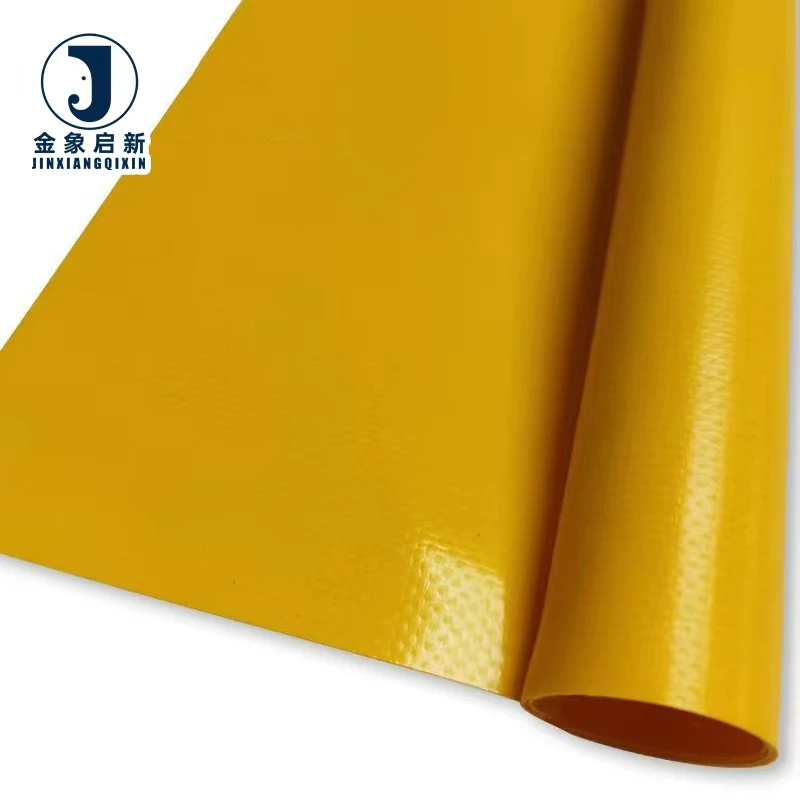
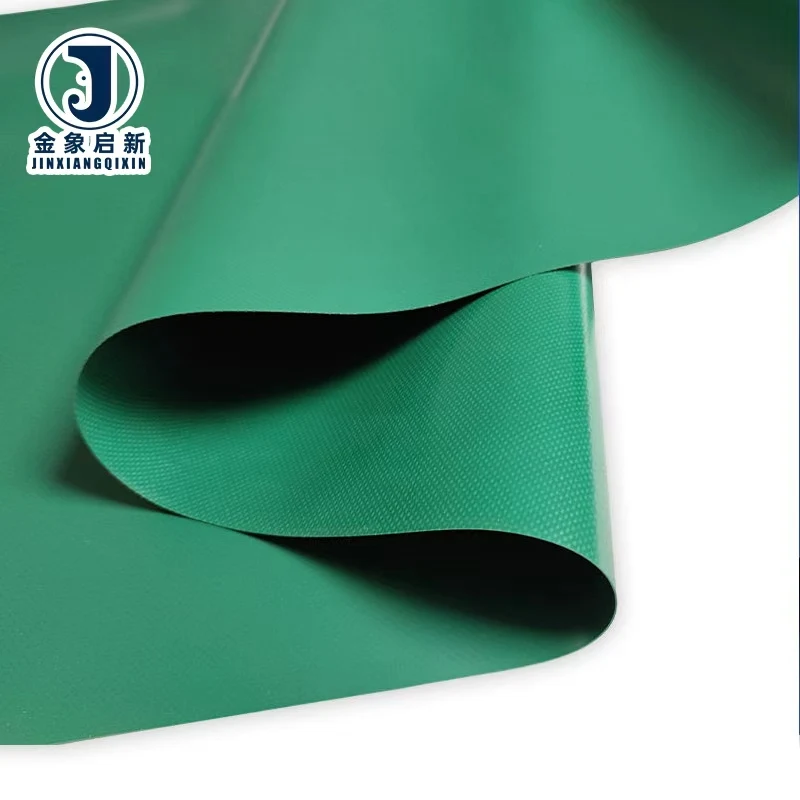
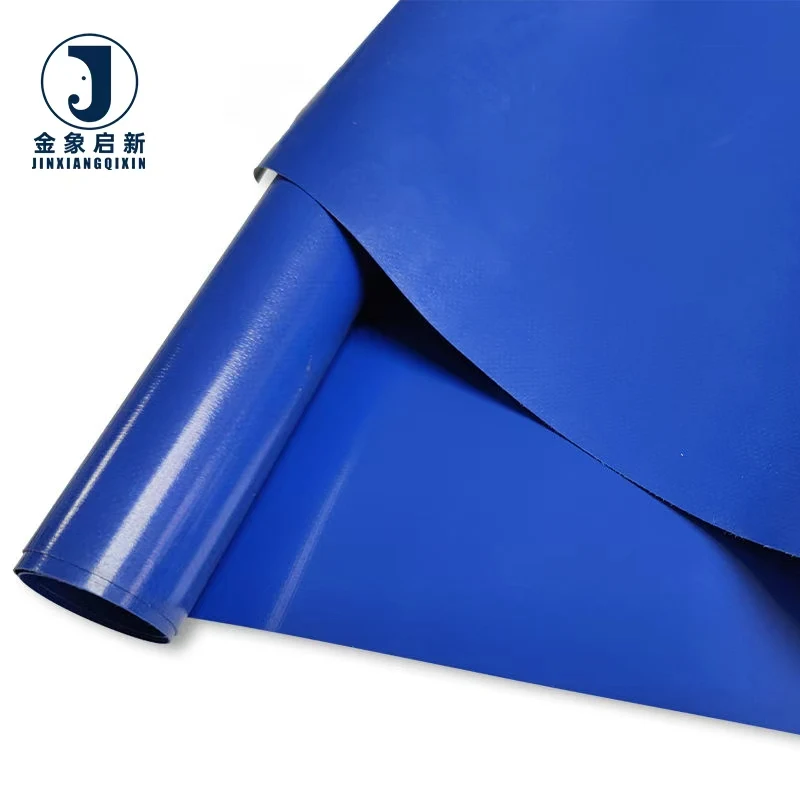
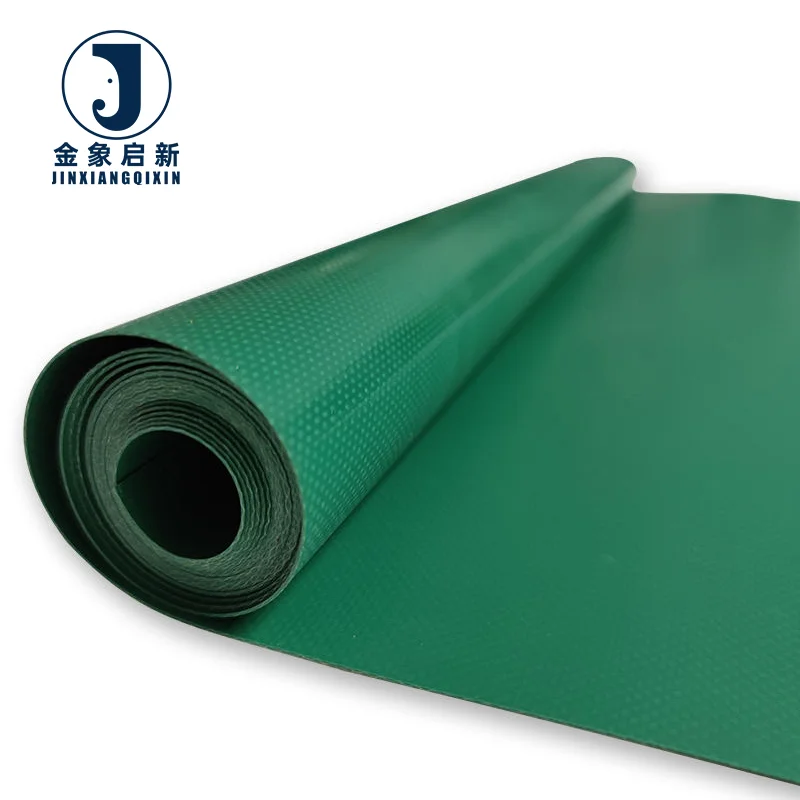
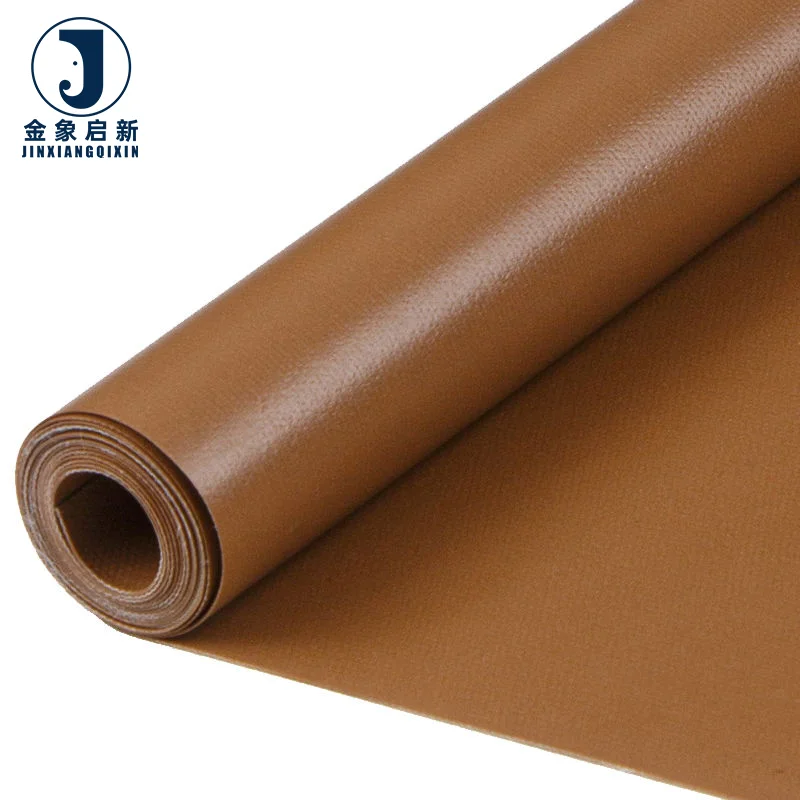
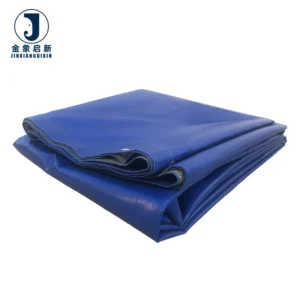
PVC Coated Tarpaulin Roll — 50gr/m² to 220gr/m² GSM range, 0.2-0.4mm thickness, available in blue, green, grey, black, orange and custom colours with waterproof, tear resistant and mildew proof performance.
- Full product range from lightweight to heavy-duty grades, with custom width, colour and pattern printing from design through to delivery for awning, tent and cover manufacturers.
- Base fabric denier, weave density and coating weight together determine tensile and tear behaviour; specifying on GSM alone misses how the fabric performs at welded seams and flex points.
- UV treatment available with test documentation; roll-to-roll batch consistency controlled through in-process QA on coating weight and colour reference.
Each roll ships with a material specification sheet confirming GSM, base fabric and coating type, backed by 100% pre-shipment inspection across three dedicated production lines.
Description
Deep Process Control on Coating Weight and Adhesion — every PE tarpaulin roll is inspected against the agreed GSM before dispatch, with material specification sheets provided for batch traceability.
Technical Specifications
| Parameter | Value |
|---|---|
| Product Type | PVC Tarpaulin Roll |
| Base Fabric | HDPE woven |
| Coating Material | LDPE lamination on both sides |
| Weight (GSM) | 50gr/m² ~ 220gr/m² available |
| Total Thickness | 0.2–0.4 mm / 8–16 mil |
| Waterproof | Yes |
| Tear Resistant | Yes (source value — verify against manufacturer catalog) |
| UV Treatment | Available (test basis not stated) |
| Mildew Proof | Yes |
| Anti-aging | Yes |
| Washable | Yes |
| Color Options | Blue, Blue/Orange, Green, Grey, Black, Clear, Grey/Green, Orange, or custom |
| Certifications | ISO, CE |
Application Suitability
| Application | Exposure & Requirement |
|---|---|
| Awning and tent fabrication | Extended outdoor UV exposure, wind load, repeated folding and tension at seam lines |
| Outdoor equipment and stock covers | Rain, moisture ingress, mildew in humid storage, abrasion from handling |
| Transport and logistics wrapping | Road spray, tie-down friction, UV during transit and open-yard staging |
| Agricultural and aquaculture lining | Continuous water contact, soil chemistry, puncture risk from substrate |
| Tarpaulin distribution and resale | Batch colour consistency across rolls, reliable GSM for buyer trust |
Why Stated GSM Rarely Matches What Arrives at the Dock
Roll weight must be verified per production batch, not assumed from the quotation sheet.
Buyers sourcing PE tarpaulin roll manufacturer stock frequently report that the fabric feels lighter on arrival than the specification promised. The gap between quoted GSM and actual GSM often stems from inconsistent coating application or base fabric substitution during production runs. For awning and tent manufacturers cutting dozens of panels per roll, even a marginal deviation changes the hand feel, the drape, and the structural behaviour under wind load. [NEED_CITE: tensile and tear test methods for coated fabrics per ISO 1421] When a distributor stocks multiple weight grades, a mislabelled roll ends up sold into the wrong application — and the failure comes back to the importer, not the mill.
Sourcing PE Tarpaulin Rolls by Weight Grade and Application Fit
The 50gr/m² to 220gr/m² range covers fundamentally different end uses. Lightweight grades at the lower end serve short-term covers, wrapping, and temporary site protection where cost per square metre drives the purchase decision. Mid-range grades suit general-purpose awning panels and agricultural covers that face seasonal weather cycles. Heavy-duty grades at the upper end handle transport wrapping, reusable equipment covers, and structural tent panels where tear resistance and long-term weathering matter most. Specifying the correct grade starts with understanding the mechanical load and exposure duration your customer expects from the finished product.
Colour Consistency and Custom Options Across Roll Stock
When awning manufacturers stitch panels from different rolls into a single structure, any colour variation becomes immediately visible. The PE tarpaulin roll manufacturer range includes Blue, Green, Grey, Black, Clear, Orange, and dual-tone options such as Blue/Orange and Grey/Green, alongside custom colour matching. Batch-to-batch colour control depends on consistent pigment dosing during the LDPE lamination stage. Buyers ordering container loads across multiple SKUs should request roll-by-roll colour reference documentation to confirm visual consistency before committing to production cutting. [NEED_CITE: colour fastness and batch consistency standards for coated textiles]
Reading the Specifications Beyond the GSM Number
GSM alone does not define how a PE tarpaulin roll will perform in the field. The HDPE woven base fabric provides the structural skeleton — its denier and weave density determine how the material resists tear propagation once a nick or cut initiates. The LDPE lamination on both sides seals the weave, delivers waterproof integrity, and contributes to the overall weight. A roll at 150gr/m² built on a denser base fabric with thinner lamination will tear differently than one at the same GSM built on a looser weave with heavier coating. Total thickness between 0.2 mm and 0.4 mm correlates with puncture resistance and stiffness, influencing how the material handles during fabrication and how it drapes over a frame or load. Anti-aging and mildew-proof formulation is relevant for rolls destined for tropical and subtropical markets where humidity accelerates biological growth on stored or installed fabric. UV treatment is available — confirm the test basis and grade required for your market’s exposure conditions before finalising the specification.
The Hidden Cost of Specifying on Price Per Kilogram Alone
Choosing a PE tarpaulin roll based on the lowest cost per kilogram typically means accepting a lighter base fabric with heavier filler in the coating layer. The result is a roll that meets the GSM target on paper but fails prematurely at stress points — where eyelets pull through, where seams flex under wind load, or where tie-down straps abrade the surface. Distributors who have absorbed returns from end users describe a pattern: the fabric does not fail uniformly across the panel but at the fabricated edges and attachment points where mechanical stress concentrates. [NEED_CITE: coated fabric failure modes at seam and attachment stress points] Batch colour inconsistency compounds the problem when replacement panels do not match the original installation, forcing a full replacement rather than a patch.
What Consistent Roll Supply Actually Requires
Three full production lines and 36 sets of professional equipment support container-volume output with scheduled lead times rather than spot availability. The 10-person R&D team handles custom width slitting, colour matching, and sample development for buyers who need to approve material before committing to a production order. Dedicated quality control at each production stage means GSM, coating adhesion, and colour are checked during the run — not only at final packing. Pre-shipment inspection covers 100% of rolls against the purchase specification before container loading. Samples for custom colours and widths are developed within days, reducing the gap between initial enquiry and confirmed order. [NEED_CITE: quality assurance protocols for coated fabric roll production]
Documentation & Verification
- Material specification sheet confirming GSM, HDPE base fabric type, LDPE coating, and colour reference per roll
- UV treatment documentation — confirm test basis applicable to destination market requirements
- Pre-shipment inspection record verifying weight and dimensions against the order specification
- Roll packing list detailing roll count, individual weight, and dimensions for container load planning
- ISO and CE certificates included with shipment documentation package
- Certificate of origin and customs documentation support for destination-country import clearance
Fabrication, Handling & Storage
- Heat-sealing temperature must match the LDPE lamination grade — test on offcuts before full production runs
- Store rolls upright on pallets to prevent flat-spotting and permanent creasing across the 0.2–0.4 mm material
- Allow cold-stored rolls to reach ambient temperature before unrolling to avoid lamination cracking at the fold
- Use non-solvent cleaners on the LDPE surface to preserve mildew-proof and anti-aging treatment integrity
- Plan panel cutting layout across the roll width to minimise offcuts and maximise yield per kilogram purchased
- Reinforce eyelet and tie-down zones with additional LDPE patches to distribute point loads across the HDPE weave
Requesting the Right Specification for Your Market
Provide the target application and the environmental conditions the finished product will face — this determines whether a lightweight or heavy-duty GSM grade is appropriate. Specify your required roll width, colour references, and whether custom printing or branding is needed on the LDPE surface. Indicate your annual volume and container loading preference so that production scheduling and batch consistency can be planned around your order rhythm. If your destination market has specific compliance or fire classification requirements, state the standard upfront so that the correct treatment grade is confirmed before sampling begins.
Frequently Asked Questions
Q: How is the actual GSM verified against the quoted specification on arrival?
A: Every roll undergoes weight verification during production and again at pre-shipment inspection. The inspection record documents the measured GSM for each roll against the purchase order specification. Buyers receive a material specification sheet with the shipment so that incoming goods can be cross-checked at the receiving dock before the rolls enter production or warehouse stock.
Q: What UV treatment test basis is available and how does it relate to outdoor exposure life?
A: UV treatment is available across the PE tarpaulin range, but the specific test basis and grade must be confirmed for your market’s exposure requirements. Request the applicable test documentation during the sampling stage so that the treatment level matches the expected service conditions — a tent panel in equatorial sun faces different demands than a short-term construction cover in temperate climates.
Q: How do you control colour consistency between rolls within the same order?
A: Pigment dosing is controlled during the LDPE lamination stage, and colour is checked at in-process quality control points. For orders spanning multiple rolls in the same colour, a colour reference is recorded and applied across the full production run. Buyers are encouraged to request roll-level colour documentation and to approve a sample before full production commences.
Q: What custom width, length, and printing options are available, and what are the minimums?
A: Custom roll widths, lengths, and pattern printing are supported by the R&D team with samples developed within days. Minimum order quantities depend on the specific colour, width, and print complexity requested. Provide your target dimensions and annual volume during enquiry so that production scheduling and pricing can be structured around your actual consumption pattern rather than generic tiers.
Q: How are rolls packed and loaded for container shipment to prevent transit damage?
A: Rolls are packed upright on pallets with protective wrapping to prevent crushing, edge damage, and moisture ingress during ocean transit. The roll packing list details individual roll weight and dimensions so that container loading can be planned for weight distribution and secure bracing. Pre-shipment inspection confirms packing condition before the container is sealed.
Related products
-
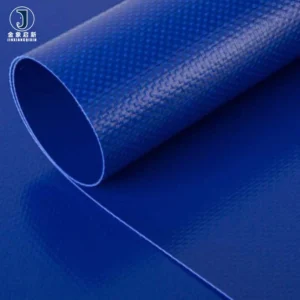
Nylon-coated Trailer Tarpaulin. Waterproof Canvas. Heavy-duty PVC Tarpaulin for Truck Tents
¥1.04 Add to cart -
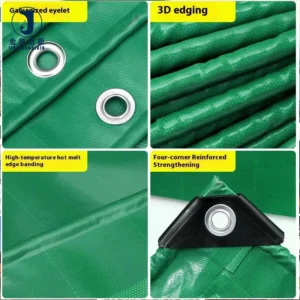
PVC Tarpaulin Waterproof Triangular Tarpaulin Folha De Tarpaulina Truck Tarpaulin
¥0.90 Select options This product has multiple variants. The options may be chosen on the product page -
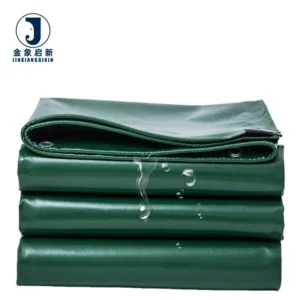
PVC Tarpaulin Industry Fabric PVC Tarpaulin 620gsm for Fish Pond Factory Swimming Pools Cover PE Tarpaulin
¥0.90 Select options This product has multiple variants. The options may be chosen on the product page -
Hot Selling Heavy Duty Waterproof Large Camping Tarp Outdoor Use 500gsm Pvc Laminated Tarpaulin Tent
¥3.20 Add to cart