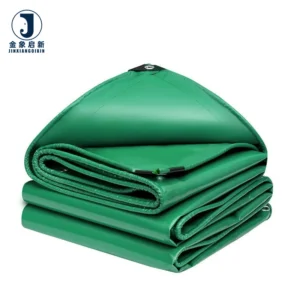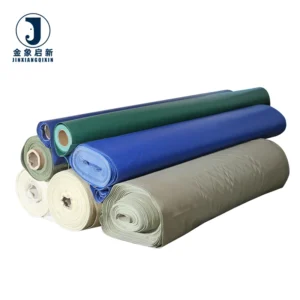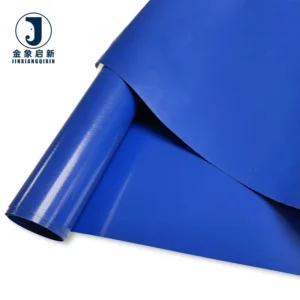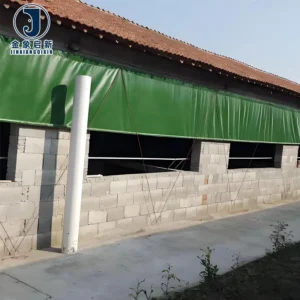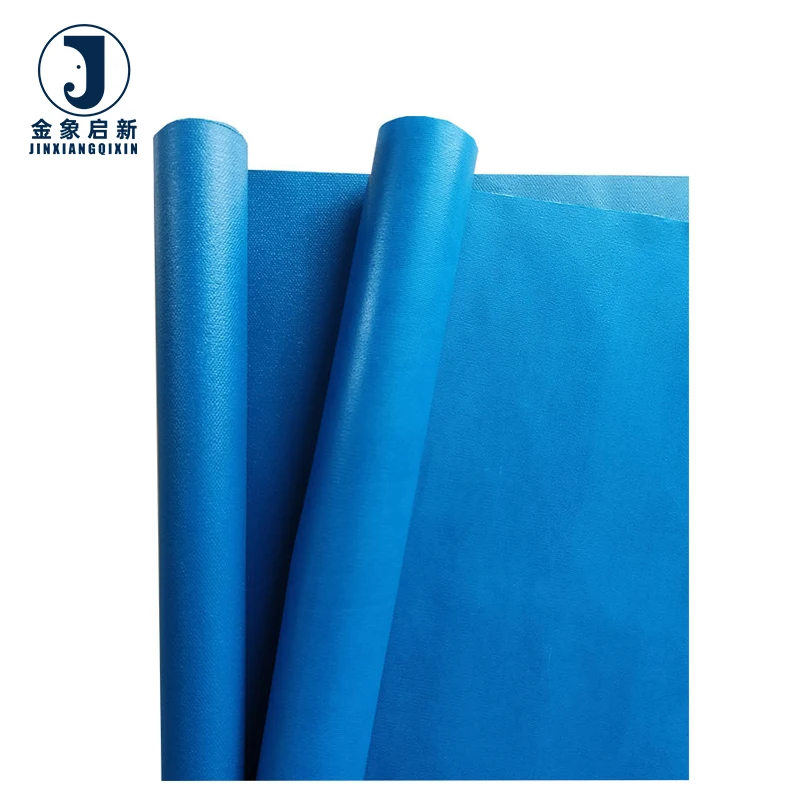
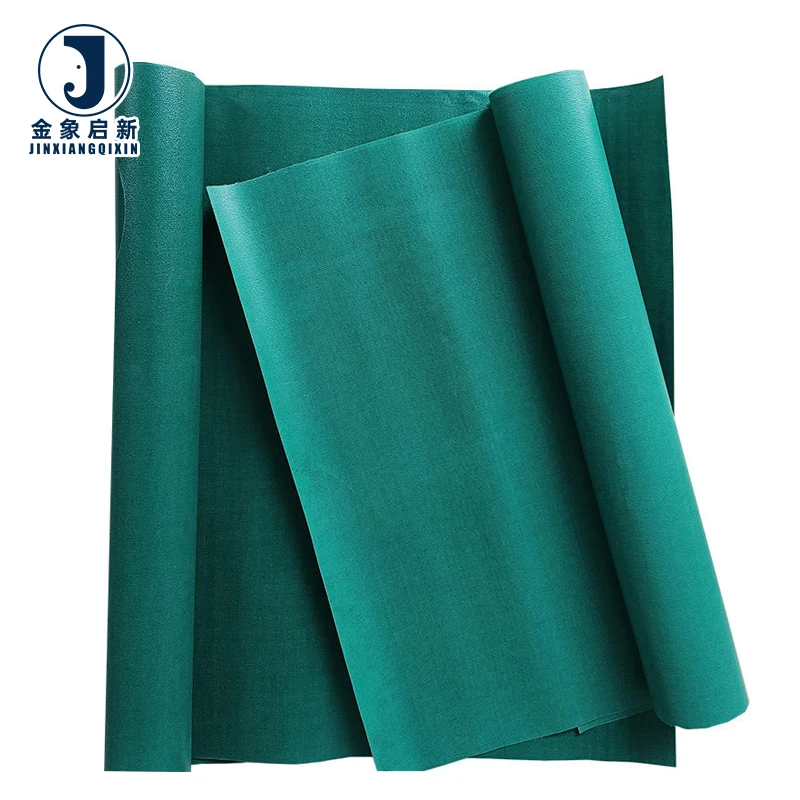
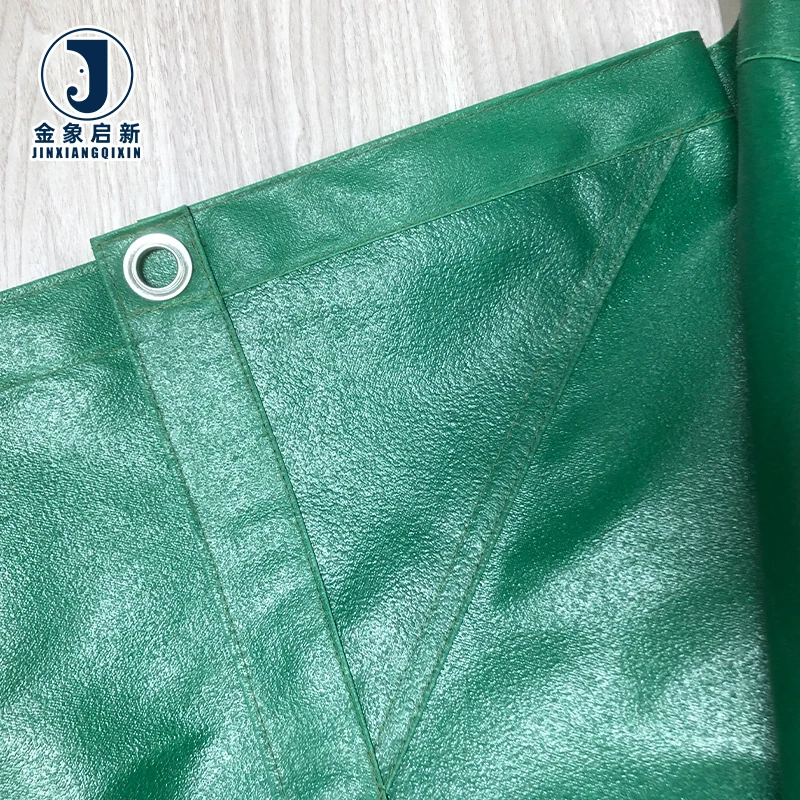
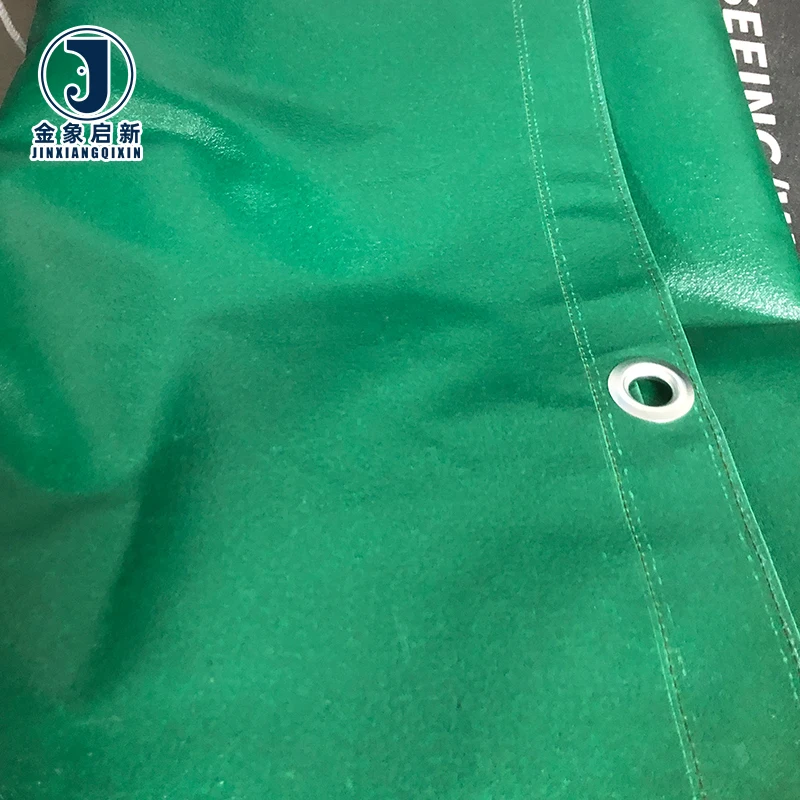
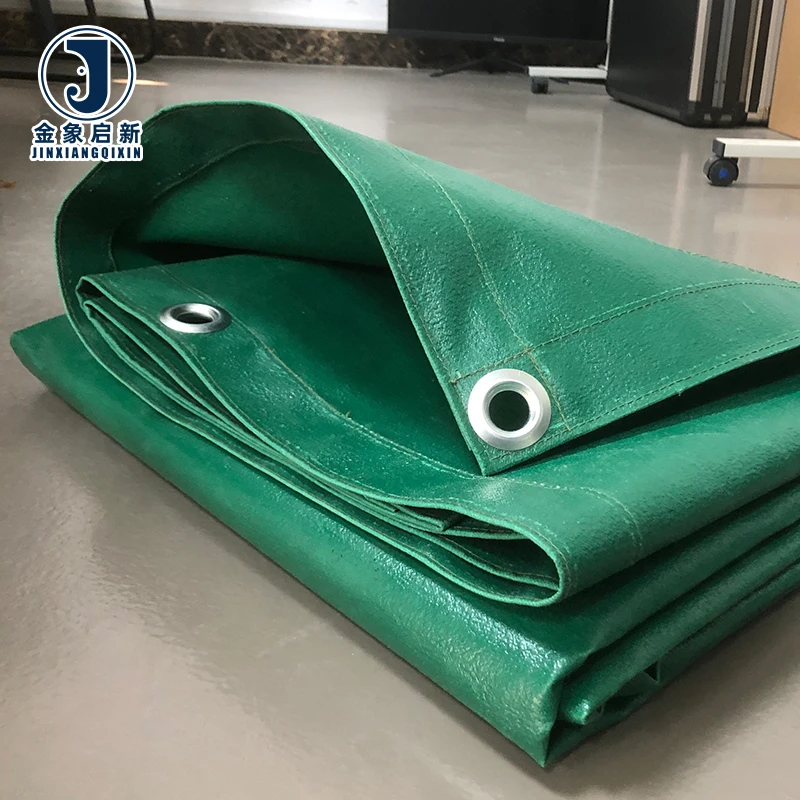
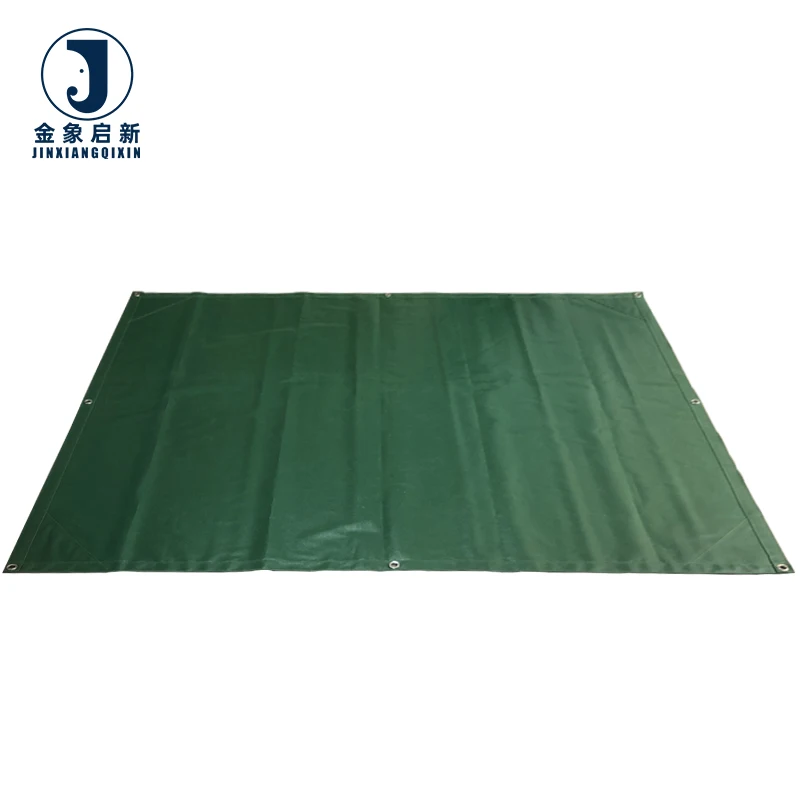
PVC Tarpaulin Roll, 350–750GSM, Hot-Melt Coated — available in 2m×75m and 2.1m×50m rolls, with polyester mesh base and laminated or hot-melt coating for strong adhesion and weld seam performance.
Designed for awning and tent manufacturers sourcing fabric by the roll, this range covers lightweight to heavy-duty grades so you can match GSM to structural load and wind exposure. Batch-to-batch colour consistency keeps large side-by-side installations uniform, while hot-melt bonding delivers reliable peel strength at heat-welded seams.
- Weight: 350 / 420 / 500 / 550 / 600 / 750 gsm
- Thickness: 0.32–0.65 mm
- Colours: Blue, Red, Yellow, Light Blue, Grey or custom
- Treatments: flame retardant, anti-static, anti-cold, anti-mildew
Backed by 100% pre-shipment inspection on every roll, dedicated QA at each production stage, and a 10-person R&D team for custom width, colour and print development.
Description
Proven Process Control — nearly three decades focused on coated fabric manufacturing with dedicated QA/QC at every stage, ensuring the PVC Coated Tarpaulin Roll you specify matches what arrives on your dock.
Technical Specifications
| Parameter | Value |
|---|---|
| Product Type | PVC Coated Tarpaulin Roll |
| Material | PVC + High-strength polyester mesh fabric |
| Coating Technology | Laminated & Hot-melt coating |
| Weight Options | 350gsm, 420g, 500gsm, 550gsm, 600gsm, 750gsm |
| Thickness Range | 0.32mm, 0.35mm, 0.4mm, 0.45mm, 0.5mm, 0.65mm |
| Roll Dimensions | 2m × 75m / 2.1m × 50m |
| Finish Product Size | Custom cut-to-size or inventory stock |
| Color Options | Blue, Red, Yellow, Light Blue, Grey (customized available) |
| Key Features | Waterproof, sunproof, anti-mildew, cold crack resistance, best color fastness, outstanding tearing strength for welding |
| Special Treatments | Flame retardant, anti-static, anti-cold, anti-mildew (grade not stated — confirm required certification for your market) |
| Certifications | ISO, CE |
Application Suitability
| Application | Exposure & Requirement |
|---|---|
| Construction covers | Weather exposure, UV radiation, wind uplift, mechanical abrasion from debris |
| Scaffolding enclosure | Wind load resistance, flame retardant compliance for urban sites, long-term UV exposure |
| Truck awning | Constant flexing at stress points, road grime and chemical exposure, UV degradation |
| Tent cover | UV exposure, rain ingress, wind flutter fatigue, folding crease resistance |
| Fish tank / pool liner | Permanent water immersion, hydrostatic pressure, puncture from substrate |
| Equipment covers | Dust and moisture ingress, repeated deployment and folding, UV exposure during outdoor storage |
Why Material Specification Sheets Prevent GSM Disputes at Delivery
The roll you receive must match the roll you quoted — verified GSM per roll eliminates the most common dispute in coated fabric procurement.
Buyers specify a gsm grade on the purchase order, only to receive rolls that test lighter upon arrival. The material feels thinner, tears earlier than expected, and fails at the weld seam where flex loads concentrate. Without a material specification sheet stating exact GSM, base fabric denier, and coating weight, there is no baseline for rejection or replacement. This PVC Coated Tarpaulin Roll range addresses the problem through dedicated QA/QC with 100% pre-shipment inspection, where each roll is weighed and documented against the stated specification before dispatch. [NEED_CITE: ISO 1421 tensile and tear test methods for coated fabrics]
Coating Adhesion Determines Weld Performance
Hot-melt coating technology bonds the PVC compound to the high-strength polyester mesh at elevated temperature, creating adhesion strength that supports consistent heat welding. When the coating separates from the base fabric during fabrication, the weld fails before the fabric reaches its tensile limit. This matters for tarpaulin distributors and importers who fabricate finished covers, because weld strength determines whether the seam survives the same load cycles as the body material. Available in multiple weight grades from 350gsm to 750gsm, each with matched thickness from 0.32mm to 0.65mm.
Color Consistency Across Multi-Roll Orders
Batch-to-batch color variation becomes visible the moment two rolls are installed side by side on a truck fleet or construction enclosure. The problem is not a single defective roll — it is a procurement coordination failure where multiple production batches ship under one purchase order without color matching verification. Our process controls pigment dosing and coating temperature per batch, and the pre-shipment inspection record confirms color consistency across all rolls in your order. [NEED_CITE: spectrophotometer measurement of color consistency in coated fabric batches]
Weight, Weave, and Why GSM Alone Is Misleading
GSM measures total mass per square meter — it does not distinguish between heavy coating and dense base fabric. Two rolls can share identical GSM yet perform differently: one with thicker PVC coating but sparse yarn count tears easily, while another with tighter polyester mesh and thinner coating resists tear propagation. Laminated and hot-melt coating technologies both influence how the PVC compound penetrates the weave structure. The base fabric denier and thread count determine tensile strength and tear extension, while the coating weight governs waterproofing and surface durability. Selecting the correct grade requires reviewing the material specification sheet — not just the gsm number.
The Hidden Cost of Specifying Without Verification
When flame retardant treatment is claimed without a test report naming the grade and standard, the fabric may pass visual inspection but fail on-site compliance audits. Construction enclosures and scaffolding wraps require documented fire classification — B1, M2, NFPA 701, or equivalent depending on jurisdiction. Similarly, anti-static treatment for mining ventilation or grain storage applications requires surface resistance values tested to relevant standards. Orders placed without requesting the specific test report risk project delays, material rejection, and replacement costs that exceed the original savings from a lower-quoted supplier. [NEED_CITE: flame retardant classification standards for building enclosure fabrics]
Sourcing Confidence Through Process Evidence
Three full production lines and 36 sets of professional equipment support bulk capacity without compromising lead time reliability for PVC Coated Tarpaulin Roll orders. The 10-person R&D team handles material selection, sample development, and custom sizing — samples developed within days when you need to verify color, weight, and hand feel before committing to production volume. Dedicated QA/QC at every production stage means coating weight, adhesion, and color are monitored in-process, not just checked at the end. ISO and CE certified manufacturing with documentation that travels with your shipment: material specification sheet, test reports where applicable, certificate of origin, and full customs support.
Documentation & Verification
- Material specification sheet stating exact GSM, base fabric construction, and coating weight per roll grade
- Test reports for UV and flame-retardant grades where applicable, matched to production batch
- Pre-shipment inspection record verifying weight, width, and color consistency across your order
- ISO and CE certificates included with dispatch documentation
- Certificate of origin and full customs documentation for international shipment
Fabrication, Handling & Storage
- Heat weld parameters must account for coating thickness — 0.32mm and 0.65mm grades require different temperature and dwell time settings
- Roll storage on flat surface prevents permanent creasing that weakens the polyester mesh at fold lines
- Unroll in ambient temperature — cold-stored PVC becomes brittle and may crack when deployed below the material’s cold crack threshold
- Custom width orders minimize off-cuts and reduce the number of weld seams in finished covers
- Clean with mild detergent only; solvent-based cleaners can compromise anti-mildew and flame retardant treatments
Inquiry Guidance for Bulk and Custom Orders
Provide your target GSM, required roll width, and annual volume so we can recommend the correct grade and confirm production lead time. If your application requires flame retardant or anti-static certification, specify the test standard your market requires — available treatments must be matched to your compliance documentation. For custom colors or printed branding, request sample development to verify color fastness and print adhesion before committing to full production volume.
Frequently Asked Questions
Q: How is GSM verified on each roll before shipment?
A: Every roll undergoes weight measurement during our 100% pre-shipment inspection. The inspection record documents the actual GSM against the material specification sheet, so you can confirm the delivered roll matches the quoted grade — whether that is 350gsm, 500gsm, or 750gsm.
Q: How do you control color consistency between rolls in the same order?
A: Pigment dosing and coating temperature are controlled per batch, and the pre-shipment inspection record confirms color consistency across all rolls. For large orders installed side by side, we can schedule production from a single batch to eliminate inter-batch variation.
Q: What flame retardant grades are available, and what test standards do they meet?
A: Flame retardant treatment is available as a special option. Specify the test standard your market requires — B1 per DIN 4102, M2, NFPA 701, or equivalent — so we can confirm the grade and provide the matching test report with your shipment documentation.
Q: What are the options for custom width, length, printing and branding on rolls?
A: Standard roll widths are 2m and 2.1m, with custom widths available. Pattern printing and branding can be applied during production. Request sample development to verify print adhesion and color accuracy before full production commitment.
Q: How are rolls packed and loaded for container shipping?
A: Rolls are packed to prevent edge damage and surface creasing during transit. Container loading plans optimize roll count and weight distribution. Specific packing methods depend on your destination and handling requirements — confirm with your freight forwarder.
Related products
-
Wholesale 650 Gsm Waterproof Outdoor Tarp Roll Pvc Coated Industrial Tarpaulin Roll for Tent
¥1.26 Select options This product has multiple variants. The options may be chosen on the product page -
Custom Reinforced Edges Rip-Stop Rubberized PVC Tarpaulin Industry Covering Vinyl Coated Polyester Tarps for Trucks
¥8.00 Select options This product has multiple variants. The options may be chosen on the product page -
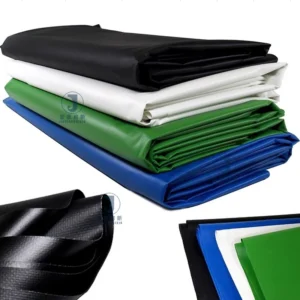
Best Quality 650gsm Waterproof Polyester Heavy Duty Bache PVC Tarpaulin Manufacturer
¥1.25 Select options This product has multiple variants. The options may be chosen on the product page -
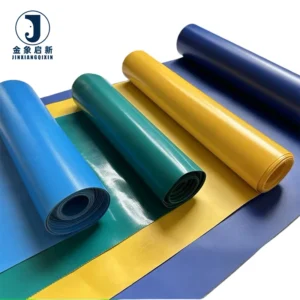
Heavy Duty Fire Retardant Waterproof PVC Coated Tarpaulin Rolling Tarp Materials for Truck Cover Tents Outdoor Usage
¥1.40 Add to cart