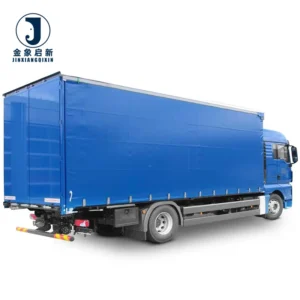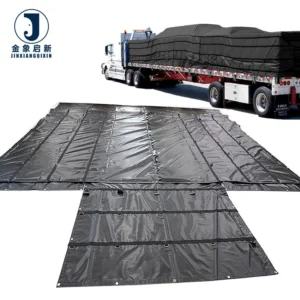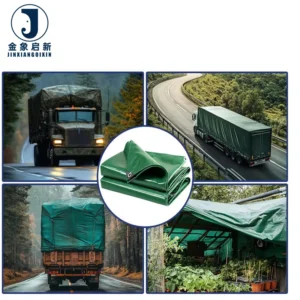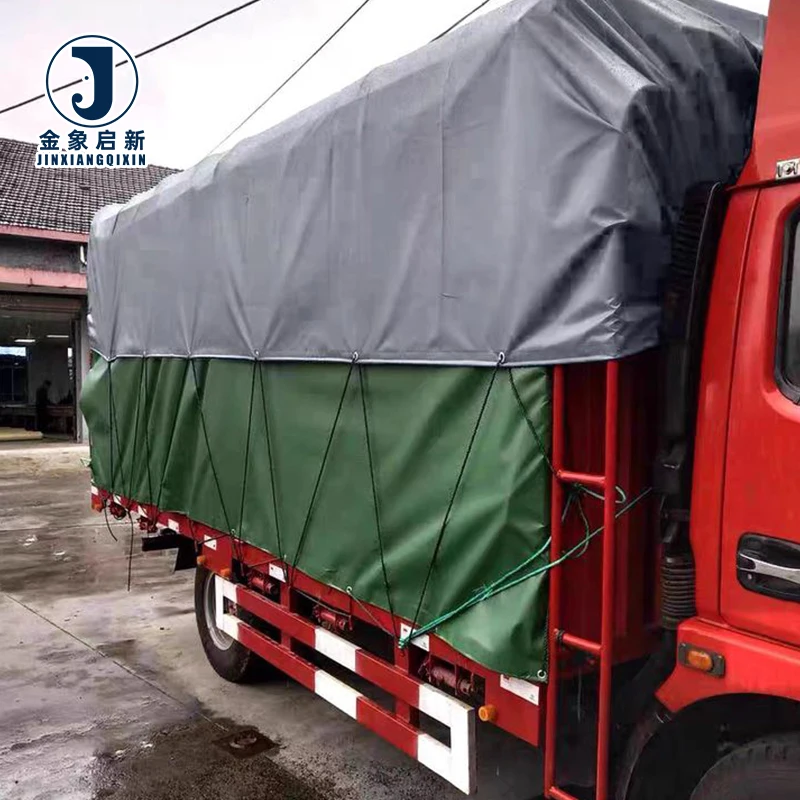
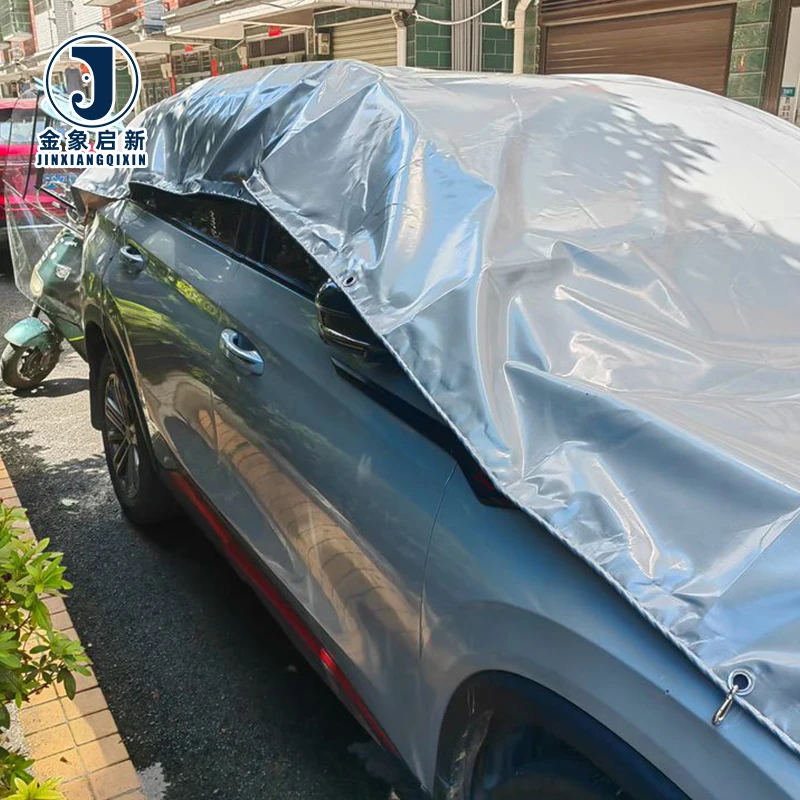
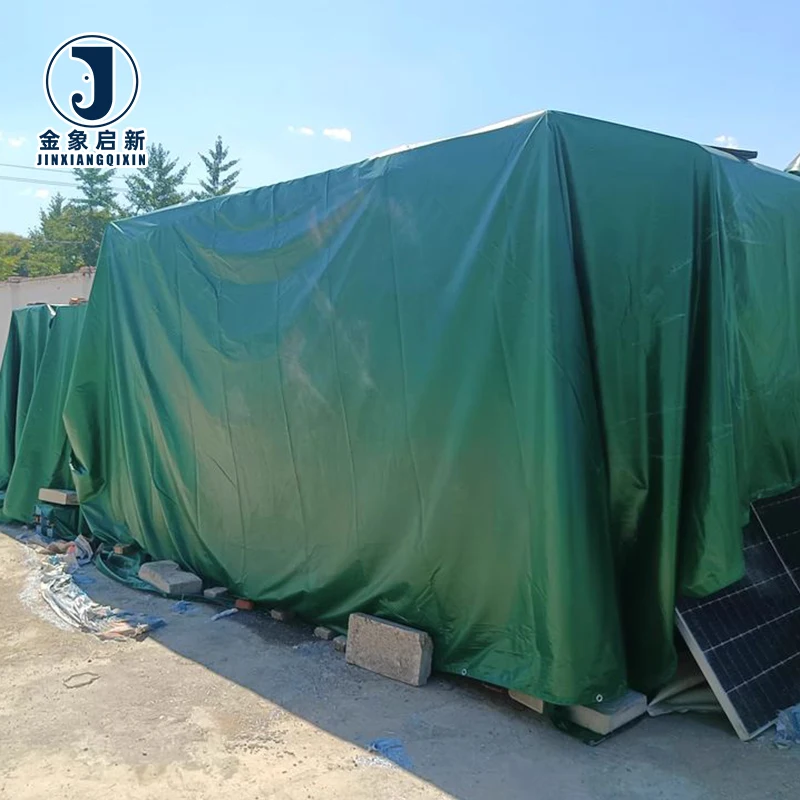
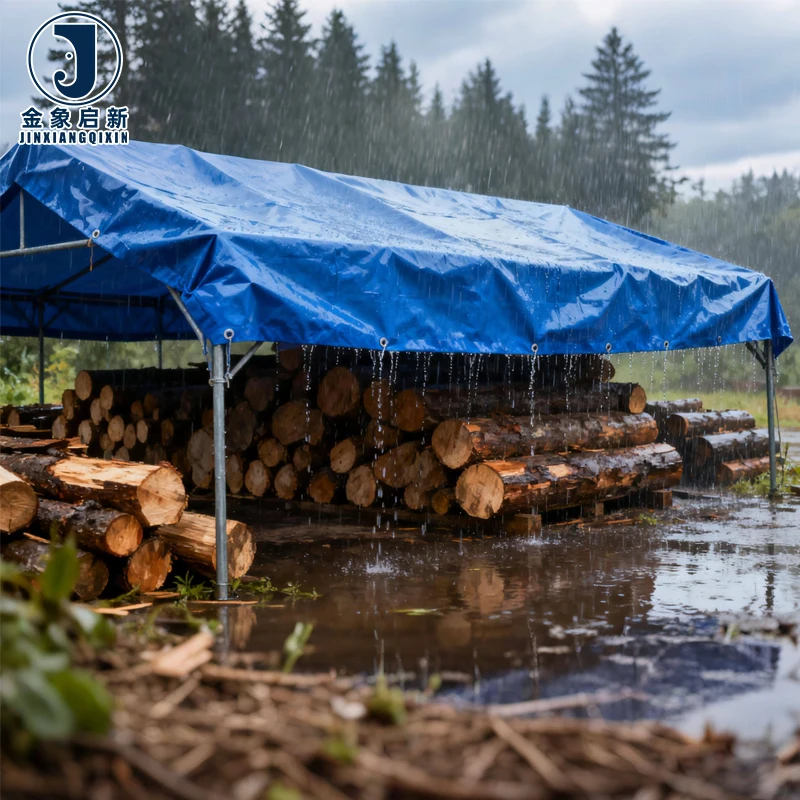
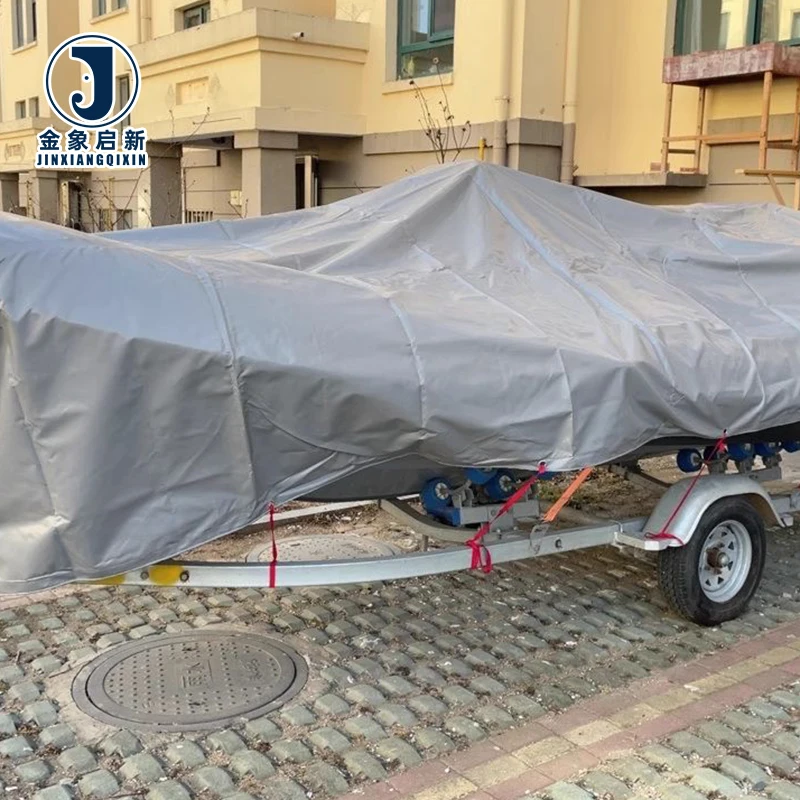
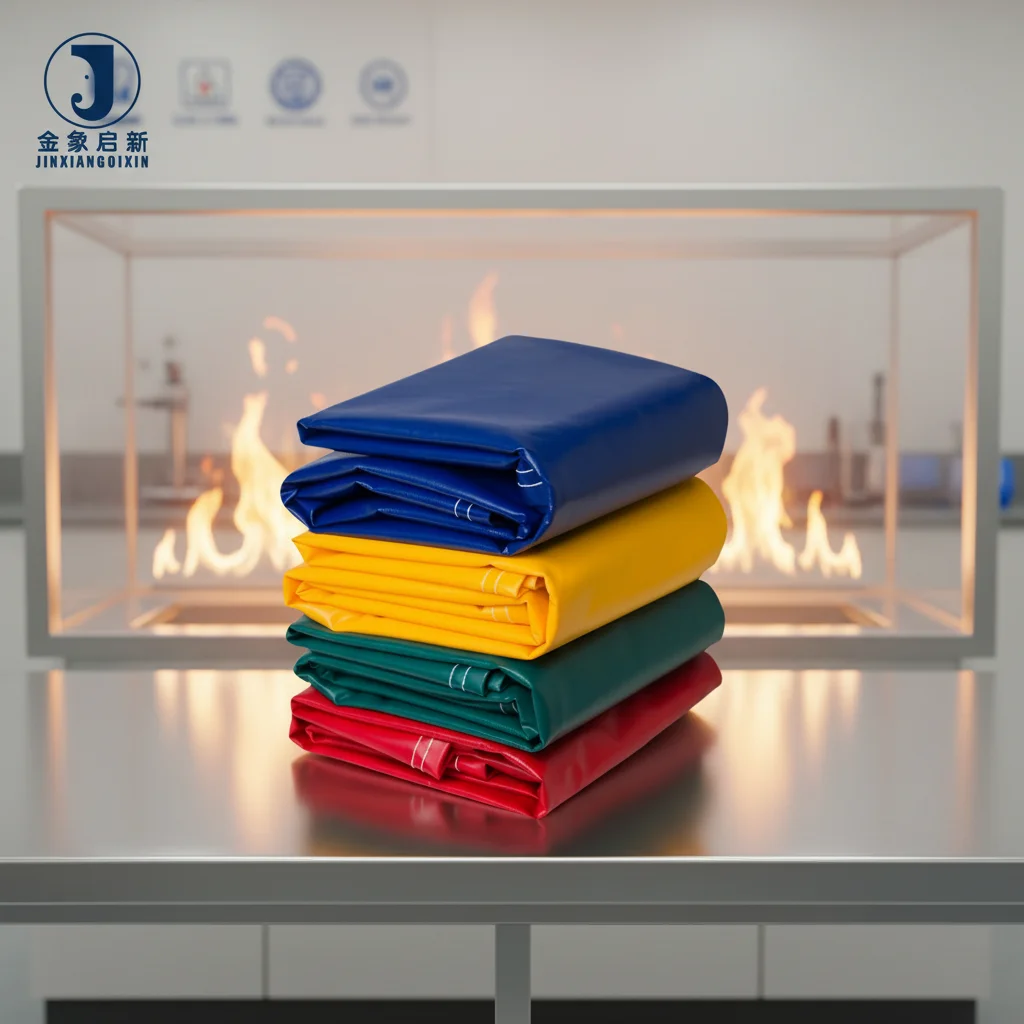
PVC Coated Tarpaulin Truck Cover, 400–1500 g/m², 500D–2000D Polyester Base — hot melt coated with welded seam reinforcement at high-flex zones.
Custom-fit sizing matched to specific truck and trailer models ensures proper eyelet alignment and full cargo coverage. Lamination and hot melt coating technology delivers consistent GSM weight verified at every production stage, while batch-consistent colour eliminates visible mismatch across multiple covers.
Backed by 100% pre-shipment inspection with full documentation including material specification sheets and test reports.
Description
Three Decades of Coated Fabric Control — Hot melt coating and lamination lines producing PVC truck cover tarpaulin with verified GSM and adhesion at every stage, backed by 100% pre-shipment inspection.
Technical Specifications
| Parameter | Value |
|---|---|
| Product Type | PVC Coated Tarpaulin / Truck Cover |
| Base Fabric | 100% high toughness polyester yarn |
| Coating Technology | Lamination technology and hot melt coating technology |
| Weight (Medium-duty) | 400-500 g/m² |
| Weight (Heavy-duty) | 700-1000 g/m² |
| Weight (Super heavy) | 1100-1500 g/m² |
| Thickness (Medium-duty) | 0.35-0.45 mm |
| Thickness (Heavy-duty) | 0.70-1.0 mm |
| Thickness (Super heavy) | 1.2-1.5 mm |
| Base Fabric Denier (Medium-duty) | 500D |
| Base Fabric Denier (Heavy-duty) | 1000D |
| Base Fabric Denier (Super heavy) | 500D-2000D |
| Tensile Strength (Medium-duty) | Warp 1500-2000 N/5cm, Weft 1200-1800 N/5cm |
| Tensile Strength (Heavy-duty) | Warp 2000-2500 N/5cm, Weft 1800-2200 N/5cm |
| Tensile Strength (Super heavy) | Warp 2500-3000 N/5cm, Weft 2200-2800 N/5cm |
| Key Features | Waterproof, cold resistant cracking, mold proof, anti-static, excellent welding tear strength |
| Treatment Options | Flame retardant, anti-static, cold prevention, mold prevention, UV treatment (grades available — confirm the grade required for your market) |
| Standard Sizes Available | 8’x10′, 10’x12′, 12’x16′, 16’x20′, 20’x20′, 20’x30′ |
| Customization | Custom width, length, color, and printing available |
| Certifications | ISO, CE |
Application Suitability
| Application | Exposure & Requirement |
|---|---|
| Truck and trailer load covering | Road vibration, wind flex, UV exposure, abrasion at tie-down points, rain and spray |
| Construction site and equipment protection | Debris impact, prolonged sun exposure, water pooling, dust ingress prevention |
| Farm machinery covering | Field dust, moisture, chemical fertilizer contact, seasonal storage outdoors |
| Logistics and transport fleet operations | Daily rigging and removal, constant flexing at load edges, mixed weather transit |
| Industrial pipe canopy and tensioned structures | Wind load stress, long-term weathering, structural tension at mounting points |
Why Generic-Sized Covers Destroy Fleet Productivity
A PVC truck cover tarpaulin aftermarket supplier must size every cover to the exact trailer model, not to a standard chart.
I once cut a batch of covers using a generic size template for a regional logistics fleet. Three different trailer models in that fleet meant the corner eyelets did not align with the tie-down rails, the fabric pulled tight across one model and sagged loose on another, and the entire batch had to be reworked from scratch. The lesson was expensive. Every PVC truck cover tarpaulin aftermarket supplier worth working with should require a model drawing before cutting a single panel. [NEED_CITE: fleet trailer dimension variance across standard axle configurations]
Model-Specific Fitment Over Generic Dimensions
Truck and trailer manufacturers produce dozens of body configurations even within the same axle class. A PVC truck cover tarpaulin aftermarket supplier that works from a generic size list will deliver covers that either leave the rear corners exposed or bunch fabric at the sides where abrasion concentrates. Our process begins with a model drawing or dimensional survey of your specific vehicle, so the cover reaches every edge and every eyelet lands on a structurally sound anchor point. This eliminates the need for secondary strapping adjustments that wear through the fabric over time.
Weld Integrity at High-Stress Flex Zones
The weakest point on any truck cover is not the fabric itself — it is the welded seam where the load shifts most during braking and cornering. Hot melt coating and lamination technology allows us to control the melt temperature and pressure at each seam, producing a weld that tears at a strength comparable to the parent material. When a PVC truck cover tarpaulin aftermarket supplier uses inconsistent heat settings, the seam delaminates before the base fabric shows any sign of wear. [NEED_CITE: tensile and tear test methods for coated fabrics per ISO 1421]
Reading the Specification Sheet Correctly
GSM weight alone does not define how a PVC coated tarpaulin will perform under a loaded trailer. A 700 g/m² fabric woven from 1000D yarn will resist tearing differently from a 700 g/m² fabric built on a lighter 500D base with heavier coating. The coating weight and the base fabric denier work together — the yarn provides tensile and tear strength, while the coating delivers waterproofing, abrasion resistance, and weldability. Thickness readings between 0.35 mm and 1.5 mm across our range reflect these structural differences. Understanding this relationship prevents the common mistake of specifying by weight alone and receiving a material that feels right in the hand but fails at the flex point.
The Cost of Choosing the Wrong Grade
Selecting a medium-duty 400-500 g/m² cover for a long-haul fleet that runs through varied climates leads to early cracking at fold lines when temperatures drop, because the lighter coating formulation may not include the cold-resistant plasticizer load needed for sustained flex in cold conditions. Conversely, specifying a super heavy 1100-1500 g/m² cover for a farm trailer that only sees seasonal use adds unnecessary weight that makes daily handling difficult for a single operator. The financial impact goes beyond the material cost — a failed cover mid-transit exposes cargo to water damage, and a rejected load at a distribution center carries penalties that far exceed the price difference between two fabric grades. [NEED_CITE: PVC plasticizer migration effects on cold crack resistance in coated fabrics]
Why Procurement Teams Consolidate Here
Our three full production lines and 36 sets of professional equipment mean that bulk orders of PVC truck cover tarpaulin move through coating, welding, and inspection without queueing behind unrelated product runs. The 10-person R&D team handles model-specific pattern development and sample cutting so that your first production cover matches the approved sample exactly. Dedicated QA/QC checks GSM weight, coating adhesion, and seam strength at each production stage rather than relying on a single final check. Custom widths, colours, and printed branding run on the same lines with documented changeover procedures, so batch consistency holds whether you order ten covers or ten container loads.
Documentation & Verification
- Material specification sheet listing GSM, base fabric denier, and coating type for every roll
- Test report for flame retardant and UV treatment grades where applicable to your market
- Pre-shipment inspection record confirming weight and dimensions against your purchase order
- Roll packing list with individual cover identification matching the trailer model schedule
- Certificate of origin and customs documentation prepared per destination country requirements
Fabrication, Handling & Storage
- Hot melt welded seams on 700-1500 g/m² grades require controlled temperature settings to match coating melt point
- Eyelet reinforcement plates should distribute load across the full coating thickness on heavy-duty 1000D base fabrics
- Rolls stored flat on pallets to prevent permanent crease marks in 1.2-1.5 mm super heavy grades
- Cold-condition handling of cold-resistant treated covers requires gradual unfolding to avoid stress whitening at fold lines
- Clean PVC coated surfaces with mild detergent only — solvents degrade the plasticizer in 400-500 g/m² medium-duty grades
Preparing Your Specification Request
Send us the trailer model numbers or dimensional drawings for every vehicle in your fleet, along with the operating climate range and any regulatory requirements for flame retardant or anti-static certification in your destination market. Let us know whether you need finished covers with edge hems and eyelets or roll stock for your own fabrication line, and specify your target colour references so we can confirm batch consistency across your full order volume. We will return a material recommendation with sample options before committing to production.
Frequently Asked Questions
Q: How do you ensure the PVC truck cover matches my specific trailer model dimensions?
A: We require a model drawing or measured dimensional survey for each vehicle type before pattern cutting begins. A sample cover is produced and fitted for approval, and any adjustments are recorded in the production pattern so bulk covers match the approved sample exactly. This prevents the corner tension and eyelet misalignment problems that generic sizing causes.
Q: Can you provide test reports for flame-retardant and anti-UV treatment claims?
A: Yes. Where flame retardant or UV treatment is specified for your order, the shipment includes a test report from a recognized laboratory stating the grade achieved. We do not claim treatment levels without documentation — confirm the grade your market requires so we can match it before production.
Q: What happens if colour varies between covers in the same bulk order?
A: Batch colour consistency is controlled at the coating stage with documented formulation records. Every roll in a single order is coated from the same batch, and a pre-shipment inspection compares covers side by side before packing. If your order spans multiple production runs, we flag this in advance and arrange a colour approval step.
Q: How are welded seams reinforced at high-flex zones where the load shifts?
A: At stress concentration points such as corners and tie-down eyelet rows, we use overlapping weld panels and controlled hot melt temperature to achieve a seam strength that matches the parent fabric. The weld is peel-tested during in-process QA to confirm adhesion before the cover moves to final assembly.
Q: What documentation ships with the covers — certificates, inspection records, and packing lists?
A: Each shipment includes a material specification sheet with GSM and base fabric data, a pre-shipment inspection record verifying weight and dimensions, a roll packing list cross-referenced to your trailer schedule, and certificates of origin. Test reports for any specified treatment grades are included where applicable.
Related products
-
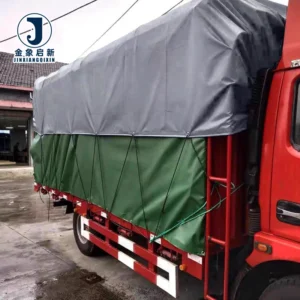
High-Quality Tarpaulin Products for Trucks. Trailers. and More – Coated Tarpaulin. 950 Gsm Pvc Tarpaulin Roll
¥1.48 Add to cart -
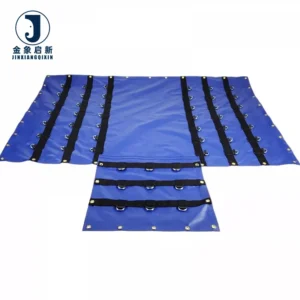
PVC Lumber Tarpaulin 24′ X 27′ with 8ft Drop – Custom Made
Read more -
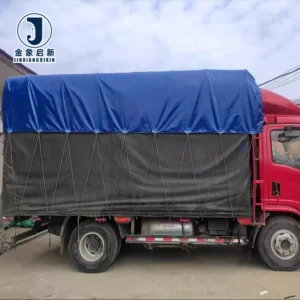
Heavy Duty Tent for Lorry/Laminated Sheet PVC/Vinyl Canvas Tarp for Truck Trailer
¥1.25 Select options This product has multiple variants. The options may be chosen on the product page -
Custom Made PVC Truck Cover for Trailers – Full Range
Read more