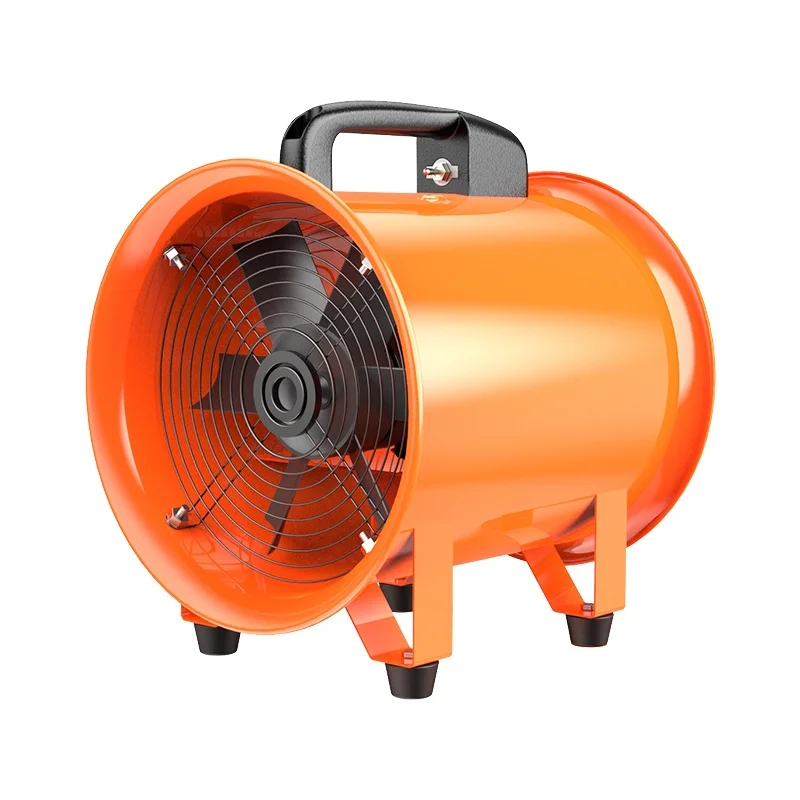
Portable Axial Flow Exhaust Fan — 200-900mm sizes, 220V/380V, cast iron housing with ball bearing motor.
- Air volumes from 1,300 to 28,000 m³/h across 11 diameter options
- Total pressure range 140-320 Pa for confined space ventilation
- Noise levels 57-88 dB(A) depending on size and speed
Cast iron construction delivers heat dissipation and structural rigidity in tight installation spaces where standard ventilation units cannot operate reliably. Each size is matched to specific air volume and pressure requirements for construction sites, workshops and confined area exhaust applications.
Backed by dedicated QA at every production stage with 100% inspection before dispatch.
Description
Precision-Engineered Ventilation — Each portable axial flow exhaust fan undergoes 100% pre-shipment inspection to verify air volume and pressure performance before dispatch, ensuring your confined space ventilation system operates as specified from day one.
Technical Specifications
| Parameter | Value |
|---|---|
| Product Type | Portable Axial Flow Exhaust Fan |
| Size Options | 200mm / 250mm / 300mm / 350mm / 400mm / 450mm / 550mm / 650mm / 750mm / 850mm / 900mm |
| Power Range | 250W / 370W / 550W / 750W / 1100W / 2200W / 3000W / 4000W / 5500W |
| Air Volume | 1300 / 2100 / 3000 / 4500 / 5300 / 10000 / 11000 / 18700 / 22500 / 26000 / 28000 m³/h |
| Total Pressure | 140 / 167 / 170 / 180 / 210 / 215 / 230 / 260 / 320 Pa |
| Voltage | 220V / 380V |
| Noise Level | 57 dB(A) to 88 dB(A) |
| Bearing Type | Ball Bearing |
| Housing Material | Cast Iron |
| Standards | CE |
| ODM | Available |
Application Suitability
| Application | Exposure & Requirement |
|---|---|
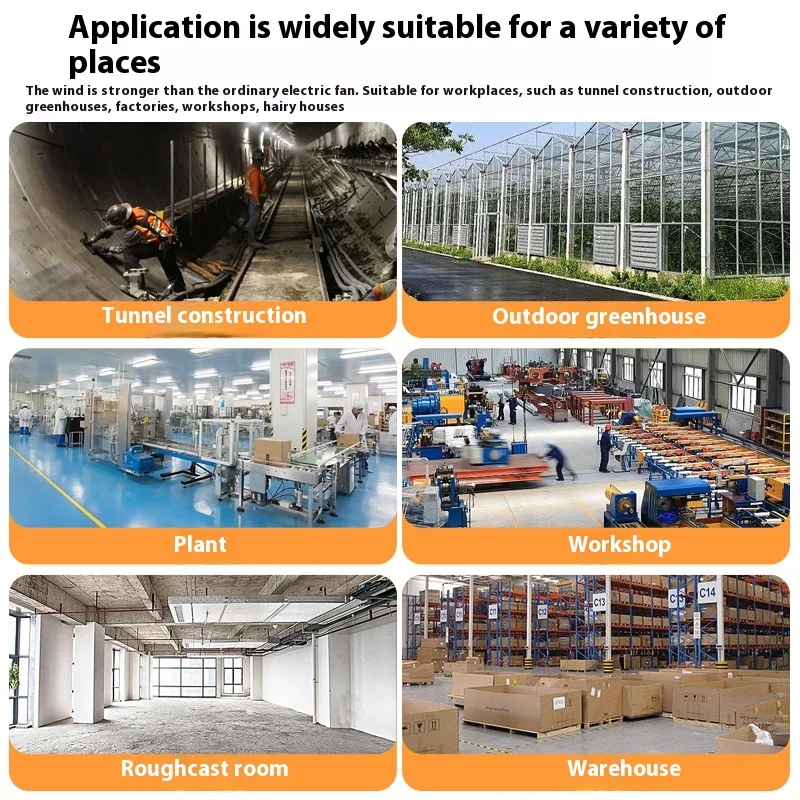
| Mining and tunnelling ventilation | Confined underground workings requiring continuous airflow, dust extraction, and compliance with fire-retardant and anti-static duct standards |
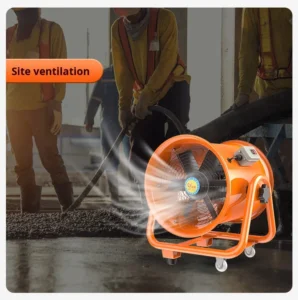
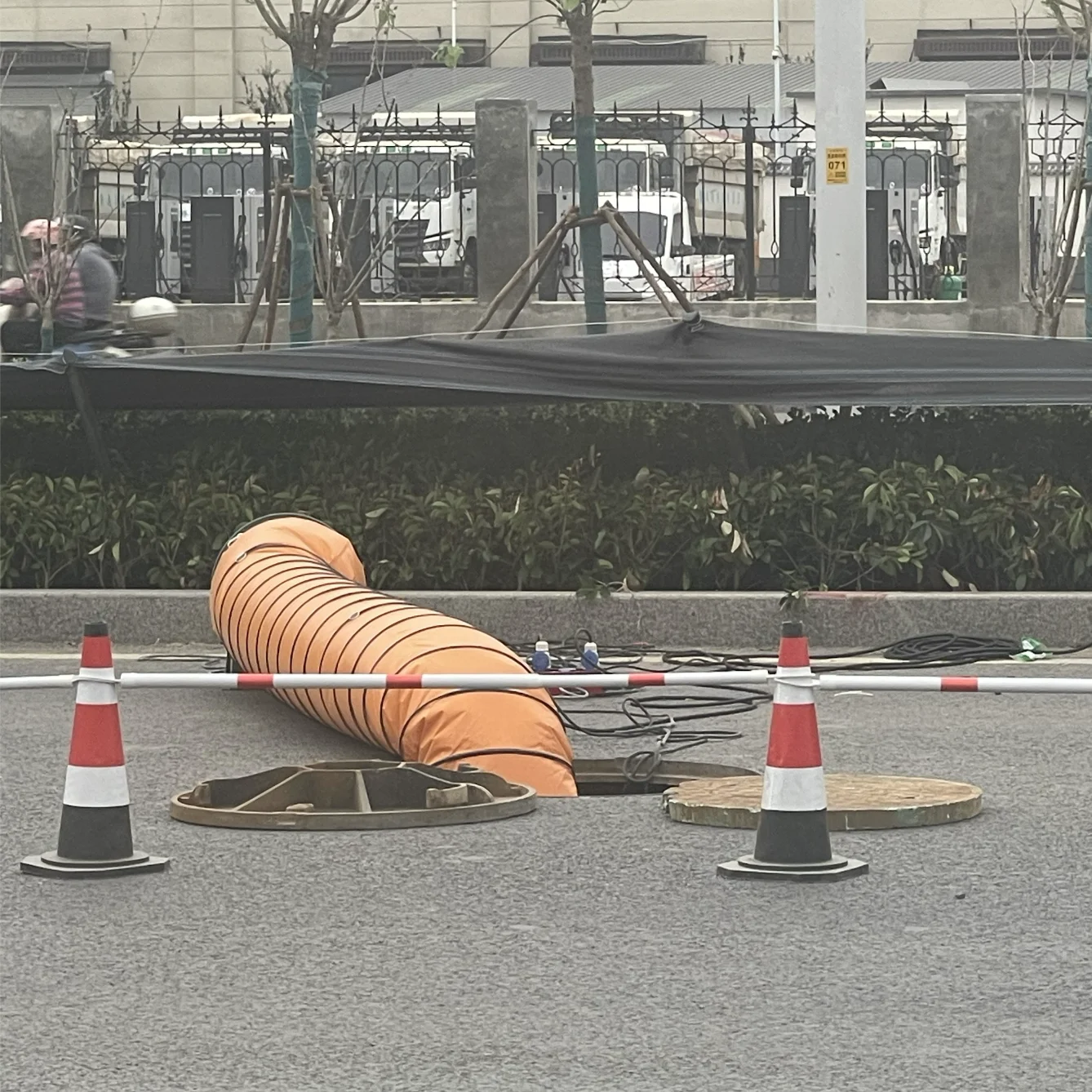
| Construction site confined space exhaust | Temporary enclosures and trenches where fume accumulation poses worker safety risks, demanding portable and repositionable equipment |
| Workshop and factory air circulation | Indoor environments with welding fumes, solvent vapours, or heat buildup needing sustained volume exchange |
| Aviation and industrial maintenance | Aircraft hangars and enclosed bays where portable fume extraction must reach tight access points without permanent ductwork |
Why Ventilation Duct Certification Matters More Than Fan Specs Alone
A fan moves air, but the duct carries it safely through regulated spaces — without the correct certification on the fabric, your entire ventilation system fails site inspection.
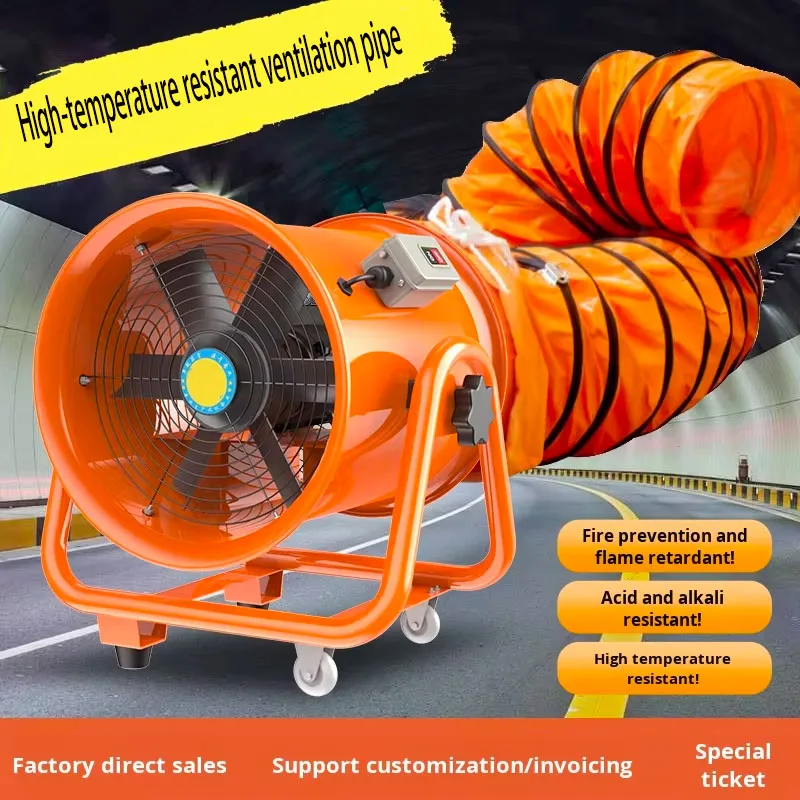
Mining and tunnelling contractors frequently specify ventilation equipment based on airflow and pressure ratings, only to discover during site audits that the flexible duct fabric lacks the fire-retardant or anti-static certification their jurisdiction requires. The fan performs correctly, but the paired duct material does not meet the compliance standard, halting operations until replacement material arrives. This mismatch accounts for a significant share of ventilation-related project delays in underground construction [NEED_CITE: fire-retardant and anti-static certification requirements for underground ventilation duct per regional mining regulations]. Sourcing the Portable Axial Flow Exhaust Fan together with certified duct fabric from a single supplier eliminates this gap, ensuring every component in the ventilation chain carries the documentation the site safety officer needs.
Matching Fan Output to Duct Diameter and Run Length
Selecting the correct Portable Axial Flow Exhaust Fan manufacturer means understanding how air volume and total pressure interact with your duct layout. A 900mm fan delivering 28000 m³/h may overwhelm a smaller duct diameter, creating turbulence and pressure loss that reduces effective airflow at the working face. Conversely, undersizing the fan for a long duct run with multiple bends results in insufficient air delivery where workers need it most. Each size in this range — from 200mm to 900mm — corresponds to specific duct diameters and maximum practical run lengths, and the correct pairing depends on your site geometry and airflow targets.
Dual Voltage Compatibility Across International Job Sites
Construction and mining projects frequently operate in regions where power supply standards vary between 220V single-phase and 380V three-phase configurations. This fan series supports both voltage options across the power range, allowing procurement teams to specify equipment that matches local electrical infrastructure without requiring transformers or converters on site. The 220V/380V dual compatibility reduces mobilisation complexity for contractors working across multiple jurisdictions, particularly in regions where site power availability changes between project phases [NEED_CITE: voltage compatibility standards for industrial ventilation equipment in international construction projects].
Understanding Air Volume, Pressure, and Noise Trade-offs
The relationship between air volume and total pressure determines whether a fan can push air through your entire duct run at the required rate. Higher air volume ratings suit short, straight duct runs with minimal resistance, while higher total pressure ratings are necessary when duct runs include bends, reducers, or extended lengths. The ball bearing construction maintains consistent rotational performance under continuous duty, reducing the vibration-induced noise escalation that sleeve bearing units typically exhibit over time. Cast iron housing adds mass that dampens operational vibration, contributing to the noise range of 57 dB(A) to 88 dB(A) depending on the selected size and power setting. Selecting the correct combination requires knowing your duct layout, required air changes per hour, and any site noise restrictions that apply during specific shifts.
The Hidden Cost of Undersizing Your Ventilation Fan
When contractors select a fan based on initial equipment cost rather than calculated airflow requirements, the consequences emerge during operation rather than at procurement. Workers in confined spaces experience inadequate air exchange, leading to heat stress, fume accumulation, or dust concentration that triggers safety inspections and work stoppages. Oversized fans operating against undersized ducts generate excessive turbulence, accelerating wear on duct fabric at connection points and increasing the frequency of duct replacement. These operational failures rarely trace back to the original specification decision in project post-mortems, yet they represent preventable costs that correct fan sizing and duct matching would have avoided [NEED_CITE: confined space ventilation failure modes and their impact on project timelines].
Why Procurement Teams Source Ventilation Systems Here
Three full production lines and 36 sets of professional equipment support bulk orders with consistent on-time delivery, whether you need a single fan for a pilot test or a container load for a multi-site rollout. A 10-person R&D team handles ODM customisation, adapting fan configurations to non-standard voltage requirements, specialised mounting arrangements, or specific duct connection interfaces. Dedicated QA/QC inspection occurs at every production stage, with 100% pre-shipment verification ensuring each unit meets stated air volume and pressure ratings before packing. Nearly 30 years of industrial manufacturing experience underpins the process control that keeps cast iron housing tolerances and ball bearing assemblies within specification across production batches. Sample development within days allows buyers to validate physical fit and performance before committing to volume orders.
Documentation & Verification
- CE certificate covering portable axial flow exhaust fan electrical safety and performance
- Material specification sheet stating size, power, air volume, and total pressure for each unit
- Pre-shipment inspection record confirming tested performance against quoted specifications
- Performance test report documenting air volume and pressure measurements at rated voltage
- ODM configuration record detailing any custom modifications applied to standard fan models
Fabrication, Handling & Storage
- Verify duct diameter matches fan outlet size before connection to prevent airflow leakage at the junction
- Secure cast iron housing with anti-vibration mounts to reduce transmitted noise in occupied workspaces
- Store 380V units in dry conditions to prevent terminal corrosion before electrical connection
- Inspect ball bearing assemblies for smooth rotation after extended storage or transport vibration exposure
- Position fan on stable, level surface to maintain impeller balance and prevent housing stress cracks
- Route power cables away from sharp edges and high-temperature surfaces near the fan installation point
Request a Ventilation System Quote
Provide your duct diameter, total run length including bends, and required air volume at the working face so the correct fan size and power rating can be specified. Include your site voltage availability and any fire-retardant or anti-static certification requirements for paired duct fabric to ensure full compliance documentation accompanies your order. Specify whether standard configurations meet your needs or if ODM modifications such as custom mounting brackets or non-standard electrical connections are required.
Frequently Asked Questions
Q: How do I match fan size and air volume to my duct diameter and run length?
A: Calculate the required air changes per hour for your confined space volume, then select a fan whose air volume rating exceeds that requirement while its total pressure rating overcomes the resistance of your duct length and bends. Larger diameters reduce friction loss over distance. Our team can review your duct layout and recommend the appropriate size from the 200mm to 900mm range.
Q: What fire-retardant and anti-static certifications apply to mining and tunnelling ventilation?
A: Underground ventilation requirements vary by jurisdiction, but most mining regulations mandate both fire-retardant and anti-static properties on flexible duct fabric to prevent ignition and static discharge hazards. Confirm the specific standard your site safety officer requires, and we will supply paired duct fabric with the corresponding test reports and certification documentation.
Q: What lead time and ODM options are available for non-standard fan configurations?
A: Standard sizes ship within typical production schedules, while ODM modifications such as custom voltage configurations, specialised mounting interfaces, or non-standard outlet diameters require additional development time. Our 10-person R&D team evaluates each custom request and provides a quotation with lead time after reviewing your specification requirements.
Q: Can these fans operate on both 220V and 380V power supplies?
A: Yes, the full range from 250W to 5500W supports both 220V single-phase and 380V three-phase configurations. Specify your site voltage at the time of order so the correct motor winding is installed. This dual compatibility eliminates the need for on-site transformers when moving equipment between projects with different power infrastructure.
Q: Can you supply the ventilation duct fabric together with the portable fans?
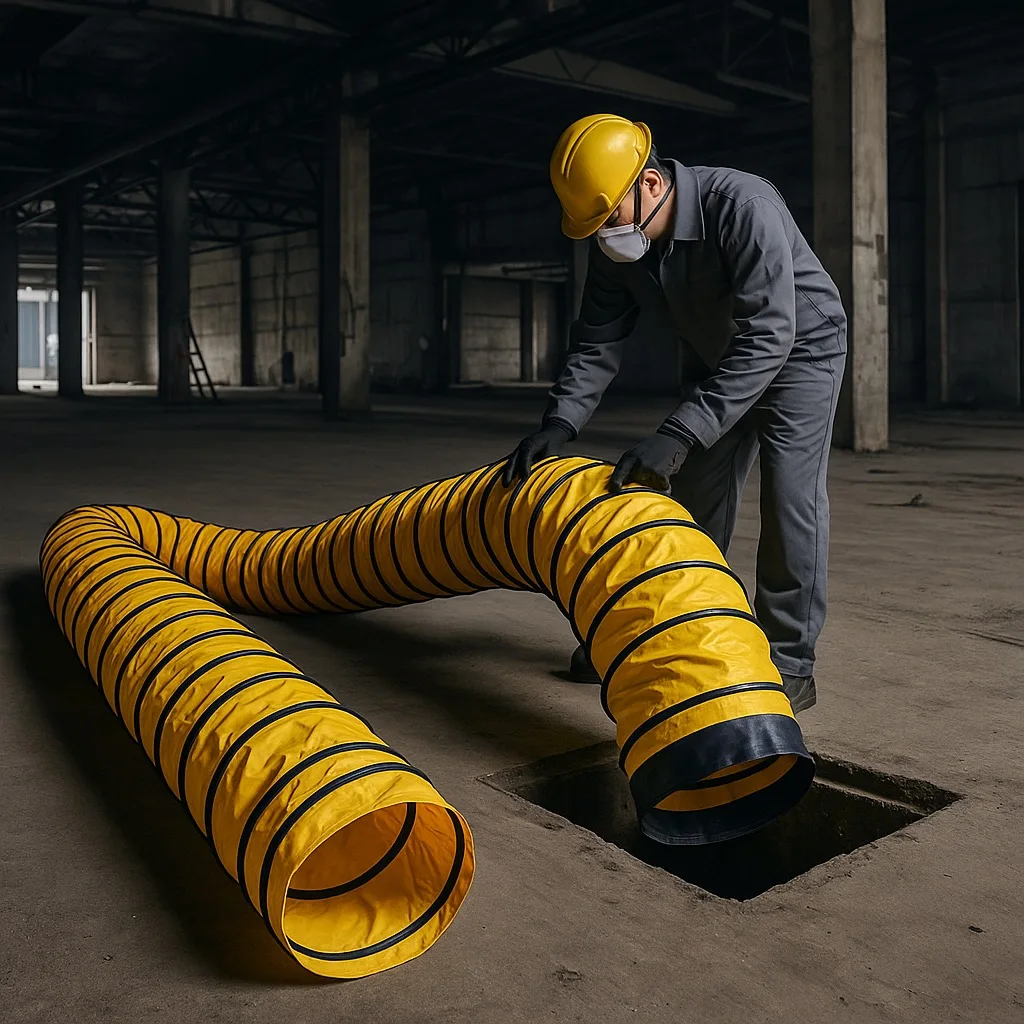
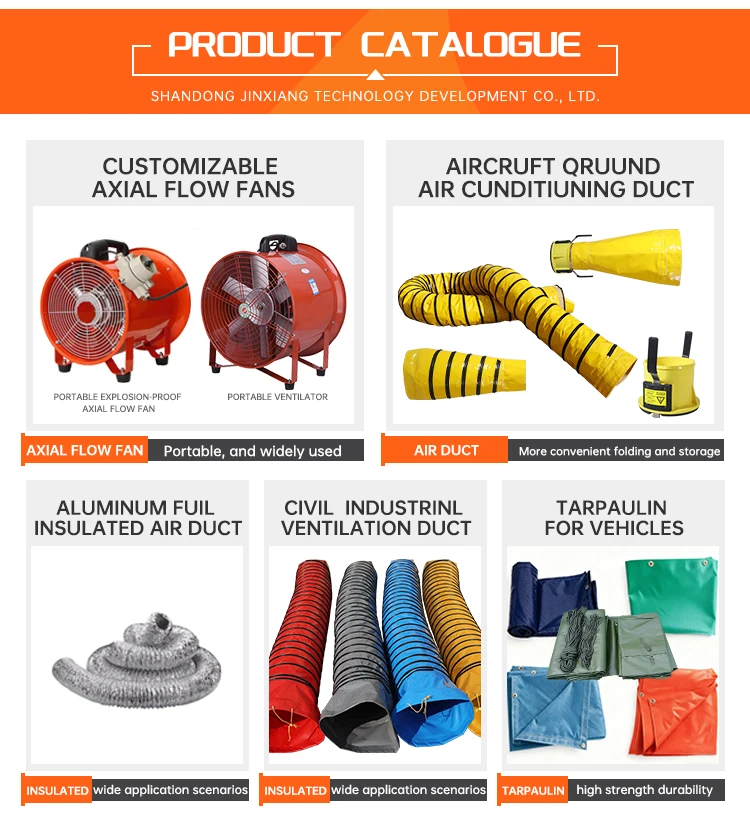
A: Yes, we supply fire-retardant and anti-static flexible ventilation duct alongside the Portable Axial Flow Exhaust Fan as a complete system. This ensures duct diameter matches fan outlet size, certification covers all components, and a single supplier handles documentation for the entire ventilation installation from fan to working face.
Related products
-
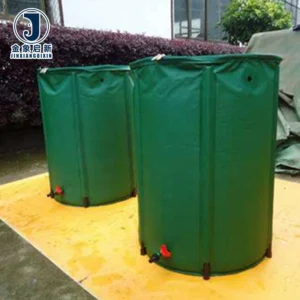
Custom Made PVC Waterproof Fabric Rain Tank for Irrigation – Manufacturer
Read more -
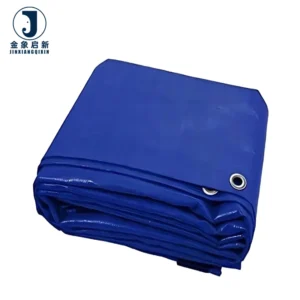
FLFX 650 Gsm 630 Gsm High Strength Truck Cover Waterproof PVC Tarp Ripstop Tarpaulin
¥1.80 Select options This product has multiple variants. The options may be chosen on the product page -
Flexible PVC Tarpaulin Water Tank for Rainwater Harvesting – Custom Made
Read more -
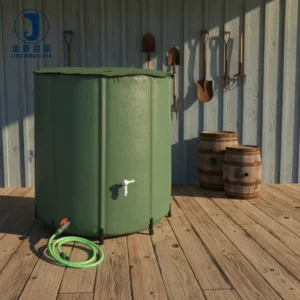
Collapsible PVC Rain Water Tank for Garden – Custom Made
Read more