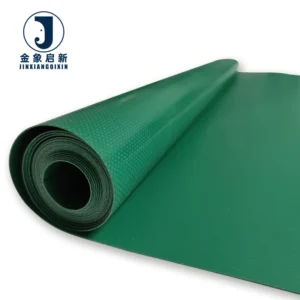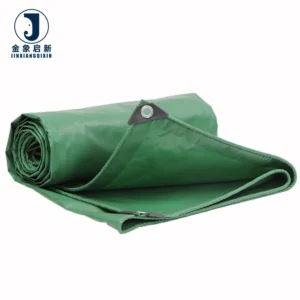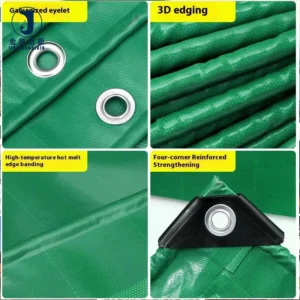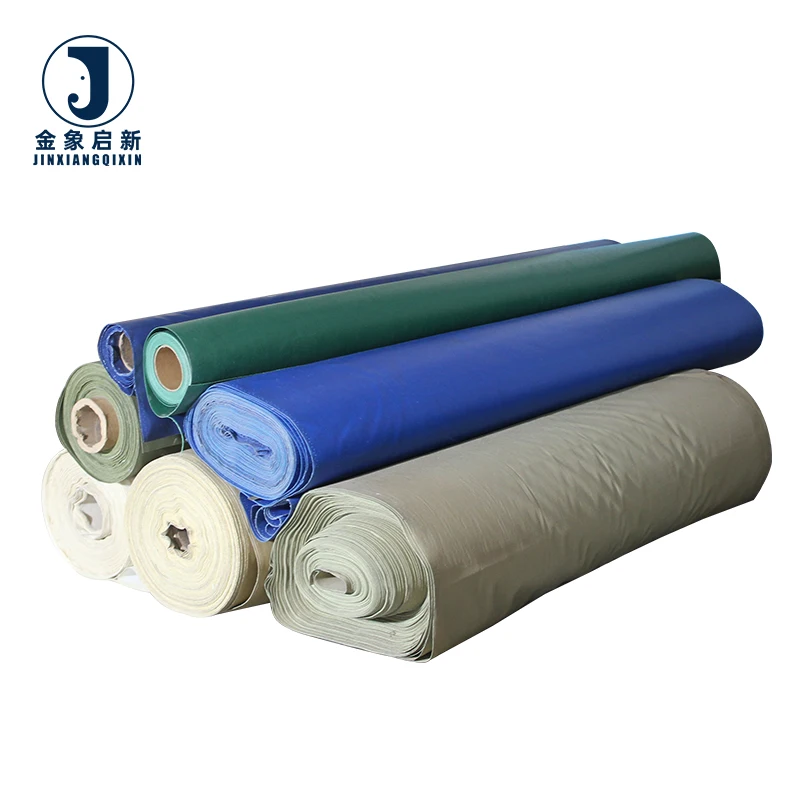
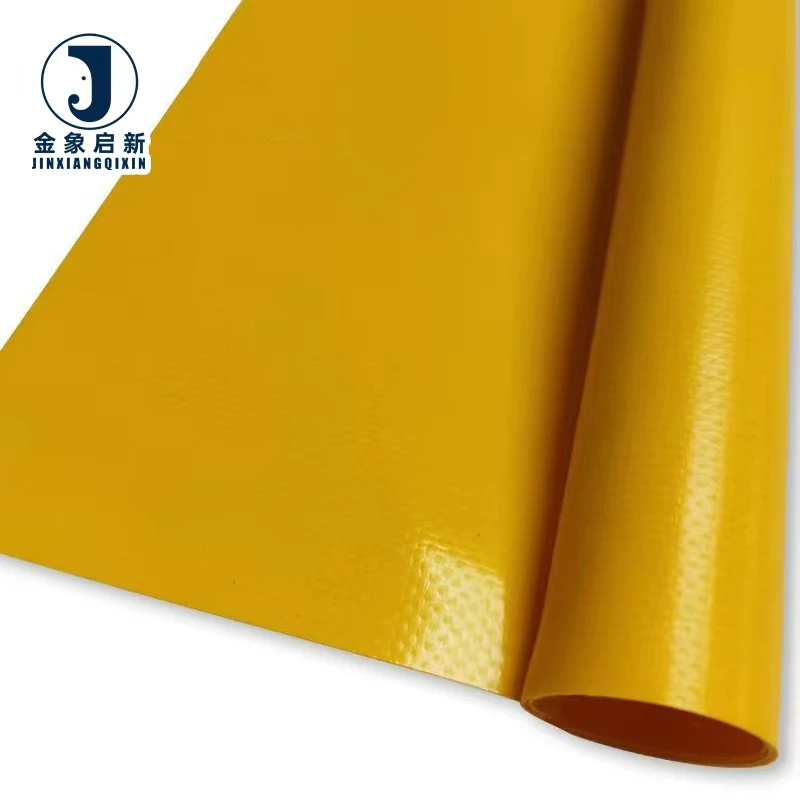
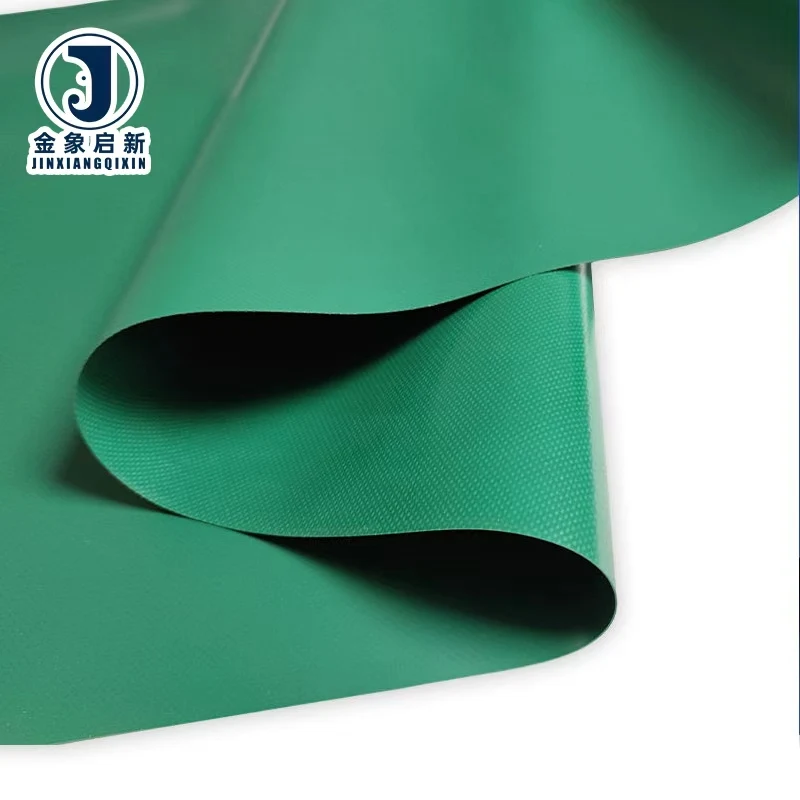
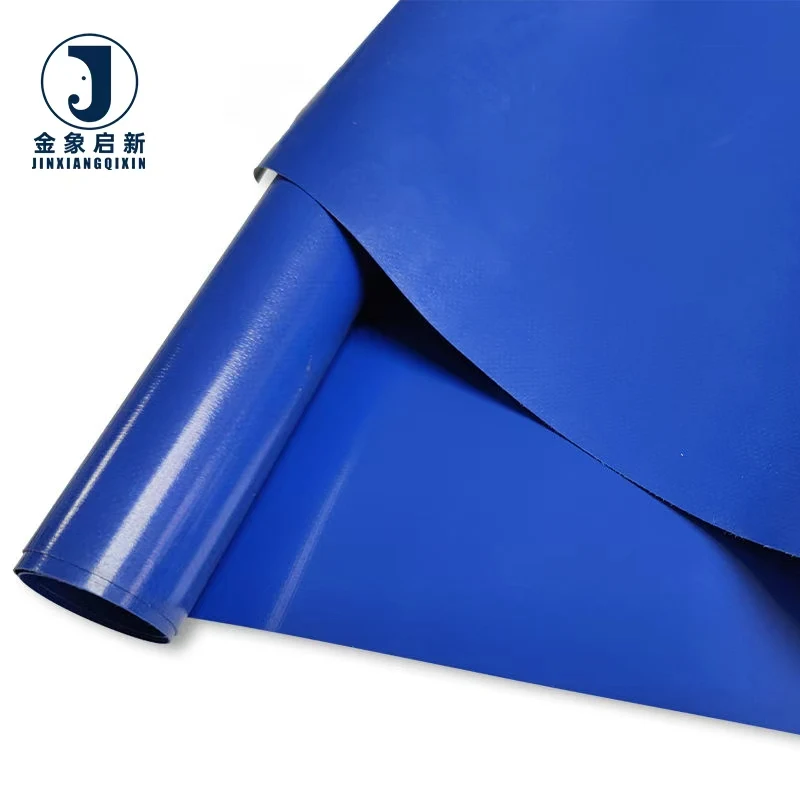
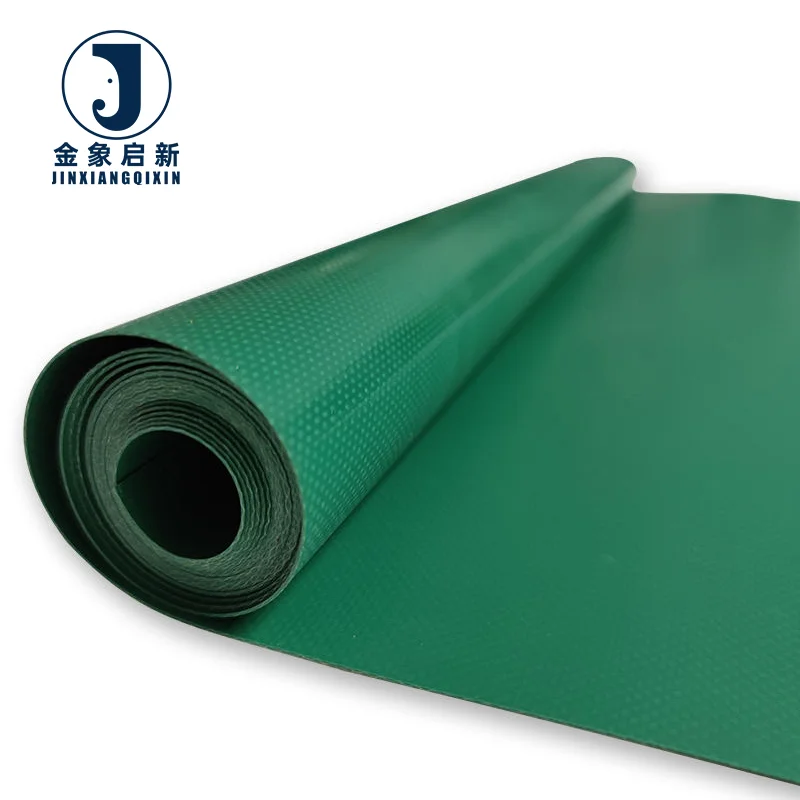
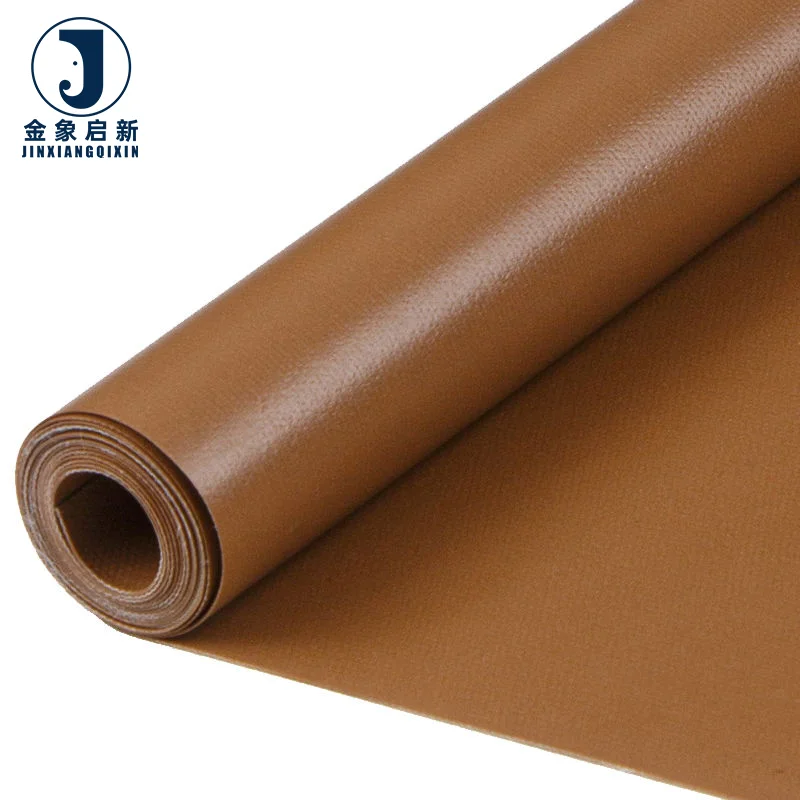
Waterproof PVC Tarpaulin Roll — HDPE woven base with LDPE lamination, 50gr/m2 ~ 220gr/m2, 0.2-0.4mm thickness, UV and mildew resistant treatment.
- Supports awning and tent manufacturers with batch-consistent roll stock where color match and coating weight hold across the full production run
- GSM verified at coating stage with pre-shipment inspection, so the fabric you quote is the fabric you receive
Description
Coating Consistency — deep process control over lamination weight verified at every production stage to prevent the lightweight material surprises that plague awning and tent manufacturers.
Technical Specifications
| Parameter | Value |
|---|---|
| Product Type | PVC Coated Tarpaulin |
| Material | HDPE weaving with LDPE lamination on both sides |
| Weight Range | 50gr/m2 ~ 220gr/m2 |
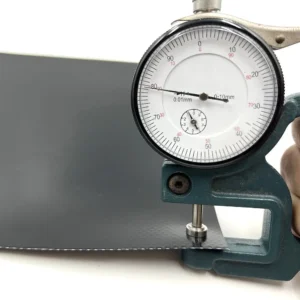
| Thickness | 0.2-0.4mm / 8 mil-16 mil / Custom |
| Color Options | Blue, Blue/Orange, Green, Grey, Black, Clear, Grey/Green, Orange, or custom color |
| Key Features | Waterproof, Washable, Tear Resistant, Weather Proof, UV Treatment Available, Mildew Proof, Anti-aging |
| Standards | ISO, CE |
Application Suitability
| Application | Exposure & Requirement |
|---|---|
| Awning and tent manufacturing | Extended outdoor weather exposure, UV radiation, repeated folding and deployment, color consistency across panels |
| Outdoor waterproof covers | Direct rain contact, wind loading, abrasion from secured loads, mildew risk in humid storage |
| Construction site enclosures | Dust containment, rain deflection, UV exposure over project duration, puncture risk from site debris |
| Agricultural protection covers | Moisture barrier for stock and feed, UV degradation from open-field placement, mildew resistance |
| General purpose tarpaulin use | Multi-environment versatility, tie-down tension at edges, seasonal temperature swings |
Why Roll-to-Roll Color Consistency Matters for Awning Fabricators
A color shift between two rolls installed side by side on the same awning frame is a visible defect the end client will not accept.
When an awning manufacturer orders six rolls of grey PVC tarpaulin roll aftermarket supplier stock for a commercial canopy project, the assumption is that all panels will read as a single continuous surface once installed. What often happens instead is that roll three came from a different dye lot than rolls one and two, producing a banding effect across the finished structure. The installer sees it first, then the client, and the fabricator absorbs the cost of replacement material and reinstallation labor. [NEED_CITE: color consistency standards for coated fabric batches in awning applications]
Batch Matching Across Production Runs
Maintaining uniform color across a PVC tarpaulin roll aftermarket supplier shipment requires pigment formulation locked to a reference standard before extrusion begins. Each batch of LDPE lamination resin must be compounded against the same masterbatch ratio, and the mixing temperature held within a narrow window to prevent shade drift. For awning and tent fabricators running multi-roll orders, requesting a physical color swatch from the specific production batch allows a side-by-side comparison before cutting begins.
UV Treatment and Outdoor Exposure Verification
The specs note UV treatment available, which means the additive package is formulated into the coating rather than applied as a surface spray. Buyers specifying for awning applications should confirm the UV stabilization grade required for their target market’s solar exposure conditions, as the concentration of hindered amine light stabilizers varies by intended service life. Test documentation for UV resistance is available on request — ask for the report that matches your end-use environment. [NEED_CITE: UV stabilization test methods for polyethylene coated fabrics]
Reading the Weight Range Against Your Application
The 50gr/m2 to 220gr/m2 span covers lightweight agricultural covers through to heavier awning and tent grades. Selecting within this range depends on the structural demands of the finished product: a temporary event marquee may perform adequately at the lower end, while a permanent commercial awning subjected to wind loading requires a higher weight for dimensional stability. The HDPE woven base fabric provides the tensile foundation, and the LDPE lamination on both sides adds waterproofing and surface durability. Thickness options from 0.2mm to 0.4mm correlate with overall weight but do not replace it as a specification — a denser weave at thinner lamination can outperform a thicker, loosely woven alternative in tear resistance. [NEED_CITE: relationship between woven fabric density and tear propagation in laminated tarpaulins]
What Happens When GSM Does Not Match the Quotation
A fabricator who specifies 180gr/m2 for a tensioned awning frame expects a certain stiffness and load-bearing capacity from the finished panel. When the delivered PVC tarpaulin roll aftermarket supplier material arrives at 150gr/m2, the panels sag under their own weight, the welded seams carry more stress than designed, and the structure looks underbuilt. This weight shortfall is typically invisible until the material is cut and installed, at which point the cost of replacement has multiplied several times over. Pre-shipment weight verification per roll against the stated GSM prevents this failure mode. [NEED_CITE: GSM verification protocols for coated fabric pre-shipment inspection]
Why Procurement Starts With Fabric Performance Data
This facility operates three full production lines with dedicated QA/QC at every stage, meaning lamination weight and adhesion are checked during the coating process rather than only at final inspection. A ten-person R&D team supports material selection and sample development, allowing awning fabricators to receive swatches matched to their specific color and weight requirements within days. Full customization of width, length, and color runs through a structured sales process that moves from specification recommendation through sample approval to production with in-process quality checks. The 36 sets of professional equipment support the capacity needed for multi-container orders without the lead time extensions that typically accompany custom color matching.
Documentation & Verification
- Material specification sheet stating confirmed GSM, HDPE base fabric construction, and LDPE lamination details per roll
- Color reference documentation matched to production batch for awning panel consistency checks
- UV treatment test report provided where additive grade is specified in the purchase order
- Pre-shipment inspection record with weight verification against quoted GSM for each roll in the order
- Roll packing list with certificate of origin and customs documentation for international shipments
Fabrication, Handling & Storage
- Heat welding parameters should be tested on scrap from each roll, as LDPE lamination melting behavior varies with the 0.2-0.4mm thickness range
- Store rolls horizontally on racking to prevent flat spots that telegraph through awning panels after installation
- Cut panels with allowance for thermal expansion in warm climates, particularly at the upper weight grades where dimensional mass is higher
- Use mild detergent for field cleaning — avoid solvents that attack the LDPE lamination surface
- Reinforce tie-down points with patch overlays, as the HDPE weave transfers edge load differently than PVC-coated polyester
What We Need From Your Inquiry
Provide the intended application and the environmental exposure conditions your finished product will face, including whether UV stabilization or specific color matching is required. Confirm the roll width and weight grade you need, along with estimated annual volume, so we can align production scheduling to your fabrication timeline. Specify whether you require rolls only or if cut-to-size panels are part of the order scope.
Frequently Asked Questions
Q: How do you verify the GSM matches the quotation before shipment?
A: Every roll undergoes weight verification during pre-shipment inspection. The inspection record documents the measured GSM against the value stated on your material specification sheet. If a roll falls outside tolerance, it is held and replaced before dispatch. This record ships with your documentation package for your own receiving checks.
Q: Can you guarantee color consistency across multiple rolls in one order?
A: Color is matched to a reference standard during compounding, and production batches are held to that standard throughout the run. For large awning projects requiring multiple rolls, we recommend requesting a physical swatch from your specific batch before cutting begins. Batch reference documentation accompanies each shipment for traceability.
Q: What UV treatment options are available and how are they tested?
A: UV stabilization is available as an additive package formulated into the LDPE lamination. The specific grade depends on your target market’s solar exposure requirements. Test reports documenting UV resistance performance are available upon request — confirm the grade and test standard needed for your application when placing your inquiry.
Q: What is the lead time for custom width or color requirements?
A: Custom widths and colors require production scheduling on one of three dedicated lines. Lead times depend on the specification complexity and order volume. Samples for custom colors are typically developed within days for approval before full production begins. Confirm your required dimensions and color reference at inquiry stage for an accurate timeline.
Q: What documentation comes with each shipment?
A: Each shipment includes a material specification sheet, pre-shipment inspection record, roll packing list, certificate of origin, and customs support documentation. Test reports for UV treatment or other specified performance attributes are included where applicable to your order. ISO and CE certificates are available for compliance documentation.
Related products
-
JX PVC Coated Tarpaulin/Cover for Farm Waterproof Warp Knitted Tent Pig Broiler Sheep Chicken Farm Plain Style
¥1.40 Add to cart -
Best Quality 650gsm Waterproof Polyester Heavy Duty Bache PVC Tarpaulin Manufacturer
¥1.25 Select options This product has multiple variants. The options may be chosen on the product page -
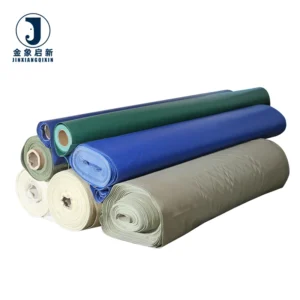
Awning and Tents Waterproof Fabric PVC Tarpaulin
¥1.50 Add to cart -
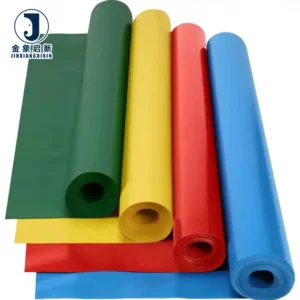
PVC Tarpaulin Glossy 650GSM 1000D*1000D 23*23 1.50*50M/R for Multi-purpose Cover SAMPLE FREE
¥2.70 Add to cart