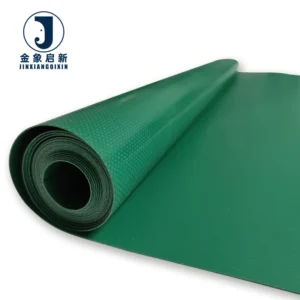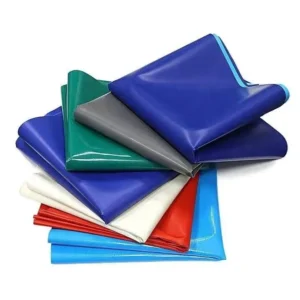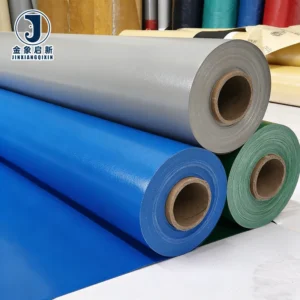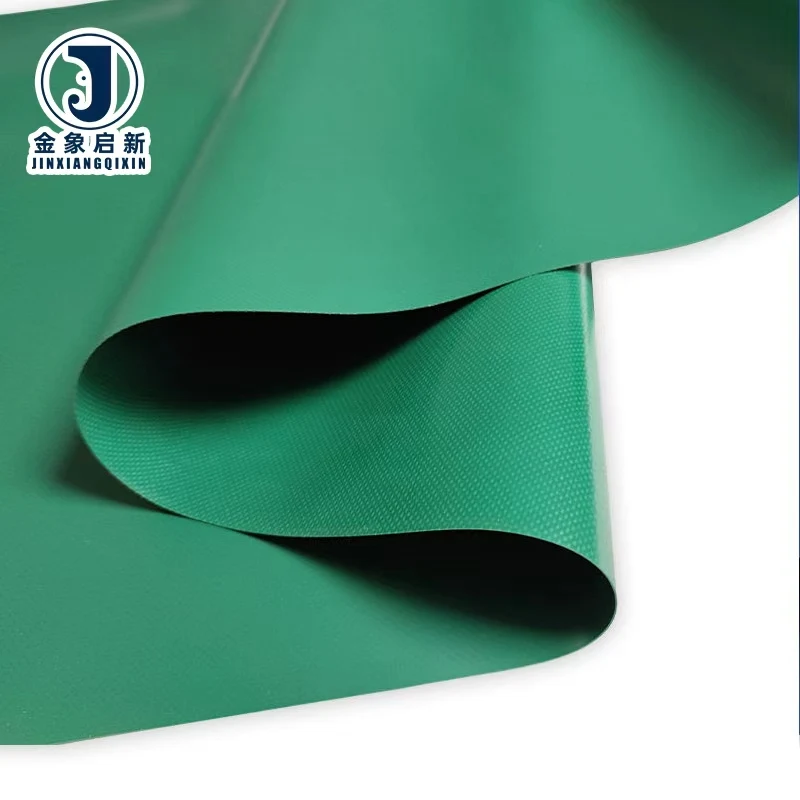
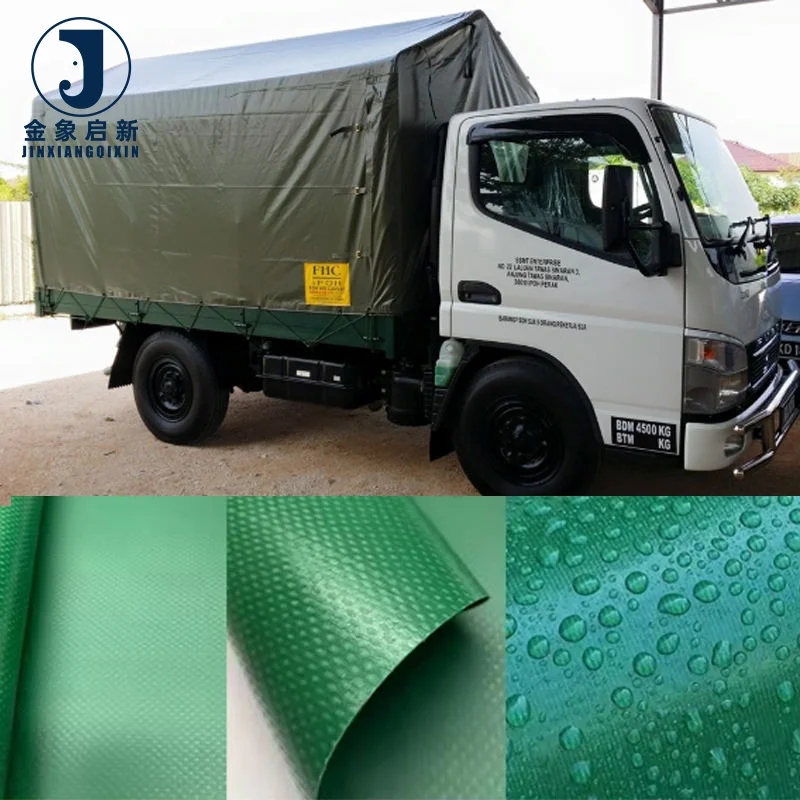
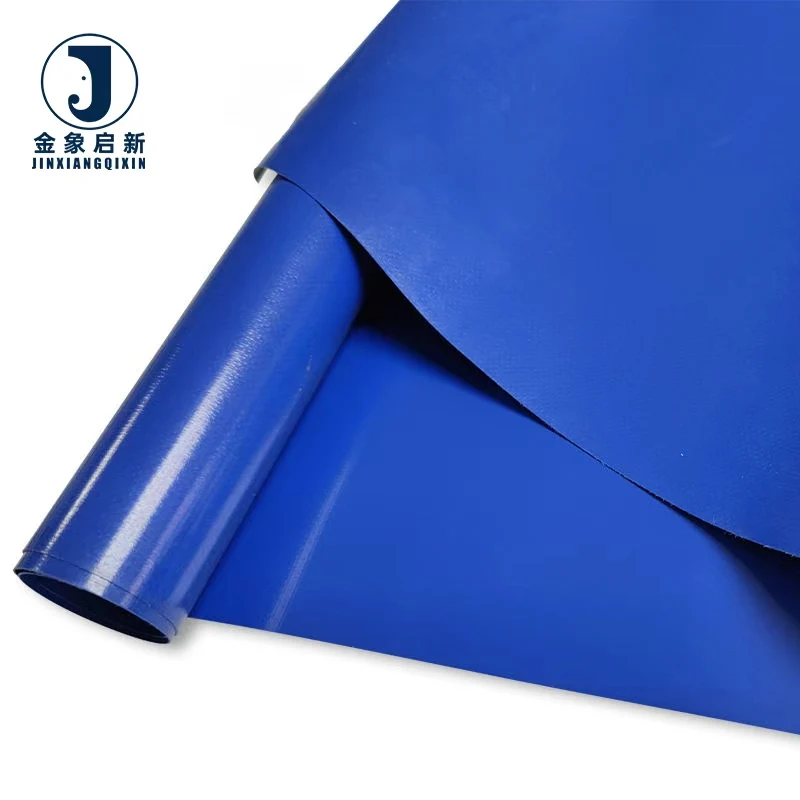
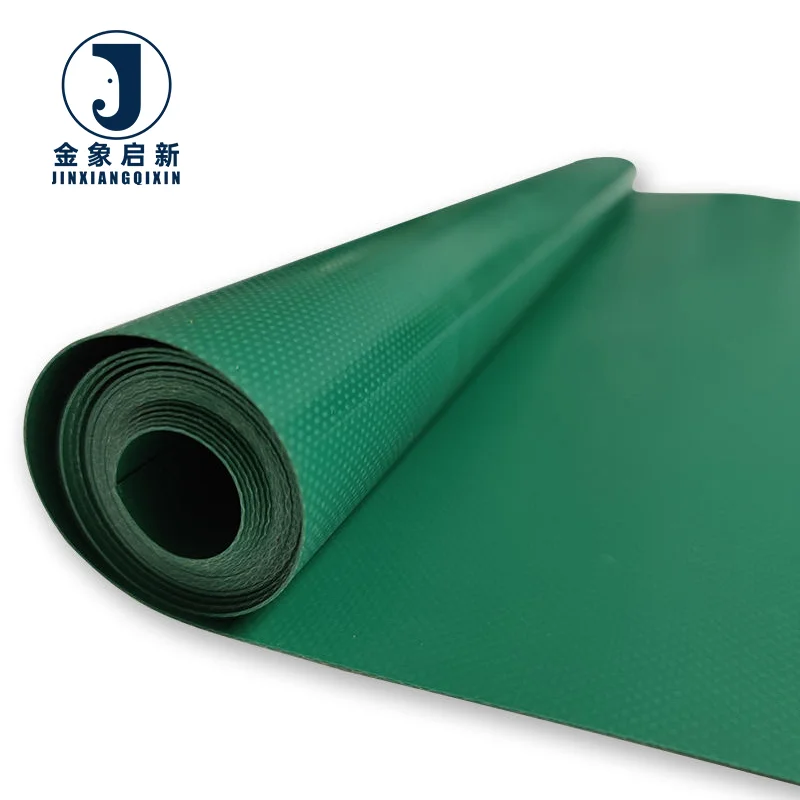
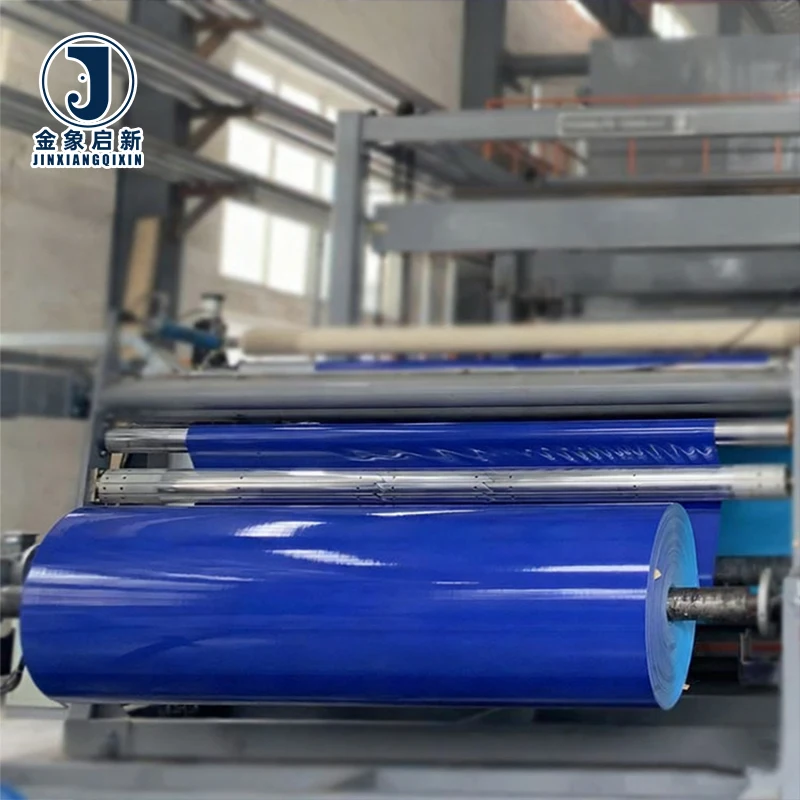
PVC Coated Tarpaulin Roll, 510 gsm, PVC & Polyester Base Fabric — available in multiple yarn counts including 500D×500D and 1000D×1000D, with thickness from 0.29 mm to 0.65 mm.
- Water resistant and anti-UV treated for extended outdoor exposure on trucks, trailers and container roofs
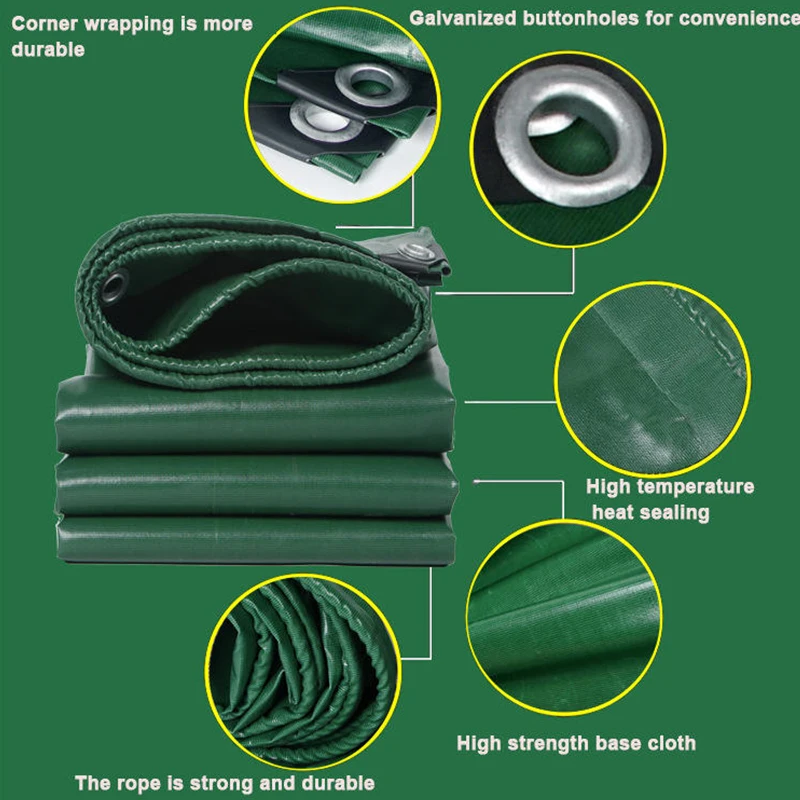
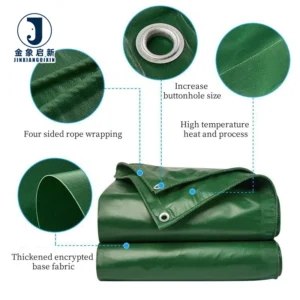
- Custom width, colour and eyelet spacing developed by in-house R&D with brass eyelets at 1 m intervals and reinforced hems on all four sides
Backed by nearly 30 years of coating process control and 100% pre-shipment inspection across three dedicated production lines.
Description
Coating Weight Verification — every roll of 510Gsm PVC Coated Fabric Vinyl Tarpaulin Roll for Truck is weighed against its specification sheet before leaving the coating line, ensuring the stated GSM matches the material you receive.
Technical Specifications
| Parameter | Value |
|---|---|
| Product Type | PVC Coated Tarpaulin |
| Material | PVC & Polyester Base Fabric |
| Weight Range | 350 gsm – 900 gsm |
| Yarn Count | 500D×500D / 500D×840D / 500D×1000D / 1000D×1000D / 1000D×1300D / 1300D×1300D / 1000D×2000D |
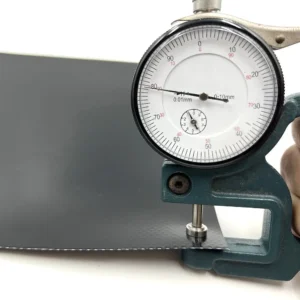
| Thickness | 0.29 mm – 0.65 mm |
| Density | 20×20 / 30×19 / 30×15 |
| Warp Strength | 1650 N – 3900 N |
| Weft Strength | 1600 N – 3500 N |
| Key Features | Water Resistant, Waterproof, Flame Retardant (grade not stated), Anti-UV (test basis not stated) |
| Surface Finish | Smooth, PVC Coated |
| Eyelets | Brass, spaced every 1 meter (customizable spacing) |
| Edge Reinforcement | Reinforced hems on all four sides |
| Customization | Size, color, hole spacing, pattern printing |
| Standards | ISO, CE |
Application Suitability
| Application | Exposure & Requirement |
|---|---|
| Truck and trailer side curtains | Constant flexing at load points, road abrasion, UV exposure, wind-driven rain ingress |
| Container roof covers | Prolonged sunlight, standing water pooling, thermal expansion and contraction cycles |
| Tent and carriage tent fabric | Repeated assembly and teardown stress, folding creases, weather exposure across seasons |
| Construction site shelters | Impact from falling debris, dust and chemical splash, wind uplift on large unsupported spans |
| Awnings and balcony covers | Permanent outdoor mounting, colour fading under direct sun, mildew in humid climates |
| Machine and wood covers | Contact with oils and resins, abrasion from rough surfaces, moisture trapping underneath |
Why a Quoted GSM Does Not Guarantee the Strength Your Truck Cover Needs
Coating weight and base fabric density must be verified together — one without the other leaves a gap that shows up on the road, not in the lab.
I spent years on the coating line watching rolls come off with a quoted 510 gsm that, once the base fabric was stripped back and weighed separately, told a different story. The coating carried the number, but the polyester scrim underneath was lighter than specified, and the tensile strength dropped where the truck side curtain flexes most. A PVC Tarpaulin Roll aftermarket supplier that only provides a total GSM figure on the quotation is asking you to trust a number you cannot verify on arrival. [NEED_CITE: tensile and tear test methods for coated fabrics per ISO 1421]
Full Catalogue Range From Lightweight to Heavy-Duty
This PVC coated tarpaulin range spans from 350 gsm light-duty covers to 900 gsm heavy-duty transport fabric, giving buyers a single source across multiple end uses. Each grade is produced on dedicated coating lines where the PVC compound formulation adjusts to match the base fabric denier, so the bond between coating and scrim holds through repeated folding. Buyers surveying options for tent fabric, truck curtain stock, or awning material can pull from one catalogue instead of qualifying separate mills for each weight class.
Colour Consistency Across an Entire Container Load
When multiple rolls of PVC Tarpaulin Roll go into the same shipment, colour drift between batches becomes visible the moment two panels hang side by side on a trailer. The in-house coating operation controls pigment dosing at the mixing stage, matching each production run against a master colour reference before the coating head applies it to the scrim. Custom Pantone or RAL colour matching is developed by the R&D team, with sample approvals locked before the full order runs. [NEED_CITE: colour fastness evaluation methods for PVC coated textiles]
Base Fabric Denier and Coating Weight Together Define Real Performance
The yarn count options — ranging from 500D×500D up to 1000D×2000D — determine how much load the polyester scrim carries before the PVC coating is even considered. A 1000D×1000D base at 30×15 density spreads tensile force across more yarns per centimetre, which means the warp and weft strength readings (up to 3900 N warp and 3500 N weft) reflect the combined system, not the coating alone. Coating thickness from 0.29 mm to 0.65 mm then adds abrasion protection and waterproofing, but a thicker coating on a light scrim will crack at fold lines before a thinner coating on a heavy scrim will. This is why two rolls both quoted at the same GSM can perform completely differently once fabricated into truck covers and put under road vibration and wind load.
What Happens When the Specification Does Not Match the Application
A truck fleet operator who orders a light-density scrim with a heavy coating to hit a target GSM will see the coating delaminate at the welded seams within months, because the thin yarns cannot anchor the PVC layer under flexing stress. Conversely, specifying a high-denier base fabric but accepting a coating weight that leaves pinholes in the surface invites water ingress that rots the cargo underneath. Batch colour inconsistency across rolls in the same order forces fabricators to sort and match panels manually, adding labour cost and delaying dispatch. Flame retardant grades ordered without a supporting test report get rejected at the construction site inspection, and the entire cover set comes back. [NEED_CITE: common failure modes in PVC coated tarpaulin at welded seam junctions]
Why Sourcing This PVC Tarpaulin Roll Here Reduces Supply Chain Risk
Three full production lines running dedicated coating, laminating, and finishing stages mean bulk orders of PVC Tarpaulin Roll move through one facility from base fabric to packed roll. A 10-person R&D team handles material selection, custom sizing, pattern printing, and sample development in-house, so a colour match or a non-standard width does not require a separate subcontractor. Dedicated QA and QC inspectors verify coating weight and adhesion at every production stage, with 100% inspection before any roll ships. Custom samples are developed within days, allowing buyers to confirm hand feel, weldability, and colour before committing to full production volume.
Documentation & Verification
- Material specification sheet stating GSM, base fabric denier, and coating type for each roll dispatched
- Test report for UV and flame-retardant grades where applicable, referenced by batch number
- ISO and CE certificates included with shipment paperwork
- Pre-shipment inspection record showing verified coating weight against the quoted specification
- Roll packing list detailing roll count, dimensions, and gross weight per unit
- Certificate of origin and customs documentation prepared for export clearance
Fabrication, Handling & Storage
- Heat-seal welded seams on this smooth PVC surface require matching temperature to the coating thickness to avoid burning through at flex points
- Brass eyelets spaced every 1 meter distribute tie-down load across the reinforced hem, preventing tear-out under wind uplift
- Store rolls upright on a flat pallet to prevent permanent creasing in the polyester base fabric
- Allow cold-stored rolls to reach ambient temperature before unrolling to avoid cracking the PVC coating at low temperatures
- Use mild soap and water for cleaning; solvent-based cleaners can degrade the smooth PVC surface finish over time
- When cutting panels from the roll, plan the lay-up to minimise offcuts and reduce the number of welded seams in the finished cover
What to Include in Your PVC Tarpaulin Roll Enquiry
Tell us the end use — truck side curtain, tent fabric, awning, or container roof — along with the exposure conditions your covers will face, so the correct GSM grade and base fabric denier can be recommended. If your market requires flame retardant or anti-UV certification, state the grade or standard your site inspector will check against. Provide the roll width, colour reference, and whether you need finished panels with eyelets or raw roll stock only, and we will return a specification sheet and sample for approval before production.
Frequently Asked Questions
Q: What GSM grade should I specify for a truck side curtain versus a tent fabric?
A: Truck side curtains face constant flexing and road abrasion, so a heavier base fabric denier with a mid-range coating weight typically performs better than a high GSM achieved through coating alone. Tent fabric prioritises foldability and weight for transport. Share your specific application and we will recommend the yarn count and coating combination suited to that use.
Q: Can you match a specific Pantone or RAL colour across multiple rolls in one order?
A: Yes. Custom colours are mixed in-house and matched against your Pantone or RAL reference before the coating run begins. All rolls in the same order are produced in a single batch to maintain colour consistency. A sample swatch is sent for approval before full production proceeds.
Q: Do your flame retardant grades come with a test report?
A: Flame retardant grades are available and can be supplied with a test report. The specific grade must be confirmed based on the standard required in your market and the inspection body your site uses. State the standard in your enquiry so we match the correct formulation and documentation to your order.
Q: What is the minimum order for custom width or printed branding?
A: Custom widths and printed branding are handled through our R&D team, and minimums depend on the roll width, print pattern repeat, and colour count. Smaller trial runs can be arranged for sample approval before the full order is scheduled. Send your width and artwork requirements for a specific minimum confirmation.
Q: How do you prevent welded seams from failing before the fabric does?
A: Welded seams are set at temperatures matched to the coating thickness and base fabric denier of the specific roll. The reinforced hem and brass eyelet spacing distribute load away from the weld line. We verify seam peel strength during the in-process QA check to confirm the weld holds under flexing before the roll is cleared for shipment.
Related products
-
Tarp Factory 610gsm 650gsm 800gsm Awnings Tent PVC Coated Fabric Waterproof Bache Lona PVC Tarpaulin Roll
¥1.45 Select options This product has multiple variants. The options may be chosen on the product page -
Custom Reinforced Edges Rip-Stop Rubberized PVC Tarpaulin Industry Covering Vinyl Coated Polyester Tarps for Trucks
¥8.00 Select options This product has multiple variants. The options may be chosen on the product page -
New Design Waterproof Coated Heavy Duty Pool Cover Cargo Covers Tarp for Truck
¥1.15 Add to cart -
JX PVC Coated Tarpaulin/Cover for Farm Waterproof Warp Knitted Tent Pig Broiler Sheep Chicken Farm Plain Style
¥1.40 Add to cart