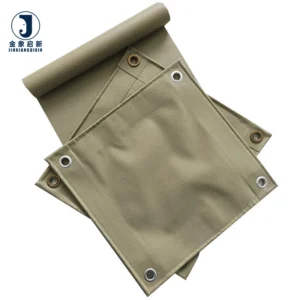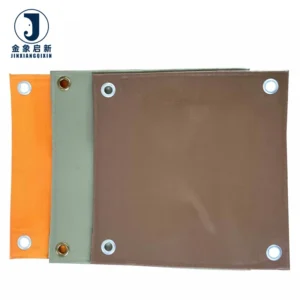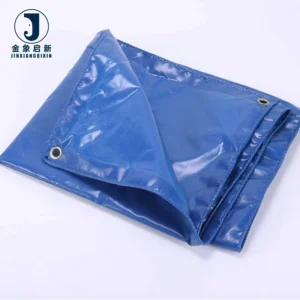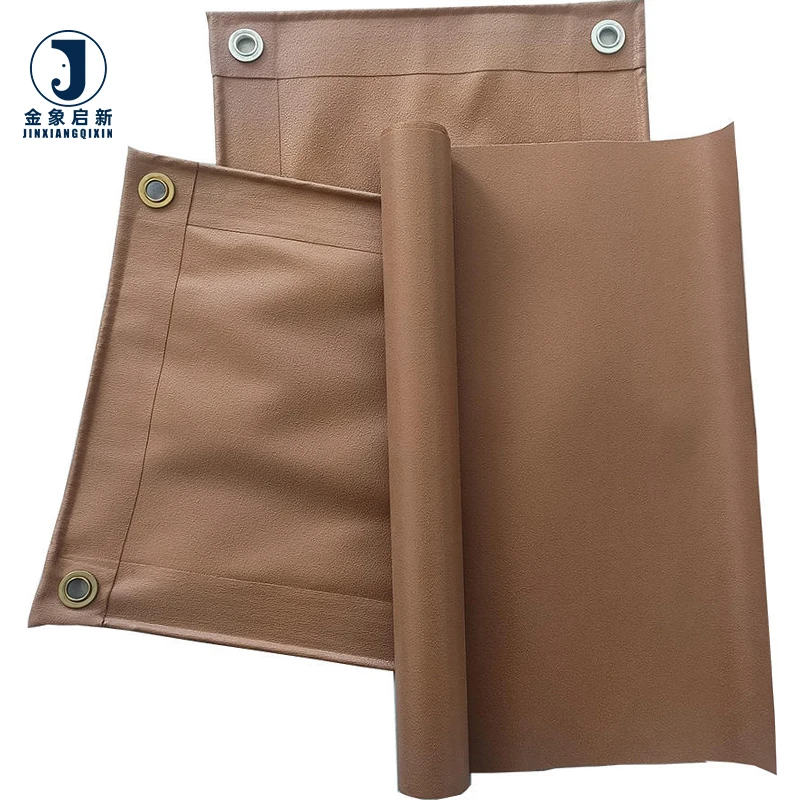
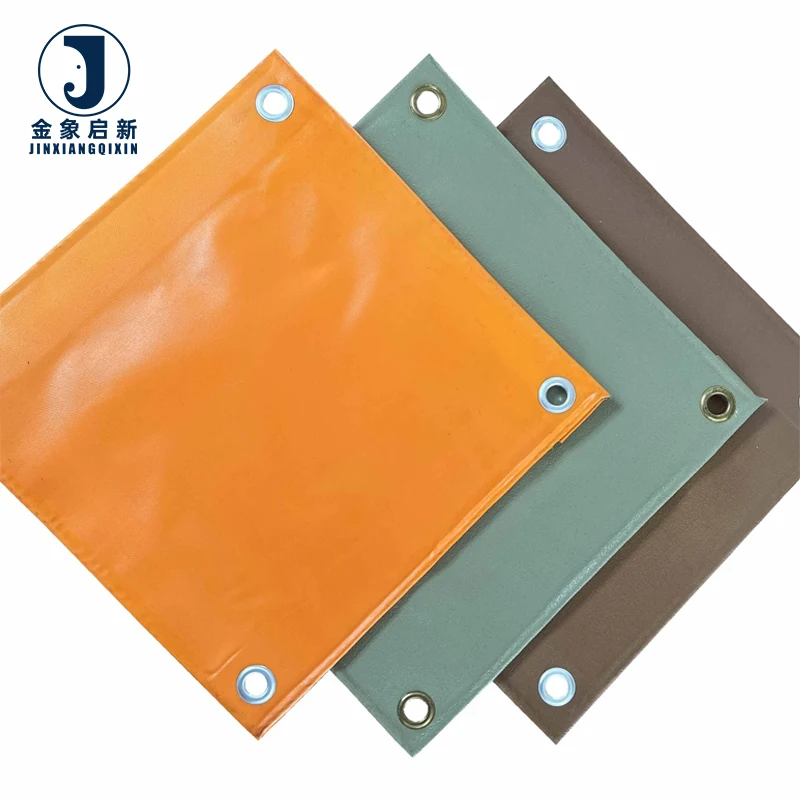
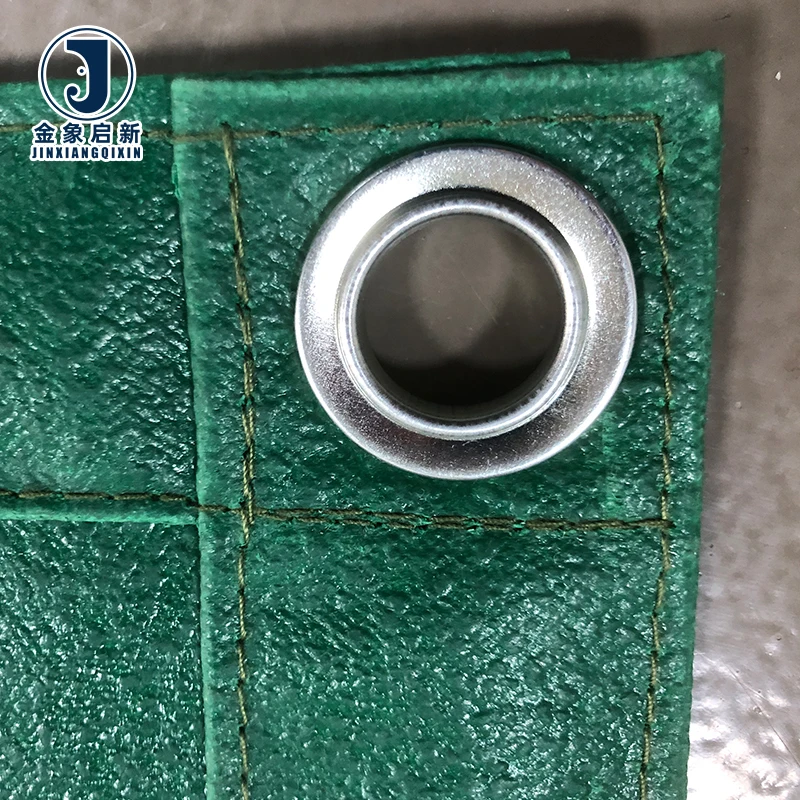
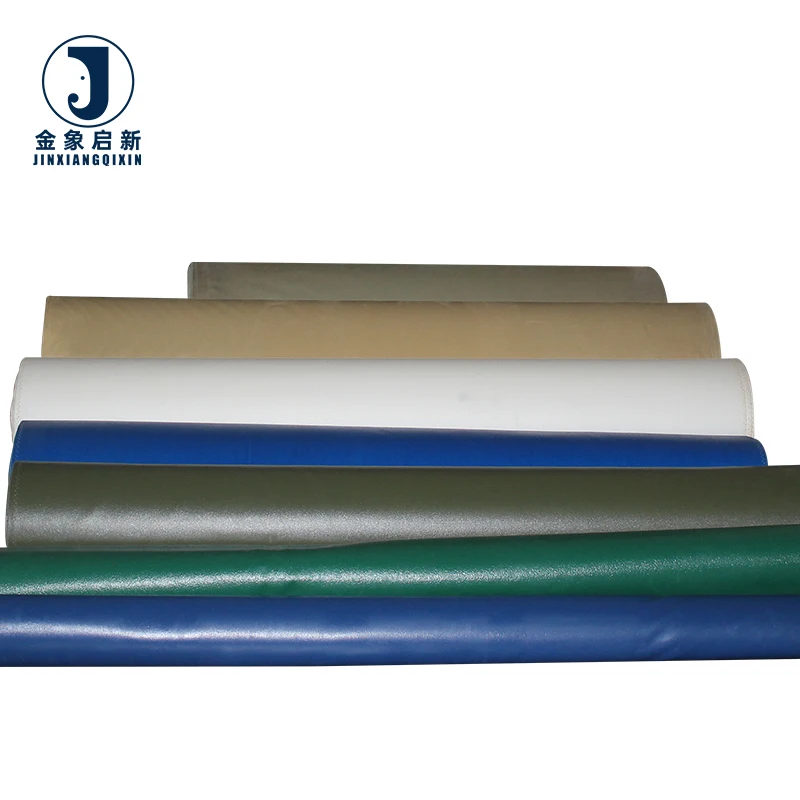
520gsm PVC Coated Tarpaulin Fabric with 100% high toughness polyester base and hot melt coating technology for superior weld seam integrity at flex points.
- Waterproof, UV resistant, cold cracking resistant with 3-5 year outdoor guarantee
- Custom cut to exact truck and trailer dimensions—eliminates generic size fitment gaps
- Tensile strength warp 1500-3000 N/5cm for heavy transport and side curtain loads
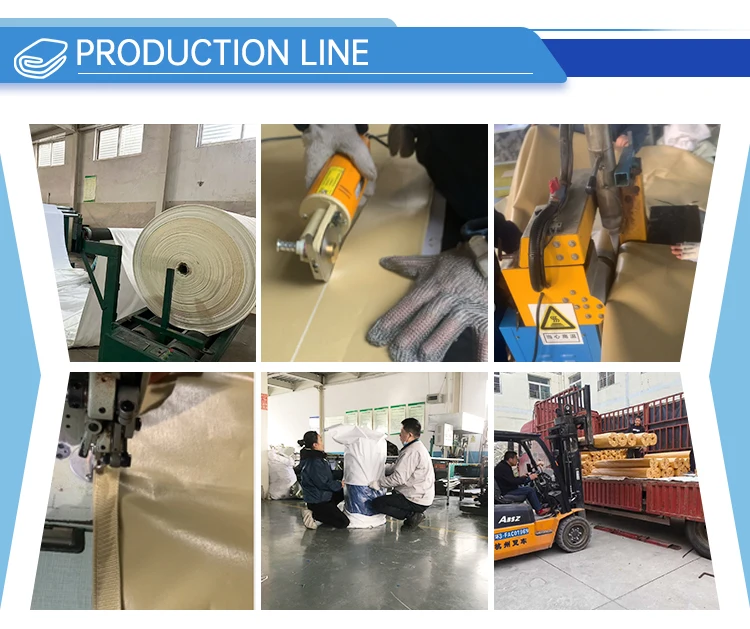
Backed by 100% pre-shipment inspection and dedicated QA at every production stage across three full production lines.
Description
Deep Process Control Over Coating Weight and Adhesion — three full production lines running lamination and hot melt coating for this PVC coated tarpaulin, with 100% inspection before dispatch to ensure every roll matches the agreed specification.
Technical Specifications
| Parameter | Value |
|---|---|
| Product Type | PVC Coated Tarpaulin Fabric |
| Material | 100% high toughness polyester yarn with PVC coating |
| Coating Technology | Lamination technology and hot melt coating technology |
| Weight (GSM) | 520gsm |
| Thickness | 0.35–0.45 mm |
| Tensile Strength (N/5cm) | Warp 1500–2000 / Weft 1200–1800 |
| Key Features | Waterproof, cold resistant cracking, mold proof, best color fastness, excellent welding tear strength |
| Optional Treatments | Available in flame retardant grades — confirm the grade required for your market; anti-UV and anti-static treatments available with test report on request |
| Width | Custom available |
| Length | Custom available |
| Standards | ISO, CE |
Application Suitability
| Application | Exposure & Requirement |
|---|---|
| Truck side curtain fabric | Constant flexing at curtain runners, road splash and abrasion, sustained UV exposure on highway routes |
| Flatbed and trailer covers | Tensioned tie-down loads, wind flap fatigue, weather exposure across climate zones |
| Transport equipment builder integration | Heat-welded seams at trailer body joints, fabric formed around frame geometry, long service intervals |
| Logistics fleet bulk roll sourcing | Batch colour consistency across multiple vehicles, GSM uniformity for predictable fabrication yield |
Why the Stated GSM Does Not Guarantee Real-World Cover Performance
A quoted 520gsm figure means little if the coating adhesion and base fabric denier are not verified together.
Many transport operators have received PVC coated tarpaulin rolls that measure lighter than the agreed weight once unwrapped, or that pass a scale check but fail at the welded seams within months because the base fabric lacks the denier to carry the load. When you are specifying a PVC Coated Tarpaulin custom manufacturer for a fleet side curtain project, the conversation must go beyond a single number. The relationship between coating weight, yarn toughness, and coating adhesion determines whether the fabric survives two years of curtain cycling or starts delaminating at the first winter. [NEED_CITE: ISO 1421 tensile and tear test methods for coated fabrics]
How Lamination and Hot Melt Coating Shape the Final Fabric
This PVC Coated Tarpaulin custom manufacturer applies lamination technology and hot melt coating technology to bond the PVC layers onto the polyester base. Hot melt coating drives the PVC into the yarn interstices under heat and pressure, producing a bond that resists peeling at the flex points where side curtains fold and unfold thousands of times. Lamination adds a continuous film layer that reinforces waterproofing and gives a uniform surface finish across the roll width. Together these methods give the 520gsm fabric a coherent structure rather than a simple surface skin that could separate under tension.
Custom Sizing and Treatment Options for Fleet-Specific Fitment
Fleet vehicles vary by axle count, body height, and curtain runner geometry. Ordering a generic cut-to-size cover and hoping it fits every trailer in a mixed fleet leads to slack fabric that flaps in crosswind or tight fabric that tears at the eyelet line. This PVC Coated Tarpaulin custom manufacturer develops cut-to-model samples within days so the fabric dimensions match each vehicle in the fleet. Colour matching, pattern printing, and optional flame retardant or anti-static treatments are handled in-house by the R&D team, keeping the entire specification under one production chain. [NEED_CITE: textile colour fastness testing methods for coated fabrics]
Reading the Specifications Beyond the Weight Number
The 520gsm weight places this fabric in the medium-duty PVC coated tarpaulin range, suited to side curtain and truck cover duties where the fabric must flex repeatedly without cracking. Thickness of 0.35–0.45 mm reflects the combined coating and base fabric build-up; a thinner reading within this band suggests a lighter base fabric compensated by coating, which may affect weld seam behaviour. Tensile strength of Warp 1500–2000 / Weft 1200–1800 N/5cm indicates directional yarn balance — the warp carries the primary tension when a curtain is pulled taut along the trailer length. The 100% high toughness polyester yarn base provides the structural backbone, while the PVC coating delivers waterproofing and surface abrasion resistance. Welding tear strength described as excellent must be confirmed with a peel test report matched to your welder settings before full production runs.
The Hidden Costs of Specification Mismatches in Fleet Fabric
When a batch of truck cover fabric arrives with colour variation between rolls, the panels installed side by side on adjacent trailers make the mismatch immediately visible — forcing a complete strip and re-cover at the operator’s expense. [NEED_CITE: batch colour consistency standards in coated textile manufacturing] Undeclared flame retardant grades cause rejections at site inspections where mining or aviation contractors require certified ventilation or cover materials. Welded seams that fail before the fabric body does indicate a coating adhesion problem rather than a fabric strength problem, and they typically appear at the flex zones first. Sourcing from a PVC Coated Tarpaulin custom manufacturer that runs in-process QA at every stage reduces these failures before the rolls leave the factory.
Why This Production Facility Supports Your Tarpaulin Programme
Three full production lines and 36 sets of professional equipment run bulk roll orders and cut-size batches on schedule, so fleet operators and distributors receive material when the installation window opens. A 10-person R&D team handles material selection, sample development, and pattern printing in-house, eliminating the delays that come from outsourcing treatment or printing to third parties. Dedicated QA/QC runs at every production stage with 100% inspection before shipment, catching GSM drift and colour deviation before dispatch rather than after arrival. Nearly 30 years of focused coated fabric production gives this PVC Coated Tarpaulin custom manufacturer the process data to predict how a specification change — a different base denier or a custom colour pigment — affects weld behaviour and roll consistency.
Documentation & Verification
- Material specification sheet stating exact 520gsm, base fabric denier, coating weight, and colour reference
- Test reports for UV resistance and flame retardant grades supplied where treatments are specified
- Pre-shipment inspection record covering GSM, coating adhesion, and colour across every roll
- Roll packing list with individual roll weights and dimensions for warehouse receiving
- Certificate of origin and ISO/CE certificates included for customs clearance
Fabrication, Handling & Storage
- Hot melt coating allows high-frequency welding; confirm weld temperature and dwell time with sample offcuts first
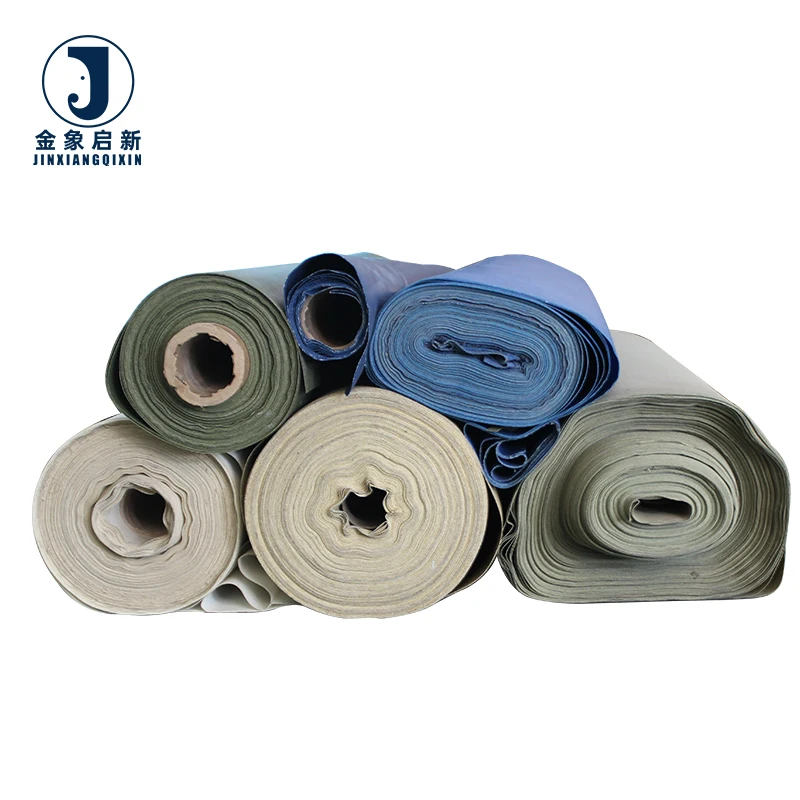
- Store 520gsm rolls upright on cores to prevent flat-spot creases that show through after installation
- Cut panels with a minimum 40 mm hem allowance to distribute eyelet load across the coated fabric edge
- Use neutral pH cleaners on the PVC surface; solvents can soften the coating and reduce weld seam integrity
- Unroll in temperatures above 5°C to avoid cold-cracking at the fold line during winter fabrication
What We Need to Prepare Your Quotation
Send the truck or trailer model list, the curtain or cover dimensions per vehicle, and the annual volume so we can plan roll widths and production runs. If your market requires a specific flame retardant grade or anti-static certification, name the standard so the correct treatment and test report are included. Specify colour references and any printed branding layout early so samples can be developed before bulk commitment.
Frequently Asked Questions
Q: How is the stated 520gsm verified before the rolls ship?
A: Every roll is weighed and measured during the 100% pre-shipment inspection. The GSM is calculated from sample cuts taken at defined intervals across the roll width and recorded on the inspection sheet that ships with the documentation package. This catches any drift from the quoted specification before the material reaches your warehouse.
Q: What flame retardant grades are available and do you supply the test report?
A: Flame retardant treatments are available in multiple grades to match different market requirements. The specific grade must be confirmed at the inquiry stage so the correct additive is used and the matching test report is prepared. Test reports are supplied with the shipment documentation when the treatment is specified on the order.
Q: How do you control colour consistency across multiple rolls in one order?
A: Colour is matched against a reference standard at the coating stage, and in-process QA checks are run on every roll. The 100% pre-shipment inspection includes a side-by-side visual comparison of rolls from the same batch. Any roll that falls outside the agreed tolerance is pulled before packing.
Q: What is the lead time for custom width, colour, or printed branding?
A: Lead times depend on the specific customisation and the current production schedule. Custom colours and widths require a dedicated production run, and printed branding adds a pre-press and sample approval step. Request a schedule at the quotation stage with your full specification so the timeline is confirmed before production begins.
Q: How are welded seams tested to confirm they hold at flex points?
A: Welded seam samples are taken during production and subjected to peel and tear tests that simulate the flexing a side curtain experiences in service. The results are compared against the base fabric strength to confirm the weld does not become the failure point. Test parameters are adjusted to match the welding method used in your fabrication shop.
Related products
-
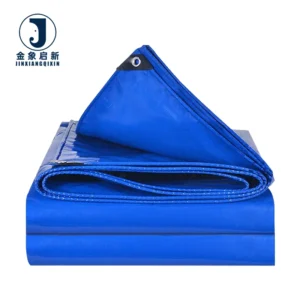
Pvc Plastic Canvas Strong Waterproof PVC Tarpaulin HDPE Coated Tarpaulin
¥1.80 Select options This product has multiple variants. The options may be chosen on the product page -
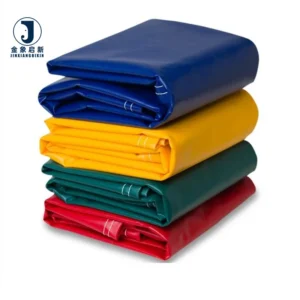
Heavy Duty Waterproof PVC Tarpaulin Roll Cover for Truck Tent Outdoor Storage and Industrial Use
¥1.48 Add to cart -

Hotsale Custom China Supplier Super Strength Industrial Grade 680GSM RIPSTOP PVC Tarpaulin for Builders Roof Tarp and Sheeting
¥2.80 Add to cart -
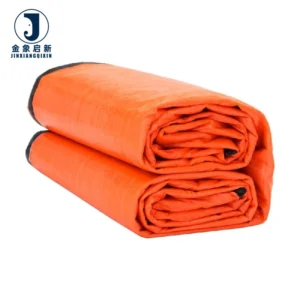
Factory 12ftx20ft Construction Cold Weather Insulated Pe Tarps Poly Tarp Heavy Duty Concrete Curing Blanket Tarpaulin Roll Sheet
¥0.66 Add to cart