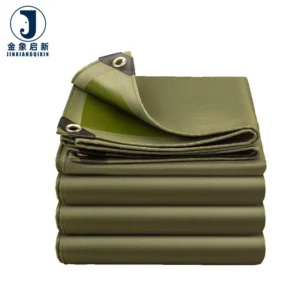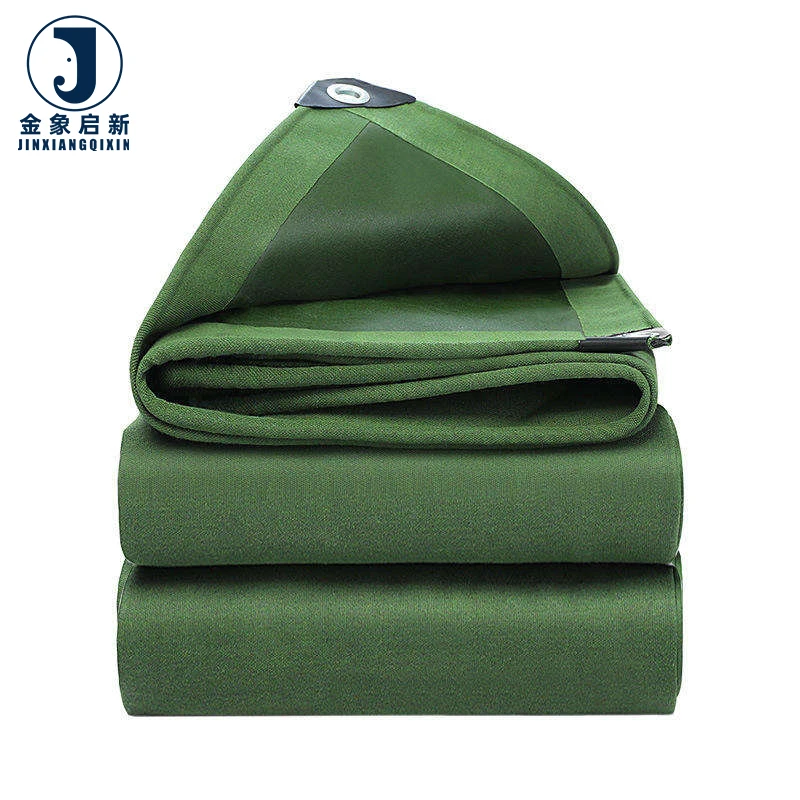
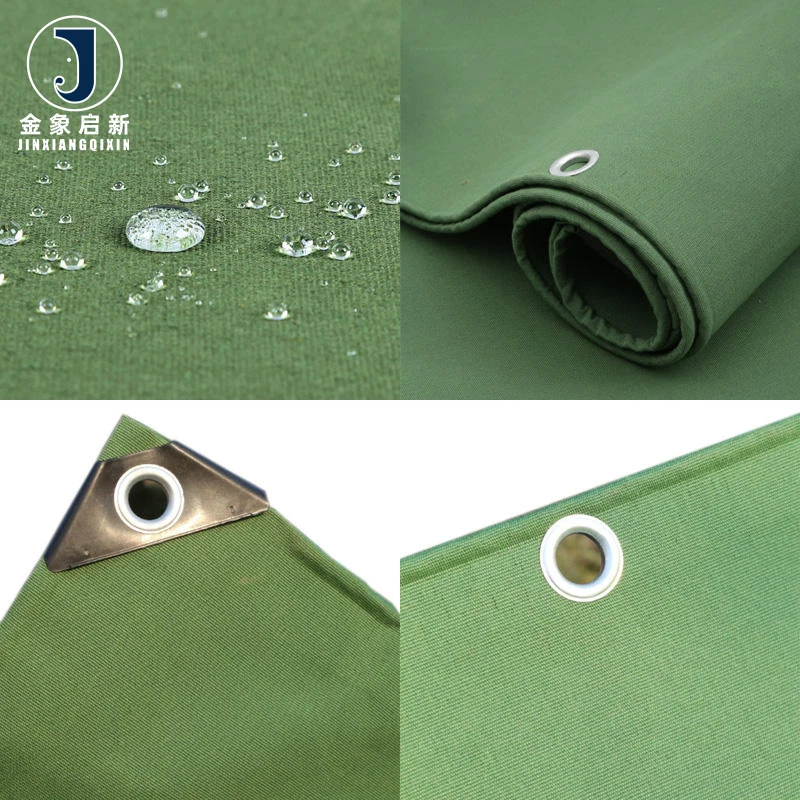
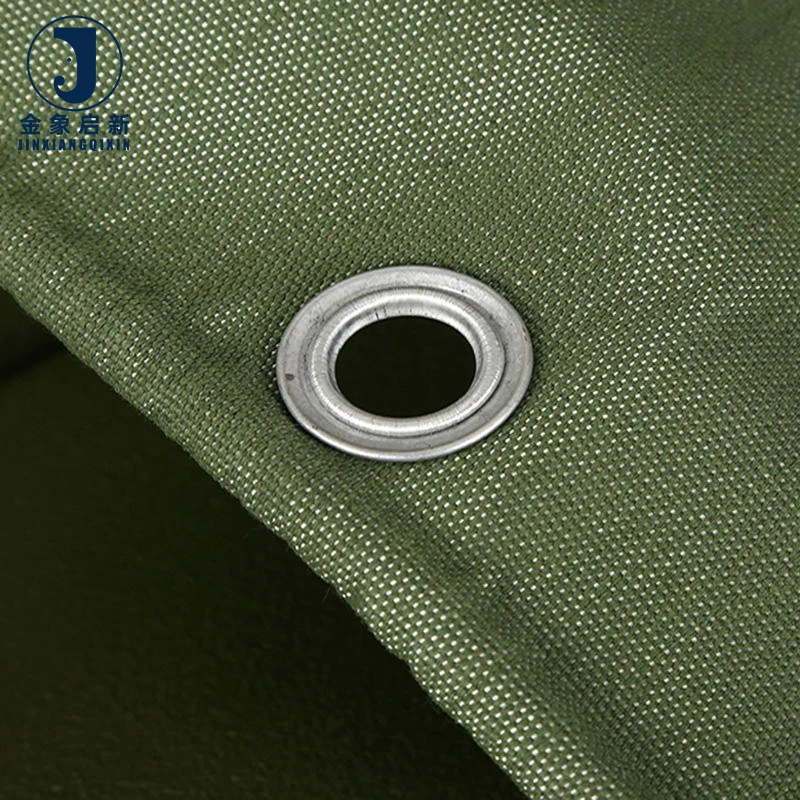
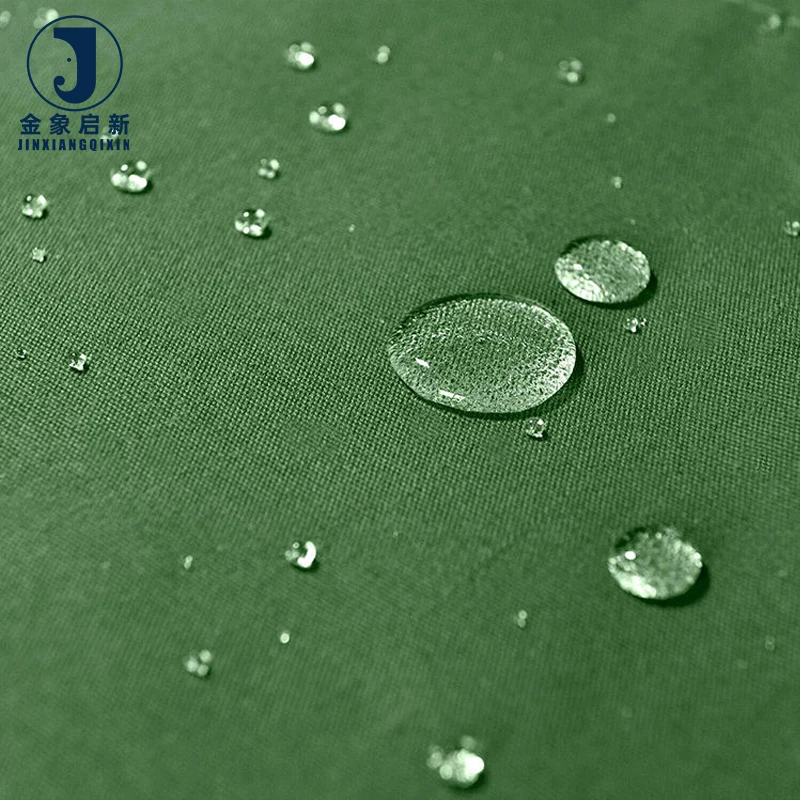
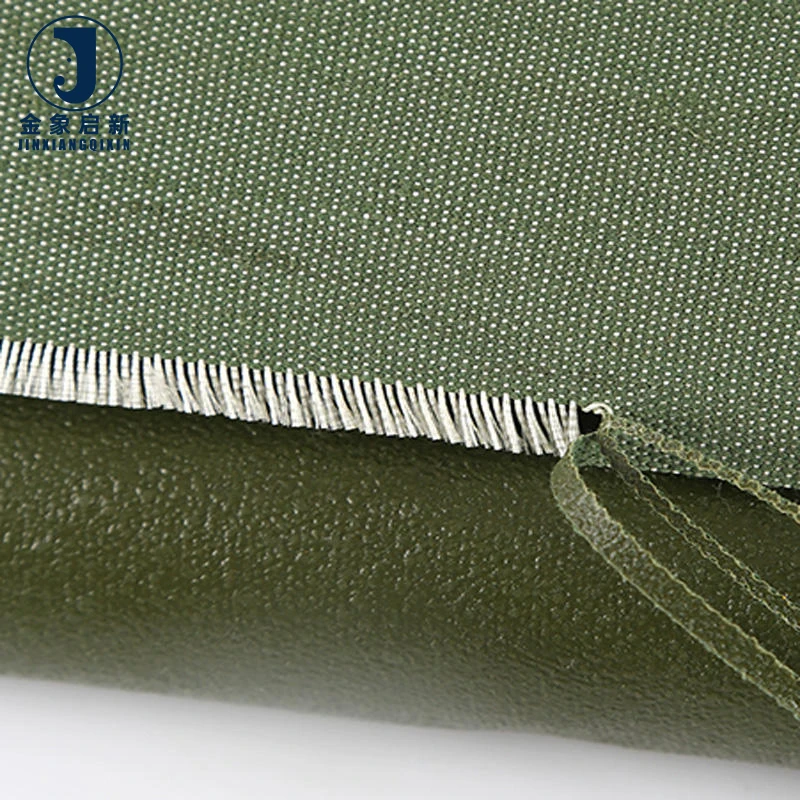
Canvas Tarpaulin — 600gsm polyester cotton woven base, 0.5–0.7mm thickness, 2m roll width, army green camouflage finish with rust-proof aluminum eyelets every 1m and poly-rope reinforced hems.
Specified GSM often fails on arrival, leaving loads exposed. Our three production lines control coating weight and adhesion at every stage, so the fabric you receive matches the quotation.
- Welded and sewn seams resist failure at flex points under load
- UV and mildew treatment for long-term outdoor exposure
- 100% pre-shipment inspection with full material documentation included
Description
Coating Weight Consistency — Every roll of this canvas tarpaulin undergoes GSM verification and peel testing on-line before winding, eliminating the mismatch between quoted weight and delivered fabric.
Technical Specifications
| Parameter | Value |
|---|---|
| Product Type | Canvas Tarpaulin |
| Base Fabric | Polyester cotton industrial textile with 8–12 strands fine cotton yarn |
| Coating Method | PVC Laminated |
| Weight | 600gsm |
| Thickness | 0.5mm / 0.6mm / 0.7mm |
| Roll Width | 2m |
| Roll Length | 100m |
| Color Options | Army Green Camouflage / Custom |
| Eyelets | Rust-proof aluminum, 1m spacing at corners and hems |
| Edge Reinforcement | Folded hems, welded and sewn with poly ropes |
| Temperature Resistance | High- and low-temperature resistant |
| Key Features | Wear-resistant, corrosion-resistant, tensile-resistant, waterproof |
| Standards | CE, ISO |
Application Suitability
| Application | Exposure & Requirement |
|---|---|
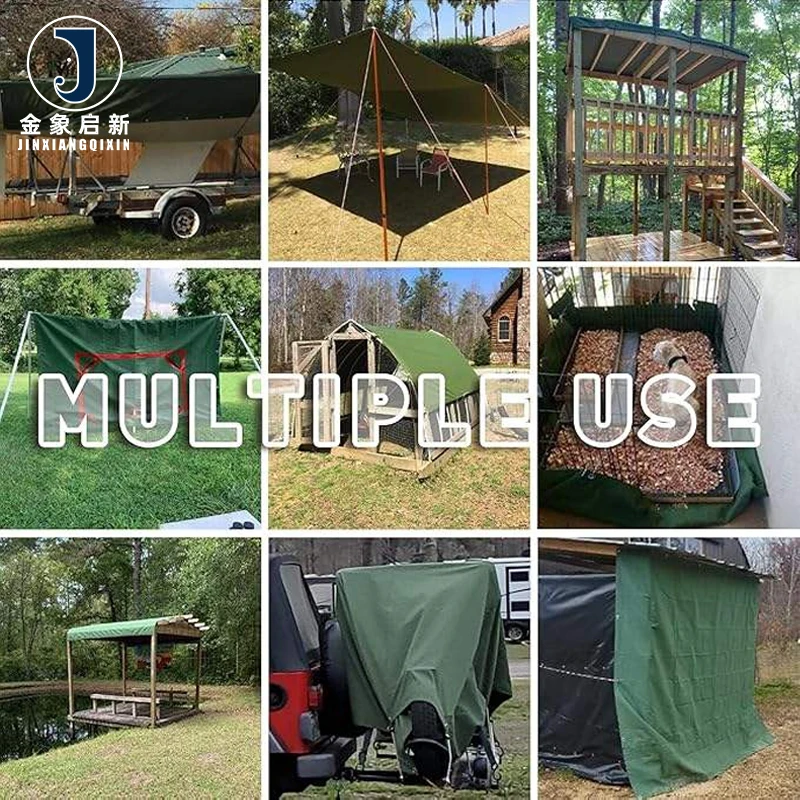
| Truck cover and trailer wrap | Constant road vibration, flex at tie-down points, weather exposure, UV load |
| Construction site equipment cover | Abrasion from scaffolding contact, dust and moisture, repeated deployment |
| Open-air stockpile protection | Prolonged sun exposure, wind load, water pooling risk on horizontal surfaces |
| Asphalt cover during transport | Heat retention, bitumen contact, chemical staining |
| Tent and temporary structure | Tensile load at ridge and corner points, weather cycles, fold and pack abrasion |
| Industrial outdoor storage | Moisture ingress, corrosion from stored materials, long-term static load |
Why a Canvas Tarpaulin Can Fail Before the Fabric Does
Most early failures trace back to seam and edge construction, not the coated fabric itself.
Buyers often specify a heavy GSM and assume the cover is indestructible, yet the first tear appears at a hem fold or an eyelet corner where flex concentrates. A canvas tarpaulin aftermarket supplier sees this pattern repeatedly: the base cloth holds, but the welded seam or sewn rope reinforcement gives way under cyclic load [NEED_CITE: tensile and tear test methods for coated fabrics per ISO 1421]. Edge reinforcement design and heat-seal temperature must be matched to the coating thickness, or the weakest point is always the joint.
Where This Canvas Tarpaulin Aftermarket Supplier Fits in Your Supply Chain
Fleet operators and transport equipment builders need a canvas tarpaulin aftermarket supplier that delivers roll stock or finished covers cut to exact trailer dimensions. This product is offered in 2m-wide rolls at 100m length for fabricators who cut and weld in-house, as well as finished custom items with aluminum eyelets and poly-rope reinforced hems for buyers who want a ready-to-install cover. The polyester cotton base fabric provides a natural hand and drape that suits applications where stiffness is undesirable, such as tent panels and equipment wraps that are folded and redeployed frequently.
Coating Adhesion and What It Means for Welded Seams
The PVC lamination process bonds the coating layers to the polyester cotton base under heat and pressure, creating a peel strength that determines how well the coating resists delamination at welded seams. When a tarpaulin is heat-sealed, the PVC layers fuse together; if adhesion to the base fabric is weak, the coating separates from the yarn rather than the weld failing in the PVC itself [NEED_CITE: coating adhesion and peel test methods for laminated fabrics]. This canvas tarpaulin carries three thickness options — 0.5mm, 0.6mm, and 0.7mm — each requiring a different heat-seal dwell time and temperature profile to achieve a consistent weld without burning through the coating.
Reading the Specification Sheet Beyond the GSM Number
A 600gsm weight tells you the combined mass of base fabric and PVC coating per square metre, but it does not tell you how that mass is distributed. The polyester cotton base with 8–12 strand yarn construction provides tensile strength in both warp and weft directions, while the PVC laminate contributes waterproofing, chemical resistance, and surface durability. Thickness at 0.5mm, 0.6mm, or 0.7mm reflects total composite build-up; a thicker laminate generally offers higher puncture resistance and better low-temperature flexibility, though it also adds weight to the finished cover. The aluminum eyelets spaced every 1m at corners and hems distribute tie-down load across the reinforced poly-rope edge, preventing the eyelet from pulling through the fabric under tension. Available in Army Green Camouflage or custom colours, with roll-to-roll colour consistency verified before dispatch so adjacent panels match on installation.
What Happens When Heat-Seal Parameters Miss the Mark
A welded seam that fails before the fabric itself is almost always a process control issue. If the heat-seal temperature is too low for the laminate thickness, the PVC layers do not fully fuse and the seam peels apart under flex load. If the temperature is too high, the coating scorches and becomes brittle at the weld line [NEED_CITE: heat-seal failure modes in PVC laminated coated fabrics]. For a material offered in three thickness grades, the fabricator must adjust the sealing bar temperature and dwell time for each grade; running a single setting across 0.5mm and 0.7mm stock guarantees that one of them will produce a sub-standard weld. This is why pre-production peel tests on each thickness variant are essential before a production run begins.
Why Procurement Teams Consolidate on This Source
Three full production lines and 36 sets of professional equipment support bulk roll output with consistent coating weight across every batch. A 10-person R&D team handles material selection, custom colour matching, pattern printing, and sample development within days rather than weeks. Dedicated QA and QC inspection runs at every production stage, with 100 percent pre-shipment inspection recorded before dispatch. Roll-to-roll colour consistency is checked side by side under controlled lighting so that covers installed adjacent to each other show no visible shade difference. CE and ISO documentation ships with every order, and custom widths or finishes are available with lead times communicated at quotation stage rather than discovered at delivery.
Documentation & Verification
- Material specification sheet listing GSM, base fabric composition, coating type, and colour reference per order
- Test reports for any UV or flame-retardant treatment matched to the production batch
- Pre-shipment inspection record confirming GSM, colour consistency, and edge reinforcement integrity
- Roll packing list with net weight, roll count, and dimensions for container loading
- Certificate of origin and customs documentation prepared for destination market
- ISO and CE certificates included with each dispatch
Fabrication, Handling & Storage
- Heat-seal temperature and dwell time must be set per thickness grade — 0.5mm, 0.6mm, and 0.7mm each require distinct profiles
- Aluminum eyelets at 1m spacing must be set after hem folding and poly-rope insertion to maintain pull-out resistance
- Store rolls upright on pallets in a dry, shaded area to prevent compression creasing on the PVC surface
- Avoid dragging finished covers across rough ground; the polyester cotton base can abrade at fold lines over repeated use
- Clean with mild detergent and soft brush; solvent-based cleaners may degrade the PVC laminate surface over time
- Field repairs at seam failures require compatible PVC adhesive and heat-reactivation to restore peel strength
What to Include in Your Next Enquiry
Specify the application environment — whether the cover will face continuous sun exposure, chemical contact, or cyclic flexing — along with the target market compliance requirements for flame retardancy or anti-static treatment. Confirm whether you need roll stock in 2m width for in-house fabrication, or finished custom-cut covers with eyelets and reinforced hems ready for installation. Provide colour references or pattern requirements early so that sample development and approval can proceed before production scheduling.
Frequently Asked Questions
Q: How is the 600gsm weight verified on delivery against the quotation?
A: Every roll undergoes GSM sampling on the production line and again during pre-shipment inspection. The recorded weight is documented on the material specification sheet that ships with your order, so you can cross-check the delivered fabric against the quoted value without waiting for a third-party lab result.
Q: What test reports support UV or flame-retardant treatment claims?
A: Where UV stabiliser or flame-retardant additive is specified, the corresponding test report is matched to the production batch and included with dispatch documentation. Available in flame retardant grades — confirm the grade required for your market and application before placing the order.
Q: Can I order custom colour or camouflage pattern with a reasonable lead time?
A: Custom colours and pattern prints are handled by the in-house R&D team, with samples developed within days for approval. Once the sample is signed off, production lead time is communicated at quotation stage and tracked through to dispatch with in-process QA at each stage.
Q: How do you ensure colour consistency across multiple rolls in one order?
A: Rolls from the same production batch are compared side by side under controlled lighting before packing. Any roll showing a visible shade deviation from the approved reference is pulled and re-run, so covers installed adjacent to each other show no colour mismatch.
Q: What documentation ships with the canvas tarpaulin order?
A: Each dispatch includes the material specification sheet, pre-shipment inspection record, roll packing list, certificate of origin, and CE and ISO certificates. Test reports for any specified treatment are batch-matched and enclosed.
Related products
-
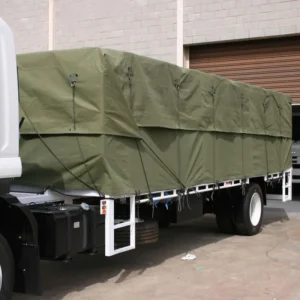
Custom Heavy Duty Canvas Truck Tarp for Trailer – Manufacturer
Read more -
Commercial Custom Plain Boys 4 Foot Retractable Vinyl Canvas Truck Tarps Cover Heavy Duty Trailer Cargo Tarp for Sale
¥1.10 Select options This product has multiple variants. The options may be chosen on the product page -
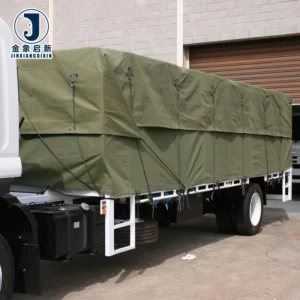
Canvas Tarpaulin for Asphalt Truck Cover – Custom Made
Read more -
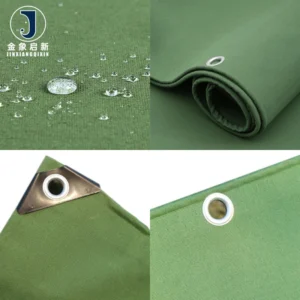
Heavy Duty Canvas Tarpaulin for Canopy Tent – Custom Made
Read more