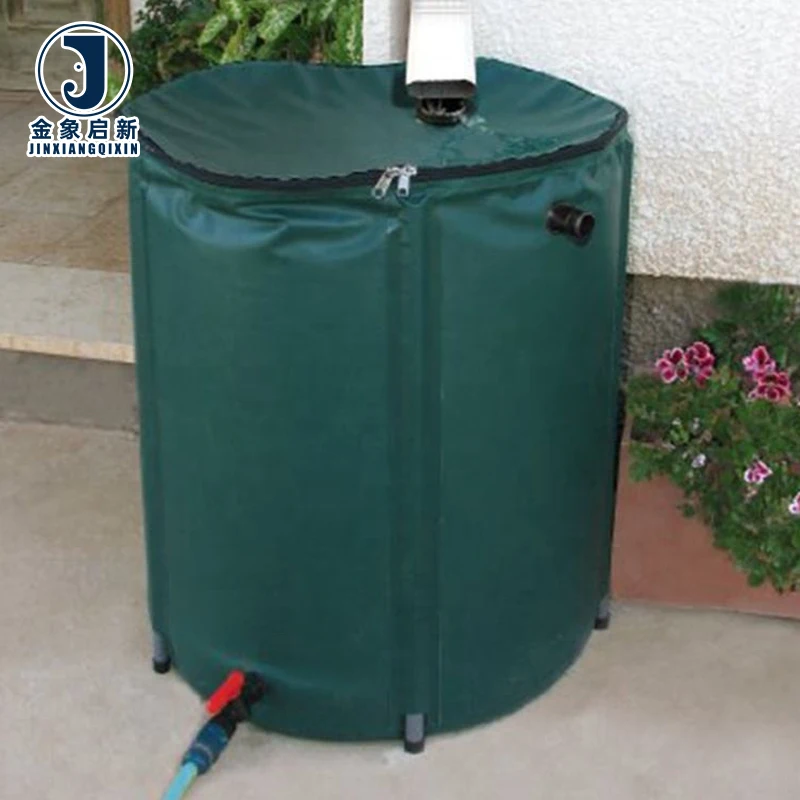
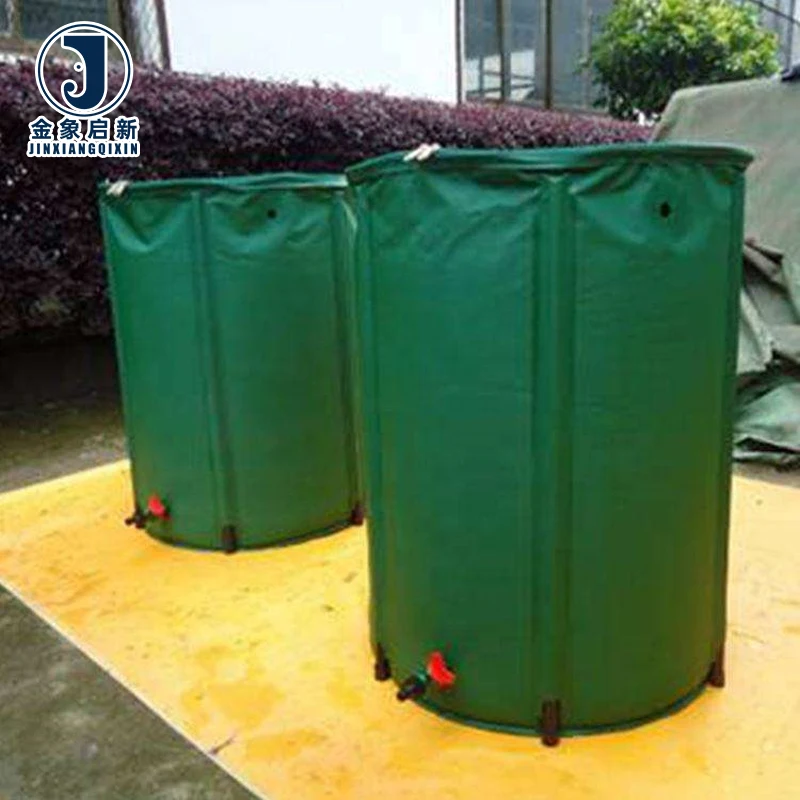
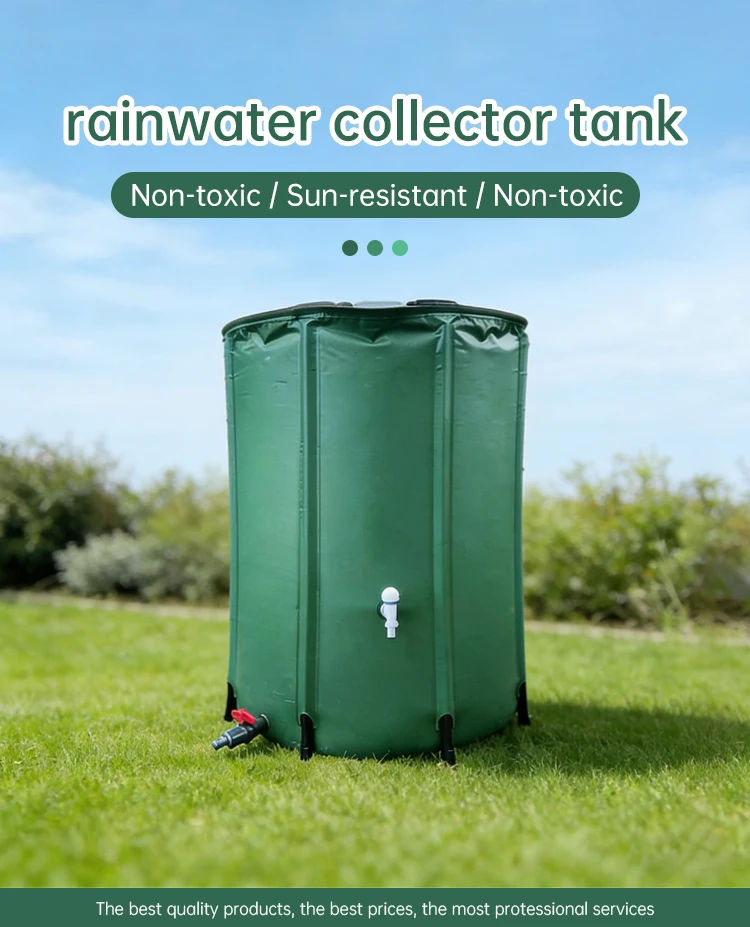
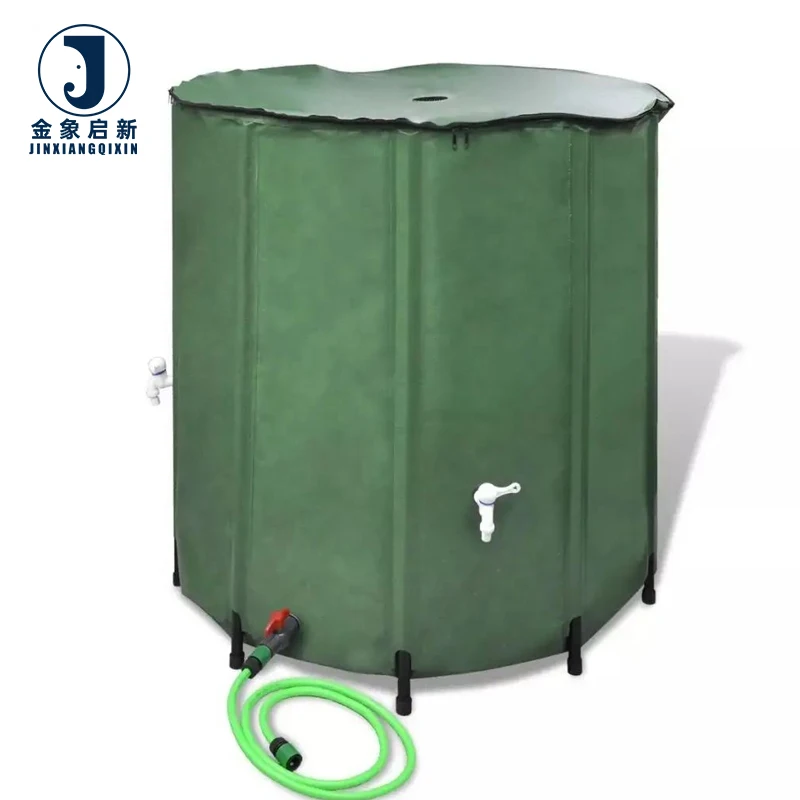
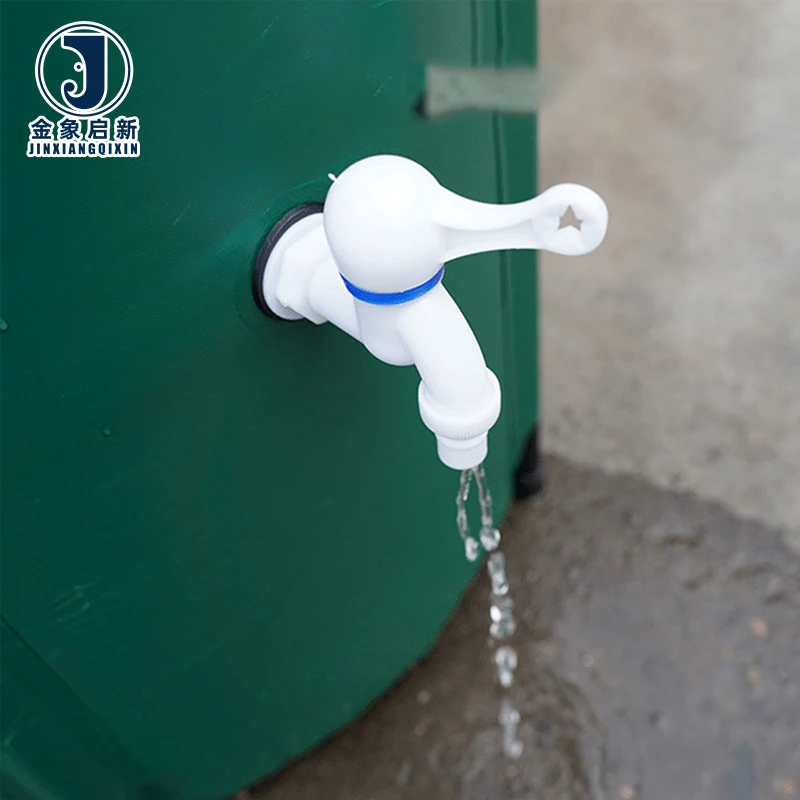
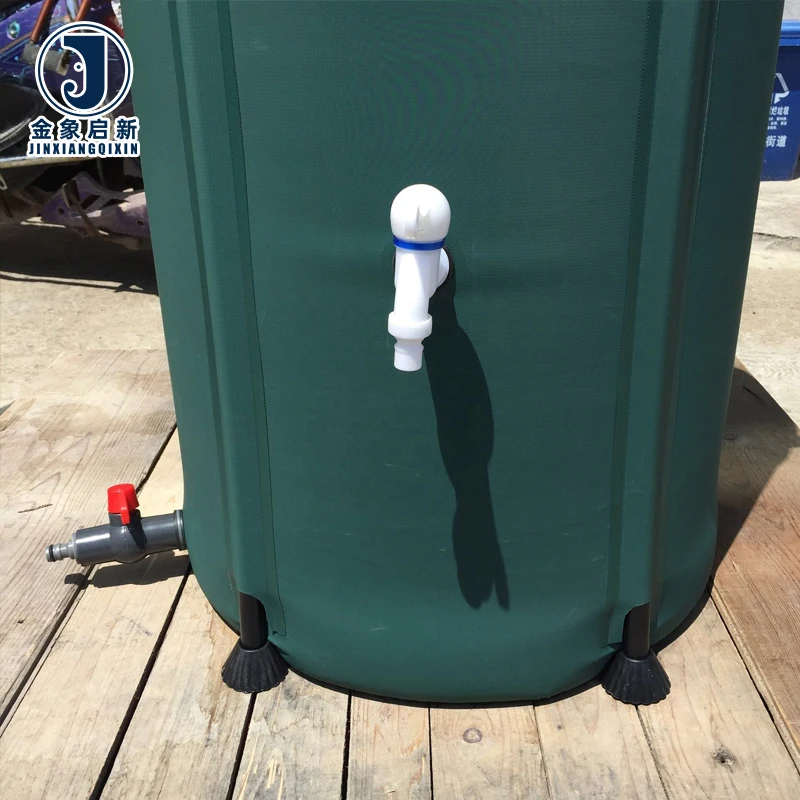
Collapsible Rain Barrel – 750L capacity, PVC mesh cloth with support rod structure – designed for garden water storage and rainwater collection systems.
- Waterproof, anti-UV, anti-mildew, flame retardant, and tear-resistant for reliable outdoor performance
- Collapsible and portable design enables easy installation and seasonal storage
Backed by nearly 30 years of coated fabric expertise, dedicated QA/QC at every production stage, and ISO/CE certified processes to support bulk custom orders.
Description
Deep Process Control Over Coating Weight — Every roll of PVC mesh cloth used in our collapsible rain barrel systems passes through dedicated QA weighing before leaving the factory floor.
Technical Specifications
| Parameter | Value |
|---|---|
| Product Type | Rain Barrel / Water Storage Tank |
| Capacity | 750L / 50 Gallon |
| Primary Material | PVC Mesh Cloth |
| Support Structure | PVC Support Rod |
| Waterproof Rating | Fully waterproof coated construction |
| UV Treatment | Anti-UV treated (grade to be confirmed per order) |
| Mildew Resistance | Anti-mildew and anti-bacteria treatment |
| Fire Safety | Flame retardant available — confirm the grade required for your market |
| Static Control | Anti-static treatment available upon specification |
| Durability Features | Abrasion-resistant, tear-resistant, shrink-resistant |
| Structural Format | Collapsible, portable design |
| Wind Load Handling | Windproof construction when properly anchored |
| Certifications | ISO, CE |
Application Suitability
| Application | Exposure & Requirement |
|---|---|
| Residential rainwater harvesting | Continuous UV exposure, seasonal temperature swings, algae prevention |
| Community garden irrigation networks | Frequent handling, shared access points, varying fill levels |
| Agricultural water storage backup | Dust and organic debris contact, pesticide runoff avoidance |
| Landscape contractor seasonal depots | Repeated deployment and collapse cycles, transport abrasion |
| Greenhouse condensate collection | High humidity environment, mildew pressure on fabric surfaces |
Why Collapsible Rain Barrel Buyers Get Burned on Material Claims
A collapsible rain barrel lives or dies by what happens at the seam and the mesh-to-coating bond, not by a headline weight figure.
When a buyer sources a 50 gallon rain collection unit, the conversation usually centres on capacity and price. What rarely gets verified is whether the PVC mesh cloth will hold its structural shape after months of standing water pressure pushing outward against the support rods. I have watched portable water storage barrels arrive at distribution warehouses with the coating already delaminating from the base mesh at the lower stress points — the exact zone where hydrostatic pressure peaks. The barrel still holds water for a few weeks, then a flex during wind loading opens a channel along the weakened bond line. [NEED_CITE: hydrostatic pressure distribution in flexible water storage vessels]
How PVC Mesh Cloth Handles Continuous Water Loading
The structural behaviour of a collapsible rain barrel under full load depends on the interaction between the mesh weave density and the coating penetration depth. Unlike solid woven fabrics, mesh cloth relies on the coating compound locking into the open interstices of the base yarn grid. When that lock is incomplete, water pressure finds the micro-channels and pushes the coating away from individual yarn bundles over time. Our coating process forces PVC compound through the mesh under controlled pressure, filling each intersection so the finished fabric acts as a single composite layer rather than two separate materials working against each other.
What Separates a Seasonal Barrel from a Year-Round Installation
A collapsible rain barrel deployed in garden irrigation service faces a specific degradation sequence that rigid tanks avoid entirely. The fabric must flex during setup, hold static water load for weeks, then collapse for off-season storage — and repeat that cycle without the coating cracking at the fold lines. The PVC support rod system carries the vertical load, but the horizontal containment relies entirely on the mesh cloth maintaining its dimensional stability. When the anti-UV treatment degrades unevenly across the barrel surface, the sun-facing side becomes brittle while the shaded side remains flexible, creating a stiffness differential that concentrates stress at the transition zone. [NEED_CITE: UV degradation patterns in plasticized PVC under partial shade conditions]
Reading the Specs That Actually Determine Barrel Longevity
The 750L capacity rating tells you what the barrel holds, but three underlying parameters determine how long it holds it. First, the mesh denier and weave count govern tear propagation resistance — a higher denier base yarn stops a puncture from running into a full-length split when the barrel is dragged across rough ground during repositioning. Second, the coating weight per square metre controls both waterproofing integrity and low-temperature flexibility; a heavier coat resists water penetration better but becomes stiffer in cold weather, making seasonal collapse more likely to damage the material at fold points. Third, the anti-mildew and anti-bacteria treatment chemistry determines whether standing water inside the barrel develops biofilm that stains the fabric and accelerates coating breakdown from the inside surface. These three parameters interact: a heavy coating on a low-denier mesh may crack before the mesh itself fails, while a light coating on high-denier mesh may let water migrate through pinholes long before any structural failure occurs.
The Hidden Cost of Under-Specifying Your Rainwater Collection System
Buyers who focus solely on capacity and unit cost often encounter failures that appear unrelated to fabric selection. A barrel that develops mildew staining within the first season typically points to inadequate anti-bacteria treatment rather than poor maintenance — the biological growth establishes in coating micro-cracks that are invisible at the time of purchase. [NEED_CITE: biofilm formation on plasticized PVC surfaces in standing water applications] When the support rod pockets are cut from the same mesh cloth as the barrel body without reinforcement,*se stress concentration points until the rod pushes through. Similarly, flame retardant specifications that are stated on the quotation but not backed by a test report create compliance risk for buyers installing barrels in jurisdictions with outdoor storage fire codes — the barrel passes visual inspection but fails when the authority having jurisdiction requests documentation.
Why Production Discipline Matters for Collapsible Water Storage
Our three full production lines handle the volume required for container-load orders of collapsible rain barrel units without pushing delivery timelines beyond what was quoted. The 10-person R&D team develops custom sizing and connection configurations when standard 750L dimensions do not match your downspout layout or drainage infrastructure. Every barrel undergoes 100% pre-shipment inspection with QA verifying coating adhesion at the mesh intersections, support rod pocket integrity, and seam strength at the base weld — because these are the three failure points we see most often in field returns. Samples for custom configurations are developed within days so you can test fitment and water flow before committing to a production run. Our coating process control means the PVC compound weight hitting the mesh is measured per roll, not estimated from line speed settings.
Documentation & Verification
- Material specification sheet confirming PVC mesh cloth type, coating weight, and 750L capacity rating
- Anti-UV and flame retardant test reports matched to the specific treatment grade applied to your order
- Pre-shipment inspection record covering seam welds, support rod pockets, and coating adhesion at mesh intersections
- ISO and CE certificates covering the manufacturing facility and product compliance scope
- Roll-level packing list with weight verification data for traceability
Fabrication, Handling & Storage
- Heat-seal the base seam using temperature settings matched to PVC mesh cloth coating thickness to avoid burning through the mesh yarns
- Reinforce support rod insertion pockets with an additional PVC mesh layer to distribute point loads across the weave
- Store collapsed barrels flat in original packaging to prevent permanent crease lines forming in the coating
- Avoid dragging filled barrels across abrasive surfaces — the anti-abrasion treatment protects against scuffing but not sustained friction
- Clean interior surfaces with mild detergent only; solvents will strip the anti-mildew and anti-bacteria treatment from the coating
What to Include When Requesting a Quotation
Provide your annual volume estimate, target deployment climate, and any local fire safety or environmental compliance requirements that apply to outdoor water storage products in your market. Specify whether you need the standard 750L collapsible rain barrel configuration or a modified capacity, and indicate if your distribution channel requires individual retail packaging or bulk container loading. Let us know if you need physical samples for fitment testing with your existing downspout connectors before production begins.
Frequently Asked Questions
Q: How does collapsible design affect long-term durability compared to rigid barrels?
A: Collapsible PVC mesh cloth barrels face repeated flex cycles that rigid polyethylene tanks avoid entirely. The critical durability factor is the coating-to-mesh bond strength at fold points — our production process forces coating compound into the mesh interstices under pressure, creating a composite structure that resists delamination through multiple deployment and storage cycles without cracking at the crease lines.
Q: What maintenance is required to prevent algae growth inside the tank?
A: The anti-mildew and anti-bacteria treatment applied to the PVC mesh cloth interior surface inhibits biological growth under normal conditions. We recommend periodic emptying and rinsing with clean water to remove sediment accumulation. Avoid chemical algaecides unless confirmed compatible with plasticized PVC coatings, as some copper-based treatments accelerate coating degradation on contact.
Q: Can this barrel withstand freezing temperatures when partially filled?
A: Partially filled collapsible barrels face ice expansion forces that push outward against the PVC mesh cloth walls and the support rod structure simultaneously. We recommend draining the barrel before sustained freezing conditions arrive. If freezing exposure is unavoidable in your climate, specify a lower fill level and confirm with us whether the coating flexibility grade ordered retains adequate low-temperature performance for your region.
Q: Are replacement support rods available if damaged during setup?
A: Replacement PVC support rods are available as separate items matched to the specific barrel configuration you ordered. The rod diameter and length are engineered for the pocket dimensions of each barrel size, so confirm your original order specifications when requesting replacements to ensure proper fitment and load distribution within the support structure.
Q: What is the expected lifespan with year-round outdoor exposure?
A: Lifespan depends on UV intensity at your location, whether the barrel sits in full sun or partial shade, and how well the anti-UV treatment grade matches your climate conditions. We supply the treatment grade documentation with each order so you can assess suitability for your specific deployment environment rather than relying on generic lifespan claims that may not reflect your actual exposure conditions.
Related products
-
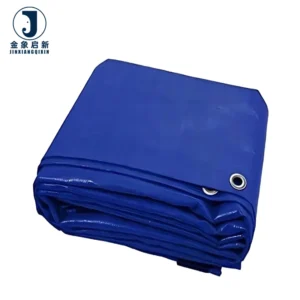
PVC Tarpaulin 650 Gsm 630 Gsm for Truck Cover – Custom Made
Read more -
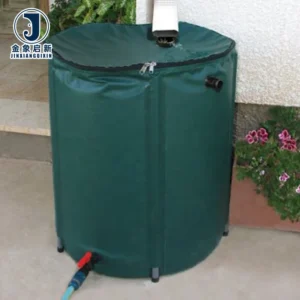
Collapsible Rain Barrel for Water Storage – Custom Made
Read more -
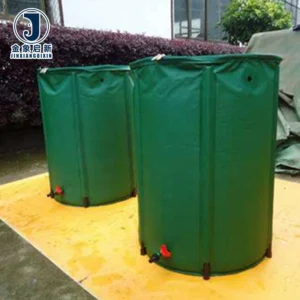
Flexible PVC Tarpaulin Water Tank for Rainwater Harvesting – Custom Made
Read more -
NST Green 50 Gallon Collapsible Rain Barrel Rainwater Collection System Portable Garden Water Storage Tank Water Catcher
¥15.70 Add to cart