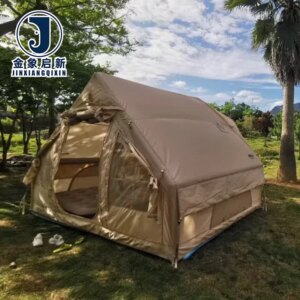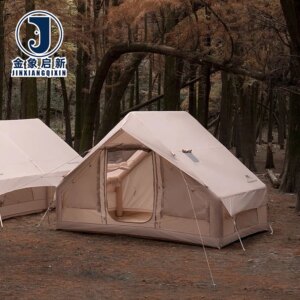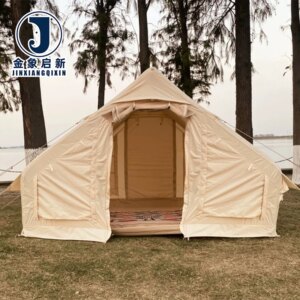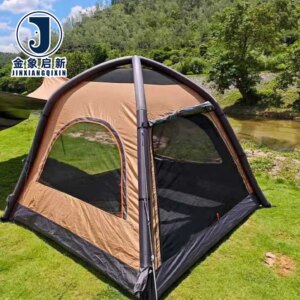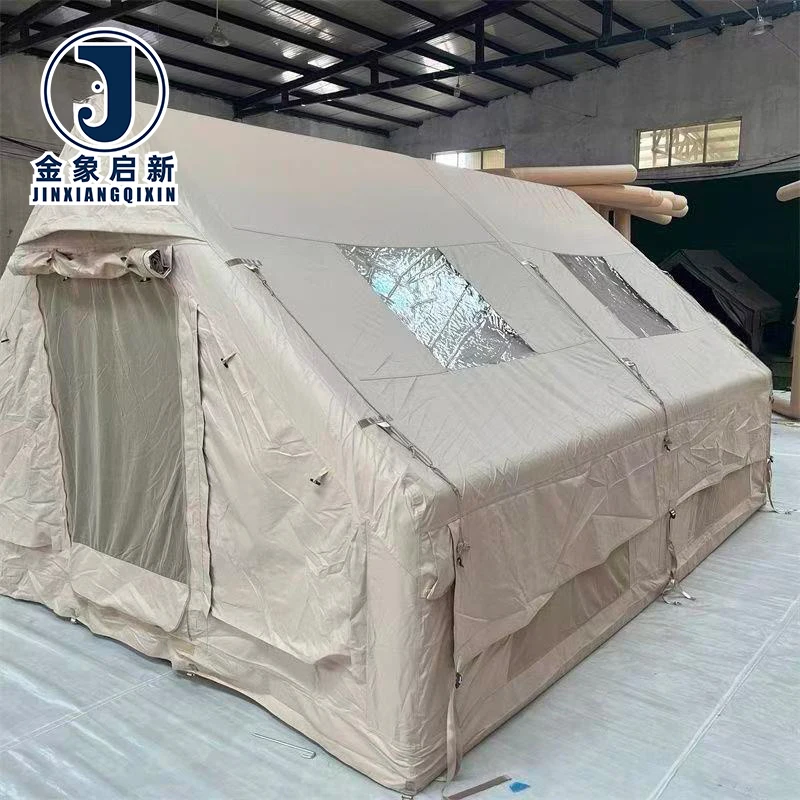
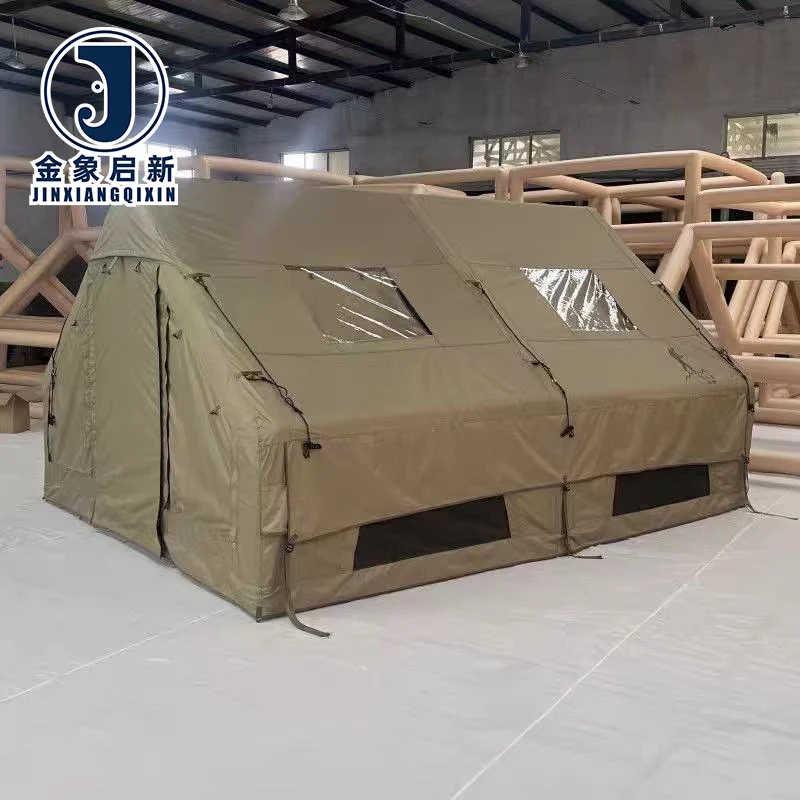
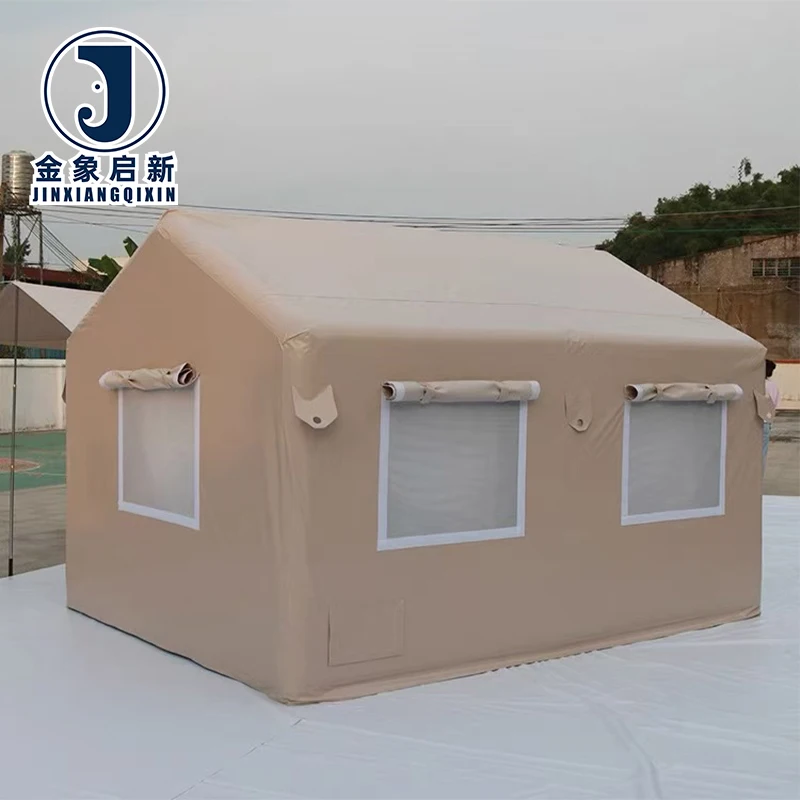
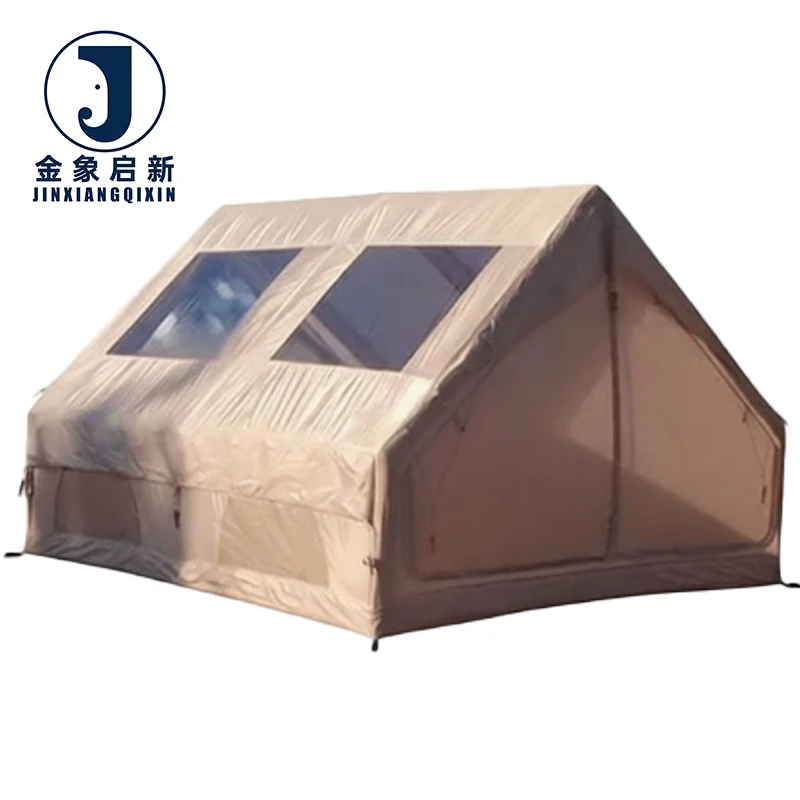
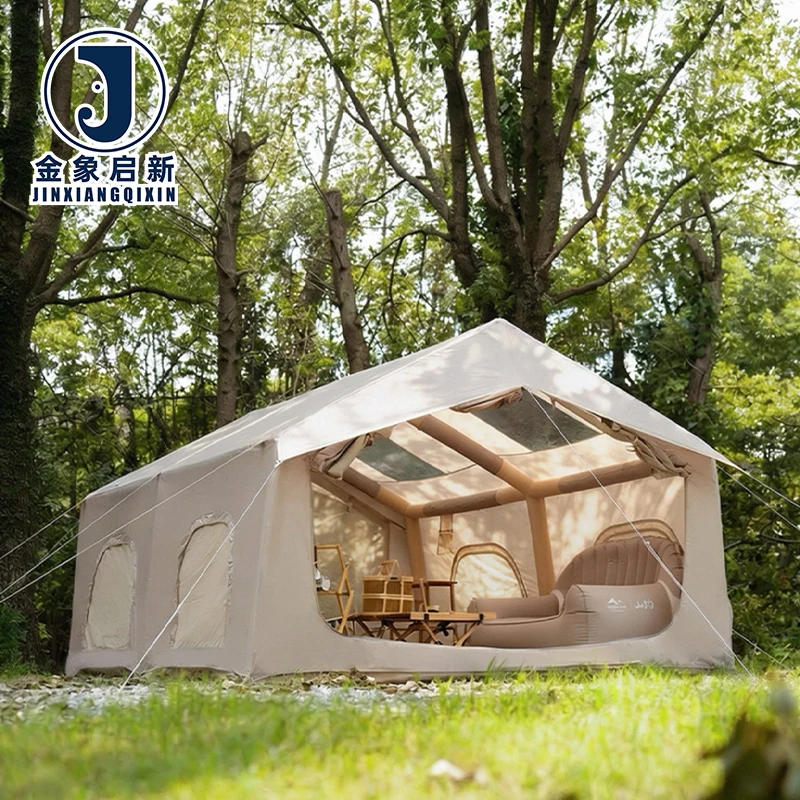
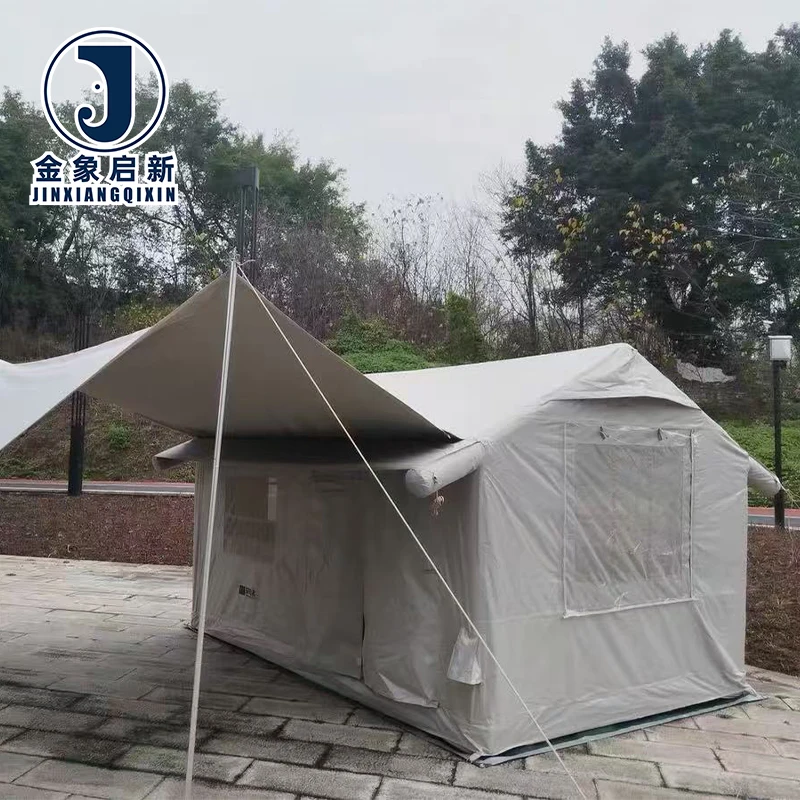
Inflatable Camping Tent, 6-8 Person Capacity, 4 Season Rating — automatic air inflation with waterproof PVC tarpaulin fabric, UV-resistant coating for prolonged outdoor exposure, and tear-resistant single-layer construction.
- Engineered for commercial operators deploying temporary shelters across multiple sites, balancing rapid setup with batch-consistent material performance in wind and weather.
- Backed by nearly 30 years of coated fabric expertise, 100% pre-shipment inspection, and a 10-person R&D team handling custom sizing and sample development.
Description
Proven Coating Expertise — Nearly three decades of PVC coating process control ensure every roll of Inflatable Tent Fabric maintains consistent weight, adhesion, and structural integrity for commercial inflatable structures.
Technical Specifications
| Parameter | Value |
|---|---|
| Product Type | Inflatable Camping Tent |
| Core Material | PVC Tarpaulin |
| Construction | Single-layer |
| Key Performance | Waterproof, UV-resistant (test basis not stated), Tear-resistant |
| Opening Mechanism | Automatic Opening (Air Inflation) |
| Capacity | 6-8 Person |
| Season Rating | 4 Season |
| Customization | OEM & ODM, sample customization, pattern printing |
| Production Facility | 3 full production lines, 36 sets of processing equipment |
| R&D Team | 10 technicians |
| Standards | ISO9001, ISO14001, ISO45001, CE |
Application Suitability
| Application | Exposure & Requirement |
|---|---|
| Outdoor events temporary shelter | Rapid deployment cycles, constant UV exposure, wind load stress on seams |
| Construction site temporary facilities | Abrasion from ground contact, dust and chemical exposure, frequent relocation |
| Commercial camping ground operations | Year-round weather variation, guest turnover wear, prolonged inflation pressure |
| Rapid deployment weather-resistant structures | Emergency setup timelines, unpredictable environmental conditions, transport compression |
Why Fabric Consistency Matters More Than Stated Weight for Air-Supported Structures
A uniform coating across every panel is what keeps an inflatable standing when wind loads shift.
When sourcing material for air-supported shelters, buyers often focus on the quoted weight as the primary quality indicator. Yet two rolls carrying identical GSM labels can behave differently under inflation pressure if the coating thickness varies across the web or between production runs. For an Inflatable Tent Fabric manufacturer, maintaining tight process control during coating directly determines whether welded seams hold air or bleed pressure over time [NEED_CITE: coated fabric tensile and adhesion test methods per ISO 1421]. Inconsistent material also causes panels to stretch unevenly during inflation, creating stress concentrations that accelerate fatigue at the seams.
Complete Product Range and Customization for Inflatable Structures
Sourcing the right Inflatable Tent Fabric requires matching material properties to the specific demands of air-supported design. Our range covers the waterproof and tear-resistant characteristics needed for single-layer inflatable construction, with OEM and ODM services available for projects requiring custom dimensions or printed graphics. The single-layer construction balances structural durability with the packing efficiency that commercial operators need when transporting units between sites or storing seasonal inventory.
Engineering the Material for Sustained Inflation Pressure
Every inflatable shelter depends on continuous internal pressure to maintain its structural form, which places constant stress on every welded seam and fabric panel. The PVC tarpaulin used in this Inflatable Camping Tent is produced across three full lines with 36 sets of professional processing equipment, giving the production team precise control over coating application. The 10-technician R&D team handles material selection and sample development, ensuring the fabric specification aligns with the inflation requirements of each tent design [NEED_CITE: air pressure testing protocols for inflatable membrane structures].
How Coating and Base Fabric Work Together Under Air Load
The waterproof performance of PVC tarpaulin depends on complete encapsulation of the base fabric by the coating layer, preventing moisture ingress through capillary action at exposed yarns. Tear resistance originates primarily from the woven base fabric structure, while the coating contributes to tear propagation resistance by bonding adjacent yarns together and distributing point loads. For inflatable applications, this interaction is critical because the fabric operates under constant biaxial tension from internal air pressure. The UV-resistant treatment available on this material addresses the surface degradation that outdoor exposure causes over time, though buyers should confirm the specific test basis required for their market. A 4 Season rating on this Inflatable Camping Tent reflects the material’s capacity to handle variable temperature and moisture conditions across seasonal changes.
The Hidden Costs When Specifications Do Not Match the Application
Specifying a fabric without verifying its behaviour under sustained inflation can lead to failures that emerge only after the tent enters regular service. Panels that stretch beyond design limits under constant air pressure gradually loosen at the welded seams, and the resulting air leakage forces the inflation system to work continuously. Colour variation between production batches becomes visible when multiple tents are installed side by side at a commercial camping ground or event venue. Seam failures that originate from inconsistent coating adhesion typically appear at the points where the structure flexes most during wind events, which are precisely the locations that are most difficult and costly to repair in the field [NEED_CITE: welded seam failure modes in PVC coated fabrics].
What This Production Setup Delivers for Your Project
Three dedicated production lines provide the capacity to fulfil bulk orders for inflatable tent fabric without compressing lead times or sacrificing coating consistency across the run. The 36 sets of processing equipment include the specialised welding and finishing tools needed to produce clean, airtight seams on inflatable panels. A 10-technician R&D team supports every OEM order with sample development and material selection guidance, reducing the iteration cycles between initial enquiry and production approval. Full-process quality inspection with dedicated QA and QC staff catches coating defects and dimensional deviations before they reach the cutting table. ISO9001, ISO14001, ISO45001, and CE certifications provide the compliance framework that international procurement teams require for vendor qualification.
Documentation & Verification
- Material specification sheet detailing base fabric type, coating composition, and performance characteristics for each batch
- Pre-shipment inspection record with air pressure test data for inflation integrity verification
- Customised parameter sheets for OEM orders outlining material composition and finished dimensions
- ISO9001, ISO14001, ISO45001, and CE certificates for international compliance requirements
- Batch test data accessible by order number for supply chain traceability
Fabrication, Handling & Storage
- Hot-air welding parameters must be calibrated to the specific PVC coating thickness for airtight seams
- Store rolls upright on pallets to prevent flat spots that distort the single-layer PVC tarpaulin during unrolling
- Use compatible PVC-based repair adhesives that match the coating chemistry for field patch durability
- Allow cold-stored fabric to reach ambient temperature before inflation to avoid coating stiffness and cracking
- Plan cutting layouts to minimise offcuts and ensure pattern printing alignment across adjacent panels
- Clean with mild detergent only; aggressive solvents degrade the waterproof PVC coating surface
Requesting a Specification That Fits Your Deployment Model
To move from general enquiry to an actionable quotation, share the intended deployment environment and the seasonal conditions the inflatable tent will face. Specify whether you require roll stock for your own fabrication line or finished units with welding and printing completed. Provide target dimensions, annual volume estimates, and any colour or graphic requirements so the R&D team can develop a matched sample. If your market mandates specific fire classification or UV performance documentation, state the applicable standard early in the process.
Frequently Asked Questions
Q: What customization options are available for inflatable tent fabric dimensions, printing, and material adjustments?
A: OEM and ODM services cover custom dimensions, pattern printing, and material parameter adjustments. The 10-technician R&D team develops samples to your specification before mass production begins. Provide your target dimensions, colour references, and any printing artwork during the enquiry stage so the team can confirm feasibility and prepare matched samples for your approval.
Q: How is batch-to-batch colour and coating consistency controlled across large-volume orders?
A: Full-process quality inspection with dedicated QA and QC staff monitors coating weight and colour at every production stage. The three production lines and 36 sets of processing equipment maintain stable process parameters throughout a run. Pre-shipment inspection records document the results for each batch, giving buyers traceability from order number to the specific material characteristics of their delivery.
Q: What UV-resistance test data is available to verify outdoor exposure performance?
A: The fabric is produced with UV-resistant treatment for prolonged outdoor exposure. The specific test basis and performance data depend on the grade selected for your order. Buyers should state the UV test standard required by their end market during the enquiry stage so the appropriate grade and supporting documentation can be arranged before production.
Q: How are welded seams tested for inflation integrity and what documentation is provided?
A: Air pressure testing is conducted to verify inflation integrity and seam strength on produced units. Pre-shipment inspection records include the air pressure test data, providing documented traceability for each order. This testing confirms that welded seams maintain airtight performance under the sustained internal pressure that inflatable tent structures require during operation.
Q: What is the sample development and approval process before mass production commitment?
A: Submit your application requirements, dimensions, and performance specifications to initiate sample development. The R&D team produces samples using the same production lines and equipment planned for your bulk order. Once you evaluate and approve the sample, mass production proceeds with the confirmed specification locked in, ensuring the delivered material matches the approved sample.
Related products
-
Luxury Inflatable Tent for Glamping Outdoor Waterproof Air Tent with Pump
Read more -
Outdoor Portable Camping Inflatable Tent Luxury All-Season Use Overnight Large Space Rainproof Insulated Quick Automatic Opening
Read more -
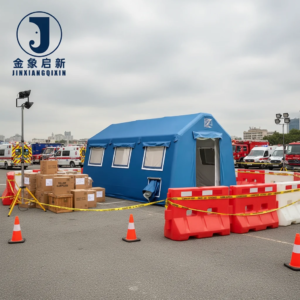
Barraca de Camping Inflável Impermeável PVC Tenda de Ar para Exteriores Montagem Fácil Abrigo de Camping Familiar Quatro Estações >3000mm Impermeável Rápido
Read more -
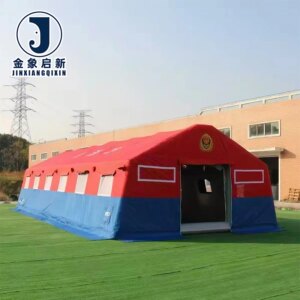
Inflatable PVC Camping Tent Four-Season Waterproof CE Certified Quick Automatic Opening 3000mm+ Factory Direct Sale
Read more