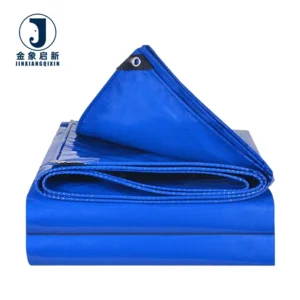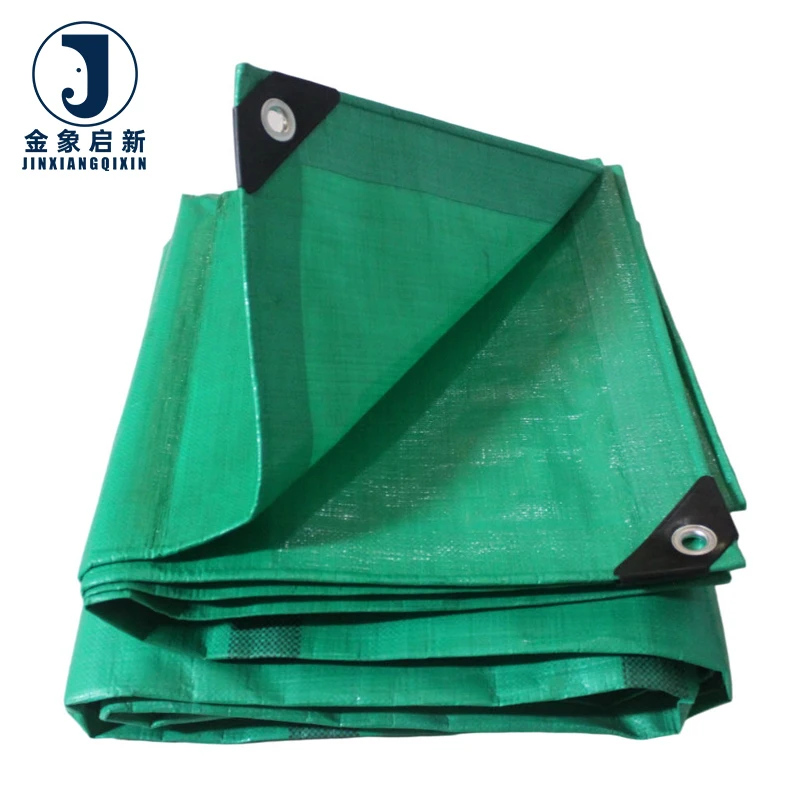
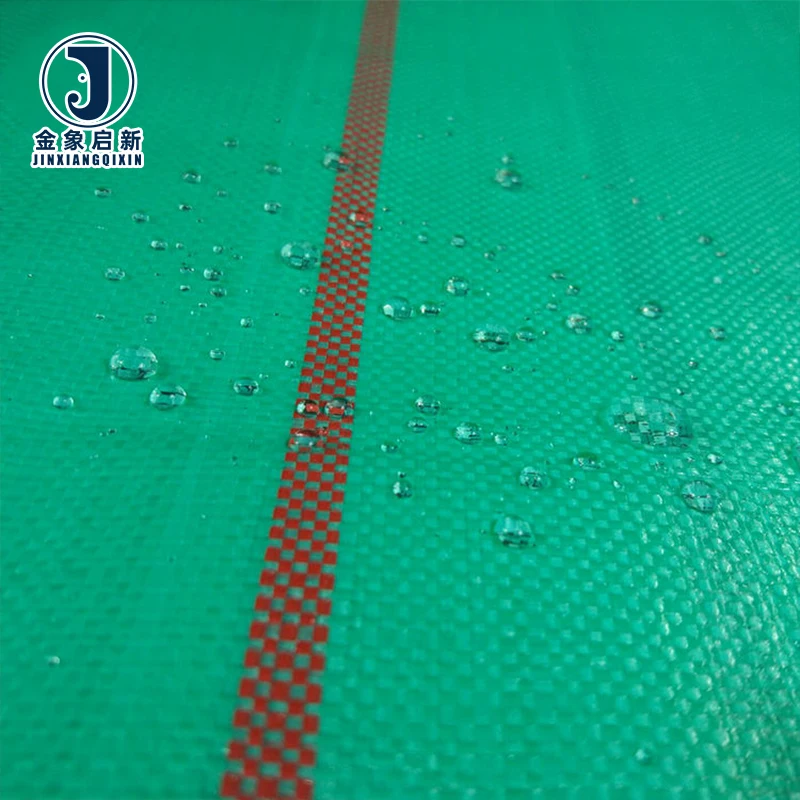
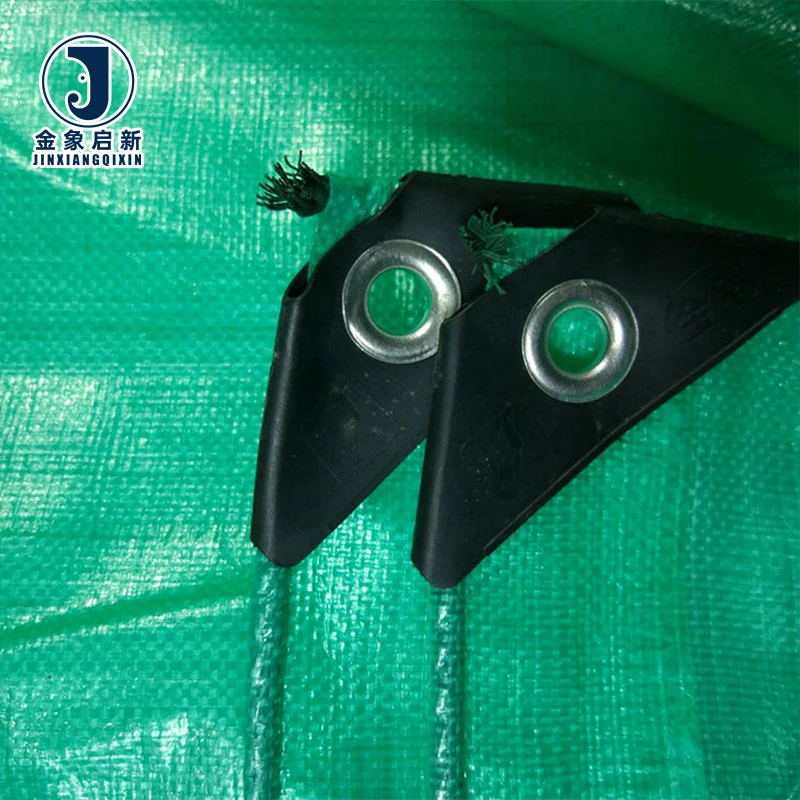
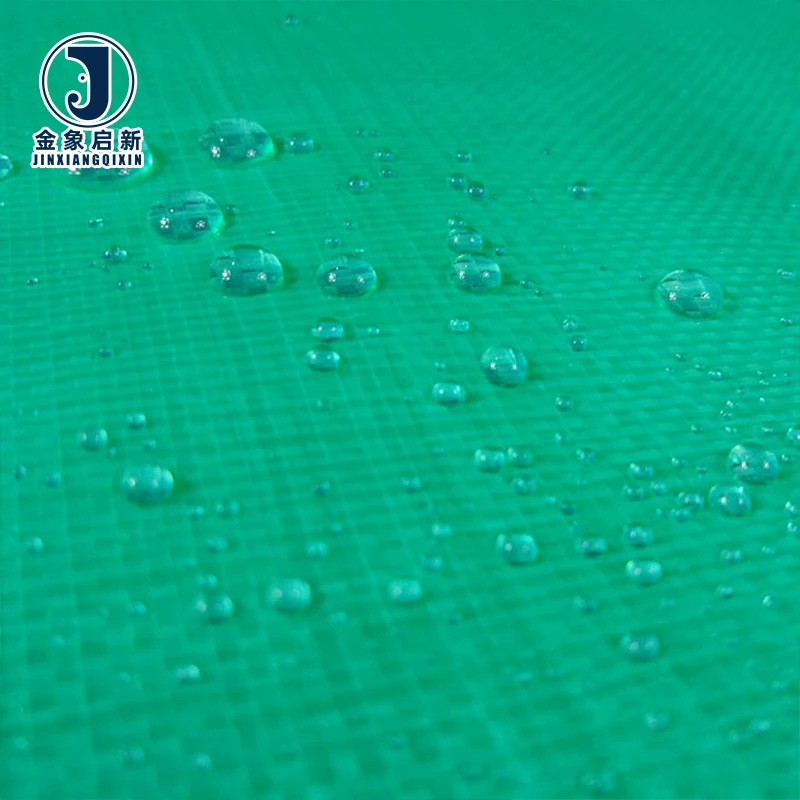
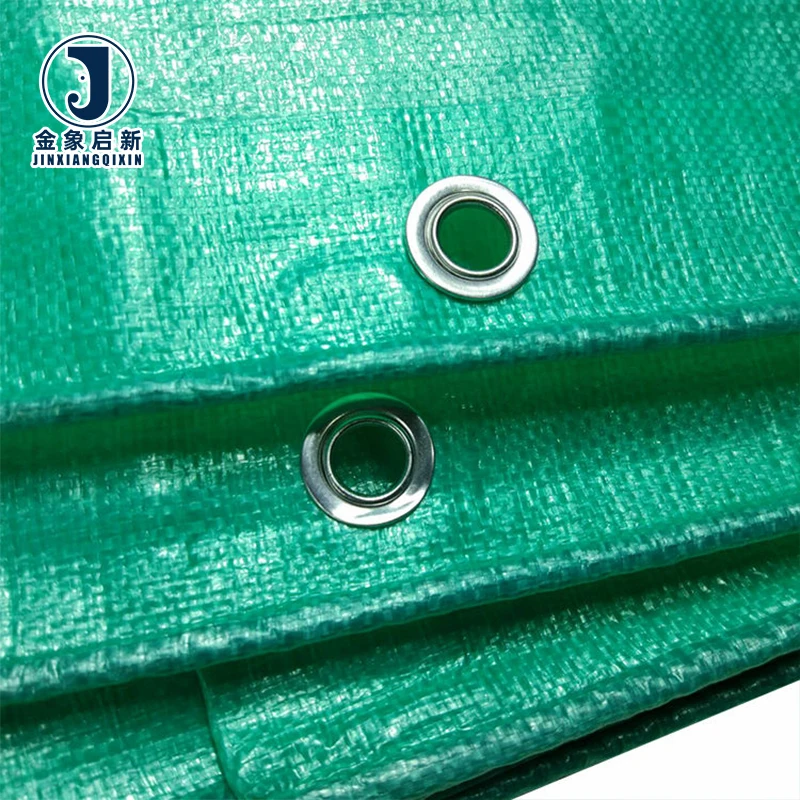
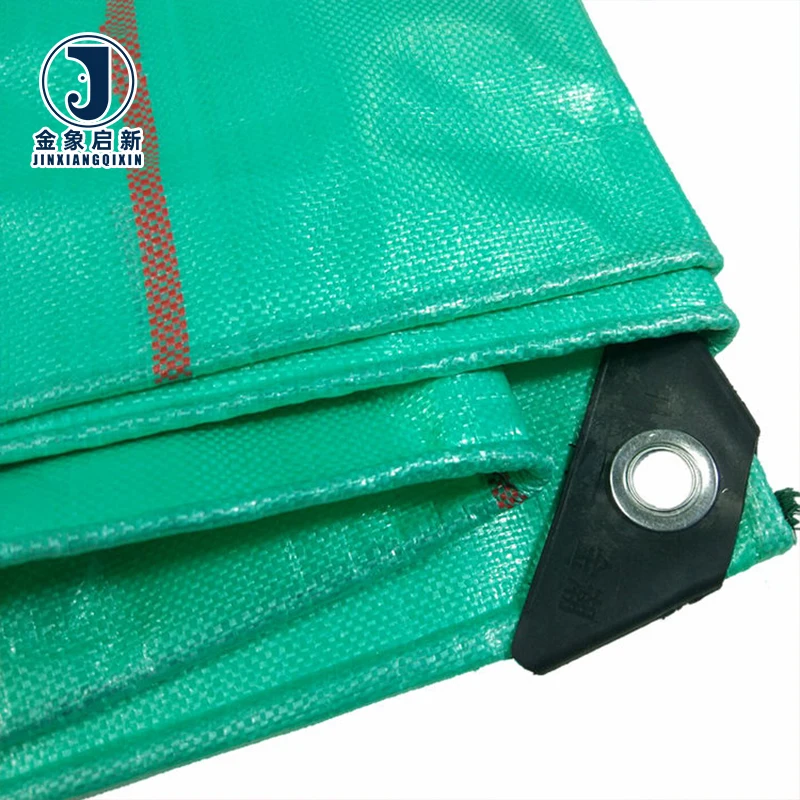
PE Tarpaulin, HDPE Woven with LDPE Lamination, 50–220gr/m² — double-sided coated for waterproof coverage with PP rope hem reinforcement and galvanized eyelets every 3ft for secure tie-down.
- HDPE woven base and LDPE lamination work together to balance tear resistance and weight, while anti-UV and anti-oxidant treatment supports extended outdoor exposure
- Roll widths from 6ft to 6m with 100-yard or 100-meter lengths to suit cut-to-size or bulk roll requirements
Produced on three full lines with dedicated QA/QC at every stage, backed by nearly 30 years of coated fabric expertise and 100% pre-shipment inspection.
Description
Coated Fabric Expertise — PE tarpaulin production controlled across three full lines with dedicated QA at every stage, ensuring roll-to-roll consistency for bulk outdoor covering orders.
Technical Specifications
| Parameter | Value |
|---|---|
| Product Type | PE Tarpaulin |
| Material | HDPE weaving with LDPE lamination on both sides |
| Weight (GSM) | 50gr/m² ~ 220gr/m² available (range covers product family — confirm the grade for this item) |
| Total Thickness | 0.2–0.4 mm / 8 mil–16 mil / Custom |
| Color Options | Blue, Blue/Orange, Green, Grey, Black, Clear, Grey/Green, Orange, or custom color |
| Roll Width | 6ft, 8ft, 10ft, 12ft or 2m, 4m, 6m |
| Roll Length | 100 yards, 100 meters, or as per buyer requirement |
| Edge Reinforcement | PP rope in hem on all four edges (finished tarpaulin) |
| Eyelet Specification | Galvanized eyelets every 3ft or 1 meter interval |
| Corner Reinforcement | Reinforced plastic corners |
| UV Treatment | Available (test basis not stated in source — confirm grade required) |
| Mildew Resistance | Mildew proof (grade not stated in source — confirm for your market) |
| Anti-Aging | Anti-oxidants added |
| Waterproof | Yes |
| Printing Option | Custom brand printing available |
| Standards | ISO, CE |
Application Suitability
| Application | Exposure & Requirement |
|---|---|
| Truck and trailer load covering | Constant road vibration, wind uplift at highway speed, UV exposure, rain and road spray |
| Construction site equipment covers | Prolonged sun exposure, dust and debris abrasion, periodic handling and repositioning |
| Agricultural stock and feed covering | Moisture ingress prevention, UV degradation from seasonal outdoor storage, mildew risk in humid climates |
| General-purpose outdoor weather shielding | Rain, acid rain, corrosive atmospheric conditions, repeated folding and unfolding |
Why Your PE Tarpaulin Order Must Match the Quoted GSM on Arrival
Every roll we ship carries a pre-shipment inspection record verifying the stated GSM before it leaves the factory.
Sourcing PE tarpaulin across multiple batches often reveals a familiar problem: the material specification sheet states a certain weight, but the rolls arriving at the warehouse feel noticeably lighter. This discrepancy compounds when covers are deployed in demanding conditions — lighter fabric tears more readily at tie-down points and degrades faster under sun exposure. A PE Tarpaulin custom manufacturer must control coating weight and lamination consistency at every production stage, not simply quote a number on paper. [NEED_CITE: ISO test methods for mass per unit area of coated fabrics]
Roll-to-Roll Consistency Across Bulk Orders
When purchasing PE tarpaulin by the roll, the most common complaint from fleet operators and distributors is colour variation between rolls within the same shipment. Visible mismatch appears once covers are deployed side by side on adjacent trailers or laid across a single stockpile. Our production process controls LDPE lamination temperature and pigment dispersion across all three lines, so every roll in a batch matches the approved colour reference. Custom colours are matched against a physical swatch before bulk extrusion begins.
Finished Tarpaulin Construction for Secure Tie-Down
The point where a tarpaulin fails first is almost always at the hem or eyelet — not in the body of the fabric. Finished cut sizes from this range carry PP rope reinforcement inside the hem on all four edges, distributing tie-down tension across a broader area rather than concentrating stress at individual grommets. Galvanized eyelets are set at 3ft or 1 meter intervals depending on buyer specification, with reinforced plastic corners at high-stress points. [NEED_CITE: tensile and tear test methods for coated fabrics per ISO 1421]
Understanding the HDPE Weave and LDPE Lamination Structure
The base fabric is woven from HDPE tape yarns, providing the structural skeleton that determines tensile and tear behaviour. LDPE lamination on both sides seals the weave, creating a continuous waterproof barrier. The GSM of a PE tarpaulin reflects the combined weight of the woven base and the two coating layers — a higher GSM does not automatically mean a stronger fabric if the additional weight comes from thicker lamination rather than a denser weave. Base fabric denier and weave count govern how a tear propagates once initiated, while the LDPE coating primarily contributes waterproofing, surface abrasion resistance, and UV stability when treated. Selecting the right balance between weave density and coating weight depends on the specific mechanical stress the cover will face — static storage covers can run lighter, while truck tarps subject to wind flap and tie-down tension benefit from a denser base fabric.
The Hidden Cost of Specifying the Wrong Grade
A PE tarpaulin selected purely on price per roll often costs more over a season than a correctly specified grade. Covers that are too light for their application tear at eyelet points during the first strong wind, forcing replacement mid-project. Rolls with inconsistent coating weight develop pinhole leaks that allow moisture through to the cargo beneath. When colour drifts between rolls in a single order, the visual result on a fleet of trucks undermines the operator’s professional image. These failures are preventable when the specification is matched to the actual exposure conditions and verified before dispatch. [NEED_CITE: common failure modes in polyethylene tarpaulin field applications]
Why Source This PE Tarpaulin Range Here
Nearly 30 years of focused coated fabric production means the lamination parameters for every GSM grade are established process settings, not trial runs. Three full production lines and 36 sets of professional equipment support simultaneous bulk runs without sacrificing roll-to-roll consistency. A 10-person R&D team develops samples within days when custom colour, width, or printed branding is required. Dedicated QA/QC at every production stage — from base weaving through lamination to hemming and eyelet insertion — catches weight and colour deviations before they reach the packing area. Every order ships with 100% pre-shipment inspection, so the GSM and construction you approved at sample stage is exactly what arrives in container.
Documentation & Verification
- Material specification sheet stating confirmed GSM, HDPE base fabric type, and LDPE coating weight per roll
- Pre-shipment inspection record verifying weight and colour against approved sample before dispatch
- UV and mildew treatment test reports supplied where applicable grades are confirmed
- Roll packing list detailing individual roll dimensions, net weight, and colour reference for receiving check
- Certificate of origin and customs documentation included for international PE tarpaulin shipments
Fabrication, Handling & Storage
- Heat-seal parameters vary by GSM grade — confirm temperature and dwell time on the 0.2–0.4 mm thickness range before production
- Galvanized eyelets must align with PP rope hem to distribute load; misaligned grommets concentrate stress and tear the LDPE coating
- Store rolls upright on pallets in shaded, ventilated areas to prevent flat-spot deformation on the LDPE surface
- Unfold finished tarps fully before first use to release crease lines that can crack the lamination in cold conditions
- Clean with mild detergent and soft brush; solvents and high-pressure washers degrade the LDPE lamination layer
What We Need to Quote Your Requirement
Provide the intended application and the environmental exposure the covers will face — this determines the correct GSM grade and whether UV or mildew treatment is necessary. Specify roll stock or finished cut sizes, the required width and length, and the eyelet interval that matches your tie-down system. If custom colour or branded printing is needed, a physical reference or Pantone code allows sample development before bulk commitment.
Frequently Asked Questions
Q: How do I verify the GSM matches the quotation when the PE tarpaulin arrives?
A: Every shipment includes a pre-shipment inspection record documenting the measured GSM per roll. On arrival, cut a sample from any roll, measure its area and weight, and compare against the specification sheet. Our QA process ensures the documented values match the physical material, eliminating the gap between quoted and delivered weight that causes disputes in PE tarpaulin sourcing.
Q: Can you keep colour consistent across dozens of rolls in one bulk order?
A: Colour is controlled through pigment dispersion checks during LDPE lamination and verified against an approved reference swatch before packing. Rolls from the same production run are batched together and inspected side by side. This prevents the visible colour drift between rolls that undermines the appearance of a fleet or stockpile when covers are deployed adjacent to each other.
Q: What eyelet spacing and edge reinforcement options are available?
A: Finished tarpaulins carry galvanized eyelets at either 3ft or 1 meter intervals, with PP rope sewn inside the hem on all four edges and reinforced plastic corners at each corner. Custom spacing and additional reinforcement at high-stress points can be specified during sample development to match the tie-down pattern of your trailers or securing system.
Q: What lead time applies to custom width, colour, or printed PE tarpaulin orders?
A: Custom specifications require sample approval before bulk production begins. Once the sample is confirmed, production runs on one of three full lines with typical multi-week lead times depending on order volume and the complexity of the custom colour or print. Standard roll stock in common widths ships faster from scheduled production runs.
Q: What test basis supports the UV treatment and mildew resistance claims?
A: UV treatment and mildew resistance are available options — the specific grade and test standard applied depends on the market requirement you specify. Request the applicable test report during the inquiry stage so the treatment level matches the regulatory or performance standard your end application demands.
Related products
-
Woven Coated Plain Anti-UV Waterproof PE Tarpaulin Roll Customized for Car Outdoor Tent Awning Truck & Industrial Cover
¥0.29 Select options This product has multiple variants. The options may be chosen on the product page -
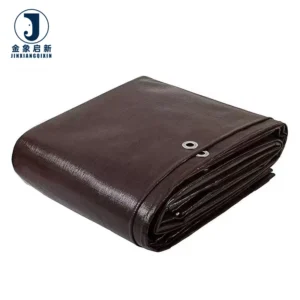
Custom PE Tarpaulin for Industrial Use – Full Range
Read more -
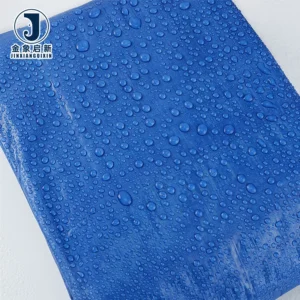
PE Coated Tarpaulin Waterproof Rainproof Outdoor Awning Shade Sail Canopy Pet Dog House Cover for Boys Anti-UV Medium Weight
¥0.70 Select options This product has multiple variants. The options may be chosen on the product page -
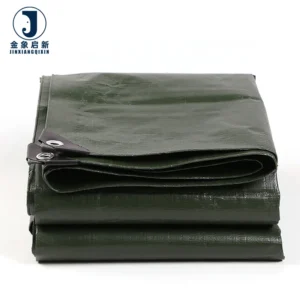
Heavy Duty Poly Tarps 5/10/12/16/20 Mil Waterproof Tarpaulin Cover 701 Fire Retardant Anti-UV and Windproof for Cars Tents
¥0.20 Select options This product has multiple variants. The options may be chosen on the product page