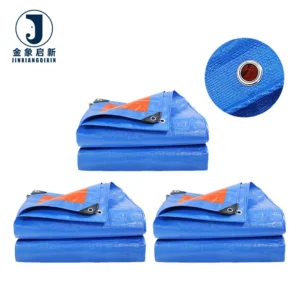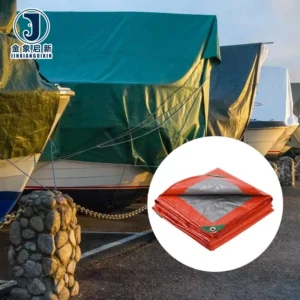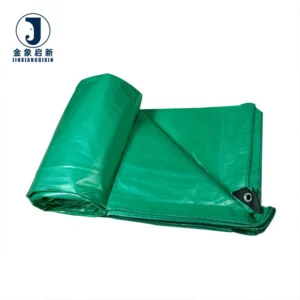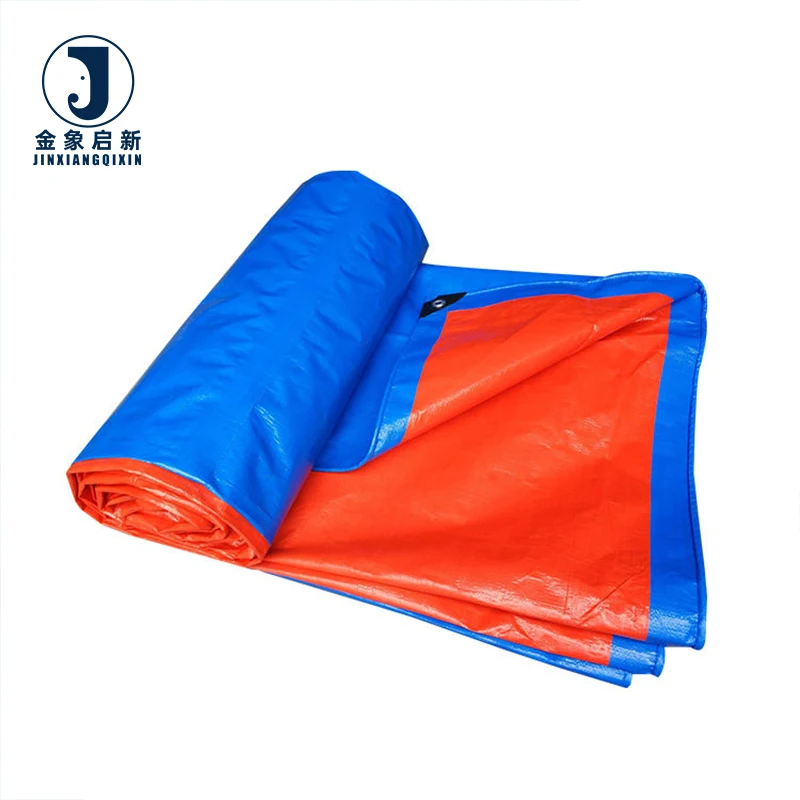
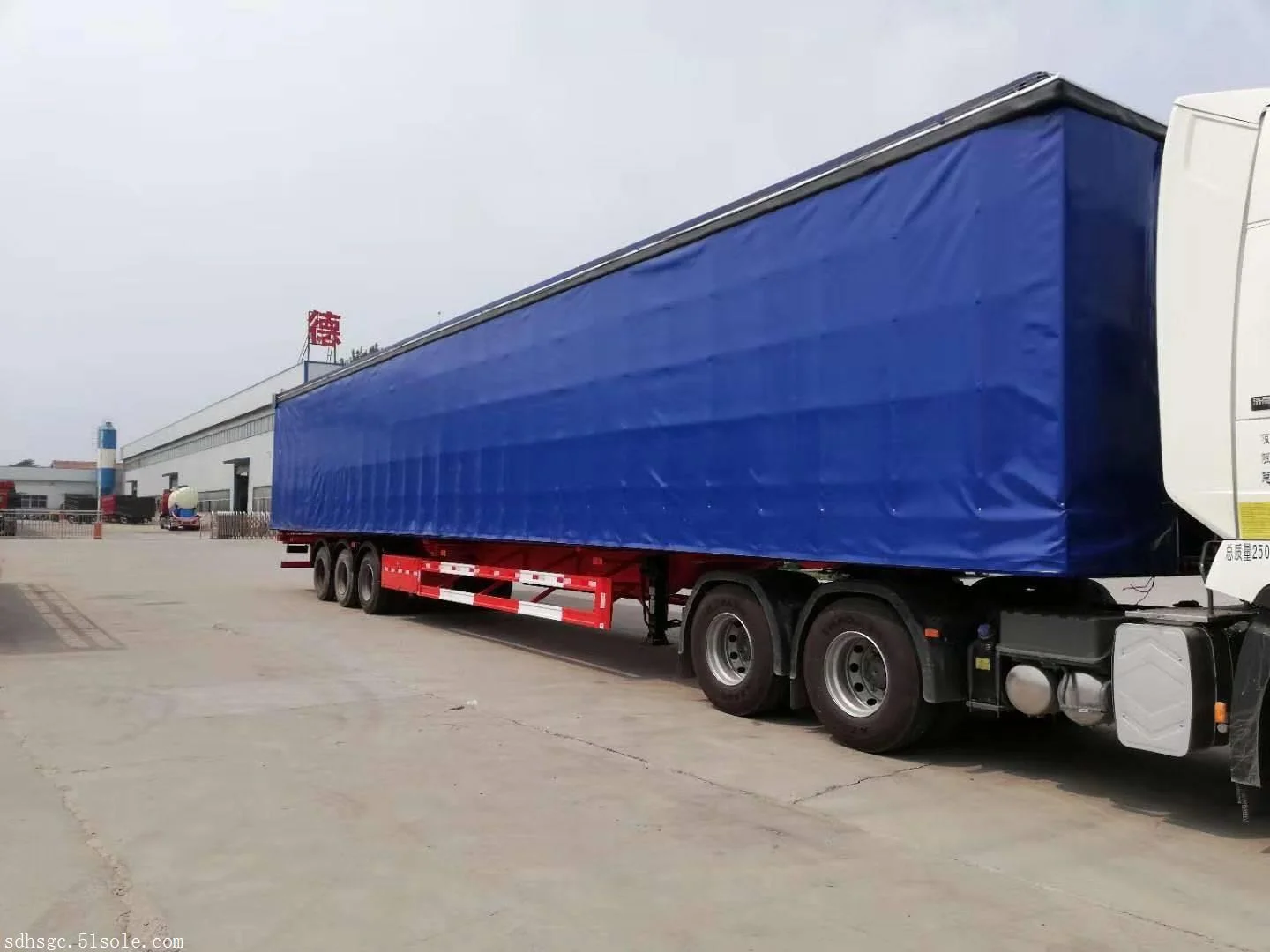
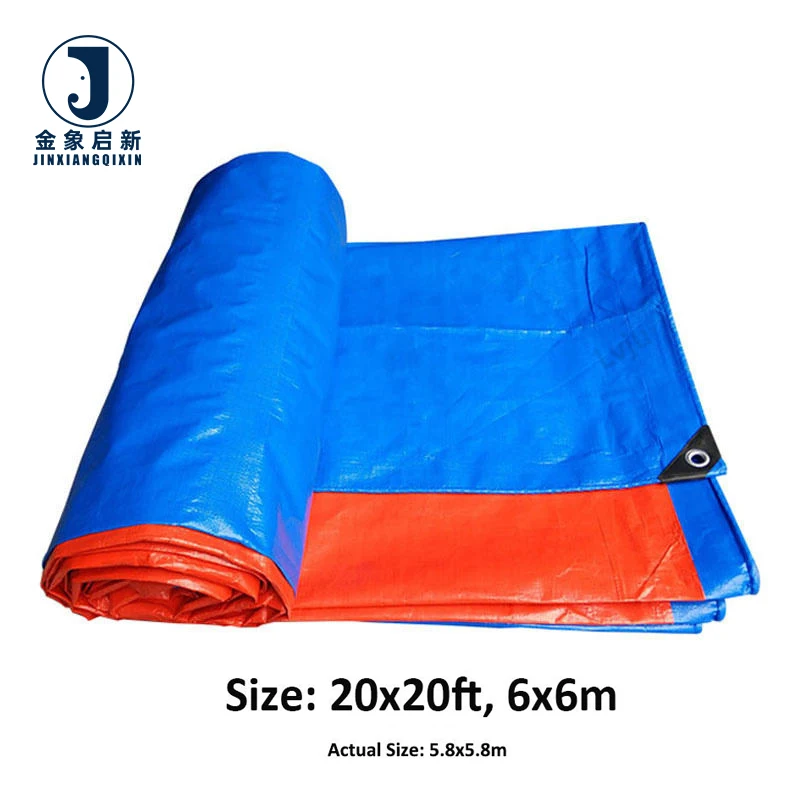
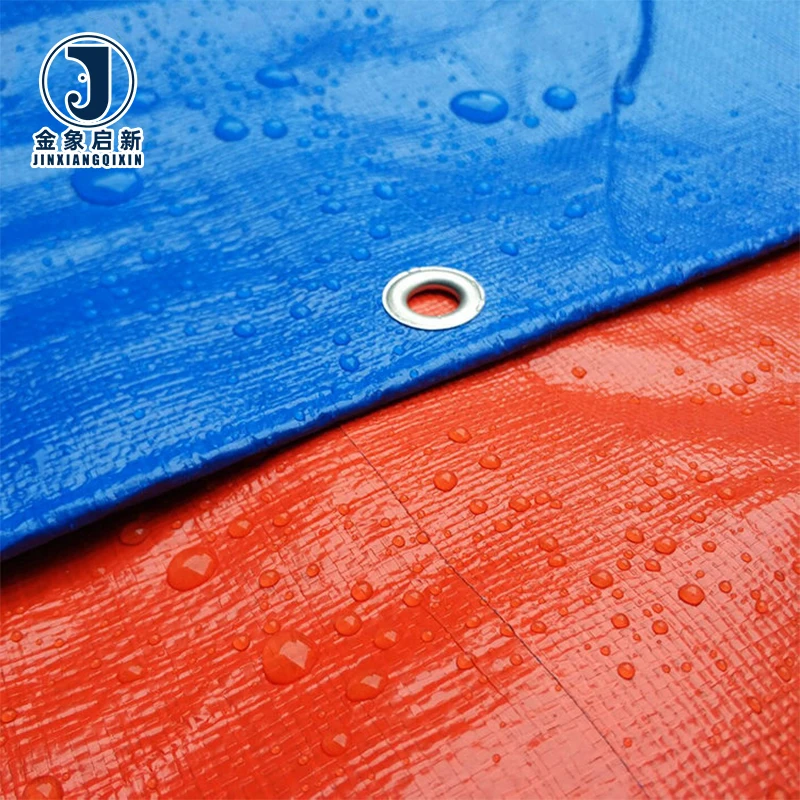
Custom PE Tarpaulin — HDPE Woven, LDPE Laminated, 50–220 g/m² — waterproof sheets and rolls for truck canopy, awning, and site cover applications.
- Density options from 6×6 to 14×14 weave, with roll widths up to 12ft and UV treatment available on request
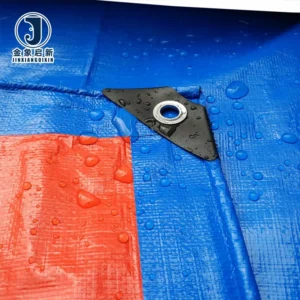
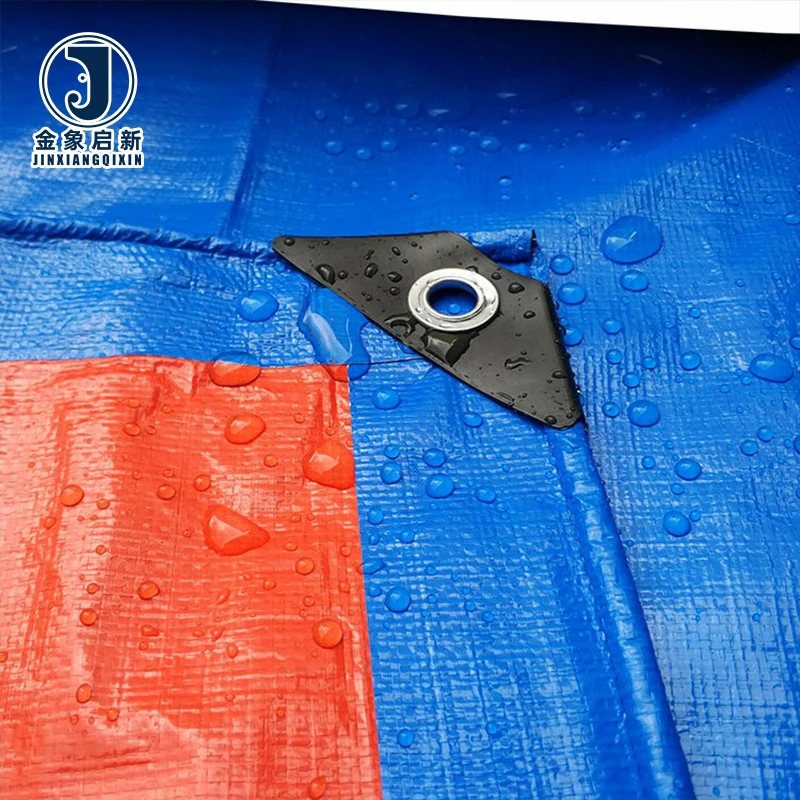
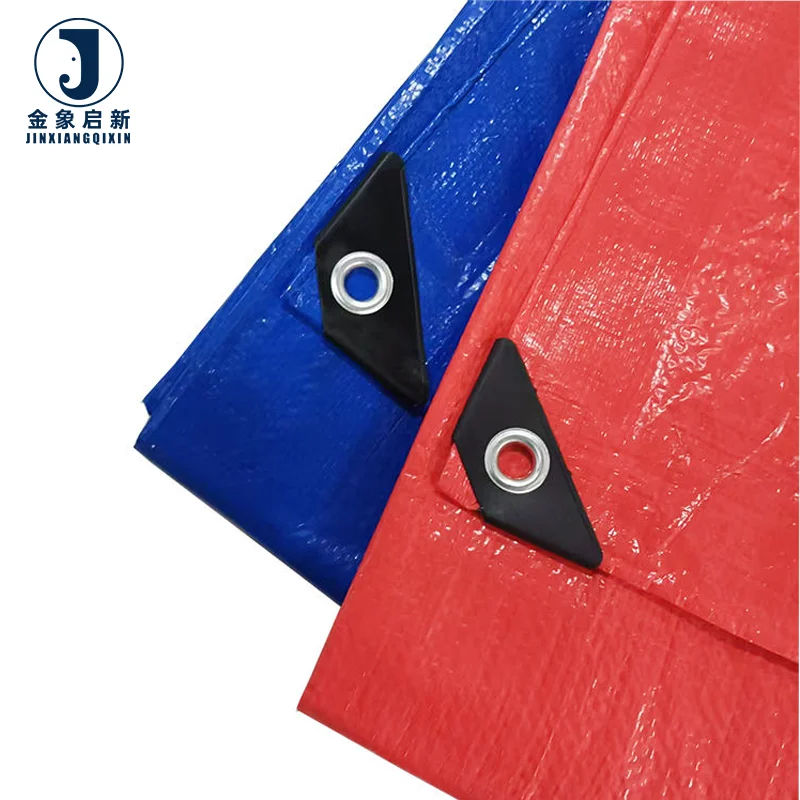
- All edges reinforced with PP rope hems, galvanized eyelets every 3ft, and plastic corner reinforcements for wind-load durability
Sourced through a complete catalogue platform with 100% pre-shipment inspection, dedicated QA at every production stage, and samples developed within days for custom sizing.
Description
Coating Weight Control — Every PE tarpaulin roll is verified against the stated GSM at each production stage, with 100% pre-shipment inspection ensuring the specification you order matches the material that arrives.
Technical Specifications
| Parameter | Value |
|---|---|
| Product Type | PE Tarpaulin |
| Material | HDPE woven base with LDPE lamination on both sides |
| Weight (GSM) | 50 g/m² – 220 g/m² (confirm the grade for this item) |
| Total Thickness | 0.2–0.4 mm / 8 mil–16 mil |
| Mesh Density Options | 6×6, 6×7, 7×7, 7×8, 8×8, 9×9, 8×10, 10×10, 12×12, 14×14, 14×16 weave |
| Roll Width | 6 ft, 8 ft, 10 ft, 12 ft / 2 m, 4 m, 6 m |
| Roll Length | 100 yards, 100 meters, or custom |
| Colour Options | Blue, Blue/Orange, Green, Grey, Black, Clear, Grey/Green, Orange, or custom |
| Finished Edge | All four edges reinforced with PP rope in hem |
| Eyelet Spacing | Galvanized eyelets every 3 ft or 1 m interval |
| Corner Reinforcement | Reinforced plastic corners |
| UV Treatment | Available (test basis not stated) |
| Anti-Mildew | Mildew proof and anti-aging |
| Waterproof Rating | Waterproof and washable |
| Certification | ISO and CE certified |
Application Suitability
| Application | Exposure & Requirement |
|---|---|
| Truck canopy sheets | Constant flexing, road abrasion, UV exposure, wind uplift at highway speed |
| Container and boat covers | Salt spray, prolonged water contact, tie-down tension at grommets |
| Construction scaffolding wrap | Wind loading, puncture from scaffolding joints, prolonged outdoor weathering |
| Agricultural crop and timber covers | Moisture ingress, ground contact, repeated deployment and folding |
| Gazebo tents and awning canopies | Sun exposure, rain pooling, frequent assembly and disassembly |
Why the Wrong PE Tarpaulin GSM Costs More Than the Fabric Itself
Specified weight must arrive on site — not a lighter substitute that fails under the first wind load.
A PE tarpaulin that measures below the quoted GSM on arrival is not just a quality issue. It is a performance failure in progress. The base fabric denier and lamination coating weight together determine how the material handles tension, abrasion, and puncture. When the coating is lighter than agreed, the HDPE weave is exposed to UV degradation and mechanical wear far sooner than expected. Truck canopy sheets that flex daily at highway speeds will delaminate at the hem within months instead of years. Construction site covers that sit through a full build cycle lose waterproof integrity mid-project.
The cost of replacing a failed tarpaulin mid-deployment — including labour, downtime, and damaged cargo — dwarfs the per-square-metre saving on the original purchase [NEED_CITE: typical cost ratios for tarpaulin replacement versus initial material savings in fleet operations].
HDPE Woven Base and LDPE Lamination Integrity
The structural performance of this PE tarpaulin starts with the HDPE woven fabric. The mesh density options — from 6×6 to 14×16 weave — define how many yarns per square inch carry the load. A tighter weave distributes stress across more fibres, which matters when a truck canopy sheet is pulled taut against wind uplift or when a construction cover is stretched across scaffolding. The LDPE lamination on both sides seals the weave and provides waterproof integrity. When the lamination weight is matched correctly to the base fabric density, the result is a balanced material that resists tearing without becoming too rigid for field handling.
Edge Reinforcement and Load Point Durability
The stress concentration points on any PE tarpaulin manufacturer should address are the edges, corners, and eyelets. Every finished sheet in this range carries PP rope inserted into a folded hem on all four sides. This distributes tie-down loads across a broader section of the fabric rather than concentrating force at a single stitch line. Galvanized eyelets are set at 3 ft or 1 m intervals, with reinforced plastic corners at the high-stress points where tarps are most frequently handled and tensioned. A corner that tears out under load compromises the entire cover and exposes whatever is underneath.
Reading GSM and Mesh Density Together
GSM alone does not determine how strong a PE tarpaulin will be in service. A 150 g/m² sheet made with a 6×6 weave and heavy lamination will behave very differently from a 150 g/m² sheet made with a 12×12 weave and lighter coating. The tight-weave version with less coating relies on the HDPE yarns for tensile strength but may have thinner waterproof barriers. The open-weave version with thicker lamination may waterproof better but tear more easily along the weave lines. This is why the density-to-GSM mapping matters: each mesh count corresponds to a specific weight grade, and the combination determines real-world behaviour under tension and abrasion [NEED_CITE: relationship between mesh density and tensile performance in HDPE woven fabrics per ISO 1421].
Thickness from 0.2 mm to 0.4 mm gives a practical indicator of total lamination build. The thicker grades suit applications where puncture resistance is critical — such as construction material covers sitting on rough surfaces — while the lighter grades serve agricultural drying covers where weight and handling ease take priority.
What Happens When Specification Mismatches Reach the Job Site
Colour variation between rolls in the same shipment becomes immediately visible once installed side by side on a truck fleet or scaffolding run. This is not a cosmetic complaint — it signals inconsistent coating weight and lamination temperature across production batches. Eyelets placed at incorrect intervals mean field workers cannot match tie-down points to their hardware, forcing ad-hoc solutions that concentrate stress and accelerate tearing at the hem. UV treatment claimed without a supporting test report leaves the buyer carrying all the risk if the material degrades prematurely under sustained sun exposure [NEED_CITE: UV degradation patterns in LDPE laminated fabrics without verified stabilizer levels]. Welded seams failing before the fabric body is another common failure pattern, particularly where generic heat settings are applied without adjusting for the specific GSM and lamination type.
Production Capability Behind This Range
Three full production lines with 36 sets of professional equipment support the output volume needed for container-load orders of PE tarpaulin rolls. The 10-person R&D team handles custom width development, colour matching, and sample preparation for branding or print requirements. Dedicated QA/QC operates at every production stage, checking coating weight and lamination adhesion before the roll moves to finishing. Pre-shipment inspection covers 100% of rolls, verifying GSM, colour consistency, and eyelet placement accuracy against the purchase order specification.
Documentation & Verification
- Material specification sheet stating exact GSM, mesh count, HDPE base fabric and LDPE lamination weight
- Pre-shipment inspection record with roll-by-roll GSM verification against the order specification
- Colour reference document for batch consistency checking across the full PE tarpaulin order
- Test report for UV treatment grade where applicable, referenced to recognised test methodology
- ISO and CE certificates included with every shipment
- Roll packing list with dimensions and container loading plan for freight planning
Fabrication, Handling & Storage
- Heat-seal at temperatures matched to the specific LDPE lamination thickness to avoid seam failure at flex points
- Reinforce all tie-down eyelet zones with additional plastic patches on heavy-duty grades above 180 g/m²
- Store rolls upright on pallets in shaded, dry conditions to prevent permanent creasing in the HDPE weave
- Avoid dragging finished sheets across rough ground; the LDPE surface scratches compromise waterproof performance
- Clean with mild detergent only — solvent-based cleaners degrade the LDPE lamination layer
What to Include in Your Enquiry
Specify the application environment — whether the material will cover moving loads, static stockpiles, or structural canopies — along with the expected wind and UV exposure levels. Indicate your required roll width, colour, and whether you need finished sheets with eyelets or raw roll stock. If your market requires UV stabilisation test reports, state the standard or performance benchmark your buyer or regulator expects.
Frequently Asked Questions
Q: How do you verify the GSM I ordered is the GSM I receive?
A: Every PE tarpaulin roll is weighed and measured during production, with results recorded against the target specification. Our QA team performs 100% pre-shipment inspection, checking coating weight and total GSM roll by roll. The inspection record is included with your shipment documentation so you can verify the material on arrival against the order.
Q: Can I order custom width, length and colour — what are the minimums?
A: Custom widths up to 6 m and custom colours beyond the standard range are available. Roll lengths of 100 yards or 100 metres are standard, with other lengths produced to order. Minimum quantities depend on the specific colour and width combination. Request a sample first to confirm the finish and weight meet your application requirements before placing the full production order.
Q: What UV treatment options do you offer and on what test basis?
A: UV treatment is available for this PE tarpaulin range, applied during the LDPE lamination stage. The specific stabiliser formulation and concentration should be confirmed based on your market’s exposure conditions and any regulatory test requirements. Request the test report for your chosen grade to verify performance claims against recognised methodology before finalising the order.
Q: How do you control colour consistency between rolls in the same order?
A: Colour reference documents are established before production begins, and batch consistency is checked at the lamination stage. Rolls from the same order are inspected side by side for visible variation. If your installation requires multiple panels mounted adjacent to each other, specify this in your order so production can prioritise single-batch allocation for your full quantity.
Related products
-
PE Coated Tarpaulin Waterproof Rainproof Outdoor Awning Shade Sail Canopy Pet Dog House Cover for Boys Anti-UV Medium Weight
¥0.70 Select options This product has multiple variants. The options may be chosen on the product page -
China JINGXIANG PE Coated Waterproof Blackout Truck & Trailer Cover Tarpaulin for Boys & Girls
¥0.35 Select options This product has multiple variants. The options may be chosen on the product page -
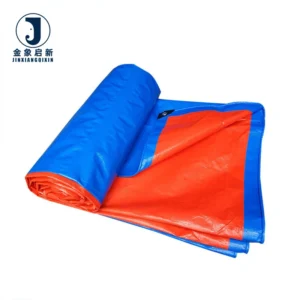
Custom Made PE Tarpaulin with Eyelets – Waterproof Tear-Resistant
Read more -
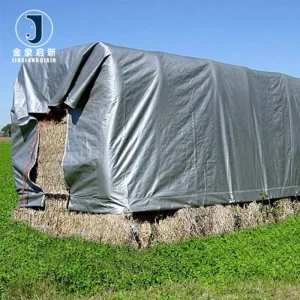
Baisite Coated Organic Blackout Waterproof PE Tarpaulin Roll 4mx50m Customized 4mx6m Outdoor Tent Awning Truck Cover
¥0.77 Select options This product has multiple variants. The options may be chosen on the product page